
Tuesday, February 4, 2020
Today the Pima County Board of Supervisors voted to reject more than $1.8 million in federal Operation Stonegarden funds. This money would have gone toward Pima County sheriff’s deputies overtime, mileage and equipment related to federal immigration missions.
Democratic Supervisors Sharon Bronson, Ramón Valadez and Richard Elías voted against the funds, while Republican Supervisors Steve Christy and Ally Miller voted in favor.
Last May, the supervisors voted 3-2 to accept Stonegarden funding on the condition that more than $200,000 of those funds go toward reimbursement for the county’s cost of housing and providing services to the large influx of asylum seekers experienced during that time.
District 3 Supervisor Bronson was the swing vote in favor of that decision. Supervisors Miller and Christy also voted in favor, while Supervisors Elías and Valadez voted to reject the money.
In December, it was revealed that federal and state officials denied the supervisors’ request to use the money for that purpose. Officials from US Border Patrol and the Federal Emergency Management Agency claimed “there is no border security operational benefit derived from this reallocation request.”
As a result, the Pima County Sheriff’s Department received no Stonegarden funds last year.
Before September 2018, Operation Stonegarden had been accepted by the Pima County Board of Supervisors for 12 consecutive years. In response to mounting opposition from community members, the supervisors rejected it for the first time at a 3-1 vote that year.
Sheriff Mark Napier was an avid supporter of the federal program, saying the funds were instrumental to their operations and maintaining public safety in the region.
But critics of Operation Stonegarden say the program does the opposite. They believe it promotes collaboration between local law enforcement and federal immigration agents, which targets immigrant communities within Southern Arizona.
At the Feb. 4 meeting, Napier said the department needs the proper tools to address cross-border crimes. He said they are actively interdicting large amounts of fentanyl, opioids, heroin and methamphetamine coming into Pima County through the border, as well as cases of human trafficking.
He said they are dependent on this funding from the federal government, but he wants to get to a point in the budget where they are no longer in that position.
Napier said he recognized some of the “collateral damage” caused by these grants, and made an offer to the supervisors to limit the overtime participation by deputies to eight hours per pay period, in order to minimize the fiscal impact of long-term pension obligations.
Napier rejected the notion of racial bias in the sheriff’s department as a result of taking the federal grant and called it “offensive.”
Elías said the criticism about Stonegarden leading to racial profiling is not an attack on officers, but rather an indicator of the federal government not fixing a broken immigration system.
Despite Napier’s comments in favor of the funding, Elías said the Stonegarden grant is still problematic and has a lack of transparency surrounding the “true cost” behind it, regarding the sheriff’s deputies pension liability and lack of humanitarian aid granted.
Elías added that he believes the Department of Homeland Security is a “rogue agency” that doesn't serve the interests of citizens.
Bronson said it's clear the grant hasn't changed or adapted to today’s border conditions. But she said it's still compelling because of a new federal policy, the Migrant Protection Plan. She commented that most migrants who die in the rural desert land of Pima County are in District 3, her district. She believes law enforcement needs to be present in those rural areas to rescue and save lives, which they currently are not doing due to a lack of staffing.
She supported County Administrator Chuck Huckelberry’s continued effort to receive reimbursement for humanitarian aid costs incurred by the county. But since those aren’t included in the current grant, she said she couldn’t support it.
“I think everyone loses no matter how this vote goes down today,” Bronson said.
Tags: Operation Stonegarden , Board of Supervisors , Department of Homeland Security , US Border Patrol , Richard Elías , Sharon Bronson , Steve Christy , Ally Miller , Ramón Valadez , Image

Meet Athena at 635 W. Roger Rd or give us a call at (520) 327-6088 ext 173 for more information.
Tags: dogs , animals , pets , adoptions , Humane Society of Southern Arizona , Image

Dishing dirt about the most unforgettable moments—from a neighbor's pet pig barging in during a sexy hook-up, to being proposed to just hours after being discharged from the psych ward. Andrea Gibson slams into 191 Toole...
Playing fast, infectious punk, Dogleg strap on their "Jetpacks" and communicate in a "Modern Language." At Club Congress. Annie Jump Cannon, Zenny Cake and Born Without Bones lend support...
Taco Techno Tuesdays sees DJ Starkill banging EDM. At Batch Cafe & Bar...
Magnifying LIGHT. The University of Arizona Center for Creative Photography is hosting a public film screening and print viewing for their “Qualities of LIGHT” exhibit. LIGHT was a New York City photo gallery, and this exhibit “raises questions about our contemporary connections to photography’s histories.” This will be the first public screening of the new documentary by Lisa Immordino Vreeland, which explores the significance of the LIGHT gallery. The screening will be followed by a print viewing of additional artists who showed with LIGHT, drawn from the CCP collection. 6:15 p.m. Tuesday, Feb. 4. 1030 N. Olive Road.
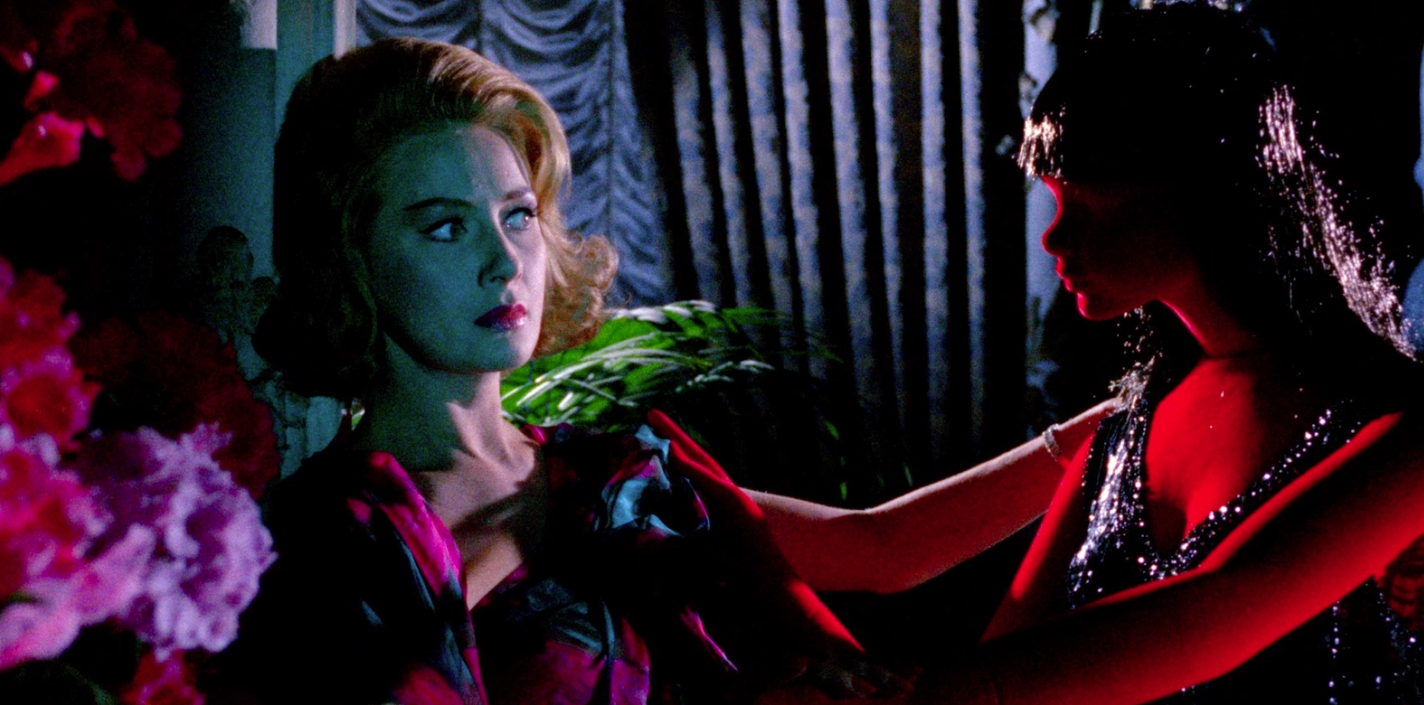
Giallo Month. The University of Arizona’s Cinematopia club is painting February red by celebrating “Giallo,” the Italian mystery/horror genre that features artsy camera work, spooky atmospheres and bloody death scenes. To get things rolling, they’re screening one of the very first examples of the Giallo genre, Blood and Black Lace. This 1964 flick directed by Mario Bava follows a series of murders that take place in a high-end fashion house. Before the movie, there will also be a curated pre-show of Giallo movie trailers. 7:30 to 10 p.m. Tuesday, Feb. 4. Located at the UA Harvill building at 1103 E. Second St. in Room 104. Free.
Tags: movies , things to do , music , screenings , galleries , Image
Monday, February 3, 2020
Tags: Trump , Superbowl , Kansas , map , where's Kansas City , MAGA , Claytoonz , Image
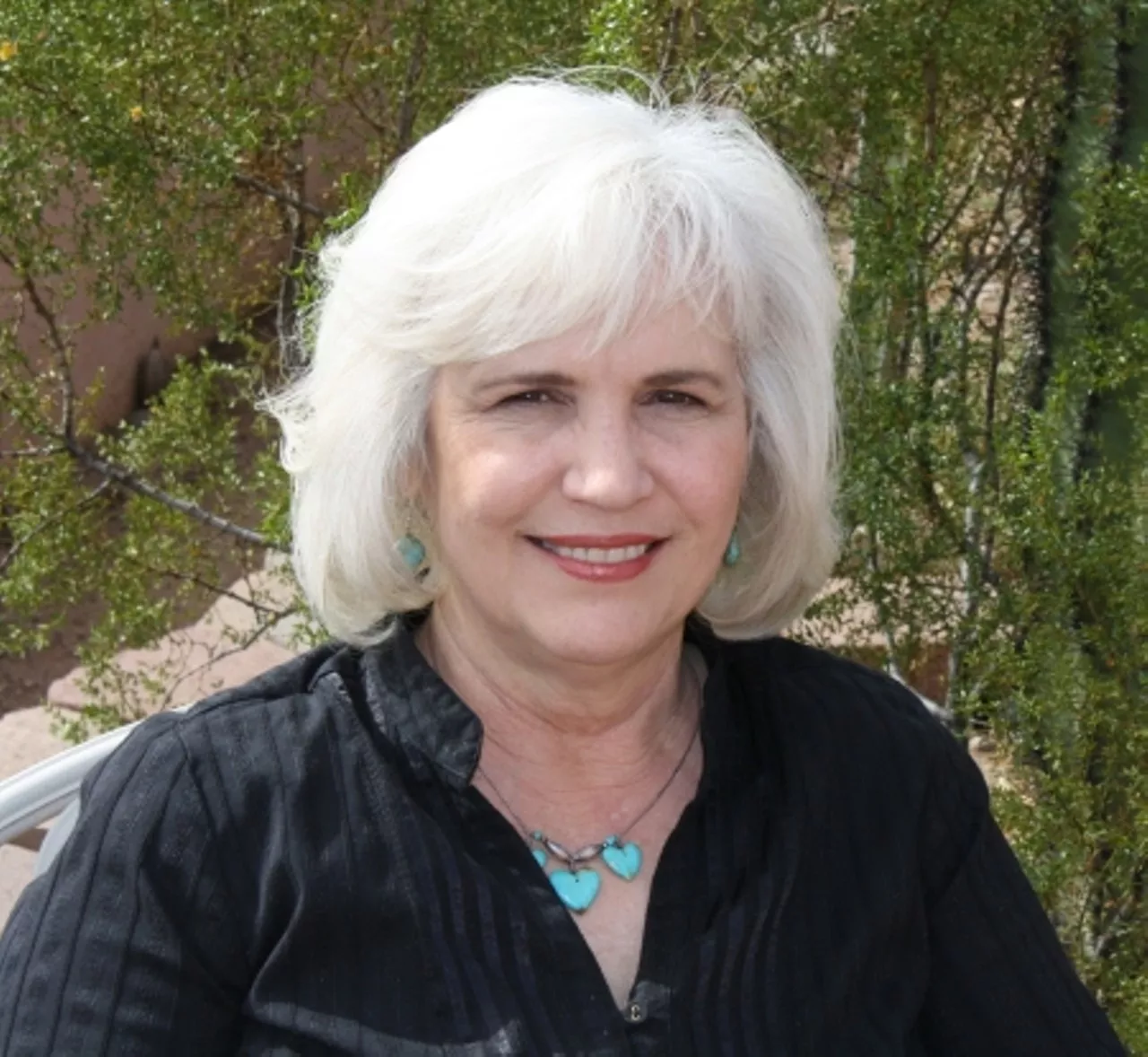
Light Changes Everything was published by St. Martin's, and is available at Barnes & Noble, Amazon and more.
What was your inspiration for the book?
The idea came because back in 1907, Arizona was not quite a state yet, it was pretty much just the wild west. I had an opinion on the people who lived there and how they lived. Women had a whole lot of rights that they did not have in-state, meaning they could own businesses, they could be the boss of things, they could make contracts and have bank accounts without having a father or a husband in charge of their lives. Whereas in the eastern states, if a girl married, she belonged to the man. They did not have the kind of right that a woman in a territory had, so I imagined a young woman from that year with the feeling that she was her own boss packing up her pistols and going off to school… Then I looked for where might she go to school and discovered that in 1906, Wheaton College in Illinois was the only institute of higher learning that was openly recruiting women students and I thought that would be a great place for her to go and meet the challenges of a completely different set of rules.
Are there any writing or storytelling techniques in this book that you feel you were unable to manage in your first book?
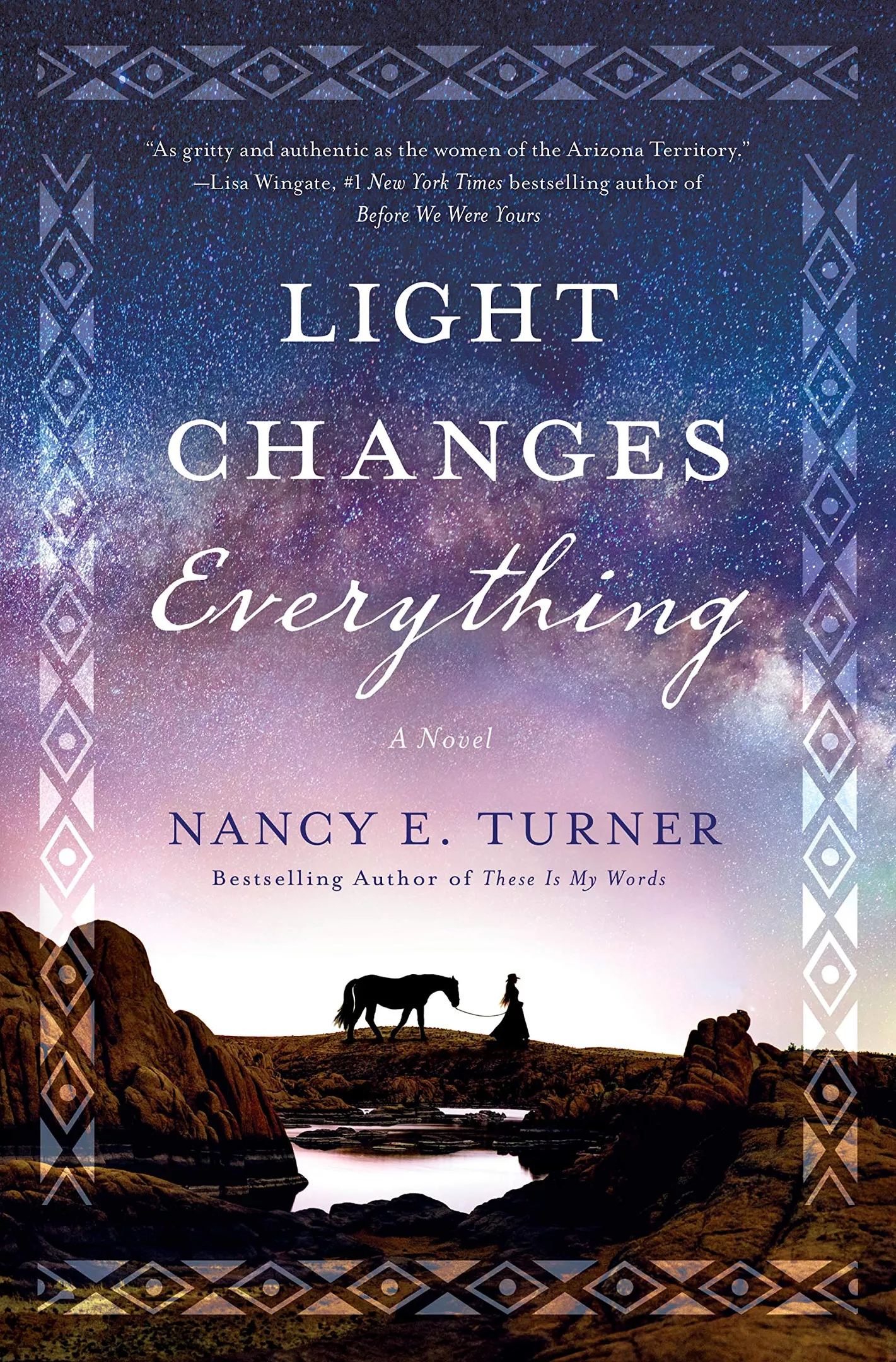
I think there was a lot more crafting as far as editorially putting together seeds that depicted the story as opposed to just telling a straight linear tale.
Your book alludes to much of Jane Austen’s work and her stance on feminism, how do you think you contributed to her ideas?
I think in terms of maybe giving someone something to think about, Jane Austen's books that I mentioned that were typical of the era where the women had to marry someone or they would starve, they were really in a fix and finding the right husband was key to their happiness. So my character Mary Pearl is absolutely determined that that's not what her life is going to be about. So I suppose if it contributes anything it may contribute some talking points for the opposite idea that a girl could amount to something without having a husband that they could depend on. It’s a little more modern take on it because in Arizona the women had so much freedom in those days that I think it would have been appropriate to the era.
Jane Austen was a big inspiration to your character as well. Who are some of your literary influences?
I would have to say that the very first book I ever read and that made me feel as if I wanted to become a writer and be able to do that was Truman Capote. The reason is those are two extremely different [Grass Harp, In Cold Blood] stories. One was a real life account of a murder and the other one was a beautiful, lyrical growing-up story about a boy who lives with two crazy old aunts, and it's so completely opposite and yet they're both so touching and gripping. I felt like his command of word is something I wanted to go for. I'm not saying that I come close to that, but I read a lot of different authors and particularly, I'd have to say Truman Capote, Barbara Kingsolver, Mark Twain and even Nathaniel Hawthorne are my most favorite writers. Their works stand the test of time and that truly is amazing… I always look for unsung heroes, especially women, who had to be strong against odds that people face today but we don't even realize how much strength it takes. I’m always, always impressed by women who are kind of going against the grain.
How do you think your novel differs from others' historical fictions?
I think it differs in that the main character is the narrator so it requires really getting into the mindset, the morality, social things of the time like a girl couldn’t contact a man, she’d have to wait to be asked… It’s a fictional character but everything is so heavily based on my research that I do believe it could have happened. It's not just a romance, it's not about romance, it's about personal growth.
Ana Teresa Espinoza is a University of Arizona journalism student and Tucson Local Media intern.
Tags: Q&As , Nancy E. Turner , books , Light Changes Everything , novels , fiction , Wild West , Image
Tags: XOXO , Where to rock , punk , stoner metal , hardcore , punk , concerts , Blacklidge Community Collective , Image