

Wednesday, March 25, 2020
President Donald Trump is under fire for his reluctance to use the Defense Production Act, a 70-year-old law that empowers the president to order private industry to produce crucial equipment and supplies in an emergency.
But the law may not be the silver bullet its proponents are hoping for to combat the COVID-19 pandemic: It comes with a war chest of only $228 million, with another $1 billion to come assuming the latest rescue legislation passes.
That $228 million is the available balance in the Defense Production Act Fund as of Oct. 1, according to the latest White House budget report. The fund is the designated vehicle for the government to obtain needed supplies from private companies though loans, subsidies or purchases, according to a Congressional Research Service report this month.
As part of a deal reached overnight, the stimulus package will include $1 billion for the Defense Production Act, according to a summary released by Sen. Patrick Leahy, the ranking Democrat on the Appropriations Committee. “This funding allows the Department of Defense to invest in manufacturing capabilities that are key to increasing the production rate of personal protective equipment and medical equipment to meet the demand of healthcare workers all across the nation,” Leahy’s summary said.
The White House and Treasury Department didn’t respond to requests for comment.
The $1 billion influx is less than a previous proposal from House Democrats, who floated the idea of adding $500 million to the fund and authorizing an additional $3 billion. The version of the stimulus bill proposed by Senate Majority Leader Mitch McConnell had no funding for the Defense Production Act. McConnell’s bill failed to advance last week, prompting marathon negotiations that led to the latest deal.
All of those figures are drops in the bucket amid a pandemic response where figures are measured in the billions or trillions. For example, Trump’s national emergency declaration under the Stafford Act unlocked a disaster-relief fund of up to $50 billion.
The existing $228 million in funding is enough to buy about 9,000 ventilators, based on the low-end cost for the type of device used in intensive care units, according to Medtronic, one of the top manufacturers. New York Gov. Andrew Cuomo said Tuesday that his state alone needs 30,000 of the breathing machines to deal with the onslaught of coronavirus patients.
Even without more designated funds, the administration could still use its powers under the Defense Production Act to prioritize other government contracts. The Federal Emergency Management Agency used this authority to expedite contracts for housing, food, water and electricity in Puerto Rico in the aftermath of Hurricane Maria.
On Tuesday, FEMA administrator Peter Gaynor said the disaster response agency would now use the law to obtain coronavirus test kits and was also putting “DPA language” into contracts for 500 million protective masks. By the end of the day, however, the agency backtracked, saying the law wouldn’t be used after all because the test kits were found on the private market.
The reversal came after Trump spoke at an evening White House press conference, saying the Defense Production Act wasn’t needed. Even though Trump formally invoked the law in an executive order last week, he and some of his advisers have been loath to deploy it, under pressure from the Chamber of Commerce and business leaders, The New York Times reported. “We’re a country not based on nationalizing our business,” Trump said at a briefing.
The law is no panacea, added the Chamber of Commerce. “The Defense Production Act isn’t a magic wand to immediately solving medical supply shortages,” Neil Bradley, the chamber’s chief policy officer, told The Wall Street Journal. “It can’t produce highly specialized manufacturing equipment overnight.”
Trump’s position is at odds with pleas from governors, lawmakers and health experts. In a joint letter on Saturday, the top groups representing doctors, hospitals and nurses urged Trump to immediately use the Defense Production Act to increase supplies of protective gear and medical equipment. Rep. Andy Levin, D-Mich., was the lead signer on a letter of almost 60 lawmakers calling on Trump to use the emergency powers this month.
“Time for the DPA — all three sections,” Tom Bossert, who was Trump’s homeland security adviser, with responsibilities including pandemic response, from 2017 to 2018, tweeted on Tuesday.
The Defense Production Act is routinely used by the Pentagon to prioritize contracts and buy military hardware, according to the Congressional Research Service. In 2017, the Defense Production Act Fund supported dozens of military projects such as developing weapons and fuel systems, according to a Defense Department report. The government has not made direct loans from the fund for more than 30 years, the Congressional Research Service said.
Tags: covid19 , coronavirus , defense , act , president , trump , funding , Image
COVID-19 is unlike anything in our lifetime. But the president has repeatedly compared it to the H1N1 swine flu outbreak of 2009. Here's why it's different, and much more dangerous.
Tags: swine flu , flu , coronavirus , covid19 , watch , Image
These are unprecedented times.
As COVID-19 spreads across our community, people are falling sick in our community, with more to come. Our children’s schools have closed. Our concert venues gone dark. Our bars have been shuttered and our restaurants are limited to take-out service. Many of our small businesses are being pushed to the absolute limit.
For more than three-and-a-half decades, Tucson Weekly has been telling you stories about Southern Arizona. We pride ourselves on delivering local news you won’t find anywhere else about local government, politics, the arts, music, film, restaurants and much more.
Now our award-winning journalists are bringing you up-to-date local news on the developing crisis.
But we face a crisis of our own. Much of our revenue is based on bringing people together—and for now, we are being asked to stay apart. Our distribution network is based on you picking up a copy of our paper in a restaurant, a bar, a library or wherever you find it when you go out. You can see how we have a problem here.
Until we can come together again, our independent news organization needs your help.
If you see a value in what Tucson Weekly does for our community, we are asking you to please consider a donation to our efforts. While our paper and websites remain free, many of our advertisers are struggling and cannot support us as they have in the past, so we are turning to the community. (Please note that we are not a nonprofit, so your donation is not tax-deductible.)
Together, we will get through this.
Thank you for your consideration.
Donate here to Tucson Weekly/Tucson Local Media.
Local health officials are still struggling to speed up COVID-19 testing, which has delayed plans for Banner Health to set up drive-thru testing sites.
Dr. Bob England, the interim Pima County Health Director, says the problem isn't with the labs anymore. Instead, it's because the equipment that's needed to take samples is in short supply.
"Now the healthcare community is in short supply of the test kits they need to take the samples—those little plastic swabs," England said in today's video briefing on the outbreak. "We saw this coming a couple of weeks ago. We submitted our own order. Right before we got it, it was canceled out from under us. We've been working with researchers at the U of A to make reagents, to get the plastic tubes, to get the right kinds of swabs. We can't quite use them yet. We still have to double-check sterility and we have to get the right kinds of swabs for some of the kits."
England added that when Banner Health's drive-up testing program launches, it will be by appointment only rather than open to anyone who wants a test.
Tags: coronavirus , tucson news , Arizona news , testing , test kits , drive thru testing , banner health , covid-19 , Image
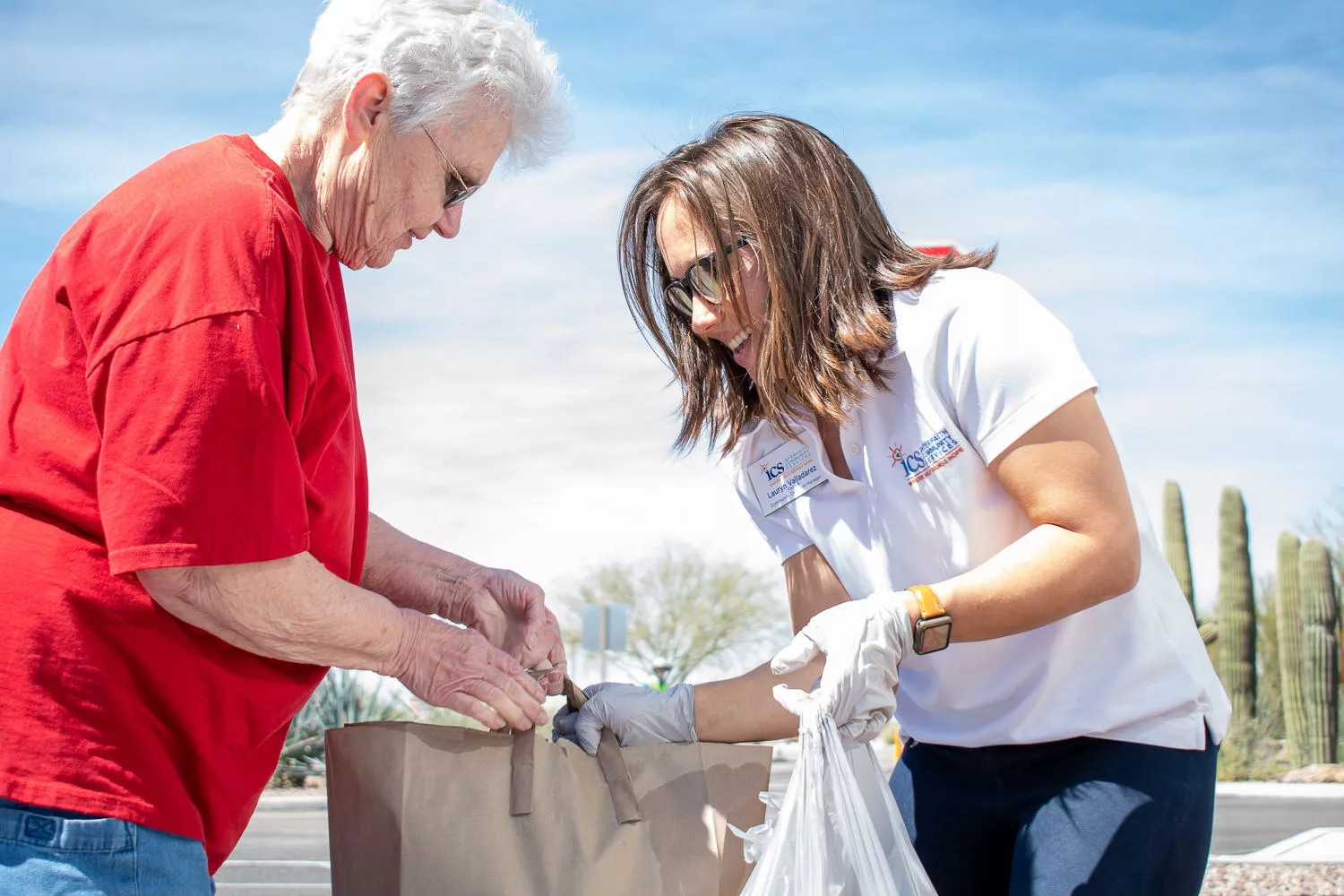
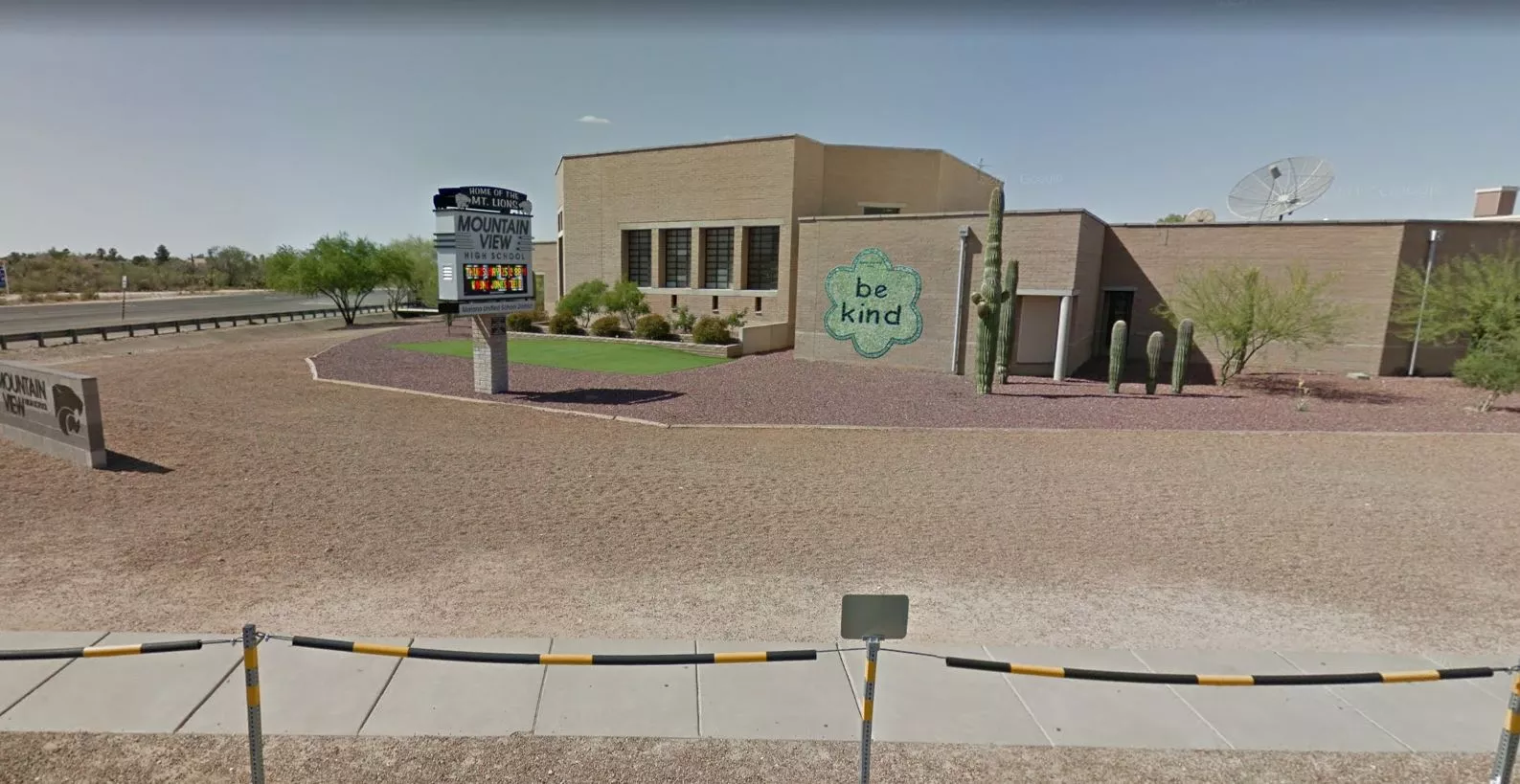
It's not something most parents have prepared to do, but districts are offering up whatever resources they can while schools remain shut down at least through April 10—and potentially longer, given that cases of COVID-19 are still rising across the state.
If you're looking for some lesson plans, here are some online resources:
Amphi School District has a list of fun resources for learning at home, including math games, free worksheets and printables, Duolingo and virtual field trips to places like the Louvre and the Great Wall of China. Visit amphi.com.
Expect More Arizona has a list of learning resources for kids and suggestions for how to talk to your kids about COVID-19, as well as resources in Spanish. Details here.
Though the Pima County Public Libraries are closed until further notice, you can still access digital materials 24/7 (and the due dates for items have been extended). Details here.
Arizona educator Joy Novack Rosson compiled a list of resources on ways to learn at home, including a website to explore the surface of Mars, elementary science lessons and classes for older teens or adults. Find the complete list here.
Tags: covid-19 , schools , resources for teaching at home , coronavirus , tucson news , arizona news , Image
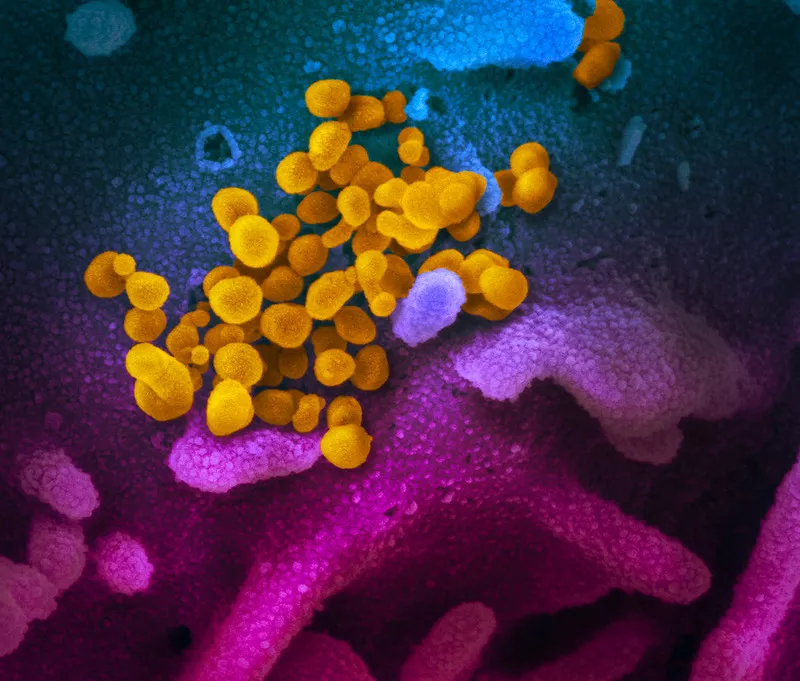
A total of 401 cases of COVID-19 have been confirmed in Arizona on Wednesday, March 25, according to the morning report from the Arizona Department of Health Services.
That's a jump of 75 from yesterday's 326.
There are 49 confirmed cases in Pima County.
The virus has killed 6 people in Arizona, including a Pima County woman in her 50s who had underlying health conditions.
In Maricopa County, the number of confirmed COVID-19 cases has risen to 251, with 52 more cases being reported than yesterday.
Health and government officials have urged the public to avoid unnecessary trips and gatherings of more than 10 people. They warn that the extremely contagious virus is rapidly spreading in the community. Symptoms can take up to 14 days to appear, so people can pass COVID-19 without realizing they have been infected with it. Some people remain entirely asymptotic but are carriers.
Tags: updates , covid19 , coronavirus , stats , Image
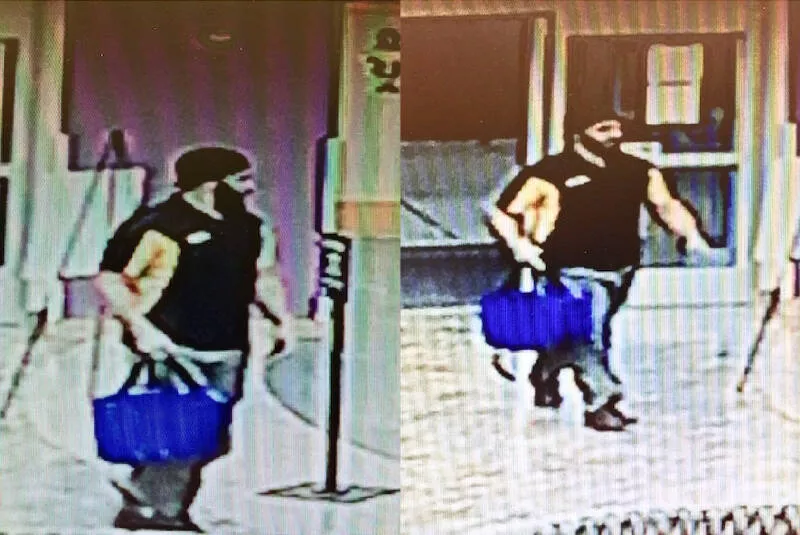
It turns out the person of interest was a "legitimate delivery driver for a third-party transport company that subcontracts for Sonora Quest Laboratories," according to a recent TPD news release.
Apparently the driver mistook which package he was supposed to pick up at El Rio and left with a batch of unused coronavirus test kits on Friday evening. Staff at EL Rio realized the kits were missing and called the mixup in as a theft, instead of calling the transport company first.
"A delivery slip retained by the transport company’s branch manager corroborated the man’s account," the release stated.

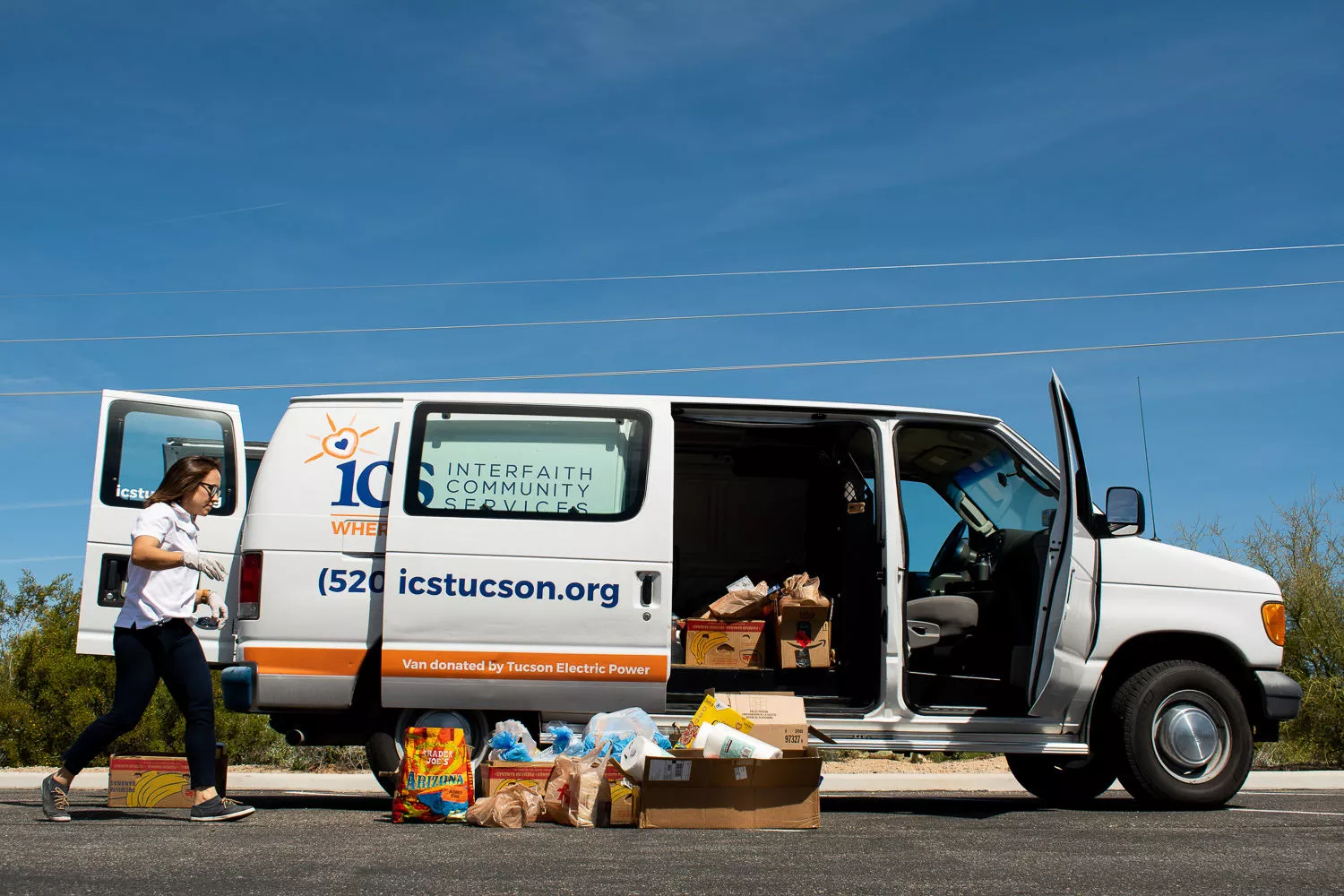
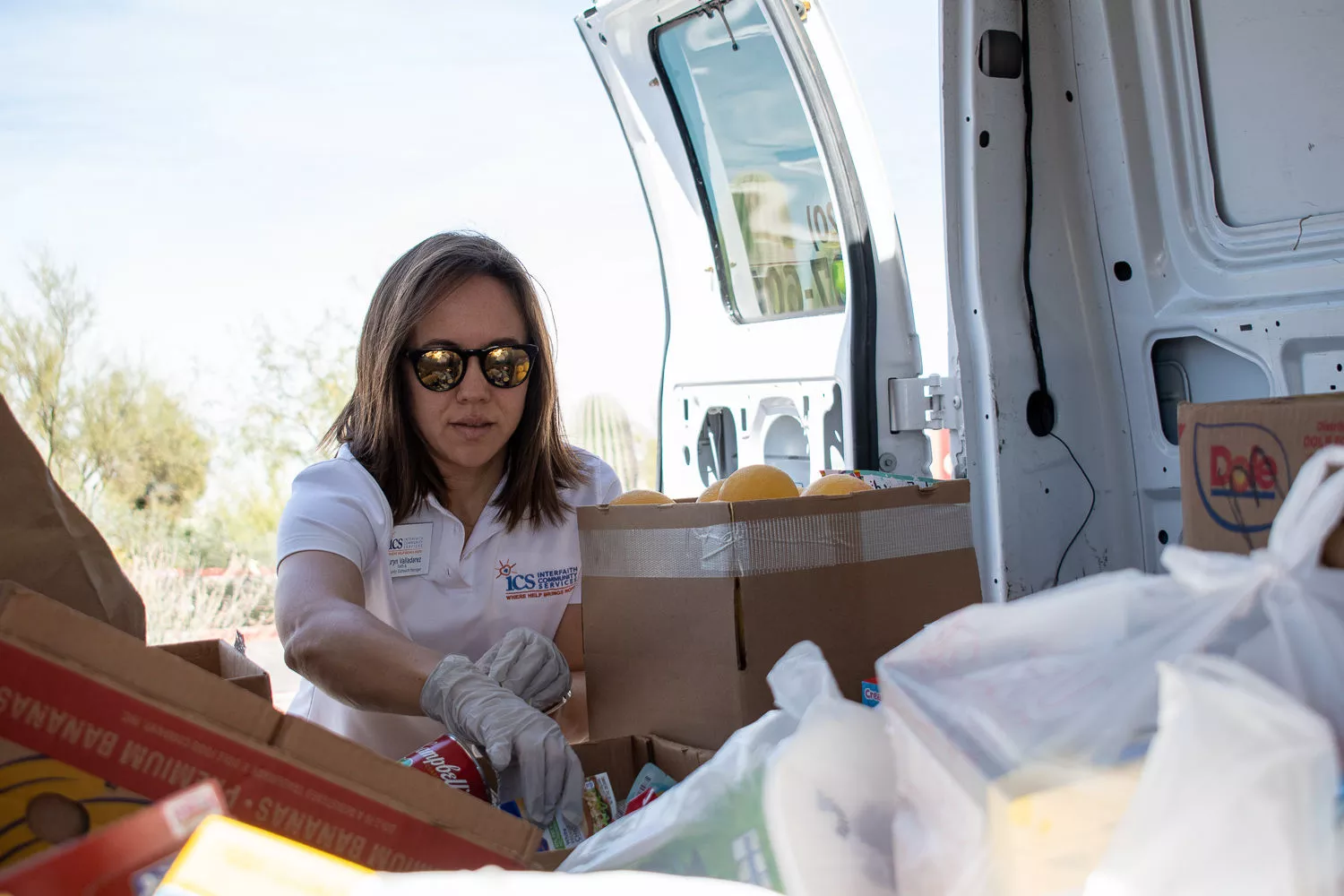
With the novel coronavirus COVID-19 particularly deadly to seniors, the Salvation Army of Tucson announced plans yesterday to launch food deliveries to anyone over the age of 65 who cannot shop for themselves.
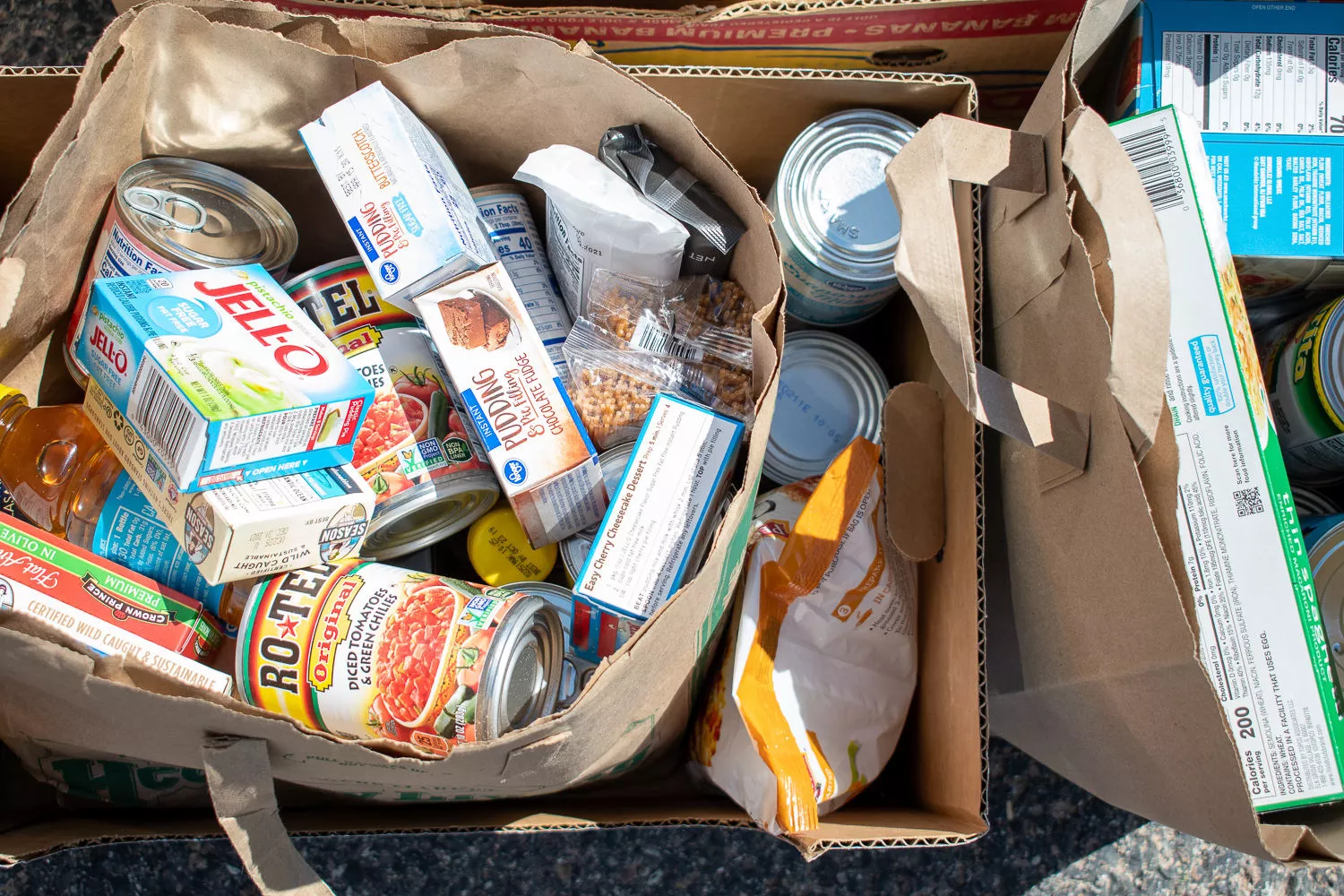
But first, they need a lot of groceries—which is where you come in. They are asking the public to donate non-perishable food and emergency relief supplies.
In particular, the are asking for juice boxes, canned food, peanut butter & jelly, crackers, water, paper towels, shampoo, toilet paper, hand sanitizer, hand soap, masks, gloves, rubbing alcohol, Ensure and adult briefs.
"This program is so valuable, because it keeps our vulnerable citizens supplied with the necessary food and emergency relief supplies," said Captain Ellen Oh, Salvation Army Tucson city coordination officer, in a prepared statement. "Any food or supply donation will help us immensely, so we can continue our mission serving the Tucson community during this time of need."
The drive runs through May 8. Here's where you can drop items off:
• For downtown and west Tucson: The Salvation Army Hospitality House, 1002 N. Main Ave. 520-795-9671. 7 a.m. to 7 p.m., 7 days per week
• East and central Tucson: The Salvation Army All Nations Corps Community Center, 1001 N. Richey Blvd. 520-795-4504. 9:30 a.m. to 5 p.m. Monday-Friday,
• North Tucson: The Salvation Army Amphi Corps Community Center, 218 E. Prince Road. 520-888-1299. 9:30 a.m. to 4 p.m. Monday-Friday
• Green Valley: Salvation Army Green Valley Service Center, 555 N. La Canada Drive, Suite 101A, Green Valley. 520-625-3888/ 9:30 a.m. to 5 p.m., Monday-Friday
Contact for registration of food and supply delivery to your home:
Call Genesis Carcamo, 520-795-4504 (bilingual: Spanish, English)
If you're not over 65 but still feeling a Here are other food resources if you're in a pinch:
• The Community Food Bank of Southern Arizona has adjusted its service hours and switched to a drive-by model for food distribution in Marana and at the Country Club location in Tucson. Temporary hours are below. Call 622-0525 or visit communityfoodbank.org/covid-19-update for more information on where to find food.
Tags: coronavirus , COVID-19 , Tucson , Arizona , Salvation Army , food banks , where can I find free food , community food bank of southern arizona , food resources , tucson news , arizona news , Image
There’s a seeming paradox in experts’ advice on testing people for COVID-19. A growing number of epidemiologists are calling for a nationwide regimen of tests to identify hot spots and allow public health workers to isolate the close contacts of anyone who’s infected.
Yet New York City, the epicenter of the outbreak in the U.S., has ordered doctors not to test anyone who is “mild to moderately ill” with COVID-like symptoms, a position also taken by Los Angeles. As New York’s Health Department succinctly put it: “Outpatient testing must not be encouraged, promoted or advertised.”
Dr. Tom Frieden, former health commissioner of New York City and former head of the Centers for Disease Control and Prevention, said both viewpoints make sense.
“Where you stand depends on where you sit,” Frieden said. “Local context is all important. In New York City, today, you should not get tested if you have mild symptoms.”
The reason, he said, is that the health care systems in places like New York, Los Angeles and Seattle are about to be overwhelmed by a wave of people seriously ill from COVID-19. They know it’s coming. Administering each test takes up protective gear, swabs and health care workers’ time, all of which should be reserved for patients with life-threatening conditions. On Monday, for instance, NewYork-Presbyterian Hospital reported that it had more than 600 patients with COVID-19.
Conversely, Frieden and other experts pointed out, the United States will need to pursue a policy of very broad testing if it hopes to slow the spread of the disease and restart parts of the economy anytime soon. Frieden noted that one of the countries most effective in lowering its infection rate, Singapore, had great success in tracing and isolating the contacts of each infected person. That is no longer possible in New York state, which has reported more than 20,000 positive tests and has many times that number of people infected. But he said it remains doable in many other cities and towns.
“In places where you’ve got the cases way down, or there are no cases,” he said, “aggressive testing will be needed.”
The lack of testing continues to be a source of deep frustration across the country, with worried patients unable to find out whether they have the ordinary flu, the coronavirus or something else entirely. The availability of testing in regions that aren’t hot spots still faces an array of bottlenecks, from shortages of cotton swabs to the capacity of the labs processing the tests.
Dr. Scott Gottlieb, the former head of the Food and Drug Administration under President Donald Trump, argued in a widely read Twitter commentary for a multipronged approach to fighting the virus, which will involve overcoming all of these hurdles and significantly stepping up testing nationwide. The current “shelter in place” orders, which have tens of millions of people in New York, California and other states limited to their homes and not going to work, he said, will ultimately have to be supplanted by a more targeted approach.
To do this, he wrote, the United States “must widely test our population” and “diagnose mild and even asymptomatic cases” with reliable tests that can be administered in doctors’ offices. “We must have tools to identify and isolate small outbreaks so we can lean less heavily” on locking down whole swaths of society, Gottlieb wrote.
Trevor Bedford, a University of Washington virologist who has been directly involved in detecting and fighting his state’s outbreak, offered a similar prescription in a recent series of tweets. Bedford’s observations were prompted, in part, by a recent study by epidemiologists at Imperial College London that said countries had little alternative to maintaining strict restrictions on social contact until a vaccine is available, a process that could take 18 months. The study forecast as many as 1.1 million to 1.2 million deaths in the United States if officials backed off the sorts of measures taken by New York and California in recent days.
Bedford said he was not that “pessimistic,” and he called for a strategy that “revolves around a massive rollout of testing capacity.” Recent studies, he wrote, support the argument that a “significant” portion of the transmission of the virus arises from people who spread it before they feel sick. There also are people who infect others while never experiencing any symptoms of their own.
Something approaching universal testing would make it possible to significantly reduce such “transmission routes.”
“If someone can be tested early in their illness before they show symptoms,” Bedford wrote, “they could effectively self isolate and reduce onward transmission compared to isolation when symptoms develop.”
He envisaged a future in which swabs are delivered to people’s homes for quick return and in which drive-through testing is widely available to anyone with a car. “There are logistics involved in getting a result quickly,” he wrote, “but it’s really just logistics, which can be solved.”
Read More
Are Hospitals Near Me Ready for Coronavirus? Here Are Nine Different Scenarios.
How soon regions run out of hospital beds depends on how fast the novel coronavirus spreads and how many open beds they had to begin with. Here’s a look at the whole country. You can also search for your region.
Bedford suggested an approach that appears to have worked in South Korea, which combined test results with “cell phone location data” on known positive cases, allowing notification of people who have been in proximity to confirmed cases to “self isolate and get tested.”
A third pillar of Bedford’s approach is a medical exam that does not yet exist — a blood test that can detect the presence of antibodies to COVID-19. Antibodies are created when the immune system successfully fights off an infection and people with them are “highly likely to possess immunity” and can “fully return to the workforce and keep society functioning.”
That assumption, like many about the virus, remains the subject of research. For his part, Frieden said he was cautious about taking any action based on a test that detects antibodies. Does it mean the person is immune from a second infection? “We can’t count on that,” he said. “We don’t yet know that.”
The clash between the short-term and long-term views of testing were on vivid display in the press conference last week that made headlines for Trump’s angry outburst at an NBC reporter.
Earlier in the briefing, Dr. Anthony Fauci, director of the National Institute of Allergy and Infectious Diseases at the National Institutes of Health, sought to distinguish between the ultimate need for more tests with the immediate requirement that Americans stop gathering in workplaces, bars, streets and restaurants.
The extreme steps taken by California and New York, Fauci said, are “how you put an end to this outbreak.”
“Testing is important,” he said. “But let’s not conflate testing with the action that we have to take. Whether or not you test, do this. I’m not putting down testing as an important issue, but people seem to link them so much that if you don’t have universal testing, you can’t respond to the outbreak. You really can.”
Trump disparaged the notion of widespread testing as imagined by Bedford and others. “We don’t want every American to go out and get a test. Three hundred and fifty million people,” Trump said. “We don’t want that. We want people that have a problem, that have a problem with they’re sneezing, they’re sniffling, they don’t feel good, they have a temperature.”
Tags: covid19 , paradox , testing , coronavirus , propublica , news , Image

