
Monday, August 17, 2020
This article is co-published with The Texas Tribune, a nonprofit, nonpartisan local newsroom that informs and engages with Texans.
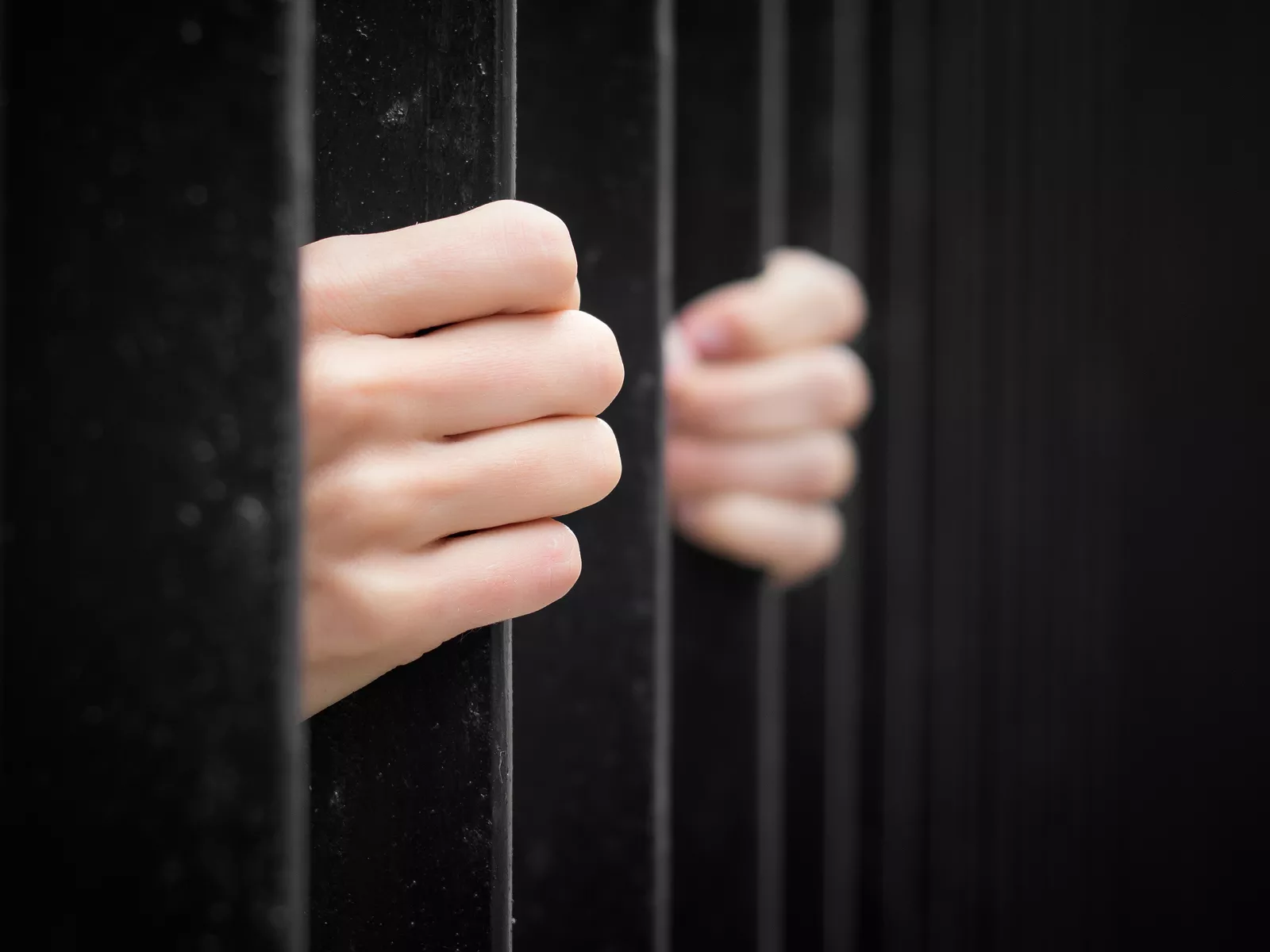
Guards in an immigrant detention center in El Paso sexually assaulted and harassed inmates in a “pattern and practice” of abuse, according to a complaint filed by a Texas advocacy group urging the local district attorney and federal prosecutors to conduct a criminal investigation.
The allegations, detailed in a filing first obtained by ProPublica and The Texas Tribune, maintain that guards systematically assaulted at least three people in a facility overseen by Immigration and Customs Enforcement — often in areas of the detention center not visible to security cameras. The guards told victims that no one would believe them because footage did not exist and the harassment involved officers as high-ranking as a lieutenant.
According to the complaint filed with the Department of Homeland Security’s Office of Inspector General and shared with prosecutors, several guards “forcibly” kissed and touched the intimate parts of at least one woman. She faces deportation next week — meaning investigators could lose a key witness. Her attorneys have requested that immigration officials pause her deportation pending a review of the matter.
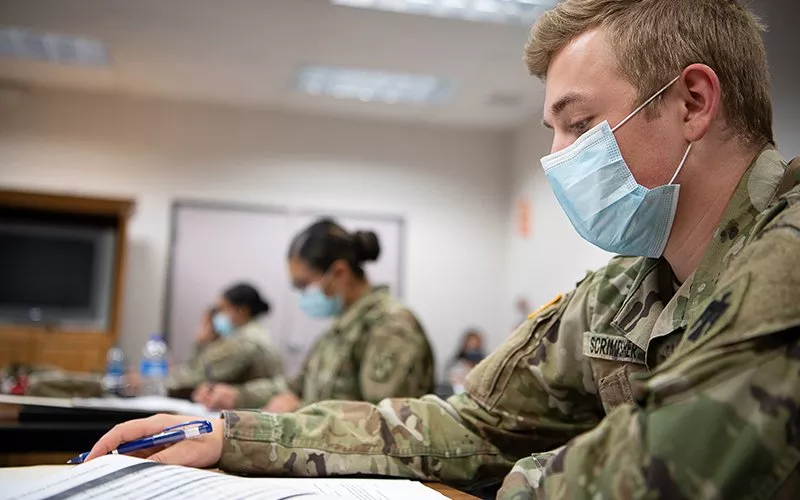
And it’s not just Arizona. Contact tracing has “largely failed in the United States” because of long waits for test results and the speed at which the novel coronavirus that causes the disease has spread, the New York Times reported July 31.
Contact tracing allows public health officials to determine how many people were exposed to someone who tested positive for COVID-19, according to the federal Centers for Disease Control and Prevention. The investigative method has been used to successfully control the spread of measles, tuberculosis and sexually transmitted diseases.
Since the novel coronavirus was detected in China late last year, contact tracing has proven effective in reducing the spread of the illness in China, South Korea, Germany and other countries.
“It’s a tried and true method that lowers spread of infectious diseases, and it would be useful for COVID-19 if it’s done right,” said Will Humble, a former director of the Arizona Department of Health Services who now heads the Arizona Public Health Association, which represents health workers and organizations.
For contact tracing to be effective, the patient should be interviewed within 24 hours of testing positive, CDC guidelines say. After the patient identifies where he or she has been and the people with whom they’ve had contact, health officials attempt to reach each of those contacts.
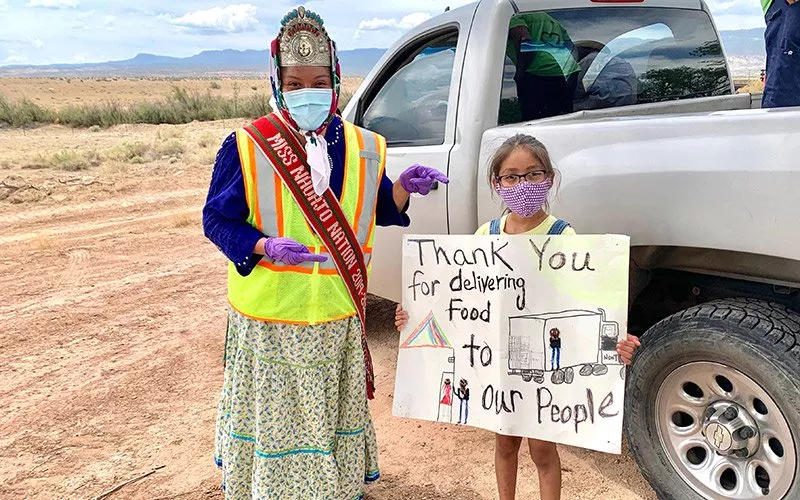
At times, she attended five or more events in a single day, traveling across the 27,000-square-mile reservation to speak to elementary school students and attend conferences.
“You really hit the ground running,” Parrish recalled. “There’s no event too small. There’s no event too big.”
But in March, as COVID-19 swept through the Southwest, Parrish suddenly went from visiting elders and delivering motivational speeches to distributing food, supplies and information to Navajo families hit hard by the novel coronavirus that causes the deadly disease.
In the months since, Navajos have turned to Parrish for information, encouragement and aid as the virus killed at least 462 Navajos and sickened more than 9,000 others.
“I had a voice as Miss Navajo,” she said. “I never had a second thought about helping.”
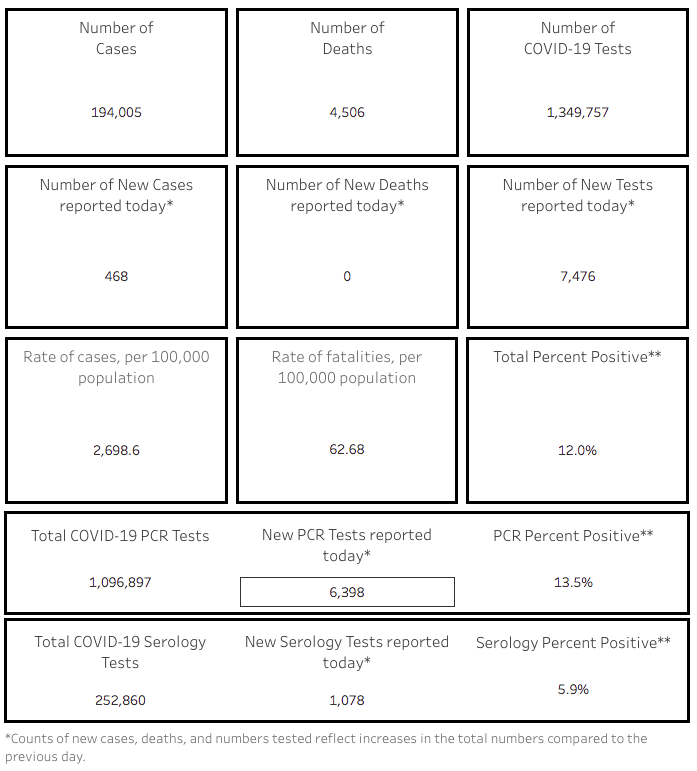
Pima County had seen 19,743 of the state’s 194,005 confirmed cases.

A total of 4,506 Arizonans had died after contracting COVID-19, according to the Aug. 17 report.
The number of hospitalized COVID cases continues to decline. ADHS reported that as of Aug. 16, 1,182 COVID patients were hospitalized in the state, the lowest that number has been since June 6, when 1,079 people were hospitalized. That number peaked at 3,517 on July 13.
A total of 990 people visited ERs on Aug. 13 with COVID symptoms, the fourth time that number has dipped below 1,000 since June 19. That number peaked at 2,008 on July 7.
A total of 430 COVID-19 patients were in ICU beds on Aug. 10. The number in ICUs peaked at 970 on July 13.
AZ Extending Unemployment Benefits for Some Arizonans
Gov. Doug Ducey announced Friday that Arizona would accept the extra $300 a week in unemployment benefits being offered by the Trump administration.
Trump signed an executive order funding the extra $300 in unemployment dollars after the federal government’s payment of an $600 a week expired at the end of July and negotiations with congressional leaders to extend the program collapsed.
While Trump had initially called for states to provide $100 a week in unemployment benefits in order to quality, Ducey will not be required to do so.
Hundreds of thousands of gig workers and others involved in non-traditional jobs, who were eligible for the $600 a week under the expired federal program will not be eligible for this program.
City of Tucson Offering Grants to Residents Impacted by COVID Crisis
In response to the COVID-19 pandemic, the City of Tucson received about $95 million from the federal CARES Act. Mayor Regina Romero and the city council members recently approved $3 million of that funding to be distributed to local workers and families that have been negatively impacted by the crisis.
The grant program, named the “We Are One | Somos Unos Resiliency Fund” will focus on individuals and households that have not received any state or federal COVID-19 relief money and whose income does not reach Pima County’s self-sufficiency standard.
The self-sufficiency standard measures how much money an individual or family needs to earn to be able to meet their basic needs with no public or private financial assistance. In 2018, the self-sufficiency standard for a single adult in Pima County was $9.66 per hour or $1,700 per month. For a household with two adults and two young children, the standard was $13.22 per hour for both adults, or $4,711 per month.
On July 24, the expanded federal unemployment benefits that were provided in response to COVID-19 expired, leaving many households across the country vulnerable to financial instability.
The City of Tucson is partnering with the Women’s Foundation of Southern Arizona, who will administer the grants and begin accepting applications at 10 a.m. on Wednesday, Aug. 19 until 5 p.m. on Wednesday, Sept. 9.
Get Tested: Pima County Has Several Testing Centers, Including Pop-Up Sites This Week
The Pima County Health Department has rolled out new pop-up COVID-19 testing sites that are available in areas of the county that have had limited testing availability.
Through their partnership with the Arizona Department of Emergency and Military Affairs, Pima County will offer a minimal contact testing operation for free at the following times and locations. Pre-registration is strongly encouraged and can be completed at www.pima.gov/covid19testing.
Today the pop-up testing will be in north-central Tucson from 10 a.m. to 6 p.m. at
Rillito Racetrack, 4502 N. First Ave.
Upcoming pop-up test sites include:
10 a.m. to 6 p.m. on Tuesday, Aug. 18
Sunnyside High School, 1725 E. Bilby Road
South Tucson
10 a.m. to 6 p.m. on Wednesday, Aug. 19
Tucson Rodeo Grounds, 4823 S. 6th Avenue
Participants can access their test results by logging into www.doineedacovid19test.com within a few days. The county expects to complete 20,000 tests through these events.
Pima County has teamed up with the City of Tucson to open a third testing center at the Udall Center, 7200 E. Tanque Verde Road. Tests are available Tuesday through Sunday, from 8 a.m. to 5 p.m.
The new center, which requires a nasal swab, joins a similar facility at Kino Event Center, 2805 E. Ajo Way. A third center at the northside Ellie Towne Center, 1660 W. Ruthrauff Road, involves a saliva test designed by ASU.
All three centers offer easy-to-schedule appointments—often with same-day availability—and you get results in less than 72 hours.
Schedule an appointment at pima.gov/covid19testing.
The centers are also tied into Pima County’s developing contact tracing operation, which aims to be able to identify potential clusters and warn people if they have been in contact with someone who is COVID-positive.
If you’re interested in a test to determine if you’ve already had COVID-19, the UA has expanded a free COVID-19 antibody testing program to include 15 new categories of essential workers considered at high risk for exposure. The antibody test, developed by researchers at UA Health Sciences, determines who has been exposed to and developed an immune response against COVID-19.
In addition to healthcare workers and first responders, the test program is now open to educators, childcare workers, agriculture, grocery and foodservice workers, hospitality employees, solid-waste collection workers, transportation services workers and members of the National Guard. More information and registration for the test is available at covid19antibodytesting.arizona.edu.
—with additional reporting from Kathleen B. Kunz, Austin Counts, Jeff Gardner and Tara Foulkrod
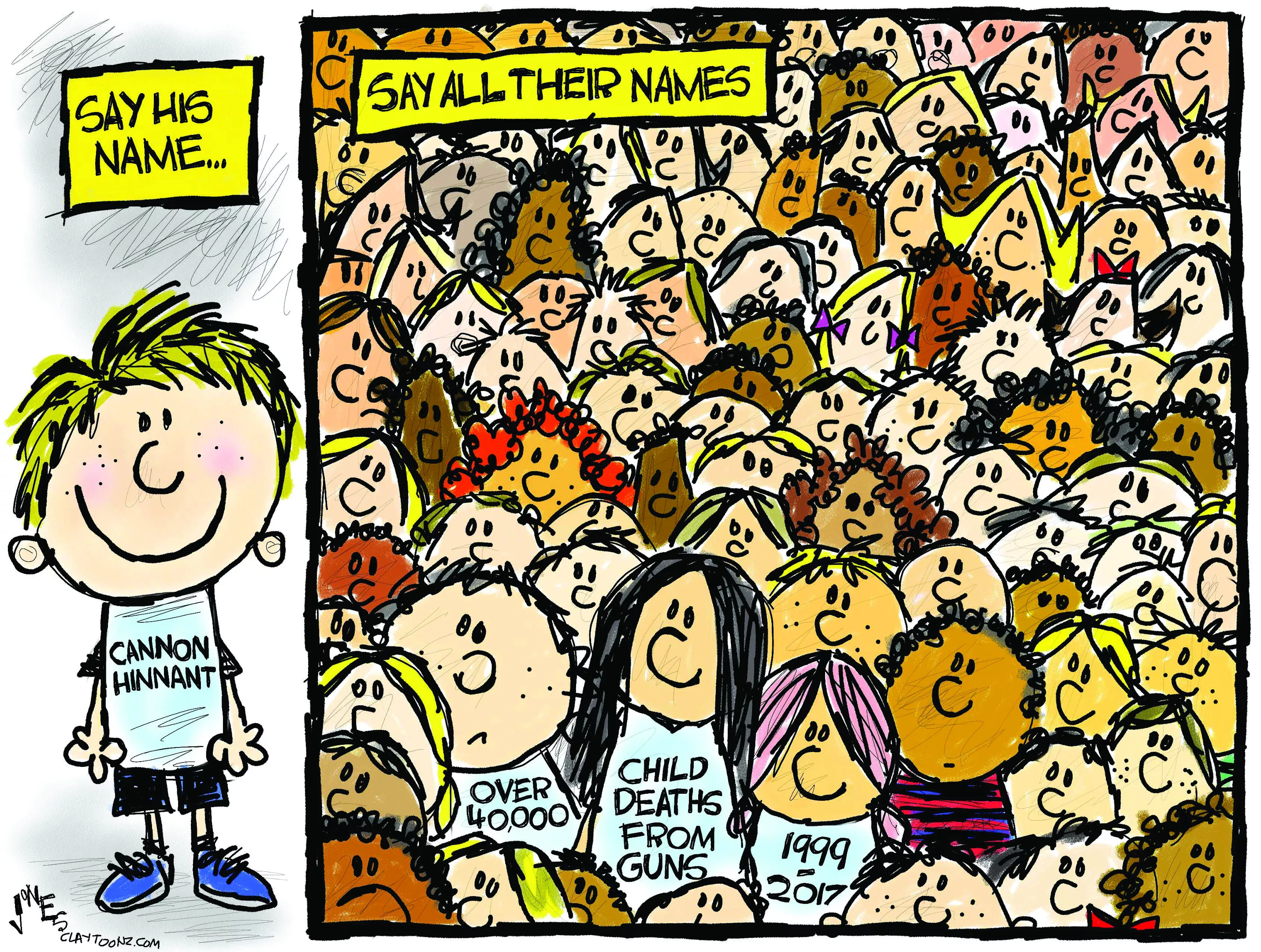
Tags: death , guns , children , remember , claytoonz , political , cartoon , Image
Friday, August 14, 2020
To stream via The Loft, you can visit their website by clicking here.
Represent
Hillary Bachelder's documentary follows three women who run for separate political offices. They, quite predictably and unfortunately, have to deal with a lot of obstacles and negativity.
Martin Margiela: In His Own Words
A profile of the reclusive, revolutionary fashion designer that has the distinction of direct participation from the classically elusive Margiela.
The Wild
Director and fisherman Mark Titus, with the help of some mighty beautiful cinematography, documents the people of Bristol Bay and their struggle to keep a copper mine far from their salmon runs.
Jazz On a Summer's Day
A concert film of the 1958 Newport Jazz Festival, containing one of the more incredible lineups ever put to film, including Chuck Berry, Louis Armstrong, Dinah Washington, Thelonious Monk and Mahalia Jackson. Not too shabby.
Measure For Measure
A modern take on Shakespeare's classic starring Hugo Weaving and directed by Paul Ireland.
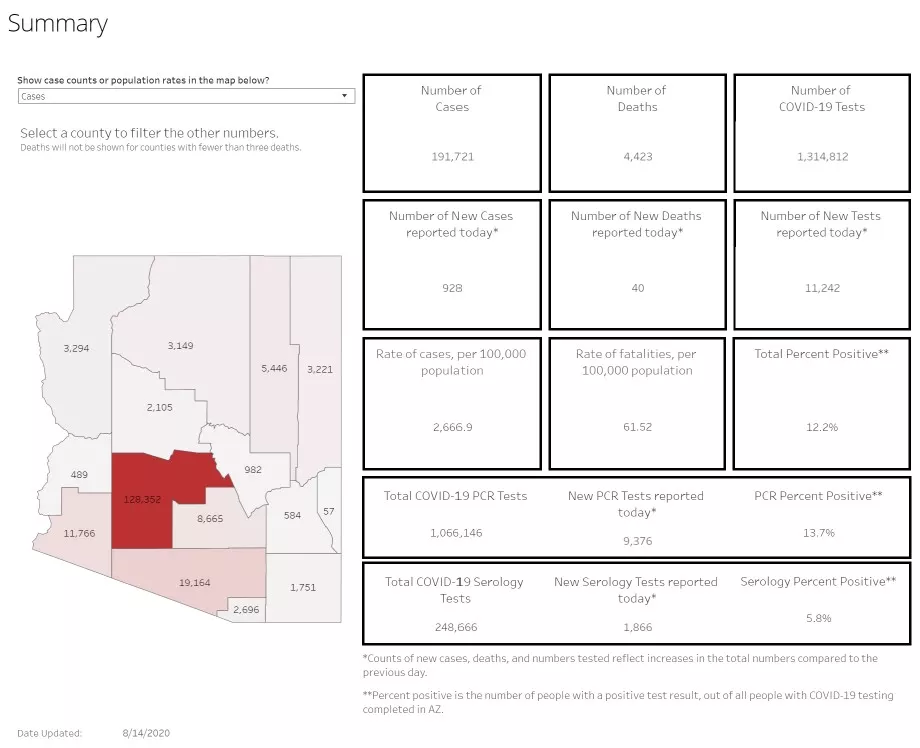
Pima County had seen 19,164 of the state’s 191,721 confirmed cases.
A total of 4,423 Arizonans had died after contracting COVID-19, according to the Aug. 14 report.
The number of hospitalized COVID cases continues to decline. ADHS reported that as of Aug. 13, 1,359 COVID patients were hospitalized in the state, down from a peak of 3,517 on July 13.
A total of 1,037 people visited ERs on Aug. 13 with COVID symptoms. That number peaked at 2,008 on July 7.
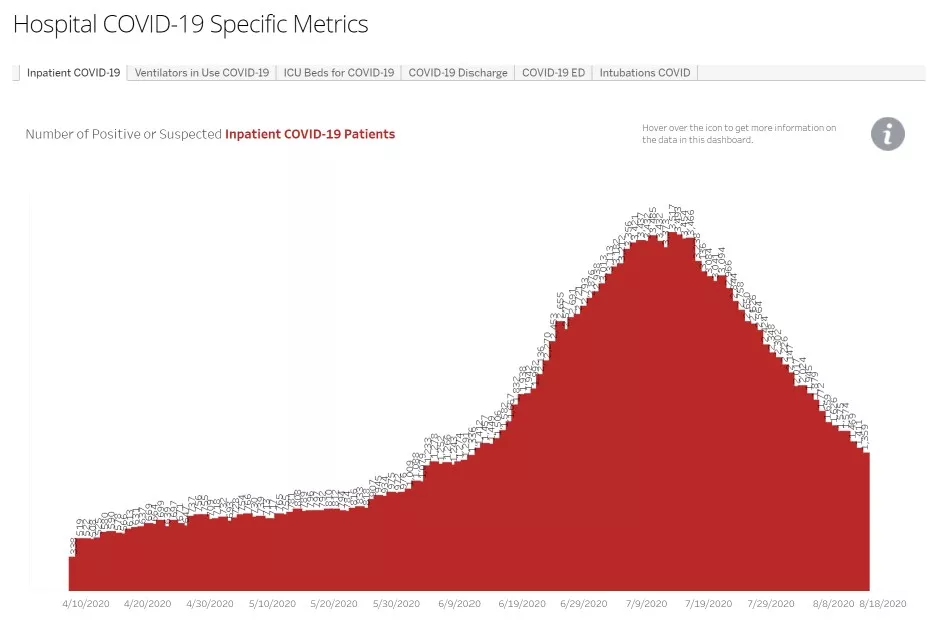
A total of 473 COVID-19 patients were in ICU beds on Aug. 10. The number in ICUs peaked at 970 on July 13.
Pima County sees downward trend in cases following mask mandate
Following the passage of an ordinance on June 19 requiring people to wear masks when out in public, Pima County has seen a dramatic drop in the number of new positive COVID-19 tests.
The number of cases dropped from a high of 2,368 new cases in the week ending July 4 to just 865 in the week ending Aug. 1, according to a Pima County Health Department report.
Fewer people are dying as well. Deaths related to COVID-19 peaked the week of July 4 with 51 people. The week ending Aug. 1, Pima County saw just 20 deaths.
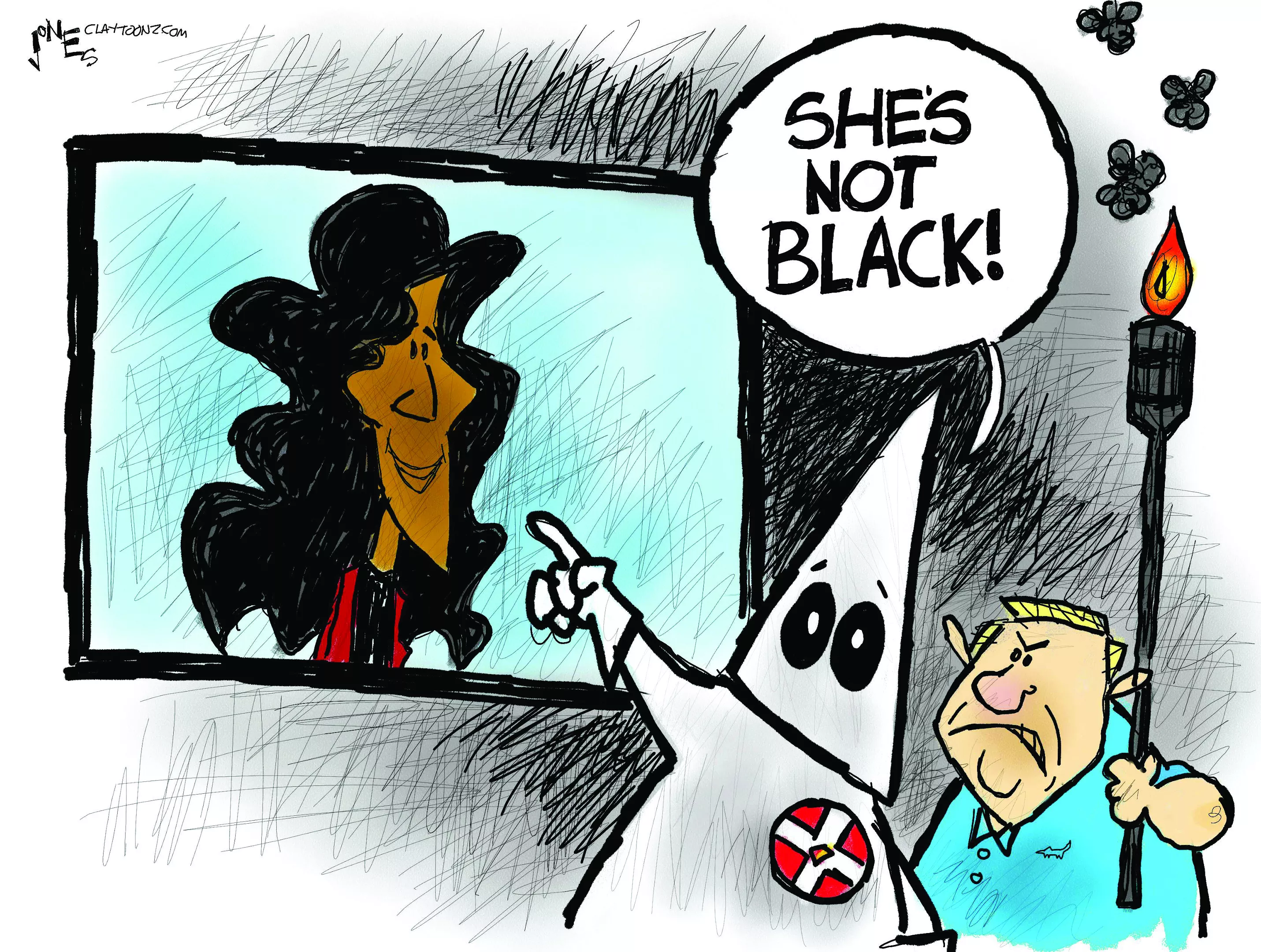
Tags: kamala , harris , skin , color , racism , white , black , elections , vp , nominee , political , cartoon , claytoonz , Image
Thursday, August 13, 2020
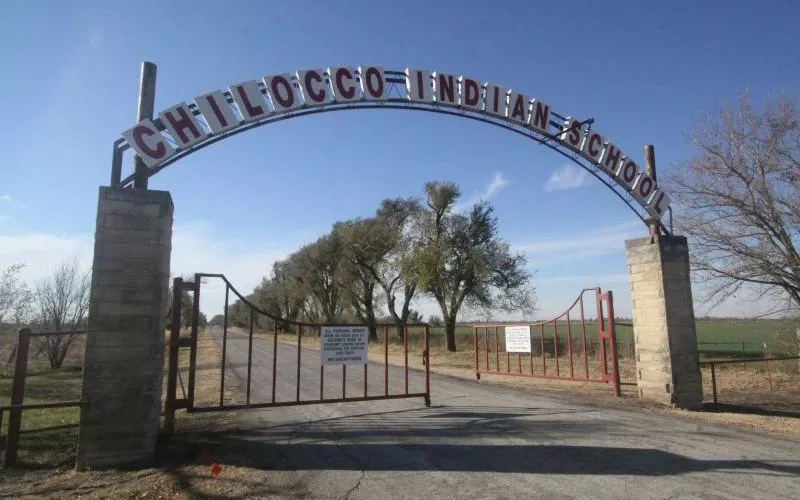
By the time he was 21, Carr had been incarcerated in three different institutions. He died in a Kansas state prison where he was held for stealing $30 worth of food, said his niece, K. Tsianina Lomawaima, a professor and Indigenous studies scholar at Arizona State University.
It was the height of the Great Depression and, according to Lomawaima, Carr said he committed the crime because he couldn’t get a job and was hungry.
The school-to-prison pipeline – a trend of school discipline pushing children into prison – is recognized to have started developing at the end of the 20th century, experts say. But Carr’s story is an example of this phenomenon from decades earlier, when the U.S. government sanctioned, and sometimes operated and financed, hundreds of boarding schools for Native American children that relied on military and carceral practices to forcibly assimilate them into Western culture.
Modern juvenile incarceration disproportionately affects Native American youth, and experts on U.S. Indian policy trace the disparity back to the U.S.’s Native American assimilation policies of the 19th and 20th centuries – which included boarding schools. Not only were boarding schools often little better than prisons, they intentionally broke up Native American families and triggered trauma that has compounded over generations, leading to many of the disparities Native Americans face today, according to a report by the National Congress of American Indians.
However, Lomawaima said the history of boarding schools is nuanced.

In response to the COVID-19 pandemic, the City of Tucson received about $95 million from the federal CARES Act. Mayor Regina Romero and the city council members recently approved $3 million of that funding to be distributed to local workers and families that have been negatively impacted by the crisis.
The grant program, named the “We Are One | Somos Unos Resiliency Fund” will focus on individuals and households that have not received any state or federal COVID-19 relief money and whose income does not reach Pima County’s self-sufficiency standard.
The self-sufficiency standard measures how much money an individual or family needs to earn to be able to meet their basic needs with no public or private financial assistance. In 2018, the self-sufficiency standard for a single adult in Pima County was $9.66 per hour or $1,700 per month. For a household with two adults and two young children, the standard was $13.22 per hour for both adults, or $4,711 per month.
Tags: COVID19 , Coronavirus , We Are One Somos Unos Resiliency Fund , Mayor Regina Romero , City of Tucson , Grant Program , Women's Foundation of Southern Arizona , Image