

Tuesday, September 15, 2020

The Amphitheater School District board will review a reopening proposal during their meeting at 6 p.m. today, Sept. 15. The proposal includes reopening school sites on Oct. 12 for a new hybrid in-person and online learning model for their K-12 students.
“The hybrid model consists of students being divided into cohorts with only certain cohorts attending school on certain days, with the other cohorts still receiving instructional services remotely at that same time, and then the cohorts reversing those modalities on alternating days,” the proposal states.
Amphi leaders had previously hoped that COVID-19 data trends would look good enough by this point to allow for a full reopening of campuses in October. But the Pima County Health Department has strongly advised against any school returning to fully traditional in-person classroom learning during the month of October.
In an email, the district stated that families and staff are concerned about the need for social distancing relative to class sizes. The administration believes their new hybrid approach will allow them to reduce in-person class sizes and safely offer an in-person learning option to families who want it.
“We recognize the need for a balance between getting students back in school and doing so safely,” the email states. “We believe our proposal does both.”
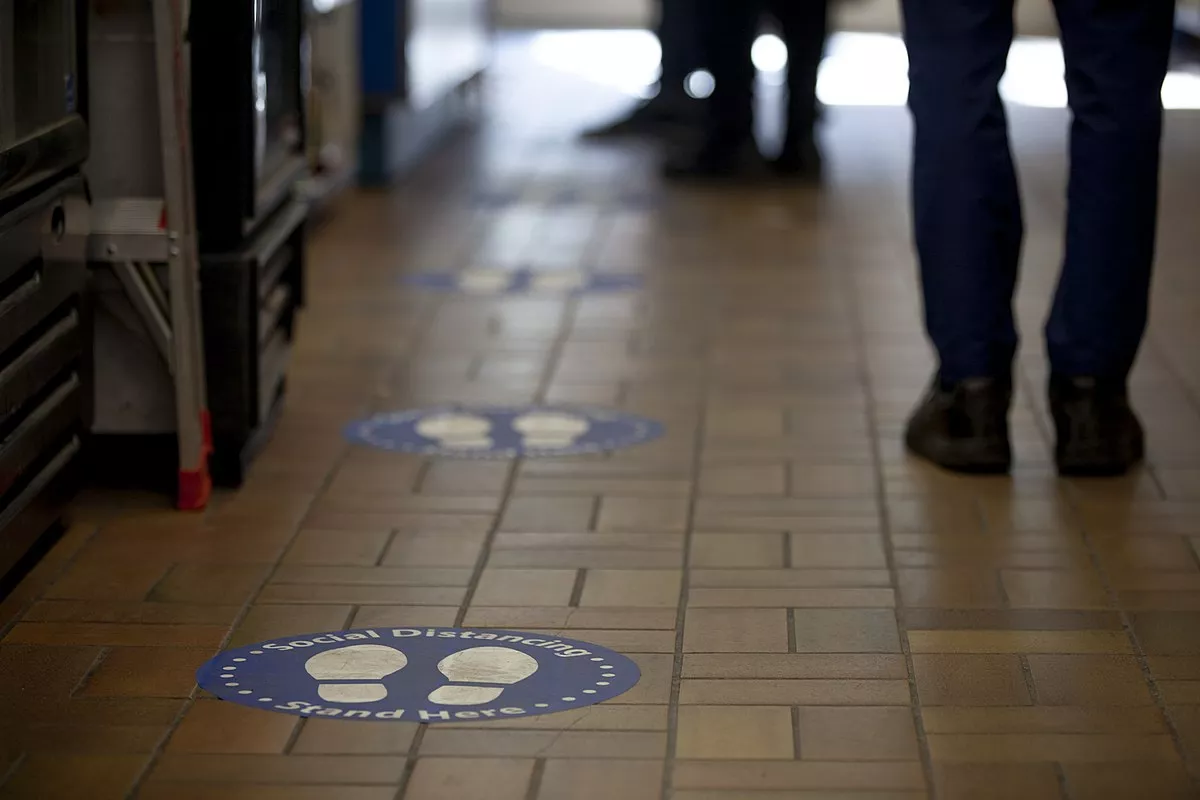
The hybrid learning model is required to follow the district’s mitigation plan, which lays out logistics of public health practices (such as handwashing and social distancing) that are intended to prevent the transmission of COVID-19 in school settings.
For more information on the newest proposal, visit https://meetings.boardbook.org/Public/Organization/2065.
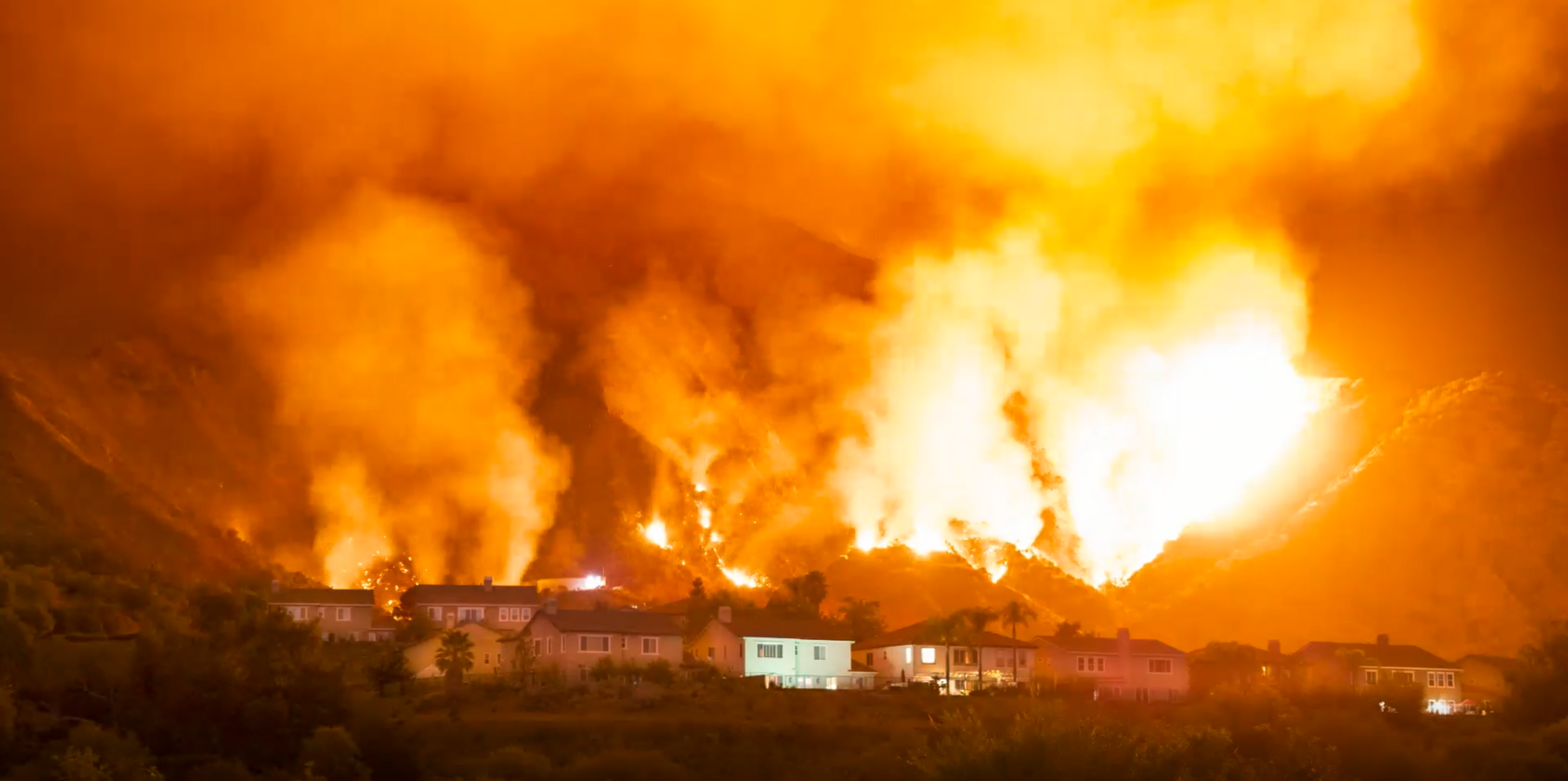
Wildfires rage in the West. Hurricanes batter the East. Droughts and floods wreak damage throughout the nation. Life has become increasingly untenable in the hardest-hit areas, but if the people there move, where will everyone go?
August besieged California with a heat unseen in generations. A surge in air conditioning broke the state’s electrical grid, leaving a population already ravaged by the coronavirus to work remotely by the dim light of their cellphones. By midmonth, the state had recorded possibly the hottest temperature ever measured on earth — 130 degrees in Death Valley — and an otherworldly storm of lightning had cracked open the sky. From Santa Cruz to Lake Tahoe, thousands of bolts of electricity exploded down onto withered grasslands and forests, some of them already hollowed out by climate-driven infestations of beetles and kiln-dried by the worst five-year drought on record. Soon, California was on fire.

WASHINGTON – Advocates said a new policy that lets Arizona residents without traditional street addresses register to vote online is not perfect – but it’s a vast improvement over the old process.
“It’s critical,” Navajo Nation President Jonathan Nez said of the change this month by the Arizona Secretary of State’s office. “This is a very important election, I think, across the country, and we want our votes to be counted.”
Tags: native american , election , voting , Image
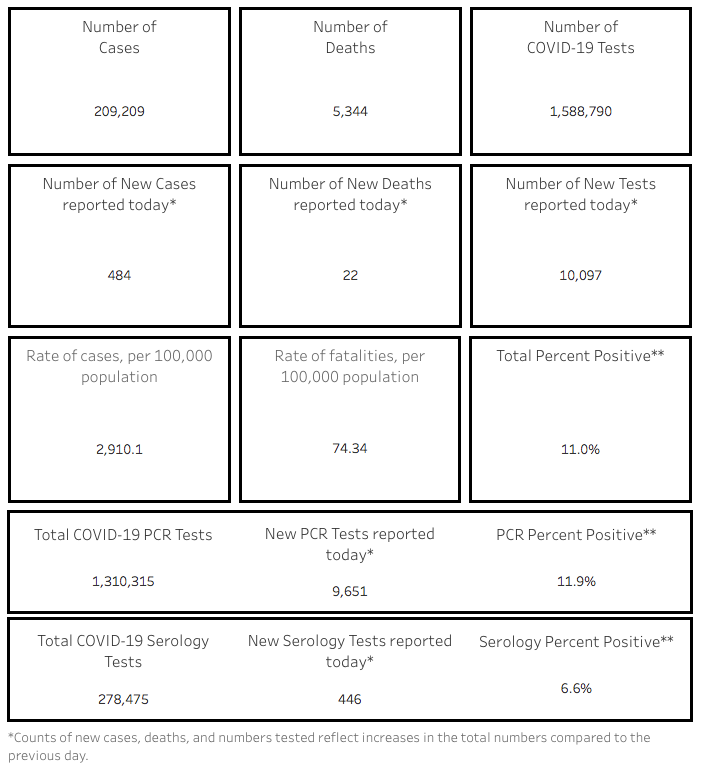
With 484 new cases reported today, the number of Arizona’s confirmed novel coronavirus cases surpassed 209,000 as of Tuesday, Sept. 15, according to the Arizona Department of Health Services.
Pima County had seen 22,643 of the state’s 209,209 confirmed cases.
A total of 5,344 Arizonans had died after contracting COVID-19, including 601 deaths in Pima County, according to the Sept. 15 report.
The number of hospitalized COVID cases continues to decline from July peaks, but took a big jump yesterday. ADHS reported that as of Sept. 14, 550 COVID patients were hospitalized in the state, an increase of 61 people from yesterday’s count of 489. The number of hospitalized COVID patients peaked at 3,517 on July 13.
A total of 811 people visited emergency rooms on Sept. 14 with COVID symptoms, the lowest that number has been since June 4, when 725 people visited emergency rooms with symptoms. That number peaked at 2,008 on July 7.
A total of 138 COVID-19 patients were in intensive care unit beds on Sept. 14. The number of COVID patients in ICUs peaked at 970 on July 13.
On a week-by-week basis in Pima County, the number of positive COVID tests peaked the week ending July 4 with 2,396 cases, according to a Sept. 11 report from the Pima County Health Department. While a vocal minority continues to insist that masks do no good, the spread of the virus began to decline within weeks of Pima County’s mask mandate, as more people began wearing them in public, although the level of new cases has essentially plateaued in recent weeks rather than continuing to drop. For the week ending Aug. 22, the number of new cases dropped to 528; for the week ending Aug. 29, 514 new cases were reported; and for the week ending Sept. 5, a total of 527 cases were reported. (Recent weeks are subject to revision.)
Deaths in Pima County are down from a peak of 55 in the week ending July 4 to 19 for the week ending Aug. 15, 13 for the week ending Aug. 22 and nine in the week ending Aug. 29. (As above, these numbers are subject to revision as recent deaths may not have been reported.)
Hospitalization peaked the week ending July 18 with 239 COVID patients admitted to Pima County hospitals. For the week ending Aug. 29, 36 COVID patients were admitted to Pima County hospitals and in the week ending Sept. 5, 21 patients were admitted to Pima County hospitals. (Numbers are subject to revision.)
UA students asked to quarantine in their homes for two weeks
University of Arizona President Dr. Robert Robbins and Pima County Public Health Director Dr. Theresa Cullen yesterday announced they are recommending a 14-day quarantine for students living on and off campus within a geographical boundary they have identified as showing high transmission of the novel coronavirus.
Robbins said this is a “last ditch” effort to get students to follow public health directives before they have to take more drastic measures. Robbins gave off a frustrated tone at the press conference, saying the university is dealing with a “blatant disregard for public health measures.”
“I’m short of saying I’m mad as hell and I'm not going to take it anymore,” Robbins said. “This is part of being a good member of society, to take into account the health of others, not just your individual health and your individual desire to go out and party.”

PHOENIX – With polls showing him trailing in the state, President Donald Trump stopped in Phoenix on Monday to woo a key demographic that could make or break the November election and determine whether Arizona flips from red to blue: Hispanic voters.
His appearance at a Latinos for Trump roundtable at Arizona Grand Resort & Spa came just days after Sen. Kamala Harris, the Democratic vice presidential nominee, virtually addressed Hispanic business owners in the state.
Monday, September 14, 2020
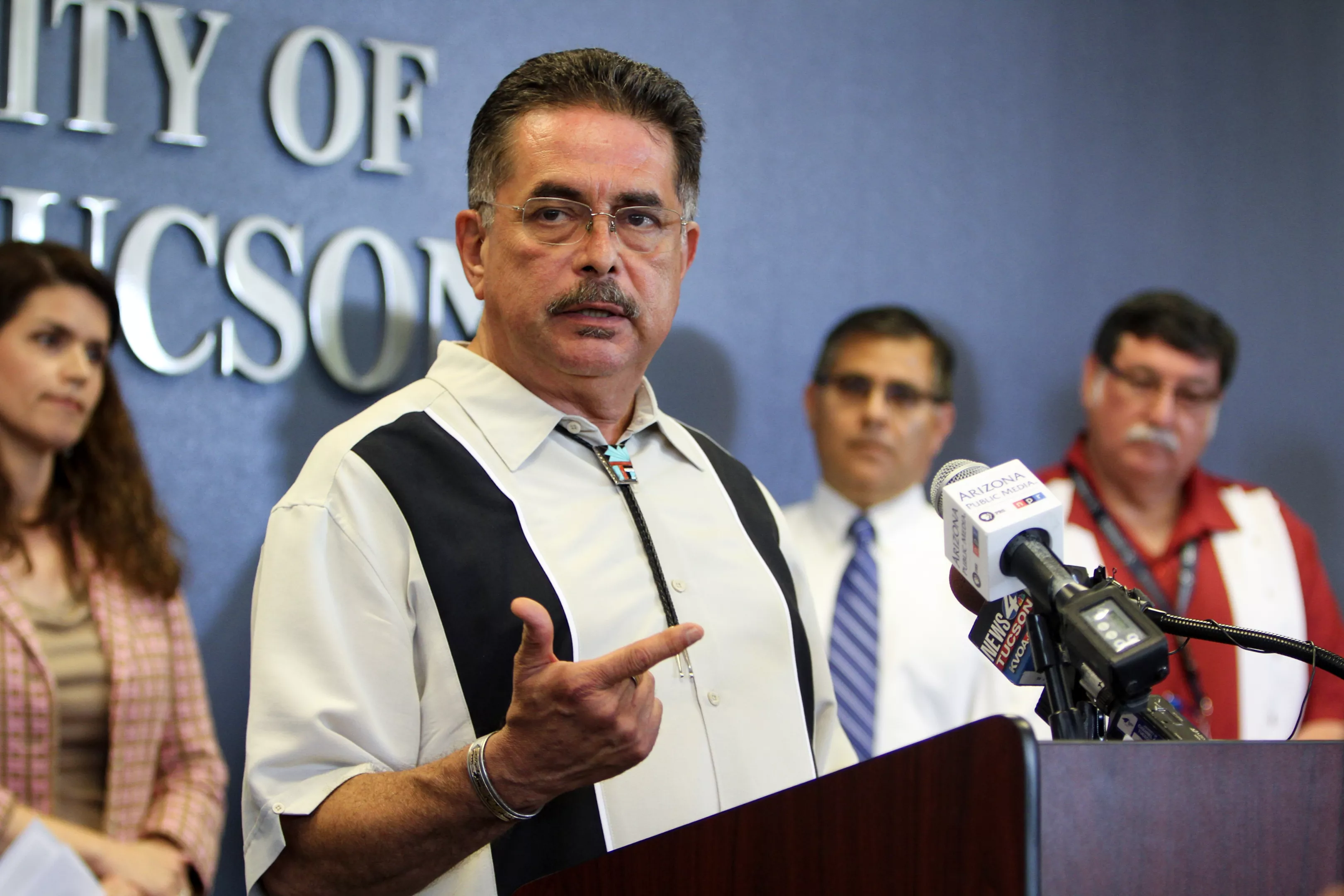
Today the Pima County government announced that late District 5 Supervisor Richard Elías will receive a posthumous award from the Consulate of Mexico in Tucson.
The Othli Award—which will be given to Elías’ family on Friday, Sept. 18—is described as the “highest award granted by the Mexican government to community members in the U.S. who have contributed to the development of the Mexican community living abroad,” according to a county press release.
Elías died unexpectedly on March 28, at the age of 61. He is survived by his wife, Emily and daughter, Luz. According to appointed consul Enrique Alfonso Gómez Montiel, this award is intended to recognize Elías’ work on migrant rights. Elías served on the Board of Supervisors from 2002 until his death.
The consulate had nominated Elías for the award before he died and it was only recently approved. His family will receive the award on his behalf during a private reception this Friday, which will be livestreamed on the consulate’s Facebook page.
“Richard was not only a dear colleague of mine, but a friend and a brother,” said District 2 Supervisor Ramón Valadez in the press release. “I was fortunate to have known Richard for three decades and during that time he was always a steadfast ally and passionate advocate for the migrant community. This award is well-deserved and exemplifies Richard’s dedication to the underrepresented in our community. We miss him dearly.”
Tags: Richard Elias , Award , Mexican Consulate , Image
Hundreds of emails offer a rare look at the meat industry’s influence and access to the highest levels of government. The draft was submitted a week before Trump’s executive order, which bore striking similarities.

In late April, as COVID-19 raced through meatpacking plants sickening and killing workers, President Donald Trump issued a controversial executive order aimed at keeping the plants open to supply food to American consumers.
It was a relief for the nation’s meatpackers who were being urged, or ordered, to suspend production by local health officials worried about the spread of the coronavirus.
But emails obtained by ProPublica show that the meat industry may have had a hand in its own White House rescue: Just a week before the order was issued, the meat industry’s trade group drafted an executive order that bears striking similarities to the one the president signed.

As an editor, I’ve long had mixed feelings about the journalistic tradition of marking particular chronological or numerical milestones. No one wanted to avoid the “Sept. 11: One Year Later” package — and I was eager to do it given the six previous years I’d spent directing global coverage of al-Qaida — but the annual stories seemed far more forced by Sept. 11, 2005.
More recently, we’ve seen stories like “World War I: A Century Later” or “The 75th Anniversary of the End of World War II.” They’re often illuminating, but they don’t have deeper meaning than stories that might have been published on the 99th or 74th anniversary of those events.

