

Tuesday, November 24, 2020

Here's how you can help local families this holiday season! https://miro.com/app/board/o9J_khdikjY=/
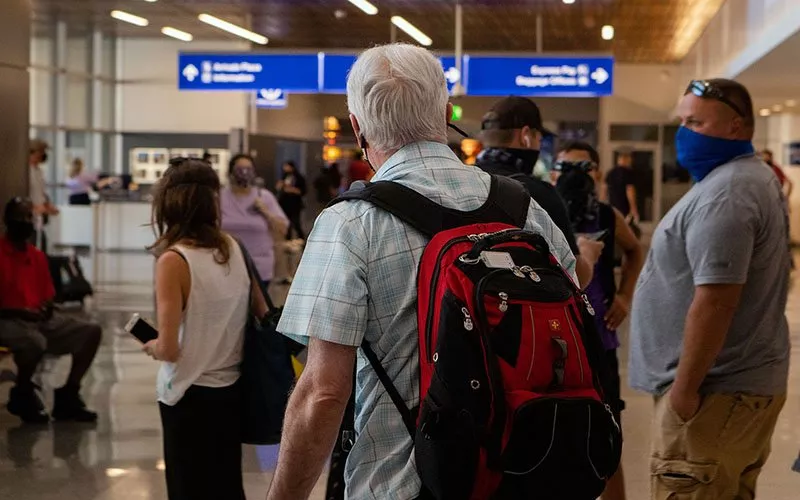
WASHINGTON – Thanksgiving travel is expected to be down sharply this year because of COVID-19, but as many as 50 million Americans are still expected to travel this week despite pleas from health experts to stay home.
And those people who do travel could run into a bewildering array of restrictions when they reach their destinations, experts say.
“It is important to know the risks involved and ways to keep yourself and others safe,” the AAA said in its annual Thanksgiving travel outlook. “In addition to CDC (Centers for Disease Control and Prevention) guidance, travelers should also be aware of local and state travel restrictions, including testing requirements and quarantine orders.”
The AAA forecast predicts an overall decline of at least 10% in holiday travelers, from 55 million last year to just over 50 million this year.
But that’s still a lot of people and officials are making changes to accommodate safe travel in a time of COVID-19.
“We have encouraged our business partners to establish touchless applications where possible and we encourage travelers to use mobile boarding passes wherever possible,” said Greg Roybal, a spokesman for Phoenix Sky Harbor International Airport.
Sky Harbor announced a partnership Monday with XpresSpa Group Inc., a health and wellness company, that has set up a COVID-19 testing facility in a former urgent care clinic in Terminal 4. The six testing rooms should be able to handle more than 400 travelers per day.

Monday, November 23, 2020

Some districts have chosen to revert to remote online learning after Thanksgiving break, while others have closed down classrooms and school sites as outbreaks occur.
The Pima County Health Department guides districts in their reopening process, suggesting hybrid or remote-only learning based on three key metrics: two weeks with new case rates below 100 per 100,000, two weeks of percent positivity below 7 percent and hospital visits for COVID-19 illness below 10 percent.
At first, only one of these benchmarks had to move into the “substantial spread” category for the health department to recommend schools move to remote learning, but the Arizona Department of Health Services changed this guidance in late October to say all three had to be in the substantial category to recommend schools go remote.

On Nov. 19, Pima County’s COVID-19 metrics report, which has a 12-day lag time in reporting data, showed substantial spread for COVID-19 cases over two consecutive weeks.
“Right now, our current stance is still that hybrid can work. That's been our position for a while now and remains our position,” Health Department Communications Manager Aaron Pacheco said. “However, this is changing really quickly, and if for some reason we need to change that stance, we're willing to do whatever we need to do to stop the spread, and keep it from continuing to increase.”
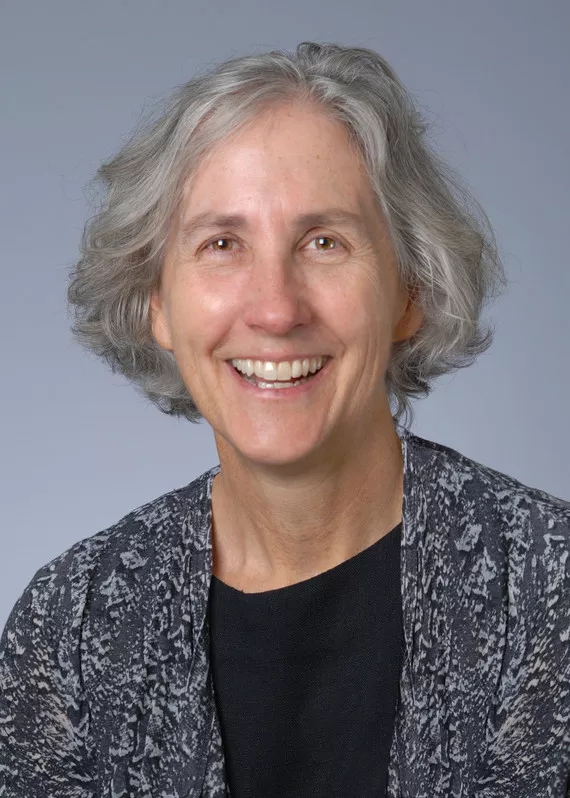
In its final week of in-person instruction for the fall semester, the University of Arizona is reporting slightly elevated COVID-19 case numbers as it finishes its pre-fall break testing blitz this week, UA President Robert C. Robbins shared in a news conference Monday, Nov. 23.
From Nov. 12 through Nov. 21, UA found 126 positive coronavirus cases after administering 11,504 tests for a positivity rate of 1.1%, an increase from the 0.9% positivity rate the university reported the previous 10-day period.
On Nov. 9, the university began its "testing blitz" to reduce the spread of COVID-19 as travel is likely to increase over the holiday season. Testing will end on Nov. 25, and students have been asked to register for an appointment-only test after completing a survey with their traveling plans.
If students travel outside the Tucson area over fall break, the university is asking them to complete the semester outside the area or remotely online. Those who don't travel can complete the semester from their student residences.
“Case numbers are rising here in Arizona and nationwide. I strongly encourage everyone to exercise extreme caution over this break. This means don’t travel. If you don’t have to, don’t do it.” Robbins said. “If you do travel, including going home from your student residence, quarantine after arrival.”
All students will complete the semester remotely when classes resume Nov. 30. In January, the university plans to return to stage two of its reentry plan with up to 50 students attending classes in person.
However, Robbins said if the current surge in COVID-19 cases continues over winter break, “we’re gonna have to go back and start all over like we did with this term.”
Pima County Public Health Director Theresa Cullen lauded the university for its coronavirus mitigation efforts but says the county is seeing alarming levels of cases.
According to Cullen, the seven-day rolling average for COVID-19 cases per day is at 439 throughout Pima County. In mid-October, the county saw 59 cases a day.
On Nov. 22, the county reported 878 new coronavirus cases, which Cullen says is the highest daily case count ever reported in Pima County.
“We are in a post accelerated stage of the pandemic right now. So while the university continues to do incredibly well and is an exemplar for us of what we could be doing, we are not seeing that in the general community,” Cullen said.

A science fiction author and his wife were found dead from gunshot wounds after Pima County Sheriff’s deputies discovered the couple in their Foothills home late Thursday, Nov. 19.
Sheriff’s deputies discovered 78-year-old Hayford Peirce with a self-inflicted gunshot wound while conducting a welfare check at the couple’s home on the 6000 Block of Pontotoc Road, near Sunrise Drive. His wife, 51-year-old Wanda Zhang Peirce, was pronounced dead on the scene from gunshot wounds, according to PCSD.
Peirce later died from his injuries at a local hospital on Saturday, Nov. 20.
The sci-fi author is best known for the novel Napoleon Disentimed.
Zhang Peirce previously owned Oro Valley restaurant Wanda Z’s Chinese, formerly Harvest Moon Chinese, which closed in 2015.

SAN CLEMENTE, California – High school athletes can’t play competitively this fall semester due to California’s pandemic restrictions, so some elite players are traveling to Arizona and other states to maintain their skills and continue developing a scouting profile for colleges.
With some high school sports indefinitely on hold, California athletes on club or travel teams are willing to travel to states with fewer restrictions, just for the chance to compete. Although physically distanced conditioning has been allowed since the start of school, local California districts have set their own timetables.
On Monday, Gov. Gavin Newsom announced a delay of the release of statewide guidance on the resumption of school sports, citing an alarming spike in COVID-19 cases, the Los Angeles Times reported. This makes it much tougher on sports families to keep their kids involved competitively, including the Luce family, with three boys all involved in sports.
“It’s definitely more coordinating and a lot more work,” said their mother, Julie Luce. “Getting out there is not easy.”
Although it has been difficult, she can’t deny her eldest son, Ryan, his aspirations of becoming a professional baseball player. In light of the high school sports postponement, Ryan’s family decided to hold the 14-year-old back from his freshman year to remain in eighth grade: he joined a sports academy middle school in San Clemente called the Togethership.
Luce and husband Anthony are providing Ryan the opportunity to play competitive baseball out-of-state. After resuming workouts in late July, Ryan and his family drove to Phoenix in September for his first interstate tournament with The Togethership.
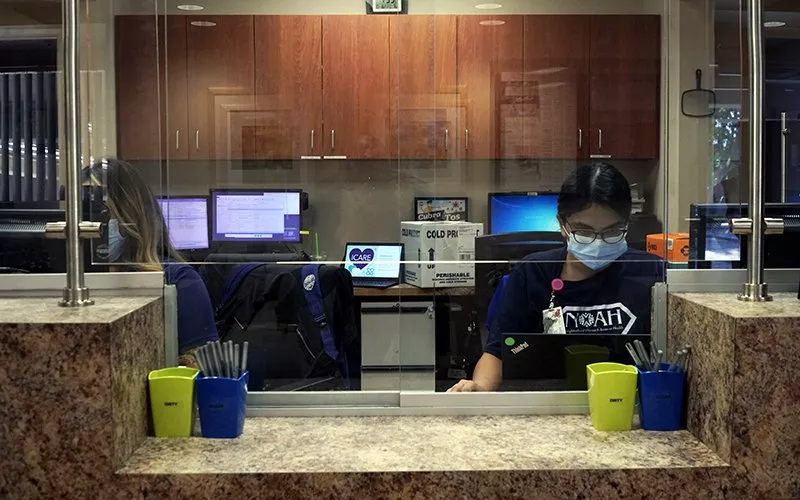
Financial aid from last spring's federal CARES Act allowed Neighborhood Outreach Access to Health and other community health centers to retain employees amid declining patient visits and other threats to funding streams.
The financial hit is estimated to be at least $2.9 billion nationwide, according to a study from the Milken Institute School of Public Health at George Washington University.
In addition to providing standard health services, these clinics have been on the front lines of COVID-19 testing efforts in underserved urban and rural communities.
In Arizona, 23 community health centers operate 176 sites throughout the state. Tara McCollum of the Arizona Alliance for Community Health Centers said most centers in Arizona experienced drops of 35% to 80% for in-person patient visits.
“Even the sliding fee scale wasn’t enough to bring people in,” she said, referring to discounts offered to uninsured patients. With the sliding scale, the less money a patient earns, the lower the cost.
Such discounts are made possible with financial assistance from the Community Health Center Fund, a federal program created through the Affordable Care Act of 2010. Congress renewed funding for the program last year at $5.6 billion, but that money is set to expire later this year.
With the ACA now under review by the U.S. Supreme Court, advocates worry the health center fund could be wiped out if the court decides to repeal the Affordable Care Act.
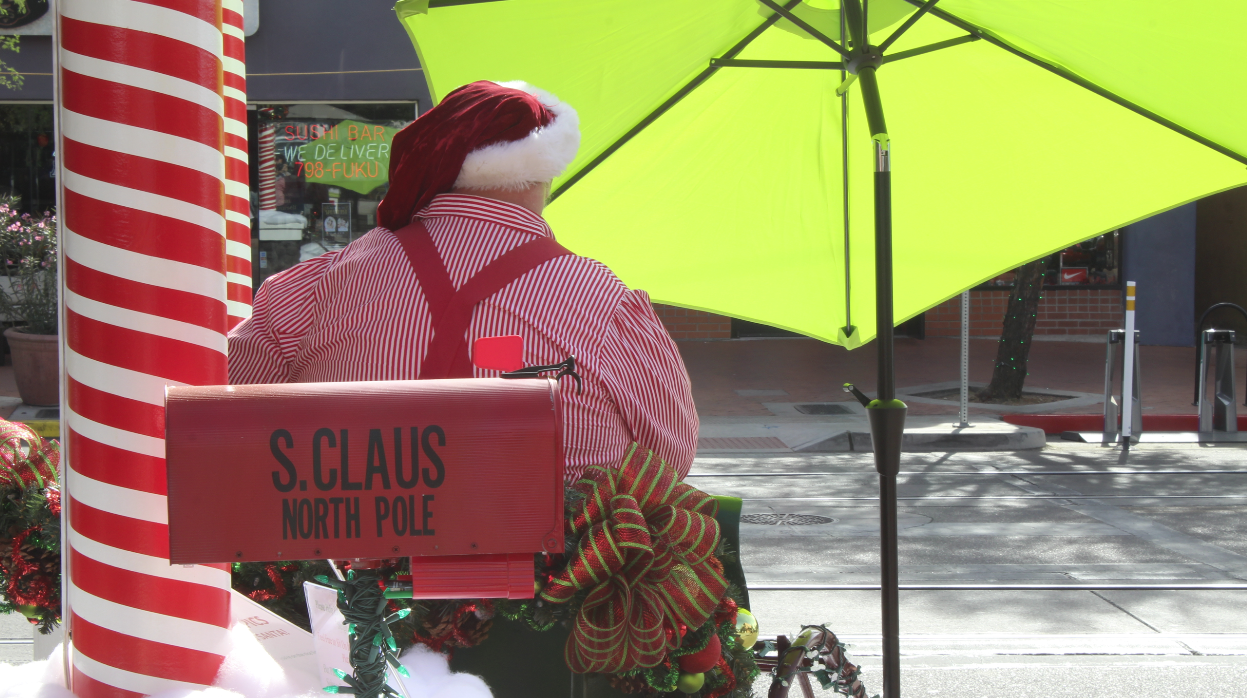
Santa Claus returns this year, but will take up residency in a socially distanced "Santa Snow Globe" in Geronimo Plaza from 1 to 4 p.m. Nov. 27-29, every Sunday in December through Dec. 21, and on Christmas Eve. Taking pictures with Santa is always free.
Other events include:
Nov. 27—Main Gate Square Blax Friday Pop Up Musicians Virtual Concert from 1 to 5 p.m. in Main Gate’s newly completed Plaza south of 2nd Street between Tyndall and Park. The limited-capacity pop-up events and music performances amplify Black businesses.
Through Nov. 29, the art installation “Monuments” by Arizona Arts Live is in Geronimo Plaza and near the Arizona State Museum on the UA campus after dark. "Monuments" projects the faces of local heroes in an outdoor environment, exploring the conversation around monuments and their meaning.
Dec. 10—Lighting of the Menorah at sunset through the end of Hanukkah.
According to the Marshall Foundation that helps organize these events, mask wearing is required outside unless you can continuously social distance. Masks are required to enter all retail establishments. Masks are also required to enter all restaurants and to remain on until seated. Masks are required to be on when using the facilities or leaving the restaurant.
For more info & additional events, visit maingatesquare.com
