

Monday, July 19, 2021

Sunday, July 18, 2021

Saturday, July 17, 2021
Friday, July 16, 2021

A free COVID-19 clinic will be held from 5:30 to 8:30 p.m. Saturday in conjunction with the Reid Park Zoo's Summer Safari Nights.
The first 100 people who get their first COVID-19 shot will receive a free daytime admission ticket to come back and visit the Zoo, 3400 E. Zoo Court, according to a Reid Park news release.
No appointments or identification are required for this mobile event. Registration is done on-site.
All three vaccine types will be available – Pfizer, Moderna, and the one-dose Johnson & Johnson. Only the Pfizer vaccine has been approved for 12- to 17-year-olds.
Ward 6 Tucson city council member Steve Kozachik, who helped organize the vaccine clinic, will perform folk and rock tunes. Tucson Roadrunners mascot Dusty will be on hand from 6 to 7 p.m. There will also be games and activities from Tucson Parks and Recreation’s Ready, Set, Rec! as well as animal encounters and presentations throughout the evening.
For a full list of vaccination sites, visit pima.gov/covid19vaccine.

WASHINGTON – Gilbert resident Lori Ament said she and her husband both work full time to support themselves and their 5-year-old son and are getting by. But not much more.
“We can barely afford child care which my son needed, and some regular doctors’ appointments, which meant medical care copays,” Ament said. “And I didn’t have the time or money to address my own mental health needs, and I have to work full time to even make that work.”
But help started Thursday in the form of monthly payments the IRS will begin sending to most American families with children, an advance on their 2021 tax returns that could mean up to $300 a month per child.
“Putting money in the hands of families month to month is helping them then,” Ament said. “You can’t just sit and twiddle your thumbs until February.”
The payments are part of the $1.9 trillion American Rescue Plan that was signed into law in March. That bill increased the previous per-child tax credit, raised the eligibility age from 16 to 17, expanded the payment to cover families that had been excluded because they made too little, and made sure those families got the full benefit – and it’s making the payments in advance, instead of after taxes are filed.
The payments will reach an estimated 39 million households, “covering almost 90% of children in the United States,” the White House said in a June release. In Arizona, an estimated 1.5 million children are expected to benefit from the plan – 692,000 of whom were not previously covered.
“If you look at changes in tax policy in Arizona and the country, this is a really strong policy response to benefit lower-income families and children,” said Andrew Sugrue, assistant director of policy and advocacy for The Arizona Center for Economic Progress.
He said the payments are expected to cut child poverty in half nationally and by about 45% in Arizona, lifting as many 238,000 children in the state above or near the poverty line.
Thursday, July 15, 2021

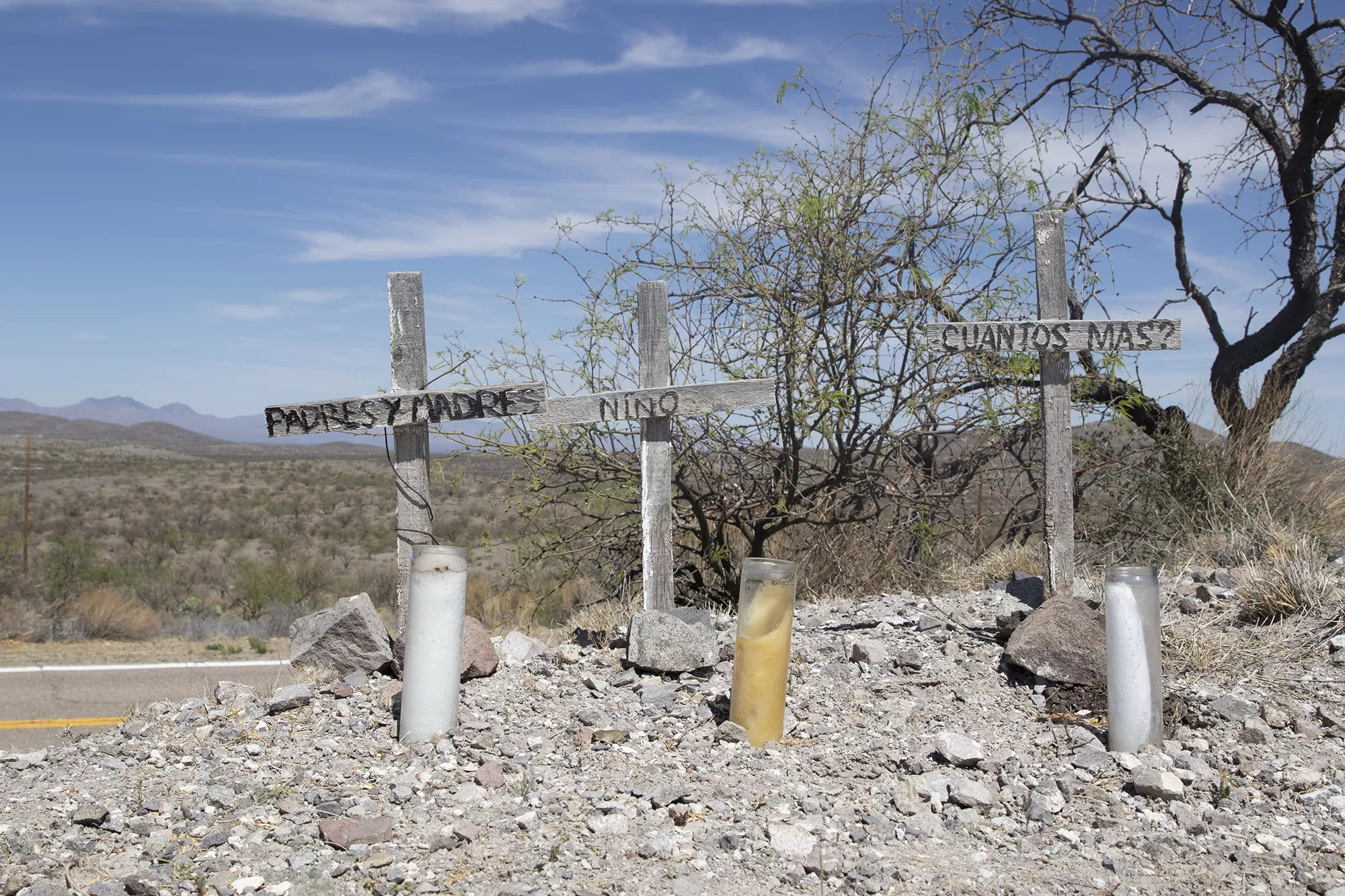
WASHINGTON – The number of migrant deaths recorded in the Arizona desert so far this year is on pace to break the record set just last year, as migrants attempt the crossing in the face of a record-breaking heatwave.
Humane Borders and the Pima County Medical Examiner’s Office reported finding the remains of 127 migrants in the first half of 2021. That was ahead of the 96 deaths recorded at the same point in 2020, which set a record of 226 deaths for the year.
The deaths come as migrant apprehensions at the Southwest border have surged to their highest level in years, with almost 930,000 Southwest border encounters through the first eight months of fiscal 2021, more than twice the number for all of the year before.
They also come as the West is in the grip of a historic drought and a blistering heatwave. In June, Phoenix saw high temperatures above 115 degrees for a record-setting six days in a row, while Tucson set daily record highs in that same six-day period.
“It’s so hot that even having water isn’t necessarily going to save somebody’s life,” said Doug Roupp, board chair for Humane Borders. “Some of the people who were found dead had water on them – that’s a tough pill to swallow.”
While groups such as Humane Borders, Tucson Samaritans and No More Deaths work to provide water for migrants crossing the desert, they are also encouraging people not to cross the border now, when conditions are so harsh.

