

Tuesday, July 13, 2021

Monday, July 12, 2021


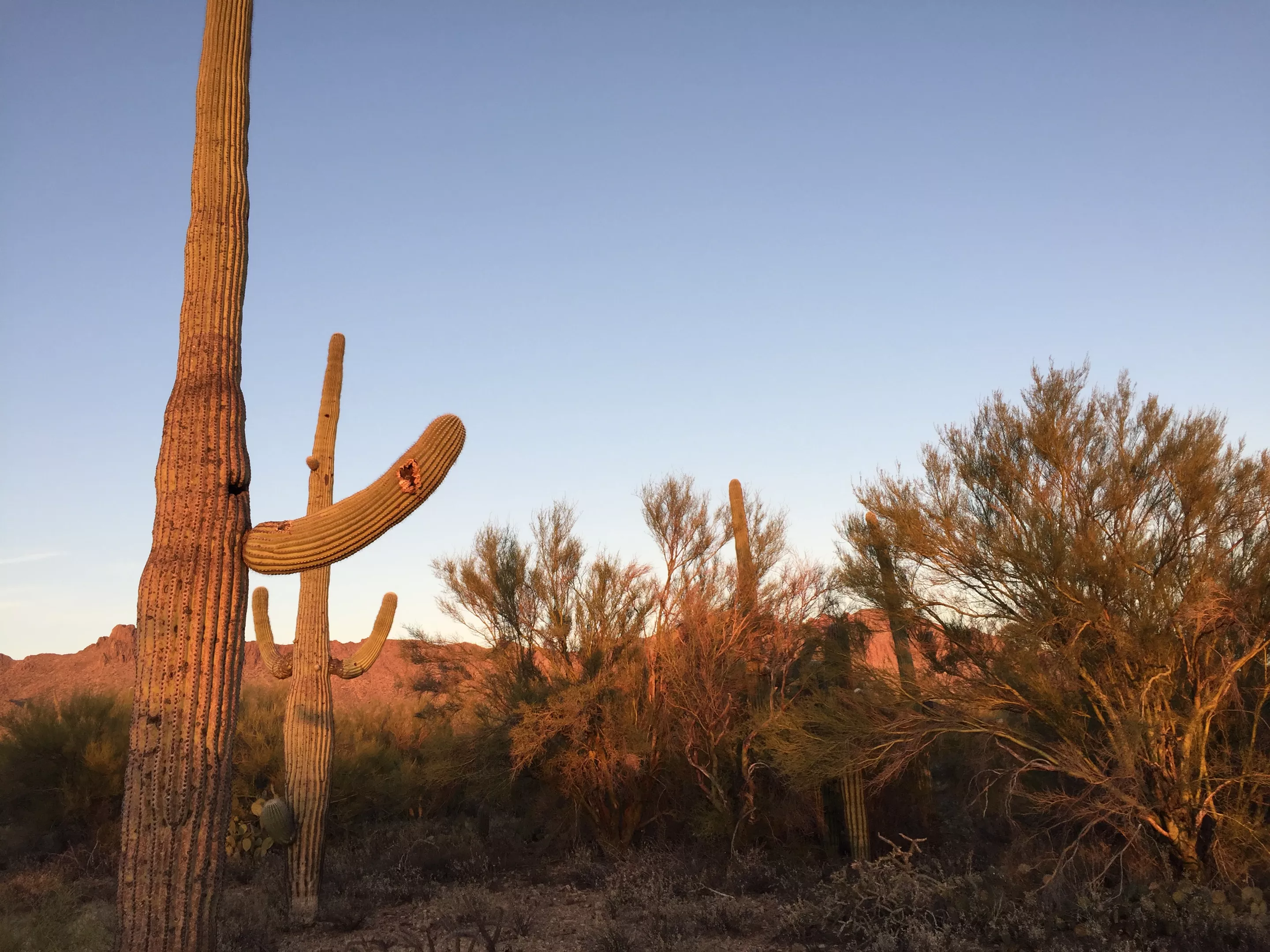
PHOENIX – With summer in full force, it’s more important than ever to wear sunscreen when outside. Arizonans are at particular risk for sun-related skin damage, according to experts at the University of Arizona’s Skin Cancer Institute.
Arizona sits at a higher altitude and lower latitude than most states, meaning it’s closer to the sun and the equator. High altitude and low latitude also mean residents have less atmospheric protection from various ultraviolet, or UV, rays that can cause skin cancer, according to the foundation. And in warmer climates, people who spend time outside often choose clothing that exposes more skin.
Sunscreen is key to protecting skin from sun damage. Guided by the SPF, or sun protection factor, sunscreen commonly comes in creams, lotion, sticks or spray and, according to the Mayo Clinic, all work when used frequently.
The SPF measures how well a sunscreen can defend against UV rays. The number isn’t directly related to the duration of solar exposure but rather the amount or intensity. A higher SPF doesn’t mean you can be out longer without reapplying, either. The Environmental Working Group recommends SPF 30 to 50, adding that any number higher than that is “misleading.”
The American Academy of Dermatology suggests three steps to proper sun-damage prevention:
Sunday, July 11, 2021
Saturday, July 10, 2021

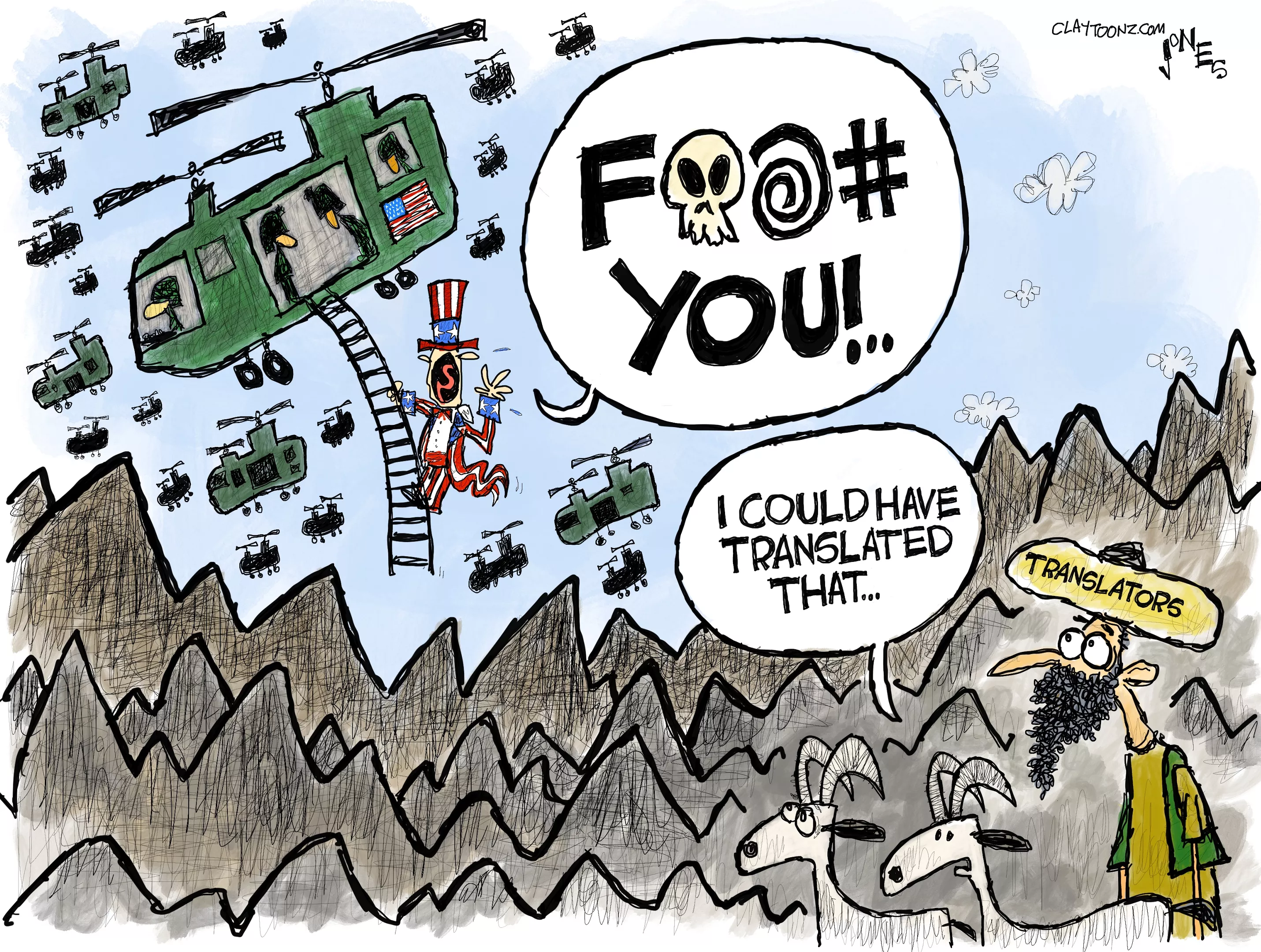
The complaint notes that the Children housed in one of the Biden administration's largest shelters for unaccompanied migrant minors were being watched over by contractors with no Spanish-language skills or experience in child care who usually stood idly at the edge of crowded tents.
It also details lack of medical care, clothing, and regular showers for children in their care and highlights the lack of childcare experience of those working in the facility.
“These allegations are horrific and have no place in our asylum system. Children do not belong in detention, and I’ve long advocated for the closure of these types of facilities,” Grijalva said. “The Biden Administration must pursue community-based alternatives to detention that put the welfare of children first. We need an independent investigation to determine exactly what’s going on and end these inhumane practices one and for all.”
Other immigration advocates have also called for the Biden administration to end the use of emergency intake shelters like Fort Bliss and to use only facilities that operate under state licensing requirements for children, especially as the number of unaccompanied migrant children in the care of Health and Human Services has declined from over 20,000 to fewer than 15,000.
So far, HHS, which has closed some emergency intake facilities, has not announced plans to close Fort Bliss.
Tags: immigration , Biden Administration , Raúl Grijalva , Image
Friday, July 9, 2021

The Belgian German Shepherd female puppy was last seen around the Swan Road and Skyline Drive area. For over a year, Ursa has been bonding and training with her person.
July 4 celebrations have terrorized many a dog with fireworks. The Pima Animal Care Center ran a clinic in preparation for the event. The clinic ran from June 24 to July 1 to microchip pets and provided advice on how to keep pets calm.
“We are ramping up our pet microchip events to get ready for the Fourth of July,” said Director of Animal Services Monica Dangler in a press release prior to the event. “Pets can easily get scared and we want to make sure that they make it back home as quickly as possible, and a microchip is the best way to do that! With a quick scan, PACC staffers can find a phone number and call the pet owner to pick up their lost pet.”
Unfortunately Ursa is not yet microchipped or spayed. The owner has offered a reward and asked people to call (520) 955-5012 if Ursa is found.

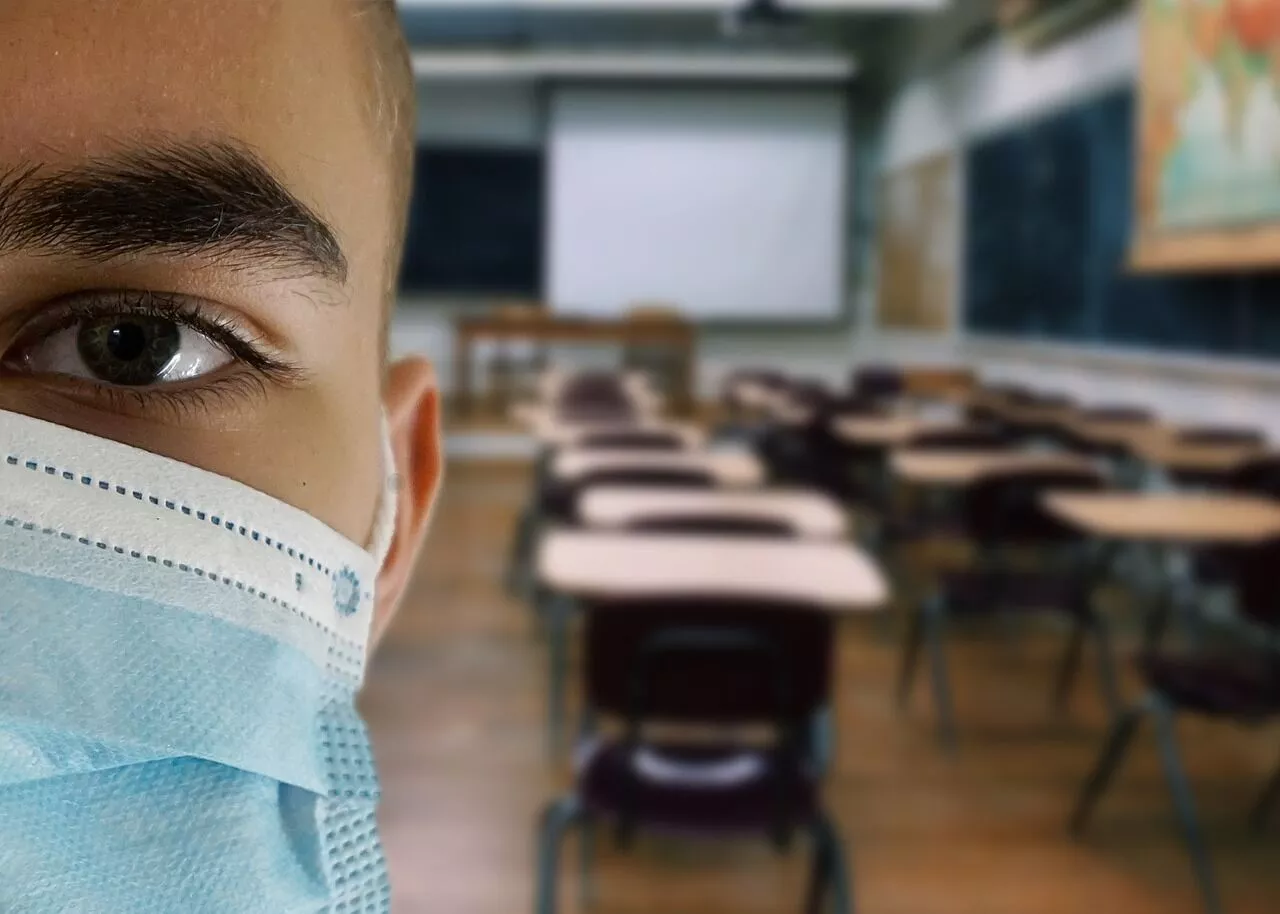
PHOENIX – Health experts are concerned that Arizona’s recently approved budget, which bans public schools and universities from enforcing mask mandates and COVID-19 testing for unvaccinated students, is endangering public health across the state.
In a virtual panel assembled by the Committee to Protect Health Care, a national advocacy organization that aims to “fight for quality, affordable health care that protects patients over profits,” experts weighed in on how the legislation, as well as Gov. Doug Ducey’s June 15 executive order banning masks at schools, could prolong the pandemic in Arizona.
“Students are being linked to community outbreaks, including in Arizona, and they accounted for 72% of all school-related cases in Maricopa (County) at one point in the past spring,” said Dr. Elizabeth Jacobs, a professor of epidemiology at the University of Arizona. “Banning schools from adopting a simple, cost-effective and scientifically proven safety measure like mask wearing while we are still in the midst of a pandemic makes absolutely no scientific or public health sense.”
Daily COVID-19 cases in Arizona have declined since March, according to the Arizona Department of Health Services, with only several hundred new cases per day now compared with the thousands of daily new cases earlier this year. However, in recent weeks, that number has ticked up slightly.
The state’s low vaccination rate also was a major concern for the experts on the panel.
“Only 23.5% of Arizona youth, aged between 12 and 17, have been vaccinated,” said Dr. Ricardo Correa, program director for endocrinology at the University of Arizona. “Policymakers and politicians must do better for Arizona and for children in our state, who deserve elected leaders who will use science and other resources to keep them safe during a pandemic.”

