

Monday, October 1, 2018
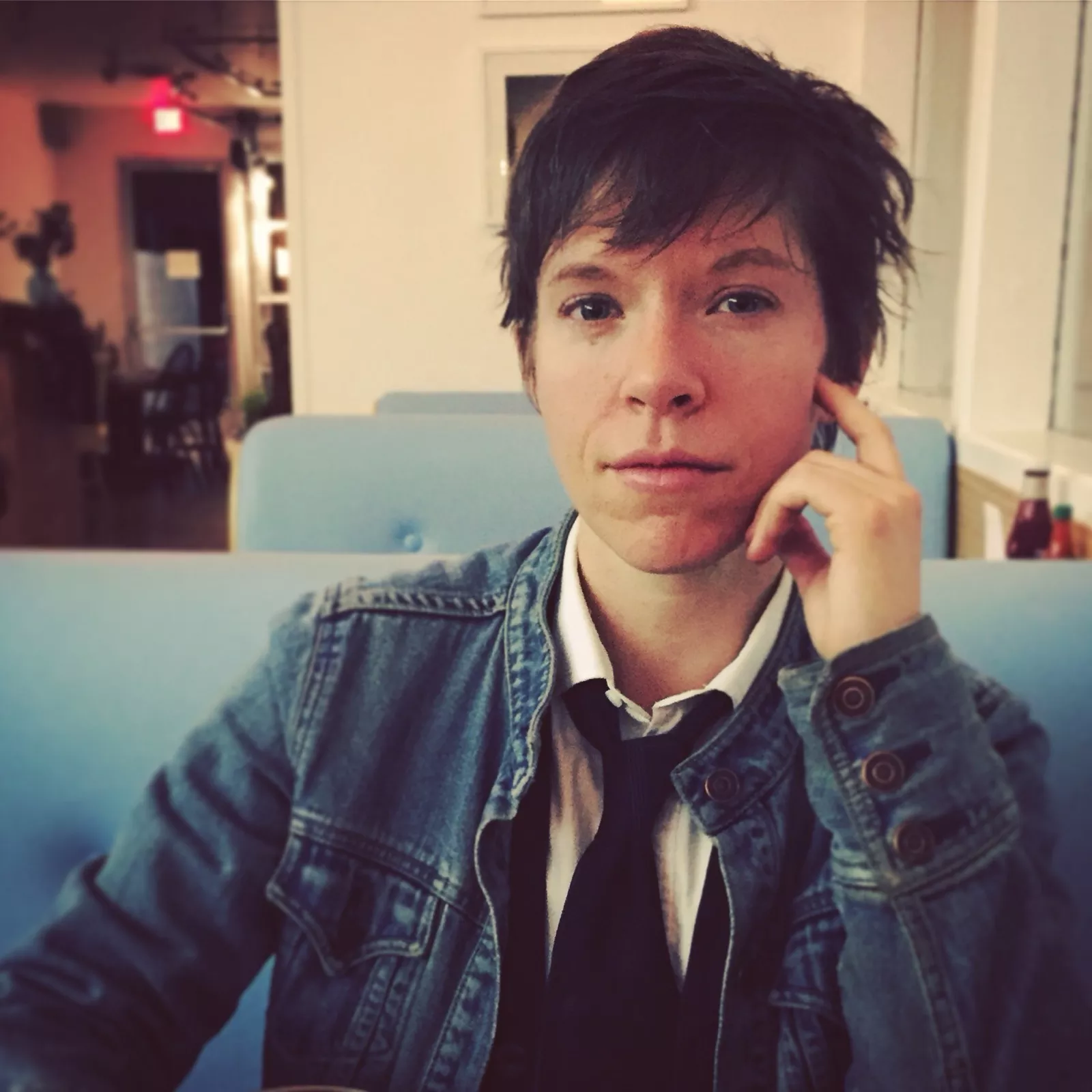
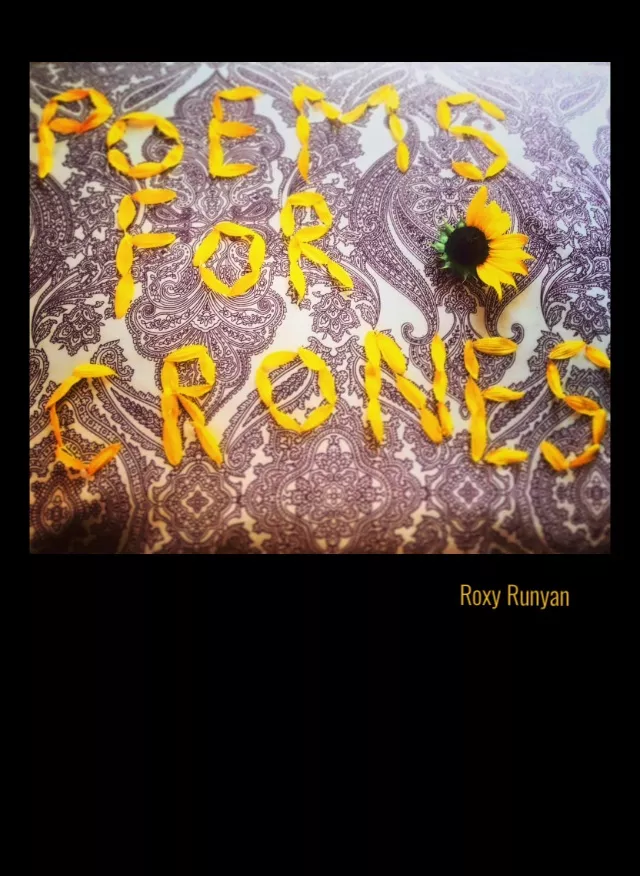
Poet Roxy Runyan is in love with Tucson—its desert washes, its sunsets, its witchy women. She just released her first book of poems, Poems for Crones, from Ghost City Press, inspired by her search for unabashed, vulnerable truth and love.
Renowned poet Alice Notley said "Read Roxy Runyan's lovely, vulnerable Poems. She has ears, and a heart." And now, you lucky people can take Notley's advice and download a free copy of Poems for Crones here. A print copy is forthcoming, but if you donate to her, shoot her an email with your address at [email protected] and she'll send you one of her printed and hand-sewn physical copies.
The Tucson Weekly interviewed Runyan on what inspires her poetry and, in tandem, her love of life.
Why did you move to Tucson 12 years ago and what has kept you here?
I moved to Tucson when I was an over-achieving but low-funded 18-year-old from Phoenix disgruntled at having to go to U of A rather than some place further. I had a family member who lived there who made it look appealing enough—when I came out to her as a lesbian years later, she revealed her own mostly-closeted life spent as a lesbian, and smiled as she shared that Tucson has, for a while been, "sort of a lesbian mecca."
The queer community is what has kept me in Tucson—the peers here with whom I've grown relationships over the past decade have become my found family members, and it's been incredibly healing as someone who grew up always feeling out of place as a kid.
How does Tucson inspire your poetry?
I worked at Kore Press my last year of college and for a short time after, learning the
ropes of the literary world through the loving and talented, community-centered lens of Tucson's literary scene. The cozy monsoon days, winter weeks, and even oppressive summer heat of Tucson have all inspired my poetry and writing. Tucson remains, for me and many others, a place to be honest in the present moment, which is the place from which the best poetry comes.
This place has held my heart through terrible grief and beautiful growth, and I thank long walks with my dog through Dunbar Springs, downtown, and the Santa Cruz wash for churning within me processes—emotional, mental, psychological, and artistic—that may have otherwise
stayed stagnant. Not being able to resist stopping to photograph a desert flower in bloom, or praise the brilliant bright red of a vermillion flycatcher against the otherwise brown and green
landscape, and praying to the sunset as I sit atop a roof or on a porch. These moments of being a radically present witness to the beauty of our world—apparent in Tucson unlike anywhere else—have made me the poet and heart-centered person I'm proud to be.
Poems for Crones has been described as "poems written for elder women—grandmothers, crushes, and lovers alike." At just 30-years-old yourself, why was it important for you to write about aging and elderly women?
As a child and the youngest in a family of "all girls," I felt a passionate devotion to and admiration of my older sisters and mother. It often came as a felt call-to-protection. I remember being 4
years old and feeling incredibly uneasy about the way certain men would look at my mother or sisters in the grocery store, or at the post office. The feeling would come over me anywhere really, just in response to the look in some men's eyes or the dishonesty I sensed in their voices.
After I came out as a queer and made peace with the fact that all of us have "issues," be them daddy issues or mommy issues or sister issues or brother issues, I was able to release the shame of my love and attraction for older women, and pursued whatever intimate relationships with them might naturally grow. I've found mentors, friends, and lovers. Oh, I love them so. In exploring romantic and physically intimate and affectionate relationships with women, I continue to feel an energetic pressure valve release every time I share my particular devotion and interest in older women with both queer peers and any older women I get a chance to share it with.
Our society devalues aging and elderly women in so many ways, when in fact they ought to be running the world. A council of queer grandmothers of color, for example, would serve this world with far more heart and wisdom than all the old white men who've been poisoning and harming the life on this planet for centuries with their ego-driven power and control issues. There is magic in an aging woman that ordinary language doesn't quite capture... so I wrote poems for them.
I didn't set out to write poems that would become this book, Poems for Crones, but I knew I needed to compile some of my poems into a book—I have hundreds of poems. It's long been time, and this is just my first—and after a year of picking out some of my favorites, and looking for common themes, and batting around about half a dozen other potential titles, I realized, of course, many of my poems were for older women, including my grandmothers who both passed in the last couple of years. This combined with my passion for reclaiming powerful, diversity-driven language, which patriarchy raises us to believe is "bad" ("witch," "crone," "lesbian," "queer," etc.) made the title and meaning behind the book come clear. My grandmothers were certainly flawed humans, but I've always sustained a felt reverence for their lives and stories, their commitments to joy, in spite of their positions in a world that offered them so few choices, as women.
Besides spending your 20s finding inspiration while wandering Tucson washes, how did you become a poet? What are other things you do to make a living or for fun?
I don't really believe someone sets out or sits down to write a poem or become a poet. For me, the poems I've written that other people seem to enjoy the most just seem to tumble out of my consciousness, byproducts perhaps, of living with my heart and eyes and throat open and my awareness present. I know I'm a poet because poems happen like this for me, and I've gained consistent and enthusiastic readers as time has gone on. I also know I'm a poet because I don't have much else concretely figured out. I have a bachelor's degree in English, so of course I'm writing poems and working in cafes and figure modeling for art schools and artists, meditating on stillness, or dog-sitting and meditating on movement as I walk and walk and walk a lot ofdifferent dogs. I've done landscaping work, hospitality work, even technical writing, literary marketing, copyblogging and editing gigs here and there. In college I majored in "English" rather than "Literature" or "Creative Writing" because I was too shy or perhaps fearful to admit aloud that I wanted to be a writer. But I've always been a poet. It's the way my heart leaps at the extraordinary
beauty and connection my consciousness finds in the most ordinary things. That makes me a poet. And that makes me committed to keep on living as best as I can. My other hobbies, passions, and interest really just revolve around the arts and examining and building of integrity, especially within intimate relationships. I believe the most powerful legacy we leave is our impact on others.
Why do you call Tucson "the magical old grandmother" of all Sonoran cities.
I'm not sure why, but usually Tucsonans nod in wide-eyed agreement when they hear me say it. Maybe it is the wonderful elder women I've met here, maybe it's the hills and the trees and the cicadas and dust here that vibrates with a particularly nourishing and enduring tone. Maybe it's all the elder lesbians here (god bless y'all). It's probably all of this and more.
What writers/poets inspire you?
Alice Notley is important to name. Her book, Mysteries of Small Houses, turned me on to poetry in a big way when I was 18, and we've since met each other and are sort of pen pals, which is why I lucked out with such a huge name in poetry giving a recommending blurb to my little first book.What are a couple of your favorite poems in the book and/or excerpts?
There have been a dozen or so times now that I've handed this book over to someone proudly, expecting them to leaf through it quickly, and instead they sit still for 20 minutes straight and read the whole thing front to back. This experience is what I am most proud of contributing to. Poetry being a medium these individuals admit rarely getting into, yet seeing them absorbed in it feels really special. I write from the heart because this world needs more heart, and I share my writing in order to connect more hearts, selfishly perhaps, to my own. But hey, isn't that all we've got? I'm proud I published poems with certain words and am even writing certain words in this interview which bring up a little fear for me. What will certain family members think when they see these things? But to let go of that, to not try to protect or shield anyone from parts of my honesty is a growth process I am proud of.
The poems for my grandmothers are perhaps dearest to me. Calling my Grandma Ruth a gladiola, honoring my Grandma Mary Katherine's sense of sing-song joy. These things really feel special to me. I'm also really happy about the way I ended the poem for Hemmi—a very special dead
cat who I have no qualms about honoring as a crone, though Hemmi is the only non-human crone in the book—with the sentences "paint the fence green and tear the big ones down. walls are
for homes," which feels like an important reminder of priorities, especially at this time in history in these borderlands.
Do you have any future projects on the horizon?
I always have poems coming, and I'm working on my next collection while I continue to work on some epic poems and creative essays that feel very important. Central to my work is a focus onhonesty, integrity, and heart. I grieve for how misunderstood and abused the notion of love is, and seek through my writing to help lift up our consciousness around how we care for—how we love—each other and ourselves and all life.
Tags: Poems for Crones , poetry , literature , art , books , Roxy Runyan , Image
Monday, August 27, 2018
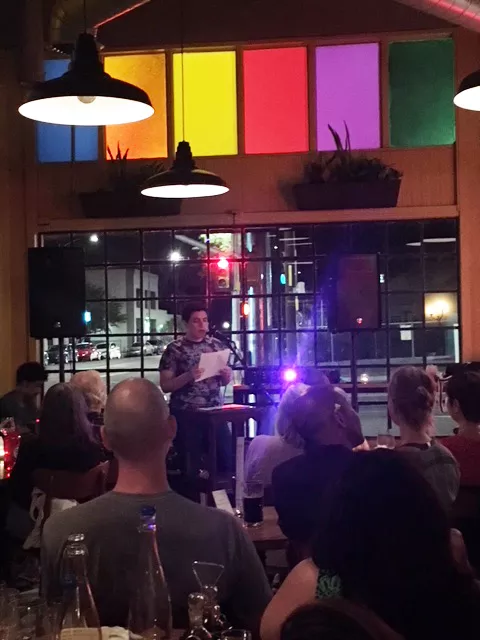
The audience squeezed into the warmly lit wine bar for three reasons, wine, Sophia Terazawa and Raquel Salas Rivera.
Terazawa opened the evening with a powerful and theatrical reading of soldier's testimonies from the Vietnam war, at points screaming while at other times holding a large knife to her throat. She captivated the audience, who didn't quite know what she was going to do next, and invited them to scream, cry or look into the eyes of her Hello Kitty stuffed animal for comfort.
After a brief intermission where attendees rushed, the best they could through the throngs of people, to the slate bar to refill their wine glasses, Salas Rivera took the podium.
Dressed casually in a t-shirt and jeans, Salas Rivera joked and laughed with the crowd before diving into the deeply political poetry.
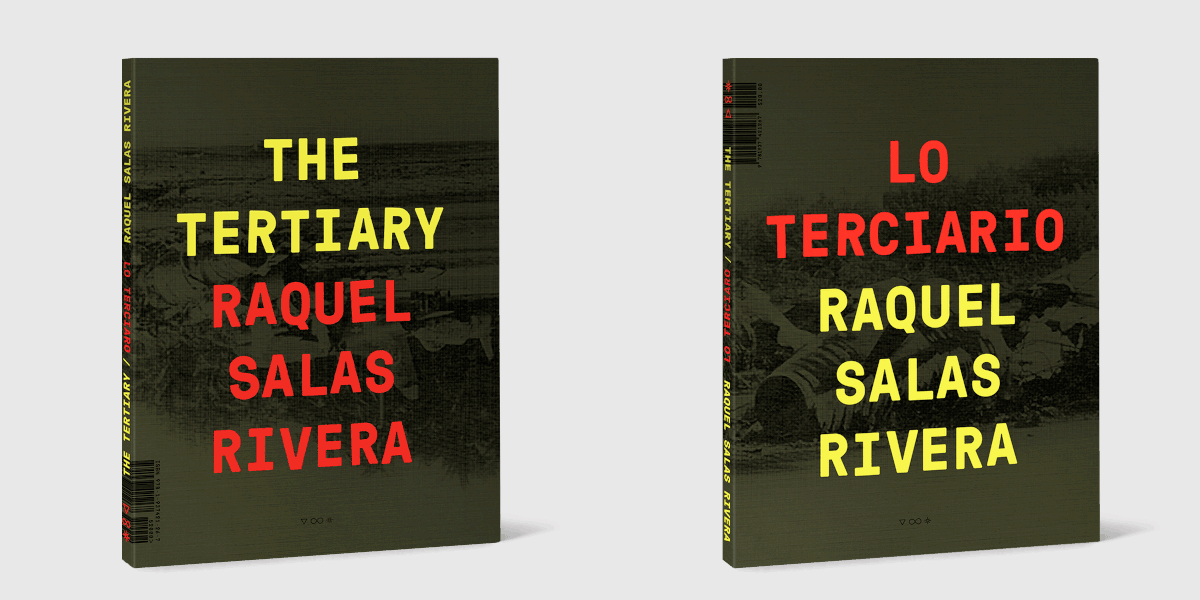
The first half of the reading included poems from Salas Rivera's books, including the most recent book, lo terciario/the tertiary. Salas Rivera is the author of four published books and six chapbooks. The poems from the newest book felt old, Salas Rivera joked, even though the book only came out in April.
Salas Rivera then read from new works, ever relevant as situation in Puerto Rico continues to evolve after the devastating hurricane that hit the island a little less than a year ago.
While some of the poetry left the audience speechless, a huge round of applause filled the Royal Room at the end of the performance.
Wine glasses clinked as friends, all somehow intertwined in Tucson's rich poetry community, mingled with the poets, Casa Libre hosts and friends after the reading.
Read Margaret Regan's full story that appeared in last week's issue of the Tucson Weekly previewing the event here.
Tags: poetry , reading , Casa Libre , The Royal Room , Wine , poetry , politics , empowered work , new book , Raquel Salas Rivera , Image
Monday, August 20, 2018
We, here at the Tucson Weekly, receive lots of mail every day and so in efforts of paying it forward, here is a letter to you about a book that landed in our mail box.
Every now and again some kind publisher sends us a book with the hopes and dreams that we will write a wonderful review therefore skyrocketing their book sales. We get many books and are not able to read and review every single one, but sometimes one catches our eye.
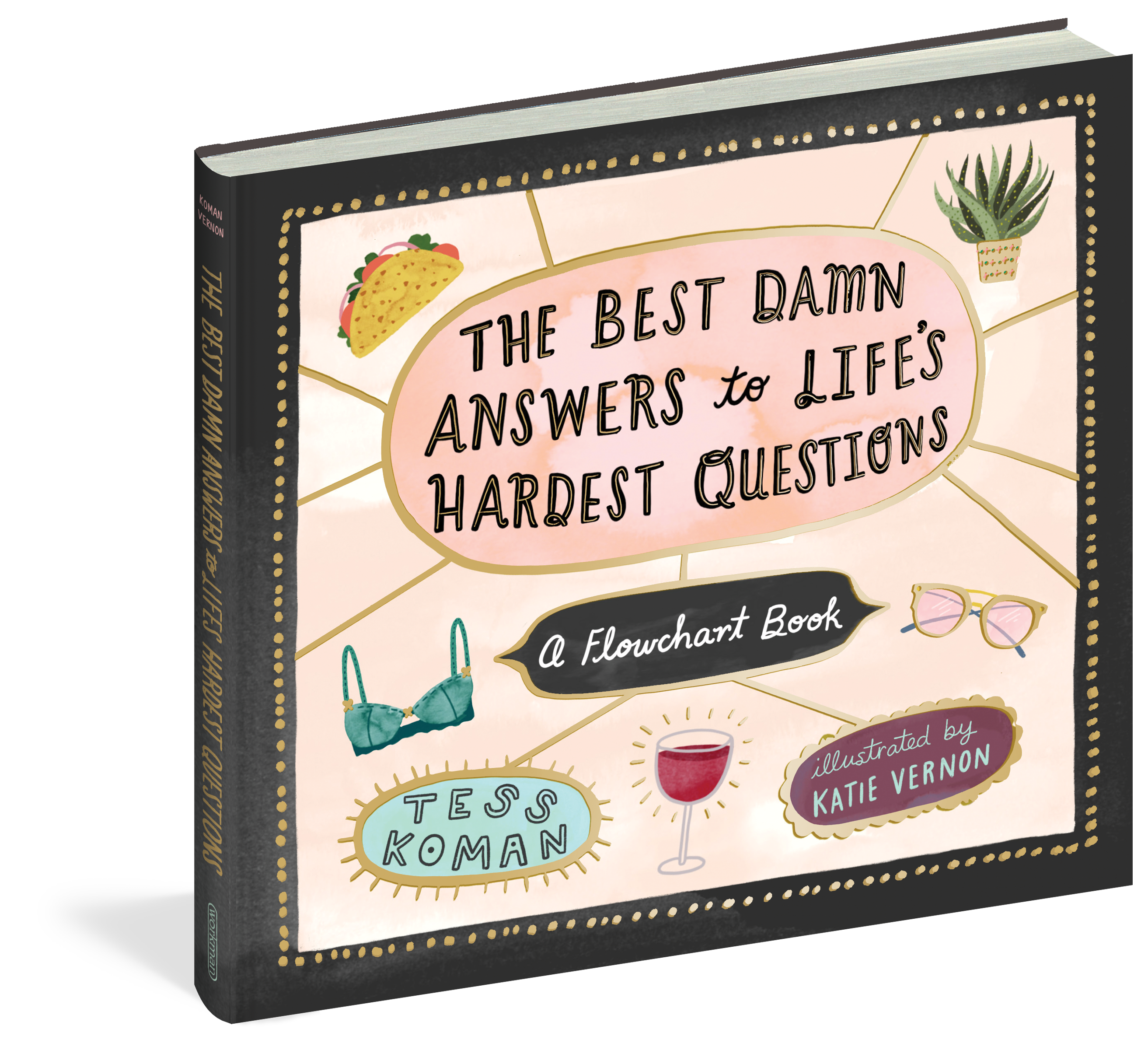
Well, today that book was "The Best Damn Answers to Life's Hardest Questions" by Tess Koman.
The little pink, brown and gold book is inviting with its sparkly cartoon taco, sunglasses and bra on the cover, and that is where you get sucked in.
First you start reading thinking you are too cool for group think. That there is no such thing as universal relatablility. And then you follow through the flow charts and realize that everything describes your life. Perfectly.
Now, I don't know if this is a good thing or a bit sad of a thing, but it is certainly the truth.
This book asks the real questions in life, such as is a bra really necessary? Should I buy a plant? Should I text *that person*? And perhaps, most pointedly, am I too old for this shit?
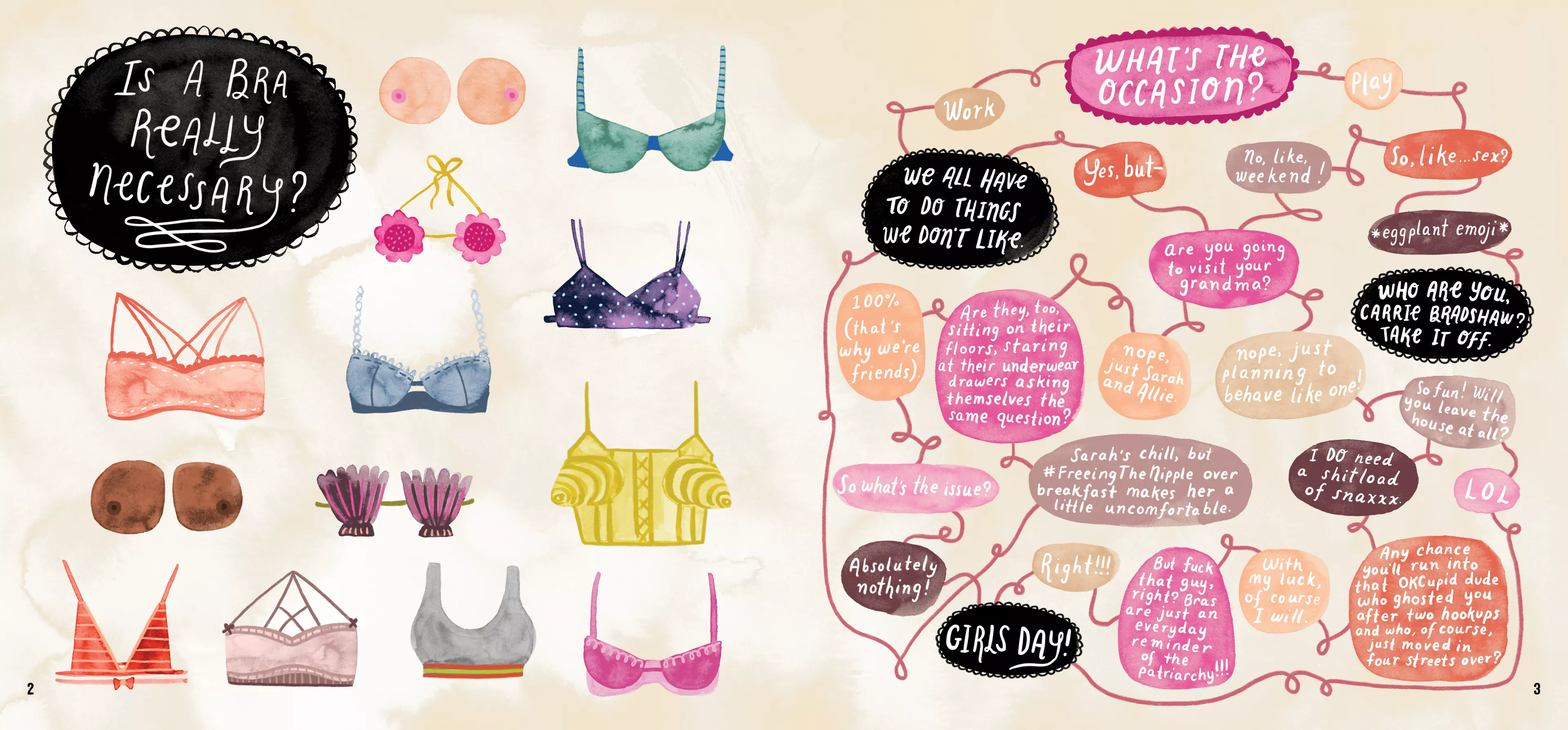
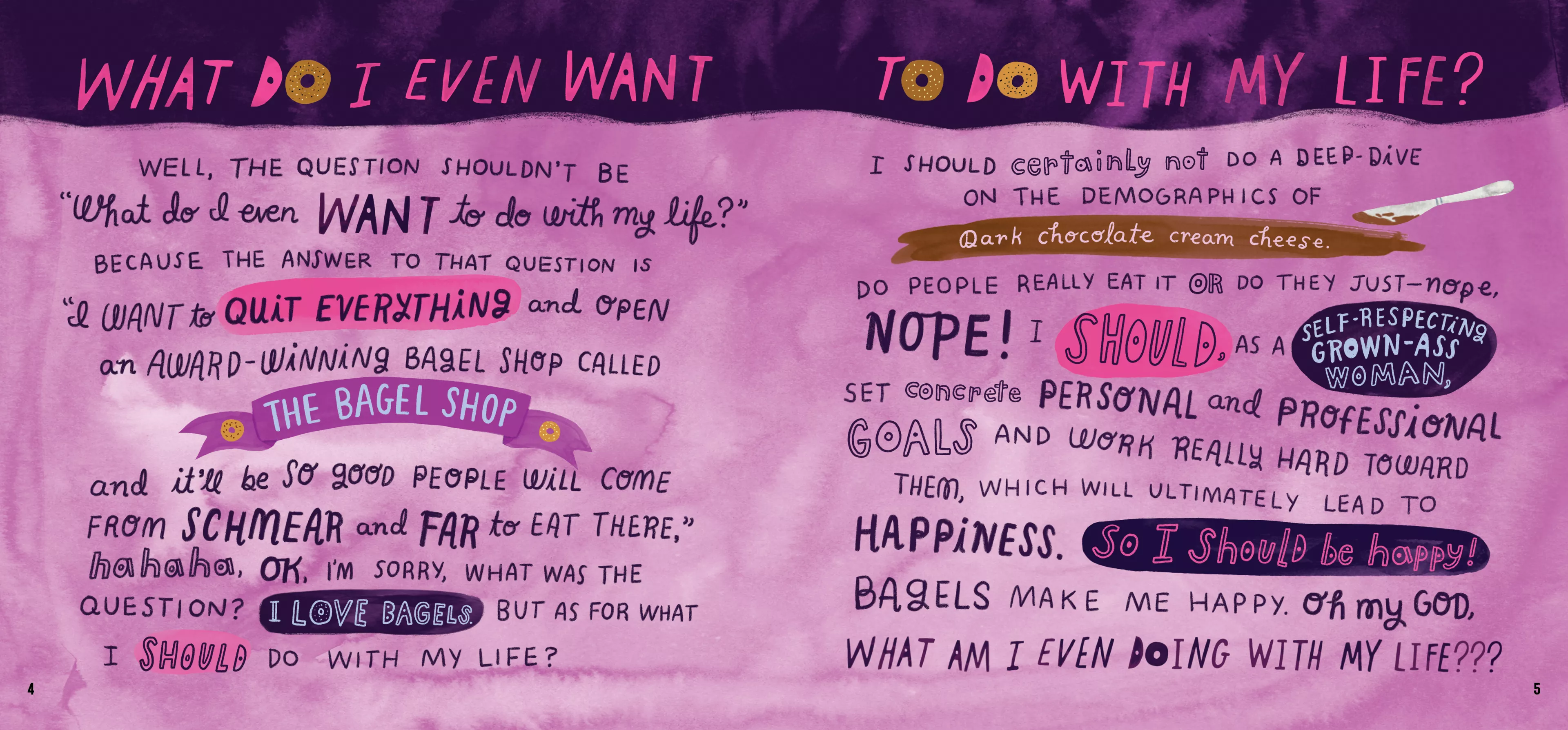
Cute and colorful flowcharts illustrated by the talented Katie Vernon help millennials, and maybe even everyone really, navigate through some of life's smallest yet most important decisions.
And after reading through Koman's advice, my advice for her? Go open that bagel shop! You clearly want to!
EXTRA: A little interesting note about the author is that she is the features editor at delish.com and the former web editor at cosmopolitan.com. Web editors often are pretty cool people.
- Tirion Morris, Web Editor
Tags: Book , review , questions , answers , flowcharts , comic , cartoons , letter , mail , delivery , dear reader , Image
Monday, June 11, 2018

Despite the stereotype that millennials are all about screen time, the age group still prefers print books over e-books, according to a recent University of Arizona study.
The study, led by UA Associate Professor Sabrina Helm, looked at perceptions of ownership and value associated with e-books versus print books. Helm said she was interested in looking at how digital consumption changes interpretations of ownership.
“What does that really mean to own a file of book or of a picture or video and so forth?” Helm said. “Is that the same as having the physical product in hand?”
Researchers conducted the study through four focus groups divided by age: Older generations, Gen Xers and two groups of millennials, one of college students and one of graduates.
Despite her initial assumptions that there would be more openness to digital reading in younger generations and to print in the older generations, Helm said the study found that it “is clearly not the case.”
Across all age groups, print books held more value as possessions, Helm said. Readers talked about loving the smell and feeling of a new book and their ability to be used as decorations.
Current UA senior Kayla Smith said she prefers physical books because she enjoys being able to show off her collection, which she said she couldn’t do on a screen.
Millennials in particular described the bond which print books form in their lives when they start reading as children, according to Helm.
“They touch the pages, they learn how to turn the page and they point at things in the book,” Helm said. “All of that is pretty difficult to do with an e-reader, and so there was very clearly this sense there’s this ability of a book to create social bonds.”
Tags: hardcopy , e-books , books , reading , research study , University of Arizona , Image
Friday, June 1, 2018

The Stonewall Series
Saturday, June 2 (2–4 pm, Joel D. Valdez Main Library)
Fenton Johnson presents "The Future of Queer: A Manifesto"
Wednesday, June 20 (6–8 pm, Murphy-Wilmot Library)
Bill Konigsberg presents "Is Cis Gay White the New Straight"
Saturday, June 30 (2–4 pm, Woods Memorial Library)
Rachell Mindell presents "Bi is Not a Bad Word"
Rainbow Reads: A Positively Queer Reading Circle
Alternating between book chats and book clubs, this reading circle is held on the 3rd Sunday of the month at Exo Roast Co.
The next book club will be held on June 17. The book selection is Virginia Woolf's Orlando.
Rainbow Storytime
Wednesday, June 6 (11–11:45, Woods Memorial Library)
Thursday, June 7 (10–10:45, Santa Rosa Library)
Friday, June 22 (10:30–11:15, Sahuarita Library)
For more information, visit the Library's website or call Infoline at (520) 791-4010.
Tags: Pima County Public Library , LGBTQ+ Services Committee , Stonewall Series , Rainbow Storytime , Rainbow Reads , Image
Thursday, April 19, 2018
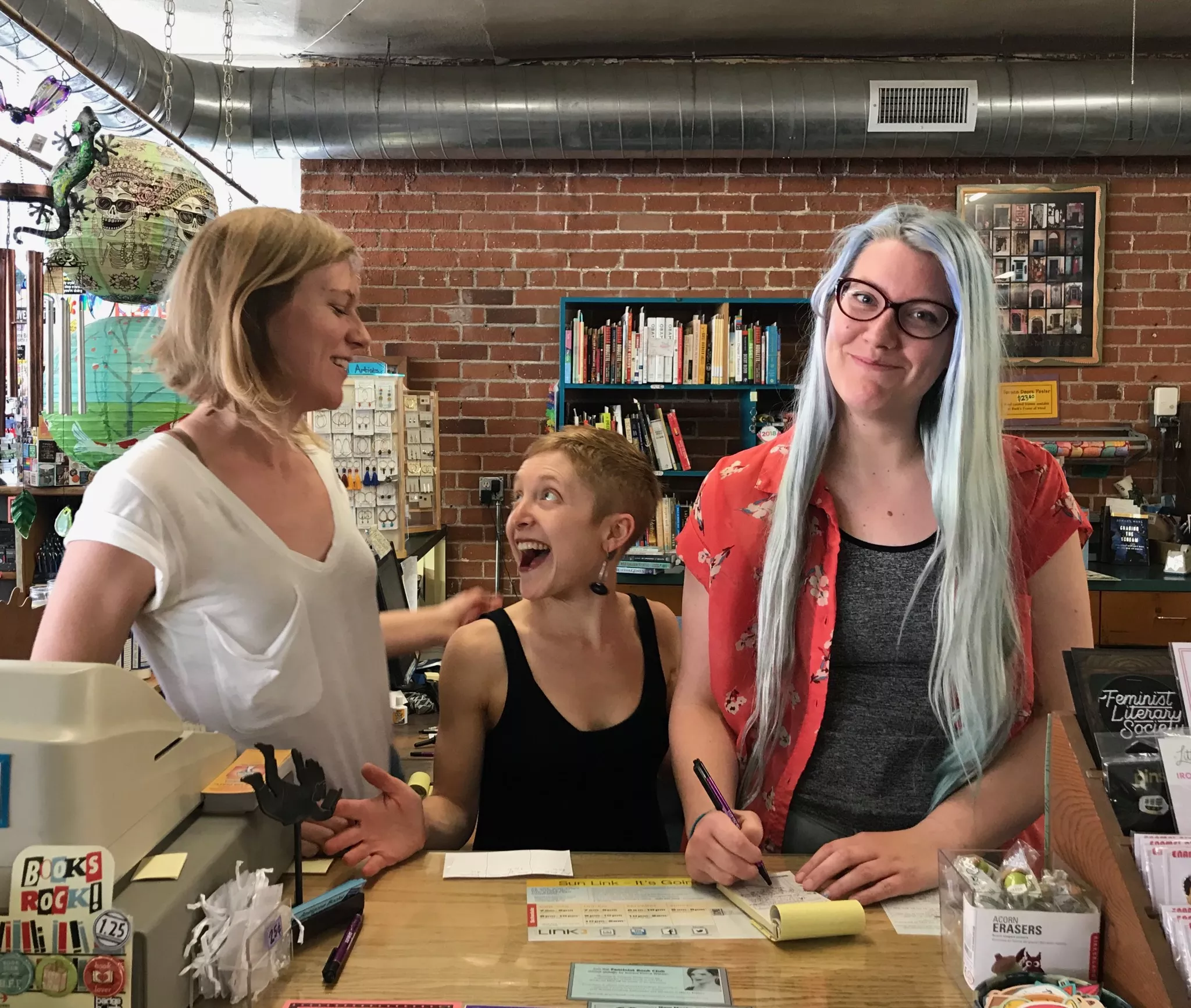
The many fans of Antigone Books can put their fears to rest—almost. The store will not be taken over by a chain. Three young employees of the popular indie Fourth Avenue bookstore have won a loan from the Small Business Administration to buy the business.
“These three women are smart, passionate and hardworking,” says Kate Randall, who with Trudy Mills has operated the 45-year-old store for the last 30 years and owned it for 28. “They have what it takes. They’re also community-minded and they really care about independent bookstores and local businesses. We’re really excited.”
Mills and Randall bought the business in 1990 and have run it ever since. They put it up for sale nearly two years ago.
The three purchasers, Morgan Miller, Kate Stern and Melissa Negelspach, who’ve collectively racked up 15 years working in the store, hope to take ownership in May. But they can’t get their hands on the keys just yet.
They need $32,000 to seal the deal, and they’re hoping to close the money gap through crowd-funding. They’ve just launched an Indiegogo site at igg.me/at/antigonebooks to raise the cash at igg.me/at/antigonebooks. The campaign is already looking good. In the first hour that the site was live on Thursday afternoon, supporters contributed $1,020.
The loan is in place but it comes with upfront costs, the three report on their site. And with plans to take possession of the store in the slow retail season beginning in May, they also need start-up capital to make sure they can pay the staff from day one and continue buying inventory.
They’re already familiar with Antigone’s business procedures. Miller, who holds an MFA in creative writing from the UA, has trained under Mills as the store’s book buyer and took over the job last fall. She’s been with Antigone three years.
Ten-year Antigone veteran Negelspach has learned the ropes of the lucrative gift section of the store from Randall. Currently the assistant buyer, she’ll move up to the chief gift buyer. And Kate Stern, a two-year employee, is already the event planner, a job crucial to Antigone’s trademark array of book readings, book clubs, parties and partnerships with The Loft Cinema and the Food Conspiracy Co-op.
Monday, April 9, 2018

Chomsky, considered the founder of modern linguistics, has been called one of the most influential public intellectuals in the world and America’s most useful citizen. He's also authored more than 100 books on topics as wide-ranging as linguistics, war, politics, and mass media.
Now he'll present a free lecture offering a timely and important discussion of how American society has departed from the world, sometimes in extreme and hazardous ways. Included will be a look at gun culture, a topic that has dominated headlines in recent years.
Tickets and RSVPs are not required. Seating will begin at 6 pm, one hour before the event. For your comfort, feel free to bring camp or folding chairs!
Tags: Noam Chomsky , free lecture , community event , Pima County Public Library , Joel D. Valdez Main Library , Image
Wednesday, January 31, 2018
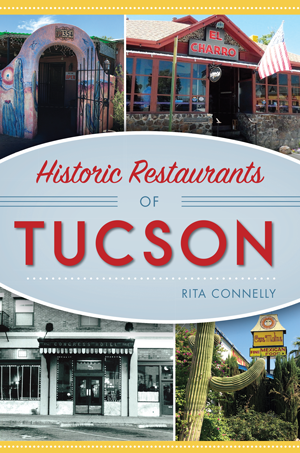
Her new book has historical Tucson restaurants that have been open for at least 20 years. Each chapter covers one decade of history and restaurants. She begins the book in the 1920s. There will be a book signing on Feb. 18 at El Charro, one of the highlighted restaurants in her book.
"I've learned a lot and I've met a lot of great people and it's just fun" Connelly said. "I love the way the Tucson food scene is now. Its very fun and happening."
Although writing her second book was overwhelming, her passion for writing has not stopped. After she finished Historic Restaurants of Tucson, the History Press asked her if she was interested in writing about the history of Arizona chimichangas, and she just couldn't turn them down. Her third book is currently in the works and will mostly likely be released in the winter of 2018.
"To be a food writer was my dream and I guess I'm still living my dream and I guess I'm lucky that way," she said.
Tags: author , Tucson Food , el charro , Image
Thursday, July 27, 2017
Baker, author of the Nora Abbott mystery series and Stripped Bare, the first book in the Kate Fox mystery series, said that receiving the award was very special to her.
"I've been a nomad, especially in the last ten years," she said. "I was always an outsider and I never really fit in. So when I joined RMFW, they were kind of a constant for me. They became my substitute for family and community."
She also spoke about her next book, Dark Signal, the second in the Kate Fox series.
"Kate has just been sworn in as county sheriff and she gets a call that there has been a fatality on the train. It's the first case she's ever had as sheriff and it's all new. She kind of has to prove herself."
She said that the book was largely inspired by her husband, Dave Furman, who worked as a train conductor for 42 years.
"When I asked 'how would you kill someone on a train?' it was kind of scary how many ideas he had, right off the top of his head," she laughed.
Tags: Shannon Baker , Rocky Mountain Fiction Writers , RMFW , Nora Abbott mystery series , Kate Fox mystery series , Stripped Bare , Dark Signal , trains , books , writer , novelist
Thursday, July 13, 2017
The mighty Kore Press is a Tucson-based nonprofit independent publishing house and literary justice organization. For 24 years, the press has worked to ensure that marginalized voices: women, people of color, queer and trans folks, have a forum. Founder Lisa Bowden is trying to raise $20,000 for book printing, publishing staff, anthology editorial/artist fees. The Indiegogo campaign has currently raised 13 percent of its goal. Funding for literary endeavors is never easy, and the odds are stacked. Fewer people are reading books for one thing. That, and Bowden and Kore are publishing voices that’d go unheard into the mainstream.
Creating a people-powered publishing house has become the most sustainable route for extending Kore Press. A significant portion of the budget comes from support by the NEA, NEH and associated funding sources. With NEA and NEH funding on the chopping block in Trump’s 2018 budget, here Bowden opens up about what mainstream publishing is missing today and what we can expect for Kore Press' fall season.
Kore Press has been running since 1993. What made you want to create this press?
After graduating from the UA and working in the Tucson literary community, I wondered why we weren't exposed to more women writers in school, especially when Tucson is so rich with talent. After working for five years with another press learning printing and binding, and acquiring my own equipment, Karen Falkenstrom, Kore Press co-founder, and I discovered we both wanted to make a feminist/social justice impact with the literary arts, and so, Kore Press was born.
The way people consume media has largely shifted to an online format. What is it like running Kore Press in 2017? How has it adapted?
We publish online as well as in print, and have been growing our digital presence as reading, activist and communications culture has shifted. Digital printing allows us to keep producing books in much smaller runs of our titles, which is more economically feasible for small presses.
What does Kore Press look for in a prospective author?
We are focusing in recent years on writers who are interested in experimental forms, or content, that have potential for social impact. We have done, and plan to continue doing, community programming around certain artists or works to create larger public conversations which engage folks in innovative ways.
What is mainstream publishing missing? Why aren’t marginalized groups able to tell their stories in that forum?
Mainstream publishing is commercially driven, market-driven, so, it's missing a lot in terms of diversity. That is and has always been the strength of small presses—to take risks, work with all kinds of writers and voices.
With the proliferation of social media and personal technology, we have experienced a democratization of "publishing"—anyone with access can tell their story, can have an audience. Mainstream publishing, like mainstream media of all kinds, is largely governed by corporate forces, so you tend to see the same issues of systemic racism, sexism, capitalism—intersecting oppressions—that we see in large institutions and governments.
Tags: Lisa Bowden , Kore Press , Cheryl Strayed , Lusia Slomkowska , Dawn Lundy Martin , Erica Hunt , Karen Falkenstrom , Video

