
Monday, March 8, 2021
Editor's note: An earlier version of this story misquoted Tempe Elementary School District spokesperson Brittany Franklin, administrators there were not discussing whether to make summer school mandatory.
PHOENIX – Before the pandemic, second-grader Melody Wiseley loved going to school. But for the past year, her life has consisted of Zoom classes and social distancing. The mundane, taken-for-granted moments she once shared with friends in the lunchroom and on the playground are cherished memories.
Her grandmother, Heidi Aranda, who is the senior director of curriculum development for Tucson Unified School District, noticed her granddaughter’s struggles over the past year. One likely remedy is summer school, which is not mandatory in Arizona, but districts are offering more classes this year to help students who struggled remotely catch up.
“She has struggled a bit with the online instruction,” Aranda said of Melody. “She is very social and she interacts with people all the time, so this has been hard for her.”
She said the learning experience in her home is different from most because her daughter – Jacqueline Aranda, who teaches in Tucson Unified – and her granddaughter live with her. But despite the teacher powerhouse, it can still be difficult to keep Melody on track.
“It’s hard because there are times where there is support at home and there’s times where there isn’t support at home,” Heidi Aranda said.
Melody isn’t the only student who struggles with remote learning.
Friday, March 5, 2021
Tucson Unified School District reaffirmed their plan Thursday to open schools the week of March 22, which is in compliance with Gov. Doug Ducey’s Executive Order released Wednesday, said TUSD Superintendent Dr. Gabriel Trujillo.
Trujillo said they were ahead of the order, which has put them in a good spot to safely return students, teachers and staff to campus.
TUSD schools will have to reopen to in-person learning two days earlier than planned, on March 22 instead of March 24.
While 1 out 5 parents still need to choose their child’s learning program, more than 43% percent chose remote learning, which Trujillo said is in compliance with the executive order.
The district recently purchased $1.5 million in High Efficiency Particulate Air (HEPA) units, which are stand-alone units that can be plugged into a wall to reduce the spread of harmful particles in the air. On Wednesday, they finalized the purchase of 4,000 units for every campus, said Trujillo.
Throughout the spring and early summer, they plan to retrofit older buildings with Minimum Efficiency Reporting Values (MERV) rating level 13 filters, from level 8 filters, which refers to the filter's ability to capture harmful particles in the air as part of the HVAC system, said Trujillo.
On Monday, the district began distributing more than 50,000 N95 masks. Each school will also get at least one hands-free, bottle-filling station, he said.
House Democratic Leader Reginald Bolding and Senate Democratic Leader Rebecca Rios released a joint statement questioning Gov Ducey’s executive order.
“We shouldn't have to choose between public health and public schools,” the Democratic lawmakers said. “We all know that school is the best place for our students to learn, but we need to make decisions that protect our communities, children, teachers, support staff and parents.”
Marana School District Superintendent Dan Streeter told families on Friday that the district would resume five days of in-person instruction for pre-K through eighth grades as well as MCAT students.
Marana High School and Mountain View High School will offer in-person instruction Monday through Thursday, with Fridays reserved for remote learning so that teachers will have time to work with students who prefer to remain in virtual schooling.

A free, monthlong virtual job fair will help connect Arizona job seekers with employers throughout the state.
Unmet Jobs and the Arizona Commerce Authority will provide a personalized, virtual networking experience to help those companies and workers affected by COVID-19. The event, which is free for both employers and job seekers, will take place from March 15 to April 15, 2021. Registration is open now at unmetjobs.com.
“Job hunting has never been easy and COVID-19 has made it even more difficult to find employment,” said Emily Ahrens, chief marketing officer of UNMET Jobs. “During UNMET Jobs Arizona 2021, jobseekers will have access to hundreds of employers and thousands of local job postings. Companies will have the opportunity to review resumes from candidates that have recently graduated as well as more seasoned professionals.
The platform is inclusive to all levels of experience and features internships, entry-level and mid/senior-level positions, Ahrens said. Employers may register and begin posting jobs now through March 8 in advance of the fair’s launch. Some of the companies that will be represented include Amazon, Arizona Children's Association, Quicken Loans and Mind Quest.
“Arizona’s educational institutions are producing the workforce of the future, and we’re proud to partner with UNMET Jobs to highlight our state’s impressive talent pool through this virtual event,” said Sandra Watson, Arizona Commerce Authority President & CEO. “By leveraging technology, we’re able to facilitate a greater number of meaningful connections between Arizona job seekers and job creators.”
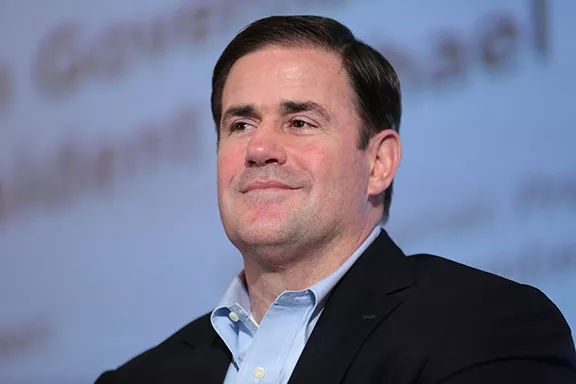
Gov. Doug Ducey announced he is rescinding his previous executive order limiting occupancy capacity for restaurants, gyms, theaters, water parks, bowling alleys and bars with dine-in service in a new executive order signed and released Friday.
The governor’s order still keeps the mask mandate and social distancing protocols in place, but businesses can return to full occupancy “effective immediately”.
“We’ve learned a lot over the past year. Our businesses have done an excellent job at responding to this pandemic in a safe and responsible way,” Ducey said. “We will always admire the sacrifice they and their employees have made and their vigilance to protect against the virus.”
Ducey is also giving Spring Training and major league sports the green light to proceed, provided they submit a plan on how they will implement CDC and state guidelines to the Arizona Department of Health Services and it received approval.
The executive order also precludes local municipalities to implement “extreme measures” that would stop businesses from operating.
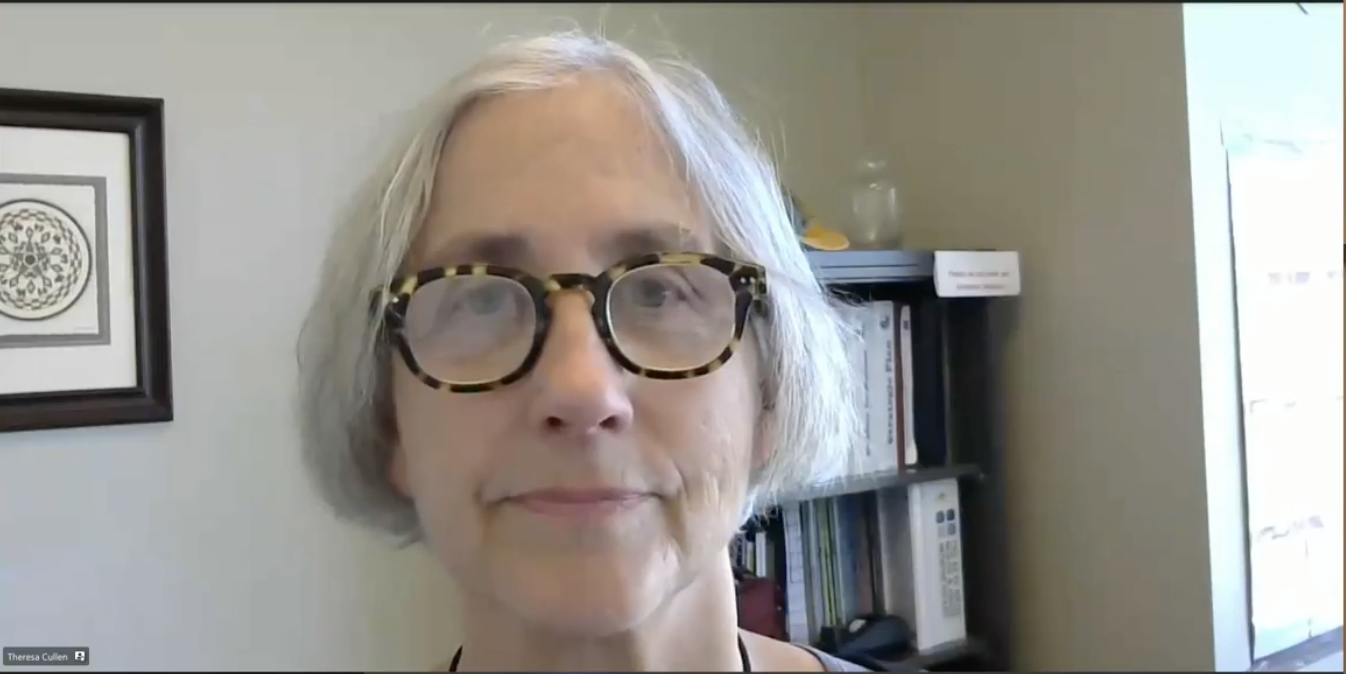
With a reminder that Thursday marked a year since the first COVID test came back positive in Pima County and that more than 110,000 people have tested positive since then, Pima County Health Department Director Dr. Theresa Cullen said she is looking to the future as county officials expect to hit the goal of 300,000 vaccinations before the end of March.
But whether they can reach that goal depends on how many vaccine doses arrive in Pima County from the state. As of March 4, 283,011 vaccines were administered in Pima County and Cullen said that if the county receives enough doses, it could hit the 300,000 mark sometime next week.
The county continues to vaccinate those 65 and older and had almost half of that population vaccinated a few days ago. The state is asking Pima County to have 55% of people 65+ vaccinated with the first dose by March 9, which would depend on how many first appointments are opened up at the state POD, Cullen said.
After Banner Health officials announced they would end vaccinations at Banner North and consolidate all vaccinations at Banner South, Cullen said the consolidation of the sites was in the works but it was with the hope that the Kino Sports Complex site would be able to increase appointments. The transition was based on the supply of Moderna vaccine.
The county has received 23,000 doses of Moderna, which they have yet to allot and continue to have discussions with TMC, TCC and Banner to evaluate their needs, Cullen said.
“We hoped the supply chain would loosen up,” Cullen said. “We have every indication that it will by the end of this month.”
The county has also received 8,200 doses of the Johnson & Johnson vaccine, which will be the only allocation for the next three to four weeks, Cullen said.
The Johnson & Johnson vaccine will be distributed to federally qualified health centers and also support the county’s pop-ups, but only in communities they had not previously vaccinated, as those who received Pfizer or Moderna will need a second shot of the same vaccine.
“We've been able to extend a hand into community and community members that we may not have touched before, that we may not have been able to develop trust with, from a community perspective,” said Cullen.
In Pima County, more than 2,200 people have died after contracting the virus; statewide, that number has topped 16,000 in Arizona.
“Everybody knows somebody,” said Cullen tearfully. “It's in their family or their grandma, or their best friend who has passed or is still suffering from the disease.”
With 2,276 new cases reported today, the total number of Arizona’s confirmed novel coronavirus cases topped 823,000 as of Friday, March 5, according to the Arizona Department of Health Services.

Pima County, which reported 215 new cases today, has seen 110,287 of the state’s 823,384 confirmed cases.
With 84 new deaths reported today, a total of 16,269 Arizonans have died after contracting COVID-19, including 2,254 deaths in Pima County, according to the March 5 report.
The number of hospitalized COVID cases statewide has continued to decline, with 1,043 coronavirus patients in the hospital as of March 4. That’s roughly 21% of the number hospitalized at the peak of the winter surge, which reached 5,082 on Jan. 11. The summer peak was 3,517, which was set on July 13, 2020. The subsequent lowest number of hospitalized COVID patients was 468, set on Sept. 27, 2020.
A total of 1,116 people visited emergency rooms on March 4 with COVID symptoms. That number is roughly 48% of the record high of 2,341 set on Tuesday, Dec. 29, 2020. That number had peaked during the summer wave at 2,008 on July 7, 2020; it hit a subsequent low of 653 on Sept. 28, 2020.
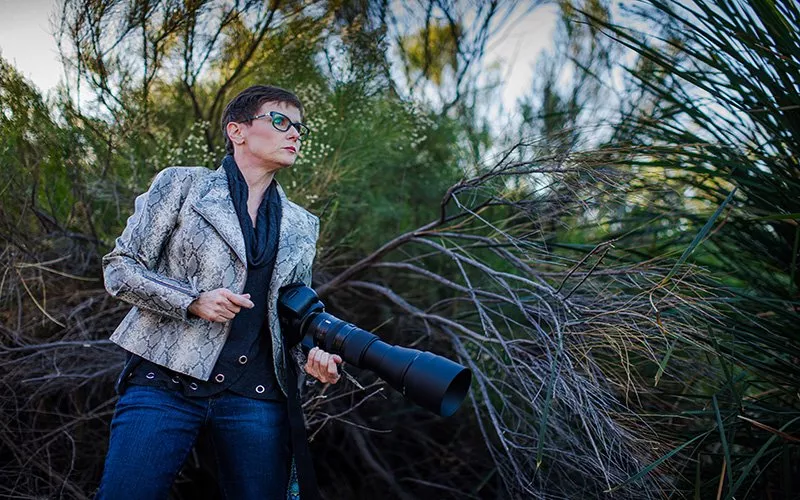
PHOENIX – After leaving the Army two decades ago, Miachelle DePiano faced new challenges on the civilian battlefield: a hyper-competitive job market.
“I couldn’t show anybody a portfolio because everything I had written was classified, and I didn’t have a degree to back up my claim,” said DePiano, who served as an intelligence officer in Germany and Croatia.
Other Arizona veterans and advocates said DePiano’s job-hunting experience is all too common, with veterans unsure of themselves and too often overlooked by potential employers. But the job-hunt can be more complex.
In 2019, a Bureau of Labor Statistics report showed the unemployment rate was lower for veterans than for nonveterans. But the financial outlook for vets has drastically changed since then, with unemployment jumping to 5.5% in January 2021, from 3.5% in January 2020.
Another report showed high-ranking veterans more likely to get better pay than noncommissioned veterans and younger veterans.
And, according to data and interviews, women and minority veterans often have a tougher time getting a job.
Thursday, March 4, 2021
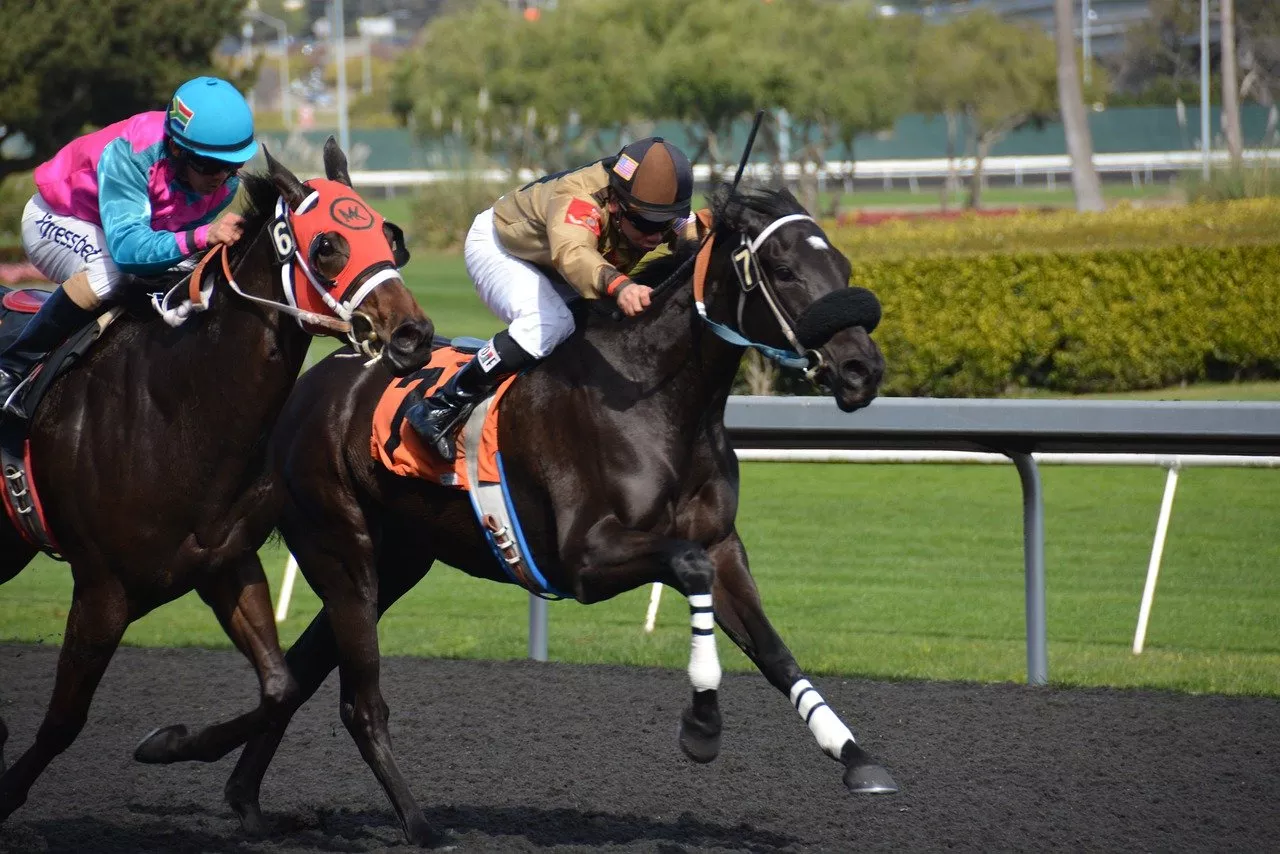
PHOENIX – Picture a baseball game at Chase Field. Or a basketball game at Suns Arena. As more fans begin returning to sporting events after the COVID-19 pandemic, they are welcomed by the benefits of live competition, from ballpark hot dogs to the energy of a packed stadium.
In the near future, the Arizona sports fan’s experience could include the ability to place bets inside sports venues while the action unfolds. For others, daily online fantasy sports platforms like Draft Kings and FanDuel might soon be operating legally in the state.
Arizona moved several steps closer to making those opportunities a reality with sports-gambling legislation now moving through both the House and the Senate as two separate bills, each with similar strings attached.
The new legislation would overcome the barriers set by the Arizona Tribal-State Gaming Compacts in 2002. That agreement set the rules for tribes to operate casinos but with no opportunities for sports betting, on or off of tribal land.
Now, HB 2772 and SB 1797 would allow both event wagering and online sports betting, with up to 10 tribes and 10 professional teams licensed to provide online betting platforms. There are 16 tribes in Arizona operating casinos. And there are eight professional teams, including NFL, MLB, NHL, and NBA franchises.
If passed, people would be able to place bets at Chase Field during a Diamondbacks game, or at Gila River Arena with the Coyotes skating. Bettors could also place wagers at sports books at select Indian casinos or legally participate in popular daily fantasy sports games.
With 1,154 new cases reported today, the total number of Arizona’s confirmed novel coronavirus cases topped 821,000 as of Thursday, March 4, according to the Arizona Department of Health Services.

Pima County, which reported 131 new cases today, has seen 110,072 of the state’s 821,108 confirmed cases.
With 96 new deaths reported today, a total of 16,185 Arizonans have died after contracting COVID-19, including 2,247 deaths in Pima County, according to the March 4 report.
The number of hospitalized COVID cases statewide has continued to decline, with 1,072 coronavirus patients in the hospital as of March 3. That’s roughly 21% of the number hospitalized at the peak of the winter surge, which reached 5,082 on Jan. 11. The summer peak was 3,517, which was set on July 13, 2020. The subsequent lowest number of hospitalized COVID patients was 468, set on Sept. 27, 2020.
A total of 1,154 people visited emergency rooms on March 3 with COVID symptoms. That number has been ticking upwards slightly this week but is just about half of the record high of 2,341 set on Tuesday, Dec. 29, 2020. That number had peaked during the summer wave at 2,008 on July 7, 2020; it hit a subsequent low of 653 on Sept. 28, 2020.
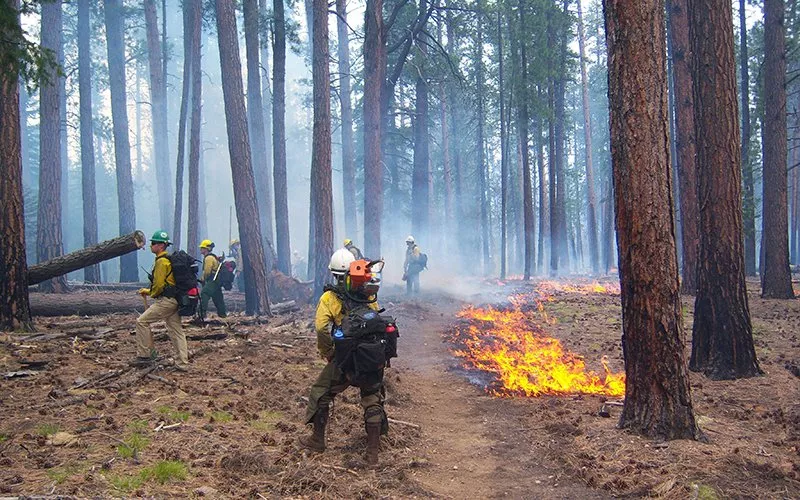
PHOENIX – More than 10.3 million acres of land were scorched by wildfires nationwide in 2020. Firefighters battling the harrowing flames often work shifts that exceed 24 hours, and they stay in close quarters in remote locations for weeks at a time, offering a prime opportunity for COVID-19 to spread.
In addition, firefighters in urban areas as well as in wildlands routinely are exposed to smoke, carbon monoxide, toxins from structure fires and other hazards to lung health.
Although there isn’t much data to indicate whether smoke inhalation affects the infection rate or severity of COVID-19 in firefighters, some experts are voicing concerns about lessened lung capacity upon recovery and other health issues.
“There’s definitely the question of whether or not those firefighters who are severely impacted will have trouble regaining lung capacity,” said Luke Montrose, an environmental toxicologist at Boise State University. “They’re already at risk for diseases like camp crud and lung cancer.”
Montrose researches how wood smoke and other air pollution affect the way human health and diseases work – and he’s concerned firefighters may be facing more severe health outcomes because of COVID-19, which easily spreads in close quarters.
As of Feb. 16, trade news site FireRescue1 has tracked COVID-19 related deaths of 66 firefighters across the country, from California to New Jersey. There haven’t been any studies of the impacts of COVID-19 on firefighters, which Montrose said more are needed.
Many firefighters had pandemic-related training and are well-versed in using masks and protective equipment.