Monday, November 8, 2021
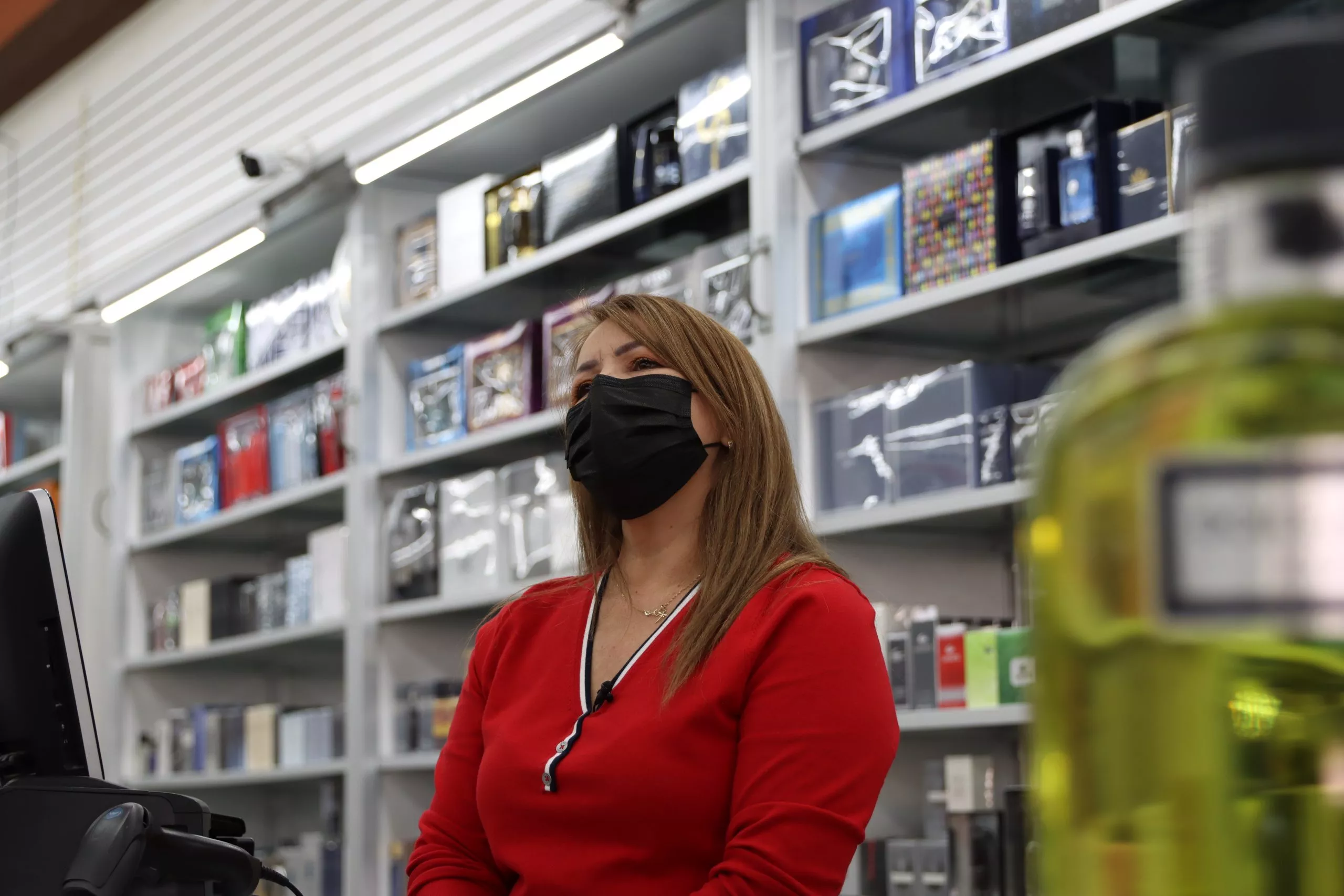
NOGALES – After 19 months, this Arizona border city will reopen Monday to nonessential travelers from Mexico, giving its 20,000 residents hope that business – and life – may return to pre-pandemic normal.
Fully vaccinated Mexicans will be able to shop just in time for the holidays, normally a booming time of year, when, pre-pandemic, Nogales averaged 65,000 to 100,000 visitors from Mexico a day.
Residents aren’t sure what to expect. A lot has changed since the pandemic was declared in March 2020, stopping all nonessential land crossings from Mexico. Businesses have closed or moved to bordering Nogales, Sonora. People have gotten used to shopping closer to home.
Mayor Arturo Garino said he’s taking a wait-and-see attitude and doesn’t expect an immediate rush. Many Mexicans let their visas expire, he said, and the vaccination rate in Mexico is about half that of the United States.
Only visitors who’ve received the Pfizer, Moderna, Janssen/Johnson & Johnson, AstraZeneca, Covishield, BIBP/Sinopharm or Sinovac vaccine will be allowed entry, according to Centers for Disease Control and Prevention guidelines.
Friday, November 5, 2021
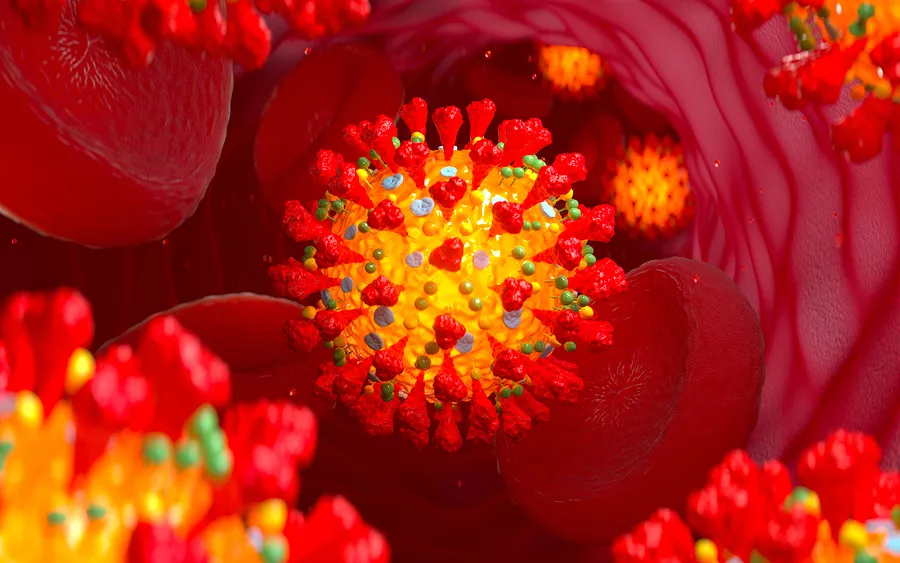
The Pima County Health Department is expanding its free distribution of take-home, self-tests for COVID.
After a successful launch that distributed about 1,300 BinaxNOW tests on Oct. 30, the department added three additional Saturday dates to distribute kits from 10 a.m. to 5 p.m. at Abrams Public Health Center, 3950 S. Country Club Road.
The additional dates will be:
- Nov. 6
- Nov. 13
- Nov. 20
Distribution will be limited to one test kit per person; each kit contains two tests. Tests can be given to individuals of any age. Everyone who receives a test kit will be required to fill out a demographic information form.
These tests are not sufficient for international travel or other organizations that require PCR/NAAT (nucleic acid amplification test) results.
To find free COVID-19 testing centers from Pima County, go to pima.gov/covid19testing.
For more information on the BinaxNOW self-tests, including how to report results and to watch instructional videos in English and Spanish, visit pima.gov/covid19hometest.
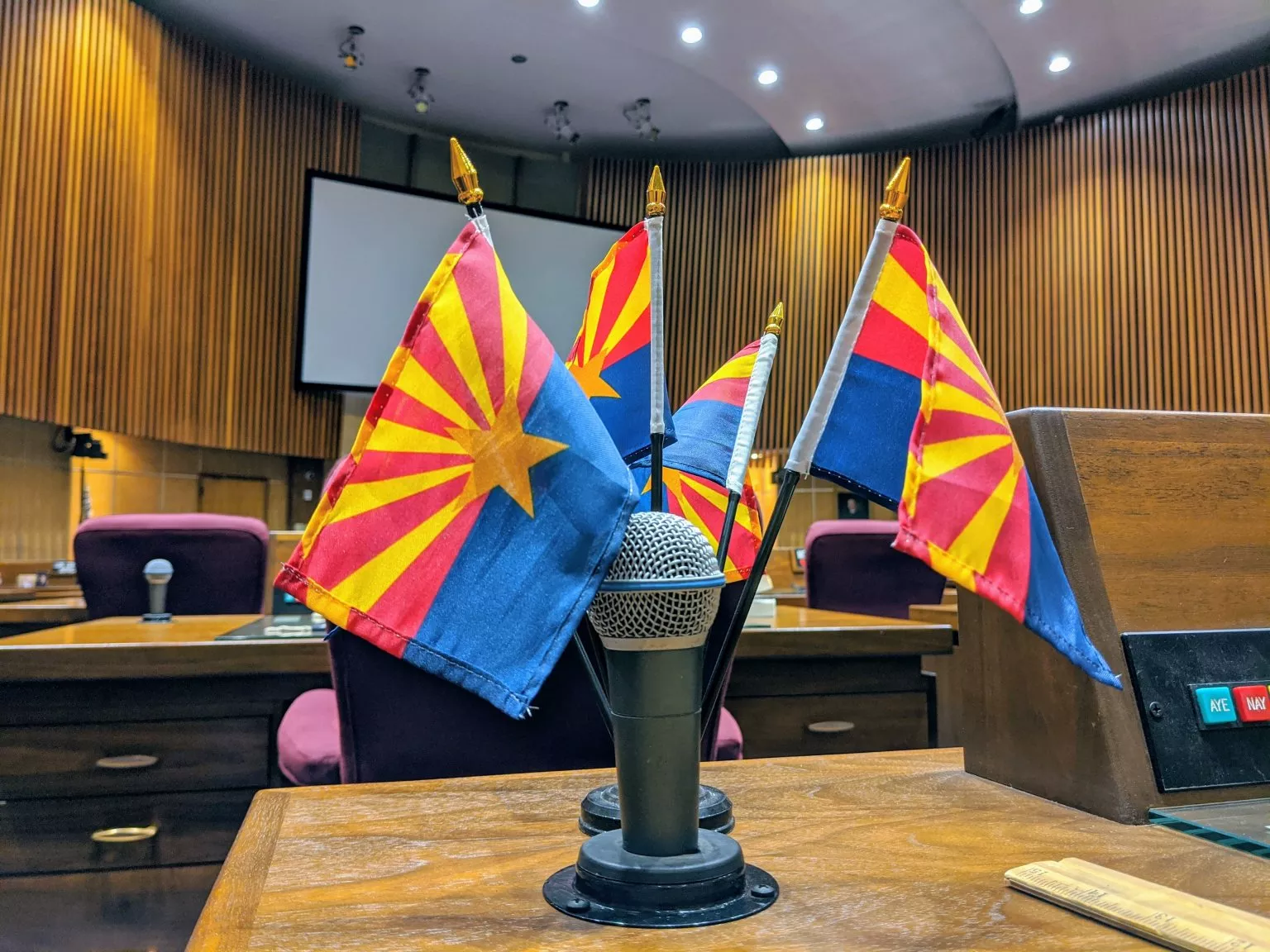
Bans on face mask mandates and critical race theory in schools were the highest-profile laws that were thrown out when the Arizona Supreme Court tossed numerous provisions of the state budget for violating the Arizona Constitution, but the list of new laws that are now off the books is far more extensive than that.
Many of the other rejected laws besides the prohibition on face mask mandates in K-12 schools pertain to the COVID-19 pandemic. Those laws included prohibitions on colleges and universities requiring students to wear masks, get vaccines or submit to regular testing; barring K-12 schools from requiring students to take vaccines that have received emergency approval from the U.S. Food and Drug Administration; and barring cities and counties from requiring “vaccine passports” or otherwise imposing pandemic-related restrictions on private businesses, schools and churches.
Another of the now-defunct laws would have severely curtailed future governors’ ability to use emergency powers to manage health emergencies such as the coronavirus outbreak. Starting in 2023, when Gov. Doug Ducey will leave office, governors would have been limited to 30-day emergency proclamations for public health emergencies, with the option to extend it for no more than 120 days — though it could be extended for longer with legislative approval.
Various election laws were also scrapped by the Arizona Supreme Court’s ruling. One provision would have required counties that wanted to include anti-fraud countermeasures in their ballots to use specific kinds of types of paper and specific technologies, such as holographic foil, special inks and watermarks. A $12 million “election integrity fund” that the state treasurer would have administered to fund election security measures at the county level is also now gone.
Also gone is the creation of a “major events fund” that would have helped the state shoulder the cost of hosting the 2023 Super Bowl, as well as attract sporting and other events in the future.
Monday, November 1, 2021
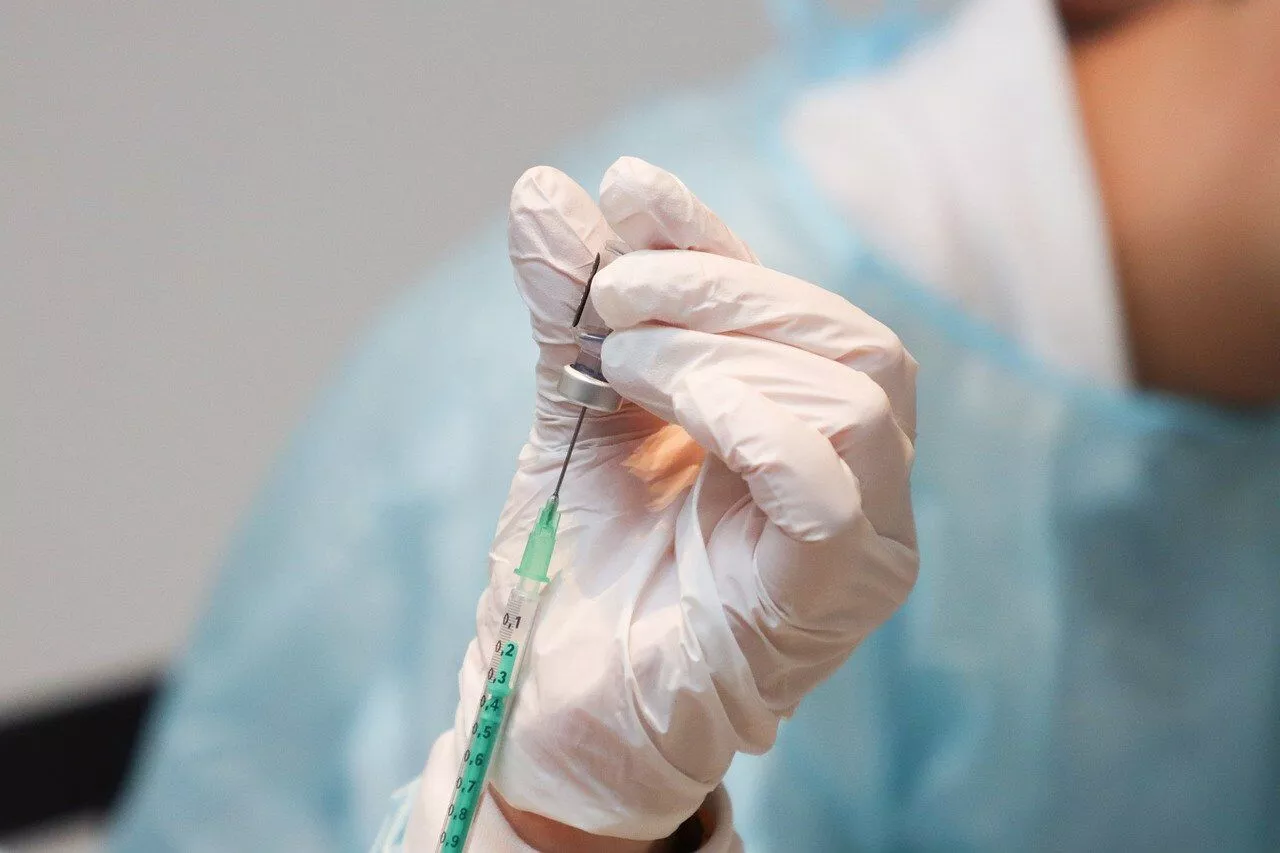
COVID Testing Sites
Pima County is still offering free COVID tests at multiple locations throughout Tucson for anyone with or without symptoms and people of all ages (2 years or older for a PCR test). Tests are not free for people who need to take them for work or if you had a test administered at a Pima County site within the last 14 days:
TEP building, 88 E. Broadway Blvd
Nasal Swab (rapid antigen test), walk-up, or registration
Ellie Towne Center: 1660 W. Ruthrauff Rd
Saliva test (PCR test), appointment required
Liberty Plaza - 315 W. Irvington Road
Nasal Swab (rapid antigen test), walk-up, or appointment
Paradigm 6009 Grant - 6009 E. Grant Rd
Nasal Swab (rapid antigen test), walk-up, or appointment
Tucson International Airport - 7250 S. Tucson Blvd. Nasal Swab (rapid antigen test), appointment only.
Wednesday, October 27, 2021

The Pima County Health Department will be giving out free, take-home COVID tests.
The kits will be handed out on Saturday, Oct. 30, from 10 a.m. to 5 p.m. at the Abrams Public Health Center, 3950 S. Country Club Road in the lobby of the Abrams building.
Each box contains two antigen self-tests that deliver results in 15 minutes.
These rapid antigen tests look for COVID-19 antigens, or small pieces of protein, in your respiratory tract. These tests are not sufficient for international travel or other organizations that require PCR/NAAT (nucleic acid amplification test) results.
To find free COVID-19 testing centers from Pima County, go to www.pima.gov/covid19testing.
For more information on the BinaxNOW self-tests, including how to report results and to watch instructional videos in English and Spanish, visit pima.gov/covid19hometest.
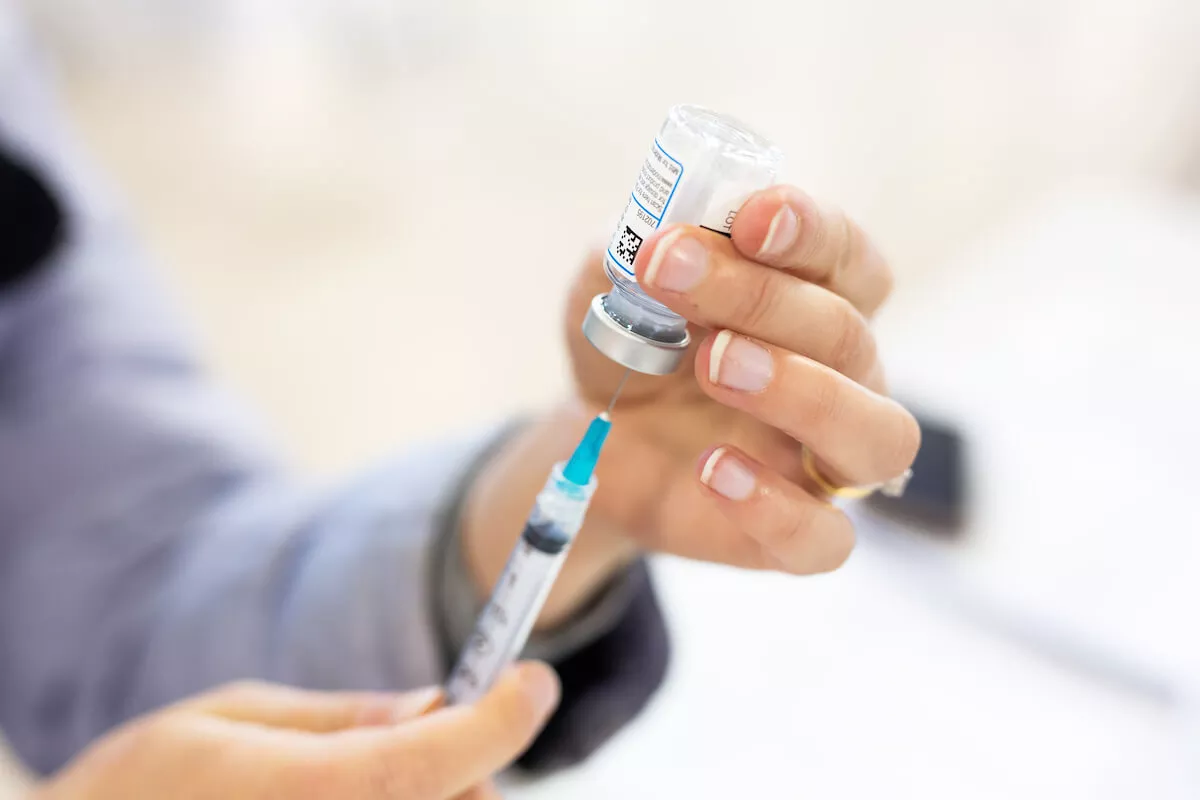
WASHINGTON — The next wave of the massive COVID-19 vaccination campaign could begin as soon as next week, after federal regulators decide if elementary school students across the U.S. should begin rolling up their tiny sleeves.
That multistep approval process kicks off Tuesday, when the Food & Drug Administration’s panel of vaccine experts will vote on whether the benefits of Pfizer’s COVID-19 vaccine outweigh the risks for kids ages 5 to 11.
If the panel and top FDA officials grant an emergency authorization for vaccinating that age group, then the next step lies with the Centers for Disease Control and Prevention. A CDC panel would meet on Nov. 2 and 3 to craft additional guidance on how the shot would be used.
For parents with children in that age group, that could mean a vaccination appointment for their child as soon as Nov. 4. The Biden administration has said there will be 15 million doses ready to ship as soon as the FDA gives the green light.
In recognition of the difficulty parents may have deciding whether to obtain a vaccine, the administration also is taking care to connect parents with trusted providers like pediatricians. “These are our babies, and they still feel like a baby when they’re that age and that size,” said Amy Wimpey Knight, president of the Children’s Hospital Association.
Tuesday, October 26, 2021
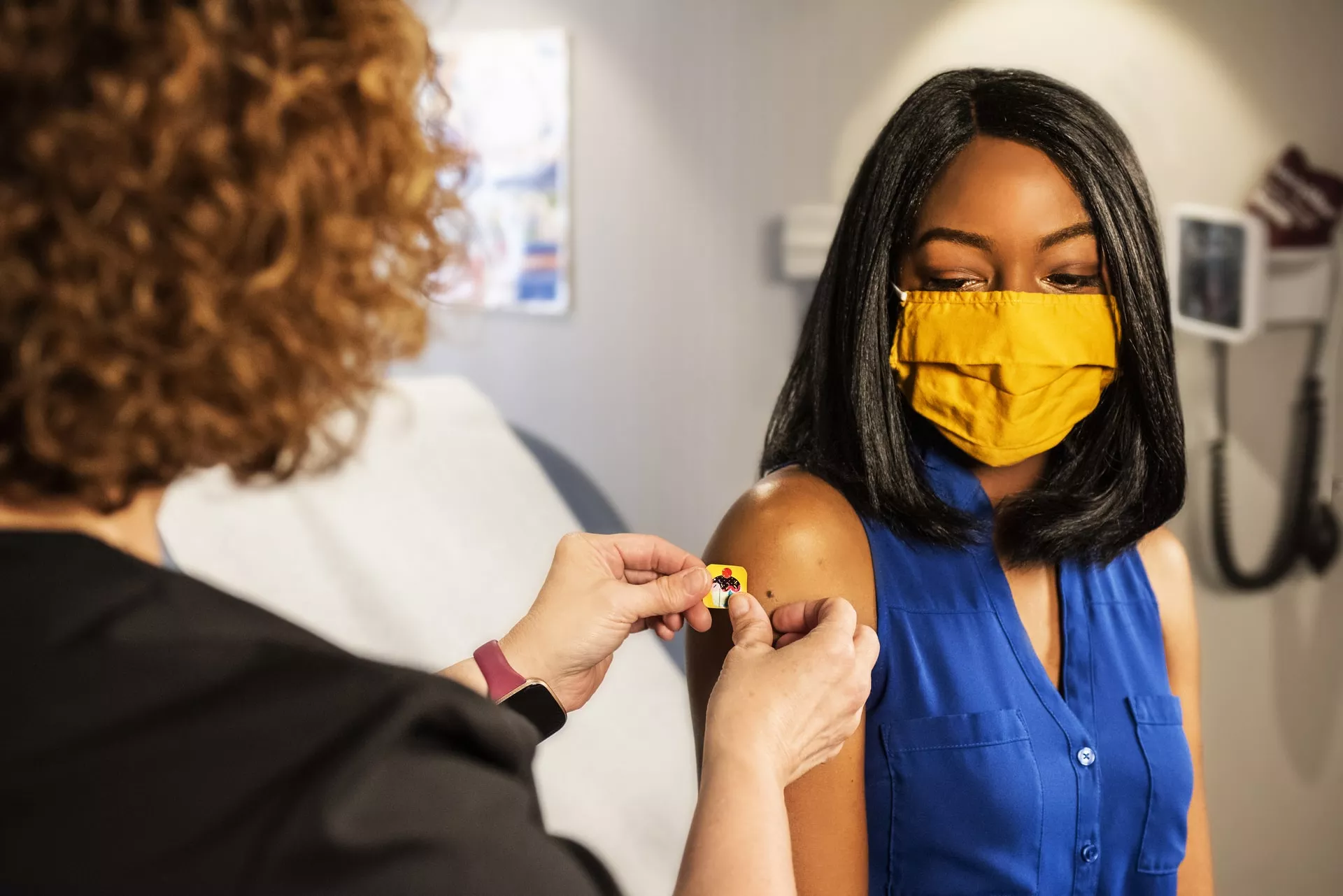
The Pima County Health Department is now offering all three types of COVID-19 boosters to eligible individuals at its health clinics, vaccination PODs and mobile clinics.
The Centers for Disease Control and Prevention on Oct. 21 approved the boosters after previously authorizing the Pfizer booster. The CDC is also allowing people to choose which booster they receive.
If you completed two doses of Pfizer or Moderna at least six months ago, you are eligible for a booster if you are:
- 65 years or older
- 18+ and live in long-term care settings
- 18+ and have underlying medical conditions
- 18+ and work or live in high-risk settings for exposure to COVID-19
If you initially received a J&J shot, boosters of any vaccine type are recommended for those 18 and older and who were vaccinated at least two months ago.
Find a complete list of Pima County health clinics and mobile sites, with days and hours of operation, at www.pima.gov/covid19vaccine. The vaccine is free, and no ID is required at County sites.
All three vaccine booster types also are widely available at pharmacies. Check on locations and vaccine type available on the Arizona Department of Health Services webpage and at vaccines.gov.
Tuesday, October 19, 2021
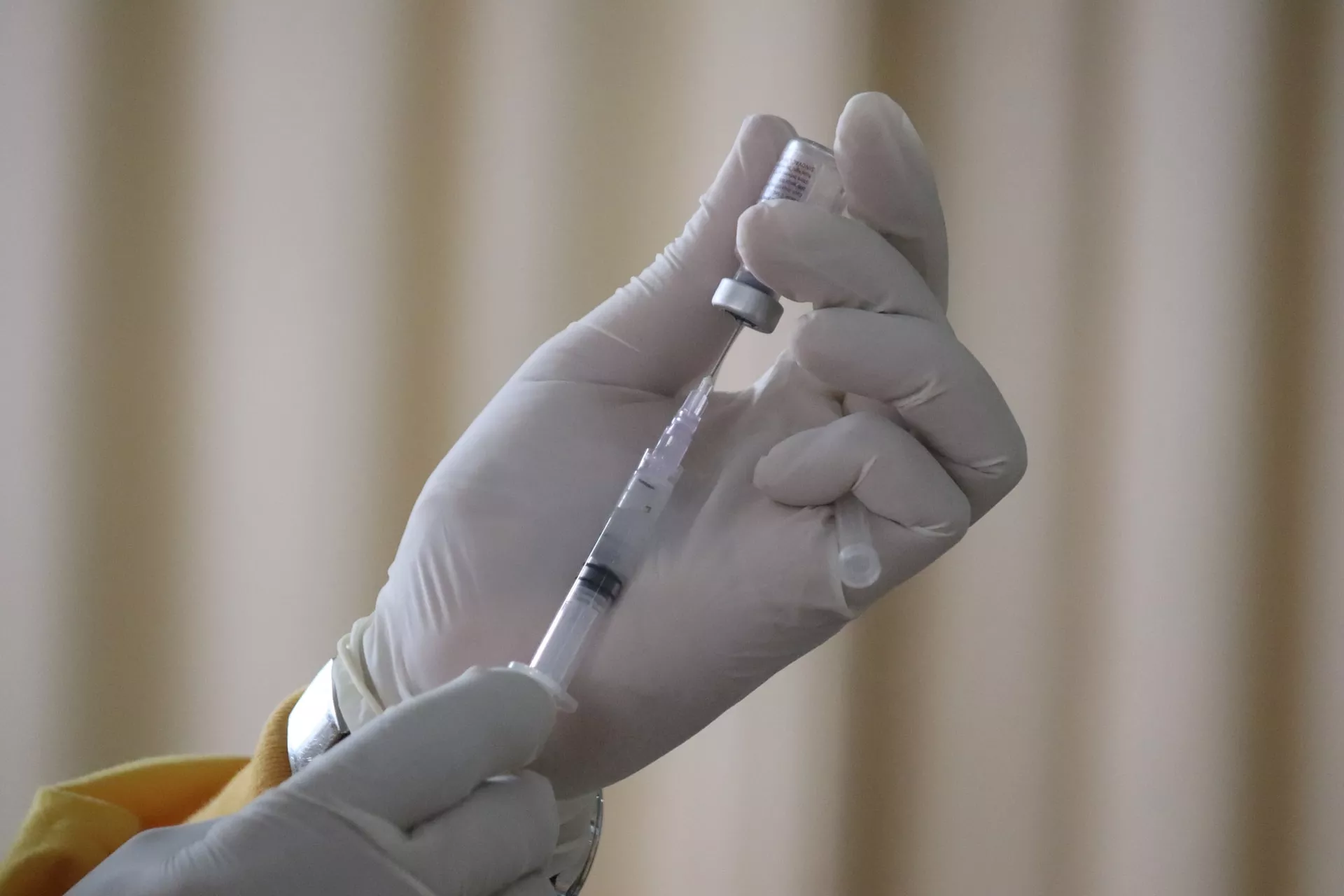
Associate Professor Deepta Bhattacharya joined the University of Arizona status update on Monday, Oct 19, to highlight new vaccine research and discuss the controversial debate over booster shots.
Before the delta variant mutated from the original COVID-19, the coronavirus mRNA Pfizer and Moderna vaccines had extremely high efficacy. Bhattacharya said the vaccines made people 20 times less likely to get infected than unvaccinated individuals. Delta lowered vaccine efficacy to where vaccinated individuals are now two to five times less likely to get COVID.
According to Bhattacharya, this is due to the delta’s high transmissibility. The delta variant is two to three times more transmissible than the original virus. Bhattacharya warned delta has completely changed the game for the unvaccinated.
“A year ago you might imagine that there were some scenarios if you’re careful if you mask, if you stay away from other people, you might be able to avoid the virus even if you hadn’t been vaccinated,” Bhattacharya said. “I don’t think with the transmissibility of delta as it is right now that is very likely, eventually, the virus will get you if you are not vaccinated.”
Pima County is still considered to be a highly transmissible area, according to the Pima County Health Department. Dr. Joe Gerald from the University of Arizona reported in his weekly COVID-19 update that as of Oct 3, the highest cases of infection are coming from the 15 to 24 age group. The lowest COVID cases are coming from the age group of 65 and older. This group has the highest rate of vaccination.
New research is showing the vaccines are reducing transmission of the virus, including the delta variant. Bhattacharya said a contact tracing study revealed vaccinated individuals are two-thirds less likely than an unvaccinated person to transmit the virus to someone else.
Friday, October 15, 2021
Thursday, October 14, 2021
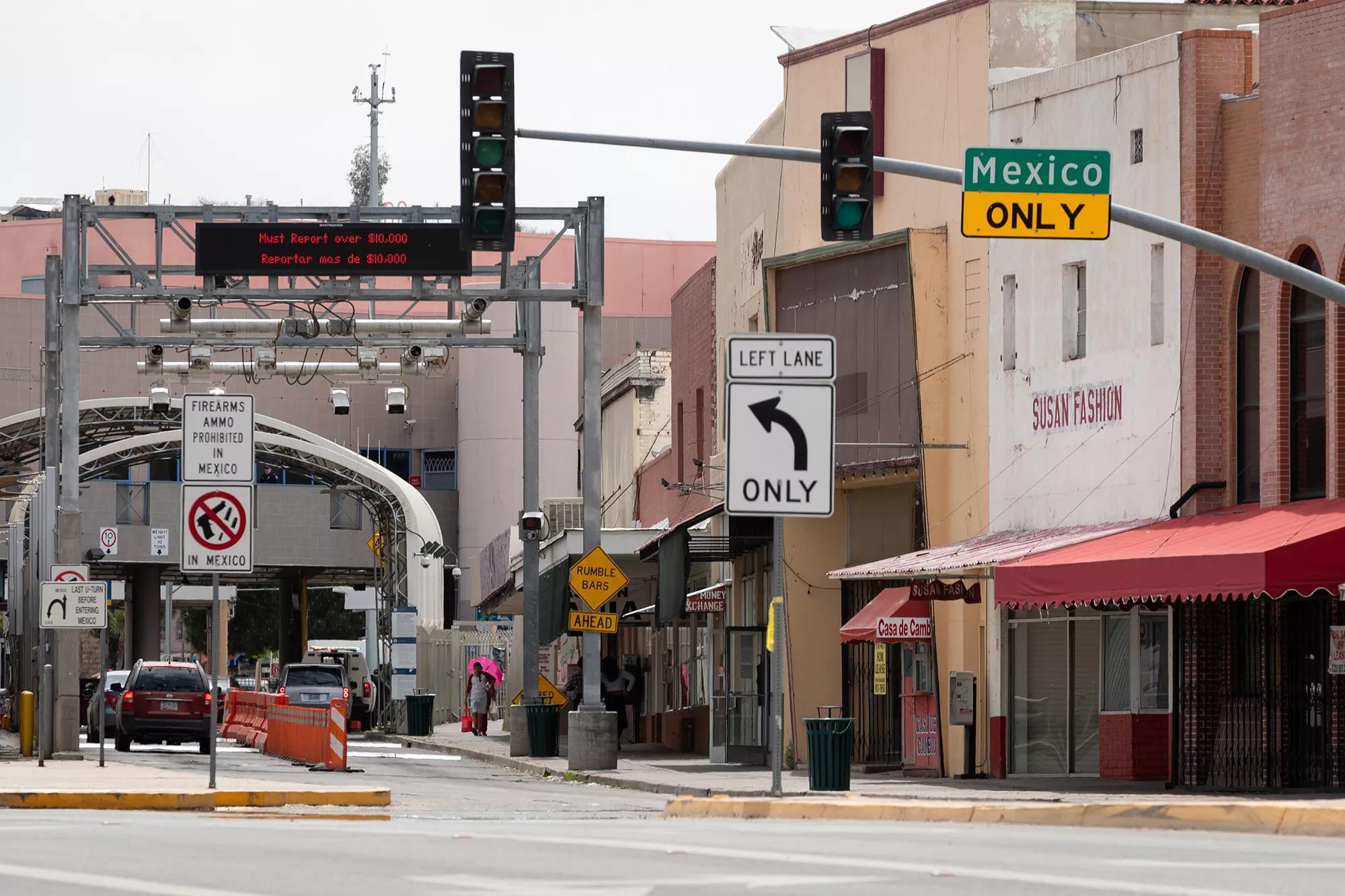
WASHINGTON – Fully vaccinated non-essential travelers will be allowed to cross the U.S. border from Mexico starting in November, ending nearly 20 months of pandemic restrictions that were choking businesses in border communities.
No specific date was given for when the restrictions will be lifted, but the long-awaited announcement was welcomed by area officials, who have been repeatedly disappointed in their hopes that nonessential travel would be allowed to resume.
“It’s a great start and we’re really elated to be able to have friends, be able to return back to visit us here in business, and throughout the state of Arizona,” Douglas Mayor Donald C. Huish said Wednesday.
He was particularly pleased that the new rule would take effect in time for people to cross the border for holiday shopping and visiting.
The new rule, announced Tuesday by the Department of Homeland Security, will allow nonessential travelers to cross at land borders from Mexico and Canada if they have proof of vaccination, reversing a ban on nonessential travel from those countries that began in March 2020.
Essential travelers, like commercial truckers, health care workers and others, have been allowed to cross the border during the pandemic. But they will also need to produce proof of vaccination beginning in January if they wish to continue crossing, under the new policy.