

Monday, November 2, 2020
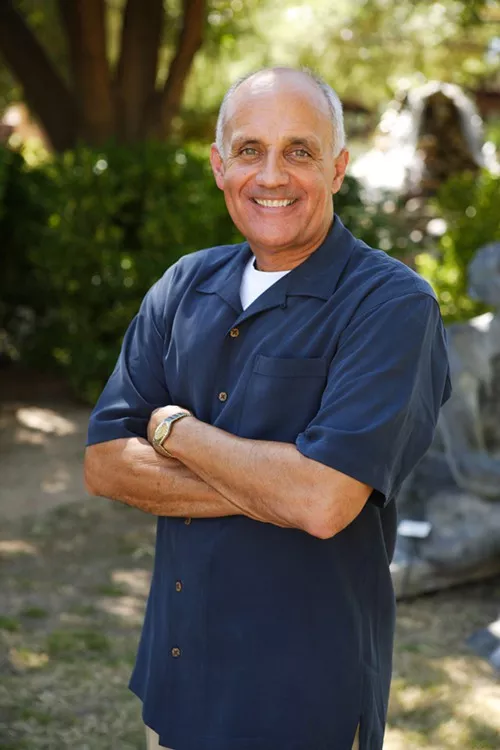
The University of Arizona is reporting elevated COVID-19 cases reflective of a state-wide uptick after large gatherings occurred over the Halloween weekend, UA President Robert C. Robbins said in a news conference Monday, Nov. 2.
From Oct. 23 through Nov. 1, UA found 79 positive coronavirus cases after administering 7,122 tests for a positivity rate of 1.1%, an increase from the 0.6% rate the university reported the previous 10-day period.
The university found seven gatherings with over 100 attendees throughout the past week. UA’s CART team, a collaboration with the UA and Tucson police departments that looks for noncompliance to COVID-19 precautions, responded to 18 incidents since Oct. 26.
“This is not just a nuisance. These people who are acting indiscriminately are placing all of us at risk,” Reentry Task Force Director Richard Carmona said.
The university allowed classes of 50 or fewer students to return to campus last week as it continues phase 2 of its reopening plan. According to Carmona, there have been no issues with classroom transmissibility.
Robbins says the university will continue in this phase until fall break on Nov. 26 if public health metrics tracking the spread of coronavirus allow. However, some of these metrics are beginning to cause concern.
“We’re concerned about the deterioration of conditions nationally,” Robbins said. “While Pima County is faring better than some other areas, we do see some signs of concern here as well.”
Carmona said Pima County’s current R0, pronounced “R naught,” which indicates how contagious a virus is, has increased to 1.71 from 0.99 last week. The transmissibility rate for the zip code surrounding the university has increased from 0.68 to 1.25 this week.
Statewide, coronavirus is spreading as fast as it did in June. Carmona went over data showing over the past 14 days, coronavirus cases in the state increased by 67%, while deaths increased by 57%.
As COVID-19 cases rise, the university is continuing its preparation for fall break, requiring all main campus students to complete a survey with their traveling plans. After completing the survey, students will be directed to a website to register for the university’s appointment-only “testing blitz” from Nov. 9-15.
If students travel outside the Tucson area over fall break, the university is asking them to complete the semester outside the area or remotely online. Those who don’t travel can complete the semester from their student residences.
Friday, October 30, 2020
An Oct. 29 Cronkite News story mischaracterized the Arizona Department of Health Services policy on in-person versus virtual schooling during COVID-19. The policy sets recommended guidelines for local schools, which have the ultimate authority on how to proceed.
WASHINGTON – The Ducey administration defended its decision Thursday to make it harder for Arizona schools to revert to virtual education, from in-person or hybrid schooling, in the face of surging COVID-19 cases.
Gov. Doug Ducey said the decision to require that three different criteria are met – the old standard was just one of the three – before schools consider returning to online teaching was made with input from “the superintendent of public instruction and education leaders.”
But in a statement Thursday, a spokesperson for the Arizona Department of Education said that the department “was not part of the decision-making process” on the change.
The back and forth comes as new COVID-19 cases are surging in the state, with more than 5,700 new cases reported this week alone and 49 deaths attributed to the disease.
As of Thursday, the state had confirmed 242,480 cases of COVID-19 since the virus was first discovered in Arizona in January, and had recorded 5,918 deaths from the disease, according to Arizona Department of Health Services data.
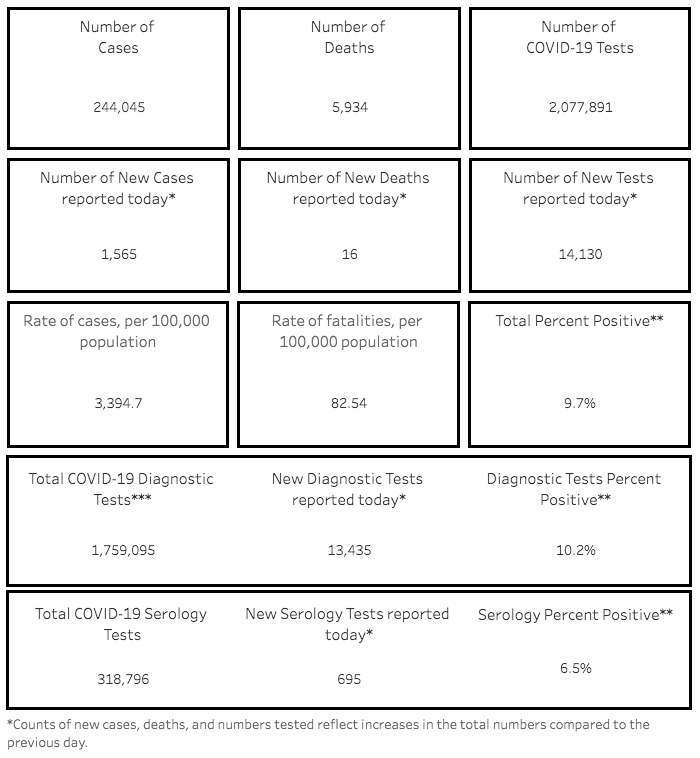
With 1,565 new cases reported today, the number of Arizona’s confirmed novel coronavirus cases topped 244,000 as of Friday, Oct. 30, according to the Arizona Department of Health Services.

Pima County had seen 28,296 of the state’s 244,045 confirmed cases.
With 16 new deaths reported yesterday, a total of 5,934 Arizonans had died after contracting COVID-19, including 639 deaths in Pima County, according to the Oct. 30 report.
The number of hospitalized COVID cases has declined from July peaks but has ticked upward in recent weeks as the virus has begun to spread more rapidly. ADHS reported that as of Oct. 29, 900 COVID patients were hospitalized in the state. That number peaked with 3,517 hospitalized COVID patients on July 13; it hit a subsequent low of 468 on Sept. 27.
A total of 898 people visited emergency rooms on Oct. 29 with COVID symptoms. That number peaked at 2,008 on July 7; it hit a subsequent low of 653 on Sept. 28.
A total of 188 COVID-19 patients were in intensive care unit beds on Oct. 29. The number of COVID patients in ICUs peaked at 970 on July 13 and hit a subsequent low of 114 on Sept. 22.
On a week-by-week basis in Pima County, the number of positive COVID tests peaked the week ending July 4 with 2,452 cases, according to an Oct. 29 report from the Pima County Health Department.
Pima County saw a big bump in cases following the return of UA students, followed by a steady decline and then a big bump upward. For the week ending Sept. 19, 1,230 cases were reported; for the week ending Sept. 26, 615 cases were reported; for the week ending Oct. 3, 533 cases were reported; for the week ending Oct. 10, 465 cases were reported; for the week ending Oct. 17, 512 cases were reported; and for the week ending Oct. 24, 829 cases were reported.
Thursday, October 29, 2020
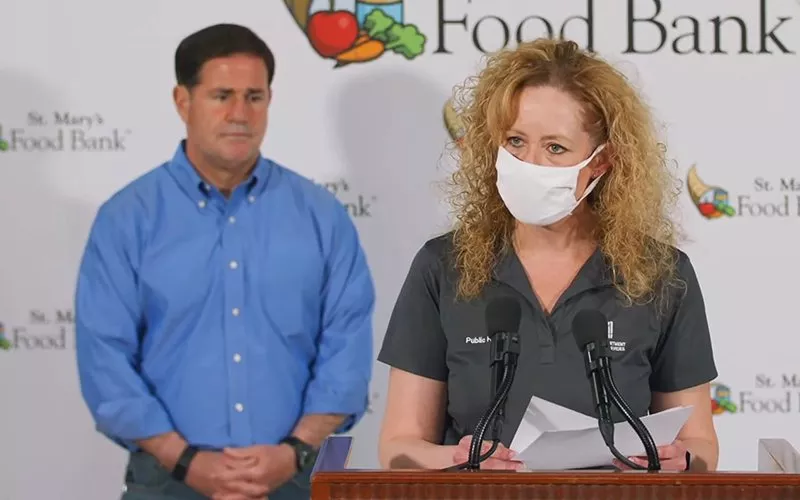
Gov. Doug Ducey and Arizona Department of Health Services Director Dr. Cara Christ provided a COVID-19 update at a press conference today amid rising cases throughout the state.
On Oct. 29, the Arizona Department of Health Services reported 1,315 new COVID-19 cases throughout the state, with a percent positivity of 9.7%.
Pima County reported 105 new COVID-19 cases today and now has recorded 28,067 of Arizona’s 242,480 total positive cases.
“The recent increase in cases has resulted in an increase in the COVID-19 rates in many counties,” Christ said at the press conference. “At the Arizona Department of Health Services, we remain on high alert. We’ve worked to contain COVID-19 from all angles, and we continue to take further action in light of recent increases.”
Although Ducey acknowledged Arizona’s rising coronavirus numbers, he said in comparison to other states, “we’re not in that zone that we’re seeing in other places.”
“We do see this rising in different parts of the country, our expectation in Arizona has been that cases would continue to go up,” he said.
The governor recognized that the state’s current R naught number, which indicates how contagious a virus is, is currently at 1.16, which means coronavirus is spreading as fast as it did in June.
“Arizona did one of the best jobs in the nation when our time of challenge did come of driving it beneath one, but as we head into influenza season it becomes more challenging,” Ducey said.
Although the current rise in COVID-19 cases is alarming, Ducey said there’s even more to come.
“We know that there is a storm ahead of us, yet it’s not here,” Ducey said. “But those simple guidelines of wearing a mask, washing our hands, being socially distanced and using common sense have served us very well to date.”
However, the governor doesn’t plan on imposing new safety restrictions to prevent further spread of COVID-19.
“The mitigation that we’ve put out, the plan we put into effect remains in effect. I am proud that Arizona is open, that our economy is open, that our educational institutions are open and our tourist destinations are open,” Ducey said. “While at the same time, we do have mitigation steps in place that have allowed us to protect lives while protecting livelihoods, and we’re gonna continue to do that.”
Given the likelihood of travel and large gatherings, Christ says she anticipates seeing a spike 10-14 days after Thanksgiving that could potentially increase over the next 4-6 weeks.
In preparation for the holiday season, she said ADHS will be putting out guidance, working on mitigation strategies and making sure hospitals have enough resources, although she said the biggest barrier for hospitals is not “the beds, but could be the staffing.”
Christ urged citizens to continue mitigation tactics such as wearing a mask, maintaining social distancing and getting an influenza shot.
“We understand that this has been a difficult year, and many have grown tired of the mitigation strategies. But now is not the time to let up,” she said.
When asked about the example he’s setting for Arizonans after repeatedly attending public events sans-mask, including at a Trump rally at the Prescott Regional Airport Oct. 19 and as he spoke at today’s press conference, Ducey called upon the First Amendment.
“We’ve been consistent the entire time through the pandemic to protect people’s rights under the Constitution,” Ducey said. “There are five days left in the election cycle and we’ll continue to protect people’s rights.”
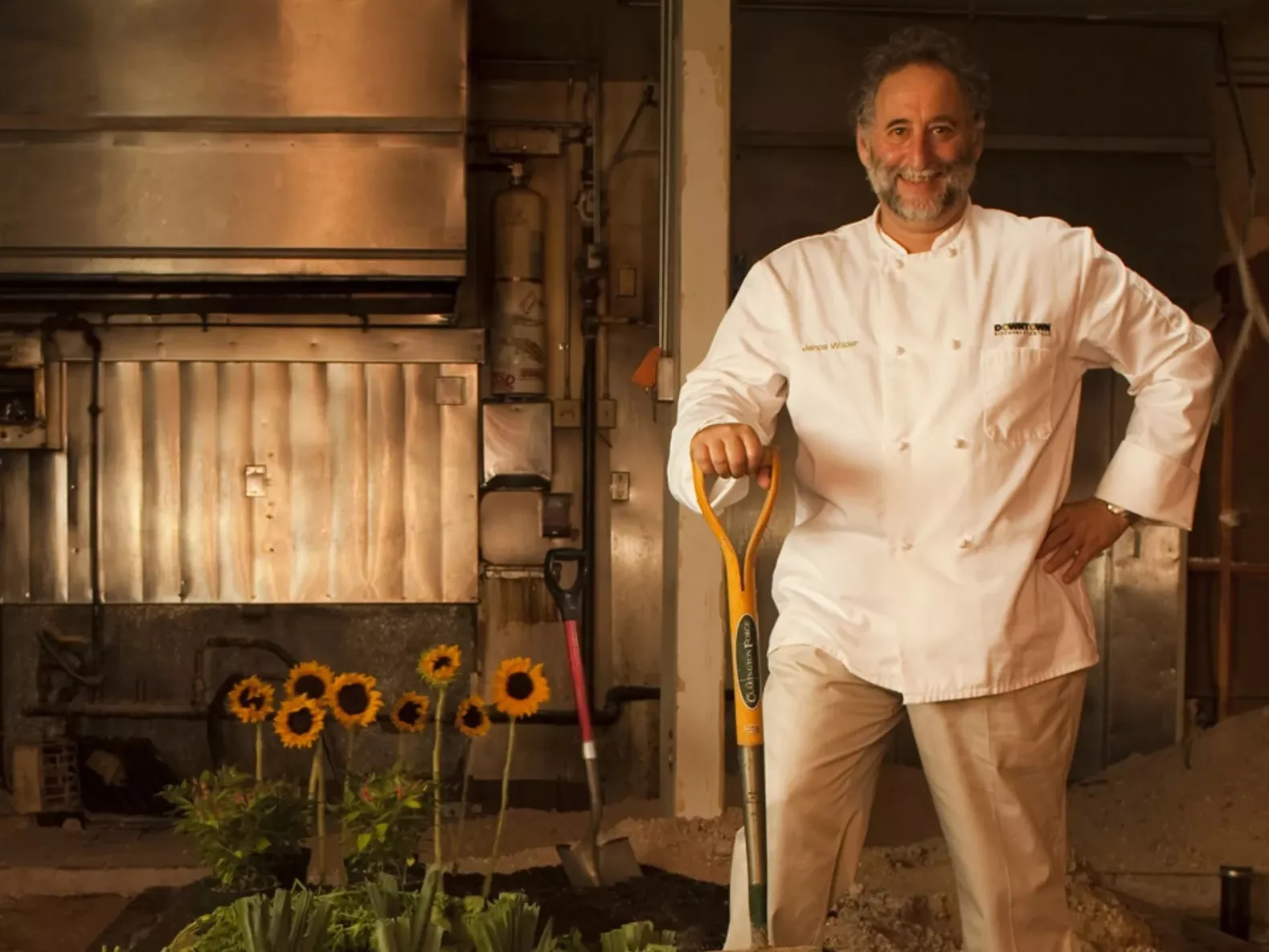
“This is unmistakably a tremendously hard time for small businesses, especially restaurants the world over,” Wilder said in a prepared statement. “For me personally it has also been an opportunity to take stock of where I am in my career and ask myself, is the day to day of running a restaurant really the best use of my time now?”
After more than 50 years of working as a professional chef, Wilder announced he will use this time to focus on his family.
In addition, Wilder's Carriage House will continue its catering and group event business. Wilder will produce and present a series of online cooking classes: "Cooking in the Time of Covid" which will feature easy to prepare meals at home.
"These last 10 years downtown have seen a rebirth of our urban core," Wilder said. "The pandemic is a setback and my heart aches for so many that are struggling to keep their doors open. Even in these challenging times, I am constantly amazed and inspired by the innovation and creativity of the next generation. Downtown Tucson will continue to thrive in the years to come. Like the desert we live in, we are a resilient community. I am so grateful for all this city has given me and my family and I am eager to continue to serve the community moving forward.”
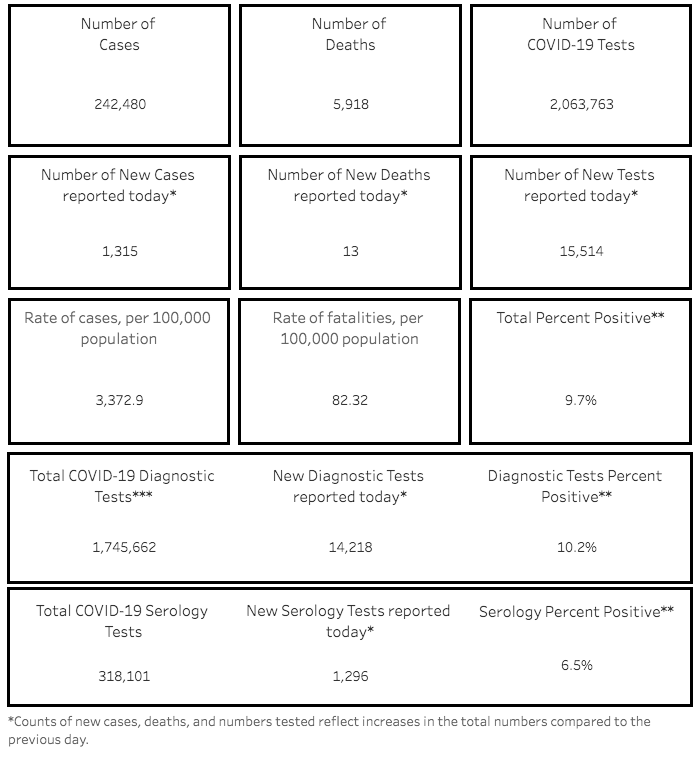
With 1,315 new cases reported today, the number of Arizona’s confirmed novel coronavirus cases topped 242,000 as of Thursday, Oct. 29, according to the Arizona Department of Health Services.

With 105 new cases reported today, Pima County had seen 28,067 of the state’s 241,116 confirmed cases.
With 14 new deaths reported yesterday, a total of 5,905 Arizonans had died after contracting COVID-19, including 638 deaths in Pima County, according to the Oct. 29 report.
The number of hospitalized COVID cases has declined from July peaks but has ticked upward in recent weeks as the virus has begun to spread more rapidly. ADHS reported that as of Oct. 28, 874 COVID patients were hospitalized in the state. That number peaked with 3,517 hospitalized COVID patients on July 13; it hit a subsequent low of 468 on Sept. 27.
A total of 857 people visited emergency rooms on Oct. 28 with COVID symptoms. That number peaked at 2,008 on July 7; it hit a subsequent low of 653 on Sept. 28.
A total of 186 COVID-19 patients were in intensive care unit beds on Oct. 27. The number of COVID patients in ICUs peaked at 970 on July 13 and hit a subsequent low of 114 on Sept. 22.
Arizona Department of Health Director Cara Christ noted on her blog last week that cases in the state were on the increase.
Christ wrote that while Arizona has not seen as big a surge as other states, “we have recently seen a shift of COVID-19 spread in the wrong direction.”
Christ noted that the statewide positivity results from tests has climbed from 3.9 percent to 5.5 percent in recent weeks.
Christ urged Arizonans to wear masks but noted the numbers across the state still indicated “moderate” spread of the coronavirus and hospitals are not reporting a surge of patients.
On a week-by-week basis in Pima County, the number of positive COVID tests peaked the week ending July 4 with 2,452 cases, according to an Oct. 21 report from the Pima County Health Department.
After a bump following the return of UA students, cases on a week-to-week basis declined but have hit a plateau. For the week ending Sept. 19, 1,221 cases were reported; for the week ending Sept. 26, 599 cases were reported; for the week ending Oct. 3, 526 cases were reported; for the week ending Oct. 10, 462 cases were reported; and for the week ending Oct. 17, 501 cases were reported.
Deaths in Pima County are down from a peak of 54 in the week ending July 4 to 10 in the week ending Sept. 5, one in the week ending Sept. 12, four in the week ending Sept. 19, four in the week ending Sept. 26 and one in the week ending Oct. 3.
Hospitalization peaked the week ending July 18 with 221 COVID patients admitted to Pima County hospitals, but it has been on the rise in recent weeks. In the week ending Sept. 12, 24 patients were admitted; in the week ending Sept. 19, 17 patients were admitted; in the week ending Sept. 26, 15 people were admitted; in the week ending Oct. 3, 20 patients were admitted; in the week ending Oct. 10, 27 people were admitted; and the week ending Oct. 17, 33 people were admitted. (Recent weeks are subject to revision.)
Get tested: Pima County offers free COVID testing, UA offering antibody testing
The Pima County Health Department has four free testing centers around town with easy-to-schedule appointments—often with same-day availability—with results in 24 to 72 hours.
You’ll have a nasal swab test at the Kino Event Center (2805 E. Ajo Way) the Udall Center (7200 E. Tanque Verde Road) and downtown (88 E. Broadway). The center at the northside Ellie Towne Flowing Wells Community Center, 1660 W. Ruthrauff Road, involves a saliva test designed by ASU.
Schedule an appointment at pima.gov/covid19testing.
The University of Arizona’s antibody testing has been opened to all Arizonans as the state attempts to get a handle on how many people have been exposed to COVID-19 but were asymptomatic or otherwise did not get a test while they were ill.
To sign up for testing, visit https://covid19antibodytesting.arizona.edu/home.
—with additional reporting from Nicole Ludden, Austin Counts, Jeff Gardner and Mike Truelsen
Wednesday, October 28, 2020

PHOENIX – Saturdays on the West Coast look and feel a lot different this fall.
In a time when college communities from Tucson to Seattle, and everywhere in between, are accustomed to college football Saturdays, the COVID-19 pandemic has wiped out nearly half of the typical season. And for a time, it appeared as if there would be no Pac-12 Conference football at all.
With their season in limbo, the conference’s players were forced to watch as some of the country’s other premier leagues played actual games.
“I love football, so I kind of want to watch it, but I also get pissed off when I’m watching it because I know I should be out on the field playing the same day,” Washington State running back Max Borghi said. “No one really loves watching football if you should be out there playing.”
However, the Pac-12 finally received its reprieve in September, when the conference agreed to return and play an abbreviated seven-game schedule beginning November 7. It will mark the latest return to play for any of the Power Five conferences.
“It was disappointing at times, but as a team, we never really got down,” Arizona quarterback Grant Gunnell said. “We just kept working, hoping and believing that we were going to have a season eventually, whether that be in the fall, winter or spring.”
Because the Pac-12 was much later to return than its Power Five counterparts, the conference’s players found themselves in a unique situation with their fall camps taking place while teams in other conferences were already playing games.
“It’s definitely different,” Southern California safety Talanoa Hufanga said. “Usually, you’re ready to play in September or late August. You’re itching just to be on the field and not watching other teams.”
However, while it may be difficult for players to watch rather than play, most are trying to take advantage of the unusual circumstances presented by a pandemic.
“It’s been interesting to sit back and watch college football from a viewer’s perspective after having played it for a few seasons,” Utah wide receiver Britain Covey said. “I feel like everybody’s becoming a student of the game.”
Covey added that even a shortened season “with daily COVID tests, with all these protocols and restrictions,” beats the alternative of practicing and training without getting to play the games.
“In my mind, (that) is what hell would be like – just football practice with no game to look forward to,” he said.
Covey isn’t the only player that took advantage of the extra time off to learn the game more. Two-star running backs representing the Oregon schools made the most of the weeks and months they spent waiting for the season.
“This time off, I’ve been watching a lot of film by myself, trying to learn the game of football more, learning offenses and defenses and different stuff and trying to find new things that I can see,” Oregon State running back Jermar Jefferson said.
“Watching college football on a Saturday kind of hurts me a little bit, but it helps me a lot, learning the game of football. Sitting down and seeing football at home can help your game on the field when you’re playing on Saturdays. You can learn stuff from other running backs or other offenses… It’s good, and it’s bad.”
Oregon running back CJ Verdell took an approach similar to his rival’s.
“I’ve definitely been watching other teams, trying to see the things that they do and maybe even their mistakes, and just trying to use that as a learning tool to see things we shouldn’t do when we go into a game and we start playing,” Verdell said. “I’ve definitely used this time to reflect on those things.”
Given their nearly identical strategies for handling the unexpected time away from football, the battle between those Beaver State rivals should be fascinating to watch during the abbreviated season. But then it would have been even without the pandemic.
After all, Jefferson finished third in the Pac-12 in rushing in 2018, and then Verdell topped him by ranking second in 2019. They expect to be at the top of the rankings again this year.
Verdell said one of his goals for 2020 is to rush for 1,000 yards, which would be quite a feat in a seven-game season.
Players in the Pac-12 South also took advantage of their unexpected free Saturdays. For Arizona State quarterback Jayden Daniels, the delay was an opportunity to root for other sophomore quarterbacks around the country.
“Just being able to watch football, watching those college games, I’m very interested in watching the guys that are in my class: Spencer Rattler, Bo Nix, Sam Howell,” Daniels said. “Just seeing what those guys are doing so far, I’m just happy for their success and happy to see them just keep balling out.”
Daniels will be a key figure in the Pac-12’s return. As of now, the conference’s first game is scheduled for Saturday, Nov. 7, when ASU will visit USC. Fox Sports picked up the game for it’s “Big Noon Saturday” matchup beginning at 10 a.m. Arizona time.
The season-opening matchup marks the Pac-12’s first appearance in Fox Sports’ principal college football timeslot and is expected to bring major exposure to the conference, which is accustomed to playing most of its games later in the evening after much of the viewing public has stopped watching football for the day.
Hufanga was confident about USC’s ability to be ready for the kickoff at 9 a.m. local time in Los Angeles. Turns out the pandemic has prepared the Trojans for that, too.
“We wake up at 5:15 most days just to get a COVID test in at 6 a.m., so for us to be ready at 9 a.m., I can’t tell you that we haven’t been training for this for two years, three years, since we’ve been in college,” Hufanga said. “We’re going to put the ball down anywhere on the field at any time, anywhere, anyplace, so we’re just extremely excited and grateful for this opportunity.”
Still, the Pac-12’s players have about two weeks to get through on and off the field before a game day arrives, and it could be challenging for some.
“It could be (hard) for a lot of people on the team,” said Washington defensive back Elijah Molden. “You get on the college scene, and you want to have a social life. And now that’s taken away from us, but that’s our responsibility now. We’re supposed to deal with that. For some people, it’s easy. For me, it’s pretty easy just because I go home, take care of business and then come here to work. But it’s definitely a challenge.”
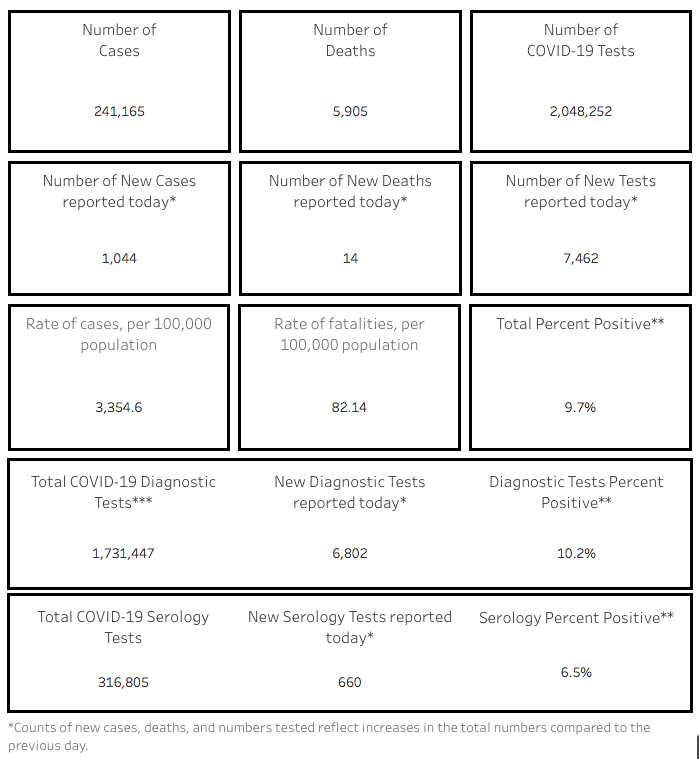
With 1,044 new cases reported today, the number of Arizona’s confirmed novel coronavirus cases topped 241,000 as of Wednesday, Oct. 28, according to the Arizona Department of Health Services.

Over the last week, the state has seen, on average, more than 1,000 new cases a day
With 259 new cases reported today, Pima County had seen 27,962 of the state’s 241,116 confirmed cases.
With 14 new deaths reported yesterday, a total of 5,905 Arizonans had died after contracting COVID-19, including 636 deaths in Pima County, according to the Oct. 28 report.
The number of hospitalized COVID cases has declined from July peaks but has ticked upward in recent weeks as the virus has begun to spread more rapidly. ADHS reported that as of Oct. 27, 871 COVID patients were hospitalized in the state. That number peaked with 3,517 hospitalized COVID patients on July 13.
A total of 857 people visited emergency rooms on Oct. 27 with COVID symptoms. That number peaked at 2,008 on July 7.
A total of 188 COVID-19 patients were in intensive care unit beds on Oct. 27. The number of COVID patients in ICUs peaked at 970 on July 13.
Arizona Department of Health Director Cara Christ noted on her blog last week that cases in the state were on the increase.
Christ wrote that while Arizona has not seen as big a surge as other states, “we have recently seen a shift of COVID-19 spread in the wrong direction.”
Christ noted that the statewide positivity results from tests has climbed from 3.9 percent to 5.5 percent in recent weeks.
Christ urged Arizonans to wear masks but noted the numbers across the state still indicated “moderate” spread of the coronavirus and hospitals are not reporting a surge of patients.
Tuesday, October 27, 2020
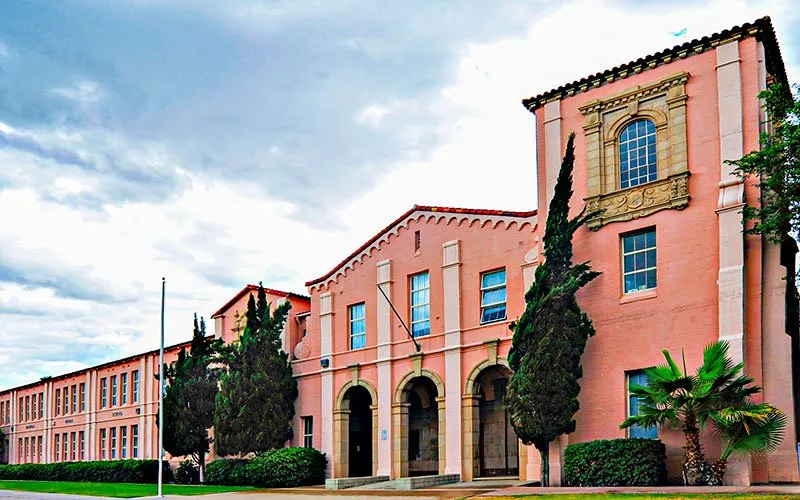
Tucson’s largest school district will allow students to return to in-person classes starting Nov. 12.
Tucson Unified School District’s governing board voted to return to school in a hybrid model in a 3-2 vote Tuesday night.
Board members Kristel Foster, Bruce Burke and Leila Counts voted to approve the reopening date, and members Adelita Grijalva and Rachael Sedgwick opposed.
The board voted to approve the hybrid learning model on Oct. 6 but delayed voting on when to implement it until Tuesday's special meeting.
Pima County Public Health Director Theresa Cullen discussed the county health department’s three specific guidelines for opening in a hybrid model: a two-week decline in COVID-19 cases, two weeks of percent positivity below 7 percent and hospital visits for COVID-19 illness below 10 percent. As of Oct. 22, Pima County had met all three benchmarks.
“We believe that as a county, it is okay for school districts to go to a hybrid learning model based on the current statistics,” Cullen said.
She noted the health department recommends the district take strict mitigation tactics including increased sanitation, social distancing and universal mask-wearing, as well as reporting COVID-19 cases to the health department and complying with isolation and quarantine guidelines.
The governing board unanimously approved a second motion to authorize “the Superintendent to initiate school closures…if such closures are recommended by the Pima County Health Department and deemed necessary to mitigate the spread of COVID-19 in Pima County.”
TUSD’s hybrid model
The TUSD board approved a new hybrid model for returning to school in-person that involves separating students into hybrid and online-only groups.
Four days a week, in-person students learn at their physical school sites for the first half of the day and work remotely from home the rest of the day. On Wednesdays, every student attends class remotely.
Remote students work asynchronously in the mornings and attend online teacher-led instruction in the afternoon. While teachers are instructing remote students the second half of the day, students in the hybrid system work asynchronously.
Asynchronous work involves working on class projects and assignments, social-emotional learning lessons with counselors, specialized services and working on digital platforms, according to a presentation from TUSD.
TUSD also came up with a contingency plan if the percentage of students who wish to attend classes in-person is at an unsafe level. This level, which the district refers to as a “threshold,” depends on each campus, but TUSD says most are between 45-60% of students on campus.
If a threshold becomes too high, the school will have the option of splitting their in-person students into two cohorts to attend classes on different days. Cohort A would attend on Mondays and Thursdays while cohort B would attend on Tuesdays and Fridays.

Today, the Tucson Gem & Mineral Society announced that the 2021 Tucson Gem and Mineral Show is canceled. While the overall Gem, Mineral & Fossil Showcase season that takes over Tucson from February to March is home to numerous showcases and exhibits, the Tucson Gem & Mineral Society's Gem and Mineral Show is the largest and the show that launched it all.
"COVID-19-related risks clearly make it impossible for TGMS to put on anything more than a shadow of our accustomed vibrant event," representatives of the Tucson Gem & Mineral Society announced in a prepared statement. "Restrictive COVID-19 travel policies mean many of our major domestic, and most of our international museum exhibitors and friends either won't or can't travel here. This effectively eliminates both our exhibits and educational programs."
However, the society has announced that they intend to use this time to plan for a "blockbuster" 2022 show.
"Most importantly, TGMS does not want to be responsible for a single COVID-19 fatality or serious illness. Our show is run by volunteers and many of us are in high-risk demographics...as are many of our participants and attendees," the statement continued. "Consulting closely with the Pima County Health Department, the Mayor and City Manager’s offices and the good folks who run the [Tucson Convention Center], it is clear that applying the mandated COVID-19 protocols to reduce risk would mean drastically restricted attendance and curtailment of many of our programs."
In 2018, the total Tucson Gem, Mineral & Fossil Showcase brought an estimated economic impact of $120 million to the City of Tucson.

