
Monday, September 13, 2021
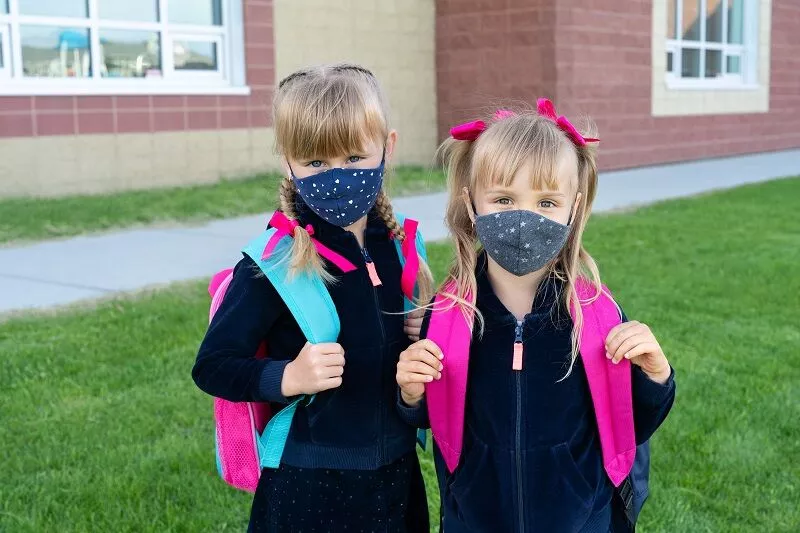
In the not-so-distant past, adults were expected to set the example for children. Be role models. Demonstrate respectful behavior. Follow the Golden Rule.
But today, we are unquestionably failing our kids in this regard, especially as it relates to adult behavior toward school officials.
Recently, a Tucson father, armed with “law enforcement-grade” zip ties, threatened to arrest an assistant principal after his son was told to quarantine due to COVID-19 exposure.
Anti-maskers forced a school board to cancel its meeting for safety reasons, then stormed the building and held a mock election to declare themselves the district’s new board members.
A Republican candidate for governor, who set a mask on fire and used a sledgehammer to smash television sets in a campaign video, held a rally at a college campus where she ceremoniously stomped on a mask like a toddler throwing a tantrum and encouraged students to disobey masking guidelines meant to keep students, their professors and the wider community safe from a virus that has killed more than 19,000 Arizonans.
Thursday, September 9, 2021
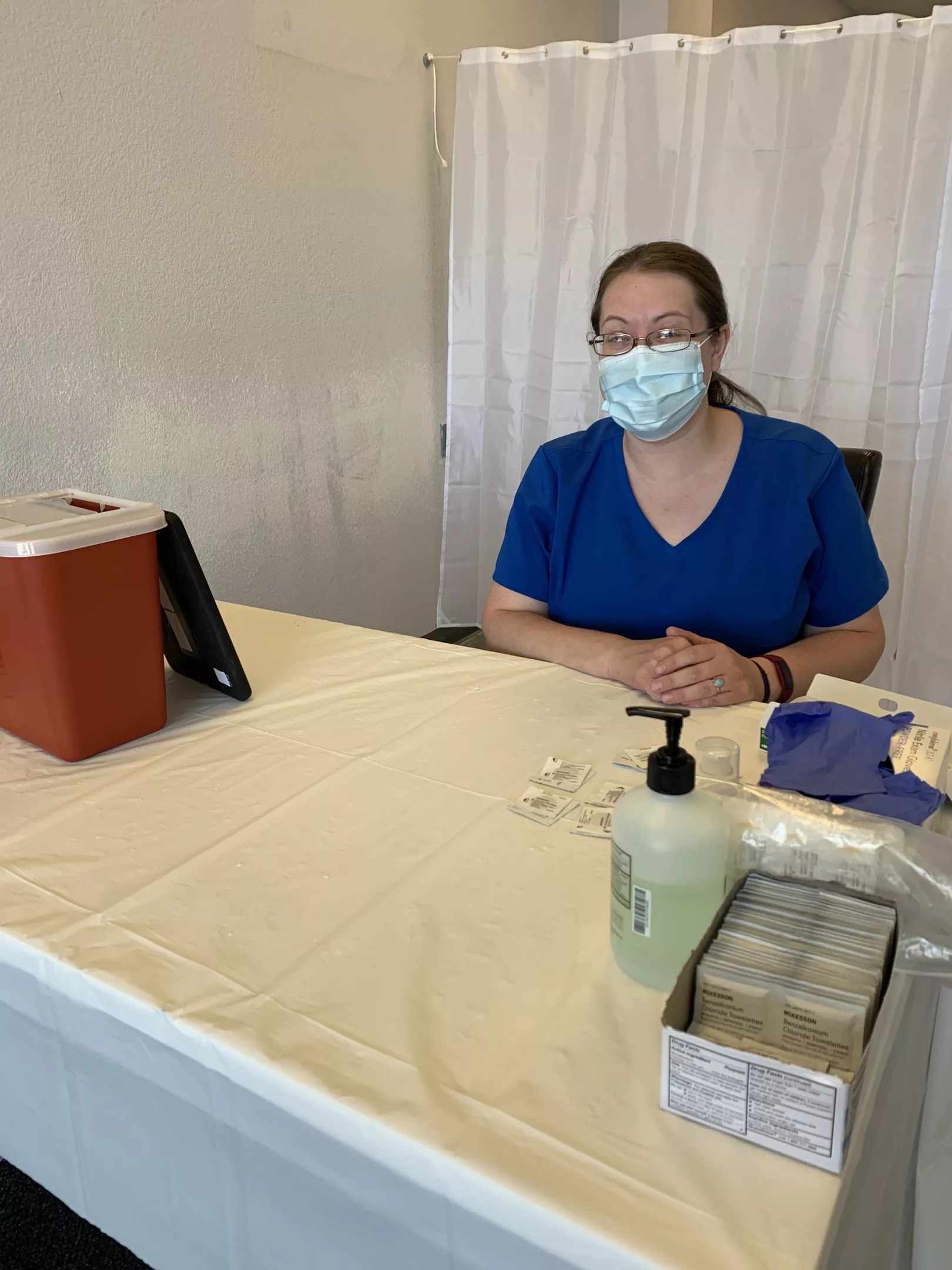
Health officials urged people to get the flu vaccine in response to unexpectedly high cases of seasonal illness.
Pima County has two "mu variant" COVID cases and 150 influenza cases, said County Public Health Director Dr. Theresa Cullen at a press conference on Wednesday.
Cullen said "mu" has been deemed a “variant of interest” by the Centers for Disease Control. The Delta variant is the most prolific variant in the United States and is labeled a “variant of concern” by the CDC.
Cullen qualified the number flu cases, saying the number is probably higher because most people won’t get tested and will get treatment before a case can be reported.
“As we enter this flu season, we remain concerned that we will see an acceleration of the cases compared with last year, it's important for people to remember that you could get COVID and influenza at the same time,” Cullen said.
She recommended that Pima County residents get COVID and flu vaccines in the next two months to prepare for winter viruses. Flu vaccines are readily available throughout Tucson at local pharmacies and grocery stores.
Parents should also be aware of the respiratory syncytial virus. Chief Clinical Officer Dr. Marjorie Bessel at Banner Health said RSV hospitalizations and ER visits have increased rapidly in the past four days.
“As a reminder, this is an unseasonable spike. Typically, RSV is not a big concern during summer months,” Bessel said.
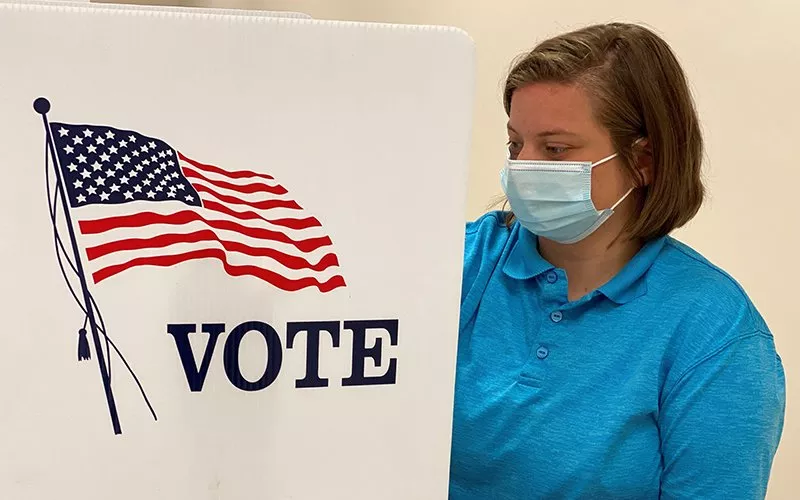
A strong majority of Arizona voters — but only a small fraction of Republicans — support face mask mandates and vaccine requirements in schools and government buildings to combat the spread of COVID-19, according to a new poll commissioned by organizations representing school boards and public health professionals.
In the live-caller poll of 400 voters deemed likely to vote in next year’s general election, 57% of respondents said people should definitely or probably be required to wear face masks in local government facilities, and public schools. Nearly 41% said people should not be required to wear masks in those settings.
And 53% of respondents said those institutions should also be allowed to determine their own policies on face mask mandates, compared to nearly 43% who said they shouldn’t.
The poll was conducted by the Republican lobbying and political consulting firm HighGround on Aug. 30 and 31.
A new state law that goes into effect on Sept. 29 prohibits district and charter schools from requiring face masks. Several education and other advocacy groups, including the Arizona School Boards Association, which commissioned the poll, are challenging that law in court.
Voters took a similar view of vaccine mandates. Nearly 54% said private businesses should be able to require employees to show proof of vaccination against COVID-19, while 42% said employers shouldn’t be permitted to do that. And more than 52% said local governments and public schools should be able to impose that requirement, compared to nearly 45% who said they shouldn’t have that power.
Wednesday, September 8, 2021

The Pima County Board of Supervisors passed multiple policies meant to curb the spread of COVID in Pima County on Tuesday, Sept. 7.
Supervisor Heinz withdrew his proposal to require all healthcare workers in Pima County to be vaccinated against COVID. The Board received multiple letters and public comments in opposition to the proposed mandate.
But the Board of Supervisors voted 4-1, with Supervisor Steve Christy opposed, to pass disincentives for unvaccinated employees.
Disincentives will include mandatory weekly COVID testing, taking away healthy lifestyle discounts for employees’ healthcare plans, and an additional $25.51 pay period surcharge to employee healthcare plans.
“I’m against any type of disincentives for employees. I really think this is opening up liability to no end,” said Supervisor Christy, who warned disincentives could lead to a hostile work environment.
Supervisor Adelita Grijalva quickly responded to Christy’s concerns by saying disincentives and vaccinations foster a safe work environment. Grijalva said there are some employees who can’t receive the vaccine and they need to be protected as well. County employees can submit a vaccine exemption form for medical and religious purposes.
At its Aug. 16 meeting, supervisors passed incentives for employees to get vaccinated, including a $300 bonus and three paid days off.
Huckelberry said there has been an increase in county employee vaccinations since the incentives passed. Only 43% of county employees were vaccinated before the incentives were enacted and employee vaccinations have now risen to 66% since Aug. 16.
Supervisor Grijalva said she was worried only 30% of the Sheriff’s Department is vaccinated.
Supervisor Rex Scott asked Pima County Administrator Chuck Huckelberry to create an anonymous survey of the remaining employees who may be vaccine-hesitant or resistant.
“This board voted not to mandate vaccines, but if we are going to put incentives and disincentives in place and neither of those are having the desired effect on the vaccine-hesitant or resistance, we as a board need to know the reasons why,” Scott said.
Board provides funding to domestic violence prevention
The Board unanimously passed a resolution to provide the Emerge! Center Against Domestic Abuse emergency shelter with $1 million to double their shelter capacity.
The Emerge! Center Against Domestic Abuse combats domestic violence in Pima County by providing services and shelters to individuals who live in abusive environments.
Friday, September 3, 2021

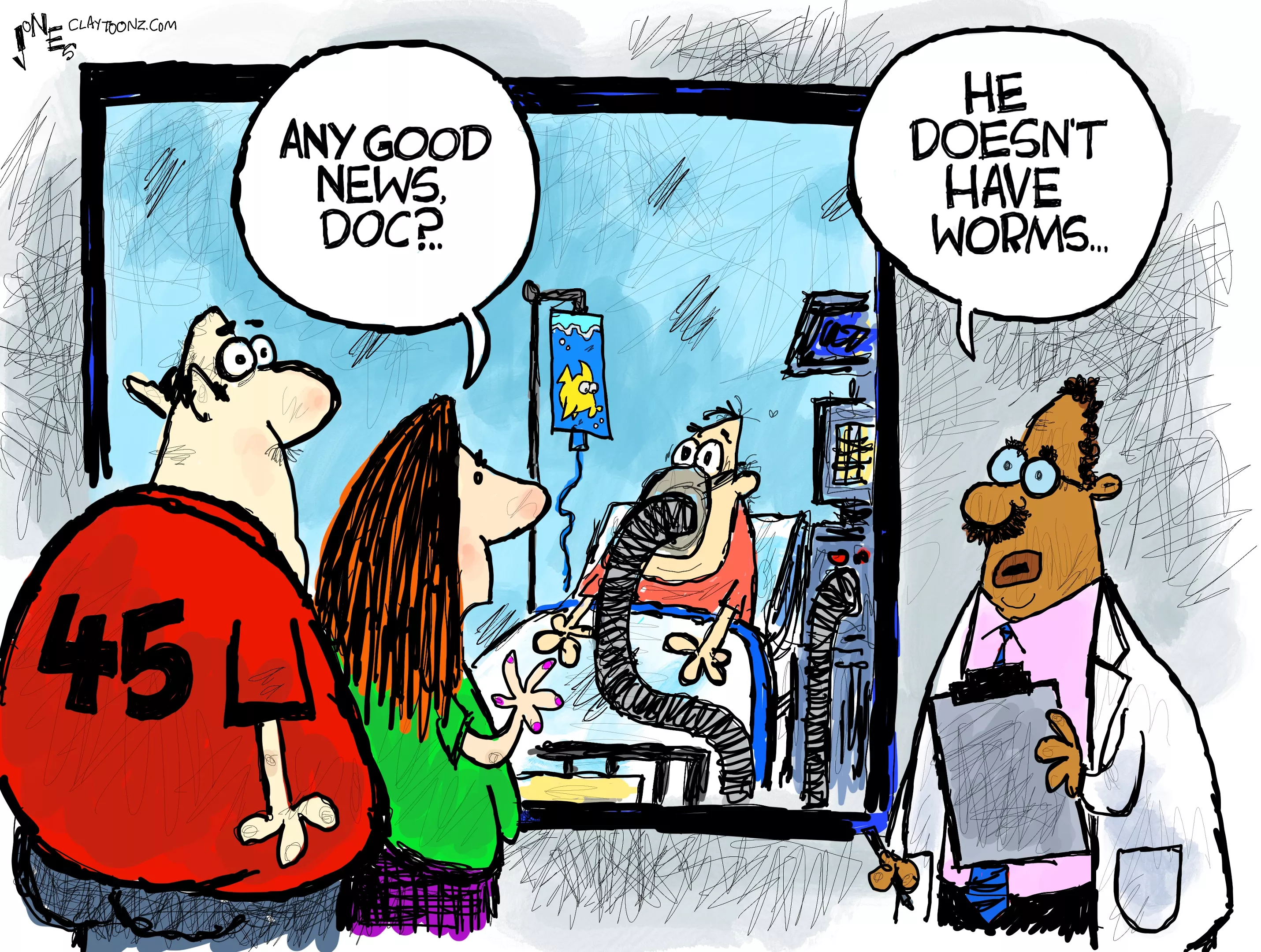
Some Arizonans are seeking ivermectin, the unproven alternative treatment for COVID-19 that has become popular among conservatives as both a way to prevent and treat infections, leading to an uptick in calls to poison control centers and at least one hospitalization.
Ivermectin has not been approved by the Food and Drug Administration to treat COVID-19. It is primarily used for treating parasitic worms and is not an antiviral drug. One form of the medication that is approved by the FDA is used for treating people with intestinal diseases and roundworms.
Nonetheless, it has become increasingly sought after as an alternative COVID treatment, largely in conservative circles where skepticism about coronavirus vaccines runs high. Some are even taking a poisonous version of the drug that is intended solely for use as a de-wormer for horses.
Posts in private anti-vaccine Facebook groups, provided to the Arizona Mirror by Twitter user AZ Right Wing Watch, show Arizonans looking for ways to get their hands on the drug. One person was hospitalized after taking the drug, according to the Banner Poison and Drug Information Center in Phoenix. The Mirror found two nurse practitioners through the Facebook groups who have prescribed the drug to people as an off-label COVID treatment.
In 2020, poison control officials received two calls the entire year related to the drug, which is most commonly associated with livestock but also has a form used in humans. So far in 2021, Banner poison control in Phoenix received 12 calls and its center in Tucson received 20. It’s unclear whether the calls were for the human or livestock version of the drug.
Thursday, September 2, 2021
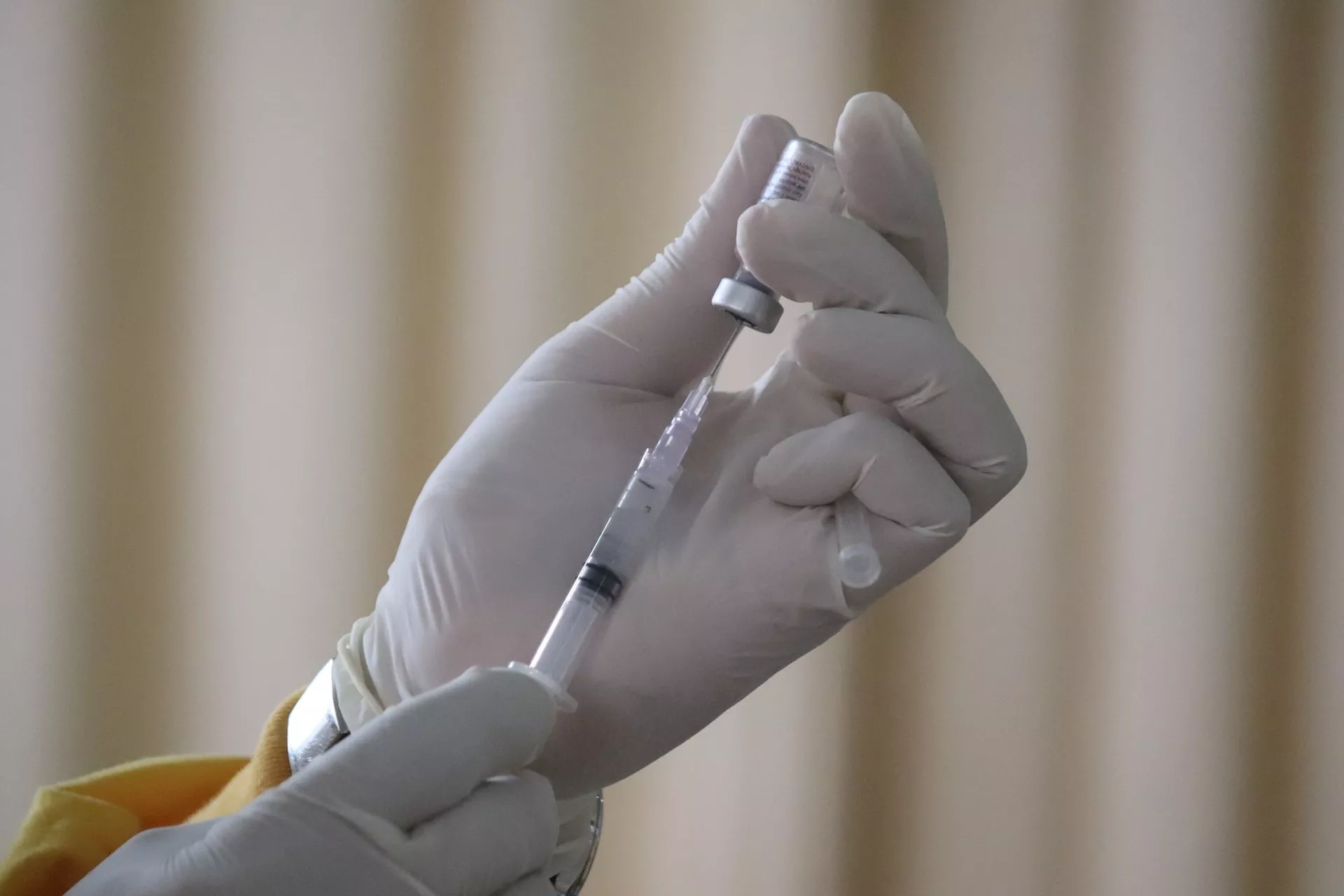
Pima County health officials warned this week that COVID cases are rising among children 11 and under—a population that remains ineligible for vaccines.
The increase comes about a month after most schools reopened for the fall semester, leading to an increase in cases by 16.5% over the last week.
Kids between 12 and 19 had COVID case growth of 11.7%, said Pima County Chief Medical Officer Dr. Francisco Garcia. The FDA authorized the Pfizer COVID vaccine to be offered to children 12 and older on May 10, expanding possible vaccination coverage in Pima County.
Garcia reported that 73.1% of vaccine-eligible populations (12 and older) have at least one dose of vaccine.
Garcia said the greatest rise in reported COVID cases came from young and middle aged adults.
“We see the greatest growth in this middle age group 20 to 44, there were 858 additional cases, representing 41% of the total cases from one week to the next,” Garcia said.
Garcia’s assessment was echoed by Banner Health Chief Clinical Officer Dr. Marjorie Bessel, who said that a majority of COVID patients at Banner Health are in the 20 to 65 age group—and 90% are unvaccinated.
Bessel asked the public to consider getting the vaccine even if they had COVID once before.
“Studies have shown that reinfection rates are 2.34 times more likely in those who remain unvaccinated, which is why vaccination is still recommended by the CDC and medical community even if you’ve had COVID,” Bessel said.
Getting the vaccine is especially important as the Delta variant takes America by storm. Bessel reported that the Delta variant accounts for 99.1% of all coronavirus circulating in the United States.
Wednesday, September 1, 2021

WASHINGTON – Standardized test scores in Arizona fell across the board last school year, as COVID-19 upended learning through the year and led to a sharp drop in the number of students taking the tests, the Arizona Department of Education said.
Results released by the department Friday showed that 38% of students got “satisfactory” grades on the language test and 31% passed the math test in 2021, compared to 42% for both tests in 2019, the last year for which test results are available.
The department warned that results from the pandemic year “need to be viewed with extreme caution” when compared to other years.
“When considering the results of students who did take the test, it is important to remember the learning disruptions from COVID-19 that may have impacted student learning in unforeseen ways,” the department said in a note released with the data.
It also pointed out that “a significant number of students did not take the test” last year. Close to 740,000 students took both tests in 2019, but just 520,912 took the math test last school year and 511,679 took the language skills test.
The AzM2 test, formerly known as AzMerit, and the Multi-State Alternate Assessment test are given to students in grades three through eight and grade 10. Besides measuring student progress, the AzM2 scores are typically used by the Education Department to assign letter grades to state schools, ranking their performance against others in the state.
But state lawmakers last year suspended the use of the standardized tests for the ranking of schools, while still requiring that the test be administered to students. And Gov. Doug Ducey ordered that the students’ scores still be evaluated to “identify the extent of learning loss” during the pandemic year.
Despite concerns that school administrators and state officials can rely too heavily on standardized test scores to assess school performance, advocates said the results of last year’s tests could prove important.
“Standardized tests are an important piece of data, but outside of a pandemic it still doesn’t tell the full story,” said Erin Hart, senior vice president for Education Forward Arizona. “We over-relied on it as a state. It’s really the only data policymakers and people at the state level have, and it has its importance, but it’s not the end-all, be-all.”
Thursday, August 26, 2021
Wednesday, August 25, 2021

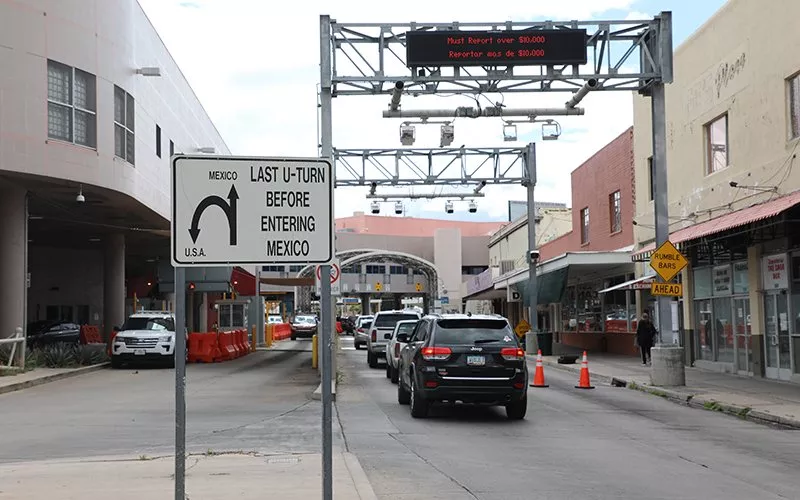
WASHINGTON – Nogales Mayor Arturo Garino said he is “fed up” with the federal government’s COVID-19 ban on nonessential border crossings, which has been extended for another month, further crippling local businesses that rely on cross-border customers.
The ban, which was set to expire Saturday, has been extended through at least Sept. 21, which will mark just under 18 months of travel restrictions at land ports of entry at the Canadian and Mexican borders.
“You know, this needs to end,” said Andy Carey, executive director of the U.S.-Mexico Border Philanthropy Partnership. “It’s been going on for almost a year and a half.”
But Carey said nobody believes the border will open by next month. In the meantime, businesses around Nogales are closing down, losing customers and hurting economically.
“The businesses are completely empty,” Garino said. “They took their merchandise, they’re gone.”
The ban on nonessential border crossings between the three countries was first put into place on March 24, 2020, in response to the first flush of the COVID-19 pandemic. It was extended a month later, when Customs and Border Protection cited the 720,000 confirmed cases in the U.S. at the time.
The ban has been extended monthly since then, with the latest extension noting the 36.1 million COVID-19 cases in the U.S. and the presence of the highly contagious delta variant as reasons to continue the restrictions.
In a Federal Register notice Monday announcing the latest extension, CBP said that U.S. and Mexican officials “mutually determined that non-essential travel between the United States and Mexico posed additional risk of transmission and spread of the virus associated with COVID–19.”
The move comes as the number of cases in Arizona and the U.S., driven by the delta variant, has been climbing steadily after months of relatively low infection rates from spring through early summer. Where Arizona was averaging 480 new cases a day in late March, the number had risen to 2,979 cases on average in the past week.