
Monday, May 18, 2020
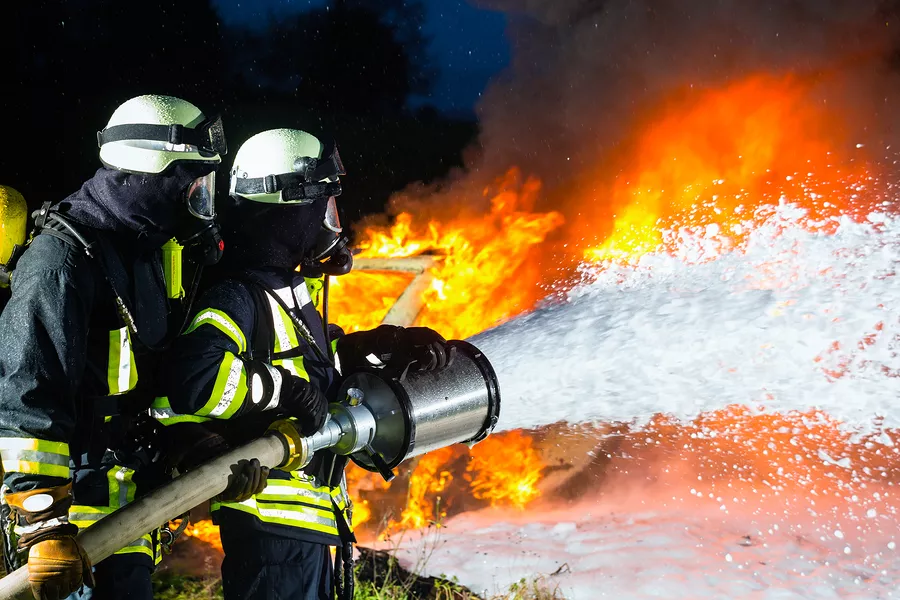
TEMPE – As if fighting fires wasn’t dangerous enough, firefighters now have to worry about COVID-19 while they’re on the job, making for what fire officials say will be the “most challenging season we’re going to have.”
Strategies to check the spread of the disease include everything from avoiding eating together in large mess halls to splitting the regular 10-person fire crew into two teams of five. But officials said they still expect challenges in a job that relies on constant face-to-face communication.
All of which comes in a year in which conditions are ripe for intense wildfires in the state.
“This is going to be one of the most challenging seasons we’re going to have, with the added complexity of trying to deal with the COVID-19 protocols from the CDC (Centers for Disease Control and Prevention),” State Fire Management Officer John Truett said during a recent briefing.
Jayson Coil, Wildland Committee Chair for the Arizona Fire Chiefs, said new precautions include avoiding eating at mess halls and installing refrigerators so firefighters can grab a meal while maintaining distance.
He said personnel will be encouraged to stay away from firefighters before a blaze, to ensure the strength of the workforce, and to maintain distances as best they can when in the field. In some cases, he said, it is possible to alter actions during firefighting to maintain social distancing, but that it all depends on time and resources available.
“It’s argued … that we can minimize the time of exposure and the proximity to other people that may potentially be COVID-19 positive, then we reduce likelihood of spreading,” Coil said.
Strategies to check the spread of the disease include everything from avoiding eating together in large mess halls to splitting the regular 10-person fire crew into two teams of five. But officials said they still expect challenges in a job that relies on constant face-to-face communication.
All of which comes in a year in which conditions are ripe for intense wildfires in the state.
“This is going to be one of the most challenging seasons we’re going to have, with the added complexity of trying to deal with the COVID-19 protocols from the CDC (Centers for Disease Control and Prevention),” State Fire Management Officer John Truett said during a recent briefing.
Jayson Coil, Wildland Committee Chair for the Arizona Fire Chiefs, said new precautions include avoiding eating at mess halls and installing refrigerators so firefighters can grab a meal while maintaining distance.
He said personnel will be encouraged to stay away from firefighters before a blaze, to ensure the strength of the workforce, and to maintain distances as best they can when in the field. In some cases, he said, it is possible to alter actions during firefighting to maintain social distancing, but that it all depends on time and resources available.
“It’s argued … that we can minimize the time of exposure and the proximity to other people that may potentially be COVID-19 positive, then we reduce likelihood of spreading,” Coil said.
ProPublica is a nonprofit newsroom that investigates abuses of power. Click here to read their biggest stories as soon as they’re published.
An Omaha, Nebraska-based private jet company whose principal owner donated generously to Donald Trump and Republicans ahead of the 2016 election received $20 million in taxpayer aid from the federal bailout package passed in March.
Jet Linx Aviation, which caters to well-to-do CEOs and executives, was the second private plane company founded or owned by Trump donors to receive federal funds designated for the airline industry under the Coronavirus Aid, Relief and Economic Security Act. CNBC reported on Thursday that Clay Lacy Aviation, a Van Nuys, California-based private jet company whose founder has given nearly $50,000 to the Republican National Committee and Trump, got $27 million in federal funds.
Jet Linx Management Company Vice Chairman John Denny Carreker and his wife, Connie, gave $68,100 to Trump’s campaign, the Republican National Committee and the Trump Victory Committee between October 2015 and November 2016, Federal Election Commission filings show. Connie Carreker gave an additional $1,000 to the Trump campaign in November 2018, according to the FEC.

An Omaha, Nebraska-based private jet company whose principal owner donated generously to Donald Trump and Republicans ahead of the 2016 election received $20 million in taxpayer aid from the federal bailout package passed in March.
Jet Linx Aviation, which caters to well-to-do CEOs and executives, was the second private plane company founded or owned by Trump donors to receive federal funds designated for the airline industry under the Coronavirus Aid, Relief and Economic Security Act. CNBC reported on Thursday that Clay Lacy Aviation, a Van Nuys, California-based private jet company whose founder has given nearly $50,000 to the Republican National Committee and Trump, got $27 million in federal funds.
Jet Linx Management Company Vice Chairman John Denny Carreker and his wife, Connie, gave $68,100 to Trump’s campaign, the Republican National Committee and the Trump Victory Committee between October 2015 and November 2016, Federal Election Commission filings show. Connie Carreker gave an additional $1,000 to the Trump campaign in November 2018, according to the FEC.
ProPublica is a nonprofit newsroom that investigates abuses of power. Click here to read their biggest stories as soon as they’re published.
He joined Walgreens around a decade ago, fresh out of pharmacy school and eager to learn. Like many new grads, he started as a floater — a substitute for employees who call out sick or take vacation — and he was floated as far as he was willing to go. Sometimes he would drive hours east of the Dallas area, where he lived, to pick up shifts in rural Texas, sleeping in hotels for days at a time.
The pharmacist, who requested anonymity because he was not authorized to talk to the media, eventually worked his way up to become a full-time manager at a store in Dallas. But recently he’s returned to floating, this time at CVS, preferring its flexible hours. In the past three months, he’s traveled between 10 stores.
As the pandemic rages on, though, he wonders if he’s made a terrible mistake. When he shows up at a store, he said, he’s not told whether any employees have shown symptoms or tested positive, so he doesn’t know if he’s at risk. On two occasions, the Dallas floater said, he only heard from colleagues after he started his shift that they had just been working alongside someone who was self-isolating with COVID-19 symptoms. Because his temporary co-workers had not shown symptoms, they were not advised to quarantine.
"There’s no heads-up," he said. "It’s terrifying to learn about it after you show up, if at all." Even more terrifying, he added, is the possibility that he and other floaters are catching the virus and unwittingly spreading it to other stores.

He joined Walgreens around a decade ago, fresh out of pharmacy school and eager to learn. Like many new grads, he started as a floater — a substitute for employees who call out sick or take vacation — and he was floated as far as he was willing to go. Sometimes he would drive hours east of the Dallas area, where he lived, to pick up shifts in rural Texas, sleeping in hotels for days at a time.
The pharmacist, who requested anonymity because he was not authorized to talk to the media, eventually worked his way up to become a full-time manager at a store in Dallas. But recently he’s returned to floating, this time at CVS, preferring its flexible hours. In the past three months, he’s traveled between 10 stores.
As the pandemic rages on, though, he wonders if he’s made a terrible mistake. When he shows up at a store, he said, he’s not told whether any employees have shown symptoms or tested positive, so he doesn’t know if he’s at risk. On two occasions, the Dallas floater said, he only heard from colleagues after he started his shift that they had just been working alongside someone who was self-isolating with COVID-19 symptoms. Because his temporary co-workers had not shown symptoms, they were not advised to quarantine.
"There’s no heads-up," he said. "It’s terrifying to learn about it after you show up, if at all." Even more terrifying, he added, is the possibility that he and other floaters are catching the virus and unwittingly spreading it to other stores.
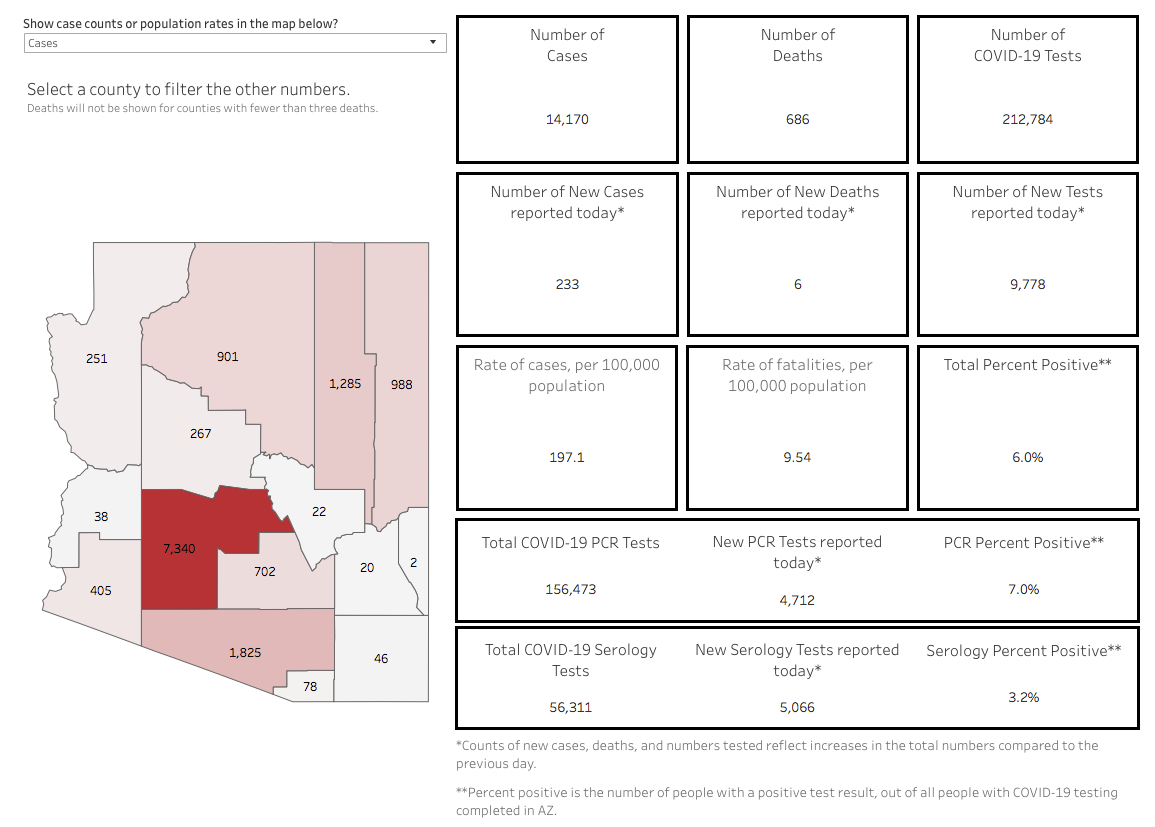
The number of confirmed coronavirus cases in Arizona topped 14,000 as of Monday, May 18, jumping by more than 1,000 cases since Friday, according to the morning report from the Arizona Department of Health Services.
Pima County had 1,825 of the state's 14,170 confirmed cases.
The coronavirus had killed 686 people statewide, including 157 in Pima County, according to the report.
In Maricopa County, the number of confirmed COVID-19 cases had risen to 7,340.
Because symptoms can take as long as two weeks to appear after exposure to the virus (while some people can remain entirely asymptomatic), health officials continue to urge the public to avoid unnecessary trips and gatherings of more than 10 people and have advised people to cover their faces with masks in public.
Arizona's stay-at-home order expired at the end of Friday, May 15. Arizona Gov. Doug Ducey announced last week that gyms, pools and movie theaters can now reopen. Ducey also invited major-league sports to play in Arizona, although he said it would have to be without fans in the audience.
Ducey gave the green light for for restaurants and bars that offer food service to reopen last week. Restrictions were previously lifted on stores, barber shops and salons.
Ducey said he hoped that schools would be able to reopen in the fall but was yet not ready to make that call.
Tucson Mayor Regina Romero said last week that Ducey was moving forward too quickly on reopening the state.
"As eager as we all are to return to any sense of normalcy, I believe that the Governor is moving too quickly and that we should proceed methodically and cautiously to prevent a re-emergence that would be even more damaging to our economy in the long-run," Romero said. "Dr. Fauci and our nation's top health experts testified earlier this week that without widespread testing and a robust contact tracing plan in place, states that are re-opening risk a second wave of the virus. Although some improvements have been made, we lag the rest of the country in both areas. I don’t want our economy to just re-open, I want it to remain open. That will not happen if there is a second wave of the virus and we are forced to shut down again."
Dr. Bob England, the director of the Pima County Health Department, said people who are vulnerable to COVID-19 should continue to take precautions.
"Just know that if you're vulnerable, if you're older, if you have underlying health conditions that put you at higher risk, then please, please, please hunker down for a while longer," England cautioned.
Pima County had 1,825 of the state's 14,170 confirmed cases.

The coronavirus had killed 686 people statewide, including 157 in Pima County, according to the report.
In Maricopa County, the number of confirmed COVID-19 cases had risen to 7,340.
Because symptoms can take as long as two weeks to appear after exposure to the virus (while some people can remain entirely asymptomatic), health officials continue to urge the public to avoid unnecessary trips and gatherings of more than 10 people and have advised people to cover their faces with masks in public.
Arizona's stay-at-home order expired at the end of Friday, May 15. Arizona Gov. Doug Ducey announced last week that gyms, pools and movie theaters can now reopen. Ducey also invited major-league sports to play in Arizona, although he said it would have to be without fans in the audience.
Ducey gave the green light for for restaurants and bars that offer food service to reopen last week. Restrictions were previously lifted on stores, barber shops and salons.
Ducey said he hoped that schools would be able to reopen in the fall but was yet not ready to make that call.
Tucson Mayor Regina Romero said last week that Ducey was moving forward too quickly on reopening the state.
"As eager as we all are to return to any sense of normalcy, I believe that the Governor is moving too quickly and that we should proceed methodically and cautiously to prevent a re-emergence that would be even more damaging to our economy in the long-run," Romero said. "Dr. Fauci and our nation's top health experts testified earlier this week that without widespread testing and a robust contact tracing plan in place, states that are re-opening risk a second wave of the virus. Although some improvements have been made, we lag the rest of the country in both areas. I don’t want our economy to just re-open, I want it to remain open. That will not happen if there is a second wave of the virus and we are forced to shut down again."
Dr. Bob England, the director of the Pima County Health Department, said people who are vulnerable to COVID-19 should continue to take precautions.
"Just know that if you're vulnerable, if you're older, if you have underlying health conditions that put you at higher risk, then please, please, please hunker down for a while longer," England cautioned.
For more Claytoonz click here.
Tags: maga , trump , corruption , political , cartoon , Image
Friday, May 15, 2020
Happy Friday, and Congratulations to the University of Arizona Class of 2020!
Here are the stories we covered today:

Here are the stories we covered today:
- The number of confirmed coronavirus cases in Arizona topped 13,000 as of Friday, May 15, according to the morning report from the Arizona Department of Health Services.
- Fast-Med Urgent Care has announced that the healthcare centers have two locations open for COVID-19 testing in Tucson.
- Within a few weeks, the Federal Reserve will start a $600 billion lending program that the Trump administration says will help 40,000 midsized businesses that employ 35 million Americans.
- On Tuesday, May 12, Forbes published a list detailing the 10 US cities best poised to economically recover from coronavirus – as well as the 10 worst.
- Last November, Rick Bright, then the director of a federal office that approves funding for medical emergencies, sat in on a meeting between his boss and two men — a pharmaceutical and biotech consultant and an Emory University professor — seeking millions of dollars for an unproven drug.
- The Pima County Board of Supervisors voted 3-2 along party lines this week to update health code regulations for restaurants and bars to reduce transmission of COVID-19, but three state lawmakers are asking the Arizona Attorney General’s Office to step in and force the county to rescind the rules.
- Although Gov. Doug Ducey has allowed gyms to reopen this week, runners who enjoy the social aspect of group activities will likely have to wait longer before they see an opportunity to join an organized pack.

Courtesy goatOGRAPHER/Kerry Whelan
A group of runners start the TMC MeetMeDowntown 5K in 2018. The race, part of the Gabe Zimmerman Triple Crown organized by Run Tucson, will be run virtually this year.
Although Gov. Doug Ducey has allowed gyms to reopen this week, runners who enjoy the social aspect of group activities will likely have to wait longer before they see an opportunity to join an organized pack.
While it hasn’t been hard to see runners jogging solo or in pairs through Arizona’s stay-at-home order, there are many eager to see social distancing protocols ease so they can get back to participating in activities that can help motivate and make running “social” again.
“It’s important to have those ‘accountability buddies’ so we can maintain our motivation,” says Dr. Amy Athey, executive director of Student Wellness and Retention at University of Arizona and former UA Dept. of Athletics Associate Athletics Director for Psychological Services and Wellness. “These are challenging times when our routines are disrupted, so this an opportunity to look for other connections.”
In lieu of face-to-face gatherings, Athey suggests utilizing virtual platforms—such as Strava or MapMyRun—to mimic “being there.”
“One of the challenges of social distancing is how can we keep [our] connections going?” she posits. “We need to be creative and flexible.”
Athey has been virtually exercising with a friend via phone apps. Afterwards, they connect by phone or video to talk about their experiences and otherwise catch up.
Another strategy she advocates is keeping things in perspective and managing expectations. If running isn’t a viable option, go for a walk or ride a bicycle. The important thing, Athey says, is to get out and exercise and maintain connections with the outside world.
“I’m encouraging people to say, ‘OK, that’s what I did today; I didn’t run today, but I did walk.’ The important thing to remember is that we will get through this,” she says. “It won’t be forever.”
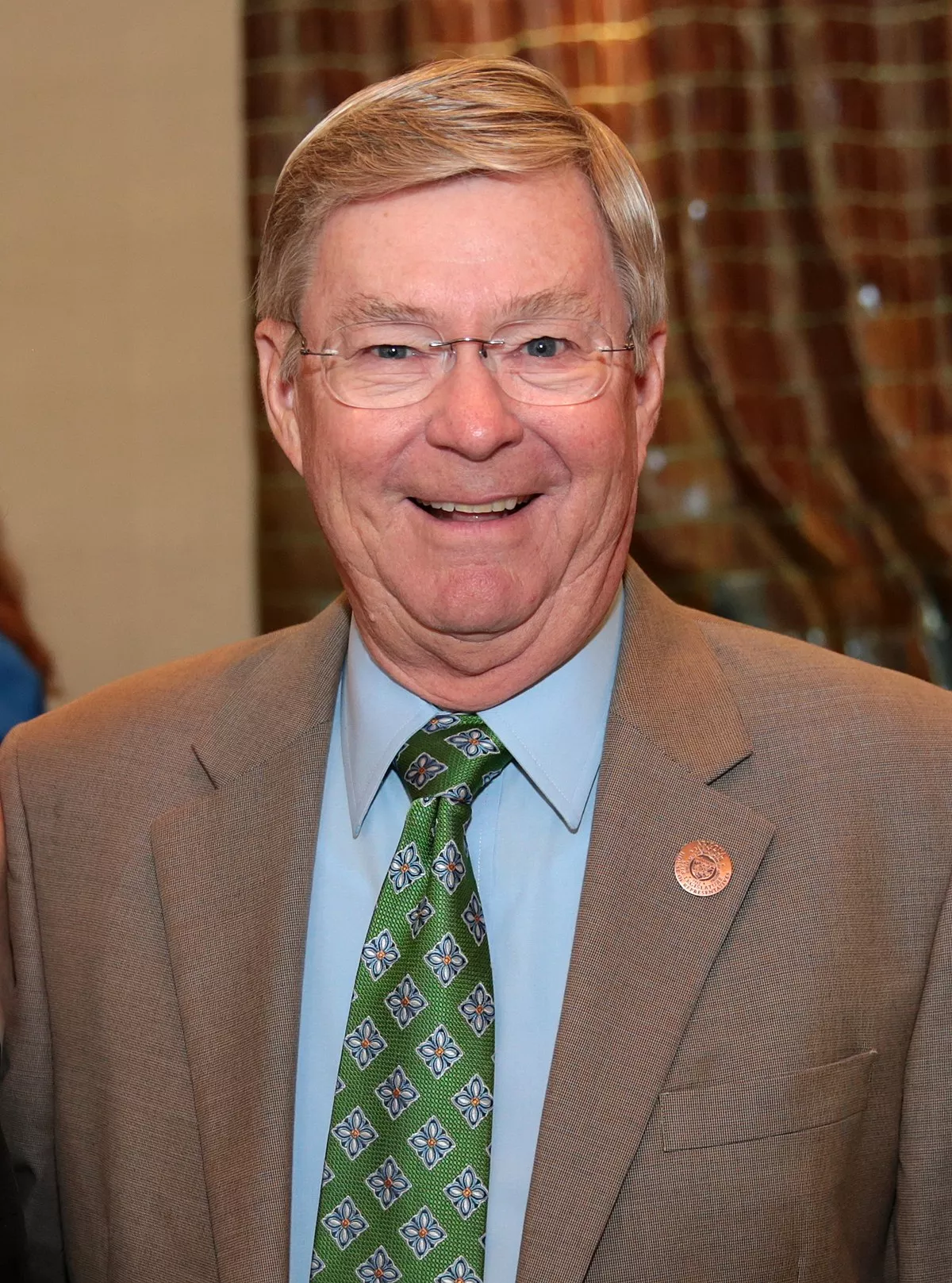
State Sen. Vince Leach: "It is unfortunate that Pima County is taking actions that are not consistent with the state."
State Sen. Vince Leach and state Reps. Mark Finchem and Bret Roberts say that the county is exceeding its authority in creating the regulations and have asked Attorney General Mark Brnovich for an investigation.
"We've seen throughout this crisis how important it is to balance health concerns with the need to reopen businesses and get Arizonans back to work," Leach said in a prepared statement. "Gov. Ducey and the Legislature have been working with experts to find that balance and determine the best course of action for the entire state. It is unfortunate that Pima County is taking actions that are not consistent with the state. The cumbersome regulations in its proclamation will not facilitate an easy reopening for businesses."
Members of the county’s Back to Business Bars and Restaurants Task Force said that while they helped create guidelines and best practices, they didn’t think their recommendations would become regulations with fines attached.
“We offered to help be a part of this from the very beginning and now we’re the ones being targeted with fines,” said Ray Flores, owner of El Charro and its related restaurants. “If it’s really about public health and human safety, then all businesses should have to go through this. This is not a restaurant problem, this is a human population problem.”
ProPublica is a nonprofit newsroom that investigates abuses of power. Click here to read their biggest stories as soon as they’re published.
Last November, Rick Bright, then the director of a federal office that approves funding for medical emergencies, sat in on a meeting between his boss and two men — a pharmaceutical and biotech consultant and an Emory University professor — seeking millions of dollars for an unproven drug.
Bright wrote in a whistleblower complaint filed last week that he was wary as professor George Painter and consultant John Clerici described the drug “as a ‘cure all’ for influenza, Ebola, and nearly every other virus.” The team came back in February with an updated pitch after the coronavirus outbreak, suggesting its antiviral medication could be a treatment for COVID-19.
Painter, a pharmacology professor and CEO of a nonprofit biotech company, had already received $30 million from the National Institutes of Health and the Department of Defense for small-scale clinical trials. But as Bright described in his complaint, Painter sought more money from Bright’s office, the Biomedical Advanced Research and Development Authority (BARDA). Instead of going through Bright’s formal application process, Painter and Clerici sought funding through a separate, more “opaque” program created by Bright’s boss, Robert Kadlec — a Trump administration appointee and friend of Painter’s. Kadlec’s program was designed to support products, equipment and technology, Bright said, and lacked the expertise to evaluate drug development.

Last November, Rick Bright, then the director of a federal office that approves funding for medical emergencies, sat in on a meeting between his boss and two men — a pharmaceutical and biotech consultant and an Emory University professor — seeking millions of dollars for an unproven drug.
Bright wrote in a whistleblower complaint filed last week that he was wary as professor George Painter and consultant John Clerici described the drug “as a ‘cure all’ for influenza, Ebola, and nearly every other virus.” The team came back in February with an updated pitch after the coronavirus outbreak, suggesting its antiviral medication could be a treatment for COVID-19.
Painter, a pharmacology professor and CEO of a nonprofit biotech company, had already received $30 million from the National Institutes of Health and the Department of Defense for small-scale clinical trials. But as Bright described in his complaint, Painter sought more money from Bright’s office, the Biomedical Advanced Research and Development Authority (BARDA). Instead of going through Bright’s formal application process, Painter and Clerici sought funding through a separate, more “opaque” program created by Bright’s boss, Robert Kadlec — a Trump administration appointee and friend of Painter’s. Kadlec’s program was designed to support products, equipment and technology, Bright said, and lacked the expertise to evaluate drug development.
On Tuesday, May 12, Forbes published a list detailing the 10 US cities best poised to economically recover from coronavirus – as well as the 10 worst.
While the list was not ranked, Tucson landed among those best positioned to recover, which share traits like being college towns, tech hubs, and having fast growth pre-coronavirus. Other top 10 cities include Denver, Salt Lake City, San Jose, Washington DC, and Boise.
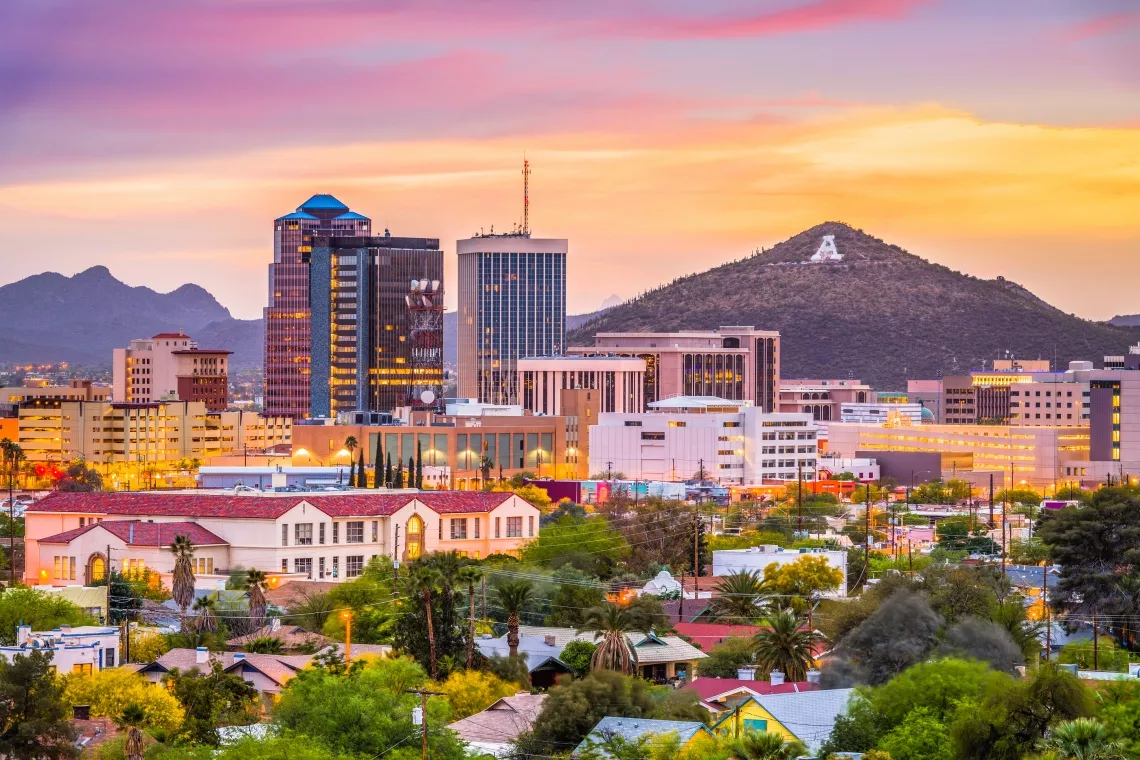
While the list was not ranked, Tucson landed among those best positioned to recover, which share traits like being college towns, tech hubs, and having fast growth pre-coronavirus. Other top 10 cities include Denver, Salt Lake City, San Jose, Washington DC, and Boise.
Forbes' list was based on a Moody's Analytics report detailing coronavirus impact among the 100 largest metro areas in the nation.
“The most dynamic recoveries may well bypass traditional powerhouses and take place instead in areas that either were or were poised to lead the way in 2020 before everything changed,” said Adam Kamins, author of the report.
Some of the 10 worst-positioned cities are Philadelphia, Miami, Los Angeles, Detroit, and (unsurprisingly) New York City.