

Monday, February 8, 2021
Thursday, February 4, 2021
Wednesday, February 3, 2021
With 2,296 new cases reported today, the total number of Arizona’s confirmed novel coronavirus cases surpassed 767,000 as of Wednesday, Feb. 3, according to the Arizona Department of Health Services.
Pima County, which reported 392 new cases today, has seen 102,712 of the state’s 767,379 confirmed cases.
A total number of 13,576 Arizonans have died after contracting COVID-19, including 1,831 deaths in Pima County, according to the Feb. 3 report.
The number of hospitalized COVID cases statewide has declined in recent weeks, with 3,456 in the hospital as of Feb. 2. That number peaked at 5,082 on Jan. 11. The summer peak was 3,517, which was set on July 13, 2020. The subsequent lowest number of hospitalized COVID patients was 468, set on Sept. 27, 2020.
A total of 1,639 people visited emergency rooms on Feb. 2 with COVID symptoms, down from the record high of 2,341 set on Tuesday, Dec. 29, 2020. That number had peaked during the summer wave at 2,008 on July 7, 2020; it hit a subsequent low of 653 on Sept. 28, 2020.
A total of 955 COVID-19 patients were in intensive care unit beds on Feb. 2, down from a peak of 1,183 set on Jan. 11. The summer’s record number of patients in ICU beds was 970, set on July 13, 2020. The subsequent low was 114 on Sept. 22, 2020.
How to get a vaccine
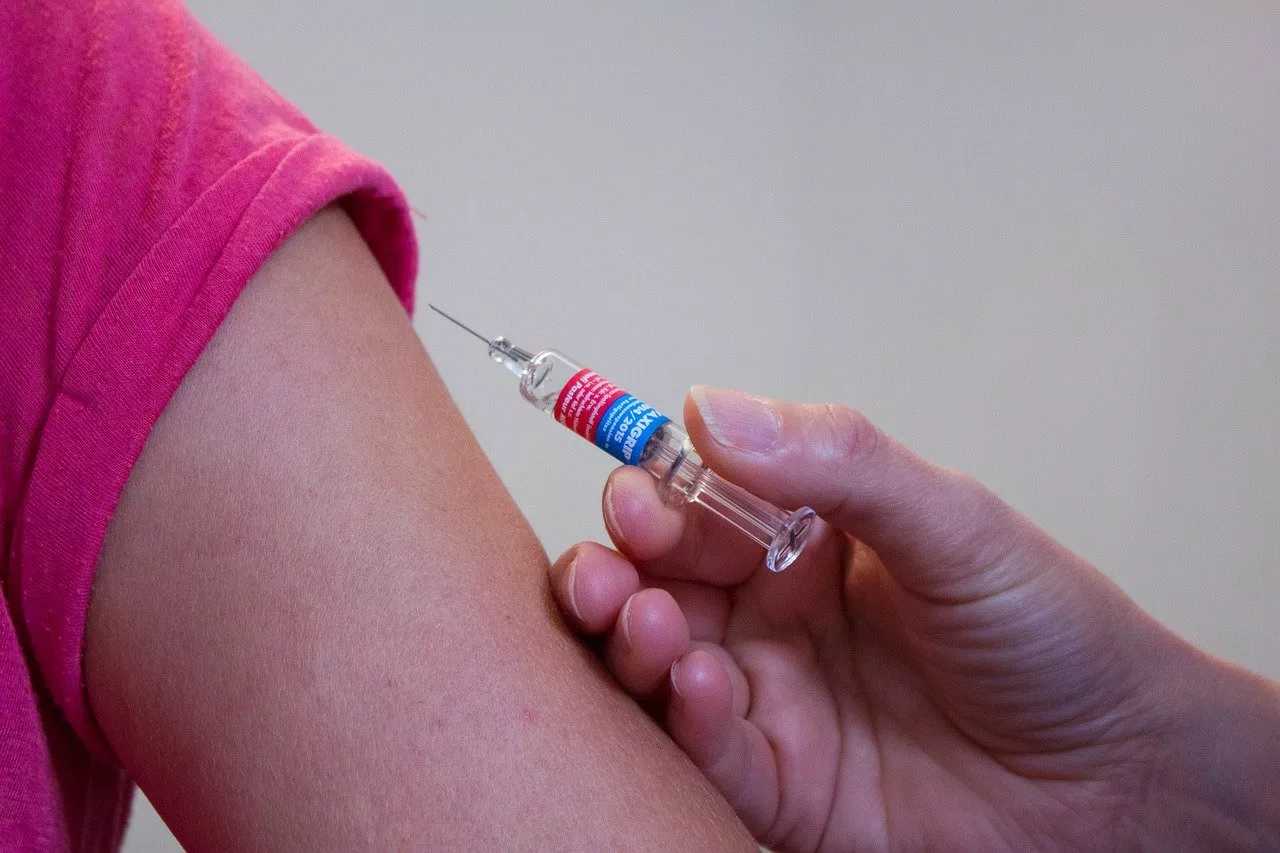
Currently, Pima County is providing vaccination shots to people 75 and older as well as educators, first responders and healthcare workers. Those who currently qualify in Pima County’s 1B priority group of eligible vaccine recipients can register for a vaccine at www.pima.gov/covid19vaccineregistration or by calling 520-222-0119.
State preparing to set up a 24-hour vaccination site in Pima County
After some communication troubles between Pima County and the state, Arizona Department of Health Services Director Cara Christ said plans are in the works to set up a 24-hour vaccination site in the county.
Although County Administrator Chuck Huckelberry has requested the state’s help in setting up a 24-hour point of distribution site at Rillito Park, it’s not clear where the state-run site would be set up.
Christ wrote in a letter to Huckelberry on Jan. 29 that “ADHS will work with the Arizona Department of Emergency and Military Affairs (DEMA) to select the vaccination site and discuss logistics.”
If the state sets up the POD, the vaccines supplying it would be taken out of Pima County’s total state allocation.
As of Tuesday, the state’s allocated Pima County 165,950 doses, and the county has administered 119,585 vaccines.
“Any remaining doses of vaccine will be passed on to the county for further allocation. We will notify the Pima County Health Department once details are finalized,” Christ wrote in the letter.
Huckelberry responded to the letter on Monday requesting the state follow Pima County’s accelerated vaccination plan to ensure those most vulnerable to COVID-19 receive vaccines first and that “disadvantaged populations” have equal access to vaccinations. More details here.
Vaccinations continue in Pima County
Pima County has administered 114,165 COVID-19 vaccines as of Feb. 1 but has only completed 18,691 series of the two doses needed to be fully immunized.
This week, the county’s vaccine allocation from the state rose to 165,950, up from 140,425 doses last week, according to Arizona Department of Health Services data.
While Pima County struggles to vaccinate nearly 150,000 currently eligible—the 75+ population, educators, childcare providers and protective service workers—Maricopa County’s two 24-hour state-run PODS are receiving nearly 35,000 doses more than the entirety of Pima County, according to data from ADHS.
The two PODs—one at the State Farm Stadium in Glendale that opened on Jan. 11 and a second at the Phoenix Municipal Stadium on that opened Monday—have been allocated 200,850 vaccine doses.
Maricopa County has been allocated 461,375 vaccines on top of its state-run PODs and has administered 297,469 doses as of Monday.
Pima County Administrator Chuck Huckelberry made the case for allocating more vaccines to Pima County in a Jan. 29 memo.
“While population is one measure, another measure would be the percent of the population that is more vulnerable to COVID-19 than other population components within the County,” he wrote.
The county administrator compared racial groups, individuals over 65, those living below the federal poverty level and those in the state’s Medicaid program in Pima and Maricopa counties. These populations are expected to be most impacted by the pandemic.
Of Pima County’s population, 38% are Hispanic, 20% are above age 65, 14% live below the poverty level and 31% are enrolled in Arizona’s Medicaid program, according to the memo.
In Maricopa County, 31% are Hispanic, 16% are above 65, 12% live below the poverty level and 28% are enrolled in state Medicaid.
Despite struggling for the county’s fair share of vaccines, Huckelberry also announced the next group to be eligible for the vaccine, those over 65, could be able to register for vaccines by “early February.”
After working out the many kinks of the county’s registration site, Huckelberry now believes the website will be able to handle the surge of new registrants. More details here.
Vaccine available now in Marana and Oro Valley area
MHC Healthcare is currently scheduling COVID-19 vaccine appointments for those above 75 in the Marana and Oro Valley areas.
On Mondays, Tuesdays and Wednesdays, appointments will take place at MHC Healthcare Marana Main Health Center at 13395 N. Marana Main St.
Beginning this week, vaccinations will take place every Thursday at the James D. Kriegh Park at 23 W Calle Concordia in Oro Valley.
Appointments will run from 9 a.m. to 1 p.m., and residents of Oro Valley, Marana, Dove Mountain, Catalina, Avra Valley, Picture Rocks and Summer Haven can register at mhchealthcare.org.
Vaccinations at both locations will be administered in a drive-thru setting using the Moderna vaccine.
As of Monday, MHC had received 2,300 vaccines from the Pima County Health Department and administered 1,714.
Get tested: Pima County has free COVID testing
Pima County offers a number of testing centers around town.
You’ll have a nasal swab test at the Kino Event Center (2805 E. Ajo Way) the Udall Center (7200 E. Tanque Verde Road) and downtown (88 E. Broadway).
The center at the northside Ellie Towne Flowing Wells Community Center, 1660 W. Ruthrauff Road, involves a saliva test designed by ASU.
In addition, the Pima County Health Department, Pima Community College and Arizona State University have partnered to create new drive-thru COVID-19 testing sites at three Pima Community College locations. At the drive-thru sites, COVID-19 testing will be offered through spit samples instead of nasal canal swabs. Each site will conduct testing from 9 a.m. to noon, and registration is required in advance. Only patients 5 years or older can be tested.
Schedule an appointment at these or other pop-up sites at pima.gov/covid19testing.
The University of Arizona’s antibody testing has been opened to all Arizonans as the state attempts to get a handle on how many people have been exposed to COVID-19 but were asymptomatic or otherwise did not get a test while they were ill. To sign up for testing, visit https://covid19antibodytesting.arizona.edu/home.
—with additional reporting from Austin Counts, Jeff Gardner, Nicole Ludden and Mike Truelsen
Tuesday, February 2, 2021
After some communication troubles between Pima County and the state, Arizona Department of Health Services Director Cara Christ said plans are the works to set up a 24-hour vaccination site in the county.
Although County Administrator Chuck Huckelberry has requested the state’s help in setting up a 24-hour point of distribution site at Rillito Park, it’s not clear where the state-run site would be set up.
Christ wrote in a letter to Huckelberry on Jan. 29 that “ADHS will work with the Arizona Department of Emergency and Military Affairs (DEMA) to select the vaccination site and discuss logistics.”
If the state sets up the POD, the vaccines supplying it would be taken out of Pima County’s total state allocation.
As of Tuesday, the state’s allocated Pima County 165,950 doses, and the county has administered 119,585 vaccines.
“Any remaining doses of vaccine will be passed on to the county for further allocation. We will notify the Pima County Health Department once details are finalized,” Christ wrote in the letter.
Huckelberry responded to the letter on Monday requesting the state follow Pima County’s accelerated vaccination plan to ensure those most vulnerable to COVID-19 receive vaccines first and that “disadvantaged populations” have equal access to vaccinations.
In her letter to the county administrator, Christ said vaccine providers that had over 40% of their doses remaining as of Jan. 25 were not eligible for additional vaccine allocations, per Gov. Doug Ducey’s Jan. 26 executive order.
The order states: “Counties that have 40 percent or more of the total doses allocated to their jurisdiction remaining will not receive additional doses of COVID-19 vaccine until 80 percent of their current inventory is utilized.”
However, Huckelberry said the county health department wasn’t informed on the state’s methodology in calculating vaccine utilization and was unable to gauge what percentage of allocated doses each vaccine facility used.
While Pima County has used 71% of their current vaccine supply, the county administrator said one county POD previously received a notification from the state that they had used less than 40% of their supply without information on how the rate was calculated.
Huckelberry said the notice was retracted by the state but asked Christ for more clarification going forward.
“To help assist our PODs, we would ask to understand the calculation methodology, have a preview of the messaging to our partners who receive allocations as well as be invited to any meetings that involve these partners,” he wrote. “We understand these are all startup irregularities. You can be assured that we are using our vaccine when supplied efficiently and effectively.”
Pima County needs more vaccine supply
As Pima County struggles to vaccinate nearly the 150,000 residents currently eligible—the 75+ population, educators, childcare providers and protective service workers—it’s unclear if a state-run site would help or hinder the county by taking vaccine allocation away from it.
Maricopa County currently has two 24-hour state-run PODs, one at the State Farm Stadium in Glendale that opened on Jan. 11 and a second at the Phoenix Municipal Stadium on that opened Monday.
The state has allocated the two PODs 200,850 vaccines on top of the 461,375 doses allocated to Maricopa County itself.
As of today, the 24-hour PODs have administered 123,242 vaccines while Maricopa has administered 304,264.
The two PODs alone have received nearly 35,000 doses more than the entirety of Pima County.
LOS ANGELES — Clayton Foster was living out of his car when he contracted COVID-19. The 67-year-old knew he faced higher risks of death or severe outcomes during the pandemic because of his chronic heart and bladder conditions, but for Foster and thousands of other homeless people across the Southwest, it’s been hard to protect against the virus.
“I try to keep my stuff clean and neat, but it is very hard to do,” Foster said.
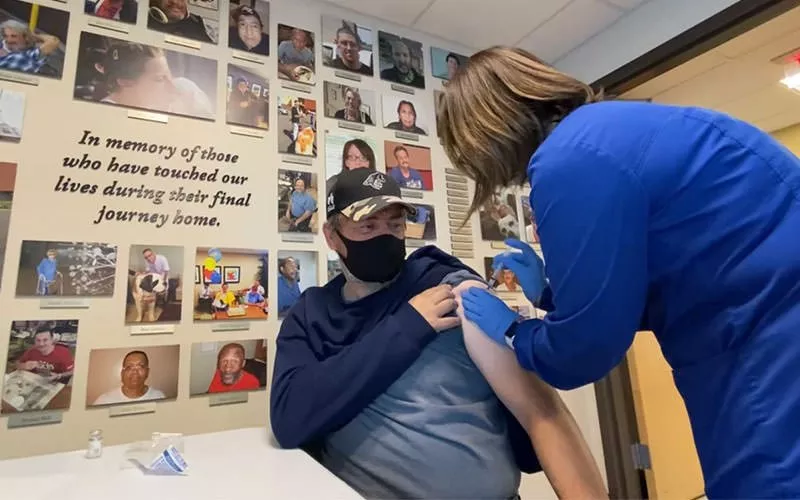
Foster survived the illness with the aid of health services provided by Phoenix-based nonprofit Circle the City and became the first patient in the organization’s care to receive the COVID-19 vaccine back on Jan. 21.
Foster is part of a small segment of the homeless population in the Southwest who have begun getting the vaccine, but organizations serving the homeless elsewhere are facing challenges in inoculating the at-risk populations they serve.
In Los Angeles, providers are eagerly awaiting news of when vaccines will be available – and they face a steep challenge.
Recent data suggests there are more than 66,000 homeless people in Los Angeles County, and there were more than 7,400 homeless people in Maricopa County in a count from last January. Many of these individuals are at high risk of catching COVID-19 because of unsanitary living conditions.
With that many individuals to account for, it poses a major logistical question as to how to most effectively and efficiently vaccinate such a large, high-risk population.
In the past two weeks, Circle the City has received 400 doses of the Moderna vaccine to distribute among its four locations in Maricopa County, according to community liaison Marty Hames.
Monday, February 1, 2021
WASHINGTON – President Joe Biden’s order that the Justice Department stop contracting with private prisons could eventually affect thousands of inmates – but not the roughly 3,000 immigrants being held in private facilities in Arizona.
Biden said Tuesday that his executive order is part of an effort to promote racial equity and is needed to “stop corporations from profiteering off of incarcerating” people in facilities that he said are less humane and less safe.
But the order only applies to the Justice Department, which contracts with private firms to operate 12 prisons housing about 14,000 inmates nationwide. It does not affect Immigration and Customs Enforcement contracts with companies that hold immigrants awaiting hearings or deportation.
ICE’s Phoenix field office has contracts to hold immigrants at four facilities in Arizona: the Central Arizona and Eloy detention centers and the Florence and La Palma correctional centers, all run by CoreCivic Inc. The average daily detainee population for those units combined was 3,070 at the end of fiscal 2020, according to ICE data.
Thursday, January 28, 2021
Monday, January 25, 2021
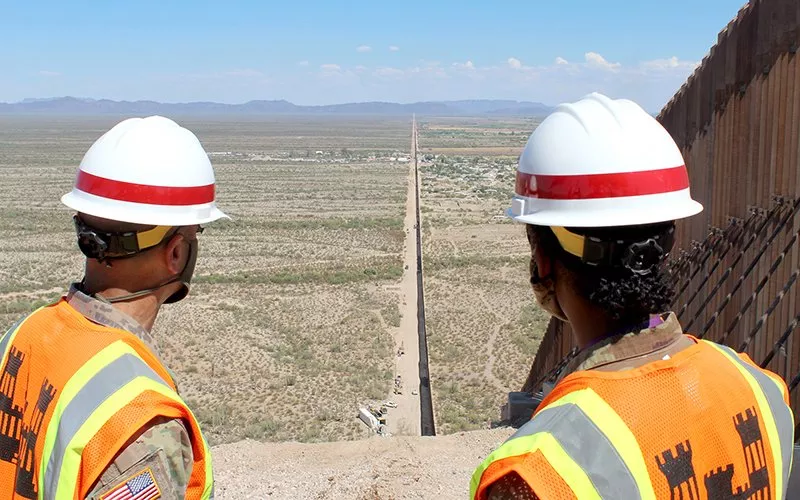
WASHINGTON – President Joe Biden made good on a campaign promise within hours of his swearing-in this week, ordering a pause in construction of the border wall and a plan for how to redirect wall funding.
Opponents of the wall called the executive order “a huge win.” But they also said it is not the end of the fight, noting that Biden’s order allows a week for construction to actually come to a halt and directs agencies to evaluate contractual and legal obligations for the wall.
“For the short-term, foreseeable amount of time, we’re just going to be in a status quo,” said Brett Hartl, government affairs director for the Center for Biological Diversity. “They won’t build anymore, they won’t necessarily take any down, and they’ll look at the problem seriously.”
Tricia Cortez, founding member of the #NoBorderWall coalition, called Biden’s move “a significant first step, but we also know that there is more work to be done.”
Friday, January 22, 2021

WASHINGTON – In one of his last acts as president, Donald Trump on Wednesday pardoned two Arizonans, including former Rep. Rick Renzi who was convicted of extortion, racketeering and other charges while representing the 1st District in Congress.
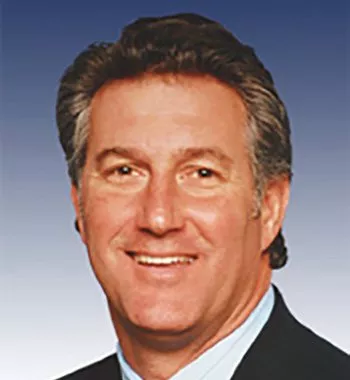
The pardons – including one for Scott Connor Crosby, a one-time bank robber who supporters say has turned his life around – were among 73 pardons and 70 sentence commutations Trump issued Wednesday morning.
Renzi’s pardon was called for by Rep. Paul Gosar, R-Prescott, and a slew of former House members who cited Renzi’s family and his service to constituents while in office in urging clemency.
Gosar did not respond to a request for comment on Renzi’s pardon Wednesday. But others criticized the flurry of pardons, which included former Trump associates, as “offensive, but not surprising.”
Thursday, January 21, 2021
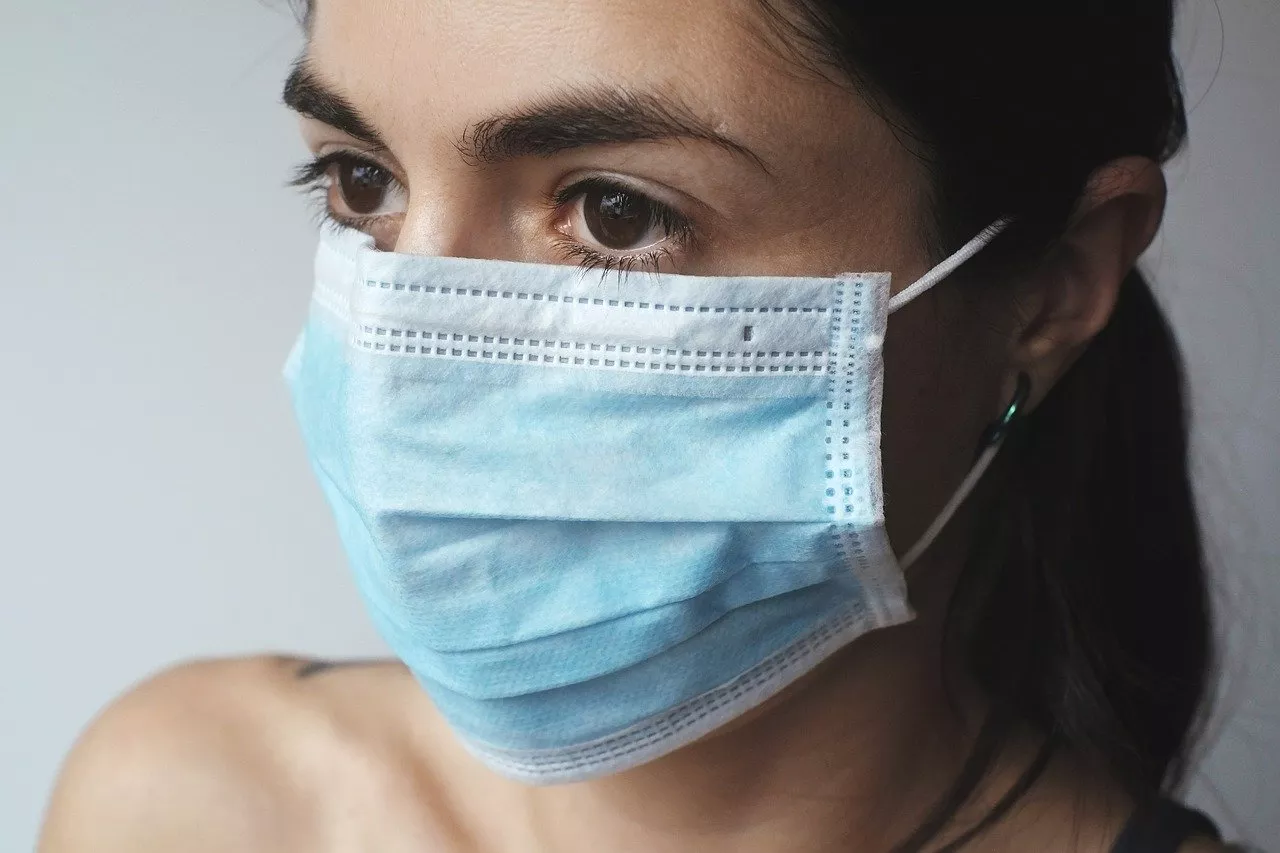
As Arizona health officials scramble to speed up rollout of the life-saving COVID-19 vaccine, the deadly virus is still spreading rapidly. Over 12,500 Arizonans have died, and we are seeing more than 9,000 new infections daily. The outbreak in Arizona is the worst in the nation, with one in every 147 residents being infected as of 1/21/2021. The clock is ticking and the time for action is now.
Even under the best circumstances, it will take a year or more for a vaccine to be fully effective. In the meantime, we can save lives with aggressive public health measures. No arena is more important than Arizona workplaces, a dangerous source of COVID hotspots which then spread to our neighborhoods and communities.
We need enforceable emergency workplace standards and worker safety committees to monitor and implement worksite COVID protection plans. Workplaces can play a significant role in turning the economy around to create a safe environment for everyone. Unfortunately, many workplaces remain unsafe, endangering frontline workers and the public they serve.
Our government offices have been impacted by this disease: A top county health official, unemployment staffers and county employees have contracted COVID-19 in their workplaces. Healthcare workers and their support staff are stretched thin and exhausted, grocery, retail and postal workers are exposed to risk of infection on a daily basis. All of us rely on these workers, who don’t have the option to stay at home, and we all need to be involved in demanding that employers and the government do more to keep them safe.
If we want to flatten the curve of new virus cases, employers must take every step possible to implement safety controls to reduce contact with the public and co-workers. Companies like Amazon, with a deplorable record of putting workers in unsafe environments, must involve workers in safety plans, instead of fighting worker efforts to have a voice in the workplace. Every job can be protected, if management develops a plan with input from workers, who know their own jobs and can come up with solutions to reduce exposure.
Innovative approaches to reducing contact between workers and the public include remote working whenever possible, barriers for cashiers, staggering service hours, and reducing the number of shoppers to allow for social distancing. In-person work requires detailed planning and implementation of COVID protection programs. These controls have been adopted in some workplaces, frequently only because workers took the initiative to protest unsafe conditions.
Gov. Ducey recently chose to protect himself from the risk of infection by delivering his state of the state address from inside his own office, instead of in front of the legislature. But instead of protecting frontline workers who can’t work in isolation, his backwards response has focused on protecting business at the expense of workers and community health. This will not preserve jobs and actually makes it more difficult to rebound to a healthy business climate.
Fourteen states and local communities around the country have enacted new protections to assist both workers and employers in implementing COVID protection programs. The Arizona Department of Occupational Safety and Health [ADOSH] has the legal authority to enforce compliance if there is a new standard. We can’t wait any longer to take positive steps to make workplaces safe for everyone. Workers have been the engine driving our efforts to control the virus and deserve to be protected. Protecting them helps protect our communities.
Mr. Valencia is chair of Tucson Jobs with Justice. Mr. Dooley, a certified industrial hygienist (CIH), is safety and health senior project coordinator for the National Council of Occupational Safety and Health (National COSH). Shannon Foley is with IATSE Local Union 415
Arizona COSH is a new worker safety advocacy organization to promote safe jobs for all workers in Arizona. Visit nationalcosh.org for more information or contact [email protected]

