Monday, November 8, 2021
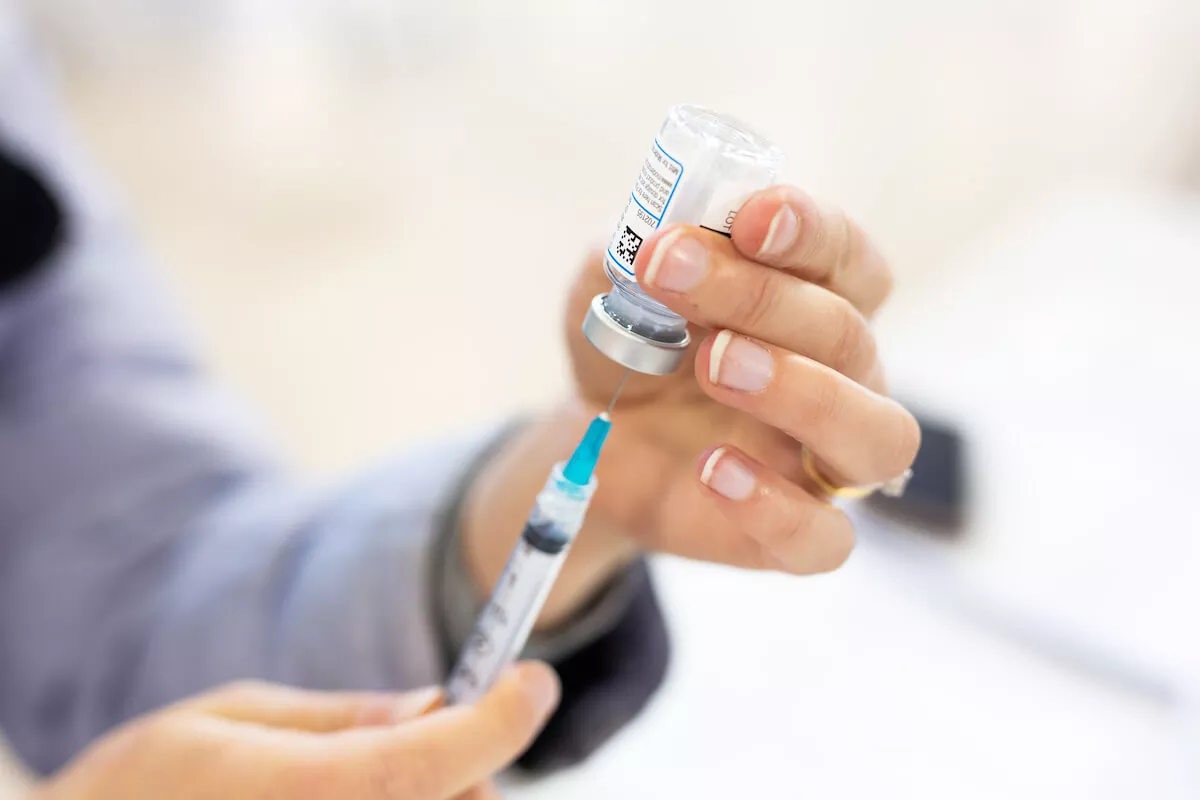
The Pima County Health Department began offering Pfizer COVID-19 pediatric vaccine shots to children ages 5 through 11 at its East, North and Theresa Lee clinics in Tucson on Nov. 5.
Vaccinations are free. No identification is required, but children receiving the vaccine must have the consent of a parent or legal guardian. Masks must be worn inside the clinics.
Appointments are strongly recommended, but vaccinations can be provided on a walk-in basis. Call the clinics to make appointments.
East Clinic, 6920 E. Broadway, 520-724-9650
- Monday, Thursday: 8 a.m.-7 p.m.
- Tuesday: 8 a.m. to noon
- Friday: 8 a.m.-5 p.m.
North Clinic: 3550 N. First Ave., 520-724-2880
- Monday: 8 a.m.-noon
- Wednesday, Friday: 8 a.m.-7 p.m.
- Thursday: 8 a.m.-5 p.m.
Theresa Lee Health Center, 1493 W. Commerce Court, 520-724-7900
Monday, Tuesday: 8 a.m.-7 p.m.
- Wednesday: 1-5 p.m.
- Friday: 8 a.m.-5 p.m.
PCHD expects to offer vaccinations for 5- to 11-year-olds at additional locations, including the Abrams Public Health Center and numerous school sites, starting Monday, Nov. 8. Information on COVID-19 vaccinations for all age groups can be found at pima.gov/covid19vaccine.
Monday, November 1, 2021

Thursday, October 14, 2021

Thursday, October 7, 2021

WASHINGTON – Robocalls to Arizonans dropped by more than 3 million in July, to about 84.4 million for the month, as the first phase of a new federal mandate took effect that requires phone companies to implement anti-robocall measures.
But consumer advocates say phone carriers could be doing more.
A report last month by the U.S. Public Interest Research Group Education Fund found that just 16 of the 49 largest phone companies in the country had fully implemented the STIR/SHAKEN technology by a Sept. 28 deadline, and another 18 had partially implemented it.
In Arizona, of the 18 that reported to the Federal Communications Commission, seven said they had completely integrated the system and 11 had partially done so. Another provider in the state had not reported to the FCC by Sept. 28, USPIRG said.
The FCC regulation gave the five largest carriers a June 30 deadline to install the STIR (Secure Telephone Identity Revisited)/SHAKEN (Signature-based Handling of Asserted Information Using toKENs) system, which lets providers authenticate caller ID in an attempt to reduce spoofed robocalls. Smaller carriers were given until Sept. 28 to report their progress on the new program.
The FCC did not respond to calls on the progress of the providers. But Diane Brown, executive director of ArizonaPIRG Education Fund, said the companies are falling short.
“Our research documented that over half of the companies that reported their status to the Federal Communications Commission were not using the industry standards, but instead were using their own methods to manage robocalls,” Brown said.
“Companies should always use the highest standard to protect consumers,” which Brown said is STIR/SHAKEN.
That was echoed by YouMail CEO Alex Quilici.
“It’s definitely not enough for these guys to create their own plan,” said Quilici, whose company tracks spam and robocalls.
Wednesday, September 29, 2021
Thursday, September 16, 2021

PHOENIX – Some households have suffered serious threats to their health that went beyond COVID-19 over the past 18 months: domestic violence. Arizona has the fifth-highest rate of domestic violence in the country, according to the World Population Review, and throughout the pandemic, domestic violence calls and fatalities in metro Phoenix continued to rise.
According to the Arizona Coalition to End Sexual and Domestic Violence, 102 domestic violence fatalities were reported in 2020, and 48 in the first six months of this year. Shelters for victims, which saw unused beds last year, are filling up again around the Phoenix area.
What does this mean for domestic violence as Arizonans attempt to get back to normal? Experts agree the pandemic had scant impact on the high rates of violence, and they don’t expect those rates to fall anytime soon.
“I think it’s really important for the community to understand that COVID and the pandemic did not cause domestic violence,” said Myriah Mhoon, CEO of New Life Center. “It became a catalyst of aggravating power-control dynamics that were already existing or that started to exist.”
Jenna Panas, CEO of the Arizona Coalition to End Sexual and Domestic Violence, said calls to its Arizona Sexual and Domestic Violence helpline increased 40% to 60% during the pandemic.
However, many victims found it challenging to seek services while confined in the same homes as their abusers, and beds at domestic violence shelters began to open up. The New Life Center is the largest domestic violence shelter in Arizona, and its 104 beds were underutilized during the pandemic.
“It was the first time that we were sitting sometimes weeks if not close to a month of beds not being filled,” Mhoon said.
Thursday, September 9, 2021
Tuesday, September 7, 2021
Thursday, September 2, 2021
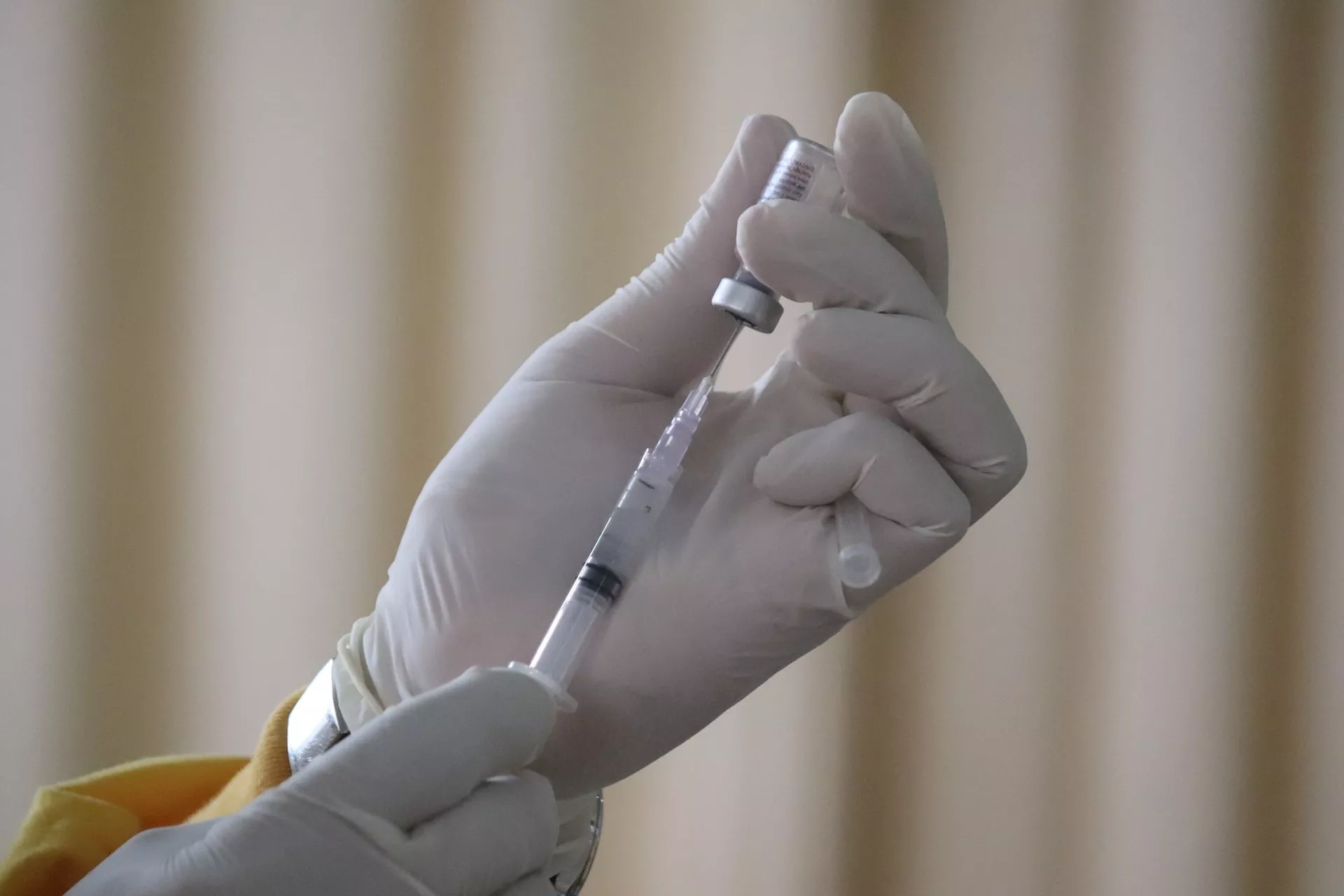
Pima County health officials warned this week that COVID cases are rising among children 11 and under—a population that remains ineligible for vaccines.
The increase comes about a month after most schools reopened for the fall semester, leading to an increase in cases by 16.5% over the last week.
Kids between 12 and 19 had COVID case growth of 11.7%, said Pima County Chief Medical Officer Dr. Francisco Garcia. The FDA authorized the Pfizer COVID vaccine to be offered to children 12 and older on May 10, expanding possible vaccination coverage in Pima County.
Garcia reported that 73.1% of vaccine-eligible populations (12 and older) have at least one dose of vaccine.
Garcia said the greatest rise in reported COVID cases came from young and middle aged adults.
“We see the greatest growth in this middle age group 20 to 44, there were 858 additional cases, representing 41% of the total cases from one week to the next,” Garcia said.
Garcia’s assessment was echoed by Banner Health Chief Clinical Officer Dr. Marjorie Bessel, who said that a majority of COVID patients at Banner Health are in the 20 to 65 age group—and 90% are unvaccinated.
Bessel asked the public to consider getting the vaccine even if they had COVID once before.
“Studies have shown that reinfection rates are 2.34 times more likely in those who remain unvaccinated, which is why vaccination is still recommended by the CDC and medical community even if you’ve had COVID,” Bessel said.
Getting the vaccine is especially important as the Delta variant takes America by storm. Bessel reported that the Delta variant accounts for 99.1% of all coronavirus circulating in the United States.
Wednesday, August 25, 2021