Wednesday, June 24, 2020
The in-custody death was just revealed yesterday, June 23, and has been met with outrage from the Tucson community. A medical examiner’s report determined Ingram-Lopez suffered cardiac arrest from a combination of physical restraint by the officers involved and acute cocaine intoxication.
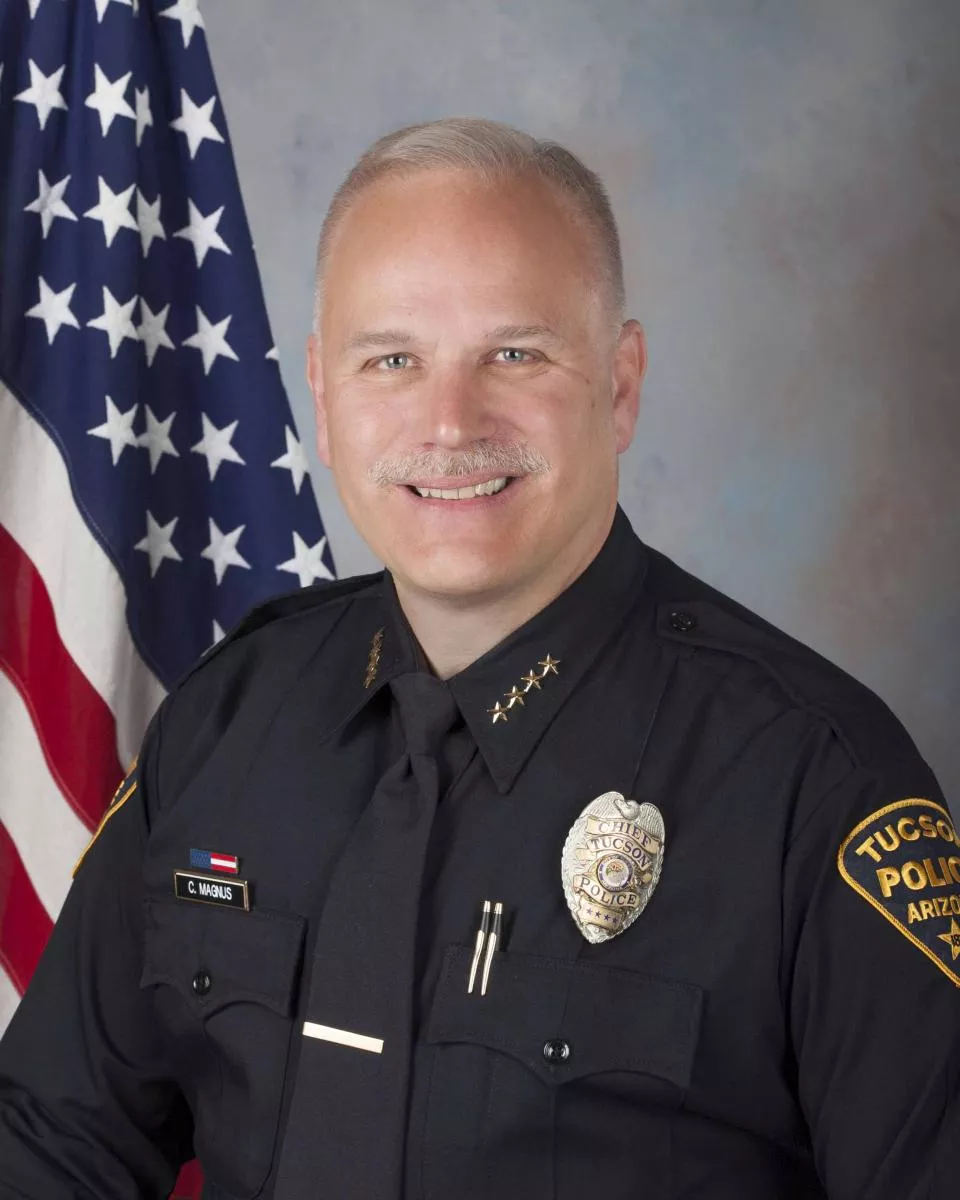
During a Wednesday press conference discussing details of the event, Tucson Police Chief Chris Magnus offered his resignation to Mayor Regina Romero and called for “full accountability” within the department. Romero said she was not expecting Magnus' offer to resign and would have to consider it before commenting further.
Magnus said the three officers involved in detaining Ingram-Lopez violated department policies for interacting with people who are in mental distress or under the influence of drugs. All three officers have resigned; Magnus added that they would have been fired otherwise for “multiple policy violations.”
Magnus said Ingram-Lopez’s grandmother called 911 at 1 a.m. on April 21 to report that her grandson was “drunk, yelling and running naked.”
Body camera footage shows officers arriving at the home and screaming at Ingram-Lopez to “get on the fucking ground.” Ingram-Lopez is shown running to the garage, where officers handcuff him behind his back and lay him face-down on the floor.
The audio captures Ingram-Lopez screaming in distress, saying repeatedly “no,” “please” and “I’m sorry.” Magnus said Ingram-Lopez was “highly erratic” at the beginning of the encounter, but became more compliant.

The recent protests sparked by the death of George Floyd (as well as Breonna Taylor and many other people of color) have affected families with young children in many different ways. Some children are seeing protests in their own neighborhoods. Others are hearing their families talk about the protests or they are seeing news coverage. Many children are aware that adults in their lives are upset and anxious, but they may not know why.
The focus of this article is on how to talk with young children about these current events and, especially, how to reassure children who might feel confused, frightened, or worried. How parents talk with their children about the protests will certainly be influenced by each family’s lived experience with racism and their beliefs about how change happens. Research shows that parents of color are significantly more likely to talk with their children about race than their white peers. In some families, especially for people of color, a discussion about the protests may take place in the context of frequent ongoing conversations about racism. For families who have experienced the trauma of racism directly, what’s happening now may make those conversations more urgent and difficult. In other families, especially white families, this may be the first time parents have discussed racism with their children. All children are impacted by racism in one way or another and most children will benefit from an opportunity to talk with their families about what’s happening. For more in-depth guidance about how to talk with children about racism, see the suggested resources listed at the end of the article.
Friday, June 19, 2020

Since May, the Trump administration has paid a fledgling Texas company $7.3 million for test tubes needed in tracking the spread of the coronavirus nationwide. But, instead of the standard vials, Fillakit LLC has supplied plastic tubes made for bottling soda, which state health officials say are unusable.
The state officials say that these “preforms,” which are designed to be expanded with heat and pressure into 2-liter soda bottles, don’t fit the racks used in laboratory analysis of test samples. Even if the bottles were the right size, experts say, the company’s process likely contaminated the tubes and could yield false test results. Fillakit employees, some not wearing masks, gathered the miniature soda bottles with snow shovels and dumped them into plastic bins before squirting saline into them, all in the open air, according to former employees and ProPublica’s observation of the company’s operations.
“It wasn’t even clean, let alone sterile,” said Teresa Green, a retired science teacher who worked at Fillakit’s makeshift warehouse outside of Houston for two weeks before leaving out of frustration.
Wednesday, June 17, 2020
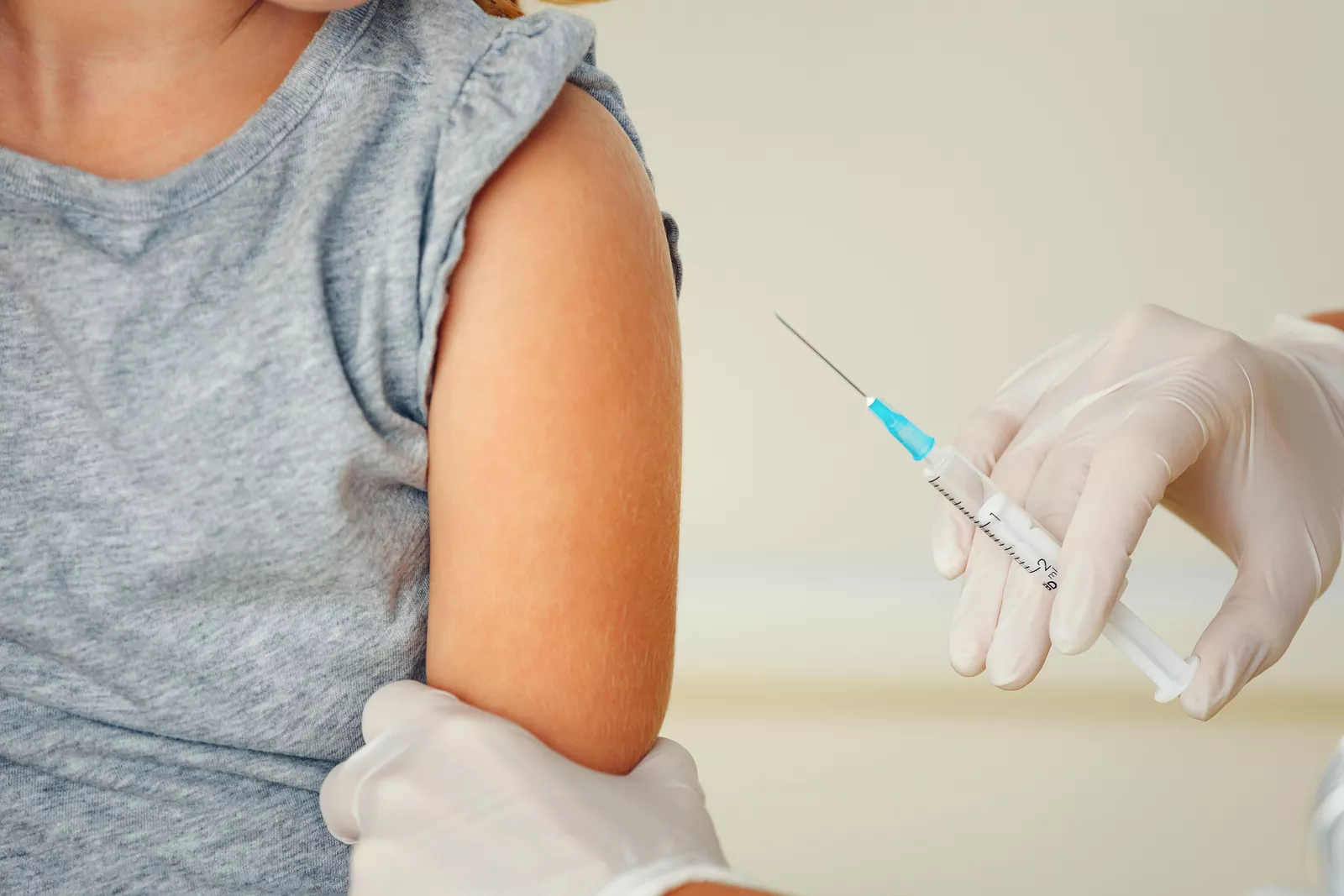
It’s been six months since researchers in China said they had identified a novel coronavirus spreading in the city of Wuhan. Hope and desire for a vaccine to end the global devastation is growing with each passing week.
Almost every day, I hear people making plans around the eventual arrival of a coronavirus vaccine — office reopenings, rescheduled weddings, family reunions and international travel. In recent weeks, colleagues and friends have asked me with growing urgency: “When will we have a vaccine? Will it be any good?”
Friday, June 12, 2020
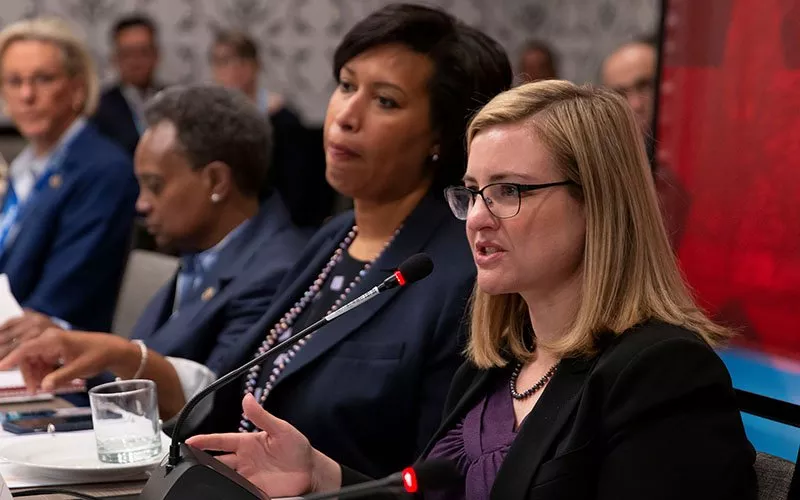
WASHINGTON – Cities were already grappling with the health and economic impact of COVID-19 when protests uncovered what one mayor Thursday called the “second pandemic” – a fractured police relationship with minority communities.
The comments came in a virtual roundtable discussion with mayors from across the country, including Phoenix Mayor Kate Gallego, who were asked to talk about “national unrest amid COVID-19 pandemic.”
Gallego was joined by mayors of Atlanta, Stockton, California, and Newark, New Jersey, who split the hour-long conversation evenly between cops and the coronavirus. While the discussion was wide-ranging, the mayors agreed on one thing: It’s a challenging time.
“It has been quite a few two weeks in Phoenix, Arizona,” Gallego said during the event, which was sponsored by the Center for American Progress. “We have been having robust conversations with the police department and our community.”
Cities across the country were rocked in recent weeks by protests over George Floyd’s May 25 killing at the hands of Minneapolis police officers, one of whom knelt one Floyd’s neck for almost 9 minutes despite pleas that he could not breathe.
A number of those protests erupted into clashes with police, with some protesters taking up “defund the police” as a rallying cry.
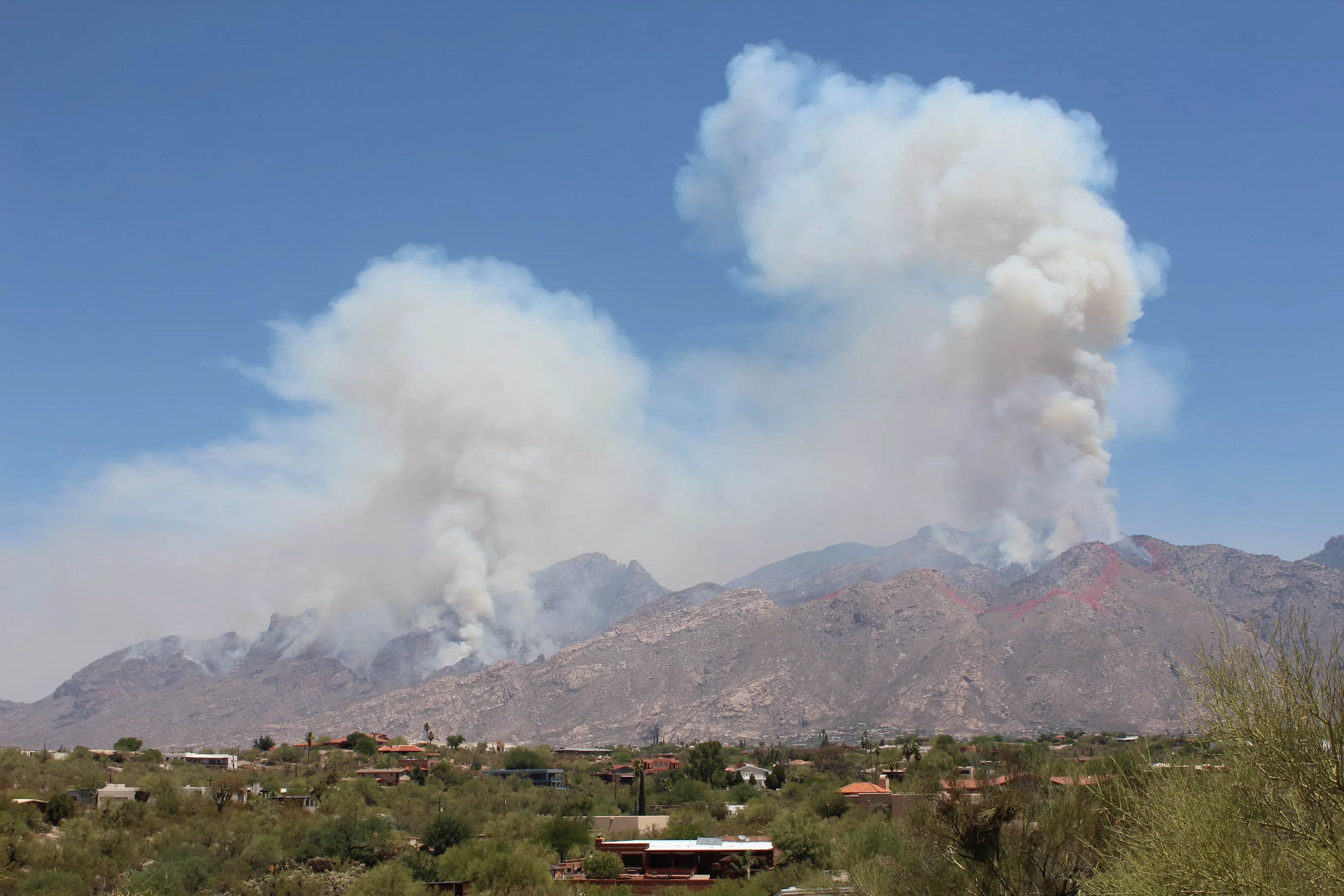
After battling the Bighorn Fire on the slopes of the Catalina Mountains, fire crews will experience the highest temperatures yet today, at 107 degrees. This gusty and hot weather is one of the main reasons the Bighorn Fire is so difficult to manage; it has remained at 10 percent contained for multiple days and has grown almost a thousand acres every day since a lightning storm first ignited it on June 5.
Tags: fire , bighorn , police , burning , evacuation , update , Image
Thursday, June 11, 2020
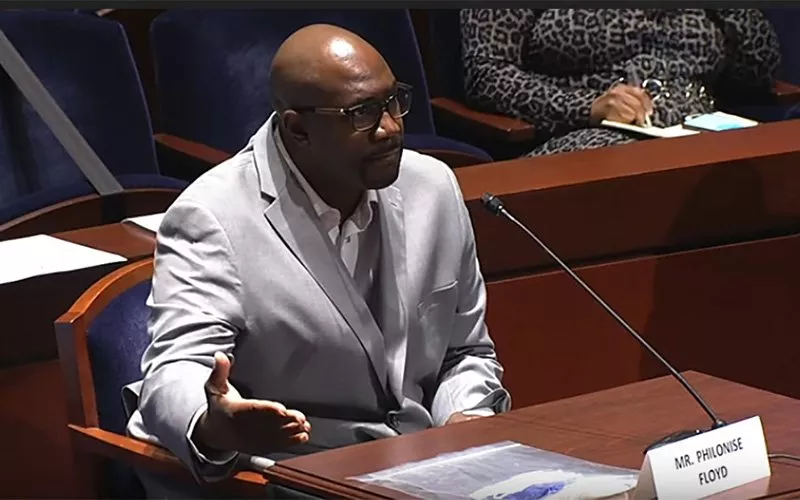
“People have come together to make change,” said Philonise Floyd, the lead witness in a daylong hearing by the House Judiciary Committee on police practices and accountability.
That hearing also included testimony from the widow of a police officer who was shot and killed during an Oakland protest, civil rights advocates, lawyers and criminal justice experts.
The hearing came two weeks after the release of videos that showed Minneapolis police officers kneeling on George Floyd for almost 9 minutes, with one officer pressing his knee into Floyd’s neck despite his repeated pleas that he could not breathe.
Floyd’s death sparked days of protests around the country and the world, with protesters taking up “I can’t breathe” and “defund the police” as a rallying cry.
Philonise Floyd, testifying one day after his brother’s funeral, was mostly composed and the mood at the hearing was respectful. But while lawmakers agreed on the need for reform they disagreed on how to get there.
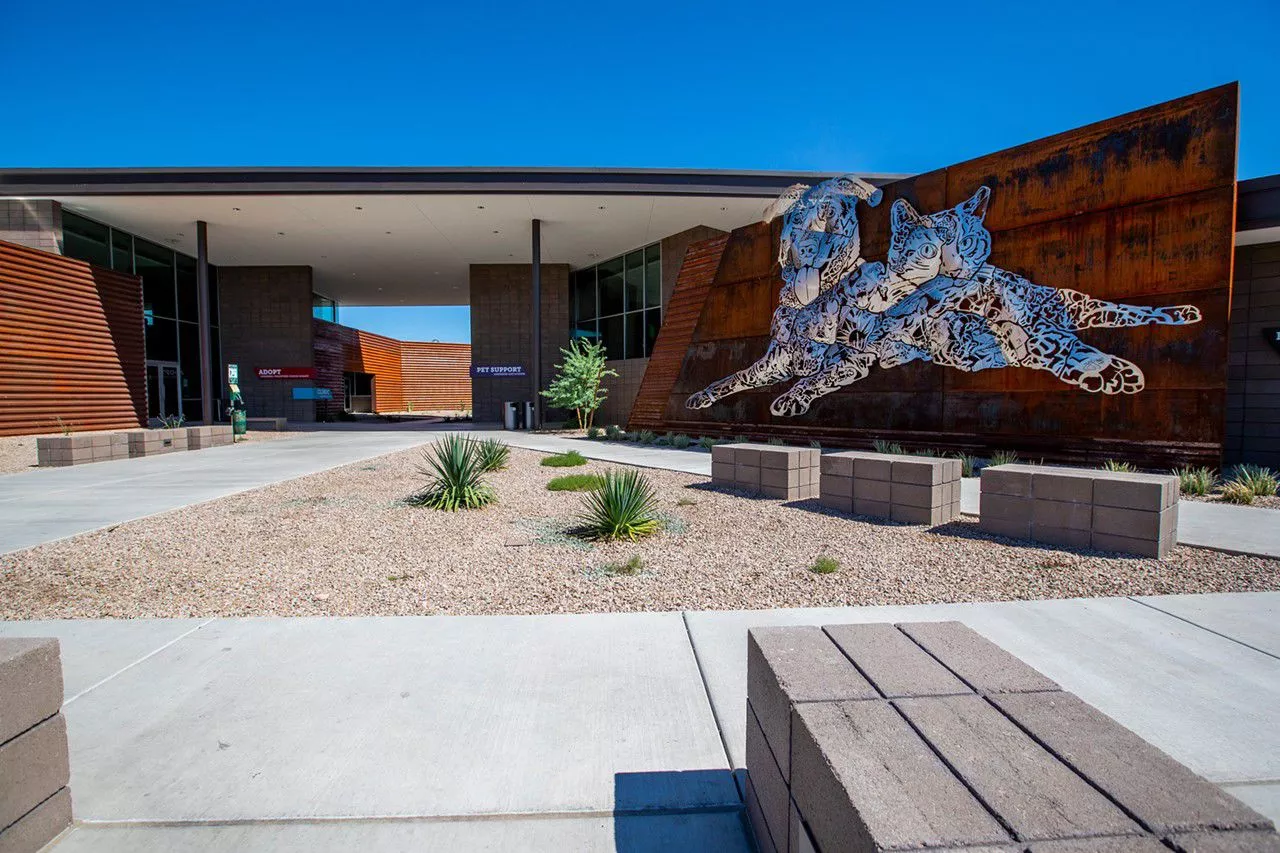
“When you are in the middle of an emergency it can be overwhelming to figure out the best way to take care of your family and pets,” said Director of Animal Services Kristen Hassen, in a press release. “We want to put folks at ease by helping them with their pets so that they can focus on other things like taking care of the humans in their family.”
Anyone who needs to make arrangements for their furry friends can call PACC at (520) 724-5961. Room will be made in the facility’s kennels, which has space available due to a high number of fosters.
“Pets are family,” Hassen said. “The shelter is already working hard to make sure these evacuated pets get plenty of enrichment while in our care.”
Residents can bring their dogs, cats, birds, gerbils, hamsters and more. PACC is also working with the Pima County Fairgrounds for additional space. Those with livestock may contact Martina Gonzales at the Rillito Racetrack at (520) 419-2369.
For information about the Bighorn Fire, click here.
Wednesday, June 10, 2020
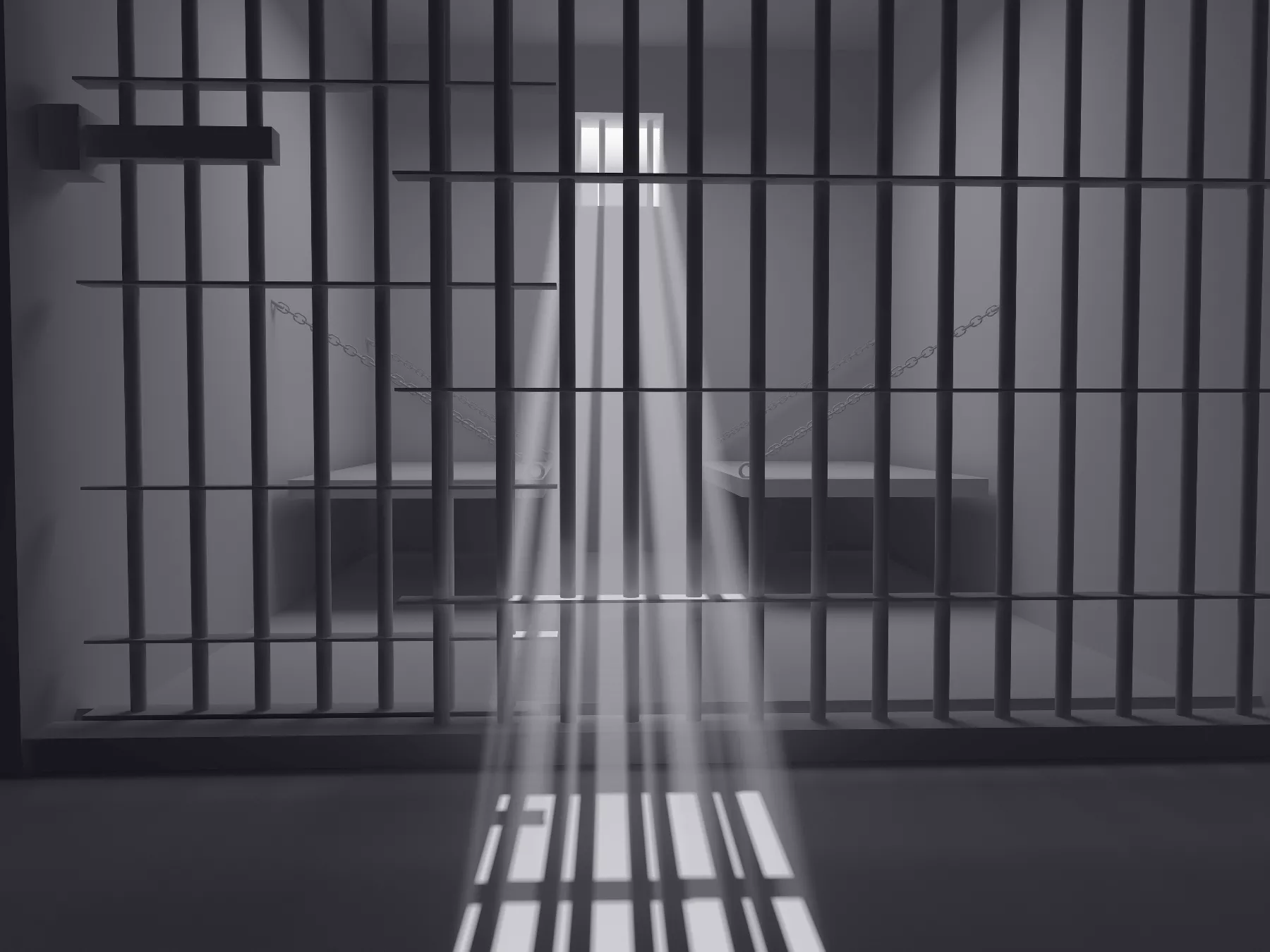
The Eighth Amendment to the Constitution of the United States prohibits cruel and unusual punishment. It states: “Excessive bail shall not be required, nor excessive fines imposed, nor cruel and unusual punishments inflicted.”
The Supreme Court has construed “cruel and unusual punishments” to include certain forms of torture, such as drawing and quartering. Yet the Court has allowed the death penalty – which is still legal in dozens of states – to continue, with some restrictions. In sum, the Eighth Amendment prohibits criminal punishments that are very harmful to prisoners and also rare or unprecedented.
Right now, over two million inmates sit locked inside US prisons, where the novel coronavirus is rapidly spreading. They are confined in close quarters and typically unable to practice physical distancing. They are, moreover, at the mercy of prison officials when it comes to receiving protective equipment and medical attention. A huge percentage of these prisoners will be infected by the virus. A subset of those infected will get severe symptoms. And a subset of those with severe symptoms will die. Each and every inmate will suffer the torment of not knowing where she or he will ultimately fit into that equation.
Is confining people under these deadly and unprecedented conditions cruel and unusual punishment? Put another way: Is imprisonment during the coronavirus very harmful to prisoners and also unprecedented?
Yes, of course.
Tags: maga , trump , conspiracy , protest , push , police , political , cartoon , Image