
Thursday, April 16, 2020

In recent weeks, residents outside Boston have died at home much more often than usual. In Detroit, authorities are responding to nearly four times the number of reports of dead bodies. And in New York, city officials are recording more than 200 home deaths per day — a nearly sixfold increase from recent years.
As of Tuesday afternoon, the United States had logged more than 592,000 cases of COVID-19 and more than 24,000 deaths, the most in the world, according to the Center for Systems Science and Engineering at Johns Hopkins University. But the official COVID-19 death count may, at least for now, be missing fatalities that are occurring outside of hospitals, data and interviews show. Cities are increasingly showing signs of Americans succumbing to the coronavirus in their own beds.
ProPublica requested death data from several major metropolitan areas. Its review provides an early look at the pandemic’s hidden toll.
Experts say it’s possible that some of the jump in at-home death stems from people infected by the virus who either didn’t seek treatment or did but were instructed to shelter in place, and that the undercount is exacerbated by lack of comprehensive testing. It’s also possible that the increase in at-home deaths reflects people dying from other ailments like heart attacks because they couldn’t get to a hospital or refused to go, fearful they’d contract COVID-19.

The cancellation of elective procedures meant to free up beds for potential coronavirus patients, combined with a drop in emergency room visits, has deprived hospitals of the “cash cows” they need to stay afloat in an industry that otherwise has margins of only 3-4%, advocates said.
The result is health care centers in financial distress, at risk of closing or reducing staff, said Dr. Daniel Derksen, director of the Arizona Center for Rural Health at the University of Arizona.
“If you don’t have the revenues to support paying your nurses and physicians and staff and transport, lab, imaging, X-rays, those types of things, it creates just an untenable situation,” Derksen said.
Wednesday, April 15, 2020
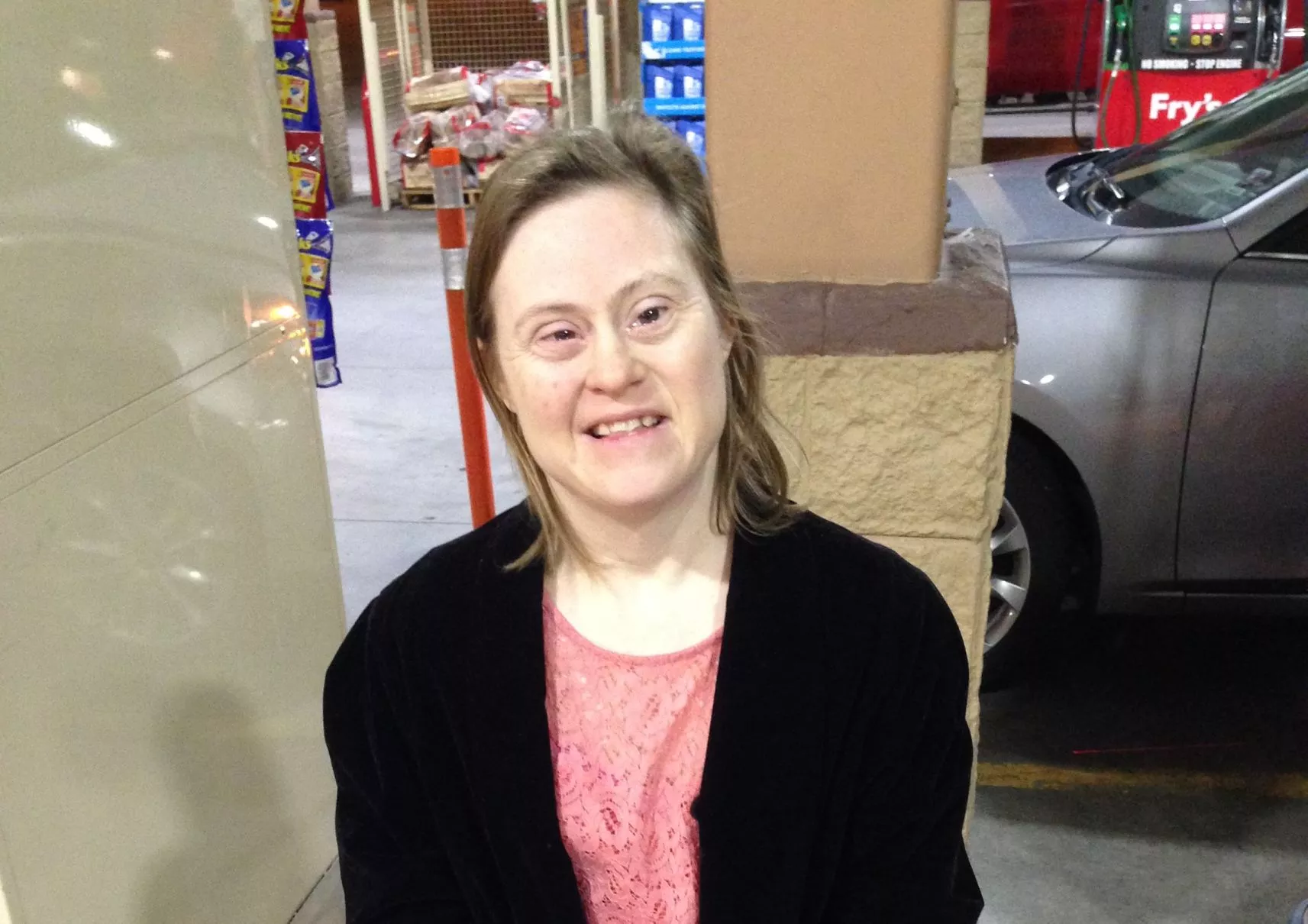
Galloway, 39, who had Down syndrome, was last seen more than a year ago, on March 21, 2019, in the 10600 block of West Massingale Road. Her remains were found in the desert area northeast of Anthony and Massingale roads on Feb. 12, 2020.
A hiker first found parts of leg bones and alerted the Pima County Sheriff’s Office. Law enforcement officials recovered additional skeletal remains “consistent in morphology and degree of weathering” to the arm bones. Galloway was later ID’d via dental records.
The search for Galloway lasted weeks, and included several local law enforcement agencies as well as the Department of Homeland Security.
No cause of death was determined and no obvious signs of trauma were found, though a forensic anthropology report indicates that postmortem animal activity took place (as determined by gnawed bones).
Thursday, April 2, 2020

As much as we'd all love to believe that all of us are doing what we can to keep each other safe and well, there are those out there who don't care about anyone but themselves. Scummy scammers who take advantage of people's fear during times of chaos are some of the lowest in the barrel, but unfortunately, they're out there—pandemic or not.
Today the IRS has warned about scammers who trying to use the COVID-19 outbreak to scam people by tricking them about the upcoming government stimulus checks via various forms of communication, including texting, emails, websites, and social media to reach people who are vulnerable. Here's the deal: If someone calls you and asks you sign over your stimulus check, don't do it!
Here's the IRS release:
Tags: scam , irs , stimulus , economic , impact , payments , scammers , Image
Thursday, March 26, 2020

The first was a woman in her 50s who also had underlying health conditions.
“It is an upsetting reality that we will continue to see the number of cases and, sadly deaths, continue as we confront this outbreak,” said Paula Mandel, Deputy Director of the Health Department, in a statement. “Please remember, we all have a role to play in protecting people who are at high risk for severe outcomes, protecting our healthcare system from being overrun, and protecting ourselves to keep those around us safe.”
Wednesday, March 25, 2020

About 140 people currently locked up in Pima County jail could receive an expedited release, thanks to an all-hands-on-deck effort from local criminal justice agencies over the weekend.
Last week Pima County Public Defender Joel Feinman sent a memo to other criminal justice agencies urging a move to release as many nonviolent defendants from the jail as possible, given the COVID-19 health emergency.
COVID-19, also known as the Coronavirus, is a highly contagious disease that can flourish inside jails in prisons.
“There is ample scientific evidence that talks about why this population is more vulnerable to the disease,” Feinman said. “This disease flourishes in conditions of overcrowding, where people are living together in very close quarters, where they have substandard health care, and where there are not as rigorous cleaning protocols in place. You basically just defined jails and prisons across the country.”
The Pima County Attorney’s Office asked the public defenders to generate a list of all defendants they believe should be released. These are individuals considered not dangerous to the community, and are most often facing low-level drug possession charges.
The defendants fall into two categories: those who are awaiting hearings on petitions to revoke probation, and those who are in custody awaiting their trial and have not been convicted.
People who do not have the financial resources to pay their bail must stay in custody until their trial, meaning the people who are at a higher risk of being exposed to COVID-19 are most commonly poor people.
“Given that so many of them are charged with nonviolent drug offenses, and the overwhelming majority of them are in jail because they’re too impoverished to pay for their bail, it’s inhuman to condemn people to illness and death because they can’t afford to post $1,000 bail on a drug possession case,” Feinman said. “It’s simply inhuman.”
Tags: COVID19 , Coronavirus , Jail , Release , Public Defender , Pima County Attorney's Office , Joel Feinman , Amelia Cramer , Image
Tuesday, March 24, 2020

The Pima County Health Department yesterday reported the first death due to COVID-19 in Pima County: a woman in her 50s with underlying health conditions.
In Maricopa County, the number on confirmed COVID-19 cases jumped from 139 to 199.
A total of 5 people in Arizona have died after being being infected by COVID-19, a highly infectious virus that is sweeping cities in the United States and across the globe.
The rise in cases corresponds with increased testing for COVID-19 but health officials warn that far more people have likely been exposed to the virus. Symptoms can take up to 14 days to appear, so people can pass the virus without realizing they have been infected with it. Some people remain entirely asymptotic but are carriers.
Yesterday, Banner Health officials warned against self-medicating to prevent or treat COVID-19 after a couple in their 60s ingested chloroquine phosphate, a chemical used to clean fish tanks. It took less than half an hour for them to need medical aid. The man died and the woman remains in critical condition.
President Donald Trump has hailed chloroquine, which is sometimes used to treat malaria, as a treatment for COVID-19.
“Given the uncertainty around COVID-19, we understand that people are trying to find new ways to prevent or treat this virus, but self-medicating is not the way to do so,” said Dr. Daniel Brooks, Banner Poison and Drug Information Center medical director, in a prepared statement. “The last thing that we want right now is to inundate our emergency departments with patients who believe they found a vague and risky solution that could potentially jeopardize their health.”
As COVID-19 has spread, local and state officials limited restaurants to take-out and delivery services in counties where cases of the virus have been confirmed. Here's a partial list of Tucson-area restaurants offering take-out and delivery services.
In the face of the spreading virus, Gov. Doug Ducey has ordered schools closed through April 10. He has also ordered bars, gyms and theaters to be closed in any county with confirmed COVID-19 cases, halted all elective surgery to keep hospital beds available for COVID-19 patients and activated the National Guard to assist in grocery stores as Arizonans clear the shelves.
According to the CDC, COVID-19 symptoms typically occur two to 14 days after exposure, and include fever, cough and shortness of breath. However, some cases of the virus are entirely asymptomatic. Practices to avoid infection include social distancing (of at least six feet), washing your hands, avoiding unnecessary trips and not touching your face. COVID-19 can survive on cardboard for up to 24 hours, and on stainless steel and plastic surfaces up to three days.
If you think you have been exposed to COVID-19 and develop a fever, cough or difficulty breathing, speak with a healthcare provider for medical advice. According to the CDC, people who are mildly ill with COVID-19 are able to recover at home. Stay at home and avoid public transportation, but stay in touch with your doctor. If you do leave your home, wear a facemask and clean your hands often. If you develop more severe symptoms (persistent pain or pressure in the chest, confusion, bluish lips) get medical attention immediately. Your local health authorities will give instructions on checking your symptoms and reporting information.
Tags: covid19 , coronavirus , update , stats , arizona , Image
Monday, March 23, 2020

Last Monday, The City of Tucson also shut down their youth programs, KIDCO and SchoolzOut Camp, due to issues such as a lack of sanitation products at their sites. The programs will be shut down through at least April 10. The city plans to reevaluate opening the youth programs once schools reopen, according to Andy Squire, public information officer for the City of Tucson.
“From everything we are seeing, I would say it would be likely (youth program closures) would continue beyond that,” Squire said. “Child care is available in our community for folks both at the YMCA’s and the Boy’s and Girl’s Clubs.”
But slots could be hard to come by for many Tucsonans. Both The YMCA of Southern Arizona and the Boys and Girls Club of Tucson are prioritizing childcare for the children of first responders, health care workers and employees at grocery stores. The BGCT is “strictly providing emergency childcare to 60 children, ages 5-12, of essential and critical service community workers” at their Grant Road location, according to a press release.
BGCT is also working with TUSD Meal Services to supply breakfast and lunch to enrolled children. The YMCA is partnering with local private school lunch provider, Nutrition One, to offer breakfast, lunch and snack options for their enrollees.
The YMCA of Southern Arizona is also giving essential workers special preference for child care. Child care spots at the YMCA aren’t just for medical workers, but grocery store workers too, said Candis Martin for YMCA Southern Arizona.
Tags: childcare , tucson , coronavirus , YMCA , Boys and Girls Clubs , tucson news , arizona news , Image

Since older Americans are particularly vulnerable to coronavirus (COVID-19), I wanted to let you know the steps we’re taking to help our Medicare beneficiaries cope with the pandemic.
We’re warning Medicare beneficiaries that scammers may try to use this emergency to steal their Medicare number, banking information, or other personal data.
Unfortunately, scammers come out of the woodwork during times of uncertainty and change. So make sure you give your Medicare number only to your doctor, pharmacist, hospital, health insurer, or other trusted healthcare provider.
If someone calls you on the phone, says they’re from Medicare, and asks for your Medicare number or other personal information – just hang up.
Remember: Medicare never calls its beneficiaries to ask for or to “verify” Medicare numbers.
My agency finished removing Social Security numbers from all Medicare cards last year in order to reduce fraud and protect Medicare beneficiaries from identity theft. Even with this change, you should guard your Medicare card. Treat it like a credit card. Be sure to check your Medicare claim summaries for errors and questionable bills.
If you suspect Medicare fraud, please report it by calling Medicare’s toll-free customer service center at 1-800-MEDICARE (1-800-633-4227), or by visiting www.medicare.gov/fraud.
I also want to inform you what Medicare covers with regard to coronavirus.
If your doctor orders a COVID-19 test for you, Medicare covers all of the costs. You should not have any cost-sharing.
Medicare also covers all medically necessary hospitalizations. This includes extra days in the hospital for in-patients who were on the verge of being discharged, but were diagnosed with COVID-19 and had to stay longer under quarantine.
There's no vaccine for COVID-19 at this time. However, if one becomes available, Medicare will cover it.
If you have a Medicare Advantage Plan, you have the same benefits as people with Original Medicare. Medicare Advantage plans are now required to have the same cost-sharing for COVID-19 lab tests as Original Medicare: zero.
Medicare also recently expanded its coverage of telehealth services to enable beneficiaries across the country to receive a wider range of healthcare services from doctors without having to travel to a healthcare facility.
These changes allow beneficiaries to communicate with their doctors without having to physically go to a healthcare facility, thus cutting their risk of acquiring or spreading the virus. And frontline clinicians will be better able to stay safe themselves while treating people with Medicare.
Doctors, nurse practitioners, clinical psychologists, and licensed clinical social workers can deliver telehealth services via phone and video chat. Medicare beneficiaries can receive telehealth services in their home as well as in any healthcare facility, including a physician’s office, hospital, nursing home, or rural health clinic.
Telehealth services include routine office visits, mental health counseling, and preventive health screenings for cancer and other illnesses.
By helping healthcare institutions across the nation offer services remotely, telehealth can free up hospital emergency departments and doctors’ offices to deal with the most urgent COVID-19 cases. For example, you can talk with a doctor about your diabetes management or prescription refill without having to go to his or her office.
During this emergency, Medicare will pay for telehealth services at the same rates as in-person services, giving doctors and other clinicians an incentive to use this alternative and reserve their offices to treat those who truly require in-person care.
We know many Medicare beneficiaries are concerned about the spread of coronavirus and the threat it poses to their well-being. That’s why we’ve taken these rapid steps to ensure that the Medicare program continues to protect our beneficiaries while maintaining trusted access to care in these uncertain times.
Tags: medicare , medicaid , health , services , covid19 , Image
Wednesday, March 18, 2020

For Immediate Release
TOHONO O’ODHAM NATION TO TEMPORARILY SUSPEND GAMING OPERATIONSAction taken to Slow COVID‐19 Pandemic, Support Community Health
TUCSON, Ariz. ‐‐ Leaders of the Tohono O’odham Nation and the Tohono O’odham Gaming Enterprise
(TOGE) have made the decision to suspend their gaming operations temporarily. All Desert Diamond Casino properties will close beginning at 11:59 p.m. on Wednesday, March 18, 2020. As a responsible community partner, TOGE is taking this precautionary measure to assist public health efforts to slow the spread of the COVID‐19 coronavirus pandemic.
Tags: casino del sol , desert diamond , casinos , entertainment , events , to do , canceled , covid19 , Image