

Thursday, May 20, 2021
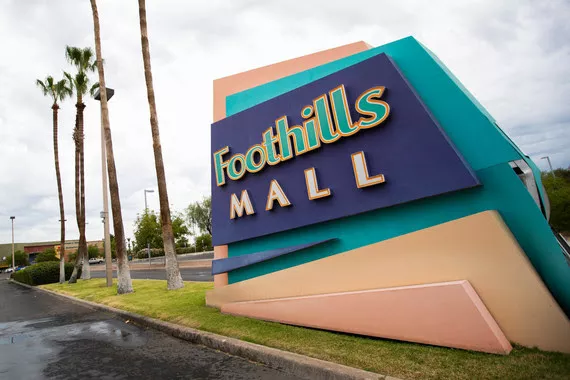
Pima County is expanding vaccine opportunities, offering daily walk-in vaccinations at Foothills Mall.
On Sunday, the vaccination site, located in the former Old Navy store, began offering vaccinations for all ages from noon to 8 p.m. every day.
“The large operations made an incredible impact and allowed us to vaccinate hundreds of thousands of people in a matter of just months,” said Dr. Theresa Cullen, director of the Pima County Health Department. “Over the course of the last few months, we have also been tremendously successful in building up and perfecting our mobile and smaller-scale operations as well. It is easier than ever to get a COVID-19 vaccine in Pima County.”
Since the state began vaccinating children ages 12 to 15 after a green light from the FDA on May 13, the county has expanded its locations offering Pfizer.
The county continues to offer vaccinations at several mobile sites every week, along with the FEMA pop-up sites.
Thursday, May 20
- Richey Resource Center, 2209 N. 15th Ave., 9 a.m. - 3 p.m.
- Cornerstone Fellowship Church, 2902 N. Geronimo Ave., 1:30 - 3 p.m.
- New Jerusalem Missionary Baptist Church, 1341 S. Tyndall Ave., 3 - 7 p.m.
- Antigone Books, 411 N. 4th Ave., 6 - 9 p.m.
Thursday, May 20 - Friday, May 21
- Northwest Service Center, 1010 W. Miracle Mile, 10 a.m. – 8 p.m.
- Pima Community College East, 8181 E. Irvington Road, 10 a.m. – 8 p.m.
Friday, May 21
- Amphi High School, 125 W. Yavapai Road, 10:30 a.m. - 2 p.m.
- Grace Temple, 1020 E. 31st St., 4 - 7 p.m.
- Pueblo High School, 3500 S. 12th Ave., 5 - 9 p.m.
Saturday, May 22
- Friendship Missionary Baptist Church, 850 N. 11th Ave., 8 a.m. - 1 p.m.
- St. Joseph Catholic Parish, 215 S. Craycroft Road, 9 a.m. - 1 p.m.
- St. Pius X Catholic Church, 1800 N. Camino Pio Decimo, noon - 3 p.m.
Sunday, May 23
- Saguaro Christian Church, 8302 E. Broadway Ave., 2 - 6 p.m.
- Saints Peter & Paul Catholic Church, 1946 E. Lee St., 8 a.m. - 2 p.m.
- Most Holy Trinity, 1300 N. Greasewood Road, 11 a.m. - 2 p.m.
Sunday, May 23 - Tuesday, May 25
- COPE Community Services, 5401 E. 5th Street, 10 a.m. – 8 p.m.
- Park Place Mall, 5870 E. Broadway Blvd., East Parking lot (east of Park Place Drive), 10 a.m. – 8 p.m.
Ongoing
- Tucson Mall, 4500 N. Oracle Road, 11 a.m. - 3 p.m., Monday through Friday
“The number of places to get vaccinated and how easy the process has become is making it more accessible to those looking to join the over 3.1 million people in Arizona who have received at least one dose,” said Cullen. “Our goal is to be ready and nearby when someone makes the decision to get theirs.”
With its shift to smaller sites, some of the larger operations within the county will close, including the CareMore Health location at 4750 S. Landing Way, near Irvington and I-19, on May 21; and the Tucson Convention Center site will close May 28.
As of Wednesday, May 19, the state has administered more than 5.5 million vaccines, with about 37% of the Arizonans fully vaccinated. The state has remained at a substantial level of transmission for several weeks with a rate of about 65 cases per 100,000 for the week of May 2. Pima County remains below 50 cases per 100,000 for a moderate rate of transmission for the past three weeks.
Tucson Repeals Mask Mandate
After the Pima County Board of Supervisors voted to drop its mask mandate last week, the Tucson City Council followed suit and unanimously voted to repeal its mask mandate Tuesday night.
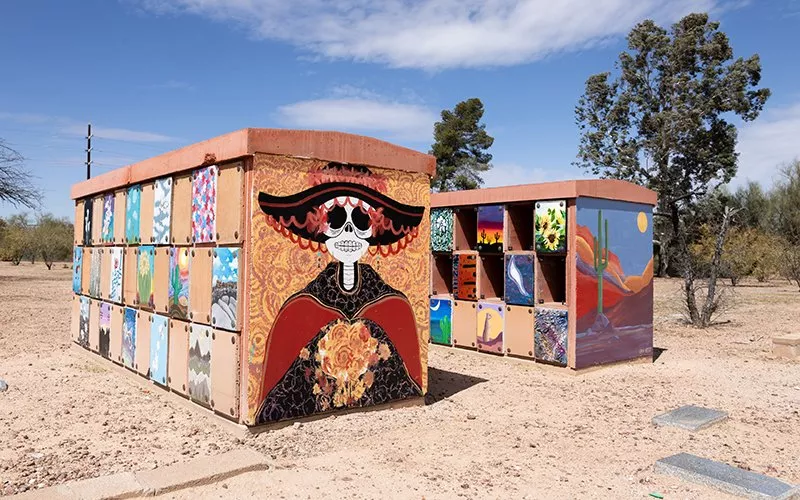
AJO – It was a simple message scrawled into a basalt rock lying near-empty cans of beans and jugs of water that volunteers had left deep in the Sonoran Desert for undocumented immigrants passing through: “Gracias.”
But to Mikal Jakubal, who, as a volunteer with the Ajo Samaritans, had been making weekly trips into the backcountry to stock water drop locations, the note was affirmation that the group’s efforts were appreciated.
“For the most part, we will never hear from the people who use this,” Jakubal said. “We don’t know what it was like getting to this point. We don’t know what is after this. But you have this one little connection across massively different life experiences: They found some water and you found a thank you note.”
Mark Diekmann, a volunteer with People Helping People in the Border Zone in Arivaca, located 11 miles north of the U.S.-Mexico border, said those moments make his work worthwhile.
“Every time you give somebody water, they appreciate it. Every time you give somebody warm clothes,” Diekmann said. “Every time you give them a warm place to be and they know, for the moment, that they’re going to be OK.”
Two decades ago, when the U.S. Border Patrol began to focus on more populated areas in California and Texas and general enforcement increased across the southern border, migrants began venturing into more remote areas to cross the U.S.-Mexico border undetected. Since then, local humanitarian aid groups in southern Arizona, such as the Ajo Samaritans and People Helping People in Arivaca, have been working with a core mission: to mitigate suffering and death in the harsh desert wilderness of Arizona borderlands.
Even so, the bodies of 227 undocumented border crossers were found in the Arizona desert in 2020, a record. Dr. Gregory Hess, chief medical examiner with the Pima County Office of the Medical Examiner, attributes the increase to last year’s hot, dry summer.
“When I started here in the late 2000s, I don’t think anybody would have dreamed that we’d still be seeing these types of numbers now,” Hess said.
And absent meaningful efforts to address the factors that drive people to risk their lives crossing miles of unforgiving desert, the problem will continue, Hess and other experts say. It is an issue driven by global factors. Although most of the migrants come from Latin American countries, people from Asia, Africa and the Middle East are represented among those crossing the border.
Wednesday, May 19, 2021

An online lending platform called Kabbage sent 378 pandemic loans worth $7 million to fake companies (mostly farms) with names like “Deely Nuts” and “Beefy King.”
The shoreline communities of Ocean County, New Jersey, are a summertime getaway for throngs of urbanites, lined with vacation homes and ice cream parlors. Not exactly pastoral — which is odd, considering dozens of Paycheck Protection Program loans to supposed farms that flowed into the beach towns last year.
As the first round of the federal government’s relief program for small businesses wound down last summer, “Ritter Wheat Club” and “Deely Nuts,” ostensibly a wheat farm and a tree nut farm, each got $20,833, the maximum amount available for sole proprietorships. “Tomato Cramber,” up the coast in Brielle, got $12,739, while “Seaweed Bleiman” in Manahawkin got $19,957.
None of these entities exist in New Jersey’s business records, and the owners of the homes at which they are purportedly located expressed surprise when contacted by ProPublica. One entity categorized as a cattle ranch, “Beefy King,” was registered in PPP records to the home address of Joe Mancini, the mayor of Long Beach Township.
“There’s no farming here: We’re a sandbar, for Christ’s sake,” said Mancini, reached by telephone. Mancini said that he had no cows at his home, just three dogs.
All of these loans to nonexistent businesses came through Kabbage, an online lending platform that processed nearly 300,000 PPP loans before the first round of funds ran out in August 2020, second only to Bank of America. In total, ProPublica found 378 small loans totaling $7 million to fake business entities, all of which were structured as single-person operations and received close to the largest loan for which such micro-businesses were eligible. The overwhelming majority of them are categorized as farms, even in the unlikeliest of locales, from potato fields in Palm Beach to orange groves in Minnesota.
The Kabbage pattern is only one slice of a sprawling fraud problem that has suffused the Paycheck Protection Program from its creation in March 2020 as an attempt to keep small businesses on life support while they were forced to shut down. With speed as its strongest imperative, the effort run by the federal Small Business Administration initially lacked even the most basic safeguards to prevent opportunists from submitting fabricated documentation, government watchdogs have said.
Tuesday, May 18, 2021
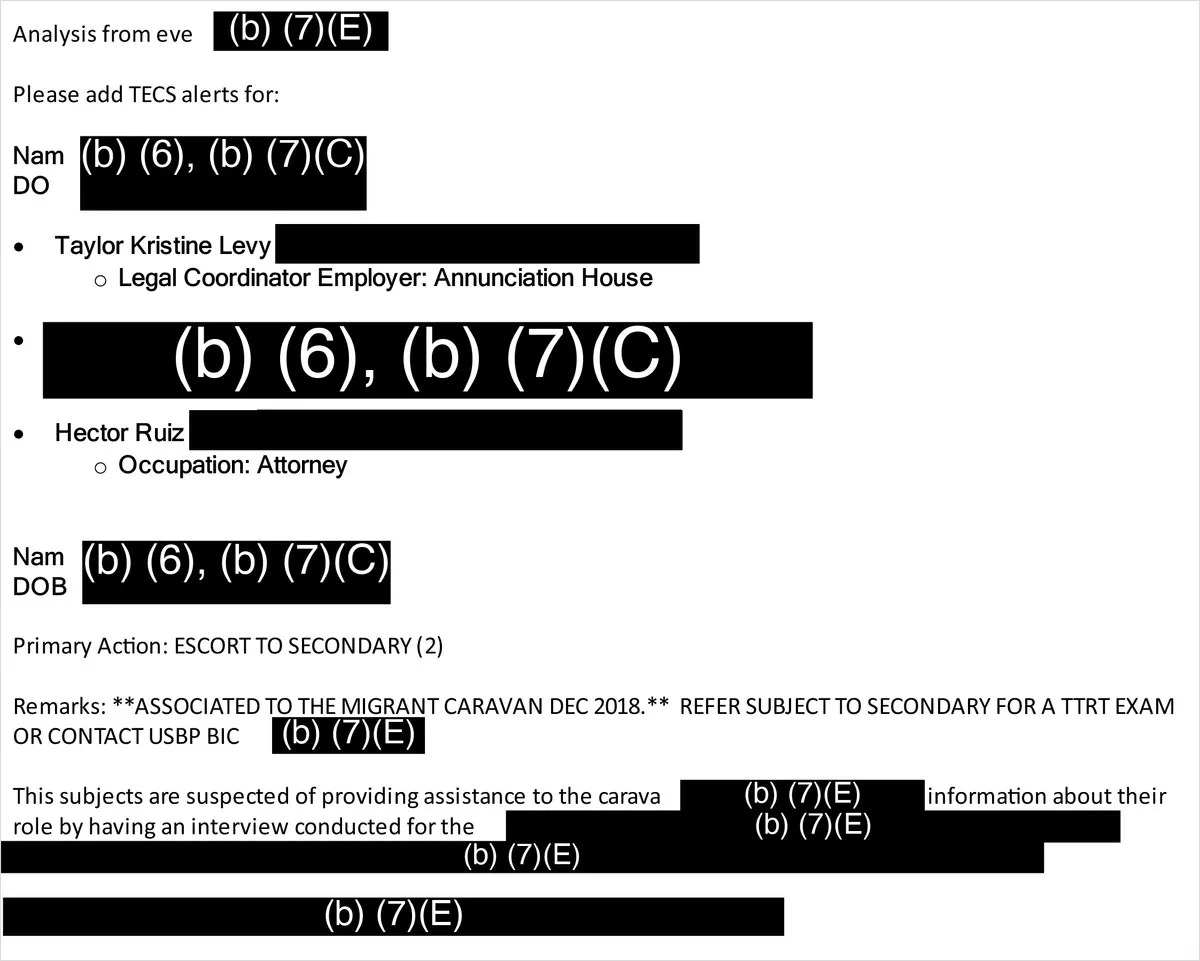
In newly disclosed records, Trump officials cited conspiracies about Antifa to justify interrogating immigration lawyers with a special terrorism unit. The documents also show that more lawyers were targeted than previously known.
Taylor Levy couldn’t understand why she’d been held for hours by Customs and Border Protection officials when crossing back into El Paso, Texas, after getting dinner with friends in Ciudad Juarez, Mexico, in January 2019. And she didn’t know why she was being questioned by an agent who’d introduced himself as a counterterrorism specialist.
Levy was part of the legal team representing the father of a girl who’d died the previous month in the custody of the Border Patrol, which is part of CBP. “There was so much hate for immigration lawyers at that time,” she recalled. “I thought that somebody had put in an anonymous tip that I was a terrorist.”
The truth was more troubling. Newly released records show that Levy was swept up as part of a broader than previously known push by the administration of President Donald Trump to use the federal government’s expansive powers at the border to stop and question journalists, lawyers and activists.
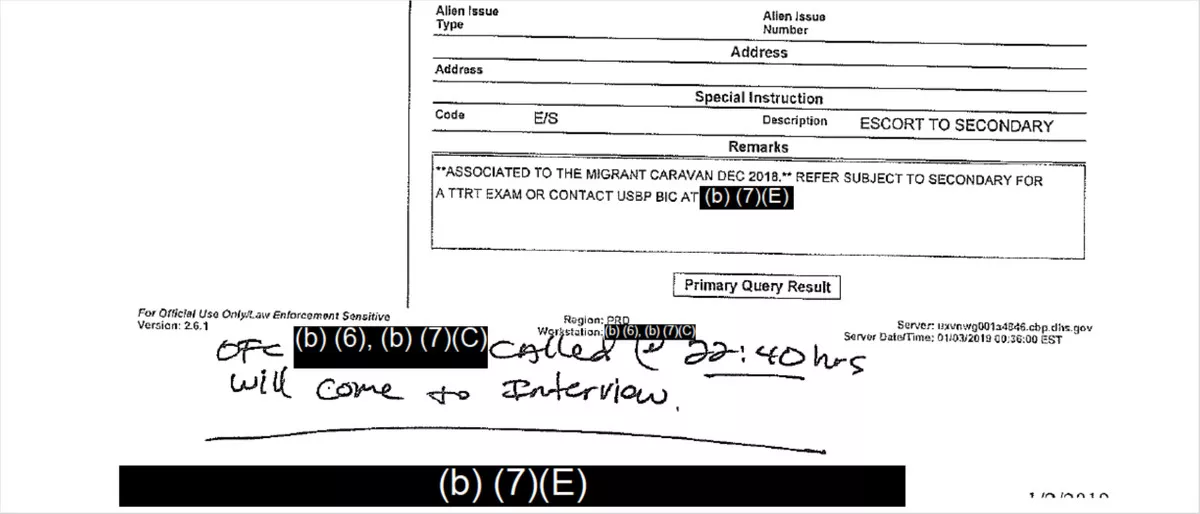
The records reveal that Levy and attorney Héctor Ruiz were interrogated by members of CBP’s secretive Tactical Terrorism Response Team. The lawyers were suspected of “providing assistance” to the migrant caravan that was then the focus of significant attention by the administration and right-wing media. Officials speculated in later reports that immigration lawyers were seeking to profit by moving migrants through Mexico, and that “Antifa” may have been involved.
The records were provided to ProPublica by the Santa Fe Dreamers Project, a public interest law firm and advocacy group that received them after filing a Freedom of Information Act lawsuit about the stops of Levy and Ruiz at the border in El Paso.
Monday, May 17, 2021
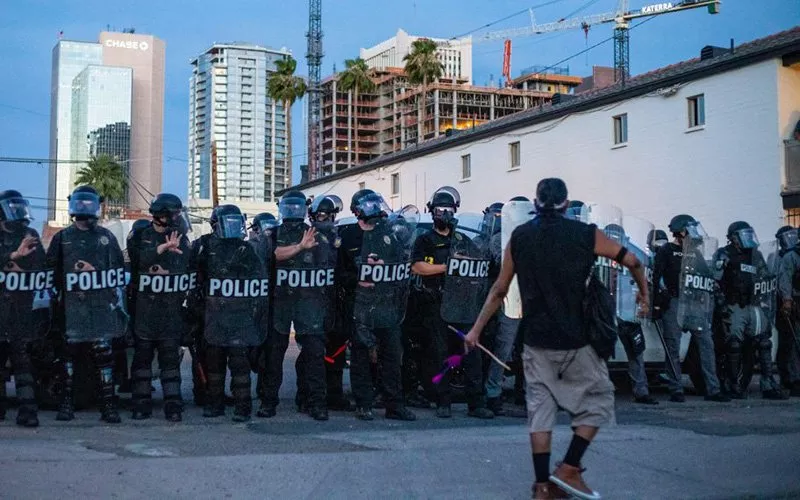
Phoenix police don’t follow Fe’La iniko on social media, but he knows they’re watching.
“They’re pretty hip to Instagram,” the racial justice activist said. “Sometimes they’ll pop up in my story views.”
Iniko, whose given name is Milton Hasley, often uses social media to share fliers on upcoming protests or speak out against police violence. So when officers surrounded his car last summer while he was leaving a demonstration against the killings of George Floyd and Dion Johnson, iniko worried he might have been targeted in advance for his views. As a handful of cop cars trained their spotlights on him, he was careful to keep his hands visible as he placed them on the steering wheel, a video he posted on Instagram shows.
“Try not to look threatening,” he remembered thinking.
Hours later, iniko was booked into jail and charged with two felonies and two misdemeanors, all of which were later dropped. He was one of hundreds of Phoenix protesters arrested during last year’s demonstrations against systemic racism and police brutality, which were met with an aggressive police presence and a number of controversial charges from prosecutors.
Police reports and court records would later reveal that police surveilled some of the protesters on their social media accounts during the summer and fall.
It was a year that would see Black Lives Matter demonstrations and civil unrest followed by anti-lockdown rallies, election protests and the fatal Jan. 6 storming of the U.S. Capitol. In the Capitol insurrection, law enforcement officials scoured social media platforms, sweeping up photos, videos and comments that have helped to identify, arrest and charge hundreds of people.
This form of online policing has gained traction as a means of addressing the looming threat of domestic terrorism. But many agencies — including the Phoenix Police Department — work under barebones guidelines when monitoring online activity.
Friday, May 14, 2021
Fully vaccinated individuals can resume activities without wearing a mask and physical distancing in indoor or outdoor settings, in most cases, according to the Centers for Disease Control and Prevention’s updated public health guidance released Thursday.

“Today brings more encouraging news for those fully vaccinated against COVID-19 — and another reason for everyone else to get their shot,” wrote Arizona Department of Health Services Dr. Cara Christ on Thursday's blog post. “This is a very big step toward returning to our pre-pandemic way of life.”
But the Pima County’s mask mandate remains in effect, which does not differentiate between fully and non-vaccinated individuals.
The Board of Supervisors is seeking legal guidance from the County Attorney’s Office and should be reviewing the recommendation with the Health Department to advise the board of supervisors, according to Chair Sharon Bronson.
The Board of Supervisors will meet today at 3 p.m. to discuss the updated CDC guidance.
Supervisor Adelita Grijalva said she was still reviewing the new guidelines. She said she was unsure whether changes would be made without more people getting vaccinated, with a goal to reach 75% of the population to achieve herd immunity.
In Arizona, 3,098,785 COVID-19 vaccine doses have been administered, with 43.1% of Arizonans fully vaccinated. Christ notes in her blog that the CDC’s announcement comes the same day as children across the nation ages 12 to 15 may receive the Pfizer vaccine, which could potentially add more fully vaccinated individuals.
According to CDC’s updated guidance, fully vaccinated individuals can go unmasked in an indoor high-intensity exercise class, a full-capacity worship service or a crowded, outdoor event, such as a concert or sporting event. However, they are still subject to federal, state or local jurisdictions laws and regulations, including local business and workplace guidance.
Thursday, May 13, 2021
Pima County and the Federal Emergency Management Agency have launched mobile vaccination units to reach vulnerable communities with high risks of COVID-19 exposure and infection.
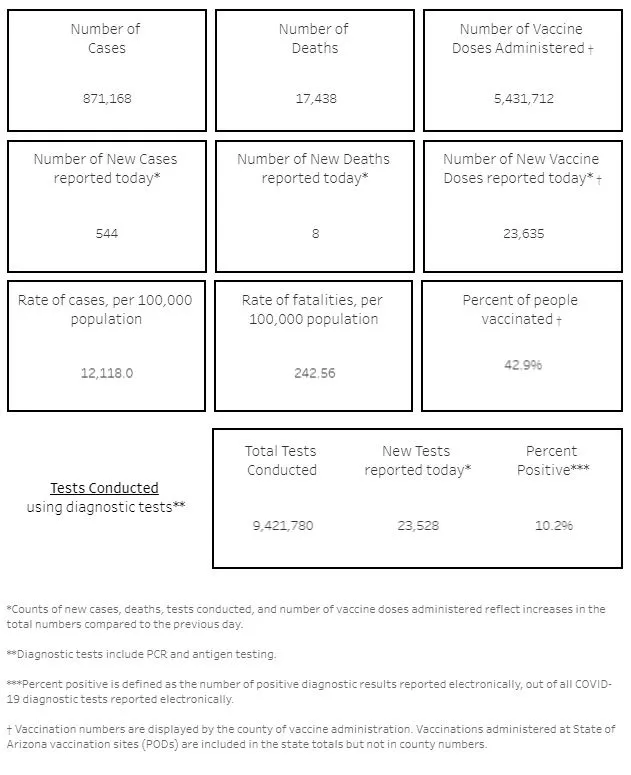
The operation includes two mobile vaccination units that are able to administer 250 vaccines per day each, according to a county press release.
The units will run through June 26, operating at two concurrent locations for three days, with one day to tear down and move to the next location. The locations were selected based on census tract data and the Social Vulnerability Index of the area to identify highly vulnerable communities.
The sites will offer walk-up vaccinations of both the Moderna and Johnson & Johnson vaccine for those 18 and older on a first-come, first-served basis. Patients will return to the same mobile site 28 days after their first visit to receive their second dose, following CDC guidance. Help will be available to all who need assistance with mobility, language or other accommodations.
Thursday, May 13
- Greyhound Park, 2601 S. 3rd Ave., 10 a.m. – 8 p.m.
- Wheeler Taft Library, 7800 N. Schisler Drive, 10 a.m. – 8 p.m.,
- Rillito Race Track, 4502 N. 1st Ave., 10 a.m. – 8 p.m.
- CDO High School, 25 W. Calle Concordia, Oro Valley, 4 - 7 p.m.
- Antigone Books, 411 N. 4th Ave., 5 - 9 p.m.
Friday, May 14
- Fox Tucson Theater, 17 W. Congress St., 4 – 8 p.m.
Saturday, May 15
- Our Lady of Fatima Parish, 1950 Irvington Place, 11 a.m. - 3 p.m.
- Dunbar Pavilion, 325 W. 2nd St., 11 a.m. - 3 p.m.
- Robles Ranch Community Center, 16150 W. Ajo Way, Robles Junction, 5:30 - 8:30 p.m.
Saturday, May 15 - Monday, May 17
- Curtis Park, 2110 W. Curtis Road, 10 a.m. – 8 p.m.
- Rillito Race Track, 4502 N. 1st Ave., 10 a.m. – 8 p.m.
Sunday, May 16
- Sacred Heart Church, 601 E. Fort Lowell Road, 8 a.m. - 2 p.m.
PHOENIX – Ramon Angel Carrasco and his girlfriend were driving home from a Scottsdale bakery in a white BMW in August 2019 when Robert J. Foster pulled up next to them in a light blue Lamborghini.
According to a witness account provided to police, Carrasco and Foster revved their engines at a red light on Hayden Road before heading north, and within seconds they were traveling more than 100 mph.
Meanwhile, Cynthia Ann Fisher was driving south on the same stretch of Hayden. The 68-year-old hairdresser had just left the grocery store and was planning to make breakfast the next morning for a new roommate, said Leah Stenzel, her friend and boss.
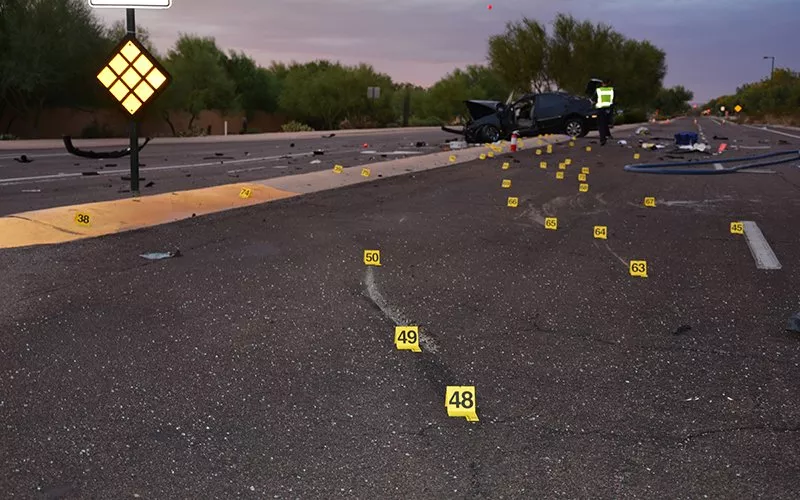
Fisher was turning left onto Williams Drive when Carrasco’s BMW struck the passenger side of her black Camry, propelling her car 160 feet from the impact, according to police records. Fisher, who was a minute from her home, was declared dead at the scene.
Carrasco and his girlfriend, Jaymi Lynn Chagolla, suffered minor injuries. Carrasco told police he had nothing to do with the Lamborghini and refused to speak further without an attorney present, but Chagolla confirmed what multiple witnesses who called police had reported.
“Yes, we did a pull against a Lamborghini,” she said when police asked whether the cars were racing.
Wednesday, May 12, 2021
After the Food and Drug Administration’s emergency use authorization of Pfizer for children 12 to 15 on Monday, the Advisory Committee on Immunization Practices and CDC are expected to approve and recommend the use of Pfizer to vaccinate those 12 and older on Wednesday.

The Pfizer vaccine is currently available for those ages 16 and older. The Moderna and Johnson & Johnson vaccines are authorized for those 18 and older.
“The COVID-19 vaccines are safe, effective and free ‒ and they’re our best shot to end this pandemic and return to the things we’ve missed. We’re moving quickly to empower parents and guardians to get this protection for their children,” said Gov. Doug Ducey. “Millions of Arizonans have already received the COVID-19 vaccine. Soon, kids ages 12 to 15 years old will now be eligible to get vaccinated and state vaccine sites are ready to serve them.”
Arizona has nearly 400,000 youths ages 12 to 15, about 5 percent of Arizona's population. As of Tuesday, 5,383,508 vaccines have been administered in Arizona, with 35% of Arizonans fully vaccinated.
“We’re delighted to be able to welcome these young people to state-run mass-vaccination sites starting Thursday,” said ADHS Director Dr. Cara Christ. “These safe, highly effective, and free vaccines are our best shot at returning to normal, and having more vaccinated individuals gives COVID-19 less of a chance of spreading.”
The University of Arizona POD, as a state site, will vaccinate children 12 to 15 and although it will close on June 25, they had factored the drop in vaccination age into their decommission plan, said Vice President of Communications Holly Jensen.
“We will continue to monitor the numbers, and are ready to adjust if necessary,” said Jensen.
Once CDC makes the recommendation, parents and guardians may bring those ages 12 to 15 to state vaccination sites starting Thursday. They must accompany the child and sign a consent form in person, which states that the child is at least 12 years old. No identification is required for the child and place of permanent residence is not a factor.
Parents and guardians also will be able to register those ages 12 to 15 for vaccination starting at 8 a.m. Thursday by visiting podvaccine.azdhs.gov or calling 844-542-8201 to be connected with someone who can assist in English or Spanish. However, appointments are no longer required for state-run sites.

