Thursday, November 19, 2020
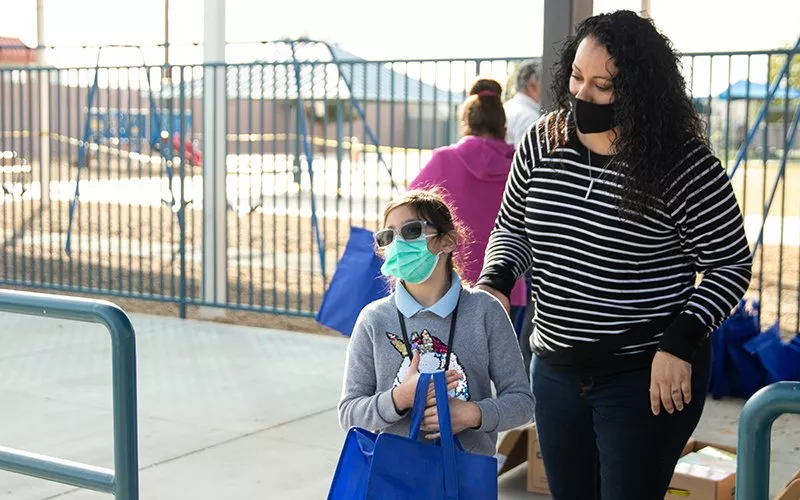
PHOENIX – The halls at Manzanita Elementary School are emptier than they were a year ago. But school social worker Anthony Guillen says he’s far busier, as students struggle to deal with the increased stress and psychological toll brought on by the COVID-19 pandemic.
In a typical year at the north-central Phoenix school, Guillen gets fewer than 100 referrals from teachers and parents concerned about their 600 children in grades K through 6. In just the first few months of this school year, he already has had 70.
“That’s a lot of referrals,” he said, “and a lot of them are for emotional needs.”
Many Manzanita students are Hispanic or Latino, and the school gets federal financial assistance as a Title 1 recipient, which means at least 40% of the students are from low-income families.
“They will be resilient,” Guillen said, “but right now it’s a hard time. … This is trauma.”
The pandemic has upended children’s lives and, for some, harmed their mental health. Researchers and social workers say Hispanic children may be especially vulnerable to emotional struggles, and the ramifications could be long-lasting.
The crisis has introduced a variety of stressors into the lives of children and teens: disrupted daily routines, food insecurity, isolation from peers because of school closures, increased responsibility to watch over siblings and fear of the virus itself, among other things.
Latino children may be at greater risk of psychological ramifications in large part because of what their parents are experiencing. A survey by the American Psychological Association found that people of color, particularly Hispanic adults, were more likely to report higher stress levels due to the pandemic. Nearly 2 in 5 Hispanic adults reported experiencing a great deal of stress.
Latino workers were also hit hard by the economic recession caused by the pandemic. The Pew Research Center found that job losses were most prevalent among Hispanic women, immigrants and young workers. At the same time, many Latinos are employed in jobs considered essential and have to go to work, often leaving children at home alone.
“Parents cry – they come to me and they just cry and cry – and I’m like, ‘I hear you. I’m sorry. I wish I could … make things better for you,’” Guillen said.
Even before the pandemic, Latino youth were more likely to suffer from mental health issues than other youth, including higher rates of depression and suicidal behavior, according to Salud America!, a health organization in San Antonio. These issues often are left unaddressed and untreated.
“Not only do we have a lot of kids facing adversity, families facing numerous issues, but COVID’s making that worse for everybody,” said Amanda Merck, a digital content curator at the organization.
About 56 million U.S. children are in kindergarten through 12th grade, and a recent Census Bureau report found that nearly 93% of households with school-age children reported the kids were engaged in some form of distance-learning.
For 1 in 6 children, mental health disorders begin in early childhood, making it essential that any such health needs are identified and treated early. More than 7% of kids age 3 to 17 are diagnosed with anxiety, and more than 3% are diagnosed with depression, according to data from the Centers for Disease Control and Prevention.
For kids experiencing mental health disorders, schools often are the first line of defense.
Most kids, but especially youth of color, get their mental health services from school, said Margarita Alegria, a health disparities researcher at Harvard University. With schools closed, she said, “access to a counselor or to someone that they could talk to” is harder to come by.
Alegria said research on children’s mental health following the 2008 financial crisis found that youth were very aware of their family’s economic vulnerabilities, such as a parent’s recent job loss. She said the same phenomenon is likely happening again during COVID-19.
“To assume that they’re not aware of this, under the conditions of the pandemic, would be naive,” she said.
Manzanita Elementary started the year fully virtual but moved to a hybrid model late last month. Guillen, who has been working on campus, said employees have done what they can to ensure students have access to the resources they need, whether that means food, laptops, Wi-Fi hotspots, technology support – or someone to talk to.
He and other school social workers have been teaching kids social-emotional learning online, helping them better understand their thoughts and feelings and how to get along with others.
But with staff in one place and most students in another, Guillen and other social workers said it can be challenging to provide kids the support they need.
“When I’m on campus, I’m definitely more mobile, all over the place, so I have access to a lot of students and students have access to me,” said Emma Sanchez, a social worker at Washington Elementary School in north-central Phoenix. When students were entirely online, she said that access decreased substantially. Since late October, Sanchez’s school has also adopted a hybrid model.
“A kid can be at home and be feeling sad, but unfortunately there’s no one around to say, ‘Oh sweetie, why are you sad?’ or ‘Why are you crying?’” she said.
Instead, Sanchez and Guillen said they try to prioritize children with the highest needs, including those referred to them by parents and teachers. They offer individual and group therapy. With younger kids, Guillen sometimes reads to them from books like “The Feelings Book,” a children’s book designed to help kids understand their emotions.
When schools went to online learning, some kids dropped off the radar entirely, Guillen and Sanchez said, because some families couldn’t adjust to the technology.
“I would say about 50% of students have logged on, 50% haven’t. So it’s been really hard,” Guillen said. “Online learning is not equitable.”
In south Phoenix’s Roosevelt School District, social workers who couldn’t contact families donned personal protective equipment to conduct home visits. Many of the phone numbers on file for families were incorrect or no longer worked, and emails often went unanswered, said Michelle Cabanillas, a social worker who recently left the district for the Arizona Department of Education.
“This pandemic starts to hit in different layers,” Cabanillas said. Lost jobs mean lost income, and some families weren’t able to pay for high-speed internet connections.
Social workers also rely on creating a safe and private environment when talking with children. But because kids may not have access to a quiet spot at home, Cabanillas said, “It is a struggle to be able to recreate that in a virtual environment.”
Officials with Arizona State University’s School of Social Work and the Latinx Therapists Action Network created a survey to gauge the mental health of Latinos 18 and older during the pandemic. They hope to learn more about how the pandemic is affecting all family members, said Imelda Ojeda, a social worker and academic associate at ASU.
So far, respondents have said that challenges are coming from all directions. Families are facing financial strain and stress about catching the coronavirus that causes COVID-19. Immigrants living in the U.S. without legal permission face the added fear of deportation and family separation.
“We are seeing the immediate effects of the pandemic and this crisis in our families,” Ojeda said. “But we feel that from the social services and mental health and child development side, this is going to have ripple effects for many years.”
Salud America!, in partnership with researchers at the West Virginia Center for Children’s Justice, oversees a program called Handle With Care, which before the pandemic connected police officers and teachers so they could better care for kids exposed to traumatic events.
During COVID-19, participating schools have had to adapt. Some created apps to track which kids have been contacted by teachers and counselors. Others make sure students get daily calls from a teacher or counselor.
Sanchez, at Washington Elementary School, said stress is so normal among students and families these days that even if a child isn’t doing well, he or she may not talk about it.
“Sometimes, kids, they don’t want to bother their teachers or they don’t want to bother their parents,” she said.
Sanchez recommends that parents take time to talk with their children about how they’re feeling, because teachers and school social workers only see the “tip of the iceberg” of what’s happening with families.
“That parent is the expert and they know their kids best,” she said. “So talk to them. Don’t be afraid to talk. Have that conversation.”
Monday, November 16, 2020
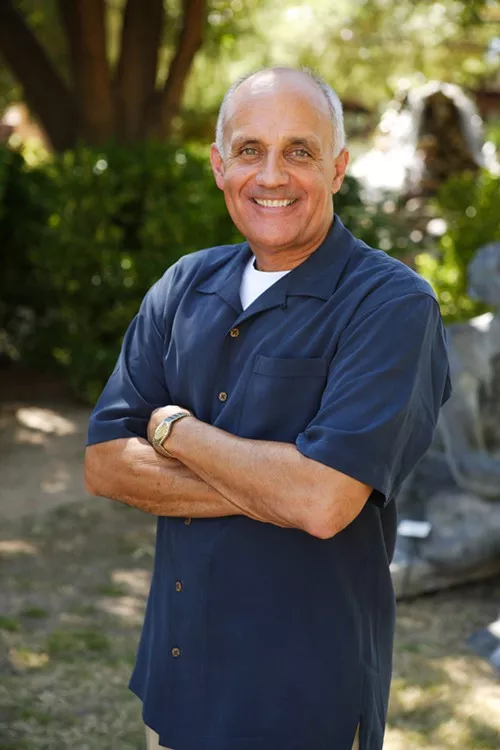
As the University of Arizona conducts a pre-fall break testing blitz, its coronavirus numbers are remaining relatively steady, UA President Robert C. Robbins shared in a news conference Monday, Nov. 16.
From Nov. 6 through Nov. 15, UA found 76 positive coronavirus cases after administering 8,651 tests for a positivity rate of 0.9%, the same rate the university reported the previous 10-day period.
On Nov. 9, the university began its “testing blitz” to reduce the spread of COVID-19 as travel is likely to increase over the holiday season. Testing will run through Nov. 25, and students are asked to register for an appointment-only test after completing a survey with their traveling plans.
Robbins said this week, the university has administered 7,541 tests as part of this program, a 34% increase in COVID-19 tests since last week.
If students travel outside the Tucson area over fall break, the university is asking them to complete the semester outside the area or remotely online. Those who don’t travel can complete the semester from their student residences.
All students will complete the semester remotely when classes resume Nov. 30. In January, the university will return to stage two of its reentry plan with up to 50 students attending classes in person, according to Robbins.
All students who attend in-person classes in the spring semester will be required to get tested for COVID-19. Robbins said UA will only require tests for on-campus students because they “cannot legally mandate testing for other students as a prerequisite for enrollment.”
Reentry Task Force Director Richard Carmona went over statewide COVID-19 data that shows a 14-day increase in cases of 75%, a 29% increase in deaths and a 57% increase in hospitalizations throughout Arizona.
Pima County’s current R0, pronounced “R naught”—which indicates how contagious a virus is by showing the average number of people who will contract the virus from an infected person—is at 1.68. The transmissibility rate for the zip code surrounding the university has decreased from 2.22 last week to 1.33 this week, according to Carmona.
“We feel confident that some of our public health practices have been manifest in better numbers, but we are also very concerned of what’s happening in the bigger environment, and this is continuing to spread in spite of these good practices,” Carmona said.
UA’s CART team, a collaboration with the UA and Tucson police departments that looks for noncompliance to COVID-19 precautions, responded to 14 incidents of large gatherings last week. The week prior, they reported 7 incidents.
“That tells us that there are still people in our university community who are not taking this seriously,” Carmona said. “They’re going to social events, which are the cause of the spread... We must do all we can to prevent the spread.”
Friday, November 13, 2020
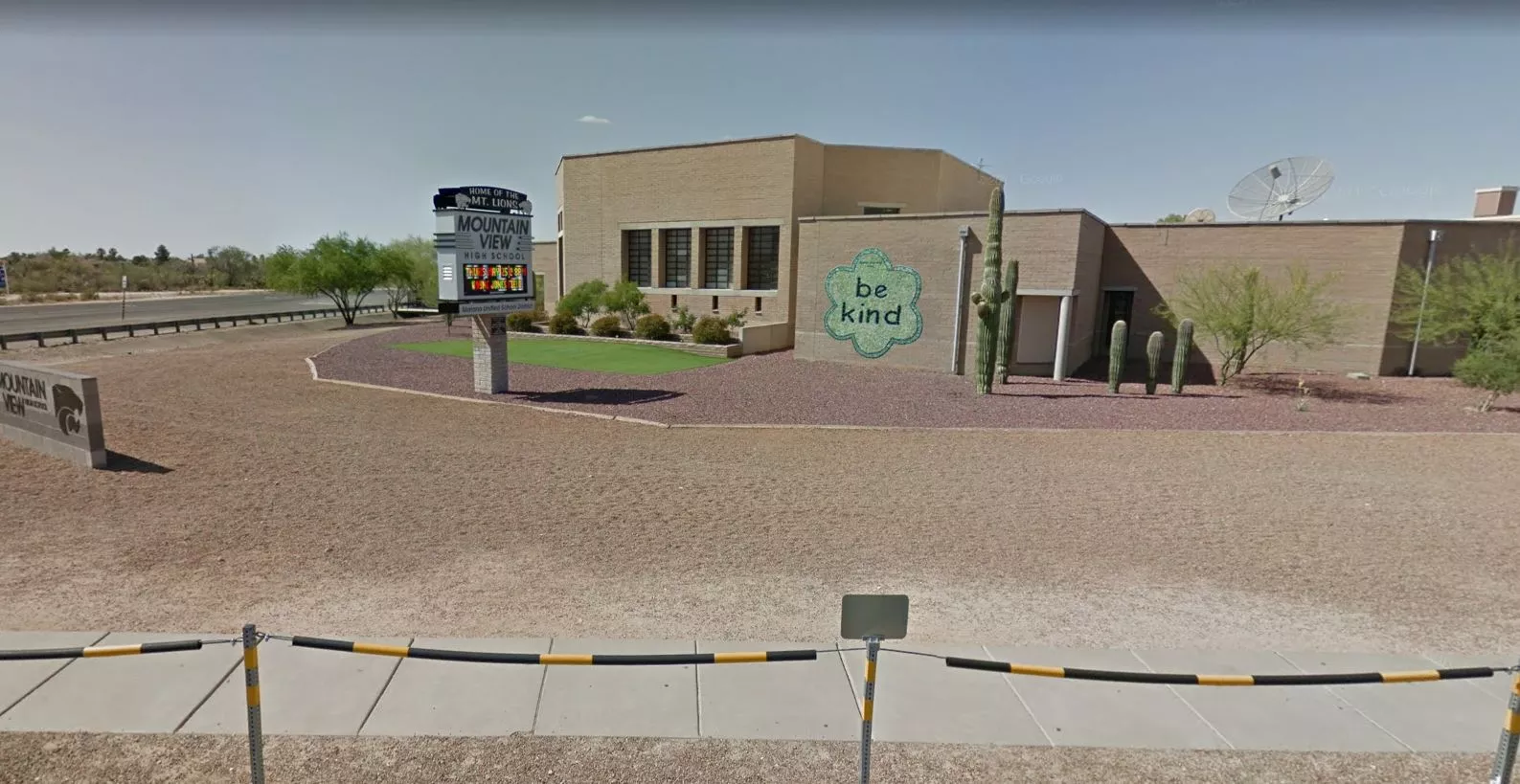
Since opening in a hybrid model on Oct. 12, the Amphitheater Unified School District has reported 32 total COVID-19 cases causing 234 individuals to resultantly quarantine, according to Communications Director Michelle Valenzuela.
Coronavirus cases have reached 14 different school sites, and 11 of those cases are still active. From Nov. 1-9, Amphitheater reported 12 coronavirus cases resulting in 43 students and staff members quarantining.
Here are all the Amphitheater schools that have reported positive coronavirus cases since reopening:
Amphitheater High School
Two positive student cases reported on Nov. 1; 34 quarantined as a result.
Canyon del Oro High School
One positive employee case reported on Nov. 7; no individuals quarantined as a result.
One positive student case reported on Nov. 2; one quarantined as a result.
One positive student case reported on Oct. 19; 12 quarantined as a result. This case is no longer active.
Ironwood Ridge High School

With more than 3,000 new cases reported today, the number of Arizona’s confirmed novel coronavirus cases climbed past 269,000 as of Friday, Nov. 13, according to the Arizona Department of Health Services.

Pima County, which reported 191 new cases today, has seen 31,874 of the state’s 269,577 confirmed cases.
After 17 new deaths were reported today, a total of 6,257 Arizonans had died after contracting COVID-19, including 669 deaths in Pima County, according to the Nov. 13 report.
The number of hospitalized COVID cases statewide continues to climb upward as the virus has begun to spread more rapidly. ADHS reported that as of Nov. 12, 1,381 COVID patients were hospitalized in the state, the highest that number has been since Aug. 12. That number peaked with 3,517 hospitalized COVID patients on July 13; it hit a subsequent low of 468 on Sept. 27.

A total of 1,105 people visited emergency rooms on Nov. 12 with COVID symptoms. That number peaked at 2,008 on July 7; it hit a subsequent low of 653 on Sept. 28.
A total of 335 COVID-19 patients were in intensive care unit beds on Nov. 12, the highest that number has been since Aug. 23. The number of COVID patients in ICUs peaked at 970 on July 13 and hit a subsequent low of 114 on Sept. 22.
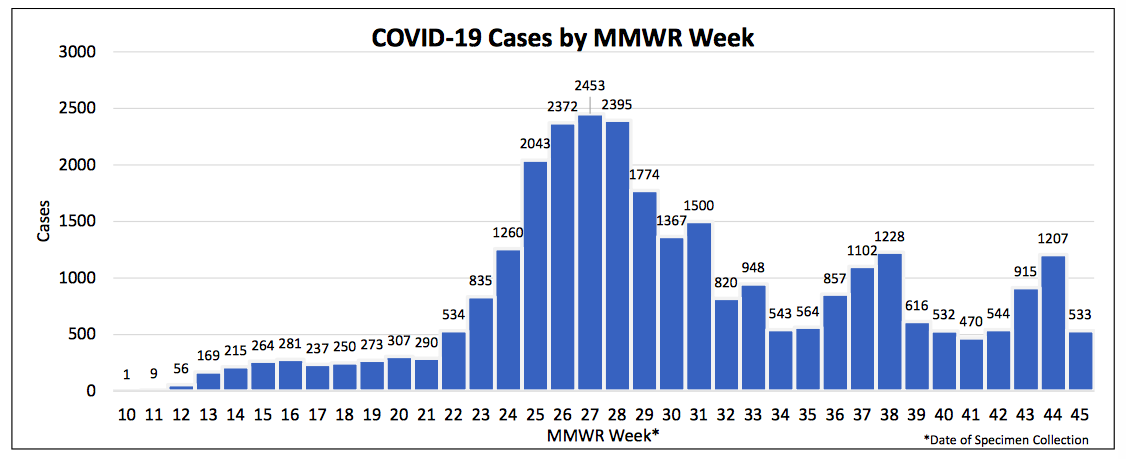
On a week-by-week basis in Pima County, the number of positive COVID tests peaked the week ending July 4 with 2,452 cases, according to an Nov. 9 report from the Pima County Health Department. (Numbers in this report are subject to revision.)
Pima County is seeing a steady rise in cases in recent weeks. For the week ending Oct. 17, 545 cases were reported; for the week ending Oct. 24, 911 cases were reported; for the week ending Oct. 31, 1,247 cases were reported; and for the week ending Nov. 7, 1,227 cases were reported.
Wednesday, November 11, 2020
Families with children 12 years old and younger may be eligible for scholarships up to $2,275 per child, with no limit to the number of children in the family.
“For many working families, having reliable and safe childcare, particularly during the pandemic, can be the difference between going back to work or staying home,” Mayor Regina Romero said. “The scholarships will help low-income families pay for safe child care, giving them peace of mind when they leave home to provide for their loved ones.”
Applicants must live within the City of Tucson and South Tucson boundaries to receive the scholarship and priority will be given to families who haven't received state or federal COVID-19 relief funds. Funds will be paid directly to the families' child care provider.
“We're delighted that Mayor Romero and the Tucson City Council are leading the way to affordable early childhood education,” said Penelope Jacks from the Preschool Promise Coalition. “Early childhood education is vital for children's success, families' ability to work, and the city's economic growth.”
The city approved $500,000 in federal CARES Act funds to bankroll the scholarship, which will be administered by the Catholic Community Services of Southern Arizona. The program is available until Dec. 31 or when funding runs out.
Check if your family is eligible and/or apply here
Monday, November 9, 2020
As a key metric tracking the spread of coronavirus in Pima County is likely to shift to substantial spread this week, the Tucson Unified School District will not open as planned this Thursday, Superintendent Gabriel Trujillo announced in a letter to the district’s families Friday.
“In my briefings this week with the Pima County Health Department leadership team, I was informed that our county will be in a state of widespread community transmission of COVID-19 at the time of our planned opening,” Trujillo said in the letter. “Out of an abundance of caution, our leadership team has made a commitment to only initiate ‘hybrid’ instruction when Pima County is in a state of moderate transmission or better.”
The district approved a Nov. 12 reopening date in a hybrid model at an Oct. 27 governing board meeting when Pima County Public Health Director Theresa Cullen said the county had, at the time, met the health department’s three guidelines for opening in a hybrid model: two weeks with new case rates below 100 per 100,000, two weeks of percent positivity below 7 percent and hospital visits for COVID-19 illness below 10 percent.
Pima County reported 1,207 new cases the week of Oct. 25-31, which will likely put it in the “substantial spread” category for a two-week decline in cases when the county’s progress report is updated this Thursday.
In a Facebook post, TUSD Governing Board Member Adelita Grijalva said in-person classes will resume in January 2021.
Last week, Cullen predicted the metric tracking a two-week decline in cases—a key benchmark the state based its school reopening guidelines on—would likely move to substantial spread.
“We're showing numbers of 900 to 1,000 [per week], which means on the dashboard, that first disease measure is more than 100 cases per hundred thousand, puts us into the red, which is accelerated transmission. My guess, even though that number is not 1,000 yet for week 44, I think I'm expecting it will hit that.”
Now that the health department’s data reports show more than 1,000 cases reported for week 44 (Oct. 25-31), Cullen’s prediction will likely come true.
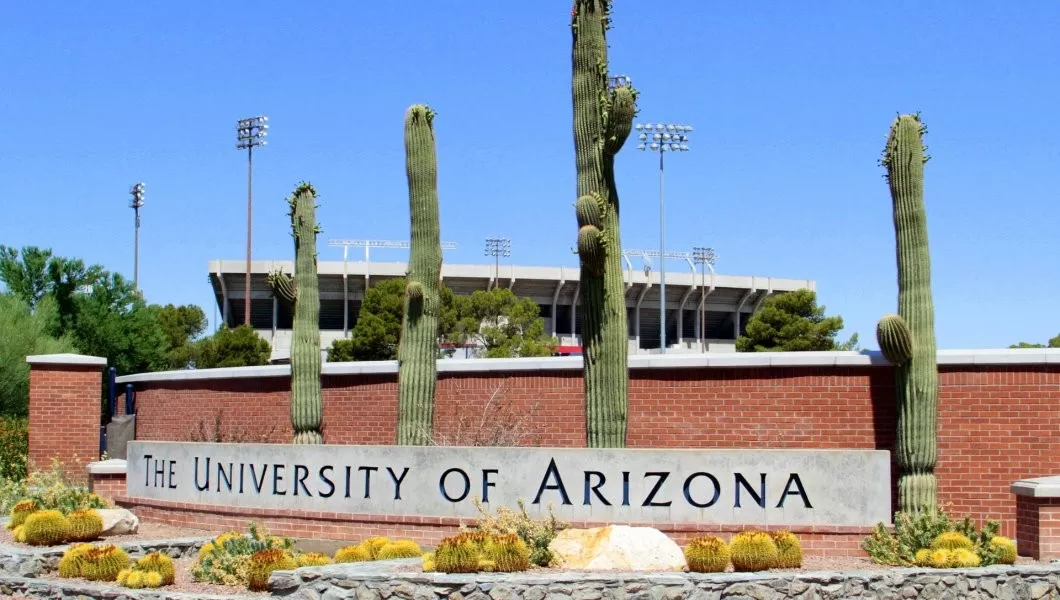
As statewide coronavirus data trends upward, the University of Arizona is showing elevated COVID-19 cases compared to recent weeks as it gears up for a pre-fall break testing blitz, UA President Robert C. Robbins shared in a news conference Monday, Nov. 9.
From Oct. 29 through Nov. 7, UA found 71 positive coronavirus cases after administering 8,345 tests for a positivity rate of 0.9%, a slight decrease from the 1.1% rate the university reported the previous 10-day period. Before that, the university reported a 0.6% positivity rate.
In the two weeks before fall break, the university will allow classes of 50 or fewer students to meet in-person, remaining in stage two of its reopening plan. After the break, all classes will be remote until the end of the semester, Robbins said.
Today, the university began its “testing blitz” to reduce the spread of the virus as travel is likely to increase over the holiday season. Until Nov. 15, students are asked to register for an appointment-only test after completing a survey with their traveling plans.
If students travel outside the Tucson area over fall break, the university is asking them to complete the semester outside the area or remotely online. Those who don’t travel can complete the semester from their student residences.
Reentry Task Force Director Richard Carmona went over statewide COVID-19 data that shows a 14-day increase in cases of 68 percent, and a 289 percent increase in deaths throughout Arizona.
Pima County’s COVID-19 cases are also increasing, and Carmona said “from the beginning of October, we were doing pretty well, and all of a sudden we’re on the rise again.”
Pima County’s current R0, pronounced “R naught”—which indicates how contagious a virus is by showing the average number of people who will contract the virus from an infected person—is at 1.69. The transmissibility rate for the zip code surrounding the university has increased from 1.25 to 2.22 this week, according to Carmona.
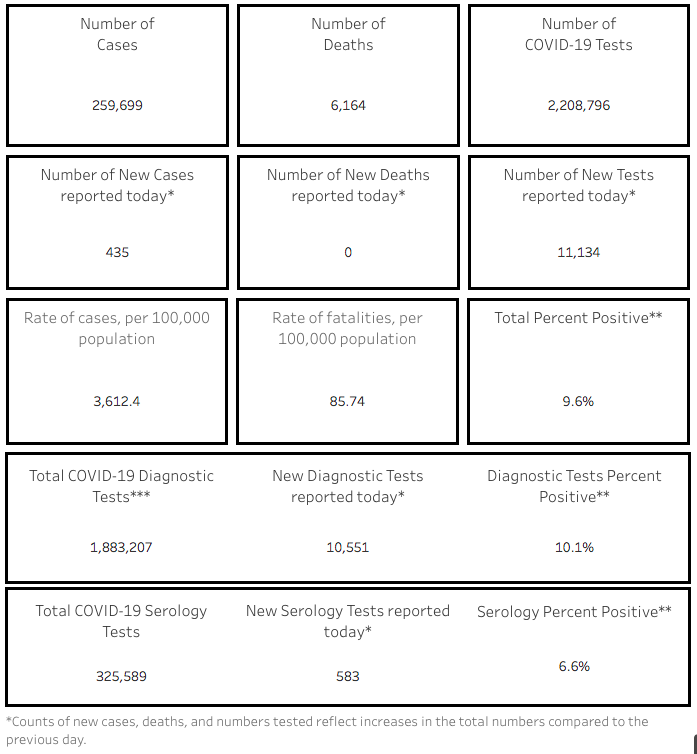
With close to 5,000 new cases reported since Friday, the number of Arizona’s confirmed novel coronavirus cases was nearing 260,000 as of Monday, Nov. 9, according to the Arizona Department of Health Services.

Pima County had seen 30,493 of the state’s 259,699 confirmed cases.
A total of 6,164 Arizonans had died after contracting COVID-19, including 659 deaths in Pima County, according to the Nov. 9 report.
The number of hospitalized COVID cases statewide continues to climb upward as the virus has begun to spread more rapidly. ADHS reported that as of Nov. 8, 1,232 COVID patients were hospitalized in the state, the highest that number has been since Aug. 14. That number peaked with 3,517 hospitalized COVID patients on July 13; it hit a subsequent low of 468 on Sept. 27.
A total of 992 people visited emergency rooms on Nov. 8 with COVID symptoms. That number peaked at 2,008 on July 7; it hit a subsequent low of 653 on Sept. 28.
A total of 292 COVID-19 patients were in intensive care unit beds on Nov. 8, the highest that number has been since Aug. 26. The number of COVID patients in ICUs peaked at 970 on July 13 and hit a subsequent low of 114 on Sept. 22.
On a week-by-week basis in Pima County, the number of positive COVID tests peaked the week ending July 4 with 2,452 cases, according to an Nov. 4 report from the Pima County Health Department.
Pima County is seeing a steady rise in cases in recent weeks. For the week ending Oct. 10, 465 cases were reported; for the week ending Oct. 17, 543 cases were reported; for the week ending Oct. 24, 911 cases were reported; and for the week ending Oct. 31, 1,166 cases were reported.
Deaths in Pima County are down from a peak of 54 in the week ending July 4 to four in the week ending Oct. 3 (WEEK 40), two in the week ending Oct 10, one in week ending Oct. 17, two in the week ending Oct. 24 and one in the week ending Oct. 31.
Hospitalization peaked the week ending July 18 with 221 COVID patients admitted to Pima County hospitals, but it has been on the rise in recent weeks. In the week ending Oct. 3, 20 patients were admitted; in the week ending Oct. 10, 27 people were admitted; in the week ending Oct. 17, 37 people were admitted; in the week ending Oct. 24, 34 people were admitted; and in the week ending Oct. 31, 41 people were admitted. (Recent weeks are subject to revision.)
TUSD cancels plans to return to classroom
With the recent rise of cases, Tucson Unified School District Superintendent Gabriel Trujillo informed parents on Friday that Tucson’s largest school district would not be resuming in-classroom instruction this week as previously planned.
“In my briefings this week with the Pima County Health Department leadership team, I was informed that our county will be in a state of widespread community transmission of COVID-19 at the time of our planned opening,” Trujillo wrote. “Out of an abundance of caution, our leadership team has made a commitment to only initiate ‘hybrid’ instruction when Pima County is in a state of moderate transmission or better.”
TUSD now tentatively plans to launch hybrid in-classroom instruction after winter break in January 2021.
Other local school districts such as Amphi, Marana, Catalina Foothills and Sunnyside have had “hybrid” in-class instruction programs running since sometime in October.
Get tested: Pima County offers free COVID testing, UA offering antibody testing
The Pima County Health Department has four free testing centers around town with easy-to-schedule appointments—often with same-day availability—with results in 24 to 72 hours.
You’ll have a nasal swab test at the Kino Event Center (2805 E. Ajo Way) the Udall Center (7200 E. Tanque Verde Road) and downtown (88 E. Broadway). The center at the northside Ellie Towne Flowing Wells Community Center, 1660 W. Ruthrauff Road, involves a saliva test designed by ASU.
Schedule an appointment at pima.gov/covid19testing.
The University of Arizona’s antibody testing has been opened to all Arizonans as the state attempts to get a handle on how many people have been exposed to COVID-19 but were asymptomatic or otherwise did not get a test while they were ill.
To sign up for testing, visit https://covid19antibodytesting.arizona.edu/home.
Friday, November 6, 2020
Because of increased positivity rates, TUSD will delay in-person instruction until January 4th. Stay safe, mask-up!
Posted by Adelita S. Grijalva on Friday, November 6, 2020
The board had voted 3-2 to have students return to schools for in-classroom instruction late last month.
UPDATED: Here's the letter to parents from TUSD Superintendent Gabriel Trujillo:
More details to come.11/6/20
Greetings Tucson Unified Family,
As your Superintendent there is no responsibility I take more seriously and no priority more important than ensuring the health, safety, and security of our students and employees. This commitment is the core value inherent in any decision I make. Throughout this pandemic your Governing Board and I have committed to honoring the expertise of the Pima County Health Department by utilizing their data to guide our decision making regarding the re-opening of our schools, programs, and extra-curricular activities. It is in this spirit that I have made the difficult decision to not open the Tucson Unified School District for Hybrid Learning starting Thursday November 12th. In my briefings this week with the Pima County Health Department leadership team, I was informed that our county will be in a state of widespread community transmission of COVID-19 at the time of our planned opening. I encourage you to view her 11/4/20 community update message here: https://www.youtube.com/watch?
v=1aaDMT9ECWM Out of an abundance of caution, our leadership team has made a commitment to only initiate “hybrid” instruction when Pima County is in a state of moderate transmission or better. Please note that our remote instructional model will remain unchanged. Your child or children should continue to log on to their regularly scheduled remote classes at their regularly scheduled times. School bell schedules for remote instruction will remain the same.
We will continue to have On Campus Learning Spaces open for at-risks students, as well as any families that would like their children to be on campus. Our On-Campus Learning Spaces will continue to feature access to remote instruction and basic campus services for students that attend.
If you are a family that chose Hybrid Learning, your student will be prioritized when Hybrid Learning begins in the Spring.
I thank you for your continued patience, support, and trust in the Tucson Unified School District and look forward to continuing to provide you with updates as soon as information becomes available. Be safe and be healthy.
Monday, November 2, 2020
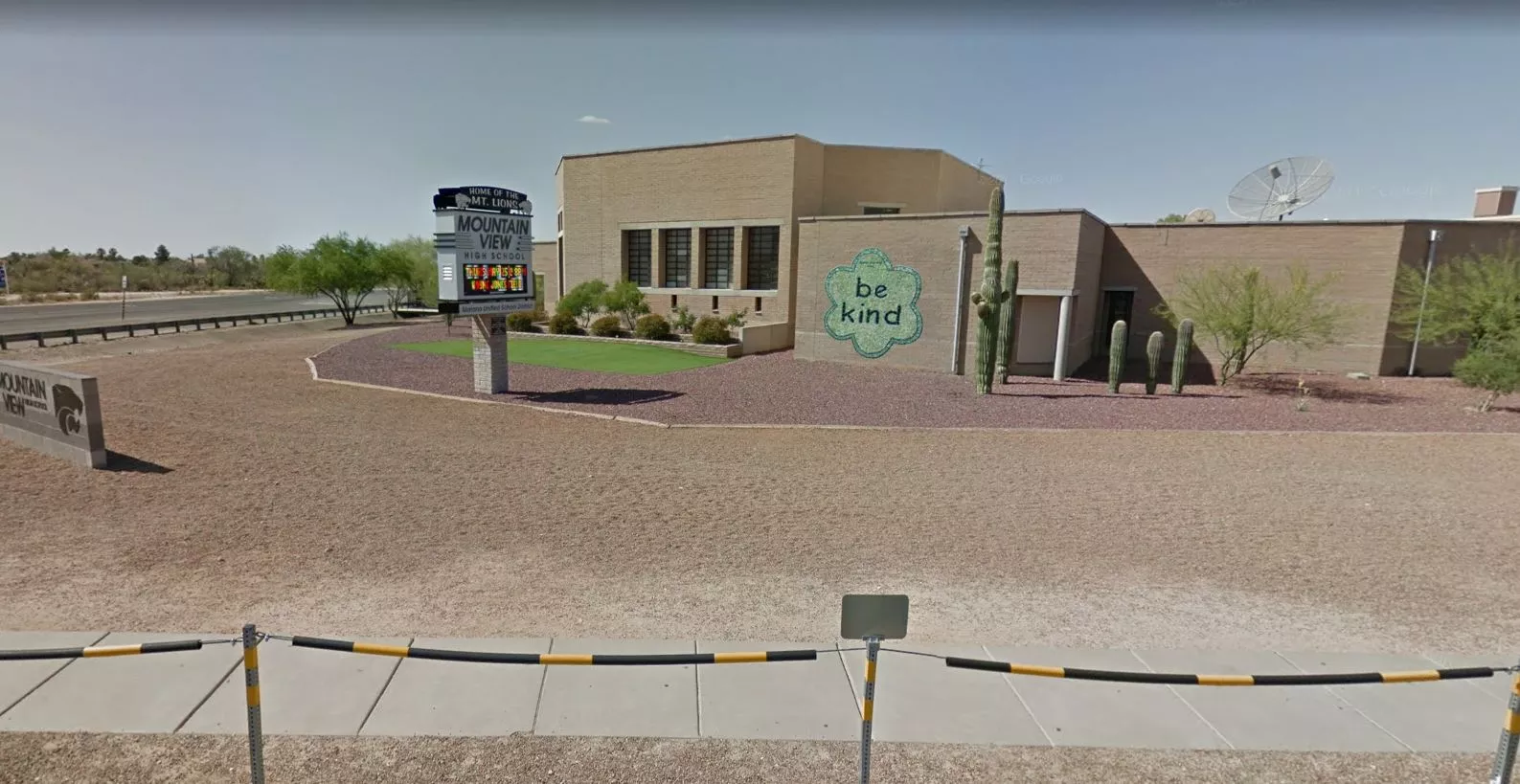
As Tucson’s schools reopen for in-person classes, some are reporting an increasing number of COVID-19 cases among students and staff—many who are being asked to quarantine themselves if they were in contact with people who have tested positive.
As of Monday, the Amphitheater Unified School District has reported 20 active coronavirus cases resulting in 98 students and staff members quarantining, according to Communications Director Michelle Valenzuela.
Since opening in a hybrid model on Oct. 12, Amphitheater has reported 24 total cases reaching 10 different school sites. Valenzuela says four of those cases are no longer active.
Superintendent Todd Jaeger believes the cases are originating from off-campus events.
“While it's somewhat defeating and concerning that we've had the cases that we had, it's notable to me that they have all originated off of campus,” Jaeger said. “In other words, we don't have a single case yet that we know of that originated on campus.”
The superintendent said high COVID-19 case counts are usually related to one specific activity that occurred over a weekend. Such was the case, according to Jaeger, with eight Ironwood Ridge High School students who tested positive over the past week.
He asks students to practice proper safety protocol to avoid the virus as much outside of school as they do in the classrooms.
“The message for everyone there is that you can’t socially distance, you cannot properly wear masks, you cannot take appropriate precautions in just one part of your life, it has to be in all walks of your life,” Jaeger said. “In school, still, it does not take a lot of policing, the kids are generally very, very compliant. I guess I was hoping that was the case off of campus as well.”
At Holaway Elementary, both fifth-grade classrooms moved to entirely online instruction after two staff members reported positive COVID-19 tests on Oct. 28 and 31.
Jaeger said these larger quarantines will be “narrowly tailored” based on each school’s coronavirus outbreaks after consulting with the Pima County Health Department.
“We are always going to keep the safety of students at the forefront of our decision making. We're consulting specifically with public health officials, epidemiologists and the like to tell us what we should do,” he said. “It's all of those other events in our life that pose potential exposure risks as well, that we have to be vigilant of. We have to be vigilant in all of our interactions out there in public right now.”
Here are all the Amphitheater schools that have reported positive coronavirus cases since reopening: