

Thursday, May 28, 2020

The new AZCares Fund has been established by the governor to distribute these resources based on population data from last year’s Census estimate, the same method used for the federal government’s initial disbursements.
The City of Tucson and unincorporated Pima County already received money directly from the federal government, so they are not eligible for this new round of funding. The Town of Marana will receive about $5.6 million and the Town of Oro Valley will receive about $5.2 million. Marana has roughly 3,000 more residents than Oro Valley.
The Town of Sahuarita is set to receive about $3.6 million and the City of South Tucson will get $656,000. For a total list of municipalities and funding amounts, click here.
In addition, these local governments along with tribal communities, schools and other groups, are now eligible to receive $150 million in “expedited reimbursements” from the Federal Emergency Management Administration for expenses related to addressing COVID-19, such as purchasing testing supplies, personal protective equipment and more.
A new system called the Arizona Express Pay Program, has been created with the intention to streamline the application process for accessing these FEMA funds.
For more information about these new initiatives, visit arizonatogether.org.
Tags: COVID19 , Coronavirus , FEMA , Federal Aid , CARES Act , AZCares Fund , Doug Ducey , Governor , Local Government , Nonprofit , Funding , Image
Tucson Weekly asked the candidates running for Board of Supervisors seats this year if they approved of those decisions and if they would have done anything differently. Here’s what the candidates in District 3 had to say.
In the District 3 Democratic primary, six-term Supervisor Sharon Bronson is facing Juan Padres, who is making his first run for public office. Padres, who previously worked for the autonomous trucking company TuSimple, is now operating his own business, a courier service between Tucson and Nogales. He is also involved in bringing Mexican craft beers to the Tucson market.
Bronson, who voted in favor of closing bars and limiting restaurants to take out and delivery in March, said responding to the virus has been challenging because of a lack of resources coming from federal agencies.
But the closure was based on a legal technicality, not on the merits of the complaints.
In a letter addressed to state Sen. Vince Leach along with state Reps. Mark Finchem and Bret Roberts, Government Accountability Unit Chief Council Linley Wilson said the AG's office "determined the impending investigation was moot" after the Board of Supervisors repealed their May 13 proclamation during last Thursday's Board of Supervisors meeting.
The three lawmakers filed a compliant with Brnovich's office on May 15, asking the AG to investigate citing Pima County's proclamation was exceeding its authority by creating additional regulations after Gov. Ducey issued his May 12 executive order allowing restaurants and bars to reopen.
Chief Civil Deputy County Attorney Andrew Flagg responded to the complaint last Friday via letter pointing out that the lawmaker's case was "moot" since the May 13 proclamation had been repealed. It would appear Brnovich's office agrees with Pima County.

Pima County had 2,167 confirmed cases.

The coronavirus had killed 857 people statewide, including 186 in Pima County, according to the report.
In Maricopa County, the number of confirmed COVID-19 cases had risen to 8,896.
Because symptoms can take as long as two weeks to appear after exposure to the virus (while some people can remain entirely asymptomatic), health officials continue to urge the public to avoid unnecessary trips and gatherings of more than 10 people, especially if you have underlying health conditions, and have advised people to cover their faces with masks in public.

Less than two week after Gov. Doug Ducey lifted Arizona's stay-at-home order, Arizona hospitals are reporting their largest number of people hospitalized with COVID symptoms, as well as more people visiting emergency rooms. Today's Arizona Department of Health Services report shows that through yesterday, 945 Arizonans were hospitalized. A record number of 600 people arrived at emergency rooms with COVID-like symptom on May 27, according to the report.
As Pima County emerges from the state's stay-at-home order, many establishments have reopened and more are planning to in the weeks to come as local elected officials attempt to enact emergency regulations or otherwise advise people how to safely avoid COVID-19 infection.
Dr. Bob England, Pima County's Interim Health Director, said the next few weeks will show healthcare experts two things: The degree to which our population has developed an immunity to COVID-19 and the seasonality of the disease. He said if the virus behaves really seasonally and cases continue to drop since Arizona’s stay-home order was lifted May 15, that’s good news in the short run. However, he said there could be bad news later in the year.
“But in the long run, that may mean we’re in for it in the winter because if it comes back with a vengeance during the time we have other respiratory viruses and flus circulating, that could be a real mess for all of us,” England said.
England said now was the time to prepare, both as residents and healthcare providers, for any potential resurgence. England added that if COVID-19 behaves like other coronaviruses, and if our immune system behaves as it does with other illnesses caused by coronaviruses, “then maybe we’ve got a couple of years worth of protection to look forward to. That means this may be an every winter phenomenon.”
• Pima County Justice Court is set to start hearing eviction cases next week, with 500 on the docket. Evictions had been delayed as a result of the spread COVID-19 and the subsequent economic meltdown, but as the moratorium nears its end and Arizona hits triple-digit temperatures, many people in Pima County are now facing losing their home. An eviction prevention fair is happening today. Details here.
Wednesday, May 27, 2020
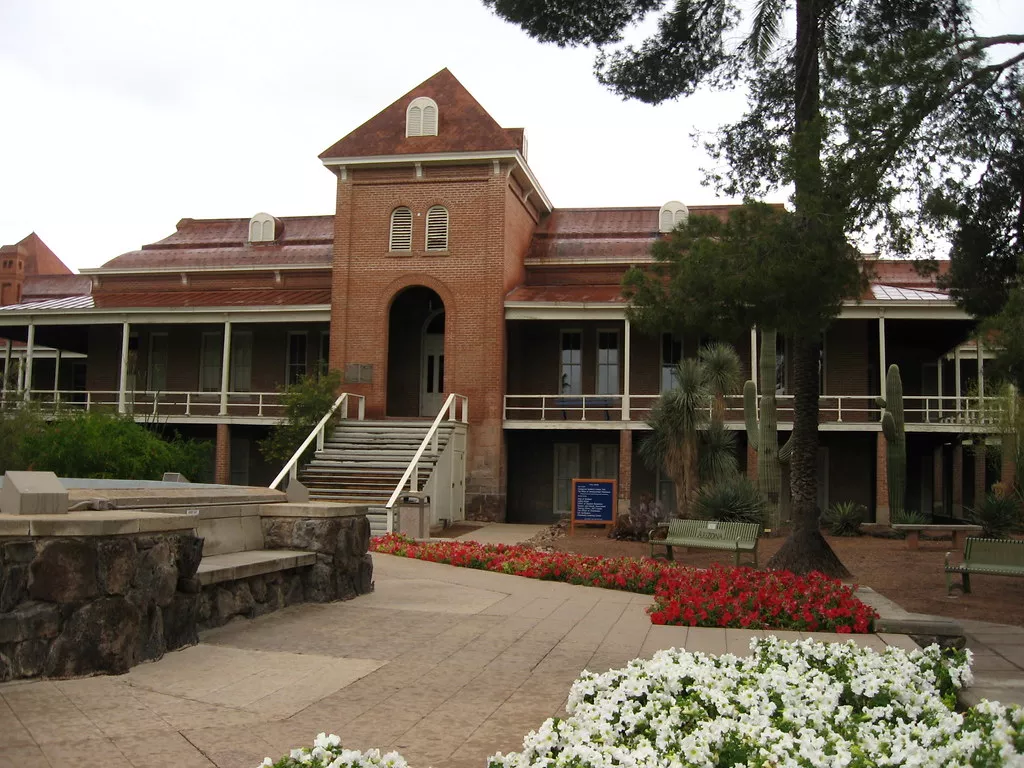
University of Arizona President Dr. Robert Robbins was joined by a panel of university leaders from different disciplines to talk about their plan to reopen the campus on August 24.
As before, Robbins and Dr. Richard Carmona, a former US Surgeon General who is tasked with directing the campus reentry plan, said their plan is to reopen the campus as safely as possible. Robbins said their intention is to open the campus back up for the fall semester, but they will not reopen unless it's deemed safe to do so.
There are 89 days left until the beginning of the fall semester. Robbins hopes to have a final answer about reopening by the 60-day mark so that students can have time to plan their living situations and other matters.
The university hopes to come to a final decision in concert with local and state officials considering the present risk of transmission. Carmona said they will use the epidemiological data of Southern Arizona to drive their decisions.
“Many colleges and universities are struggling with this now, making decisions just empirically to open or not open because of the fear, the uncertainty,” Carmona said. “But I think this is truly an academic approach to be able to take the thought leaders in our university, challenge them to come up with the best practices, aggregate that data, bring it forward so that the incident management team can sort through it, and then come up with a plan ... to ensure that we mitigate risk and are optimally prepared to open our university when [Robbins makes] the decision.”
Tags: COVID19 , Coronavirus , University of Arizona , UA , Campus Reentry Plan , Robert Robbins , Image
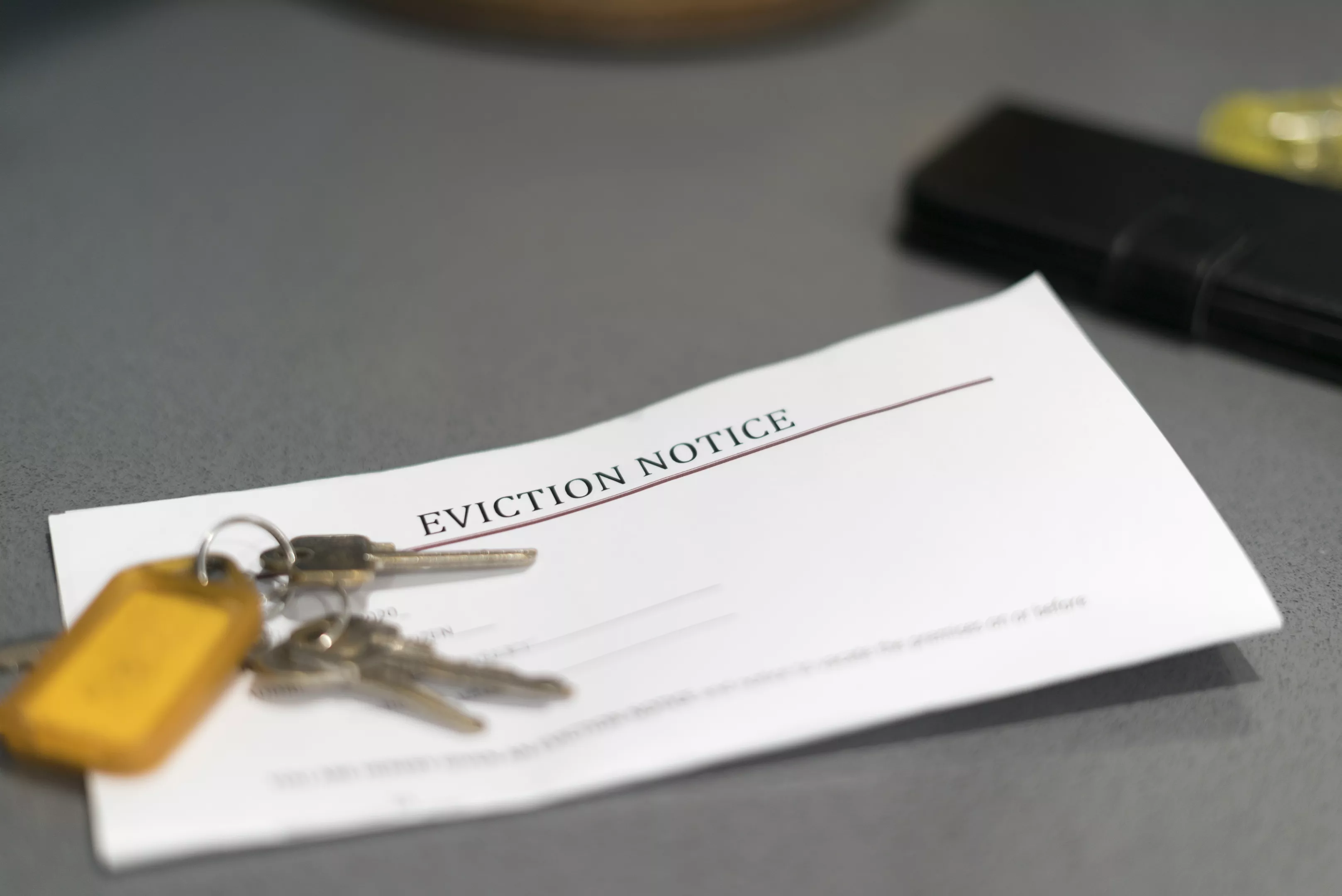
With the widespread economic fallout of the pandemic, many renters in Southern Arizona are facing a tough financial situation and an eviction will only set them further back.
In response to the impending displacement of vulnerable people, the Pima County Constables Office has organized an eviction prevention resource fair in partnership with a handful of local nonprofits and government service agencies.
Tags: Eviction , Pima County , Constable , Rent , Housing , COVID19 , Coronavirus , Economy , Image

A firm set up by a former telemarketer who once settled federal fraud charges for $2.7 million. A vodka distributor accused in a pending lawsuit of overstating its projected sales. An aspiring weapons dealer operating out of a single-family home.
These three privately held companies are part of the new medical supply chain, offered a total of almost $74 million by the federal government to find and rapidly deliver vital protective equipment and COVID-19 testing supplies across the U.S. While there’s no evidence that they obtained their deals through political connections, none of the three had to bid against competing firms. One has already lost its contract for lack of performance; it’s unclear if the other two can fulfill their orders on time, or at all.
They are among about 345 first-time federal contractors promised at least $1.8 billion in deals by the Trump administration since March, representing about 13% of total government spending on pandemic-related contracts of $13.8 billion, a ProPublica analysis of federal procurement data found. Like the three companies, many of the new contractors have no experience acquiring medical products.
Some of them, including the ex-telemarketer’s company and another firm established by a former White House aide, formed only days or weeks before landing multimillion-dollar government contracts. The U.S. government’s reliance on them, with what appears to be scant vetting of their credentials, represents a major gamble whose outcome could affect how many Americans are infected by the coronavirus and how quickly the U.S. economy recovers.
“We’re putting schedule above quality, to some extent, in this time of great need,” said Trevor Brown, a professor of public management at Ohio State University. “There’s just so much pressure to get PPE into the field, I’m not surprised there’s a relaxing of focus on the quality of the product.”
Pima County Administrator Chuck Huckelberry noted that reaction has ranged from critics who say the county hasn't done enough to those who complain the Board of Supervisors shouldn't do anything at all. Democratic supervisors Ramon Valadez, Sharon Bronson and Betty Villegas said they voted for the regulations to ensure public safety, while Republicans Steve Christy and Ally Miller say the new rules make it harder for beleaguered businesses to reopen. At the request of three GOP lawmakers, Attorney General Mark Brnovich is investigating if the measures imposed by the board exceed their authority. See more details here.
Tucson Weekly asked the candidates running for Board of Supervisors seats this year if they approved of those decisions and if they would have done anything differently. Here’s what the candidates in District 5 had to say.
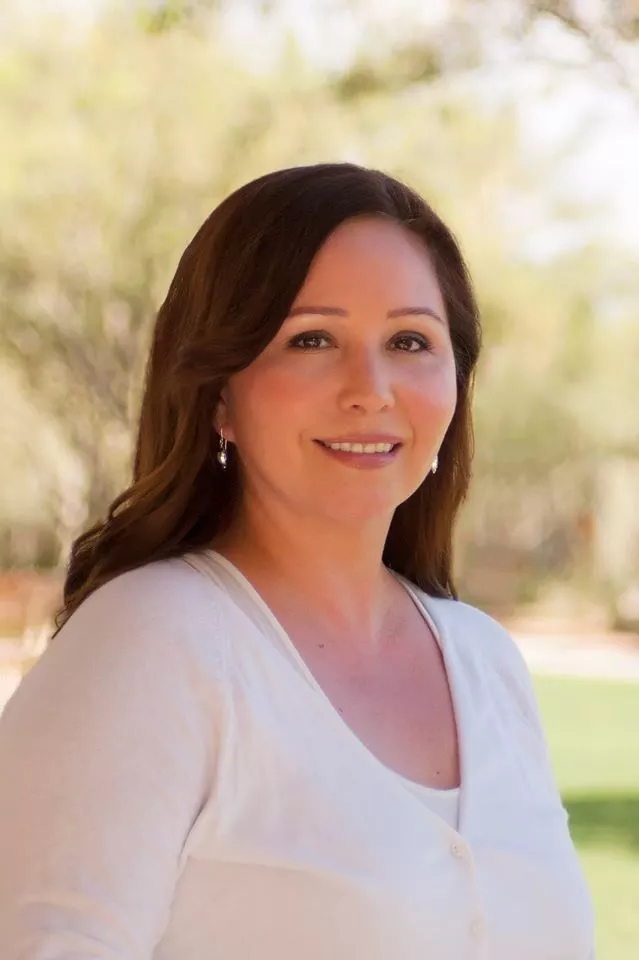
The Democratic primary pits two school board members against each other: TUSD Board member Adelita Grijalva is facing Sunnyside School Board member Consuelo Hernandez in the heavily Democratic district, which includes the University of Arizona, downtown and parts of South Tucson and Saguaro National Park West.
Grijalva said the county moved too slowly to close their facilities, such as the libraries, and transition the majority of employees to work from home. If she was on the board, Grijalva says she would have advocated to close down facilities sooner.
Now that businesses are opening back up, Grijalva said the county cannot ignore basic health and safety precautions. She has already witnessed large groups of people gathering at restaurants since the state stay-at-home order was lifted on May 15.
The question about safety guidelines in restaurants continues to be debated. On May 21, the supervisors had to revise their emergency regulations on restaurants and bars after restaurant owners complained the new rules were too burdensome and some state lawmakers threatened to sue.
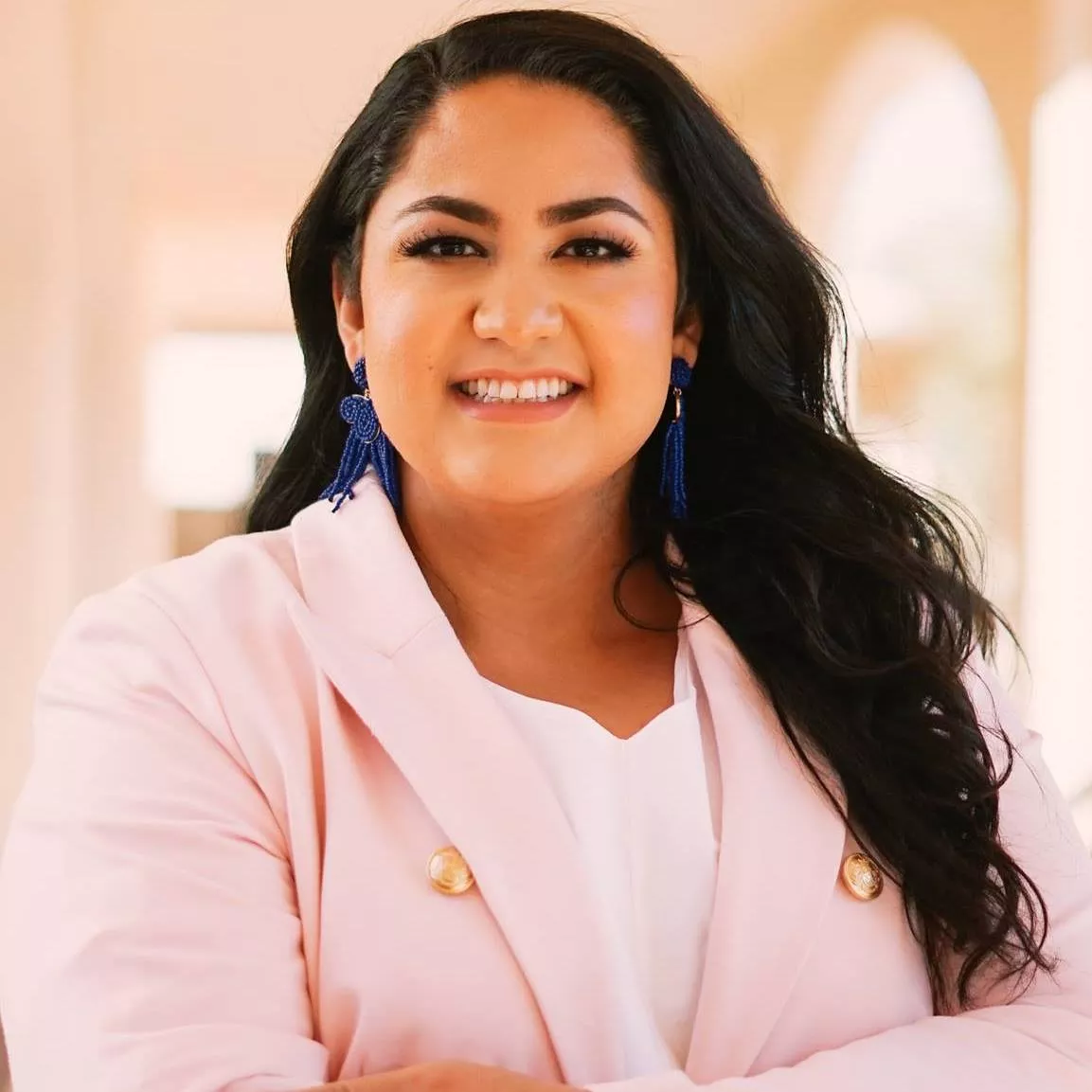
She also believes that the communications coming from the Pima County Health Department about COVID-19 need to be more accessible.
“I know that they’re putting it on social media, but if someone has connectivity issues, if they don’t have internet, then how are we getting information out?” Grijalva said. “It really is the responsibility of the county to get the information out, and I feel that while people who are engaged and seeking the information can find it, the vast majority may not be getting the updates that they need to.”
Hernandez said local government needs to do whatever it can to keep residents safe.
“As someone who has a background in global health, I know how critical it is for us to let the health professionals take the lead on this process,” Hernandez said. “And while I understand the problem the county supervisors face and understand the challenges, it remains critical for us to deal with the situation with the best health and safety interests of our citizens in mind.”
Republican Fernando Gonzales did not respond to requests for comment.
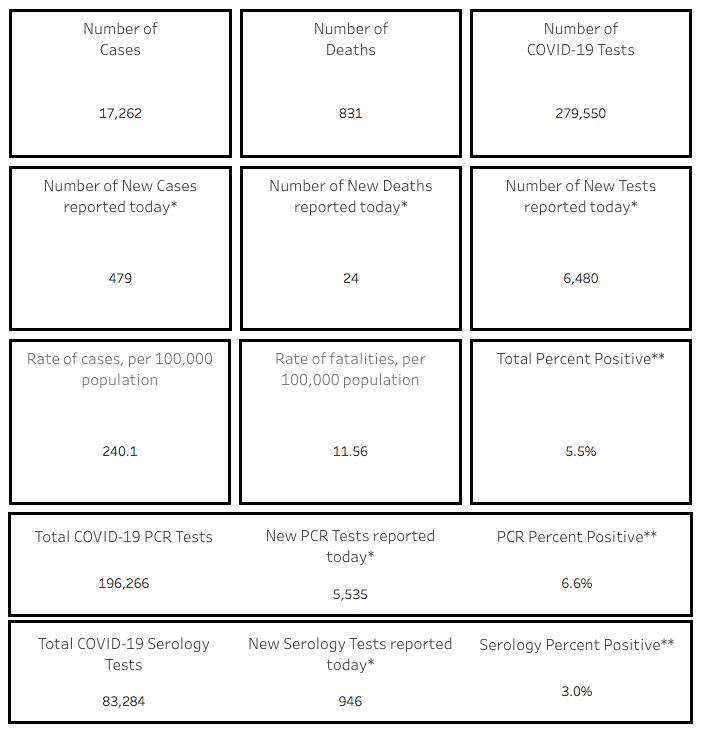
The number of confirmed coronavirus cases in Arizona topped 17,000 as of Wednesday, May 27, according to the morning report from the Arizona Department of Health Services.
Pima County had 2,119 of the state's 17,262 confirmed cases.

The coronavirus had killed 831 people statewide, including 175 in Pima County, according to the report.
In Maricopa County, the number of confirmed COVID-19 cases had risen to 8,627.
Because symptoms can take as long as two weeks to appear after exposure to the virus (while some people can remain entirely asymptomatic), health officials continue to urge the public to avoid unnecessary trips and gatherings of more than 10 people, especially if you have underlying health conditions, and have advised people to cover their faces with masks in public.
As Pima County emerges from the state's stay-at-home order, many establishments have reopened and more are planning to in the weeks to come as local elected officials attempt to enact emergency regulations or otherwise advise people how to safely avoid COVID-19 infection.
Dr. Bob England, Pima County's Interim Health Director, said the next few weeks will show healthcare experts two things: The degree to which our population has developed an immunity to COVID-19 and the seasonality of the disease. He said if the virus behaves really seasonally and cases continue to drop since Arizona’s stay-home order was lifted May 15, that’s good news in the short run. However, he said there could be bad news later in the year.
“But in the long run, that may mean we’re in for it in the winter because if it comes back with a vengeance during the time we have other respiratory viruses and flus circulating, that could be a real mess for all of us,” England said.
England said now was the time to prepare, both as residents and healthcare providers, for any potential resurgence. England added that if COVID-19 behaves like other coronaviruses, and if our immune system behaves as it does with other illnesses caused by coronaviruses, “then maybe we’ve got a couple of years worth of protection to look forward to. That means this may be an every winter phenomenon.”
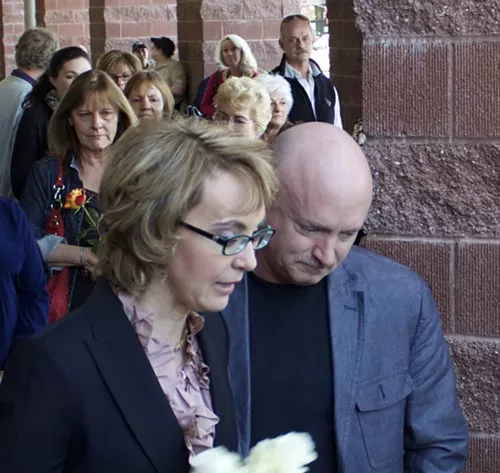
More than half the voters surveyed, 51.3 percent, supported Kelly in the poll, while McSally had the support of just 41.3 percent.
Kelly, who is married to former Southern Arizona congresswoman Gabby Giffords, is leading McSally 54-36 percent in Pima County and is doing even better in Maricopa County, where his lead is 57-36. But McSally is outdoing Kelly in the rural counties, leading 60-31 percent.
Given that a Highground poll released yesterday showed that Trump was trailing presumptive Democratic nominee Joe Biden by just 2 percentage point, Highground CEO Charles "Chuck" Coughlin said that McSally is not being dragged down by Trump but is failing on her own reputation.
“Clearly, for the Arizona voter, Kelly is presenting himself as a better option than Biden, adopting the similar strategy which won Krysten Sinema her United States Senate seat in 2018 of avoiding the progressive partisan label that the Democratic Party’s nominee must shoulder,” said Coughlin, a onetime advisor to former Arizona governors Fife Symington and Jan Brewer.
Coughlin said McSally was running out of time to change the narrative of the race.
“The social and economic tumult of the past three months would lead one to believe that anything is possible, but the road ahead is narrowing for McSally’s campaign," Coughlin said. "Mark Kelly is a formidable candidate for the Arizona electorate, one could reasonably describe him as the best candidate the Democrats have running in this cycle."
But Coughlin added that there would be big twists ahead.
“With a 20-point lead in Maricopa County and more than 17 point lead in Pima County, many might consider this race all but over," Coughlin said. 'But, that would be a mistake. Our survey released yesterday indicated that 20% of the electorate is blaming China for COVID-19 and 25% still doesn’t know or is blaming no one. Given the recent attacks on Kelly’s business dealings, you can expect the Republican narrative to focus sharply on this issue in an attempt to link Kelly to China and undermine his performance in the dominant media markets of Maricopa and Pima County. McSally will clearly have to up her game with Republican and swing voters in Maricopa and greater Arizona in order to be successful, but as long as Trump is running a competitive race, you cannot count Senator McSally out.”
Highground's methodology:
The N=400 survey was conducted among likely voters 5/18 through 5/22. The poll surveyed likely Arizona 2020 General Election voters who have a history of electoral participation and was balanced to model the likely turnout of voters across party, age, region, and gender. The live interview survey of voters was conducted by HighGround Public Affairs to both landline and cell phone users. The partisan advantage was set at +4% GOP based on previous election trends and expected Presidential Election turnout. The margin of error is ±4.9%.

