

Friday, May 1, 2020
A White House official confirmed Wednesday that President Donald Trump will visit the Phoenix Honeywell facility for an industry event May 5, despite Gov. Doug Ducey extending his stay-at-home order to May 15. The visit marks the first time the president has traveled outside Washington, D.C., since the end of March.
The visit is meant to highlight the company’s production of essential medical equipment, such as N95 masks, and the addition of 500 manufacturing jobs at the jet engine facility near Sky Harbor International Airport, a White House official told Cronkite News.
“The president is always welcome in Arizona,” Ducey said at a news conference Wednesday, acknowledging that Trump often attracts large crowds. At Trump’s most recent campaign rally Feb. 19, 10,000 gathered in Phoenix to cheer the president and a couple hundred more gathered outside. The Honeywell event will not be open to the public.
Ducey encouraged people not to gather for next week’s visit, but when asked whether he would break up potential crowds, he only offered, “I’m asking people to stay home, stay healthy and stay connected.”
Honeywell manufactures supply chain, building technology and aerospace products but announced in late March it would make N95 masks to help meet heavy demand.
As of Thursday, the Arizona Department of Health Services reported 7,648 cases of COVID-19 and 320 deaths in the state. It said 71,786 tests for COVID-19 have been completed April 30 in public and private labs in Arizona, and 9% of tests have come back positive for the virus that causes the disease.

The visit is meant to highlight the company’s production of essential medical equipment, such as N95 masks, and the addition of 500 manufacturing jobs at the jet engine facility near Sky Harbor International Airport, a White House official told Cronkite News.
“The president is always welcome in Arizona,” Ducey said at a news conference Wednesday, acknowledging that Trump often attracts large crowds. At Trump’s most recent campaign rally Feb. 19, 10,000 gathered in Phoenix to cheer the president and a couple hundred more gathered outside. The Honeywell event will not be open to the public.
Ducey encouraged people not to gather for next week’s visit, but when asked whether he would break up potential crowds, he only offered, “I’m asking people to stay home, stay healthy and stay connected.”
Honeywell manufactures supply chain, building technology and aerospace products but announced in late March it would make N95 masks to help meet heavy demand.
As of Thursday, the Arizona Department of Health Services reported 7,648 cases of COVID-19 and 320 deaths in the state. It said 71,786 tests for COVID-19 have been completed April 30 in public and private labs in Arizona, and 9% of tests have come back positive for the virus that causes the disease.
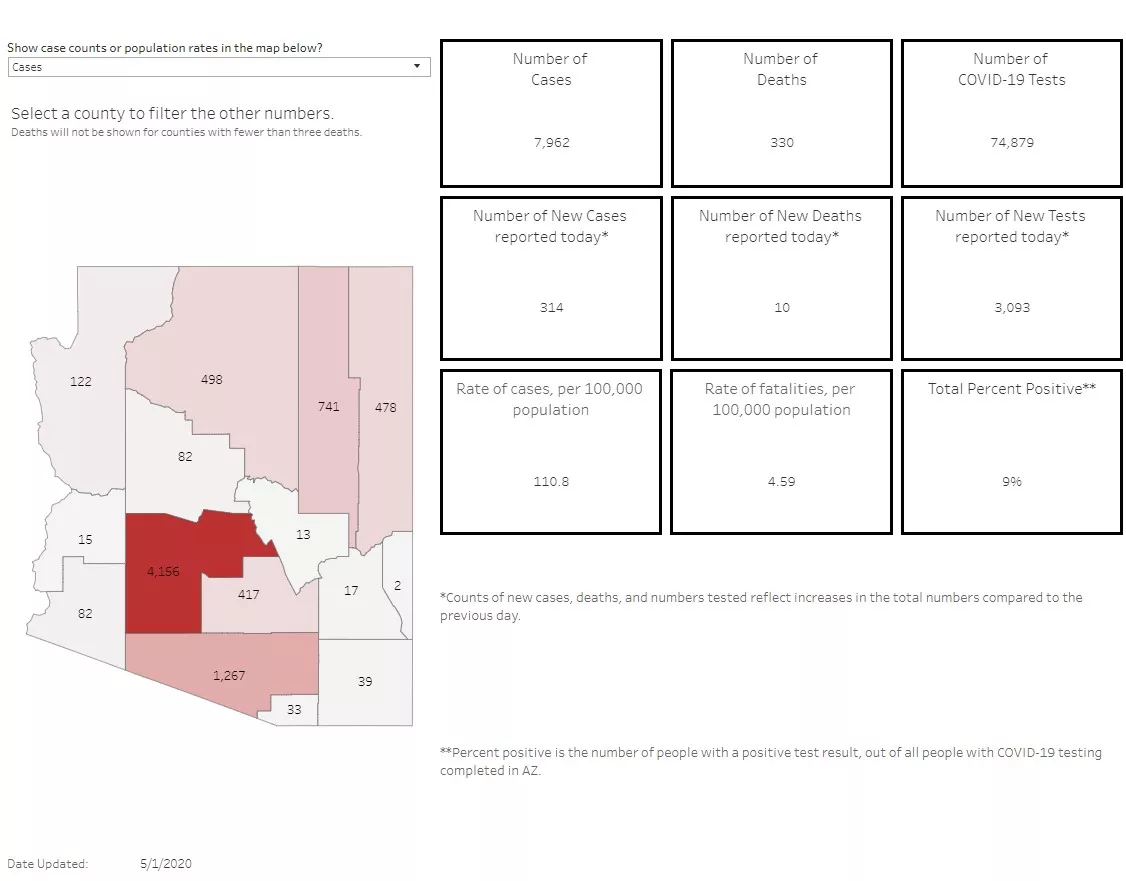
The number of confirmed coronavirus cases in Arizona reached 7,962 as of Friday, May 1, according to the morning report from the Arizona Department of Health Services.
Pima County had 1,267 confirmed cases.
The coronavirus had killed 330 people statewide, including 81 in Pima County, according to the report.
In Maricopa County, the number of confirmed COVID-19 cases had risen to 4,156.
Because testing remains limited in Arizona and COVID-19 symptoms can take as long as two weeks to appear after exposure to the virus (while some people can remain entirely asymptomatic), health officials continue to urge the public to avoid unnecessary trips and gatherings of more than 10 people and have advised people to cover their faces with masks in public.
Gov. Doug Ducey announced yesterday that his stay-at-home order would remain in place through May 15 with some modification. People are still advised to limit contact and many businesses must remain closed, but Ducey said he wanted the state’s economy to gradually reopen.
“These habits we've acquired over the last 45 days will not be with us forever, but they will be with us for the time being,” Ducey said.
Pima County had 1,267 confirmed cases.

The coronavirus had killed 330 people statewide, including 81 in Pima County, according to the report.
In Maricopa County, the number of confirmed COVID-19 cases had risen to 4,156.
Because testing remains limited in Arizona and COVID-19 symptoms can take as long as two weeks to appear after exposure to the virus (while some people can remain entirely asymptomatic), health officials continue to urge the public to avoid unnecessary trips and gatherings of more than 10 people and have advised people to cover their faces with masks in public.
Gov. Doug Ducey announced yesterday that his stay-at-home order would remain in place through May 15 with some modification. People are still advised to limit contact and many businesses must remain closed, but Ducey said he wanted the state’s economy to gradually reopen.
“These habits we've acquired over the last 45 days will not be with us forever, but they will be with us for the time being,” Ducey said.
Thursday, April 30, 2020
Courtesy of Pima County
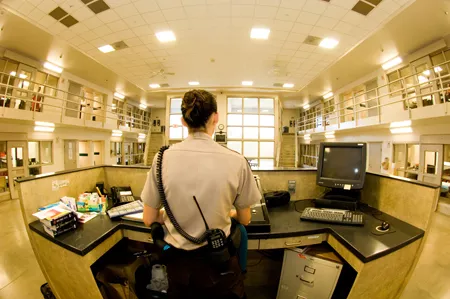
Yesterday the Pima County Sheriff's Department announced that four employees have tested positive for COVID-19.
The employees, including one correctional staff member from the county jail, have been placed on pandemic leave.
The corrections staff member had been away from work for unrelated reasons since April 17, according to a department press release. The employee's immediate coworkers were notified of the positive case and given information about proper contract tracing.
The sheriff's department is confident that no other people were put at risk because the employee was away from work, but this news comes as many criminal justice reform advocates are calling on local, state and federal officials to drastically reduce prison populations because of the increased risk of COVID-19 transmission.
Jails and prisons confine large groups of people together in close spaces, which makes social distancing impossible. There have also been reports of a lack of personal protective equipment and sanitary items available to state prison staff and people incarcerated there.
The sheriff's department stated that no other correctional staff or any incarcerated individuals have tested positive for the virus.
"During this unprecedented crisis, the Pima County Sheriff's Department will continue to serve the public," the release states. "We will do so in accordance with public health guidance. We will maintain the safest working environment possible for our employees and will continue to ensure the safety of the inmates in our custody."
The number of confirmed coronavirus cases in Arizona reached 7,648 as of Thursday, April 30, according to the morning report from the Arizona Department of Health Services. Pima County had 1,241 confirmed cases.
The coronavirus had killed 320 people statewide, including 80 in Pima County, according to the report. In Maricopa County, the number of confirmed COVID-19 cases had risen to 3,972.
The coronavirus had killed 320 people statewide, including 80 in Pima County, according to the report. In Maricopa County, the number of confirmed COVID-19 cases had risen to 3,972.
Tags: Pima County Sheriff , Pima County Jail , COVID19 , Coronavirus , Employee , Image
The number of confirmed coronavirus cases in Arizona reached 7,648 as of Thursday, April 30, according to the morning report from the Arizona Department of Health Services.
Pima County had 1,241 confirmed cases.
The coronavirus had killed 320 people statewide, including 80 in Pima County, according to the report.
In Maricopa County, the number of confirmed COVID-19 cases had risen to 3,972.
Because testing remains limited in Arizona and COVID-19 symptoms can take as long as two weeks to appear after exposure to the virus (while some people can remain entirely asymptomatic), health officials continue to urge the public to avoid unnecessary trips and gatherings of more than 10 people and have advised people to cover their faces with masks in public.
Gov. Doug Ducey announced yesterday that his stay-at-home order would remain in place through May 15 with some modification. The order was set to expire today.
People are still advised to limit contact and many businesses must remain closed, but Ducey said he wanted the state’s economy to gradually reopen.
“These habits we've acquired over the last 45 days will not be with us forever, but they will be with us for the time being,” Ducey said.
Ducey said that he will decide how to move forward based on what future testing shows regarding the spread of the virus, but explained it would be a gradual reopening of businesses now closed.
The governor added that some businesses can voluntarily reopen beginning Monday, May 4, as long as they resume physical distancing. The first stage of opening includes appointment-based services, with more businesses included on Friday, May 8.
Ducey's decision won support from both Democrats and business leaders.
“The revisions put forth by the governor breathe needed oxygen into our retail sector," said Glenn Hamer, president and CEO Arizona Chamber of Commerce & Industry. "Stores that sell essential goods have proven already that they can operate safely, and we look forward to more retailers doing the same."
Pima County Supervisor Ramon Valadez, who earlier in the day urged Ducey to be cautious in relaxing restrictions, said Ducey appeared to be taking the right course of action by encouraging people to remain at home but allowing businesses to reopen on a limited basis.
“What he’s doing right now is OK,” Valadez said. “We need to go with science and data and public health so we’re not re-doing the reopening in another month, because that’s what we’re looking at if we don’t do that right.”
Pima County had 1,241 confirmed cases.

The coronavirus had killed 320 people statewide, including 80 in Pima County, according to the report.
In Maricopa County, the number of confirmed COVID-19 cases had risen to 3,972.
Because testing remains limited in Arizona and COVID-19 symptoms can take as long as two weeks to appear after exposure to the virus (while some people can remain entirely asymptomatic), health officials continue to urge the public to avoid unnecessary trips and gatherings of more than 10 people and have advised people to cover their faces with masks in public.
Gov. Doug Ducey announced yesterday that his stay-at-home order would remain in place through May 15 with some modification. The order was set to expire today.
People are still advised to limit contact and many businesses must remain closed, but Ducey said he wanted the state’s economy to gradually reopen.
“These habits we've acquired over the last 45 days will not be with us forever, but they will be with us for the time being,” Ducey said.
Ducey said that he will decide how to move forward based on what future testing shows regarding the spread of the virus, but explained it would be a gradual reopening of businesses now closed.
The governor added that some businesses can voluntarily reopen beginning Monday, May 4, as long as they resume physical distancing. The first stage of opening includes appointment-based services, with more businesses included on Friday, May 8.
Ducey's decision won support from both Democrats and business leaders.
“The revisions put forth by the governor breathe needed oxygen into our retail sector," said Glenn Hamer, president and CEO Arizona Chamber of Commerce & Industry. "Stores that sell essential goods have proven already that they can operate safely, and we look forward to more retailers doing the same."
Pima County Supervisor Ramon Valadez, who earlier in the day urged Ducey to be cautious in relaxing restrictions, said Ducey appeared to be taking the right course of action by encouraging people to remain at home but allowing businesses to reopen on a limited basis.
“What he’s doing right now is OK,” Valadez said. “We need to go with science and data and public health so we’re not re-doing the reopening in another month, because that’s what we’re looking at if we don’t do that right.”
Wednesday, April 29, 2020
Gov. Doug Ducey announced Wednesday that Arizona’s stay-at-home order will extend through May 15 with modifications as the state implements a gradual, “phased” approach to reopening.
“These habits we've acquired over the last 45 days will not be with us forever, but they will be with us for the time being,” Ducey said.
Ducey said that he will decide how to move forward based on what future testing shows regarding the spread of the virus, but explained it would be a gradual reopening of businesses now closed.
The governor added that some businesses can voluntarily reopen beginning Monday, May 4, as long as they resume physical distancing. The first stage of opening includes appointment-based services, with more businesses included on Friday, May 8.
Ducey's decision won support from both Democrats and business leaders.
“The revisions put forth by the governor breathe needed oxygen into our retail sector," said Glenn Hamer, president and CEO Arizona Chamber of Commerce & Industry. "Stores that sell essential goods have proven already that they can operate safely, and we look forward to more retailers doing the same."

“These habits we've acquired over the last 45 days will not be with us forever, but they will be with us for the time being,” Ducey said.
Ducey said that he will decide how to move forward based on what future testing shows regarding the spread of the virus, but explained it would be a gradual reopening of businesses now closed.
The governor added that some businesses can voluntarily reopen beginning Monday, May 4, as long as they resume physical distancing. The first stage of opening includes appointment-based services, with more businesses included on Friday, May 8.
Ducey's decision won support from both Democrats and business leaders.
“The revisions put forth by the governor breathe needed oxygen into our retail sector," said Glenn Hamer, president and CEO Arizona Chamber of Commerce & Industry. "Stores that sell essential goods have proven already that they can operate safely, and we look forward to more retailers doing the same."
Pima County Supervisor Ramon Valadez, who earlier in the day urged Ducey to be cautious in relaxing restrictions, said Ducey appeared to be taking the right course of action by encouraging people to remain at home but allowing businesses to reopen on a limited basis.
“What he’s doing right now is OK,” Valadez said. “We need to go with science and data and public health so we’re not re-doing the reopening in another month, because that’s what we’re looking at if we don’t do that right.”
Valadez added that vulnerable populations such as seniors or people with underlying health issues avoid going out in public as much as they could.
Ducey said that he working to allow restaurants to begin serving more than takeout and delivery in the near future but bars would remain closed for a longer period.
Arizona Restaurant Association President and CEO Steve Chucri said he had been working with Ducey to develop ways to safely reopen eateries.
“We appreciate the governor’s thoughtful and inclusive approach," Chucri said in a prepared statement. "And though we are not ready to open today, by working together we will get there soon.”
Tucson Mayor Regina Romero said Ducey was moving in the right direction.
“I am encouraged by Governor Ducey’s extension of his ‘Stay Home, Stay Healthy, Stay Connected’ Executive Order and applaud his measured approach,” Romero said in a prepared statement. “These are difficult but necessary decisions that no elected official relishes making.”
Romero said that she wanted to ensure that Tucsonans are safe from COVID-19 in the workplace and the marketplace before the stay-at-home order is lifted.
"Every day that our local businesses remain closed and our workers without jobs pains me,” Romero said. “I am as eager as anyone to begin gradually re-opening our economy, however we must do so in a manner that is safe and consistent with the advice of public health experts. It is critical that a phased-in re-opening follows the guidelines established by the CDC, and locally by the Pima County Health Department. To date, Arizona and Pima County have not met this criteria."
Romero added that she wanted to work with Ducey and state officials before lifting more restrictions.
“Given that the Executive Order pre-empts municipalities from taking action at the local level, I would highly advise Governor Ducey to seek the input of Mayors and local elected officials who are on the frontlines of this pandemic," she said. "I look forward to working with Gov. Ducey to promote the safety and well-being of Arizonans during these difficult times.”
Tucson City Councilman Steve Kozachik likewise said it was important that local jurisdictions have the authority to set their own protocols regarding the outbreak.
“We need to follow science and not put our city at greater risk of reversing any slight perceived gains we may have achieved,” Kozachik said.
House Democratic Leader Charlene Fernandez (D-Yuma) said it was a "good decision" to extend the modified stay-at-home order. She said the state should follow CDC criteria for reopening the state and called for more testing.
"Arizona does not yet meet all of these standards—while our healthcare system appears to have capacity, our curve of infection is not yet bent—so it was a good decision to extend Arizona’s stay-at-home order until May 15 with modifications," Fernandez said. "Gov. Ducey said that Arizona is heading in the right direction, and we certainly hope that is the case, but we need more tests and more decreasing trendlines."
Ducey’s announcement came on the same day that the state’s confirmed cases topped 7,200, with 304 people dead after contracting the virus. A total of 80 people have died from COVID-19 in Pima County, which was home to 1,215 of the state's 7,202 confirmed cases, according to the Arizona Department of Health Services.
Ducey has been criticized by some Arizona conservatives for the stay-at-home order, but a late April poll by Public Opinion Strategies showed that most Arizonans approved of the effort to slow the outbreak. Roughly six in 10 voters thought his approach had been “just about right,” while 29 percent said he had “not gone far enough” and just 8 percent said he had “gone too far,” according to the poll of 600 registered voters.
Ducey issued the initial stay-at-home order on Monday, March 30, ordering the closure of “non-essential” businesses, but critics said he allowed too many businesses to remain open. As the virus continued its spread, Ducey later trimmed the list of “non-essential” businesses, forcing barber shops, beauty salons, swap meets and similar businesses to shut down.
Hundreds of thousands of Arizonans have lost their jobs since the outbreak began, with more than 420,000 people applying for unemployment benefits in recent weeks. Even many businesses that have been able to keep their doors open have experienced sharp drops in revenue. State budget forecasters have said the state could be facing a billion-dollar budget shortfall but advised that with so little data to work from, they could be off by $500 million in either direction.
Jim Nintzel and Austin Counts contributed to this report, which has been updated with reaction throughout the day.
“What he’s doing right now is OK,” Valadez said. “We need to go with science and data and public health so we’re not re-doing the reopening in another month, because that’s what we’re looking at if we don’t do that right.”
Valadez added that vulnerable populations such as seniors or people with underlying health issues avoid going out in public as much as they could.
Ducey said that he working to allow restaurants to begin serving more than takeout and delivery in the near future but bars would remain closed for a longer period.
Arizona Restaurant Association President and CEO Steve Chucri said he had been working with Ducey to develop ways to safely reopen eateries.
“We appreciate the governor’s thoughtful and inclusive approach," Chucri said in a prepared statement. "And though we are not ready to open today, by working together we will get there soon.”
Tucson Mayor Regina Romero said Ducey was moving in the right direction.
“I am encouraged by Governor Ducey’s extension of his ‘Stay Home, Stay Healthy, Stay Connected’ Executive Order and applaud his measured approach,” Romero said in a prepared statement. “These are difficult but necessary decisions that no elected official relishes making.”
Romero said that she wanted to ensure that Tucsonans are safe from COVID-19 in the workplace and the marketplace before the stay-at-home order is lifted.
"Every day that our local businesses remain closed and our workers without jobs pains me,” Romero said. “I am as eager as anyone to begin gradually re-opening our economy, however we must do so in a manner that is safe and consistent with the advice of public health experts. It is critical that a phased-in re-opening follows the guidelines established by the CDC, and locally by the Pima County Health Department. To date, Arizona and Pima County have not met this criteria."
Romero added that she wanted to work with Ducey and state officials before lifting more restrictions.
“Given that the Executive Order pre-empts municipalities from taking action at the local level, I would highly advise Governor Ducey to seek the input of Mayors and local elected officials who are on the frontlines of this pandemic," she said. "I look forward to working with Gov. Ducey to promote the safety and well-being of Arizonans during these difficult times.”
Tucson City Councilman Steve Kozachik likewise said it was important that local jurisdictions have the authority to set their own protocols regarding the outbreak.
“We need to follow science and not put our city at greater risk of reversing any slight perceived gains we may have achieved,” Kozachik said.
House Democratic Leader Charlene Fernandez (D-Yuma) said it was a "good decision" to extend the modified stay-at-home order. She said the state should follow CDC criteria for reopening the state and called for more testing.
"Arizona does not yet meet all of these standards—while our healthcare system appears to have capacity, our curve of infection is not yet bent—so it was a good decision to extend Arizona’s stay-at-home order until May 15 with modifications," Fernandez said. "Gov. Ducey said that Arizona is heading in the right direction, and we certainly hope that is the case, but we need more tests and more decreasing trendlines."
Ducey’s announcement came on the same day that the state’s confirmed cases topped 7,200, with 304 people dead after contracting the virus. A total of 80 people have died from COVID-19 in Pima County, which was home to 1,215 of the state's 7,202 confirmed cases, according to the Arizona Department of Health Services.
Ducey has been criticized by some Arizona conservatives for the stay-at-home order, but a late April poll by Public Opinion Strategies showed that most Arizonans approved of the effort to slow the outbreak. Roughly six in 10 voters thought his approach had been “just about right,” while 29 percent said he had “not gone far enough” and just 8 percent said he had “gone too far,” according to the poll of 600 registered voters.
Ducey issued the initial stay-at-home order on Monday, March 30, ordering the closure of “non-essential” businesses, but critics said he allowed too many businesses to remain open. As the virus continued its spread, Ducey later trimmed the list of “non-essential” businesses, forcing barber shops, beauty salons, swap meets and similar businesses to shut down.
Hundreds of thousands of Arizonans have lost their jobs since the outbreak began, with more than 420,000 people applying for unemployment benefits in recent weeks. Even many businesses that have been able to keep their doors open have experienced sharp drops in revenue. State budget forecasters have said the state could be facing a billion-dollar budget shortfall but advised that with so little data to work from, they could be off by $500 million in either direction.
Jim Nintzel and Austin Counts contributed to this report, which has been updated with reaction throughout the day.
The Small Business Administration is giving special priority to small lenders with assets under $1 billion dollars today by only processing their clients' Paycheck Protection Program applications until 8:59 p.m. Tucson time tonight.
“In order to ensure special access to the PPP loan program for the smallest lenders and their small business customers, the SBA is only accepting loans from lending institutions with asset sizes less than $1 billion from 4 p.m. EDT until 11:59 p.m. EDT on April 29, 2020. SBA is working to ensure that all eligible small businesses have access to this funding to sustain their businesses and keep their employees on payroll," according to a joint statement by U.S. Small Business Administration Administrator Jovita Carranza and U.S. Treasury Secretary Steven T. Mnuchin.
The special access to smaller lenders also expected to help the SBA's future "loan system performance" to other lenders submitting PPP applications after today, according to the release.
Larger lenders are still able to submit their client's PPP loans during and after today's timeframe.
For more information on applying for PPP loans, click here.

“In order to ensure special access to the PPP loan program for the smallest lenders and their small business customers, the SBA is only accepting loans from lending institutions with asset sizes less than $1 billion from 4 p.m. EDT until 11:59 p.m. EDT on April 29, 2020. SBA is working to ensure that all eligible small businesses have access to this funding to sustain their businesses and keep their employees on payroll," according to a joint statement by U.S. Small Business Administration Administrator Jovita Carranza and U.S. Treasury Secretary Steven T. Mnuchin.
The special access to smaller lenders also expected to help the SBA's future "loan system performance" to other lenders submitting PPP applications after today, according to the release.
Larger lenders are still able to submit their client's PPP loans during and after today's timeframe.
For more information on applying for PPP loans, click here.
With Gov. Doug Ducey announcing his plans for modifying Arizona's Stay-at-Home order at a 3 p.m. presser today, Tucson Mayor Regina Romero and Pima County Board of Supervisors Chairman Ramon Valadez say that it's not yet time to open Arizona. The joint statement:

Pima County and the City of Tucson are united in our concern on relaxing restrictions and opening up our economy at this time. We encourage Governor Ducey to give counties and local jurisdictions the flexibility to act at the regional level if he does not want to extend his 'Stay Home, Stay Healthy, Stay Connected' executive order statewide.
The CDC’s guidelines on 'Opening Up America Again' clearly state that Governors have the discretion to allow local jurisdictions to act at the regional level. The Pima County Health Department has issued guidelines based off CDC recommendations on when it is safe to begin a phased re-opening, including a decline of positive cases over 14 consecutive days, widespread testing, and sufficient PPE for first responders and healthcare workers. We urge great caution in any relaxation.
ProPublica is a nonprofit newsroom that investigates abuses of power. Click here to read their biggest stories as soon as they’re published.
Executives at Cigna, the health insurance giant, have signaled to investors that the coronavirus pandemic isn’t hurting the company’s business and might actually be a boon.
But that hasn’t stopped the trade group that represents Cigna and other health insurers in Washington from asking lawmakers for aid.
Last month, as the coronavirus outbreak sent the stock market into freefall, executives conferred with equity analysts at major investment banks — a key way for companies to communicate with investors. In a four-hour virtual meeting with analysts at global investment bank UBS, Cigna’s CEO and other top executives explained that although they were seeing higher medical claims for treating coronavirus, those costs were being offset by hospitals’ canceling elective surgeries and other procedures.
As a result, the executives said, they did “not see COVID-19 having a material financial impact,” according to the UBS analysts’ report on the conversation. Cigna advised that it might even have the resources to take over rivals or buy back its own stock, according to the March 20 UBS report.

Executives at Cigna, the health insurance giant, have signaled to investors that the coronavirus pandemic isn’t hurting the company’s business and might actually be a boon.
But that hasn’t stopped the trade group that represents Cigna and other health insurers in Washington from asking lawmakers for aid.
Last month, as the coronavirus outbreak sent the stock market into freefall, executives conferred with equity analysts at major investment banks — a key way for companies to communicate with investors. In a four-hour virtual meeting with analysts at global investment bank UBS, Cigna’s CEO and other top executives explained that although they were seeing higher medical claims for treating coronavirus, those costs were being offset by hospitals’ canceling elective surgeries and other procedures.
As a result, the executives said, they did “not see COVID-19 having a material financial impact,” according to the UBS analysts’ report on the conversation. Cigna advised that it might even have the resources to take over rivals or buy back its own stock, according to the March 20 UBS report.
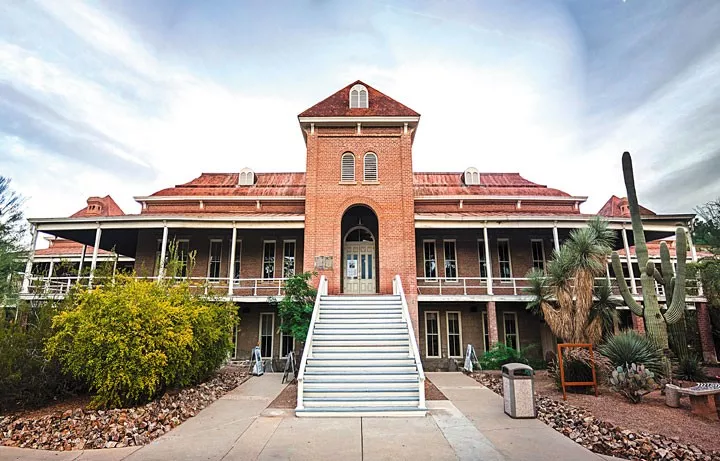
The UA can expect a $250 million drop in revenue along with a significant drop in new enrollment of both in-state and out-of-state students, according to UA President Robert C. Robbins.
Robbins delivered the grim news via an April 29 email to faculty and staff.
The UA is predicting:
• $250 million loss in revenue through June 2021;
• Auxiliary income loss of $58.2 million in revenue, including Intercollegiate Athletics;
• A decrease in philanthropic gifts and investment income from cash on hand, projected to result in a $54.8 million loss in revenue.
• A decrease of 11% in new in-state and 19% in new out-of-state undergraduate and graduate student enrollments, equivalent to an $18.7 million loss in revenue. Returning graduate student losses are projected to be 4% for in-state and out-of-state students, equivalent to a $1.6 million loss in tuition revenue.
• A decrease in research activity is projected to result in a $16 million hit to Facilities & Administrative Expense Recovery.
• Reduction in activities associated with departmental sales and service, summer programs, camps, and conferences is projected to result in a $14.1 million loss in revenue.
The UA has already seen an estimated $7.1 million in new expenses related to the COVID-19 outbreak and Robbins anticipates significant investments in fiscal year 2021 for testing, tracing, and isolation.
Robbins delivered the grim news via an April 29 email to faculty and staff.
The UA is predicting:
• $250 million loss in revenue through June 2021;
• Auxiliary income loss of $58.2 million in revenue, including Intercollegiate Athletics;
• A decrease in philanthropic gifts and investment income from cash on hand, projected to result in a $54.8 million loss in revenue.
• A decrease of 11% in new in-state and 19% in new out-of-state undergraduate and graduate student enrollments, equivalent to an $18.7 million loss in revenue. Returning graduate student losses are projected to be 4% for in-state and out-of-state students, equivalent to a $1.6 million loss in tuition revenue.
• A decrease in research activity is projected to result in a $16 million hit to Facilities & Administrative Expense Recovery.
• Reduction in activities associated with departmental sales and service, summer programs, camps, and conferences is projected to result in a $14.1 million loss in revenue.
The UA has already seen an estimated $7.1 million in new expenses related to the COVID-19 outbreak and Robbins anticipates significant investments in fiscal year 2021 for testing, tracing, and isolation.
"We are not alone in these challenges," Robbins wrote in his email. "Colleges and universities across the nation are facing similarly difficult circumstances, including large drops in tuition revenue, and many are taking major steps in response. Together, we can—and we will—overcome these challenges and flourish as a world-class institution of higher education and research. Together, our compassion, our adaptability and our determination will propel us forward."
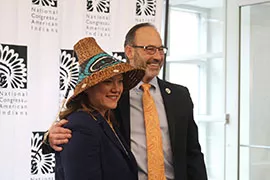
Photo by McKenzie Sadeghi/Cronkite News
National Congress of American Indians President Fawn Sharp and CEO Kevin Allis pose at the group’s annual State of Indian Nations address in Washington in February. Sharp moderated a town hall Tuesday on the federal response to COVID-19 in Indian Country.
The National Congress of American Indians town hall on the congressional response to COVID-19 in Indian Country came one day after a federal court blocked the Treasury Department from giving relief funds to Alaska corporations that other tribes said were not legitimate tribal governments.
Lawmakers on the call said that is just one of the problems faced by tribes, which have had to fight for access to funding while having underlying health care and economic problems ignored.
“This is a very trying time in Indian Country, and it’s always been, you know, difficult I think dealing with the federal government and Indian Country,” said Rep. Ruben Gallego, D-Phoenix, one of the lawmakers in the town hall. “But particularly during this pandemic we’ve seen a lot of the underlying problems that have consistently been around.”
Sen. Tina Smith, D-Minn., said tribes face barriers that include health, education, jobs and housing, all of which have “really exacerbated now with what is happening with the coronavirus pandemic.”

