
Wednesday, October 20, 2021

PHOENIX – Low-income voters accounted for 35% of the 168 million votes cast nationwide in the 2020 presidential election, and in Arizona, that percentage was 44, according to a recent study by the Poor People’s Campaign.
The Poor People’s Campaign: A National Call for Moral Revival is a nonpartisan voter outreach drive. Its study, “Waking the Sleeping Giant: Poor and Low Income Voters in the 2020 Election,” was conducted in all 50 states and included a special focus on nine “battleground states,” including Arizona.
Arizona had more than 5 million eligible voters in 2018, according to Pew Research Center data, and nearly half had an annual household income of less than $50,000, the study found.
Low-income Arizonans cast 1.4 million votes in the 2020 general election, representing nearly 44% of the 3.4 million votes statewide. Low-income white voters accounted for 29% of the Arizona vote, and low-income Hispanic and Black voters accounted for 8.1% and 0.4%, respectively.
There was no data specific to Indigenous/Native American voters. A supplement to the study will be added next year to include more information on Native American voters, said Shailly Gupta Barnes, Poor People’s Campaign policy director.
The study cited disinterest in politics among poor and low-income voters as the reason for low voter turnout in previous general elections.
“I just want to stress it’s not apathy,” voting rights attorney Penda Hair said during a news conference discussing the study. “This report shows it is systemic factors that include a lack of discussion of issues of interest of poor people and political dialogue, a lack of candidates to run on a moral agenda and, at least as importantly, a lack of candidates to stick to that moral agenda once they get elected and fight for it with all the strength they have.”
Gupta Barnes said community organizing across the country contributed to record high voter turnout on Nov. 3, 2020.
Mass meetings, protests and educational and cultural activities created “a kind of community that I think a lot of people are craving,” Gupta Barnes said.
And because of the COVID-19 pandemic, additional measures – such as mail-in-ballots, same-day voter registration, drive-thru voting and community organization – not only made it easier for people to vote but encouraged those who hadn’t voted in previous years to cast ballots.
Arizona Mirror is part of States Newsroom, a network of news bureaus supported by grants and a coalition of donors as a 501c(3) public charity. Arizona Mirror maintains editorial independence. Contact Editor Jim Small for questions: [email protected]. Follow Arizona Mirror on Facebook and Twitter.

Tuesday, October 19, 2021
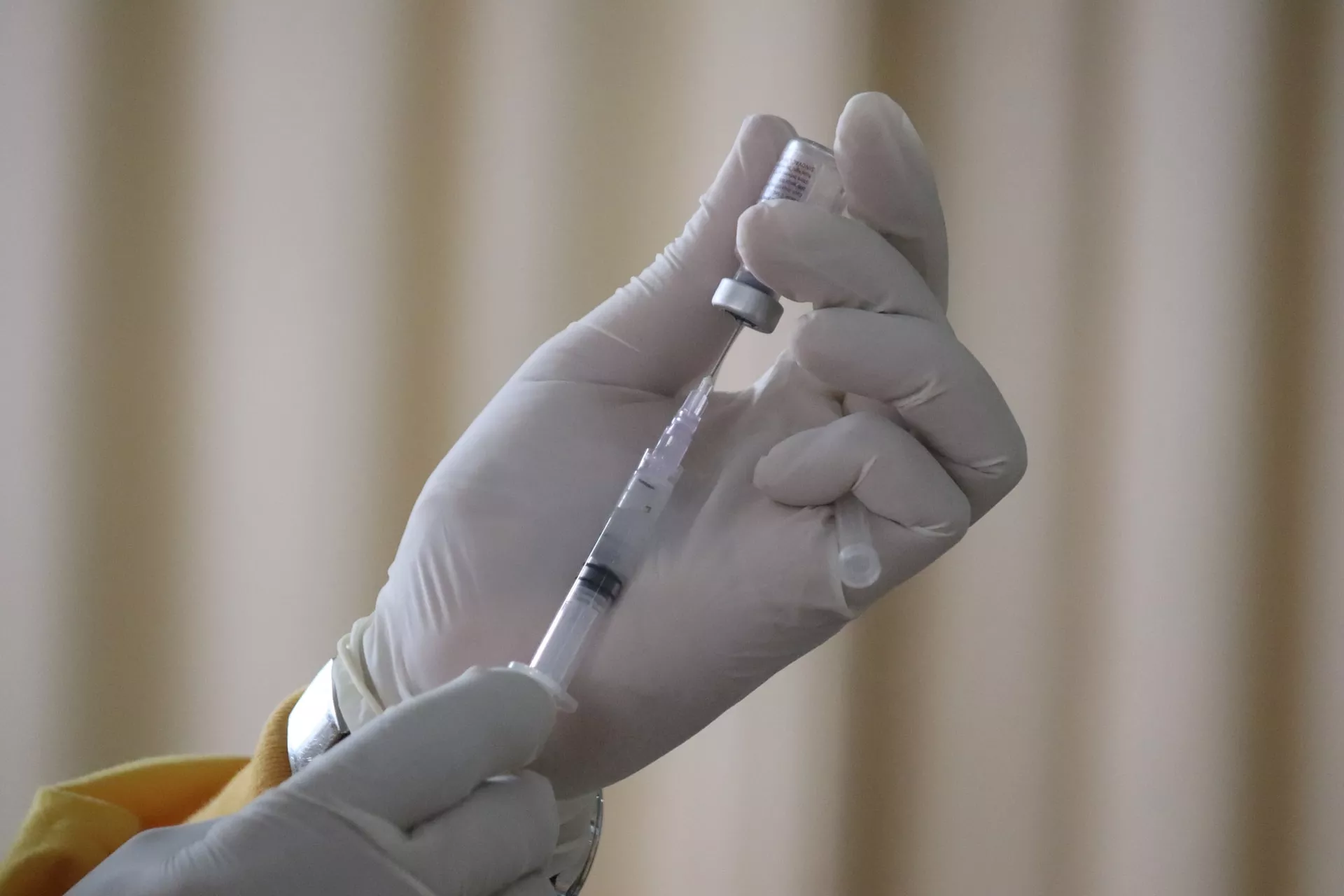
Associate Professor Deepta Bhattacharya joined the University of Arizona status update on Monday, Oct 19, to highlight new vaccine research and discuss the controversial debate over booster shots.
Before the delta variant mutated from the original COVID-19, the coronavirus mRNA Pfizer and Moderna vaccines had extremely high efficacy. Bhattacharya said the vaccines made people 20 times less likely to get infected than unvaccinated individuals. Delta lowered vaccine efficacy to where vaccinated individuals are now two to five times less likely to get COVID.
According to Bhattacharya, this is due to the delta’s high transmissibility. The delta variant is two to three times more transmissible than the original virus. Bhattacharya warned delta has completely changed the game for the unvaccinated.
“A year ago you might imagine that there were some scenarios if you’re careful if you mask, if you stay away from other people, you might be able to avoid the virus even if you hadn’t been vaccinated,” Bhattacharya said. “I don’t think with the transmissibility of delta as it is right now that is very likely, eventually, the virus will get you if you are not vaccinated.”
Pima County is still considered to be a highly transmissible area, according to the Pima County Health Department. Dr. Joe Gerald from the University of Arizona reported in his weekly COVID-19 update that as of Oct 3, the highest cases of infection are coming from the 15 to 24 age group. The lowest COVID cases are coming from the age group of 65 and older. This group has the highest rate of vaccination.
New research is showing the vaccines are reducing transmission of the virus, including the delta variant. Bhattacharya said a contact tracing study revealed vaccinated individuals are two-thirds less likely than an unvaccinated person to transmit the virus to someone else.
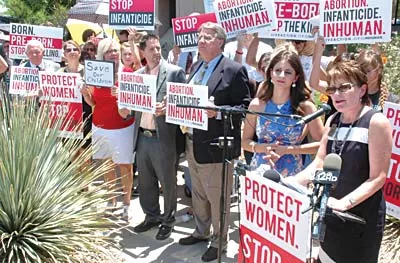
WASHINGTON — A six-week abortion ban in Texas enacted in September forced those seeking abortion services in the Lone Star State to look across state lines for care.
But the timing couldn’t have been worse for Texans living near the state’s eastern border.
The law took effect as neighboring Louisiana was reeling from the destruction of Hurricane Ida, which shut down two of the state’s three abortion clinics for several days. The growing number of patients seeking help had to wait until the clinics could restore power, or travel hundreds of miles to other providers.
But that was just a preview of the obstacles that would emerge if the Supreme Court upholds a Mississippi law that bans most abortions after 15 weeks. For example, Louisiana’s own law would shift to the same 15-week ban, advocates say.
The abortion case that will be heard by the nation’s top court on Dec. 1, Dobbs v. Jackson Women’s Health Organization, could spur a cascade of legal changes across two dozen states if justices back the restrictive Mississippi law — and potentially dismantle the landmark 1973 ruling affirming the right to an abortion.
Access would be most severely restricted in a long band of neighboring states stretching across the South and Midwest, according to the Center for Reproductive Rights, which is challenging the law.
Monday, October 18, 2021

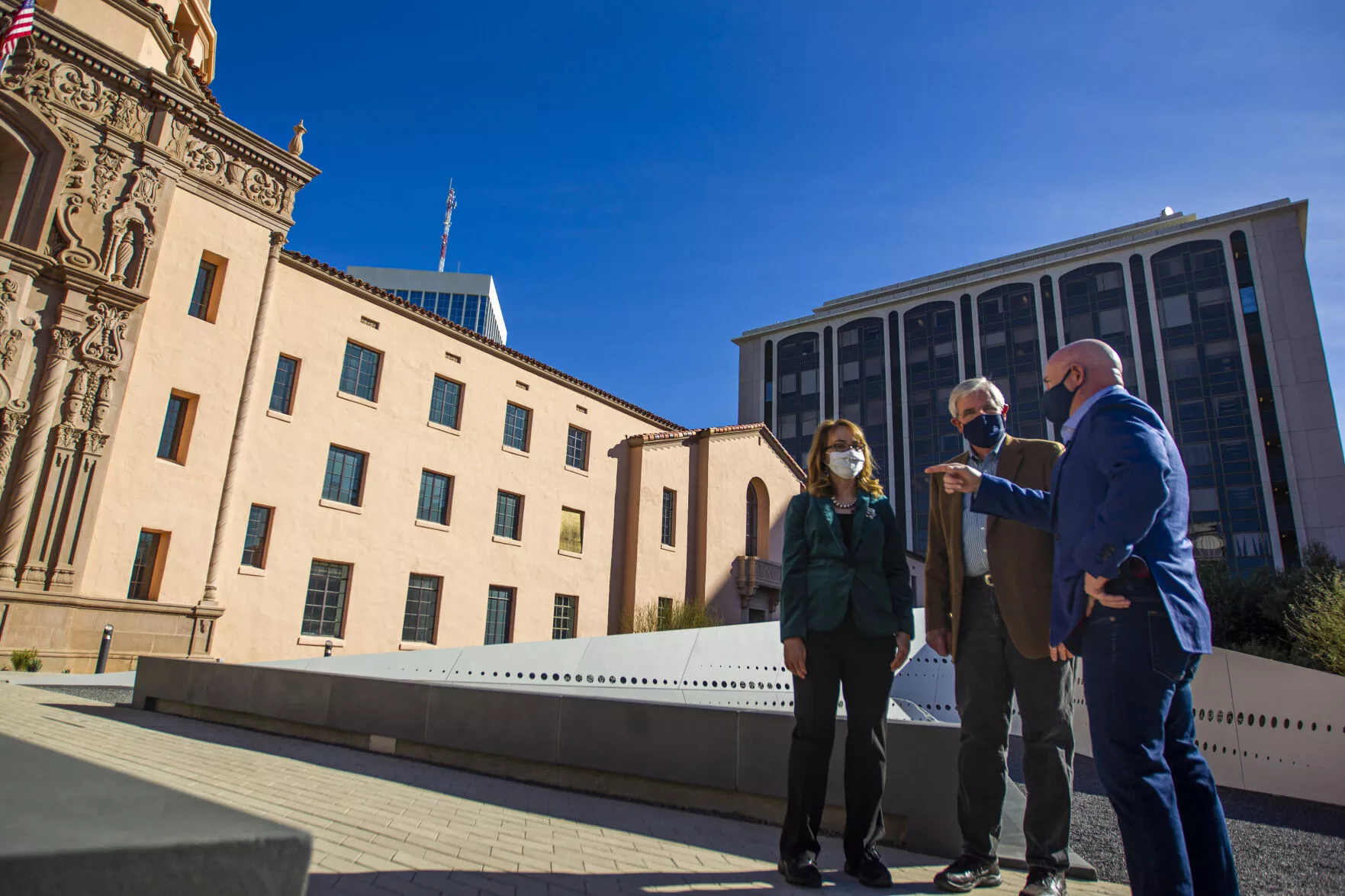
WASHINGTON – The Jan. 8, 2011, mass shooting in Tucson that killed six and wounded 13, including then-Rep. Gabrielle Giffords, reverberated nationally.
Ron Barber thinks it should be remembered nationally, too.
Barber testified Thursday in support of a bill that would make the January 8th Memorial in Tucson an “affiliated area” of the National Park System, a designation that he said “allows for our country to know it exists.”
“When you look at what happened that day, it has national and international significance,” Barber told a House Natural Resources subcommittee hearing on the bill. “When that shooting took place, it didn’t just affect the conscience of our community, it affected the conscience of our whole country and abroad.”
The proposal got a lukewarm reception from the National Park Service, which said it could not support affiliate designation until it has a chance to study whether the site “meets the criteria for national significance, suitability, and feasibility” for inclusion in the national park system.
“The Department appreciates the desire of the bill’s sponsor to bring greater recognition to the events of January 8, 2011,” said Mike Caldwell, the National Park Service’s acting associate director for park planning, facilities and lands. “However, we have no basis for knowing whether the proposed site meets the criteria for inclusion in, or affiliation with, the National Park System, as a study has not been completed for the site.”
Barber disagreed, saying during the hearing that “if this isn’t nationally significant, I don’t know what is.”

Friday, October 15, 2021
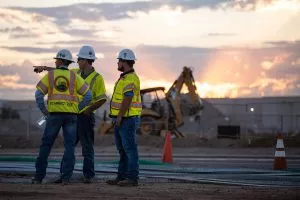
PHOENIX – When construction worker Lorenzo Tejeda moved to Arizona in November 2019 after living in San Diego his whole life, he had to make a lifestyle change to properly adjust to working in the Arizona heat.
“I had to change the way I ate, I had to change the way I hydrated, I had to change the way I exercised in order to condition my body to be ready to work possibly eight to 10 to 12 hours outside in 115-degree heat,” Tejeda said. “It was a long process and it was a complete lifestyle change.”
Tejeda is the safety and environmental manager for Markham Contracting, a construction company in Phoenix.
On Sept. 20, the Biden administration announced a new effort to protect workers like Tejeda from heat-related illness in the U.S. Before this, there were no federal regulations for heat protection or mitigation for workers or communities.
“Rising temperatures pose an imminent threat to millions of American workers exposed to the elements, to kids in schools without air conditioning, to seniors in nursing homes without cooling resources, and particularly to disadvantaged communities,” President Joe Biden said in a news release.
At Biden’s request, the Occupational Safety and Health Administration is launching a rulemaking process to develop a workplace heat standard, implementing an enforcement initiative on heat-related hazards, developing a national program on heat inspections and forming a working group to engage stakeholders and coordinate with state and local officials.
For Tejeda, the president’s move doesn’t mean any major changes in how Markham handles heat-related issues on job sites. Tejeda said the company currently provides electrolyte packets to workers who need them, and people are encouraged to follow proper nutrition and drink plenty of water.