Friday, October 15, 2021
Thursday, October 14, 2021
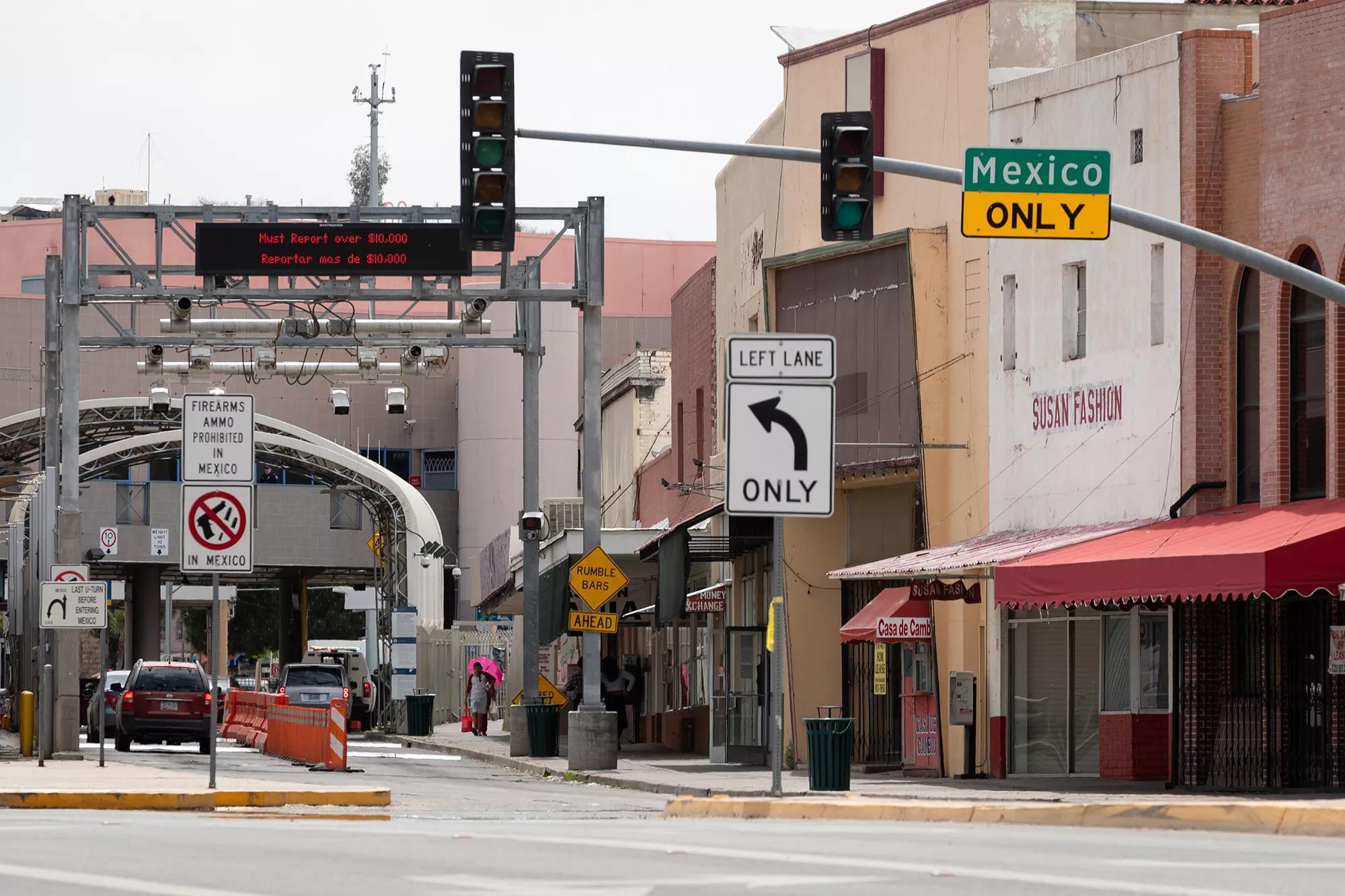
WASHINGTON – Fully vaccinated non-essential travelers will be allowed to cross the U.S. border from Mexico starting in November, ending nearly 20 months of pandemic restrictions that were choking businesses in border communities.
No specific date was given for when the restrictions will be lifted, but the long-awaited announcement was welcomed by area officials, who have been repeatedly disappointed in their hopes that nonessential travel would be allowed to resume.
“It’s a great start and we’re really elated to be able to have friends, be able to return back to visit us here in business, and throughout the state of Arizona,” Douglas Mayor Donald C. Huish said Wednesday.
He was particularly pleased that the new rule would take effect in time for people to cross the border for holiday shopping and visiting.
The new rule, announced Tuesday by the Department of Homeland Security, will allow nonessential travelers to cross at land borders from Mexico and Canada if they have proof of vaccination, reversing a ban on nonessential travel from those countries that began in March 2020.
Essential travelers, like commercial truckers, health care workers and others, have been allowed to cross the border during the pandemic. But they will also need to produce proof of vaccination beginning in January if they wish to continue crossing, under the new policy.
ProPublica is a Pulitzer Prize-winning investigative newsroom. Sign up for The Big Story newsletter to receive stories like this one in your inbox.
Local news organizations are rethinking their relationships with the communities they serve, from deploying new messaging platforms that deliver news to overhauling their reporting practices, editors told ProPublica in a series of recent conversations.
Amid increased polarization and a pandemic in which misinformation has spread as fast as the virus, editors in Atlanta, Phoenix and Detroit told us in live virtual events that the notion of local news as a public good is more relevant than ever.
Each event examined different aspects of local news, from community journalism in Phoenix to nonprofit startups in Detroit. But all addressed how local news is keeping pace with rapid changes in the media industry and the extent to which these moves reflect demographic shifts in their cities.
Outlier Media, for instance, empowers Detroiters to set its editorial agenda and built an SMS platform to give residents access to the reporting and reporters. “We understand that Outlier’s mission is to serve those who are most underserved in Detroit by news, but also by systems,” Executive Director Candice Fortman said.
Outlier Media is part of a new wave of mission-driven media organizations that are filling what they see as gaps in coverage. This includes reporting on historically overlooked neighborhoods in Atlanta, making COVID-19 information available in Spanish to Arizona readers and explaining how Detroiters can file their taxes.
Editors at legacy newsrooms say they are likewise focusing on building new relationships with their communities and the people they cover. They noted that diversifying newsrooms at every level is necessary to better serve communities and to ensure fair and accurate coverage. “Your newsroom should match the community,” said P. Kim Bui, director of product and audience innovation at The Arizona Republic. “It’s the easiest thing to say, it’s very difficult to do. Especially in a local news setting, especially in a small newsroom.”
Wednesday, October 13, 2021
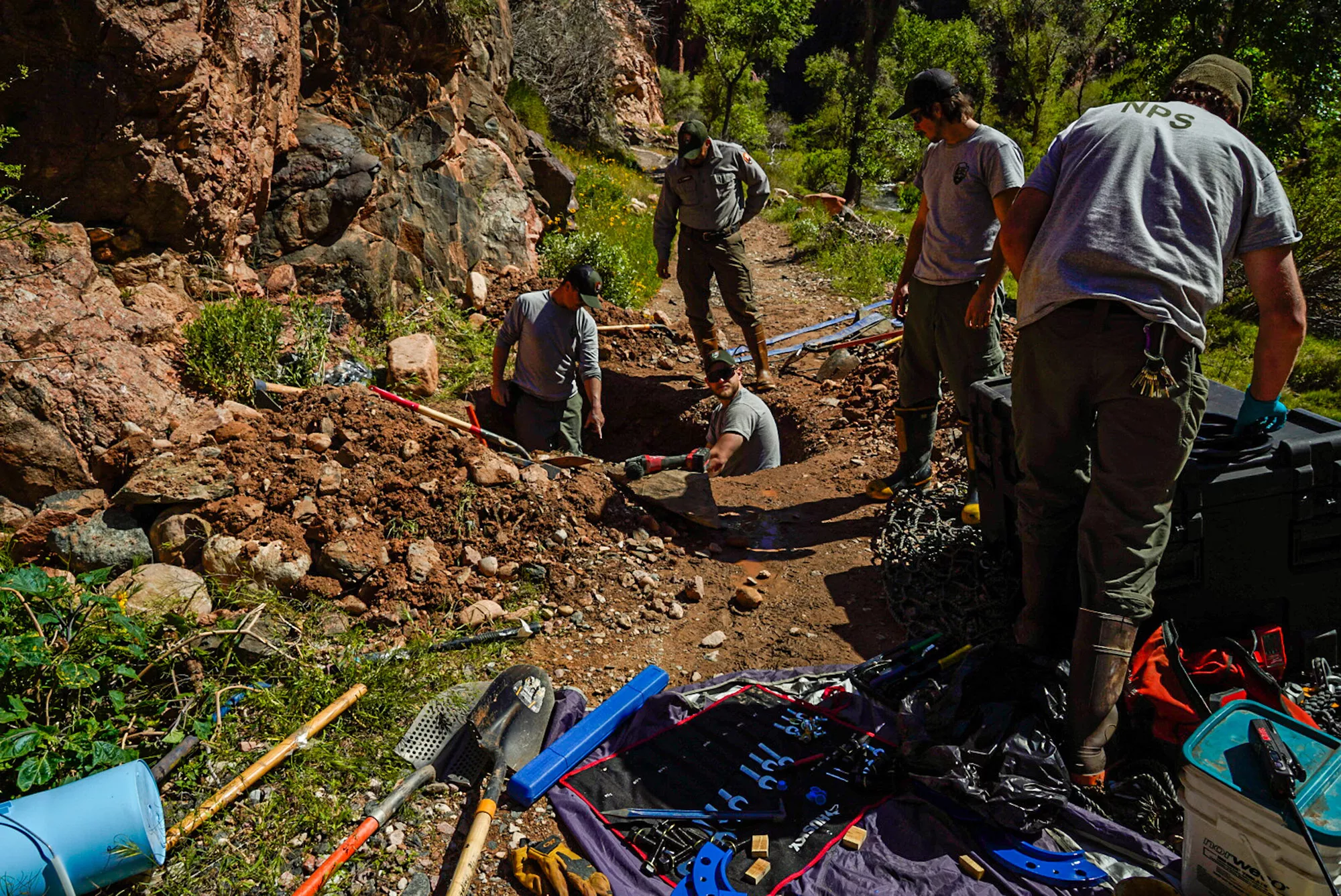
WASHINGTON – Arizona projects got $110 million last year and will get another $159 million in the fiscal year that started this month, or more than 9% of all funding nationally under the Great American Outdoors Act for those two years.
The money, dedicated largely to national parks but also to federal lands and tribal schools, has been welcomed by tourism and environmental groups, who said it is long overdue.
“The National Park Service has been underfunded over the years,” said Kevin Dahl, senior program manager for Arizona in the National Parks Conservation Association’s Southwest region.
“These are our jewels, and with visitation and with normal wear and tear, there’s a lot of buildings, a lot of roads, trails, etc. and those all need regular maintenance,” he said. “When you don’t maintain them over time, the backlog of maintenance becomes pretty high.”
For national parks, the backlog of deferred maintenance totaled $11.9 billion in 2018, according to data from the National Park Service. More than $507.4 million of that was for projects in Arizona, with $313.8 million needed in the Grand Canyon National Park alone.
Joe Galli, senior adviser in public policy at the Greater Flagstaff Chamber of Commerce, said the funding is critical to not just the park, but the region.
“It’s very good for improving facilities and maintenance, and enhancing the visitors’ experience, those things are critical to the lifeblood of visitation in Arizona which is a critical component of our economy,” he said.

Tuesday, October 12, 2021
Monday, October 11, 2021
Friday, October 8, 2021