

Tuesday, August 10, 2021

WASHINGTON – The major political parties in Arizona have continued to lose voters since the November election, with strident partisanship “turning off” voters and driving them to register as independents, analysts said.
The most recent numbers from the Arizona Secretary of State’s office show that the Republican, Democratic and Libertarian parties all saw drops in registration from the general election through the end of June, while unaffiliated voters made strong gains.
While losses for political parties are expected after an election, political experts agreed, the shift in Arizona is unexpected, even for a state that typically has a significant number of independents.
“Both the Democratic and Republican parties are doing a remarkable job at turning off prospective voters,” said Jason Rose, a Republican political consultant. “The Democratic Party is now the party of Bernie Sanders, and we know who the face of the Republican Party is.”
Requests for comment from the state’s Republican and Democratic parties on the registration shifts were not returned.
Republicans remained the largest party in the state with 1,499,862 registered voters at the end of June, but that’s down 8,916 voters from the November election. Democrats lost 3,784 voters to fall to 1,374,540 in June.
“It’s hard to envision when the two parties, Democrats and Republicans, will be wildly popular,” said Nathan Gonzales, editor and publisher of Inside Elections. “There’s simply a general distrust with institutions, including official political parties.”
Monday, August 9, 2021
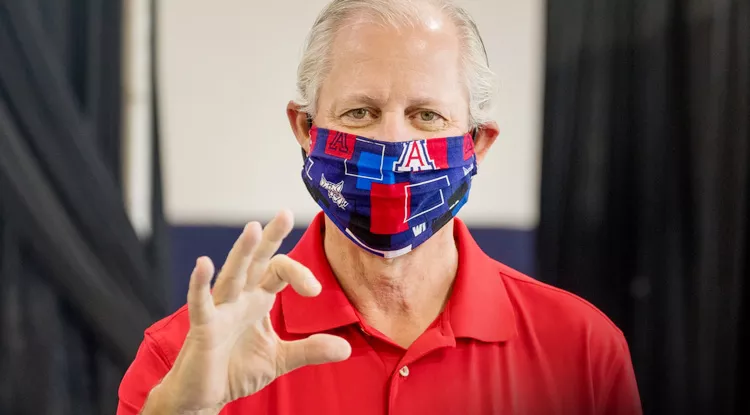
University of Arizona officials are urging students and staff to get vaccinated and mask
as they prepare to welcome students in two weeks to all in-person campus courses.
“We recognize the challenges presented to all of us by the Delta variant, which is more contagious than the lineages of SARS-CoV-2 to that we dealt with last academic year, and which is now the dominant strain in the United States,” said University of Arizona President Robert C. Robbins at the press briefing Monday morning. “This is a very critical moment. I know many of us relaxed over the summer, and we began to think that the pandemic was well behind us.”
At the end of the last school year, the University of Arizona held in-person commencement ceremonies and closed out the year with in-person courses. Over the past year, the university had required masks and implemented mandatory testing, but this year the university faces a rise in cases and an inability to implement key mitigation strategies.
Like K-12 schools, state law bars universities and community colleges from requiring that “a student obtain a COVID-19 vaccine or place any conditions on attendance or participation in classes including mandatory testing or face covering usage.”
Robbins said the university has decided to not challenge state law and will wait to see how the situation “plays out” for some K-12 schools, some of which have instituted mask mandates in Arizona.
When asked if the university considered implementing masks mandates or requiring vaccination before Sept. 29, when some argue the law comes into effect 90 days after the legislative session adjourns, former surgeon general and distinguished professor of Public Health Dr. Richard Carmona said the law was formerly an Executive Order, mandated by Gov. Doug Ducey.
“It is a law or an Executive Order, prior to the law, which mandates what we can and can't do, and we're working tirelessly to try and maximize our ability to keep the university safe, and open it as much as possible,” said Carmona.
Summer 2021 will likely be one of the hottest on record as dozens of cities in the West experience all-time high temperatures. The extreme heat being felt throughout many parts of the U.S. is causing hundreds of deaths, sparking wildfires and worsening drought conditions in over a dozen states.
How does all this broiling heat affect the broader economy?
As an economist who has studied the effects of weather and climate change, I have examined a large body of work that links heat to economic outcomes. Here are four ways extreme heat hurts the economy – and a little good news.
1. Growth takes a hit
Research has found that extreme heat can directly hurt economic growth.
For example, a 2018 study found that the economies of U.S. states tend to grow at a slower pace during relatively hot summers. The data shows that annual growth falls 0.15 to 0.25 percentage points for every 1 degree Fahrenheit that a state’s average summer temperature was above normal.
Laborers in weather-exposed industries such as construction work fewer hours when it’s hotter. But higher summer temperatures reduce growth in many industries that tend to involve indoor work, including retail, services and finance. Workers are less productive when it’s hotter out.
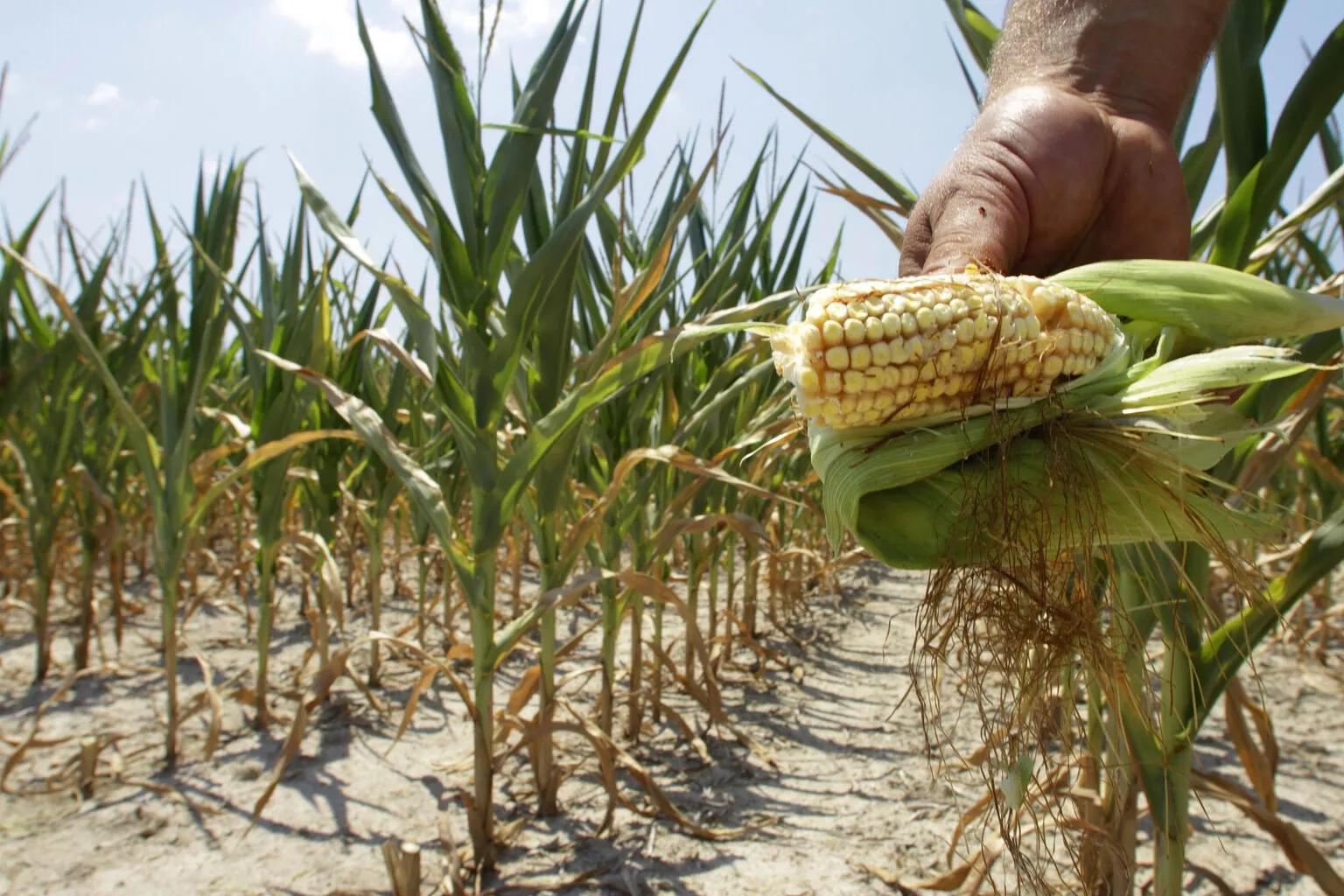
2. Crop yields drop
Agriculture is obviously exposed to weather: After all, crops grow outdoors.
Friday, August 6, 2021
Jacob Dindinger, an EMT who was fatally shot while answering a call last month, will be laid to rest Monday.
Dindinger was one of two people killed during a July 18 shooting spree. He had been on the job for four months. He died on July 29.
The public is invited to pay their respects along the memorial procession route beginning at about 10:20 a.m. at Adair Funeral Home, 8090 N. Northern Ave. in Oro Valley. A memorial service will take place at Casas Church at 11 a.m., immediately after the procession.
Procession route:
- Start on Northern Ave., heading south.
- Turn Right onto W. Magee Rd
- Continue West past N. La Canada Blvd
- Turn right onto W. Old Magee Rd.
- Turn right onto N. La Cholla Blvd
- Continue north past W. Overton Rd
- Continue north past W. Lambert Ln
- Turn left onto Cross Rd and arrive at Casas Church, 10801 N. La Canada Blvd.
Thursday, August 5, 2021
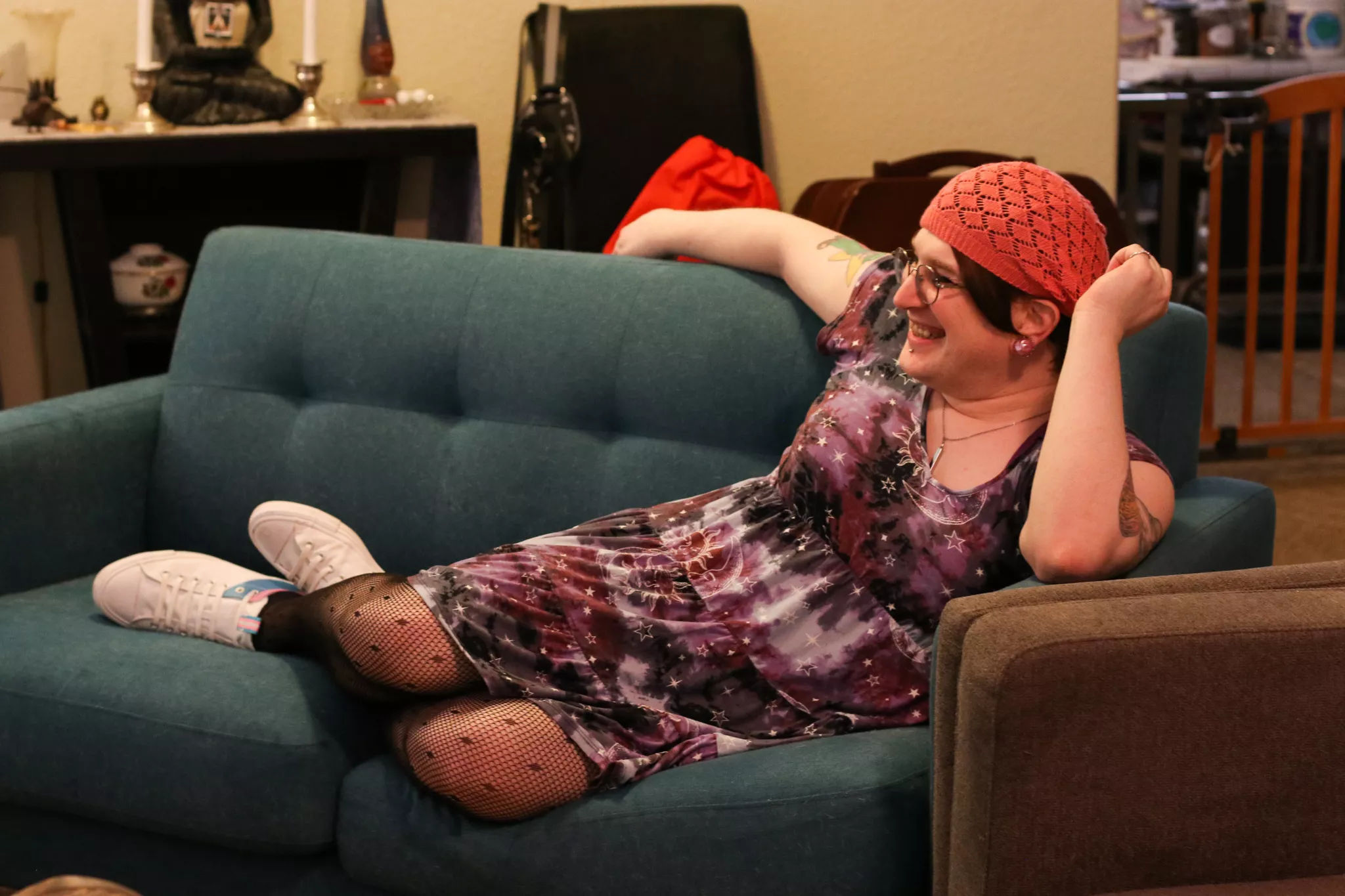
PHOENIX – In the Zoom window, Odele Pax looks small, contained. Her boisterous laugh and candor belie her many mentions of how nervous she is. Pax holds back tears as she talks about her journey toward gender affirmation.
“There are no words to describe how liberating it feels, you know, that, finally, I not only know who I am, but I get to turn to the world and say, ‘Look … this has always been who I am,’ ” Pax said.
Pax, originally from New York City and now living in Queen Creek, is referring to the process of legally changing her name to match her trans femme label. She’s one of more than 100 people who reached out to Daniel Riley, a family attorney with Curry, Pearson and Wooten, on his offer to do pro bono gender-confirming name changes for trans and nonbinary people in honor of Pride month in June.
Riley said the need is great in the LGBTQ+ community for name changes, and he hopes to make it a bigger project. He’s not taking new clients at present.
“It would definitely be a more systematic approach next year, now that we know the kind of response we’re going to see,” he said.
Riley, who has practiced in metro Phoenix for 11 years, said he made his offer because name changes are easy for lawyers and life-changing for clients.
Wednesday, August 4, 2021
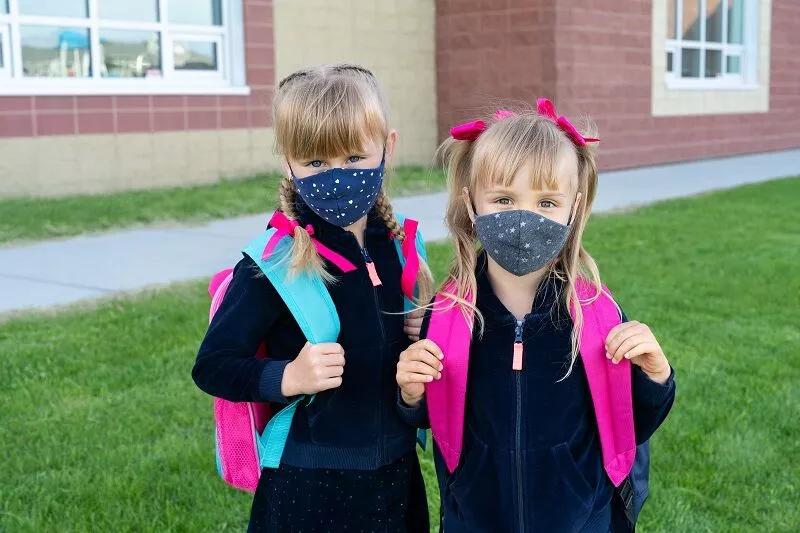
The Tucson Unified School District board voted 4-0 at an emergency meeting Wednesday morning to require everyone to wear a mask on TUSD property.
Before school begins Thursday, the board decided to mandate masks on all TUSD campuses, motivated by the outbreaks in the Vail School District and with the growing number of pediatric cases.
Vail School District began school on July 19 and officials have reported 25 COVID-19 cases from students and staff as of July 25. On Monday, the district reported 57 student cases and 12 staff cases as of Aug. 1. TUSD is almost four times the size of Vail.
Last week, Dr. Theresa Cullen, director of Pima County's Health Department, said the county received reports of 56 cases since July 19 and eight outbreaks at schools.
For weeks, health experts warned of the expected outbreaks and high transmission in schools, especially with the inability of school districts to implement masking, because state law passed in June prohibits districts from mandating masks.
Dr. Joe Gerald, an epidemiologist with the UA Zuckerman School of Public Health, who has been tracking the virus since March of 2020, alerted the public to the impending outbreaks in his weekly forecast.
”Unlike the summer of 2020 when we were headed into school re-opening with generally declining rates, the match has been lit and the kindling is aflame this time,” wrote Gerald in an email. “For good measure, we are going to throw on some wet wood (children) in the coming weeks to ensure a robust bonfire for the Labor Day Marshmallow Roast. In the absence of greater vaccination or mask mandates, it is difficult to be optimistic about what might happen when schools are running at full capacity.”
The warning came along with the exponential rise in COVID-19 cases and the prevalence of the Delta variant, which is highly transmissible. Arizona has a high rate of transmission at 175 cases per 100,000 individuals for the seven day rolling average, while Pima County has about half that rate.

ProPublica is a Pulitzer Prize-winning investigative newsroom. Sign up for The Big Story newsletter to receive stories like this one in your inbox.
For almost a decade, ProPublica has been reporting on the ways TurboTax has fought efforts to make tax prep easier and less costly. As part of that series, we published a story about how to get your money back from TurboTax if you were charged for a service that should have been free.
People flooded the TurboTax customer service line — maybe you were even one of the callers. Some of them told us all they had to do was mention ProPublica to get a refund.
All of a sudden, customer service agents were hearing a lot about ProPublica. Some of them started to give us a call.
It turns out that TurboTax’s customer service agents were part of a much larger group of agents who work as independent contractors for large companies like Disney and Airbnb without benefits or job security. Previously, our reporters investigated the layers of corporate insulation that protect these companies from being held accountable for these agents’ working conditions. This month, reporters Ariana Tobin, Ken Armstrong and Justin Elliott published a story highlighting the voices of customer service agents themselves.
Our reporters heard from hundreds of customer service agents with similar experiences. People were cursed at or called racial slurs. Male callers made sexually explicit comments or masturbated over the phone. One told an agent, “I really like the way you type.”
Almost all these agents felt that they were not allowed to hang up. Arise said in a statement, “Service Partners interacting with individual customers through the Arise® Platform are protected by both client and Arise policies and processes that include the ability to disconnect callers without penalty or transfer these calls to support resources if they are unable to de-escalate the situation.” Other companies gave similar statements saying agents were free to disconnect callers.
We spoke with Ariana about the project as well as the unique role gender plays in the world of customer service. Parts of our interview were edited for length and clarity.
Tuesday, August 3, 2021
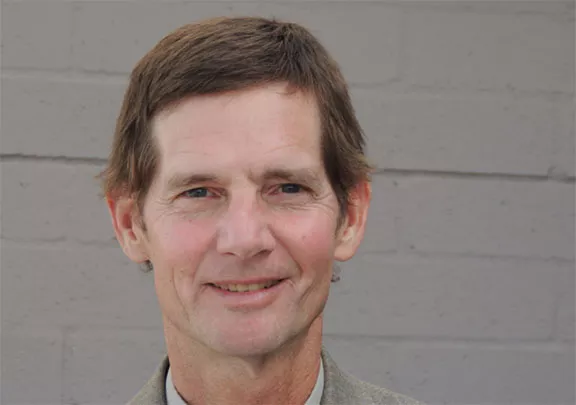
Kozachik had more than 57 percent of the vote, while Miranda Schubert had 27 percent and Andres Portela had 15 percent in the Democratic primary.
"My staff and I work hard at building relationships," Kozachik. "That is important in our community. My team and I are grateful to the community for their support."
Portela said the result wasn't what he hoped for, "but I'm forever grateful for those who supported me."
In Ward 3, Dahl had 60 percent of the vote, while Juan Padres had 40 percent.
Dahl, who focused his campaign on responding to climate change, said he was pleased with the results.
"I think one thing it shows is that Tucson voters understand that climate change is not just an issue that will affect the environment and our water supply, but it will impact people, especially those who can least afford to respond," Dahl said.
Padres congratulated Dahl on his victory, saying his opponent "ran a solid campaign."
There's no incumbent in the Ward 3 race as Councilman Paul Durham stepped down earlier this year and Karin Uhlich, who was appointed to replace Durham, did not run for the seat.
Kozachik will face independent candidate Val Romero in the November general as he seeks a fourth term. Dahl is set to face Republican Alan Harwell Jr., who got enough write-in votes to land a spot on the general election ballot, and independent candidate Lucy LiBosha in November.
In Ward 5, Councilman Richard Fimbres faced no primary opposition and will face no opponent in the November general election.

