

Friday, April 2, 2021

Pima County has opened eligibility for anyone 16 and older starting Monday, April 5, county officials announced Friday morning.
The county's move brings it in line with the state, which opened eligibility to those 16 and over on March 24. In response, Pima County opened eligibility before to those 16 and older with high-risk medical conditions and essential workers.
"We have made great progress in vaccinating those groups and are continuing our efforts to ensure that vulnerable and at-risk populations have access to the vaccine as well," said Pima County Health Department Director Dr. Theresa Cullen in a prepared statement. "With vaccine availability increasing in the county, it's the right time to expand and have the same eligibility requirements no matter where you want to get your shot."
As of Friday, the county has administered 477,426 vaccine doses and vaccinated 193,695 people.
The county is opening another vaccination POD at El Pueblo Center on 101 W. Irvington Road beginning Monday. This walk-in POD will offer on-site registration and will operate from 9:30 a.m. to 1:30 p.m. on Mondays, Wednesdays and Fridays. On Monday, the POD will have 600 doses available.
While the county has expanded eligibility for those 16 and older, only the Pfizer vaccine has been approved for teenagers 16 and 17 years old. Pfizer is available at the state-run site on the University of Arizona campus, at Banner-South and potentially at local pharmacies.
Those under 18 need a parent or legal guardian with them to complete the consent forms or have an accompanying adult bring a notarized letter stating that the parent allows the accompanying adult to complete the consent forms.
To register for an appointment with the county visit www.pima.gov/covid19vaccine or call the support line at 520-222-0119.

Assistance League of Tucson, a volunteer organization whose mission is “Volunteers working in the Tucson community to help those in need,” faced some grim moments at the outset of the pandemic last year.
The nonprofit saw a dramatic drop in the number of volunteers who are vital to the organization’s operations.
But the organization reacted quickly to the changing conditions brought about by the pandemic.
“We're coming up on our 61st anniversary of helping people, those in need here in Tucson,” said Kim Sterling, Assistance League of Tucson president. “You look ahead and you go, did we do well during the pandemic? Are we going to survive another 60 years and still be here to help out?”
At the start of the pandemic, Sterling said they closed down their thrift shop, which provides about 60 percent of their revenue, with donations and grants providing the rest.
As soon as they closed they began to look at their expenses. In 1959, their founders built up a reserve fund totaling one year’s operating expenses, which they didn’t want to dip into since they could not see the end of the pandemic and worried about the possibility of another disaster, Sterling said.
“We did three things, but we had one goal in mind, keep serving those most in need in the Tucson community,” said Sterling. “So we pivoted our program, we cut costs, and we created new revenue streams.”
Sterling said all five of their programs continued with $190,000 in cuts with the proviso that if revenue increased, funding would return to the programs. They looked to maintain the number of people they served, but reduce the amount provided. Their Starting Over Supplies program required a shift in the way the program operated.
Through the program, the organization works with social workers to provide basic housekeeping supplies and other provisions tailored to individuals who may be experiencing homelessness for the first time or coming out of foster care, said Sterling. So when social service agencies shut down and they could not deliver a kit because they were no longer meeting in person, Sterling said they panicked.
Thursday, April 1, 2021
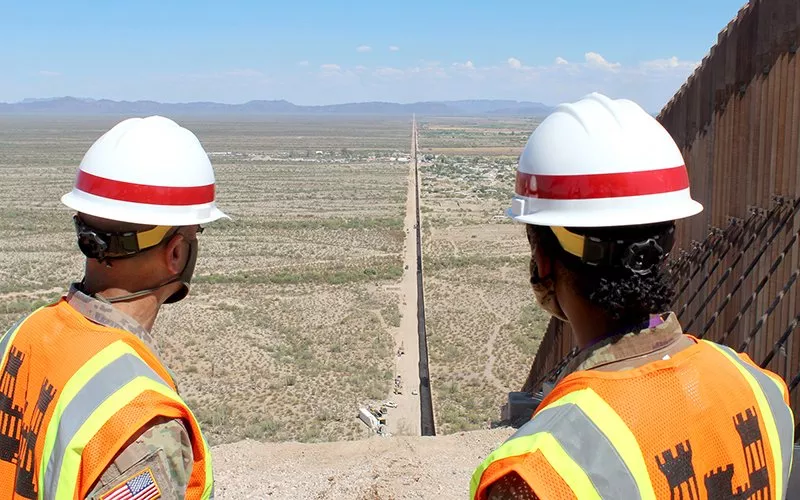
WASHINGTON – Advocates called on President Joe Biden to “tear down this wall” Tuesday and fulfill his campaign promise of stopping the border wall construction that he put on hold in January.
The meeting of border-state lawmakers, advocates and tribal members came 70 days after Biden, in one of his first acts as president, halted construction and gave the secretaries of Defense, Treasury and Homeland Security 60 days to study next steps on the wall.
That deadline has come and gone with no plan, and the White House did not respond to a request for comment Tuesday. But the advocates said it’s past time for the administration to act.
“We need to stop that wall from being built anymore,” said Verlon Jose, a member of the Tohono O’odham Nation who joined the news conference.
Then-President Donald Trump declared a national emergency at the border that allowed construction to proceed with less oversight of environmental and archeological concerns. The wall not only divided the Tohono O’odham reservation, which straddles the U.S.-Mexico border, but critics say it also destroyed ancient graveyards and sacred sites.
“When it cut through the land, it was like a knife crossed through my heart,” Jose said. “That’s what happened to America when they put up the wall and blew up the sacred sites and burial grounds and so forth.”
Wednesday, March 31, 2021

Democrat Kevin Dahl filed his nominating petitions on Tuesday for the open seat in northside Tucson's Ward 3.
“We hit the ground running with strong support from friends, neighbors, and Tucson’s environmental leaders," said Dahl, a resident of Ward's Samos neighborhood near Campbell and Grant for more than three decades. "Our message of addressing climate change, with its record-breaking heat and drought, has really resonated with Tucson voters."
Dahl, who has led the Tucson Audubon Society and Native Seeds/SEARCH and now works for the National Parks Conservation Association, has gathered a strong team of environmentalists behind him, including Congressman Raul Grijalva, who said that Dahl "has had a strong career as an advocate for the environment. He is strategic, passionate and inclusive.”
Carolyn Campbell, a veteran of many land-use battles over the decades in Tucson, is chairing Dahl's campaign.
In a sign of strong organization, Dahl also filed his application for city matching funds for his campaign after raising roughly $10,000, which included 235 contributions of at least $10 from city residents. Provided he qualifies after an audit (candidates need to deliver a minimum of 200 contributions of $10 or more), Dahl will be eligible for a dollar-for-dollar match of whatever he can raise, but he has to limit his campaign spending. The cap for this year's campaigns has not yet been calculated.
Dahl said he would focus on developing strategies to reduce the impact on climate change on Tucson.
“We need aggressive adaptation and mitigation plans to deal with the disproportionate impact that climate will have on vulnerable communities,” says Dahl. “At the same time, the Ward 3 office must continue to do a great job of providing timely information, advocacy, and access to services, especially to those most at risk in our community.”
Tuesday, March 30, 2021
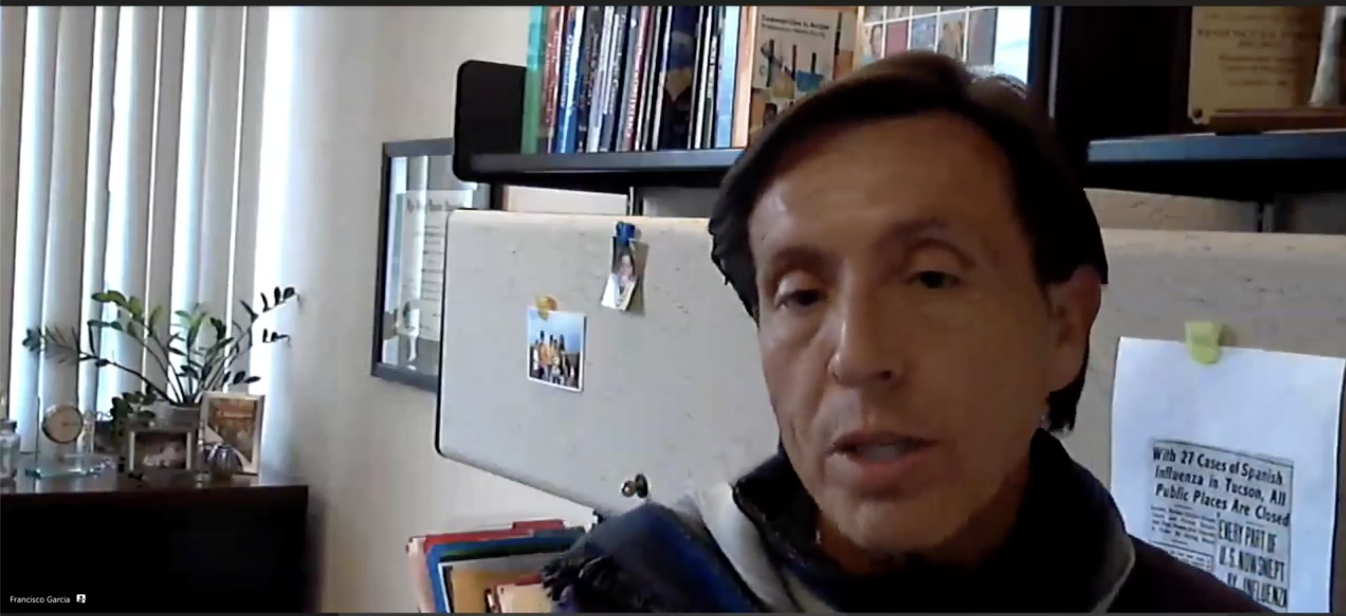
Pima County's mask mandate remains in effect and health inspectors have the legal authority to enforce those mandates in food establishments, county officials argued on Tuesday morning.
In a March 26 letter, the Pima County Attorney’s Office informed County Administrator Chuck Huckelberry that Gov. Doug Ducey does not have the legal authority to prevent the County Health Department from enacting reasonable public health measures.
Everyone in Pima County over the age of 5 must wear a face mask over their nose and mouth unless they have a qualifying exemption or are able to maintain physical distance, according to Resolution 2020-96, said Deputy County Attorney Jonathan Pinkney. The Board passed the resolution on Dec. 4, 2020.
Pima County Chief Medical Officer Dr. Francisco Garcia said the board has authority, through an Arizona statute (ARS11-251), to adopt provisions to preserve the health of the county, and the Arizona Supreme Court recognized counties “may enact public health measures that are equal to or more restrictive than ADHS.” Garcia called Ducey’s order an “overreach on the part of the executive.”
Garcia admits the arguments being made are similar to those made in court when local bars sued the county for the mandatory curfew passed on Dec. 15, but believes they stand on “solid ground.” and brushed off concerns about a legal challenge.
“Bring it on,” Garcia said.
Contrary to Ducey’s statement that mask mandates are neither followed nor enforced, Garcia said Pima County receives complaints through their portal.
He explained the county has a “‘three strikes and you're out” process in place to process complaints. The county receives complaints and works with businesses to resolve the conflict. He said there have been very few cases the county needed to take action.
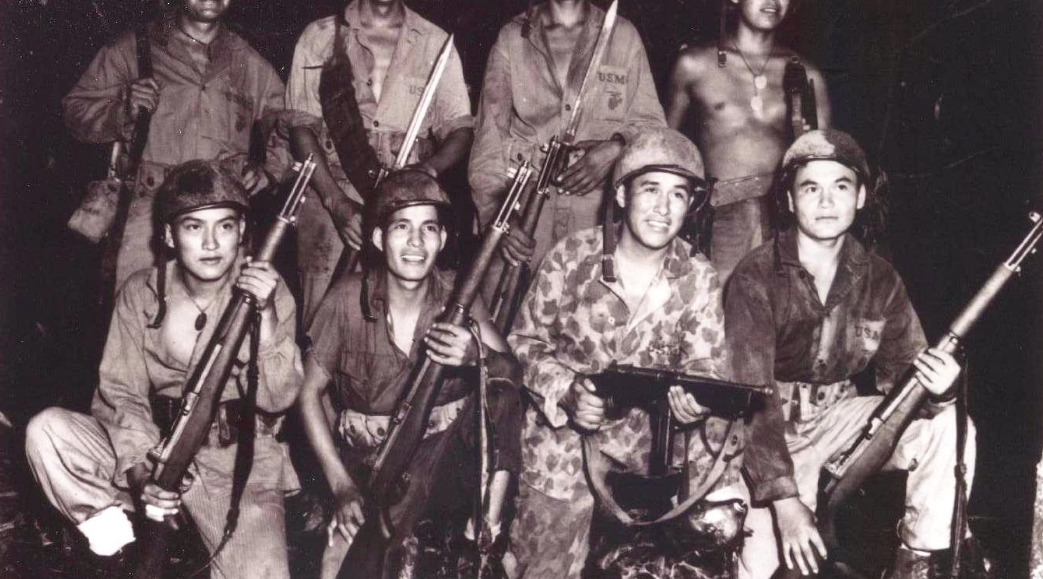
Aug. 14 is now National Navajo Code Talkers Day in Arizona after Gov. Doug Ducey signed legislation on Monday creating the holiday. The holiday honors the courage and critical role Native American Code Talkers played during WWII.
“The Navajo Code Talkers are American heroes,” Ducey said. “They assisted on every major operation involving the U.S. Marines in the Pacific theatre, using their native language to come up with an unbreakable code. More than 400 Code Talkers answered the call to serve our nation, and Arizona is grateful for their dedication to protecting our nation.”
Under Senate Bill 1802, if National Navajo Code Talkers Day falls on a day other than Sunday, the Sunday after Aug. 14 is to be observed as the holiday.
The Navajo code is famously known as the only oral military code that has never been broken. Throughout WWII, the US government recruited and enlisted more than 400 Navajo men to serve in standard communications units. The Navajo Code Talkers were particularly critical in the war's Pacific Theater with one Marine Major stating: "Were it not for the Navajos, the Marines would never have taken Iwo Jima."
Monday, March 29, 2021
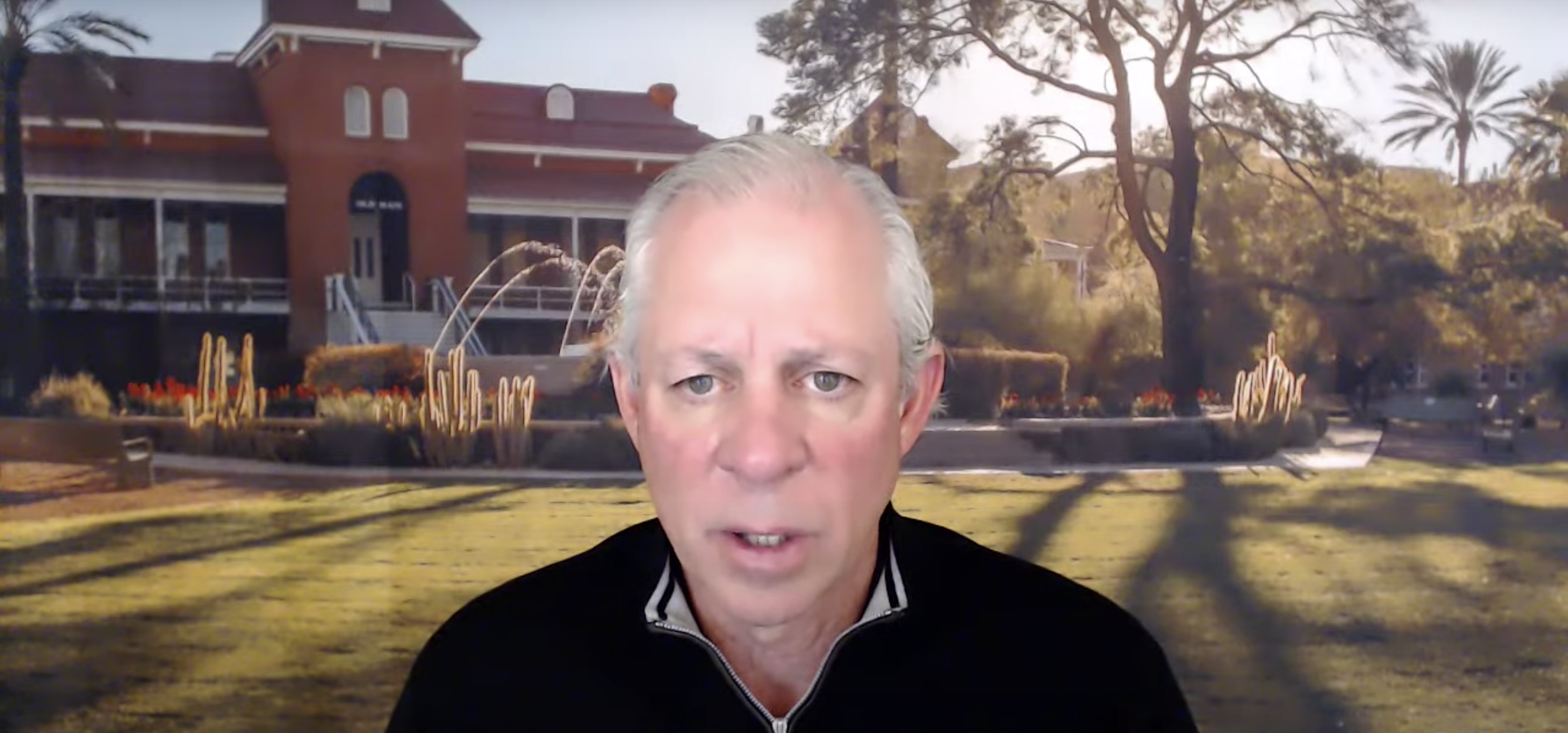
The University of Arizona will offer larger in-person classes on Monday, but with “COVID exhaustion” and multiple variants of COVID-19 on campus, President Robert C. Robbins urged continued compliance to mitigation strategies.
University coronavirus policies will not change despite Gov. Doug Ducey’s lifting of COVID-19 related restrictions last week.
“We are in the fourth quarter of this term, and we need to keep doing what we've been doing that's been so successful and gotten us to this point,” said Robbins in the press briefing Monday morning. “The recent executive order from Governor Ducey, regarding COVID-19 restrictions, does not affect university policies, nor does it bar enforcement of these policies.”
He said university face-covering and all other mitigation strategies will remain in place.
The university moves to Stage 3 on Monday, where in-person and flex in-person courses of up to 100 students may offer in-person instruction.
Dr. Michael Worobey, head of the university's Department of Ecology and Evolutionary Biology, found 12 cases of the UK variant (B.1.1.7) and two cases of the California variant (B.1.429) on campus within the past two weeks as part of the research using COVID-19 genomic sequencing to track COVID-19 variants.
These variants, which are highly transmissible and have higher mortality rates, may be contagious for a longer period of time, said Worobey.
“When we look at the literature, we can see that the time when people are likely infectious is probably carried over a little bit later with this variant,” said Worobey. “So you've just got more virus that you're putting out into the world, but it's also a combination of that high viral load over a longer period of time, and that really indicates that a slightly longer isolation or quarantine time is really a smart move. We're dealing with a different beast here and we need to act accordingly.”
Wednesday, March 24, 2021
Board of Supervisors Calls on Ducey To Reconsider His Decision To Block FEMA Vax Site in Pima County
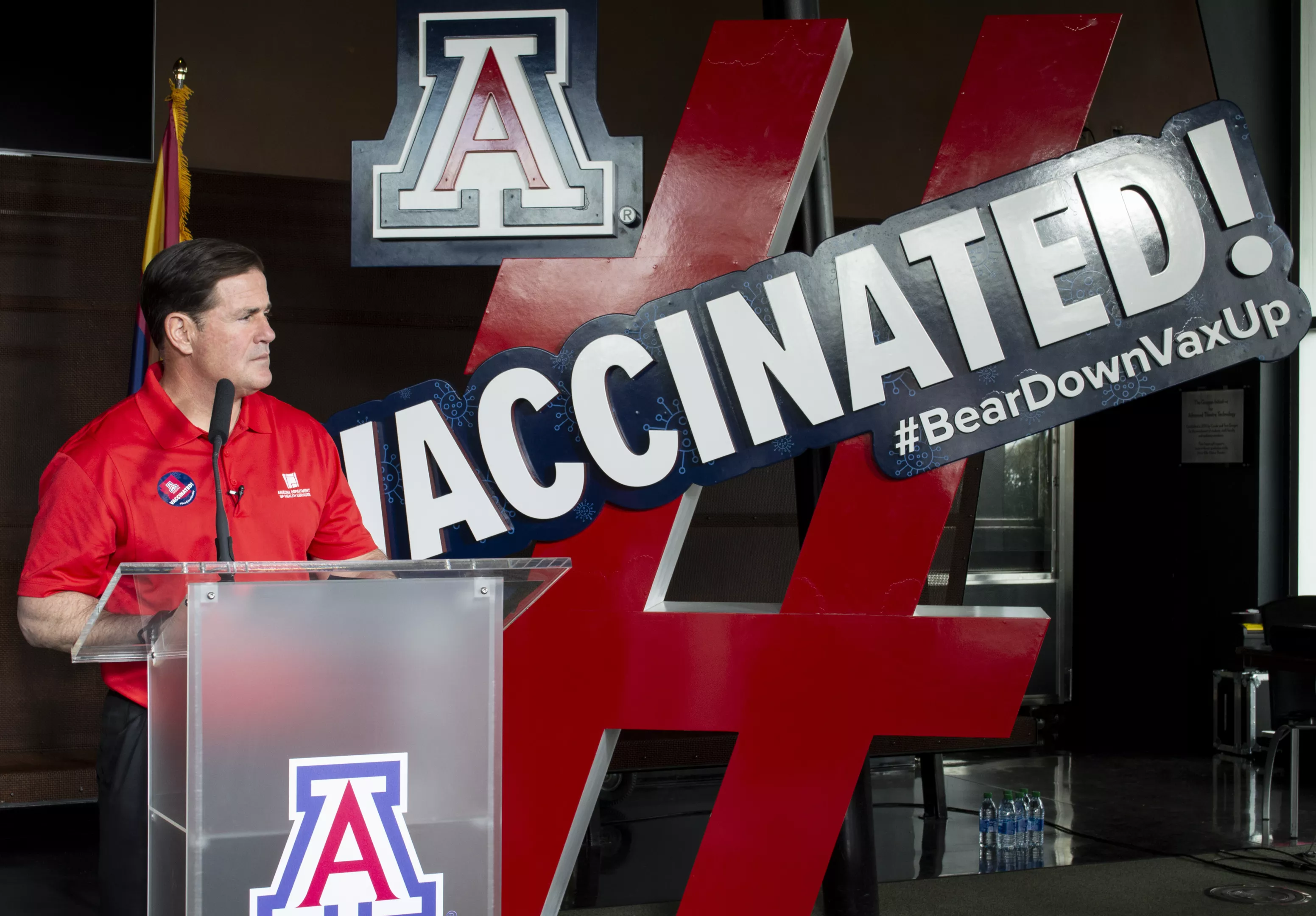
The Pima County Board of Supervisors voted unanimously to approve a resolution requesting Gov. Doug Ducey reconsider denying permission to set up a federal vaccination POD in Pima County.
The board also voted to seek help from the federal government if declined a second time at an emergency meeting on Wednesday.
The county would request “the Biden Administration, in keeping with their National Strategy Goals for COVID-19 vaccination, direct the Department of Homeland Security Secretary and the Acting Federal Emergency Management Agency Administrator to establish a Type 1 Federal vaccination center to provide vaccine opportunities to disadvantaged and minority communities.”
At a press briefing Wednesday afternoon, Ducey said he would reconsider Pima County’s request to allow a federal POD vaccination site in Pima County, but only because “'Board of Supervisors feel so strongly about it, but the objective is going to remain putting shots in arms.”
The Federal Emergency Management Agency (FEMA) first approached Pima County Health Department Director, Dr. Theresa Cullen, on the possibility of establishing a COVID-19 vaccination POD in Pima County about two weeks ago, according to County Administrator Chuck Huckelberry's March 24 memo.
However, the request required approval by the state and Ducey, through Arizona Department of Health Services Director Dr. Cara Christ, declined. While Ducey said he would revisit the request, the reasons given for declining remain the same.
In a letter in response to Christ, FEMA Acting Regional Administrator Tammy L. Littrell addressed each of Christ’s concerns about the federal POD taking vaccine supply, lacking state oversight and partnership, and concerns about customer experience and delays. Littrell said the vaccine supply provided to the state POD is independent of the vaccine supply that would be allocated for the federal POD. Further FEMA is seeking an “active partnership” with the state and “concerns for hours-long waits as the norm are unfounded.”
According to Huckelberry’s March 24 memo, county officials were told the state rejected the request because the site would require state support and support is unavailable.
Monday, March 22, 2021
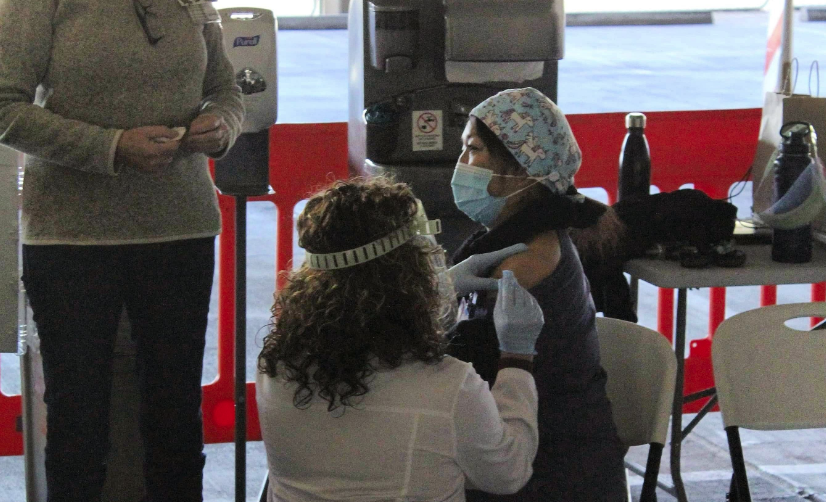
Gov. Doug Ducey announced today that Arizona's state-run vaccine sites in Maricopa, Pima and Yuma counties will be open to all Arizonans 16 and older beginning at 8 a.m. Wednesday.
“Our goal has been and remains to get vaccine into the community as quickly, widely and equitably as possible,” said Gov. Ducey. “Given a thorough review of vaccination data, anticipated vaccine supply, and current demand among prioritized groups, now is the time to take this critical next step.”
The governor's announcement means that anyone 16 and older can schedule appointments at state distribution pods and private pharmacies. Pima County runs separate vaccination clinics and has not yet followed suit with Ducey's announcement.
As of this morning, Arizona had administered nearly 3 million doses of COVID-19 vaccine to 1,831,456 individuals, including 1,136,413 who are fully vaccinated.
Information about all vaccination sites across Arizona can be found at azhealth.gov/findvaccine, but the website was not loading as of Monday morning, likely because of heavy traffic.
Friday, March 19, 2021
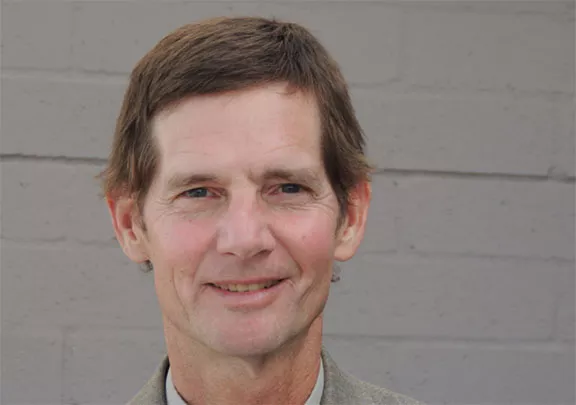
He said it would be better to give money to a local nonprofit or business.
"People are working hard to get
back on their feet as we hopefully see an off-ramp to COVID-19," Kozachik said. "If you have
extra cash to invest in a cause, please consider supporting our local
businesses, or find a non-profit that is aligned with your beliefs. People want
money out of politics. That's what my campaign will model once again."
Kozachik said he filed more than 750 signatures today to secure his spot on the ballot.
Two Democrats have launched campaigns to knock Kozachik out of the Ward 6 seat he's held since 2009, when he was first elected on the Republican ticket. After a number of political skirmishes with Republican state lawmakers, Kozachik switched to the Democratic Party before running for a second term.
Democrat Miranda Schubert, a UA academic advisor and radio host at community radio station KXCI, has said she will focus her campaign on housing affordability and police reform.
Democrat Andrés Portela, who formerly worked as a policy and community development director for Kozachik's colleague, Ward 1 Councilmember Lane Santa Cruz, has said he is running "as a progressive Democrat with an emphasis on H.O.M.E. Housing, Opportunity, Mobility Justice and Environmental Justice."
Signatures for a spot on the Aug. 3 primary ballot are due by April 5.

