

Friday, March 19, 2021
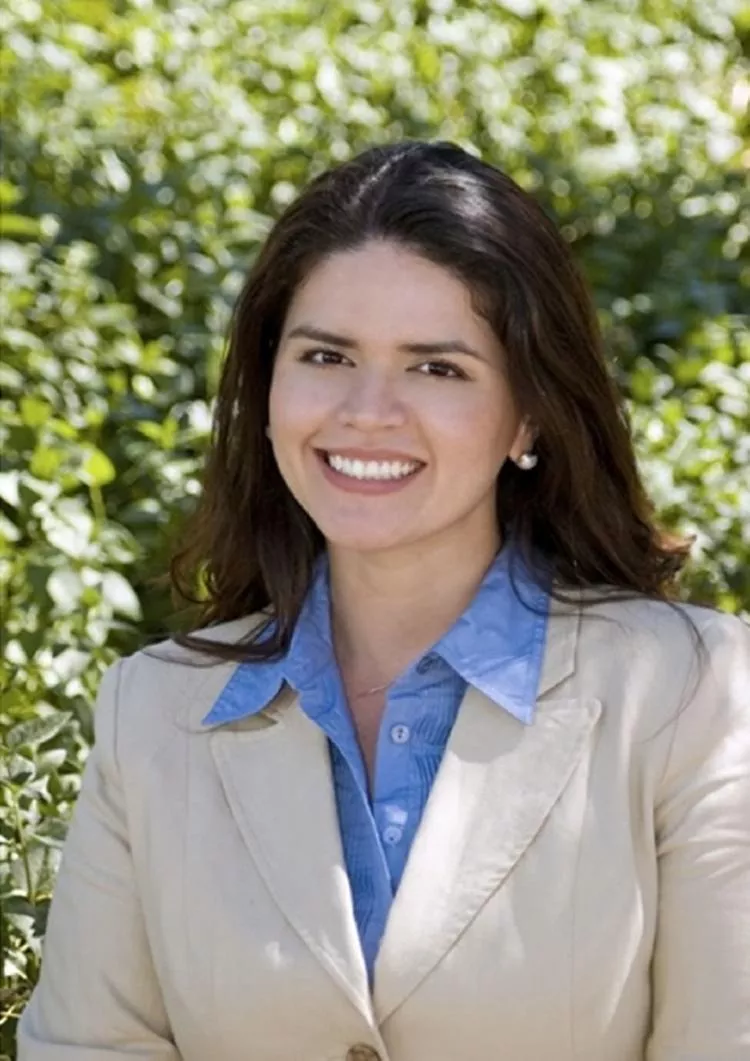
“Although it would be an honor to even be considered for such an important post, my heart is here in Tucson, and I love the job Tucsonans elected me to serving as Mayor of our beautiful city," Romero said in a prepared statement. "I have communicated with the Biden-Harris Administration my intent to remain in my current position as Mayor, as well as my eagerness to work in partnership with their administration on issues important to Tucsonans."
Romero added that she saw "an amazing opportunity to make progress on issues of local and national importance with a presidential administration that understands the importance of climate action, infrastructure investment, and job creation.”
Last week, Congressman Raul Grijalva lent legs to the rumor that Romero was being considered for the HUD position during an appearance on local broadcaster Bill Buckmaster's public-affairs program, saying she was under serious consideration for the gig.

Arizona ranks No. 3 in vaccination coverage for high-vulnerability counties as determined by the Social Vulnerability Index (SVI) in a report released earlier this week by The Center for Disease Control and Prevention (CDC).
The index is a nationally accepted framework, using 15 indicators, including metrics for socioeconomic status, age and disability status, and minority status and language, to assess the social vulnerability of counties in the U.S.
The CDC report found most states had higher vaccination in low-vulnerability counties, but Arizona and Montana showed higher vaccination in high-vulnerability counties.
Since Feb. 20, Pima County has partnered with community organizations, like St. Johns Church and Rising Star Baptist Church, to vaccinate people through mobile clinics.
Mobile clinics have administered 4,329 vaccinations to vulnerable communities as of March 7, according to a March 12 report by County Administrator Chuck Huckleberry.
Expanded Vaccine Eligibility to At-Home Long Term Care Adults
On Monday, the Pima County Health Department expanded vaccination eligibility for those living with disabilities and high-risk medical conditions who are receiving at-home long-term care services. The decision came after the Arizona Development Disability Network suggested the change in February.
Wednesday, March 17, 2021

The Internal Revenue Service is extending the tax filing deadline by more than a month and income taxes and payments will now be due May 17 instead of April 15, the agency and Treasury Department announced Wednesday.
The delay comes because of a massive backlog the IRS has of about 24 million tax filings from individuals and businesses since the 2019 tax year.
Taxpayers who file an extension would still have an Oct. 15 deadline. The IRS said the deadline change only applies to federal taxes and payments. State deadlines can vary and are not always the same as the federal filing deadline.
"This continues to be a tough time for many people, and the IRS wants to continue to do everything possible to help taxpayers navigate the unusual circumstances related to the pandemic, while also working on important tax administration responsibilities," IRS Commissioner Chuck Rettig said in a statement. "Even with the new deadline, we urge taxpayers to consider filing as soon as possible, especially those who are owed refunds."
Rettig said filing electronically with direct deposit is the quickest way to get refunds. Taxpayers who didn't receive the first or second stimulus payments may be eligible to claim the Recovery Rebate Credit.
Tuesday, March 16, 2021
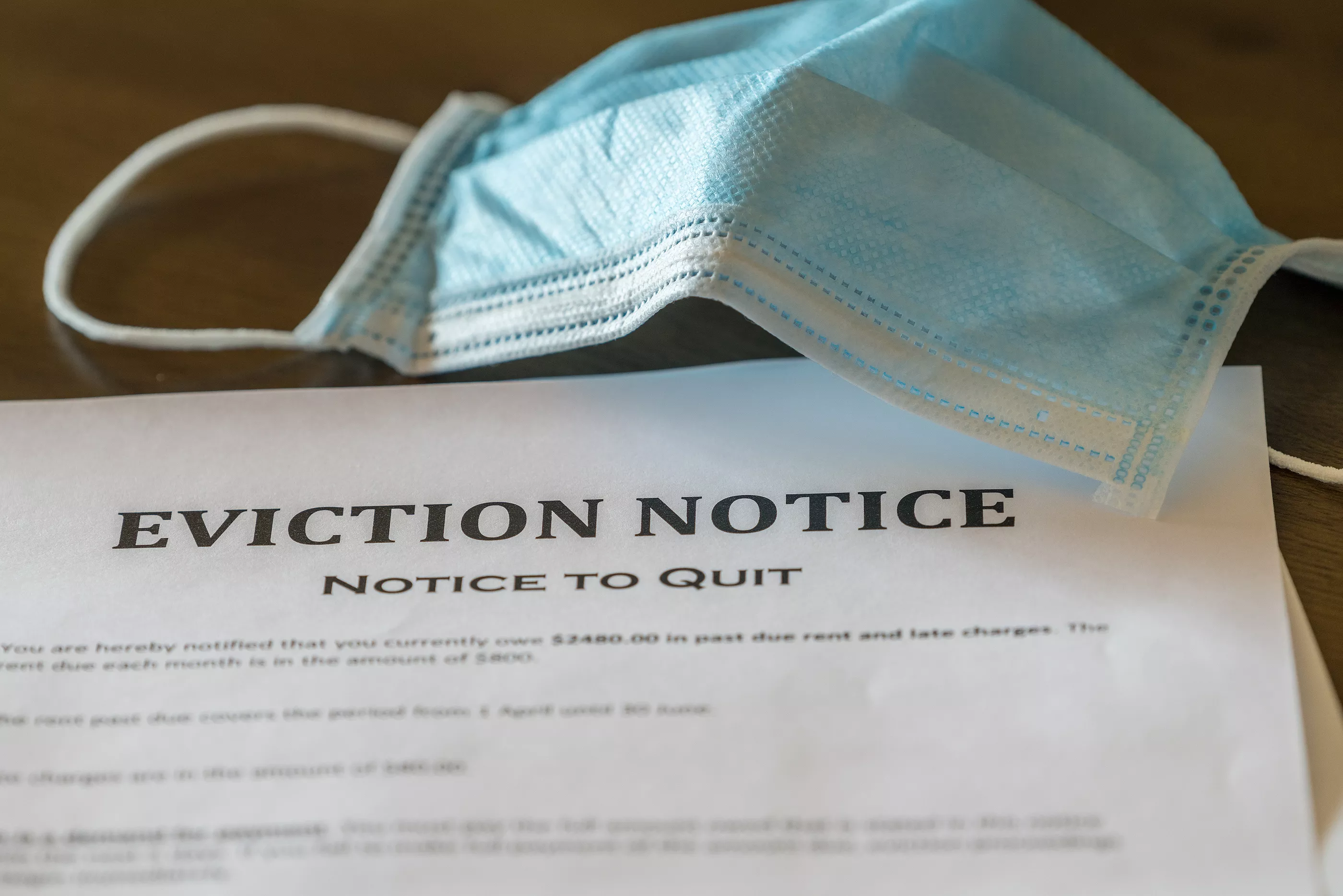
The Pima County Board of Supervisors voted 4-1 to direct $2 million in federal coronavirus relief funds, as permitted by law, to support eviction defense services to eligible residents.
This comes in response to an increase in evictions during the pandemic, as residents face financial hardships due to job loss or other factors.
“Until now, tenants have been represented by lawyers in eviction hearings less than 1 percent of the time, while landlords have had legal counsel 88 percent of the time,” said District 2 Supervisor Math Heinz, who voted yes. “Our action today will help keep roofs over the heads of thousands of Pima County families.”
District 4 Supervisor Steve Christy was the one dissenting vote.
Christy expressed concern that landlords and property owners were not considered during this process, as many of them are family-owned businesses who rely on rent as their sole income and have been “demonized and completely put aside.”
He also emphasized that the funds should instead be used to provide what he said is actually needed: rental assistance.
“Rental assistance is the only thing that 100% stops evictions for nonpayment of rent,” said Christy.
The county will be allocating $15.1 million for rental and utility assistance to both tenants and property owners through the Emergency Rental Assistance Program, said Heinz.
In order to receive support, Pima County residents would need to prove that they have suffered a loss of income or financial hardship due to the pandemic, cannot afford legal counsel and are facing or will imminently face eviction filing for either non-payment of rent or “material non-compliance” with the lease.
Monday, March 15, 2021

The University of Arizona will move to Stage 3 during the week of March 29, allowing in-person classes and flex in-person classes of up to 100 students, UA President Dr. Robert C Robbins announced in a briefing this morning.
On Feb 22, the university moved to Stage 2, offering in-person learning to courses with 50 or fewer students. They will continue in Stage 2 for the next two weeks.
On campus, the rate of positivity remains low, with fewer than 0.2 percent of the more than 13,000 tests in the past 10 days.
In Pima County on the week of Feb. 21, the rate of positivity dropped to 5.3 percent, nearing the goal of 5 percent for classification of minimal transmission. For the same week, the county had 78 cases of COVID per 100,000 residents, while 3 percent of reported hospital visits were for COVID-like illnesses.
While these metrics continue to decline, a total of 39 cases of the UK variant have appeared in Arizona. On March 12, the Arizona Department of Health Services (ADHS), the Yuma County Public Health Services District and Translational Genomics Research Institute (TGen) reported three cases of the Brazilian variant (P.1.).
Robbins said with the help of their expert team, they feel confident that it’s safe to move forward.
“Despite the variance, the incidence and prevalence of COVID-19 continues to be low, particularly on the campus,” said Robbins. “There's not been any major outbreaks on the campus throughout, over a year of this.”
Robbins adds that they feel especially confident as vaccination efforts increase.
The University of Arizona state POD administered 15,354 vaccines the past week of March 8 to March 14, with a total of 63,745 vaccines since January.
Tags: COVID; UA POD; , Image
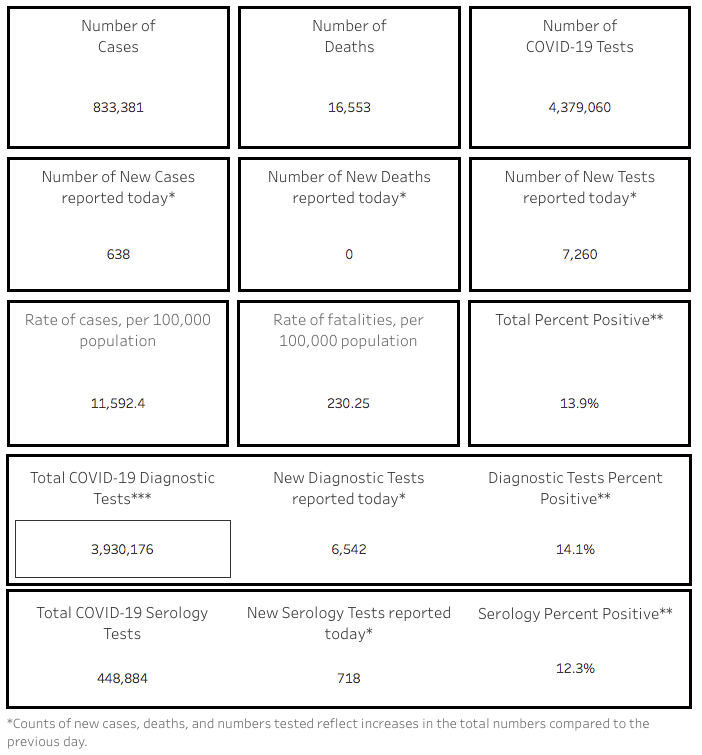
With 638 new cases reported today, the total number of Arizona’s confirmed novel coronavirus cases topped 833,000 as of Monday, March 15, according to the Arizona Department of Health Services.

Pima County, which reported 137 new cases today, has seen 111,344 of the state’s 833,381 confirmed cases.
With no new deaths reported this morning, a total of 16,553 Arizonans have died after contracting COVID-19, including 2,300 deaths in Pima County, according to the March 15 report.
A total of 716 coronavirus patients were in the hospital as of March 11 That’s roughly 14% of the number hospitalized at the peak of the winter surge, which reached 5,082 on Jan. 11. The summer peak was 3,517, which was set on July 13, 2020. The subsequent lowest number of hospitalized COVID patients was 468, set on Sept. 27, 2020.
The number of people visiting emergency rooms with COVID-like dropped to 834 on March 14. That number represents 36 percent of the record high of 2,341 set on Tuesday, Dec. 29, 2020. That number had peaked during the summer wave at 2,008 on July 7, 2020; it hit a subsequent low of 653 on Sept. 28, 2020.
A total of 210 COVID-19 patients were in intensive care unit beds on March 11, which is roughly 18% of the record 1,183 ICU patients set on Jan. 11. The summer’s record number of patients in ICU beds was 970, set on July 13, 2020. The subsequent low was 114 on Sept. 22, 2020.
Cases continue decline
Arizona has seen eight straight weeks of decline in COVID cases through the week ending March 7, which saw 5,721 new confirmed COVID cases. That was a 17% drop from the previous week, according to Dr. Joe Gerald, an epidemiologist and associate professor in the UA Zuckerman College of Public Health.
Gerald, who has been tracking the spread of the virus with weekly reports for a year, said the state had moved from high risk to substantial risk and hospital capacity was low enough to meet the state’s needs. New cases had fallen to 79 per 100,000 residents and PCR testing had dropped to 9%, putting it in the 5% to 10% zone for “optimal public health practice,” according to Gerald.
Gerald said those with high risk for COVID complications, such as the elderly or those with preexisting conditions, should continue to stay home as much as possible until they are fully vaccinated. Everyone else should continue wearing masks, washing their hands and keeping six feet of distance from people outside their household.
However, some doctors are still urging more caution.
Phoenix endocrinologist Dr. Ricardo Correa, Tucson family medicine specialist Dr. Cadey Harrel and Glendale obstetrician/gynecologist Dr. Dionne Mills spoke out against loosening restrictions in Arizona at a press conference last week.
Friday, March 12, 2021
Three Arizona doctors warned today of the fatal consequences of loosening restrictions without first vaccinating the public.
Phoenix endocrinologist Dr. Ricardo Correa, Tucson family medicine specialist Dr. Cadey Harrel and Glendale obstetrician/gynecologist Dr. Dionne Mills spoke out against loosening restrictions in Arizona.

“For the past year, too many people have struggled, sacrificed and died to get at this point in the pandemic,” said Correa. “We are close to eradicating COVID-19, but if you don't make the final effort, we are close to be back to where we were last year.”
Back-to-back executive orders on March 3 and March 5 by Gov. Doug Ducey, moved Arizona closer to reopening. The first mandated schools reopen by March 15 or after Spring Break. The second removed capacity limits on businesses and allowed spring training baseball and other professional and collegiate sports to operate after the approval of a safety and public health plan.
On March 3, the Arizona House passed bill, HB 2770 with a vote of 31-28, which asserts businesses are not required to enforce mask mandates from the state, a city, town or county or any other jurisdiction. The bill has now passed to the Senate for consideration.
Faced with these developments, Harrel urges Gov Ducey and Arizona legislators to “do the right thing and to listen to the science.”
Harrel, the CEO of Agave Community Health and Wellness, said that loosening restrictions should not occur until we have achieved herd immunity, or community immunity, which epidemiologists and health experts say occurs when 70-90 percent of the population is vaccinated and enough people have immunity to stop the spread of the COVID-19 within the general public.
As of March 12, little over 10 percent of Arizonans have been fully vaccinated, meaning they have received both doses of either Pfizer or Moderna or one dose of the Janssen vaccine, and about 20 percent have received a single dose.
“The facts tell us again and again that until we achieve that 70% of vaccination rate in Arizona's population, that we need to continue to double mask, we need to continue to physically distance and we need to take every precaution necessary to prevent the spread and further unnecessary death in our community,” said Harrel.
For the week of Feb 21, Arizona is at 98 cases per 100,000, 6.5% of tests were positive and 3.5 % of reported hospital visits were for COVID-like illnesses.
PHOENIX – Arizona students haven’t been properly taught about the Holocaust in recent years, according to a recent poll conducted by the Conference on Jewish Material Claims Against Germany. Among Arizona millennials surveyed in March 2020, 42% could not name a single concentration camp the Nazis built to detain and exterminate Jews and others deemed undesirable.
The same report found that only 48% of the state’s millennial respondents recognized the term Auschwitz, and only 33% knew the number of Jews who were killed from 1933 through 1945.
Such findings worry Lawrence Bell, executive director of the Arizona Jewish Historical Society, and other Jewish leaders in the state. The concern is heightened as more Holocaust survivors – who have been crucial to putting a human face on unfathomable tragedy – pass away.
“Memory of the Second World War is really starting to fade from popular consciousness,” Bell said. “A lot of people don’t think about the Second World War, they don’t think about the Holocaust. … It’s something that’s largely faded out.”
In October, the Arizona Department of Education made a rule change that requires students to receive instruction on the Holocaust at least twice during their secondary school career.
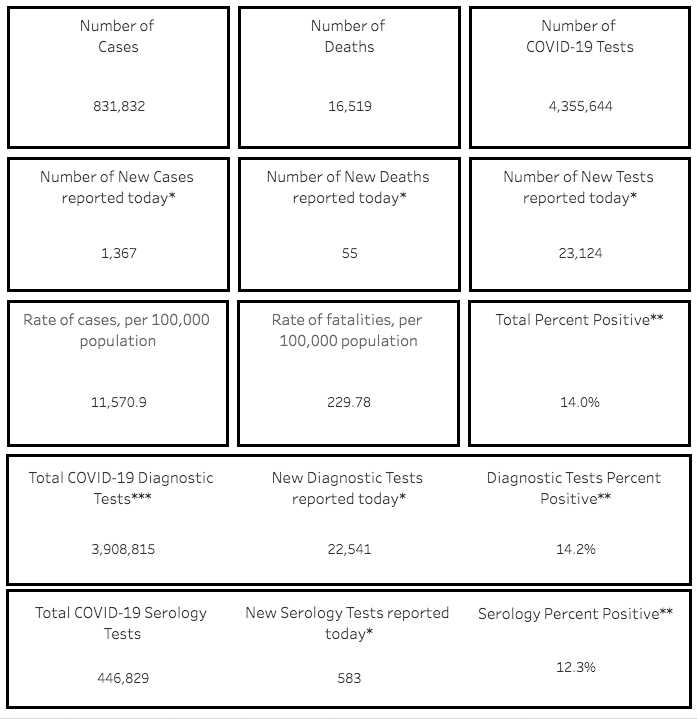
With 1,397 new cases reported today, the total number of Arizona’s confirmed novel coronavirus cases closed in on 832,000 as of Friday, March 12, according to the Arizona Department of Health Services.

Pima County, which reported 110 new cases today, has seen 111,041 of the state’s 831,832 confirmed cases.
With 55 new deaths reported today, a total of 16,519 Arizonans have died after contracting COVID-19, including 2,293 deaths in Pima County, according to the March 12 report.
A total of 831 coronavirus patients were in the hospital as of March 11 That’s roughly 16% of the number hospitalized at the peak of the winter surge, which reached 5,082 on Jan. 11. The summer peak was 3,517, which was set on July 13, 2020. The subsequent lowest number of hospitalized COVID patients was 468, set on Sept. 27, 2020.
The number of people visiting emergency rooms with COVID-like symptoms has bumped up this week, with 1,1097 people visiting ERs on March 11 with COVID symptoms. Still, that number is less than half of the record high of 2,341 set on Tuesday, Dec. 29, 2020. That number had peaked during the summer wave at 2,008 on July 7, 2020; it hit a subsequent low of 653 on Sept. 28, 2020.
A total of 236 COVID-19 patients were in intensive care unit beds on March 11, which is roughly 20% of the record 1,183 ICU patients set on Jan. 11. The summer’s record number of patients in ICU beds was 970, set on July 13, 2020. The subsequent low was 114 on Sept. 22, 2020.
UK variant circulating in Pima County
Four cases of the COVID-19 UK variant have been found in Pima County, said Pima County Health Department Director Dr. Theresa Cullen during a briefing this afternoon.
Pima County Health Department has been tracking genomic sequencing of positive COVID-19 PCR tests (aka the nasal swab test). They send a random sample of those positive PCR tests to the Translational Genomics Research Institute (TGen) in Flagstaff for sequencing, Cullen said.
This process takes up about three to four weeks from the collection and procession of the sample to getting a positive result and then sending it to a lab like TGen, where the genetic sequencing takes place. In other words, the variant has been in Pima County for at least three to four weeks since the sample was collected, Cullen said.
According to the CDC, this variant, first detected in the U.S. in late December 2020, spreads more easily and quickly than other variants. Some experts in the U.K. reported the variant may be associated with an increased risk in death, but this finding has not been confirmed.
“It's not to make the community frightened, but it is to remind the community that COVID-19 is a deadly disease,” said Cullen. “It has significant morbidity and mortality and the way we protect ourselves right now is to do the three W's, to abide by the recommendations that we've given.”
"Serving Arizonans has been my absolute honor and joy, but after much consideration, I have decided not to seek re-election in 2022. I will continue the good fight through this Congress, and when the term is up, I will hand over the baton." https://t.co/jBuB85SeHH
— Rep. Ann Kirkpatrick (@RepKirkpatrick) March 12, 2021
Fresh on the heels of the signing of the $1.9 trillion COVID relief package, Arizona Rep. Ann Kirkpatrick announced she will not seek a sixth term in 2022 in a Twitter post this morning.
The congresswoman represents Southern Arizona's District 2, which includes eastern Pima County and Cochise County.
Kirkpatrick, 70, was first elected in CD2 in 2018. She previously represented a Northern Arizona district. She left Congress in 2016 to unsuccessfully challenge the late Sen. John McCain and then relocated to Pima County to run for Congress.
She took a leave of absence last year to seek recovery for alcohol addiction.
Kirkpatrick's departure is sure to set off a scurry of potential candidates on both sides of the aisle but with redistricting on the horizon, the future boundaries of the district for the 2022 election cycle remain to be seen.
Kirkpatrick's full statement:
Every two years for the past 18 years, there has been an election in Arizona with my name on the ballot. Serving Arizonans has been my absolute honor and joy, but after much consideration, I have decided not to seek re-election in 2022. I will continue the good fight through this Congress, and when the term is up, I will hand over the baton.

