

Thursday, January 27, 2022

Maybe the real laws are the racists we meet along the way ... Resignations all around ... And watch where you protest.
Some of Arizona’s MAGA-est legislators introduced their fantasy legislation to eliminate voting as most Arizonans know it and allow lawmakers to decide election results instead.
House Bill 2596 is a multifaceted assault on the concept of democracy, but the top headline-grabbers are provisions to:
Outlaw mail voting and severely restrict early in-person voting
Require humans, rather than machines, to count the millions of ballots cast on Election Day within 24 hours
Require the legislature to approve or reject the results of every election
It’s hard to overstate the audacity of lawmakers trying to give themselves authority to deny our elections, or their brazenness in trying to outlaw a secure mail-in ballot system that more than 80% of voters utilize. It’s equally hard to understate the amount of disinformation required to believe that elections would be more secure and accurate if we allowed results to be ordained by thousands of volunteers essentially counting on their fingers.
But sometimes the point of a bill isn’t to become law. It’s to signal to your base that you hear them. And it’s clear which portion of the base Fillmore and others were trying to satisfy with HB2596.3+ million ballots with 20 to 100 contests on each one and hand counted by what would easily be around 16,000 people with a 9pm deadline for results when polls close at 7 and no one who supports this thinks that adjudicating these properly won't be an issue?
— The AZ - abc15 - Data Guru (@Garrett_Archer) January 26, 2022
Luckily, the bill isn’t going to become law. The first clue is its main sponsor: House GOP backbencher John Fillmore, who described the bill to Capitol scribe Howie Fischer as a return to “1958-style voting,” presumably without a hint of self-awareness. House Speaker Rusty Bowers — who stood up to the former president’s lies early on and never backed down — hasn’t even assigned the bill to committee, though that could change.
Wednesday, January 26, 2022
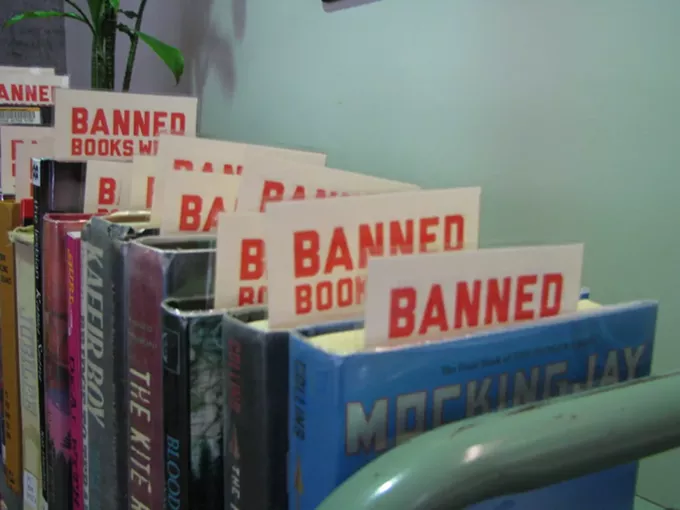 Photo by Kennedy Library | Flickr/CC BY-NC 2.0

Republicans on Tuesday backed a bill that would ban books like “I Know Why the Caged Bird Sings,” “1984” and “The Great Gatsby” from Arizona schools because they contain frank descriptions of sex and sexuality, and that critics say would effectively make it illegal to teach about homosexuality.
The legislation bans schools from teaching or directing students to study any material that is “sexually explicit,” which the bill defines as “masturbation, homosexuality, sexual intercourse or physical contact with a person’s clothed or unclothed genitals, pubic area, buttocks or if such person is female, breast.”
An amendment was added to the bill by Rep. Michelle Udall, R-Mesa, that allowed for classical literature, early American literature and literature needed for college credit to still be allowed — but only with parental consent.
“We didn’t want it to get overly burdensome and exempt literature that is important,” Udall said, adding that they still wanted to give parents the ability to “opt out” of the literature with sexually explicit material.
Although Udall repeatedly described her amendment as a way for parents to opt their children out of “explicit” schoolwork, it actually requires parents to opt their children into the work — meaning it would be illegal to teach to all students by default.

Banning books is cool again ... Everyone wants to be a fake elector ... And because of term limits, nobody remembers the law of unintended consequences.
In Arizona’s latest attempt to find any adult bodies to put in front of classrooms of 30-plus screaming children, the State Board of Education this week rolled back regulations on substitute teachers.
The new rules allow emergency subs (humans holding a GED or higher) to teach for two years and remove the ban on districts essentially using certified subs as permanent teachers.
School administrators pleaded for the stopgap solutions to pandemic strains, noting schools are still seeing massive COVID-related teacher absences and increasing full-on classroom vacancies as teachers catch the quitting bug.
Dysart Unified Superintendent Quinn Kellis, for example, told the board that his district had 200 teacher vacancies and 60 substitutes on Monday. (For all you kids with math teachers out sick right now, that’s 140 vacant classrooms in one district.)
“We have vacancies just on an interim basis, but also we have many who are just leaving their jobs for the rest of the year. And it’s not that they wouldn't have continued under normal circumstances, but these are not normal circumstances,” Kellis said.
But after a decade of weakening regulations on who is fit to lead a classroom, a few more tweaks to substitute teacher rules clearly isn’t going to solve Arizona’s teacher shortage crisis.
Monday, January 24, 2022
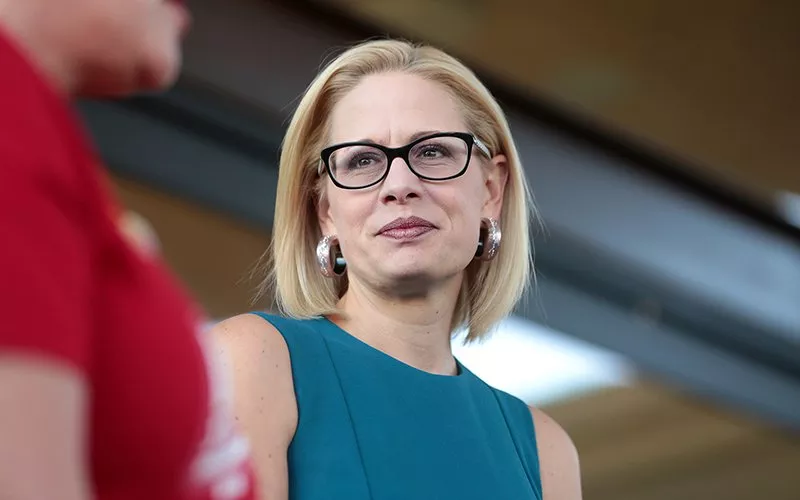
Ducey v. Biden feels like a Senate run precursor ... Voting rights groups ditch Townsend's committee ... And Sinema hopes this keeps the McCain comparisons coming.
Gov. Doug Ducey shot back at the U.S. Department of Treasury with a preemptive-strike lawsuit after the feds again threatened to claw back federal anti-COVID-19 funds that Ducey has been holding over schools as a way to fight mask mandates and COVID-related closures.
Ducey has drawn the ire of the Treasury for several programs he has created with federal American Rescue Plan Act money: one offering money to schools that don’t implement mask mandates, another offering money to parents who want to take their kids out of schools with mask mandates and a third (which the feds have not yet challenged) paying parents to move their kids from schools that close because of COVID-19 outbreaks.
The Treasury has repeatedly warned that the first two programs aren’t what the anti-COVID funding is for, and they’ve threatened to take the money back if Ducey doesn’t stop spending it like that. More significantly, the department has threatened to withhold the next round of ARPA cash from Arizona, totaling more than $2 billion, if Ducey doesn’t change or eliminate the program.
In the lawsuit, Ducey and his lawyers argue that the Treasury Department’s new rules on acceptable uses of the funds usurp the more lax restrictions Congress laid out in the spending package.
Thursday, January 20, 2022
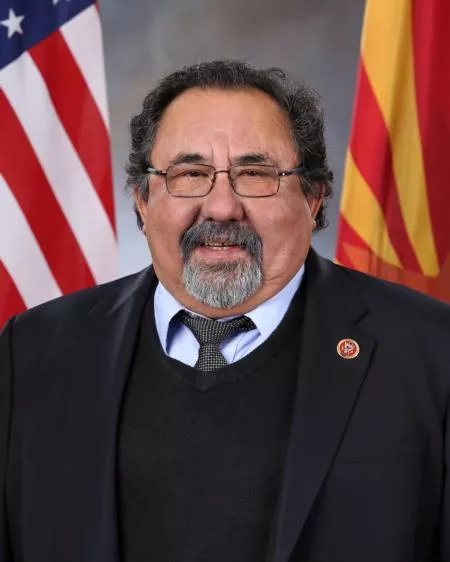
“On Wednesday, I tested positive for COVID-19," Grijalva said in a statement. "I am vaccinated, boosted, experiencing mild symptoms and remain in good spirits."
Grijalva said he and his staff would test and quarantine under CDC recommendations and notify close contacts.
It's Grijalva's second bout with the illness after testing positive last summer.
"I urge Arizonans to get their vaccinations, booster shots and wear N95 masks or equivalent. We all have a role to play to protect our loved ones from COVID-19 and the risk of hospitalization, especially while Arizona is experiencing this surge.”
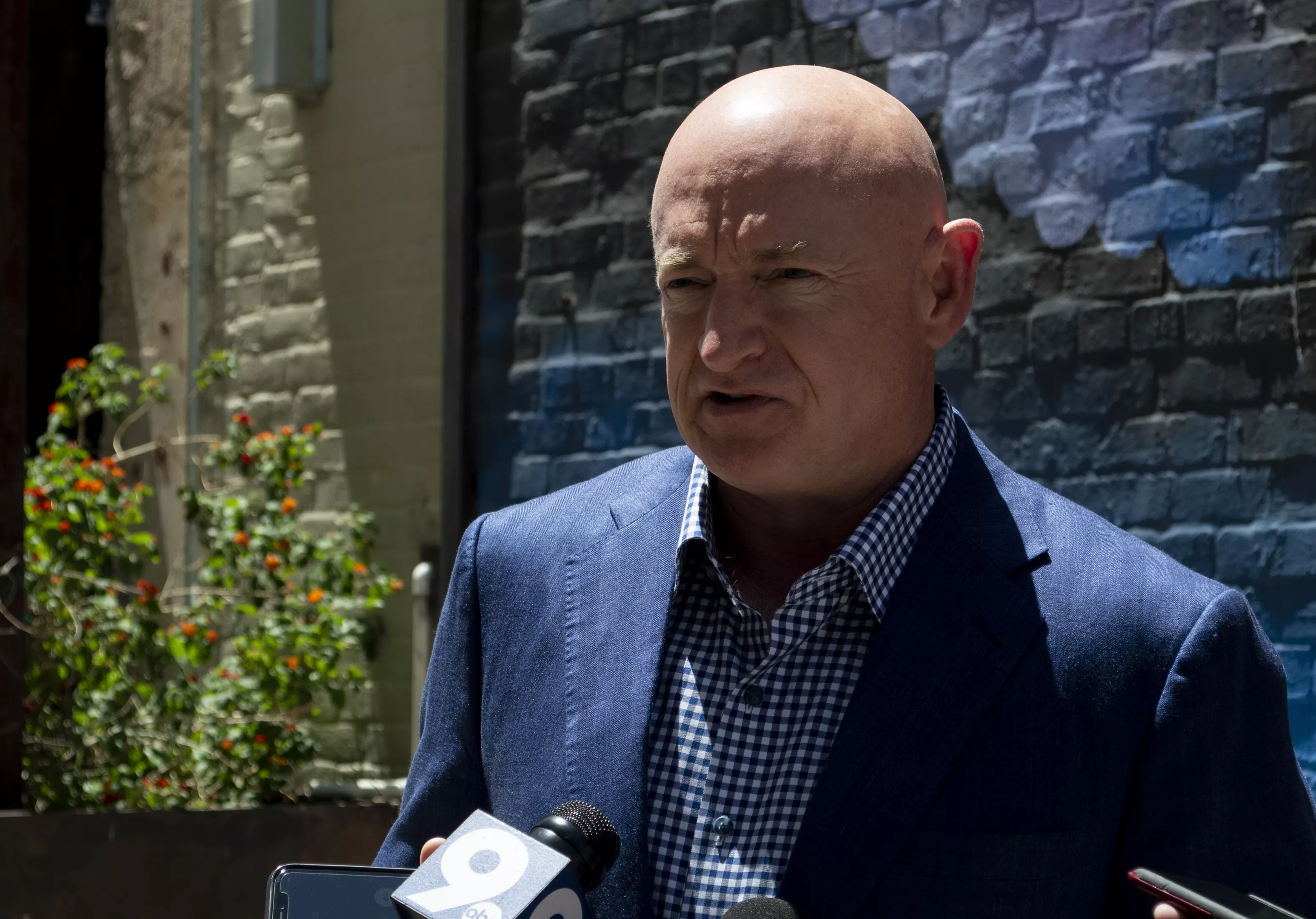
A stunning lesson in political courage (this is sarcasm) ... Mesa college kids get a boost ... And another chance to talk about diapers and tampons.
After spending his entire (albeit short) political career ducking, dodging and dancing around questions about the filibuster, Arizona U.S. Sen. Mark Kelly announced yesterday that he would support a one-time rollback of the rule to pass a voting rights package championed by Democrats.
Not that it mattered.
By the end of the day, Arizona’s other Democratic Senator, Kyrsten Sinema, stuck with West Virginia Democrat Joe Manchin to ensure that their party’s attempt to revert to a “talking filibuster” for the package failed. And with it, so did their attempts to pass what Democrats describe as a once-in-a-generation change to protect voting rights and democracy. (Business Insider has a good explainer of the provisions contained in the Freedom to Vote: John R. Lewis Act. And if you keep hearing the word “filibuster” but aren’t quite sure what it means, NPR has a nice explanation, including a video.)
It wasn’t political courage that led Kelly to stake out a position after two years of non-answers about “doing what’s best for Arizonans” to the simple question of whether he wants to keep or eliminate the filibuster: The clock simply ran out on his ability to dodge.
Wednesday, January 19, 2022
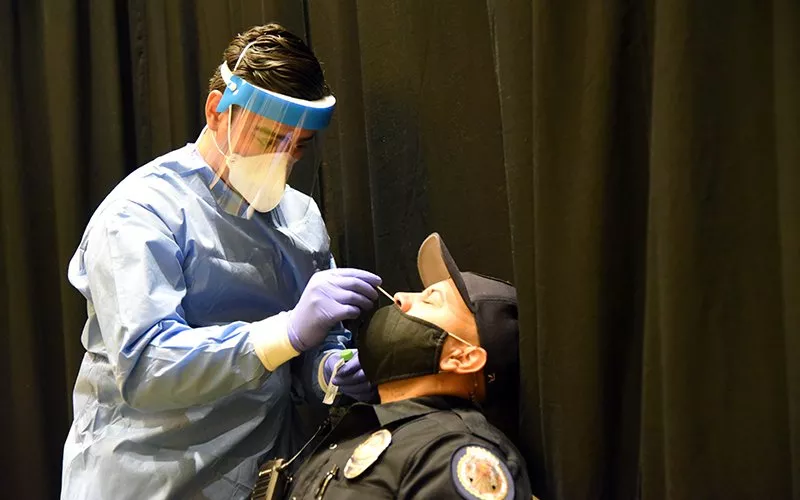
The Pima County Board of Supervisors passed a plan to increase COVID testing availability during their meeting on Tuesday, Jan. 18.
The Board unanimously voted to increase PCR testing in Pima County with an additional 1,000 tests per day through Paradigm Laboratories.
“I am concerned with our PCR testing site at the airport,” Supervisor Sharon Bronson said. “We are seeing that we’ve got some issues at TAA (Tucson Airport Authority) with staff coming down with COVID and we’ve got people in line who have COVID. So I would think as part of the implementation of the new testing we need to find other sites than the airport.”
Cases continue to rise in Pima County due to the Omicron variant. The Arizona Department of Health Services reported 3,136 new cases in Pima County on Jan. 11. This is the highest number of cases reported in one day since the pandemic began.
Supervisor Adelita Grijalva said she had noticed that testing appointments through the county website were being scheduled two days out. She raised concerns this would make it more difficult for children to get back into school under the new test-to-stay policy.
Bronson added that constituents reported testing sites had a two-hour waiting period, even with appointments.
Low testing availability has also impacted the local healthcare system.
“People, because they can't find a testing site, are going to ERs to ask to get COVID tested and that is incredibly disruptive for the healthcare system,” Supervisor Matt Heinz said.
The additional PCR tests will be offered at the Kino Event Center across the street from the Abrams Public Heath Building, where the county had set up a testing site in 2020. That site later transitioned to a vaccination center.

Inconvenient rules can be changed ... We speculate that the speculation will continue ... And that mean ol' Howie is asking questions again.
After a choppy opening week and the long weekend, the Arizona Legislature got into full swing yesterday, and already COVID-19 is a problem.
As committees cranked through bills (including a contentious first vote on once again banning Critical Race Theory in schools), leadership had to sub out lawmakers to fill the committees, at least in part because of the virus. It’s going to be a long year of musical chairs as House and Senate leadership attempt to keep committees full, despite the raging pandemic.
Republicans need every single lawmaker present to pass legislation on party lines in either chamber, but as the Republic’s Mary Jo Pitzl notes, if lawmakers want to do their jobs and vote on bills, they’ll have to come into the building.
That wasn’t the case last year, and the new rule provides no meaningful advantage to lawmakers or the public — it is, like many decisions at the capitol, pure politics. (FWIW, it was also pure politics when the Democrats initially opposed remote voting on a limited basis at the onset of the pandemic so Republicans could muster the votes necessary to pass a budget.)
Tuesday, January 18, 2022
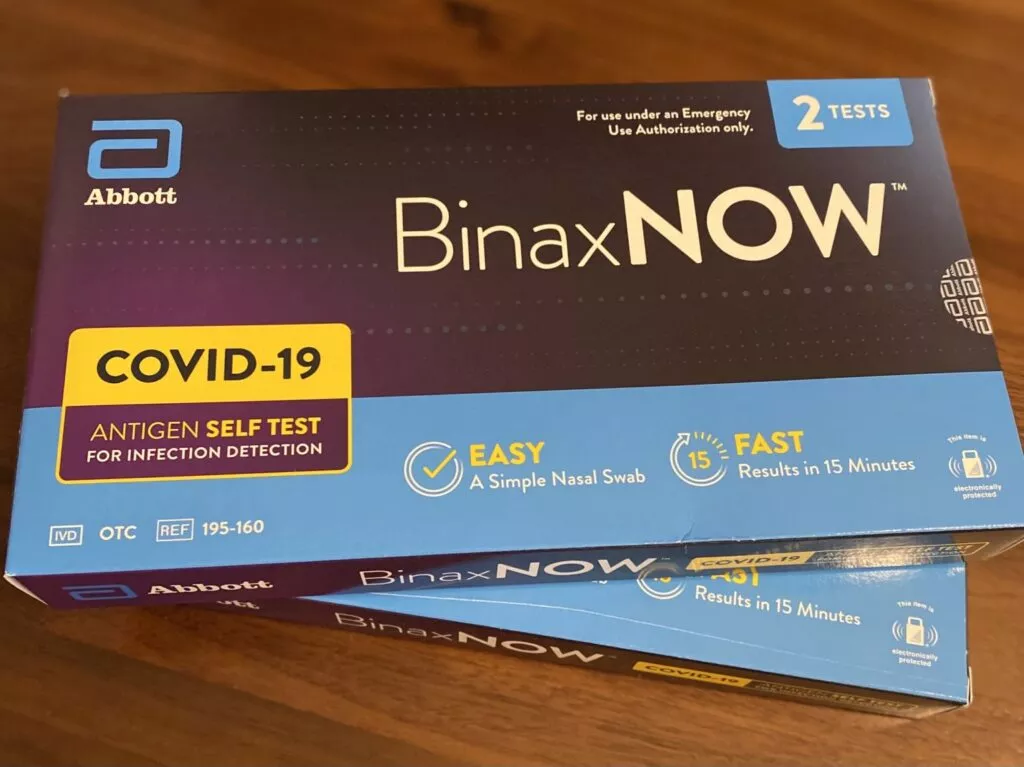
WASHINGTON — The Biden administration on Friday launched a new website for Americans to request up to four free COVID-19 tests per household.
The administration is buying 1 billion at-home rapid COVID-19 tests, and Americans will be able to begin ordering the tests online on Jan. 19 at COVIDtests.gov.
This is part of the administration’s effort to curb the spike of the omicron coronavirus variant that has overwhelmed hospitals and schools.
Tests should ship via the U.S. Postal Service between seven and 12 days after they are ordered, senior administration officials said on a call with reporters.
“Testing is a critical tool to help mitigate the spread of COVID-19,” a senior administration official said.
The White House said tests should be used by individuals who begin to have COVID-19 symptoms; after five days of coming into close contact with someone with COVID-19; or if gathering indoors with someone who is at risk for a severe disease or is unvaccinated. Children 4 and under are not eligible for vaccines.
The initial 500 million tests are expected to cost $4 billion, a senior administration official said.
The Biden administration also announced that starting Monday, private insurance providers will cover the cost of up to eight at-home COVID-19 tests per person per month.
On Thursday, Biden said that in addition to free tests, Americans would also get free high quality masks.
The administration also aims to make sure members of some communities the hardest hit by COVID-19 will have a hotline they can access if they do not have internet access or have difficulty ordering tests online. The number to call for help is not available yet.

We're salty about desalination ... Welcome back to Arizona 2020 ... Is six mentions a lot or a little?
Gov. Doug Ducey unveiled a $14.3 billion budget proposal on Friday that spreads money across so many priorities that it’s bound to start a lot of little fights at the Capitol.
But for his last hurrah, the budget is pretty blah.
Rather than a single focus or grand vision, it’s packed with a smattering of smaller appropriations for pet projects and tax cuts, and big windfalls for the decidedly necessary but boring, likely bipartisan topic of infrastructure.
The budget was crafted on two major premises that may or may not end up being true: The courts will stop the implementation of Prop. 208, the Invest in Education Act, and Ducey’s historic tax cut package from last year will stand despite the threat of a referendum. (Another possible wrench in budgeting: The feds are threatening to revoke $163 million of their anti-COVID-19 money back after Ducey used it to help move kids into schools with COVID-19-friendly policies.)
But the state is so flush with cash that it’s getting hard to spend it all. In fact, there’s so much money that the largest single new discretionary expense in Ducey’s budget proposal is simply squirreling away another $425 million in the state’s rainy day fund, bringing the state’s emergency savings to $1.4 billion.
But the Ducey administration billed the budget as education, border and water-centric, so let’s focus on those three areas today.
On the education front, the biggest investment isn’t the $100 million “civics summer camp” program that Ducey touted as the crown jewel of his State of the State speech last week (which, by the way, will be paid for with federal pandemic money), but rather the $300 million in state spending on the much less sexy but more necessary areas of school upgrades and new buildings. His budget also offers another round of bonuses for schools that are already succeeding, and smaller bonuses for schools that need improvement.

