

Friday, March 26, 2021
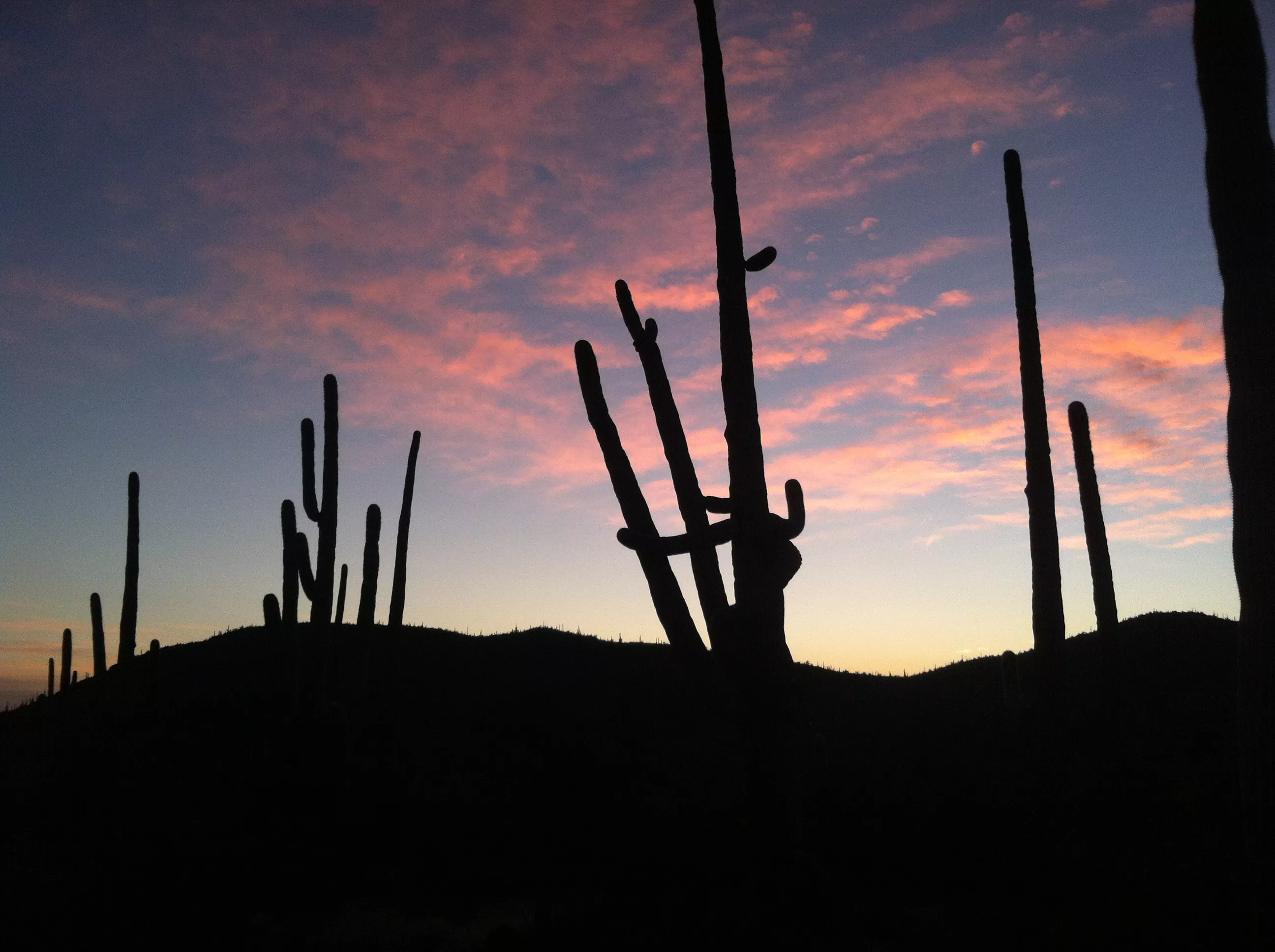
Photos were shot in and around the Tucson Mountains, especially in Tucson Mountain Park and Saguaro National Park West.
Thursday, March 25, 2021
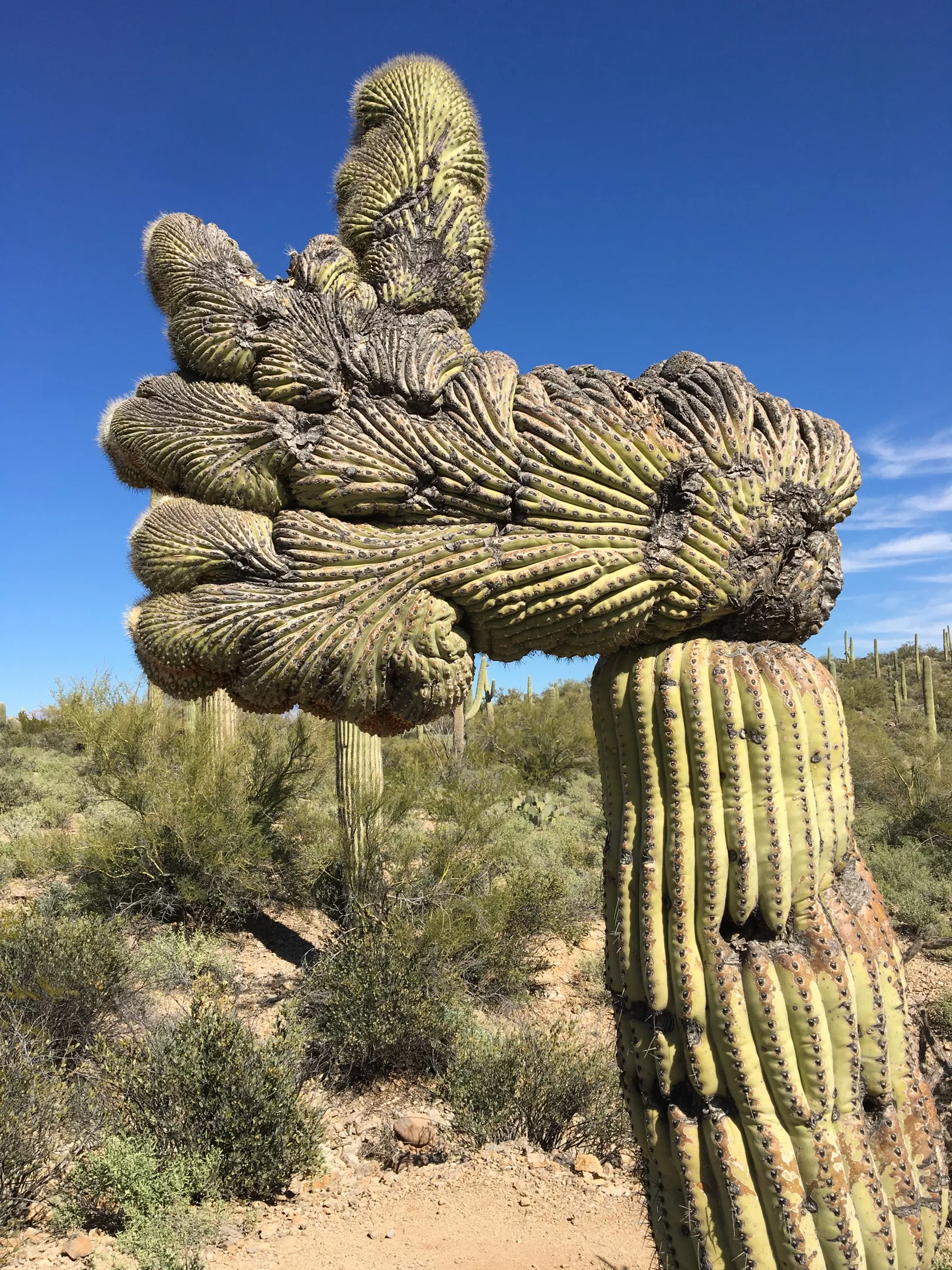
Photos were shot in and around the Tucson Mountains, especially in Tucson Mountain Park and Saguaro National Park West.
Wednesday, March 24, 2021
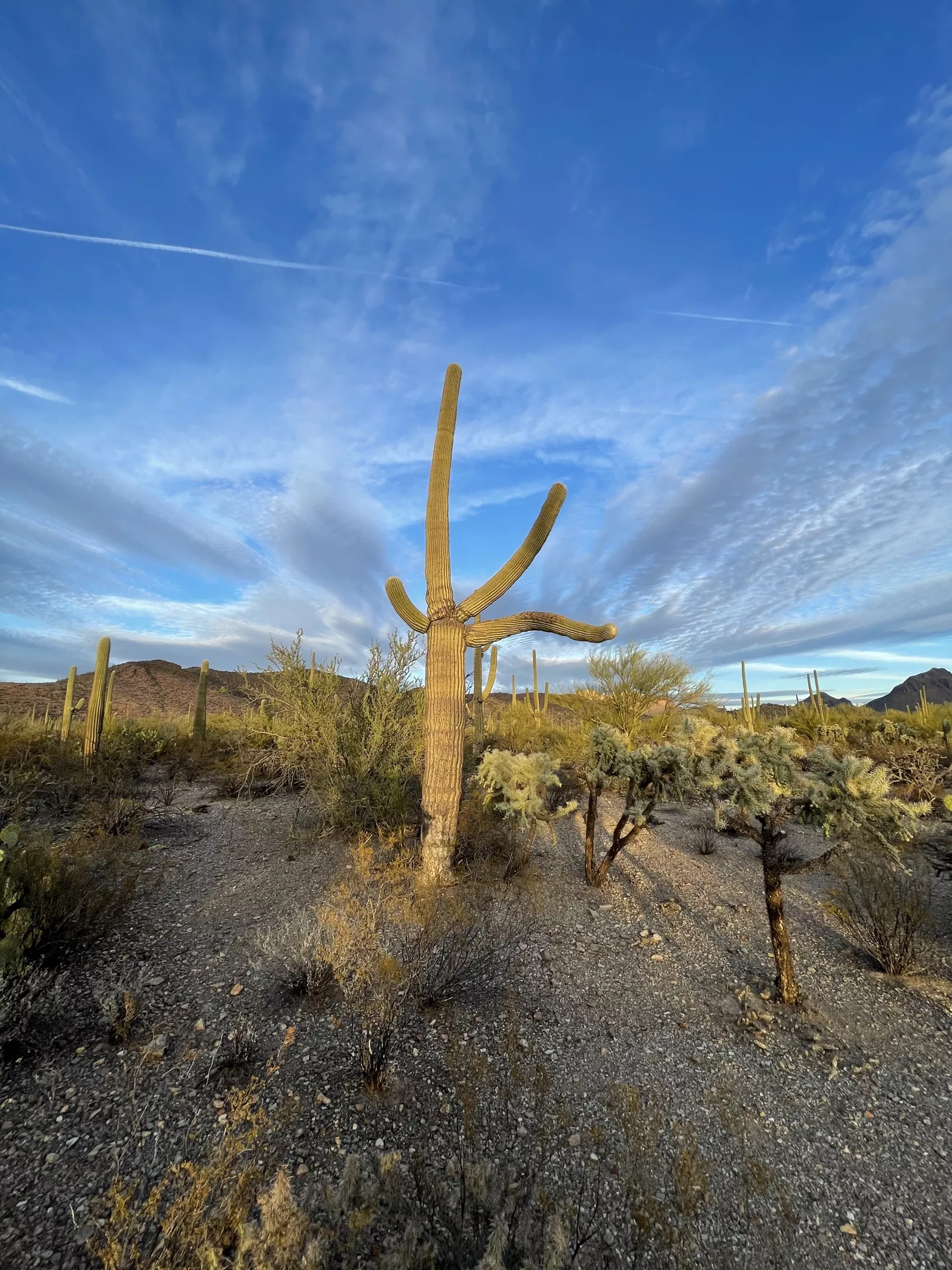
Photos were shot in and around the Tucson Mountains, especially in Tucson Mountain Park and Saguaro National Park West. All photos were shot with an iPhone 6, except for a few recent ones on an iPhone 12. There is no photo manipulation except the color filters in-camera. These are all straight shots.
Tuesday, March 23, 2021

Photos were shot in and around the Tucson Mountains, especially in Tucson Mountain Park and Saguaro National Park West. All photos were shot with an iPhone 6, except for a few recent ones on an iPhone 12. There is no photo manipulation except the color filters in-camera. These are all straight shots.
Sunday, March 21, 2021
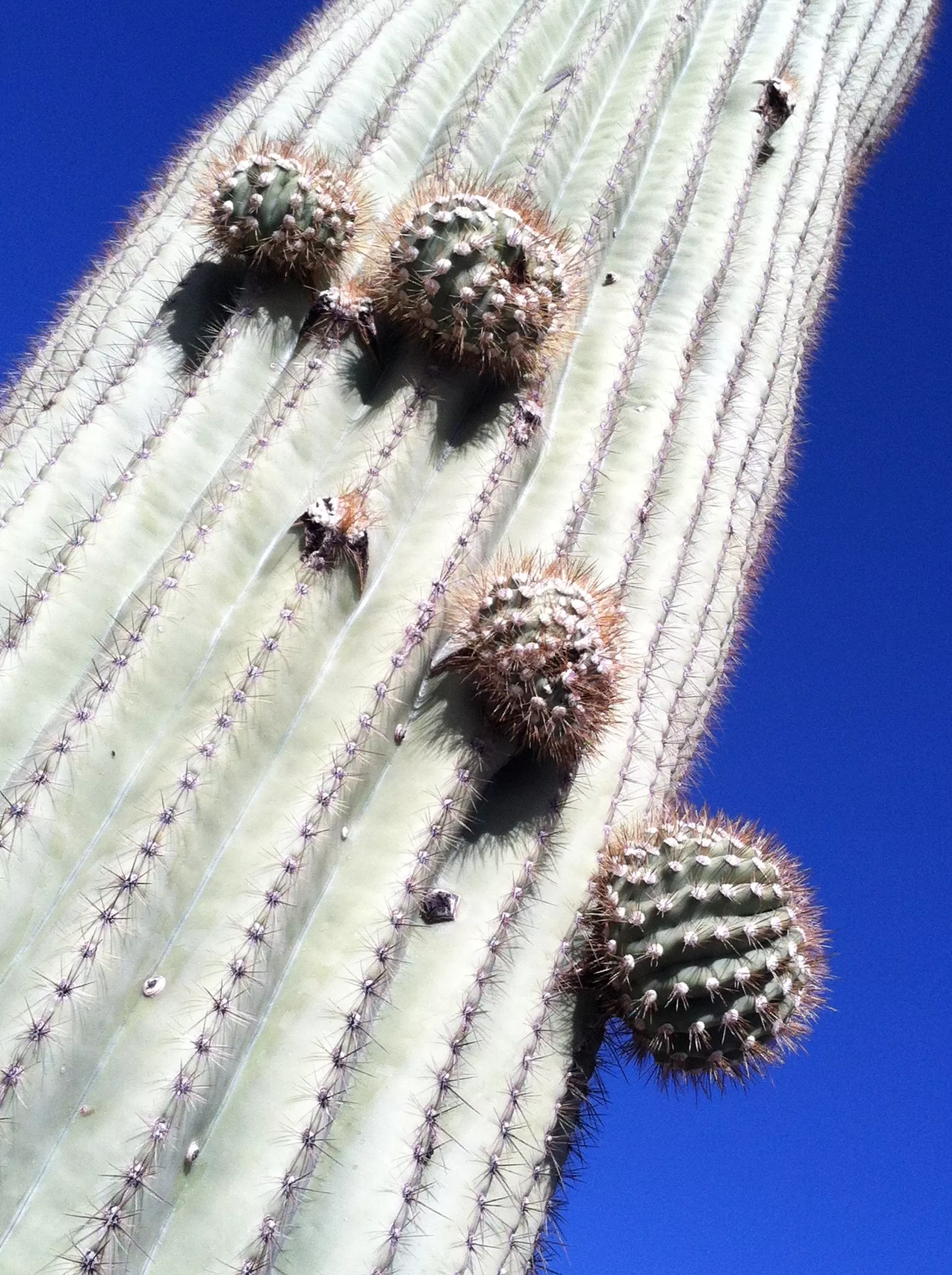
Photos were shot in and around the Tucson Mountains, especially in Tucson Mountain Park and Saguaro National Park West. All photos were shot with an iPhone 6, except for a few recent ones on an iPhone 12. There is no photo manipulation except the color filters in-camera. These are all straight shots.
Saturday, March 20, 2021
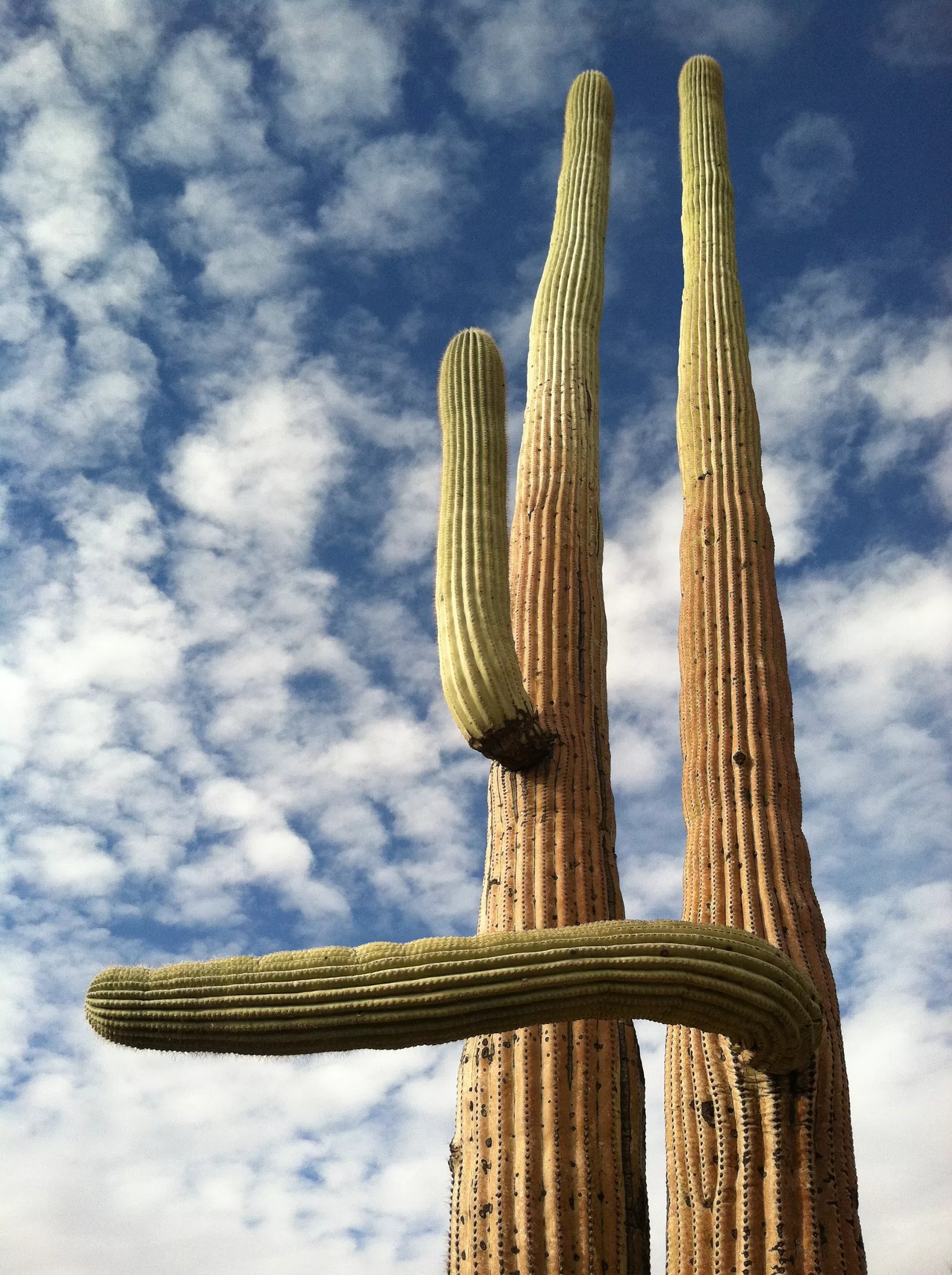
Photos were shot in and around the Tucson Mountains, especially in Tucson Mountain Park and Saguaro National Park West. All photos were shot with an iPhone 6, except for a few recent ones on an iPhone 12. There is no photo manipulation except the color filters in-camera. These are all straight shots.
Friday, March 19, 2021
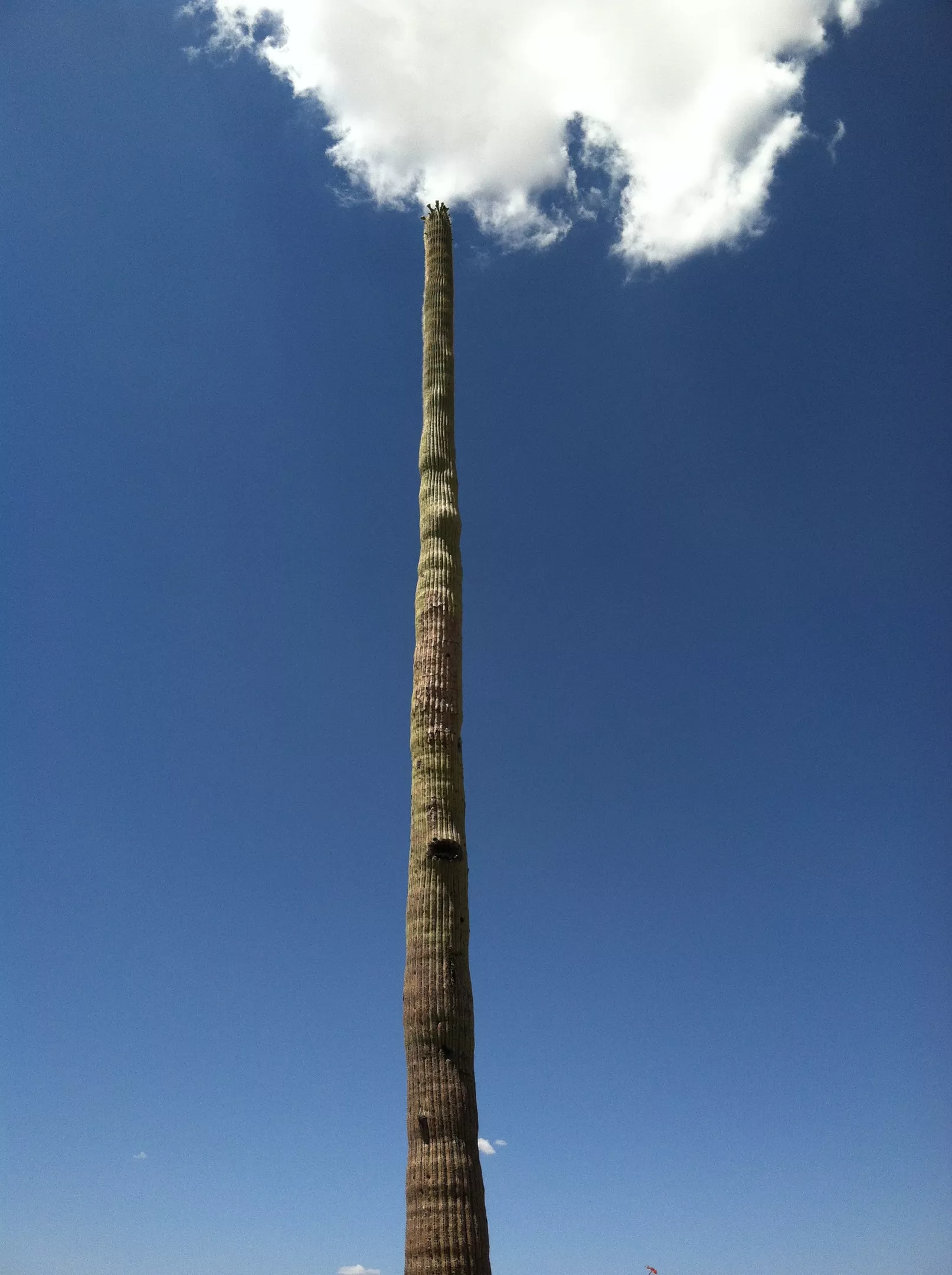
Photos were shot in and around the Tucson Mountains, especially in Tucson Mountain Park and Saguaro National Park West. All photos were shot with an iPhone 6, except for a few recent ones on an iPhone 12. There is no photo manipulation except the color filters in-camera. These are all straight shots.
Thursday, March 11, 2021
Pima Animal Care Center is encouraging pet owners to vaccinate their pets after two dogs scuffled with a coatimundi that's now under quarantine for rabies observation.
One of the dogs was not current with its vaccinations so it, too, will be quarantined.
“It’s never fun to have to tell a pet owner about the required quarantine,” said Monica Dangler, Interim Director of Animal Services. “Then, we have to tell them about the costs of taking care of their pet while on that quarantine. We don’t like this part of the job.”
Rabies vaccines are required by law because domestic pets can contract rabies and distemper if they encounter infected wildlife. Pets can be held for up to 120 days to determine whether they've been infected.
“All of this stress and difficulty can be avoided by keeping your pet up-to-date on their vaccinations," said Christina Snow, Animal Protection Services manager. No dog should have to live in a kennel for four months. Please vaccinate your animals.”
If your domestic animal comes in contact with wildlife, take your animal to the vet and get a rabies booster. Then call Animal Protection at (520) 724-5900 and press option 4.
Friday, March 5, 2021
Local students, ages 5-19, are being asked to submit original poetry, photography or visual art focusing on water and the natural world for this year’s Living River of Words contest. The deadline to enter is April 2.
In past years, Pima County's Living River of Words program took students on a field trip to study the Santa Cruz River and its surroundings: conducting water quality tests, observing wildlife and plant interactions, while taking time for reflection and journaling. Students then would work with local artists to create entries for the contest. But because of the COVID pandemic, learning experiences will be virtual this year.
Finalists and grand prize winners will have their poetry and artwork included in the annual exhibit and published in the exhibit booklet. Finalists’ artwork will also be submitted to the International River of Words contest.
For more information about the LROW program please visit www.pima.gov/RiverOfWords or contact the Pima County NRPR Environmental Education group at (520) 724-5375 or [email protected].
Learning activities will include watersheds and wetland habitats, and the practices of poetry, photography and visual arts. The schedule of upcoming workshops is available on the website and includes:
- Visual Art Workshop, ages 7-10: Wednesday, March 17, 10 a.m. – noon
- Visual Art Workshop, ages 11-14: Wednesday, March 17, 1 – 3 p.m.
- Poetry Workshop, ages 7-10: Thursday, March 18, 10 a.m. – noon
- Poetry Workshop, ages 11-14: Thursday, March 18, 1 – 3 p.m.
- Photography Workshop, ages 9-14: Saturday, March 27, 2 – 3 p.m.
- Multimedia Workshop, ages 15-19: Saturday, March 27, 10 a.m. – 12:30 p.m.
Thursday, March 4, 2021
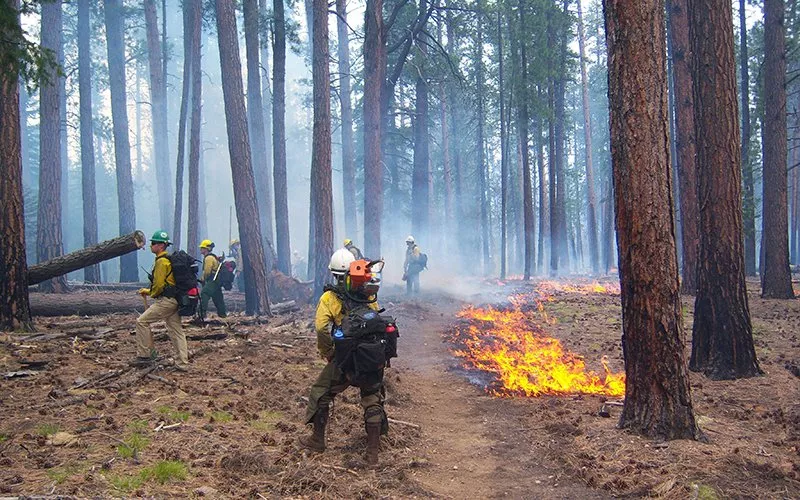
PHOENIX – More than 10.3 million acres of land were scorched by wildfires nationwide in 2020. Firefighters battling the harrowing flames often work shifts that exceed 24 hours, and they stay in close quarters in remote locations for weeks at a time, offering a prime opportunity for COVID-19 to spread.
In addition, firefighters in urban areas as well as in wildlands routinely are exposed to smoke, carbon monoxide, toxins from structure fires and other hazards to lung health.
Although there isn’t much data to indicate whether smoke inhalation affects the infection rate or severity of COVID-19 in firefighters, some experts are voicing concerns about lessened lung capacity upon recovery and other health issues.
“There’s definitely the question of whether or not those firefighters who are severely impacted will have trouble regaining lung capacity,” said Luke Montrose, an environmental toxicologist at Boise State University. “They’re already at risk for diseases like camp crud and lung cancer.”
Montrose researches how wood smoke and other air pollution affect the way human health and diseases work – and he’s concerned firefighters may be facing more severe health outcomes because of COVID-19, which easily spreads in close quarters.
As of Feb. 16, trade news site FireRescue1 has tracked COVID-19 related deaths of 66 firefighters across the country, from California to New Jersey. There haven’t been any studies of the impacts of COVID-19 on firefighters, which Montrose said more are needed.
Many firefighters had pandemic-related training and are well-versed in using masks and protective equipment.

