
Friday, November 20, 2020
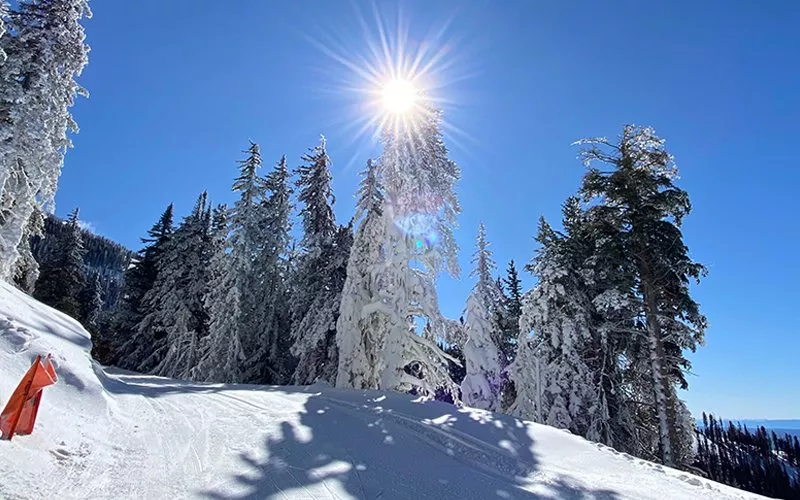
Snow in the Valley? Unlikely, but Arizonans can make their way about two hours north from Phoenix to Flagstaff to get a taste of winter.
Snowbowl Ski Resort, the Alpine slopes on Northern Arizona’s San Francisco Peaks, opens for the winter season on Friday, with some slight changes due to COVID-19 restrictions.
“Obviously we want people to have fun on the mountain,” said Li Cui, the marketing manager of Snowbowl Ski, “but health and safety is the most important thing for us because if you don’t feel safe then you’re probably not going to have fun.”
The biggest operational changes on the mountain are through ticket sales and capacity limitation.
“Ultimately our entire plan comes down to spreading people out as much as possible, outdoors,” Cui said.
“We feel very comfortable and believe skiing outside with plenty of space is a safe environment.”
The Snowbowl team will be closely monitoring weather conditions, the number of open trails, and the parking lot and lodging capacity.
“That daily limit is going to be very fluid … even honestly hour by hour,” Cui said.
Tuesday, November 17, 2020

WASHINGTON – An endangered squirrel that was driven to the brink of extinction by wildfire just three years ago in southern Arizona has seen its numbers more than triple following federal, state and local preservation efforts.
The Mount Graham red squirrel population was cut from 252 to just 33 squirrels in the wild after the Frye fire destroyed much of their habitat in 2017. But a survey released last month by state and federal agencies estimated there are now at least 109 squirrels on the mountain.
Advocates welcomed the improvement, but said the squirrel, which was put on the endangered species list in 1987, is not out of the woods yet.
“It’s a good sign that it’s heading in an upwards direction rather than stagnating or … heaven forbid, going down,” said Marit Alanen, a biologist with the U.S. Fish and Wildlife Service.
Alanen points to a long list of factors threatening the squirrel’s mountain forest habitat, including fires, both natural and man-made, insect infestations and competition from the Abert squirrel, which was introduced in the 1940s. But wildfires have been the biggest threat, reducing the number of trees available to the squirrels and leaving them exposed to predators.
“We’ve been seeing these fires that have just gotten bigger and bigger over the years and have been of higher severity,” said Alanen. She said the Peak fire in 1996, the Nuttall Gibson fire in 2004 and the Frye fire “have impacted at least 95% of the squirrel’s habitat to some degree.”
That reduction in the forest has led to a “habitat bottleneck,” with squirrels competing for fewer suitable trees, said Robin Silver, cofounder of the Center for Biological Diversity. It’s one reason the center filed suit against the Fish and Wildlife Service in September, in an effort to force an expansion of the squirrels’ critical habitat.
Monday, November 16, 2020
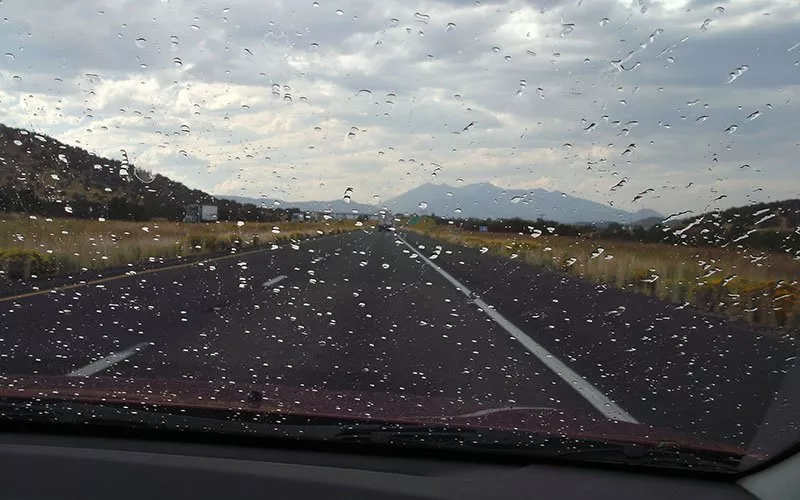
WASHINGTON – State and federal weather officials are predicting a warmer and drier than normal winter for Arizona, which would come on the heels of the driest monsoon ever recorded in the state.
The “nonsoon” summer followed by a La Niña winter could spell trouble for water resources and wildfire conditions in a state already gripped by drought, the officials said.
“Going into a dry winter after this dry summer is going to be making the drought worse, for sure,” said Nancy Selover, a state climatologist at Arizona State University.
Usually occurring once every two to seven years during the winter, the La Niña weather pattern stems from a cold phase of the Pacific Ocean that shifts the jet stream, leading to colder weather in the north and warm and dry weather in the Southwest.
David Miskus, a meteorologist at the Climate Prediction Center at the National Weather Service, said that if the La Niña weather system “does what it normally does – sub-normal precipitation and above-normal temperatures in the wintertime – that’s exactly what Arizona and the Southwest does not need this winter.” The long-term outlook is calling for just that.
Wednesday, November 11, 2020
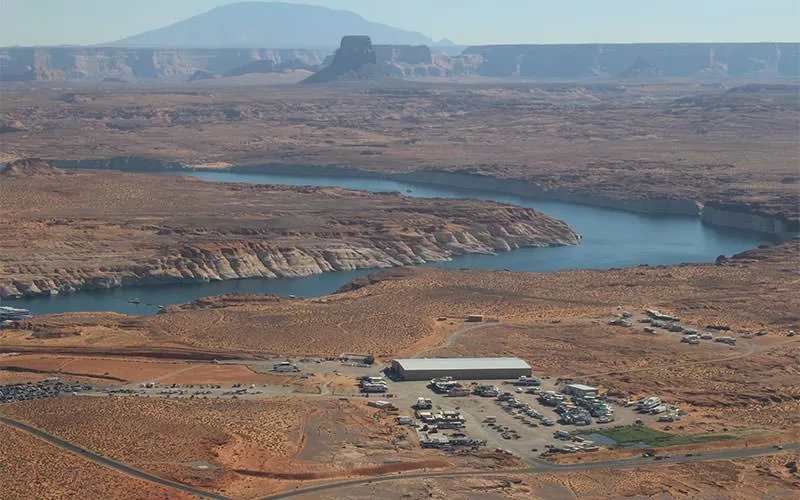
2020 has been a tough year for some of the Colorado River basin’s long-planned, most controversial water projects.
Proposals to divert water in New Mexico, Nevada and Utah have run up against significant legal, financial and political roadblocks this year. While environmental groups have cheered the setbacks, it’s still unclear whether these projects have truly hit dead ends or are simply waiting in the wings.
The watershed’s ongoing aridification, with record-breaking hot and dry conditions over the last 20 years, and lessened federal financial support for large-scale water projects is adding more pressure on projects that attempt to divert water to fast-growing communities or slow the purchase of agricultural water supplies.
In New Mexico, a “solid plan” fails to materialize
For years, environmental journalist Laura Paskus has been following the twists and turns of a proposed project in New Mexico’s southwest corner, called the Gila River Diversion.
Introduced in 2004, when Arizona settled tribal water rights with the Gila River Indian Community, the diversion was billed as a way to provide much-needed water supplies for four mostly rural New Mexican counties.
“The most recent plan was to build this diversion in the Cliff-Gila Valley,” Paskus said. “And to provide water to irrigators,” like farmers and ranchers.
What propelled the project forward was a federal subsidy to cover some of the costs associated with planning and building. Thorny questions over the project’s total cost, its eventual operation and the financial burden of those who would receive the water were present from the start, Paskus said, but the idea of leaving federal dollars unspent kept the effort alive for more than a decade.
“But there was never a really solid plan of how it would be built or how it would be paid for,” she said.
Failure to come up with a plan finally sank the proposal in June this year. The New Mexico Interstate Stream Commission, which had thrown its weight behind the project five years earlier, voted to stop spending money on environmental reviews related to the diversion. Roughly $17 million had already been spent on engineering plans and consultants over the years.
Wednesday, September 30, 2020
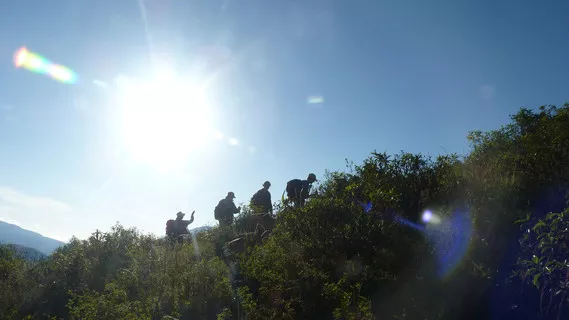
Pima County Parks and Rec continues to reopen outdoor areas in the wake of this summer's Bighorn Fire, which burned more than 100,000 acres in the Catalina mountains north of Tucson. The trails are open to the burn scar from the fire, so hikers should be aware that hazards still exist. The trailheads that feed into the Santa Catalina Mountains in the Coronado National Forest that are now open are:
- Iris Dewhirst Pima Canyon, 1598 E. Magee Road
- Richard McKee Finger Rock, 7119 N. Alvernon Way
- Ventana Canyon, 6601 N. Resort Drive
- Bear Canyon, 5150 N. Bear Canyon Road
This announcement comes days after Pima County reopened access to Sabino Canyon Recreation Area, however, the tram and facilities there remain closed.
Monday, September 21, 2020

"We've worked to implement emergency treatments so we can provide as many recreation opportunities to the public as possible," said CJ Woodard, Santa Catalina District ranger. "Visitors should be aware that Sabino Canyon looks different after the fire due to mitigation measures implemented by the [Burned Area Emergency Response] team. Hazards still exist in the burn scar and the general forest, so I implore visitors to be safe, heed the signs, and be vigilant."
In addition to Sabino reopening, various trails are also reopening throughout the Santa Catalinas, but end when they approach the Bighorn burn scar area:
- Oracle Ridge Trail #1 (3.2 miles)
- Brush Corral Trail #19 (1.75 miles)
- Mint Spring Trail #20 (0.3 mile)
- Box Camp Trail #22 (3.5 miles)
- Sabino West Fork Trail #24 (1 mile)
- Esperero Trail #25 (3.3 miles)
- Finger Rock Trail #42 (1.5 miles)
- Pima Canyon Trail #62 (2.4 miles)
- Ventana Trail #98 (2 miles)
- Pontatoc Trail #410 (2 miles)
- Guthrie trail #704A (0.5 mile)
- Arizona Trail (32.5 miles)
Wednesday, September 2, 2020
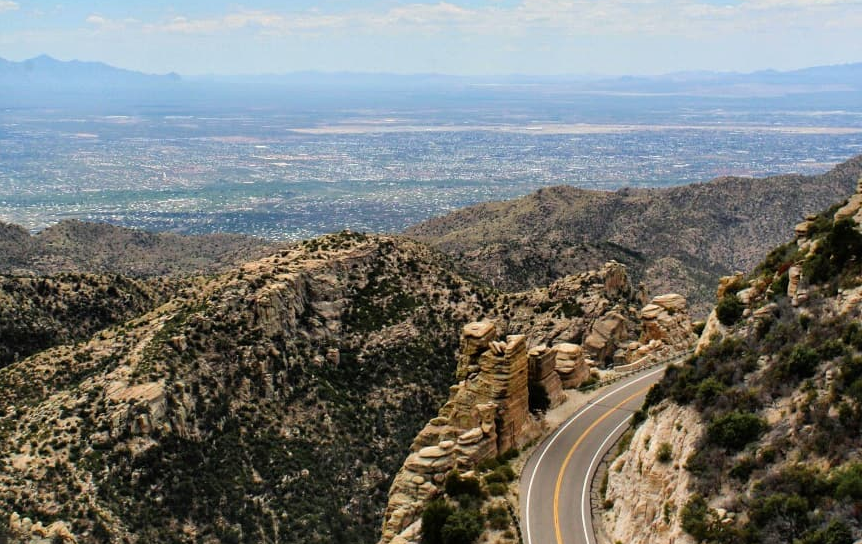
The following areas areas along the Catalina Highway are removed from the closure order: Soldier Trail, Baad Do’ag Trail and Vista, AZ Trail East of Catalina Highway, Molino Canyon Vista, Molino Basin for day use, Gordon Hirabayashi area for day use, Bug Spring Trail, Thimble Rock Vista, Seven Cataracts Vista, Cypress Picnic Area, Chihuahua Pine Picnic Area, Middle Bear Picnic Area, Windy Point Vista, Geology Vista, Hoodoo Vista, San Pedro Vista, Sycamore Vista, Aspen Vista and Loma Linda Picnic Area. Restrooms and trash service in these areas are still unavailable.
Thursday, July 30, 2020
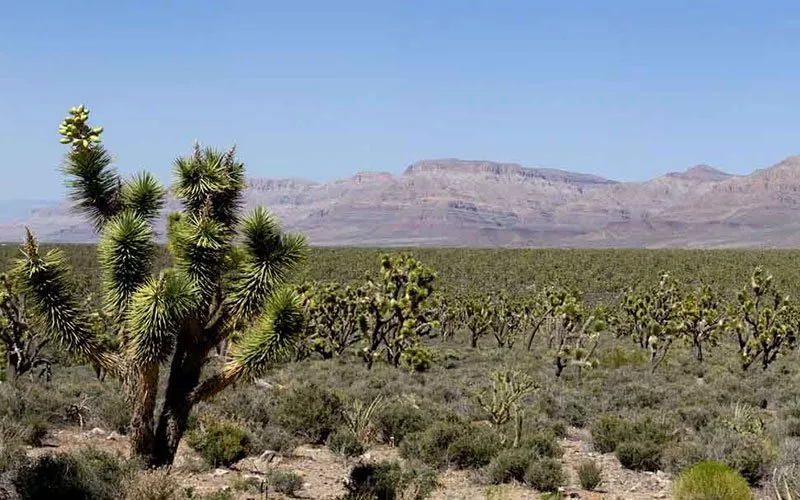
In tiny Yucca Valley, California, the spiny succulents that once guided pioneers through the Mojave Desert still adorn the landscape, but as climate change threatens their future, residents are increasingly at odds over their preservation.
Some in the town of roughly 20,000 say that by listing the Joshua tree – which actually is a yucca – as threatened, new restrictions will negatively affect the town’s economy, while others view the protections as necessary to ensure the survival of Yucca brevifolia, which is native to the Mojave Desert.
In October, Brendan Cummings, the conservation director of the Center for Biological Diversity, filed a petition to have the western Joshua tree listed as threatened under the California Endangered Species Act.
Wednesday, July 29, 2020
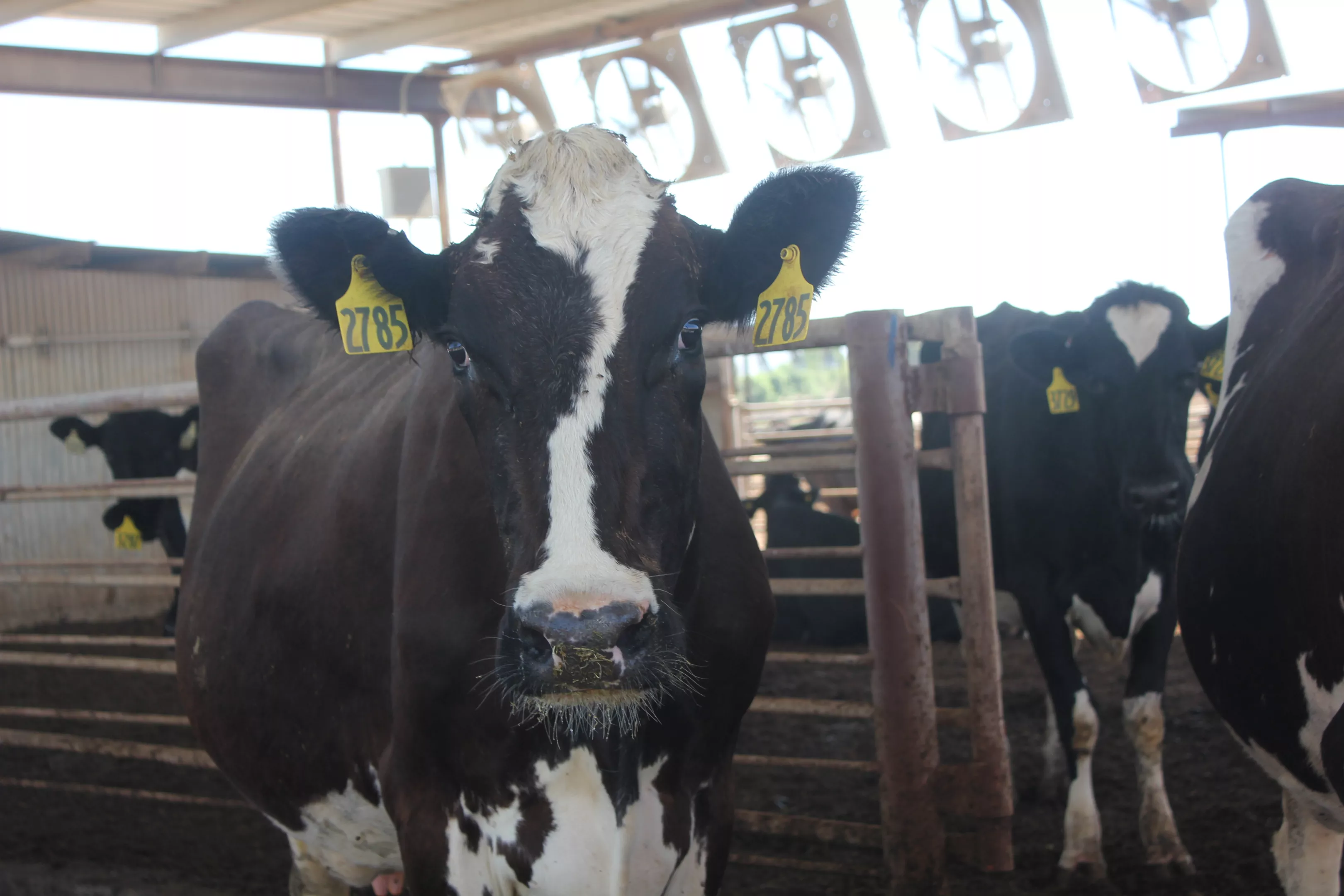
The past four months have been a roller coaster for Arizona dairy farms, as the COVID-19 pandemic dramatically changed the way some of their biggest clients did business.
The ride isn’t over yet: Arizona is a COVID-19 hotspot, meaning impacts on school and restaurant operations – and their dairy needs – remain uncertain.
Food banks find themselves overwhelmed with community demand, yet some struggle to safely store and distribute the flood of milk being donated.
And beyond Arizona’s borders, foreign dairy markets continue to evolve.
“In 46 years, I’ve never seen anything like this,” said Keith Murfield, chief executive officer of United Dairymen of Arizona.
The market value for dairy products made in Arizona exceeds $762 million and is one of the top five agricultural commodities for the state, according to the Arizona Commerce Authority.
Friday, July 17, 2020

With the production and use of PPE surging during the COVID-19 pandemic, many experts are worried this new type of pollution, which is in the early stages of study, could have an array of lasting environmental impacts.
One researcher who is developing a way to track such waste said the effects may be seen for years to come.
“If it’s on your streets, it’s going to the ocean because it’s one rainfall away from getting into a storm water system, and then being carried into a river and into the ocean. Like any other plastic, this stuff is going to break down under ultraviolet light into smaller pieces,” said Mark Benfield, a zooplankton ecologist and professor in the department of oceanography and coastal sciences at Louisiana State University in Baton Rouge.
The recent influx of PPE waste is among the 8 million metric tons of plastic estimated to enter the oceans each year, according to the National Oceanic and Atmospheric Administration’s National Ocean Service.