

Tuesday, July 20, 2021
Monday, July 19, 2021
Sunday, July 18, 2021

Saturday, July 17, 2021

Friday, July 16, 2021
Thursday, July 15, 2021
Wednesday, July 14, 2021
Tuesday, July 13, 2021
Monday, July 12, 2021

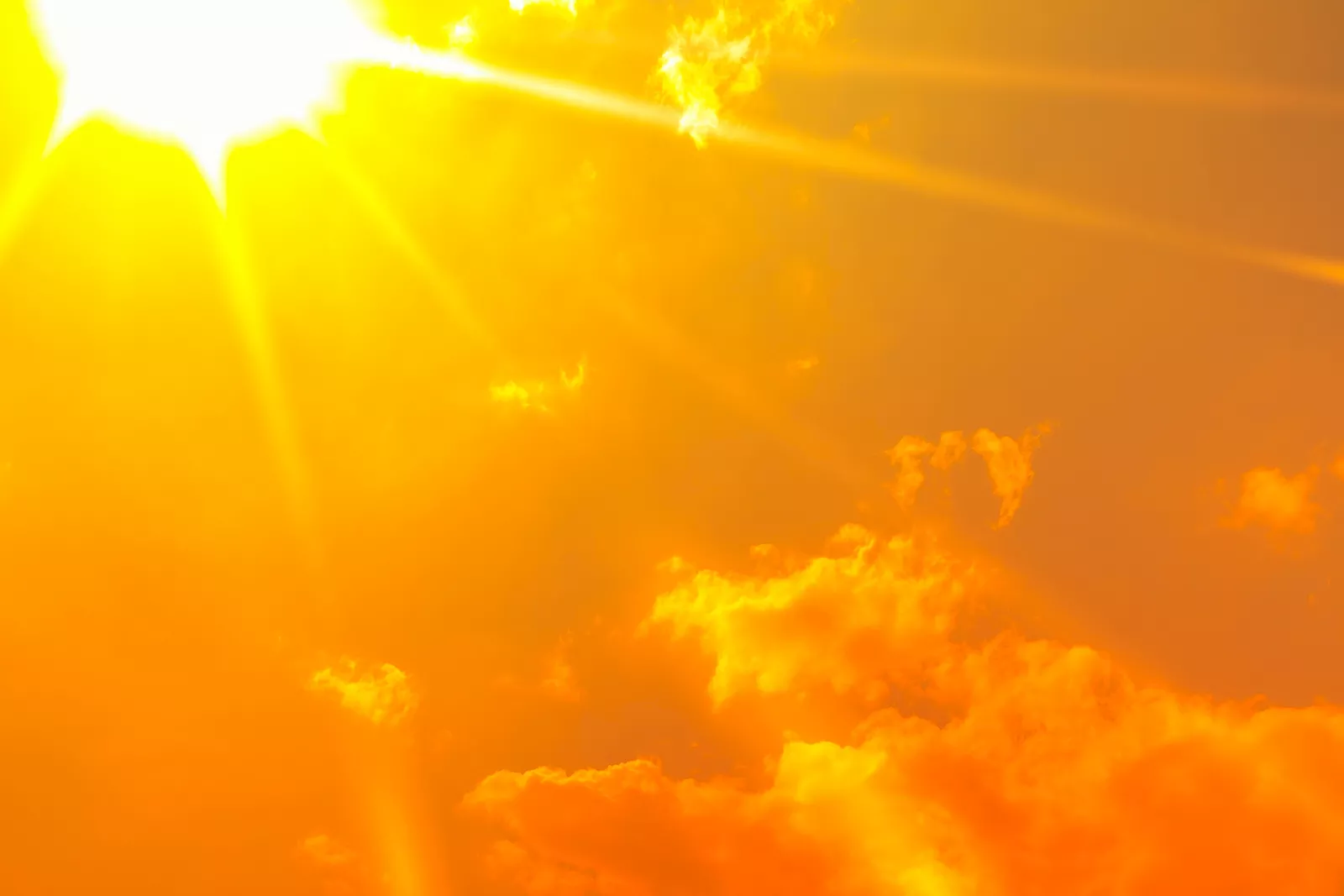
PHOENIX – With summer in full force, it’s more important than ever to wear sunscreen when outside. Arizonans are at particular risk for sun-related skin damage, according to experts at the University of Arizona’s Skin Cancer Institute.
Arizona sits at a higher altitude and lower latitude than most states, meaning it’s closer to the sun and the equator. High altitude and low latitude also mean residents have less atmospheric protection from various ultraviolet, or UV, rays that can cause skin cancer, according to the foundation. And in warmer climates, people who spend time outside often choose clothing that exposes more skin.
Sunscreen is key to protecting skin from sun damage. Guided by the SPF, or sun protection factor, sunscreen commonly comes in creams, lotion, sticks or spray and, according to the Mayo Clinic, all work when used frequently.
The SPF measures how well a sunscreen can defend against UV rays. The number isn’t directly related to the duration of solar exposure but rather the amount or intensity. A higher SPF doesn’t mean you can be out longer without reapplying, either. The Environmental Working Group recommends SPF 30 to 50, adding that any number higher than that is “misleading.”
The American Academy of Dermatology suggests three steps to proper sun-damage prevention:

