Sunday, July 11, 2021
Saturday, July 10, 2021
Friday, July 9, 2021
Thursday, July 8, 2021
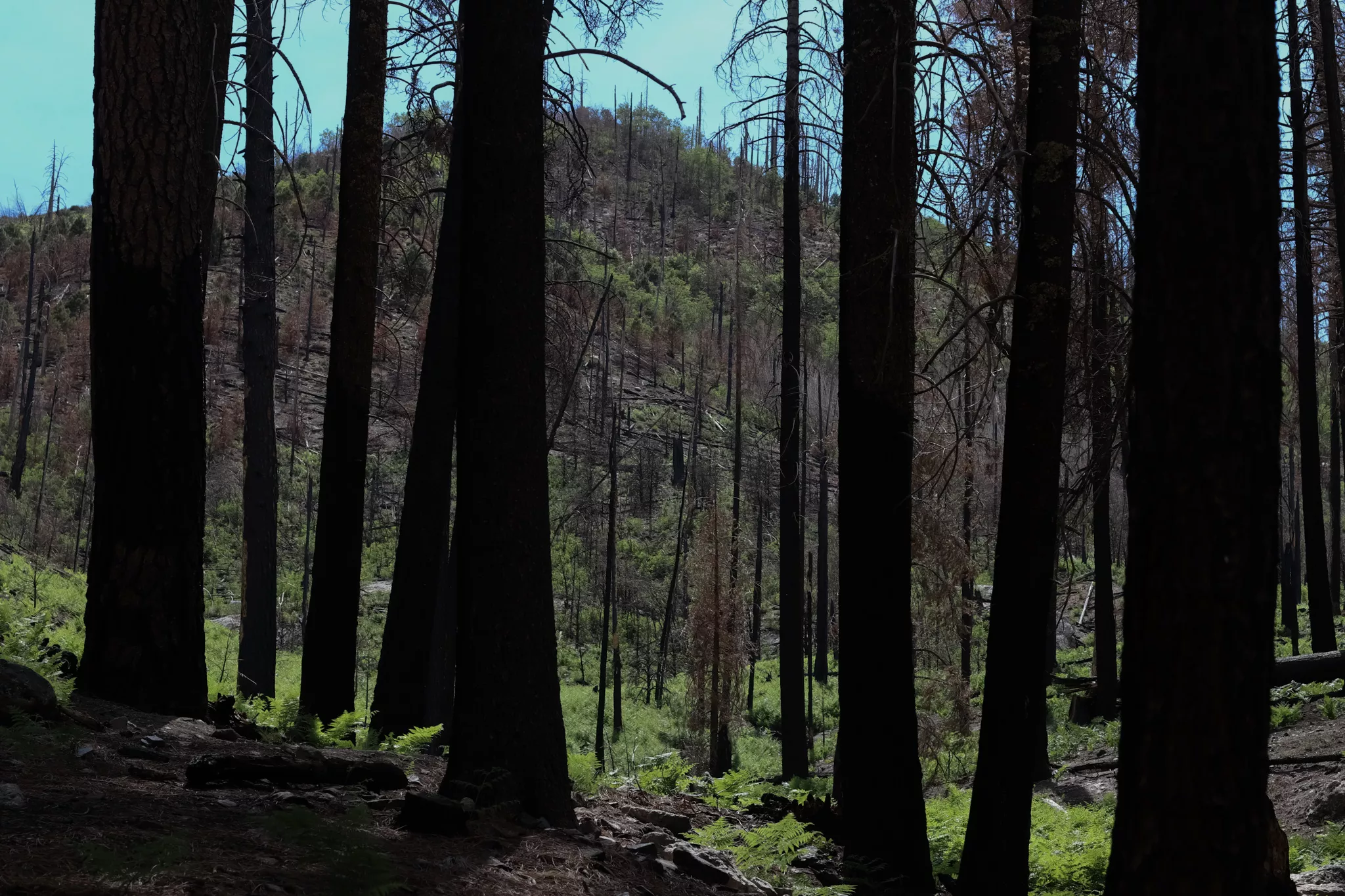
TUCSON – It’s been a year since the Bighorn Fire blackened broad swaths of the Santa Catalina Mountains north of Tucson. Now, a recent tour of Catalina State Park and Mount Lemmon reveals sprigs of new growth peeking through the forest floor. Wildlife, including bighorn sheep, are returning. Life in Summerhaven, a tiny community near the summit of Mount Lemmon, has returned to normal.
But at a time when more than 20 wildfires are burning across drought-wracked Arizona, the memory of – and respect for – fire is never far away.
“The mountain was lit up like the Fourth of July, and it was very startling to many people – scary, in fact,” Mark Hart, public information officer for the Arizona Game & Fish Department, recalled on the news media tour.
The fire began June 5, 2020, after lightning struck the Pusch Ridge Wilderness. It burned for 48 days, growing into one of the biggest fires in Arizona history at nearly 120,000 acres.
Residents of the Southwest are intimately familiar with the devastating effects of fire on homes and businesses, but Hart said wildlife in the rugged Catalina range can benefit from such events as the Bighorn Fire.
“It clears dense vegetation, promotes new growth and, indeed, can alter the landscape in many positive ways,” he said.
Wednesday, July 7, 2021
Tuesday, July 6, 2021
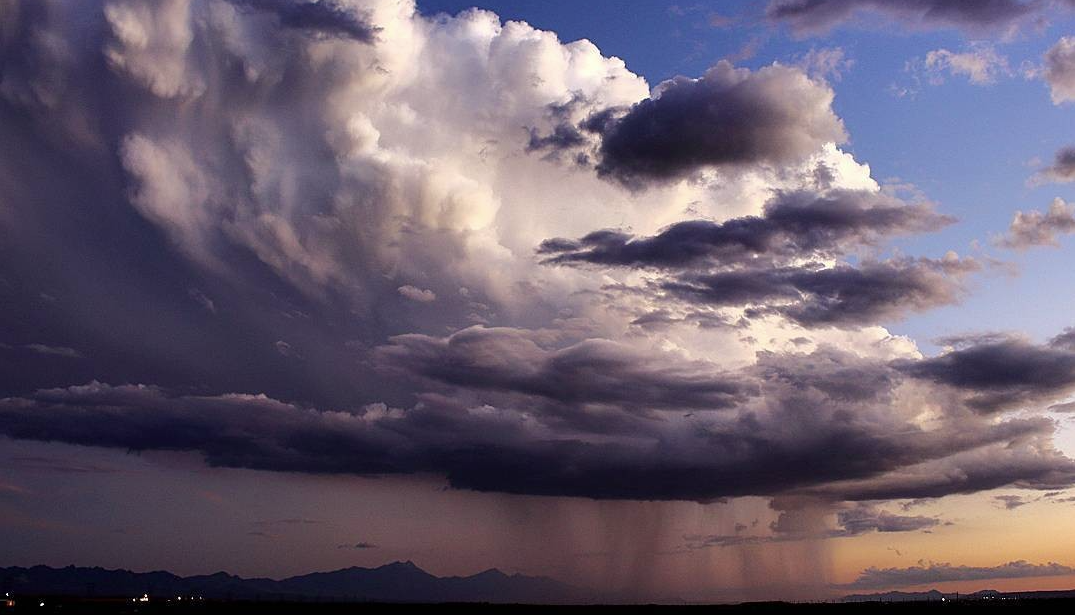
It’s no surprise to hear last year’s monsoon was wimpy — only 0.03 inches of rain away from being the driest Tucson monsoon ever recorded, according to the National Weather Service. And while rising heat is relatively predictable, climate change seems to have a less linear impact on rainfall, with monsoons ranging from weak to powerful over the past decade. Luckily, this year’s monsoon is off to a much better start than last year.
We’re less than a week into July 2021, and Tucson has already seen more rain than in the entire month of July 2020. The National Weather Service reports that we've already seen half an inch of rain in the first few days of July, beating the 0.46 inches of rain seen throughout all of July 2020, as measured at the Tucson airport.
The contrast is even stronger when comparing Junes. This June saw 0.17 inches of rain, compared to none last year.
Since 2008, the National Weather Service has defined the monsoon as rainfall between June 15 and Sept. 30. Prior to 2008, the monsoon start date was determined when the average daily dewpoint was 54 degrees or greater for three consecutive days.
Monday, July 5, 2021
Sunday, July 4, 2021