

Friday, June 12, 2020
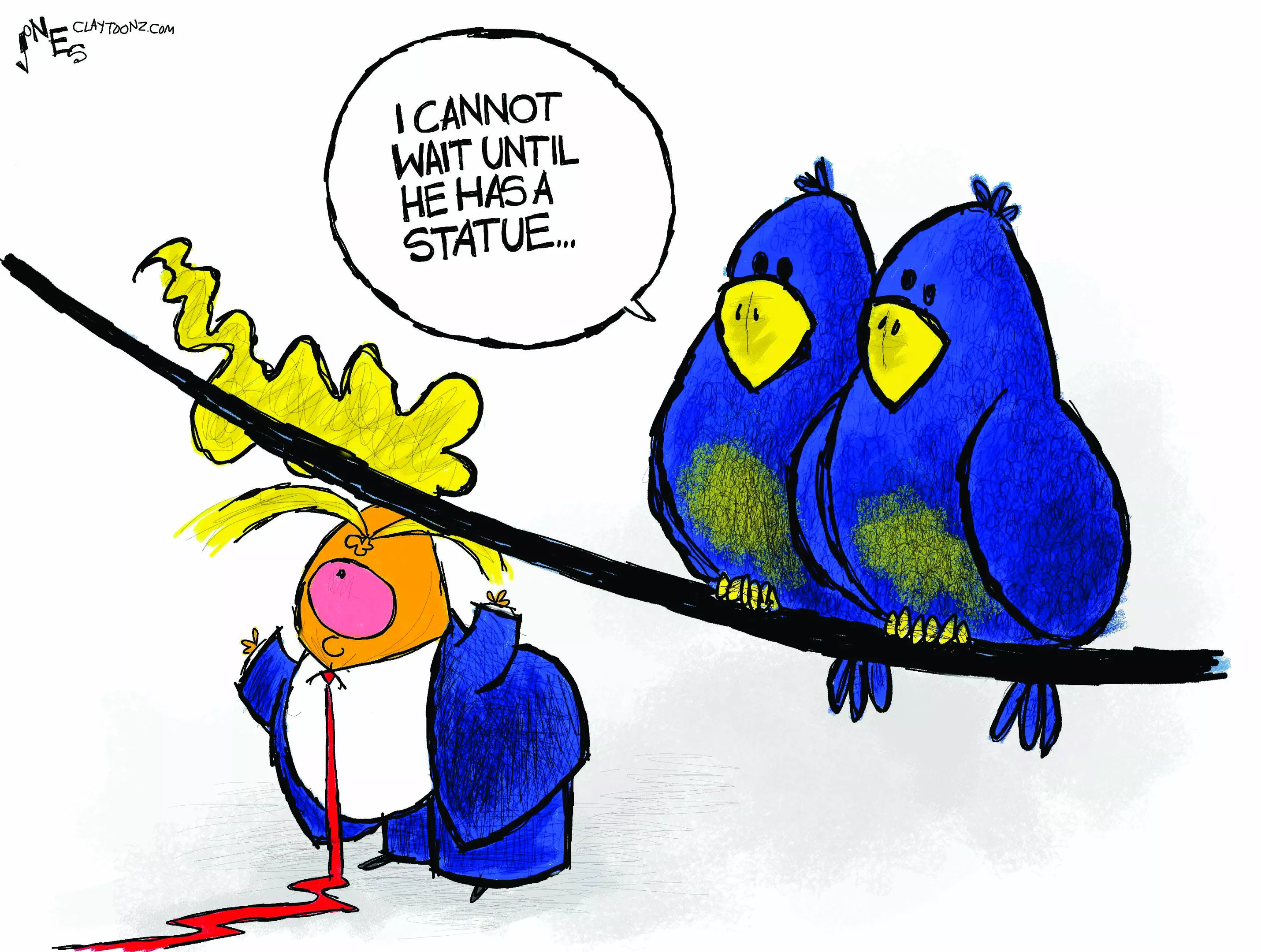
Tags: claytoonz , maga , trump , birds , statue , political , cartoon , Image
Thursday, June 11, 2020
Black men are also more than twice as likely to be killed by police than white men.
Many believe that police department budgets have become bloated over the past few years, and that money could be better used to address the underlying causes of crime. Members of this movement want to see a more proactive approach rather than the reactive practice of responding to crime with government-funded force.
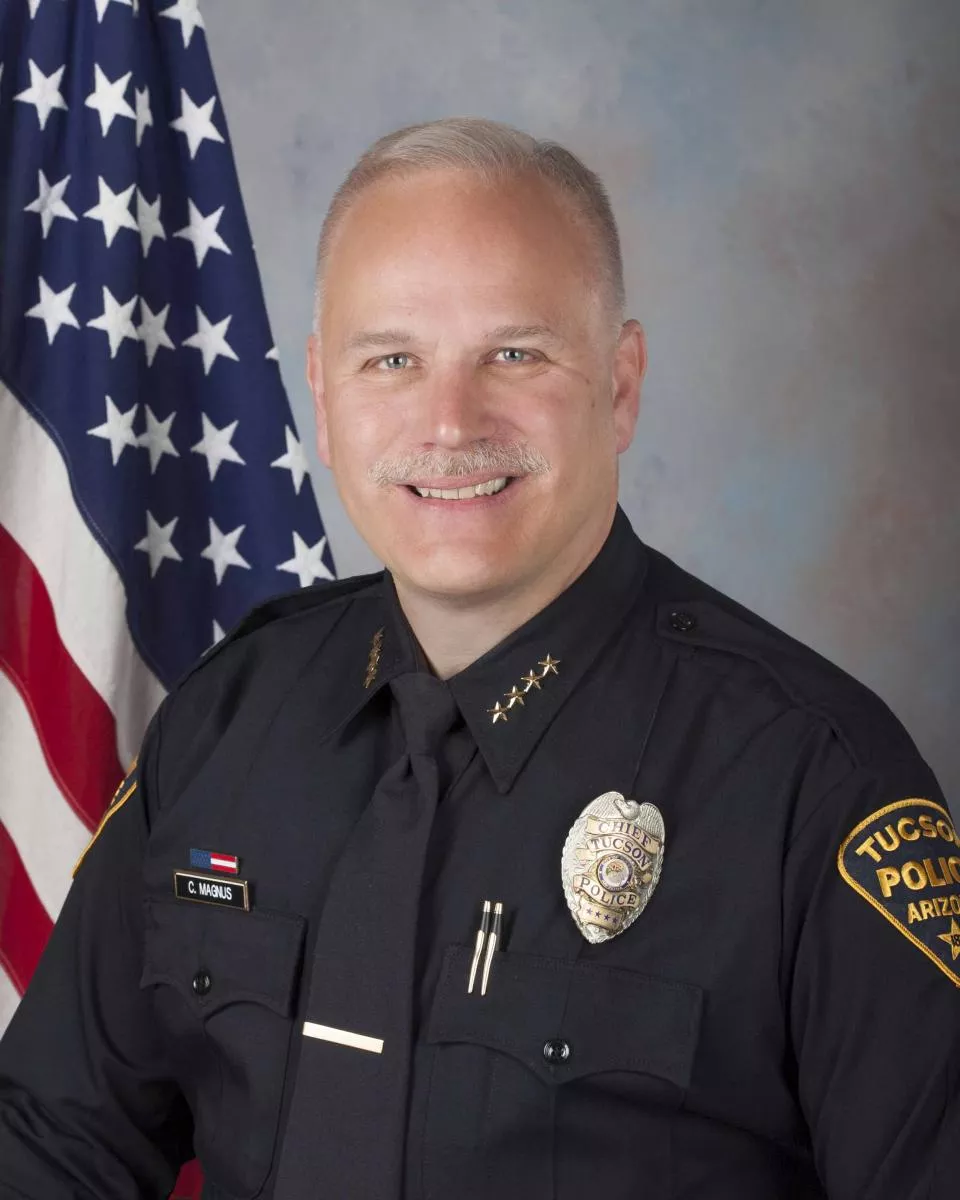
Tucson Police Department Chief Chris Magnus is doing his best to separate his department from others across the country who have been exposed as perpetrators of police brutality. He claims (and Tucson City Council members agree) that his police department is one of the most progressive in the country.
At this week’s study session, Magnus gave a summary of how they have been working on these issues for years. He said the department’s use of force protocol is modeled after the PERF 30 Guiding Principles on Use of Force and incorporates guidelines from Campaign Zero and President Barack Obama’s 21st Century Policing Report.
“I think our use of force guidelines are some of the best you will find,” Magnus told the council.
He said all officers have participated in de-escalation, crisis intervention, implicit bias and cultural awareness training, and all officers wear body cameras. TPD adopted the “8 Can’t Wait” guidelines that ban chokeholds, require de-escalations and warnings before firing a weapon, among other things.
Magnus has been asked about what went wrong in Minneapolis, where George Floyd was murdered by a white police officer on May 25. He said it’s interesting because Minneapolis has had a series of “very progressive” police chiefs and have put all the right policies in place. They even have a lot of the same policies as TPD.
He argued that Floyd’s murder happened because the Minneapolis Police Department’s leadership-level philosophies were never instilled in each officer due to a lack of supervision.
“Our supervisors and commanders really understand that they are expected to help us develop that healthy organizational culture,” Magnus said.
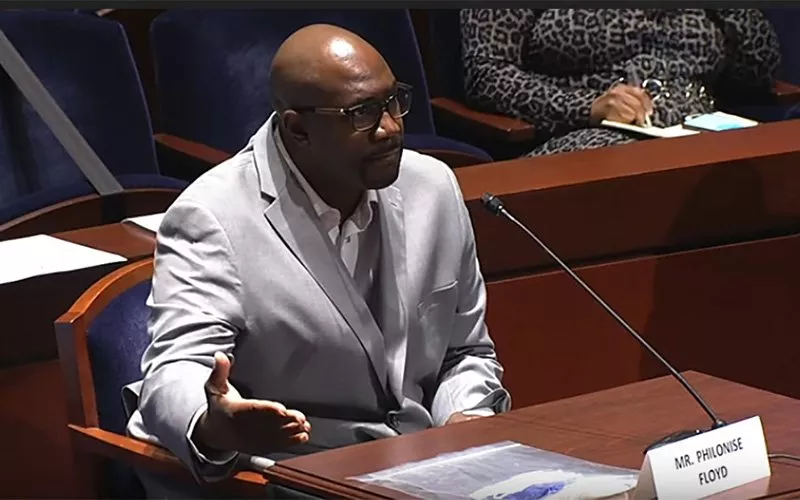
“People have come together to make change,” said Philonise Floyd, the lead witness in a daylong hearing by the House Judiciary Committee on police practices and accountability.
That hearing also included testimony from the widow of a police officer who was shot and killed during an Oakland protest, civil rights advocates, lawyers and criminal justice experts.
The hearing came two weeks after the release of videos that showed Minneapolis police officers kneeling on George Floyd for almost 9 minutes, with one officer pressing his knee into Floyd’s neck despite his repeated pleas that he could not breathe.
Floyd’s death sparked days of protests around the country and the world, with protesters taking up “I can’t breathe” and “defund the police” as a rallying cry.
Philonise Floyd, testifying one day after his brother’s funeral, was mostly composed and the mood at the hearing was respectful. But while lawmakers agreed on the need for reform they disagreed on how to get there.
The board’s decisions have been met with some criticism across the political spectrum, with some critics saying the county has not done enough and others saying it has gone too far, according to Pima County Administrator Chuck Huckelberry.
Democratic supervisors Ramon Valadez, Sharon Bronson and Betty Villegas said they voted for the regulations to ensure public safety, while Republicans Steve Christy and Ally Miller say the new rules make it harder for beleaguered businesses to reopen. At the request of three GOP lawmakers, Attorney General Mark Brnovich investigated whether the county exceeded its legal authority by enacting the regulations but the AG’s Office dismissed the case on a legal technicality.
Tucson Weekly asked the candidates running for Board of Supervisors seats this year if they approved of those decisions and if they would have done anything differently.
In Pima County’s District 1, which includes Marana, Oro Valley, Casas Adobes and the Catalina Foothills, Pima County Supervisor Ally Miller is retiring. There’s a four-way GOP primary and a two-way Democratic primary for the open seat.
The Republicans include: Oro Valley Councilmember Rhonda Piña, former state lawmaker Vic Williams, former Pima County Republican Party Chair Bill Beard and political newcomer Steve Spain, who has worked developing technology for hotels.
All of the Republican candidates were critical of the county’s emergency regulations.
Beard, who has been critical of efforts to combat the outbreak by requiring businesses to shut down, condemned the board’s actions.
There's an important safety tip missing from this safety tip from Gov. Doug Ducey: He's still not encouraging people to wear masks when they're out in public, despite Arizona's soaring positive COVID-19 tests and the advice of medical professionals. It's past time to set an example here, Gov. Ducey. Why the reluctance?We all play a role in protecting public health and safety.
— Doug Ducey (@dougducey) June 9, 2020
Wash your hands✔️ Stay home when you are sick✔️ Disinfect frequently touched surfaces✔️ pic.twitter.com/wsdKZfE5D0
Wednesday, June 10, 2020
The Eighth Amendment to the Constitution of the United States prohibits cruel and unusual punishment. It states: “Excessive bail shall not be required, nor excessive fines imposed, nor cruel and unusual punishments inflicted.”
The Supreme Court has construed “cruel and unusual punishments” to include certain forms of torture, such as drawing and quartering. Yet the Court has allowed the death penalty – which is still legal in dozens of states – to continue, with some restrictions. In sum, the Eighth Amendment prohibits criminal punishments that are very harmful to prisoners and also rare or unprecedented.
Right now, over two million inmates sit locked inside US prisons, where the novel coronavirus is rapidly spreading. They are confined in close quarters and typically unable to practice physical distancing. They are, moreover, at the mercy of prison officials when it comes to receiving protective equipment and medical attention. A huge percentage of these prisoners will be infected by the virus. A subset of those infected will get severe symptoms. And a subset of those with severe symptoms will die. Each and every inmate will suffer the torment of not knowing where she or he will ultimately fit into that equation.
Is confining people under these deadly and unprecedented conditions cruel and unusual punishment? Put another way: Is imprisonment during the coronavirus very harmful to prisoners and also unprecedented?
Yes, of course.

Tags: maga , trump , conspiracy , protest , push , police , political , cartoon , Image
Tuesday, June 9, 2020

Do you want to see how legislation that was supposed to be a bailout for our economy ended up committing almost as much taxpayer money to help a relative handful of the non-needy as it spent to help tens of millions of people in need? Then let’s step back and revisit parts of the Coronavirus Aid, Relief and Economic Security Act and look at some of the numbers involved.
The best-known feature of the CARES Act, as it’s known, is the cash grant of up to $1,200 per adult and $500 per child for households whose income was less than $99,000 for single taxpayers and $198,000 for couples. These grants are nontaxable, which makes them even more valuable. Some 159 million stimulus payments have gone out, according to the IRS.
The income limits suggested that the plan benefits the people most in need, those most likely to spend their stimulus payments and thus help the economy. The rhetoric conveyed the same: “The CARES Act Provides Assistance to Workers And Their Families” is how the Treasury’s website puts it. There were no grants to more-fortunate people, who for the most part aren’t in financial distress and are less likely than the less-fortunate to spend any money that Uncle Sam sent them.

A Senate investigation has found that the IRS has conducted little oversight of its partnership with the for-profit tax prep industry to offer free tax filing, and calls for the agency to increase funding to promote the free option.
“It shouldn’t be the case that Americans who are eligible to file their taxes for free end up paying substantial fees each year, but our bipartisan investigation makes clear that is what is happening,” said Sen. Tom Carper, D-Del., who produced the memo with Sen. Rob Portman, R-Ohio.
The staff of the bipartisan Senate Permanent Subcommittee on Investigations began a review of the IRS’ Free File program last year following ProPublica’s reporting that TurboTax-maker Intuit and other companies were hiding their free tax filing options from search engines such as Google. Under the Free File program, Intuit, H&R Block and other companies offer free tax prep options to Americans who make under an income threshold. In exchange, the IRS long promised not to create its own free tax filing option that would compete with the companies.
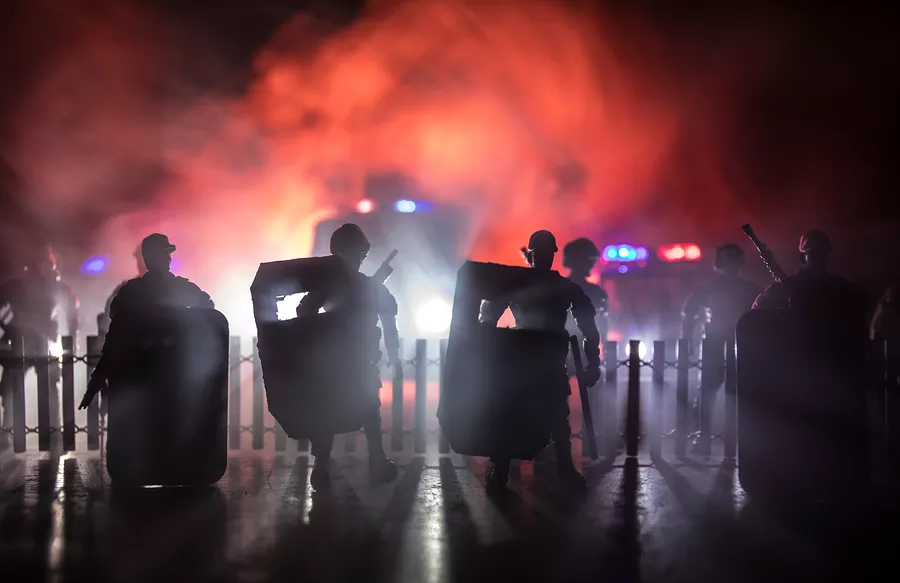
At least three Arizona lawmakers are among more than 200 co-sponsors of the Justice in Policing Act of 2020, which comes after a week of nationwide protests sparked by the May 25 killing of George Floyd while in Minneapolis police custody.
Rep. Ruben Gallego, D-Phoenix, said the bill is needed to transform the relationship between law enforcement and the public. He was joined on the bill Monday by fellow Democratic Reps. Raúl Grijalva of Tucson and Greg Stanton of Phoenix.
“The Justice in Policing Act makes long-overdue changes to our criminal justice system by mandating the use of proven de-escalation techniques, increasing transparency, and transforming the culture and mindset of policing in America,” Gallego said in a statement.
But Joe Clure, executive director of the Arizona Police Association, said the “very one-sided piece of legislation” was drafted without any input from law enforcement officials.
“I think it’s disappointing that you have people who are putting together ideas and work plans for law enforcement and absolutely no law enforcement was consulted,” Clure said. “It is unfortunate it didn’t have a little bit more discussion so that there might have been an opportunity to find common ground.”

