

Thursday, May 28, 2020
ProPublica is a nonprofit newsroom that investigates abuses of power. Click here to read their biggest stories as soon as they’re published.
When they passed another bill this month to help the tens of millions of Americans left unemployed and hurt by the COVID-19 pandemic, Democrats in the House of Representatives touted the $3 trillion legislation’s benefits to working people, renters, first responders and others struggling to get by.
They made no mention of the defense contractors.
Tucked away deep in the nearly 2,000-page Health and Economic Recovery Omnibus Emergency Solutions, or HEROES, Act, is a section that will funnel money to defense and intelligence companies and their top executives, according to experts.
When they passed another bill this month to help the tens of millions of Americans left unemployed and hurt by the COVID-19 pandemic, Democrats in the House of Representatives touted the $3 trillion legislation’s benefits to working people, renters, first responders and others struggling to get by.
They made no mention of the defense contractors.
Tucked away deep in the nearly 2,000-page Health and Economic Recovery Omnibus Emergency Solutions, or HEROES, Act, is a section that will funnel money to defense and intelligence companies and their top executives, according to experts.
There's a big partisan divide on whether the state is reopening too quickly, but most Arizonans are ready to get the hell out of their houses, according to a poll out today.
Roughly 41 percent of voters surveyed by political consulting firm HighGround say the state is moving "too fast" to reopen and get back to business. But roughly 39 percent say the reopening pace is "just about right." Another 19 percent say they don't know.
Despite that split, the poll found most Arizonans are ready to resume at least some of their normal activities. Three-fourths of those surveyed say they are at least probably ready to get back to hosting friends and family, 74 percent say they are probably ready to gather in groups of 10 or fewer, about two-thirds are probably ready to go shopping and nearly 60 percent are probably ready to go back to restaurants.
“Despite some pressure from a small vocal constituency, the slow and steady approach to reopening the state should be viewed as a success in the eyes of the Arizona electorate,” said HighGround CEO Chuck Coughlin said in an analysis of the polling numbers. “Granted there is still a significant portion of the state that believes things are moving ‘too fast.’ At the same time, many of them expressed a willingness to get back out in public to shop, eat, and visit friends and family."
On another major question, a slight majority—52 percent—are ready to send kids back to school in the fall, while about 14 percent say they probably are not ready and nearly 21 percent say they definitely are not ready to allow kids back in school. Coughlin said he expected those numbers would move as schools roll out safety precautions.
“Getting kids back into the classroom is the next critical step to re-ignite our economy," Coughlin said. "Voters understand this—parents with kids at home especially—and will be ready for that to happen starting this fall.”
The survey notes significant divides on the questions between Republicans and Democrats, as well as between younger and older voters and between women and men.
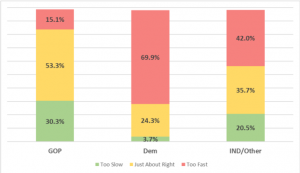
On the political side: just over half (53.3 percent) of Republicans in the state say the reopening is moving along just about right, while 30 percent of Republicans say it is moving too slow. But among Democrats, nearly 70 percent say the state is reopening too quickly, while roughly one in four say it's just about right. Among voters outside of the two major parties, 42 percent say the state is reopening too quickly, while roughly 36 percent say it's just about right.
On the age side: 45 percent of voters 39 and younger say the reopening is going too fast, which is about 10 points higher than voters 50 and older. "I believe that reflects their own concern about the country’s economic recovery in relation to their own retirement plans," Coughlin said. "Time will tell if the younger, more progressive cohorts start to become more comfortable with reopening or if it truly is a more partisan response.”
On the gender side: 46 percent of women surveyed said the state was reopening too quickly, which was about 11 points higher than men.
HighGround's methodology:
Roughly 41 percent of voters surveyed by political consulting firm HighGround say the state is moving "too fast" to reopen and get back to business. But roughly 39 percent say the reopening pace is "just about right." Another 19 percent say they don't know.
Despite that split, the poll found most Arizonans are ready to resume at least some of their normal activities. Three-fourths of those surveyed say they are at least probably ready to get back to hosting friends and family, 74 percent say they are probably ready to gather in groups of 10 or fewer, about two-thirds are probably ready to go shopping and nearly 60 percent are probably ready to go back to restaurants.
“Despite some pressure from a small vocal constituency, the slow and steady approach to reopening the state should be viewed as a success in the eyes of the Arizona electorate,” said HighGround CEO Chuck Coughlin said in an analysis of the polling numbers. “Granted there is still a significant portion of the state that believes things are moving ‘too fast.’ At the same time, many of them expressed a willingness to get back out in public to shop, eat, and visit friends and family."

On another major question, a slight majority—52 percent—are ready to send kids back to school in the fall, while about 14 percent say they probably are not ready and nearly 21 percent say they definitely are not ready to allow kids back in school. Coughlin said he expected those numbers would move as schools roll out safety precautions.
“Getting kids back into the classroom is the next critical step to re-ignite our economy," Coughlin said. "Voters understand this—parents with kids at home especially—and will be ready for that to happen starting this fall.”
The survey notes significant divides on the questions between Republicans and Democrats, as well as between younger and older voters and between women and men.
On the political side: just over half (53.3 percent) of Republicans in the state say the reopening is moving along just about right, while 30 percent of Republicans say it is moving too slow. But among Democrats, nearly 70 percent say the state is reopening too quickly, while roughly one in four say it's just about right. Among voters outside of the two major parties, 42 percent say the state is reopening too quickly, while roughly 36 percent say it's just about right.
On the age side: 45 percent of voters 39 and younger say the reopening is going too fast, which is about 10 points higher than voters 50 and older. "I believe that reflects their own concern about the country’s economic recovery in relation to their own retirement plans," Coughlin said. "Time will tell if the younger, more progressive cohorts start to become more comfortable with reopening or if it truly is a more partisan response.”
On the gender side: 46 percent of women surveyed said the state was reopening too quickly, which was about 11 points higher than men.
HighGround's methodology:
The N=400 survey was conducted among likely voters 5/18 through 5/22. The poll surveyed likely Arizona 2020 General Election voters who have a history of electoral participation and was balanced to model the likely turnout of voters across party, age, region, and gender. The live interview survey of voters was conducted by HighGround Public Affairs to both landline and cell phone users. The partisan advantage was set at +4% GOP based on previous election trends and expected Presidential Election turnout. The margin of error is ±4.9%.
WASHINGTON – Arizona cities and counties will get access to nearly $600 million in COVID-19 relief funding, part of the more than $1.8 billion awarded two months ago to Arizona under the federal CARES Act.
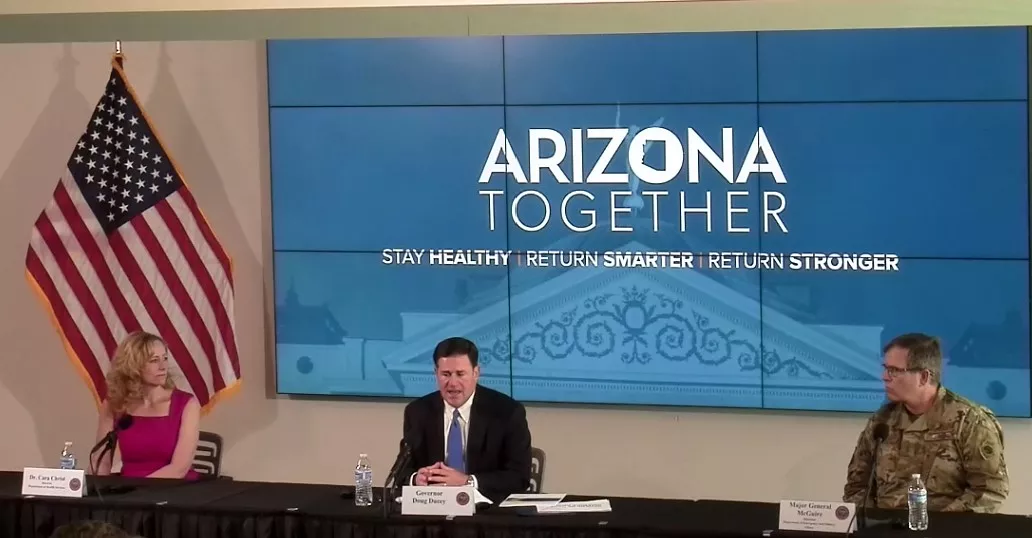
Larger jurisdictions received their funds directly from the federal government, but Gov. Doug Ducey said Wednesday that the remaining cities and counties in the state will get $441 million directly, based on population. They will also have access to another $150 million in emergency relief funds.
“Our office has met with mayors and county leaders to hear directly how COVID-19 is impacting their communities, and this plan delivers for them,” said Ducey, during a roundtable with a half-dozen mayors and county officials from around the state.
“It maximizes flexibility and prioritizes getting dollars quickly to where they’re needed most,” he said. “Key points the plan is focused on are maximizing flexibility, minimizing red tape and getting needed relief funds to local communities faster.”
Larger jurisdictions received their funds directly from the federal government, but Gov. Doug Ducey said Wednesday that the remaining cities and counties in the state will get $441 million directly, based on population. They will also have access to another $150 million in emergency relief funds.
“Our office has met with mayors and county leaders to hear directly how COVID-19 is impacting their communities, and this plan delivers for them,” said Ducey, during a roundtable with a half-dozen mayors and county officials from around the state.
“It maximizes flexibility and prioritizes getting dollars quickly to where they’re needed most,” he said. “Key points the plan is focused on are maximizing flexibility, minimizing red tape and getting needed relief funds to local communities faster.”
ProPublica is a nonprofit newsroom that investigates abuses of power. Click here to read their biggest stories as soon as they’re published.
This article is co-published with The Texas Tribune, a nonprofit, nonpartisan local newsroom that informs and engages with Texans. Click here to get up to speed on their essential coverage of Texas issues.
Democratic congressional leaders expressed alarm Wednesday at a sudden acceleration in the deportation of migrant children and in a strongly worded letter requested that the Department of Homeland Security and Immigration and Customs Enforcement “cease this practice immediately.”
The letter signed by five key House leaders overseeing immigration cited a May 18 ProPublica/Texas Tribune story that found the U.S. government has aggressively begun to rush the deportations of unaccompanied children in its care to countries where they have been raped, beaten or had a parent killed, according to attorneys, court filings and congressional staff.
That comes on top of more than 900 unaccompanied children the government has turned back at the border under an emergency declaration in March by President Donald Trump’s administration to stop the spread of COVID-19. Usually children traveling alone qualify for expansive protections under the law.

This article is co-published with The Texas Tribune, a nonprofit, nonpartisan local newsroom that informs and engages with Texans. Click here to get up to speed on their essential coverage of Texas issues.
Democratic congressional leaders expressed alarm Wednesday at a sudden acceleration in the deportation of migrant children and in a strongly worded letter requested that the Department of Homeland Security and Immigration and Customs Enforcement “cease this practice immediately.”
The letter signed by five key House leaders overseeing immigration cited a May 18 ProPublica/Texas Tribune story that found the U.S. government has aggressively begun to rush the deportations of unaccompanied children in its care to countries where they have been raped, beaten or had a parent killed, according to attorneys, court filings and congressional staff.
That comes on top of more than 900 unaccompanied children the government has turned back at the border under an emergency declaration in March by President Donald Trump’s administration to stop the spread of COVID-19. Usually children traveling alone qualify for expansive protections under the law.
The Pima County Board of Supervisors has taken several steps in an effort to slow the spread of COVID-19 in Pima County, including voting on March 19 to close down all nonessential businesses, and later when the state reopened the economy, voting to implement and then revise new health regulations for restaurants and bars offering dine-in service once again.
 The board’s decisions have been met with criticism across the political spectrum. Democratic supervisors Ramon Valadez, Sharon Bronson and Betty Villegas said they voted for the regulations to ensure public safety, while Republicans Steve Christy and Ally Miller say the new rules make it harder for beleaguered businesses to reopen. At the request of three GOP lawmakers, Attorney General Mark Brnovich investigated if the measures imposed by the board exceeded their authority, but the complaint was dismissed yesterday on a legal technicality because the Board of Supervisors released the proclamation that was the source of the complaint when they passed revised regulations.
Tucson Weekly asked the candidates running for Board of Supervisors seats this year if they approved of those decisions and if they would have done anything differently. Here’s what the candidates in District 3 had to say.
In the District 3 Democratic primary, six-term Supervisor Sharon Bronson is facing Juan Padres, who is making his first run for public office. Padres, who previously worked for the autonomous trucking company TuSimple, is now operating his own business, a courier service between Tucson and Nogales. He is also involved in bringing Mexican craft beers to the Tucson market.
Bronson, who voted in favor of closing bars and limiting restaurants to take out and delivery in March, said responding to the virus has been challenging because of a lack of resources coming from federal agencies.
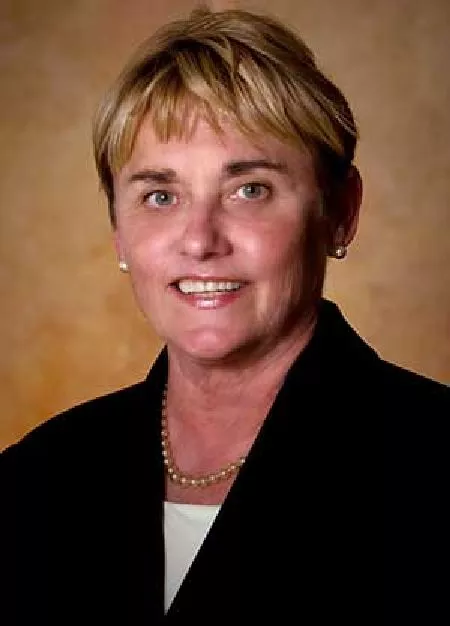
Courtesy Photo
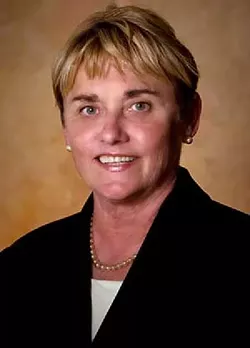
Pima County Supervisor Sharon Bronson: “The primary concern that I have for rural communities is that we ensure that they have some food security."
Tucson Weekly asked the candidates running for Board of Supervisors seats this year if they approved of those decisions and if they would have done anything differently. Here’s what the candidates in District 3 had to say.
In the District 3 Democratic primary, six-term Supervisor Sharon Bronson is facing Juan Padres, who is making his first run for public office. Padres, who previously worked for the autonomous trucking company TuSimple, is now operating his own business, a courier service between Tucson and Nogales. He is also involved in bringing Mexican craft beers to the Tucson market.
Bronson, who voted in favor of closing bars and limiting restaurants to take out and delivery in March, said responding to the virus has been challenging because of a lack of resources coming from federal agencies.
The Arizona Attorney General's office is closing the investigation requested by three state lawmakers into whether the Pima County Board of Supervisors violated Gov. Doug Ducey's executive order after approving new regulations to the county's health code.
But the closure was based on a legal technicality, not on the merits of the complaints.
In a letter addressed to state Sen. Vince Leach along with state Reps. Mark Finchem and Bret Roberts, Government Accountability Unit Chief Council Linley Wilson said the AG's office "determined the impending investigation was moot" after the Board of Supervisors repealed their May 13 proclamation during last Thursday's Board of Supervisors meeting.
The three lawmakers filed a compliant with Brnovich's office on May 15, asking the AG to investigate citing Pima County's proclamation was exceeding its authority by creating additional regulations after Gov. Ducey issued his May 12 executive order allowing restaurants and bars to reopen.
Chief Civil Deputy County Attorney Andrew Flagg responded to the complaint last Friday via letter pointing out that the lawmaker's case was "moot" since the May 13 proclamation had been repealed. It would appear Brnovich's office agrees with Pima County.
But the closure was based on a legal technicality, not on the merits of the complaints.
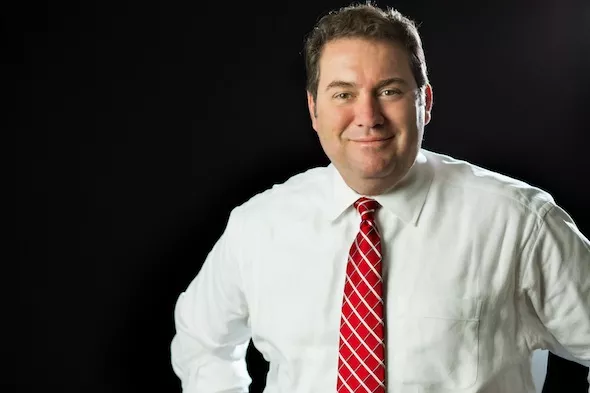
In a letter addressed to state Sen. Vince Leach along with state Reps. Mark Finchem and Bret Roberts, Government Accountability Unit Chief Council Linley Wilson said the AG's office "determined the impending investigation was moot" after the Board of Supervisors repealed their May 13 proclamation during last Thursday's Board of Supervisors meeting.
The three lawmakers filed a compliant with Brnovich's office on May 15, asking the AG to investigate citing Pima County's proclamation was exceeding its authority by creating additional regulations after Gov. Ducey issued his May 12 executive order allowing restaurants and bars to reopen.
Chief Civil Deputy County Attorney Andrew Flagg responded to the complaint last Friday via letter pointing out that the lawmaker's case was "moot" since the May 13 proclamation had been repealed. It would appear Brnovich's office agrees with Pima County.
Wednesday, May 27, 2020

ProPublica is a nonprofit newsroom that investigates abuses of power. Click here to read their biggest stories as soon as they’re published.
A senior Democratic congressman on Tuesday called for a watchdog probe into a $3 million Indian Health Service contract given to a former White House official to provide masks to Navajo Nation hospitals hit hard by the coronavirus.
ProPublica reported on Friday that IHS granted the contract for 1 million respirator masks to Zach Fuentes, a former deputy chief of staff to President Donald Trump, 11 days after Fuentes formed his company. The contract was granted with limited competitive bidding.
ProPublica is a nonprofit newsroom that investigates abuses of power. Click here to read their biggest stories as soon as they’re published.
The Indian Health Service acknowledged on Wednesday that 1 million respirator masks it purchased from a former Trump White House official do not meet Food and Drug Administration standards for “use in healthcare settings by health care providers.”
The IHS statement calls into question why the agency purchased expensive medical gear that it now cannot use as intended. The masks were purchased as part of a frantic agency push to supply Navajo hospitals with desperately needed protective equipment in the midst of the coronavirus pandemic.
ProPublica revealed last week that Zach Fuentes, President Donald Trump’s former deputy chief of staff, formed a company in early April and 11 days later won a $3 million contract with IHS to provide specialized respirator masks to the agency for use in Navajo hospitals. The contract was granted with limited competitive bidding.

The Indian Health Service acknowledged on Wednesday that 1 million respirator masks it purchased from a former Trump White House official do not meet Food and Drug Administration standards for “use in healthcare settings by health care providers.”
The IHS statement calls into question why the agency purchased expensive medical gear that it now cannot use as intended. The masks were purchased as part of a frantic agency push to supply Navajo hospitals with desperately needed protective equipment in the midst of the coronavirus pandemic.
ProPublica revealed last week that Zach Fuentes, President Donald Trump’s former deputy chief of staff, formed a company in early April and 11 days later won a $3 million contract with IHS to provide specialized respirator masks to the agency for use in Navajo hospitals. The contract was granted with limited competitive bidding.
ProPublica is a nonprofit newsroom that investigates abuses of power. Click here to read their biggest stories as soon as they’re published.
A firm set up by a former telemarketer who once settled federal fraud charges for $2.7 million. A vodka distributor accused in a pending lawsuit of overstating its projected sales. An aspiring weapons dealer operating out of a single-family home.
These three privately held companies are part of the new medical supply chain, offered a total of almost $74 million by the federal government to find and rapidly deliver vital protective equipment and COVID-19 testing supplies across the U.S. While there’s no evidence that they obtained their deals through political connections, none of the three had to bid against competing firms. One has already lost its contract for lack of performance; it’s unclear if the other two can fulfill their orders on time, or at all.
They are among about 345 first-time federal contractors promised at least $1.8 billion in deals by the Trump administration since March, representing about 13% of total government spending on pandemic-related contracts of $13.8 billion, a ProPublica analysis of federal procurement data found. Like the three companies, many of the new contractors have no experience acquiring medical products.
Some of them, including the ex-telemarketer’s company and another firm established by a former White House aide, formed only days or weeks before landing multimillion-dollar government contracts. The U.S. government’s reliance on them, with what appears to be scant vetting of their credentials, represents a major gamble whose outcome could affect how many Americans are infected by the coronavirus and how quickly the U.S. economy recovers.
“We’re putting schedule above quality, to some extent, in this time of great need,” said Trevor Brown, a professor of public management at Ohio State University. “There’s just so much pressure to get PPE into the field, I’m not surprised there’s a relaxing of focus on the quality of the product.”

A firm set up by a former telemarketer who once settled federal fraud charges for $2.7 million. A vodka distributor accused in a pending lawsuit of overstating its projected sales. An aspiring weapons dealer operating out of a single-family home.
These three privately held companies are part of the new medical supply chain, offered a total of almost $74 million by the federal government to find and rapidly deliver vital protective equipment and COVID-19 testing supplies across the U.S. While there’s no evidence that they obtained their deals through political connections, none of the three had to bid against competing firms. One has already lost its contract for lack of performance; it’s unclear if the other two can fulfill their orders on time, or at all.
They are among about 345 first-time federal contractors promised at least $1.8 billion in deals by the Trump administration since March, representing about 13% of total government spending on pandemic-related contracts of $13.8 billion, a ProPublica analysis of federal procurement data found. Like the three companies, many of the new contractors have no experience acquiring medical products.
Some of them, including the ex-telemarketer’s company and another firm established by a former White House aide, formed only days or weeks before landing multimillion-dollar government contracts. The U.S. government’s reliance on them, with what appears to be scant vetting of their credentials, represents a major gamble whose outcome could affect how many Americans are infected by the coronavirus and how quickly the U.S. economy recovers.
“We’re putting schedule above quality, to some extent, in this time of great need,” said Trevor Brown, a professor of public management at Ohio State University. “There’s just so much pressure to get PPE into the field, I’m not surprised there’s a relaxing of focus on the quality of the product.”
The Pima County Board of Supervisors has taken several steps in an effort to slow the spread of COVID-19 in Pima County, including voting on March 19 to close down all nonessential businesses, and later when the state reopened the economy, voting to implement and then revise new health regulations for restaurants and bars offering dine-in service once again.
Pima County Administrator Chuck Huckelberry noted that reaction has ranged from critics who say the county hasn't done enough to those who complain the Board of Supervisors shouldn't do anything at all. Democratic supervisors Ramon Valadez, Sharon Bronson and Betty Villegas said they voted for the regulations to ensure public safety, while Republicans Steve Christy and Ally Miller say the new rules make it harder for beleaguered businesses to reopen. At the request of three GOP lawmakers, Attorney General Mark Brnovich is investigating if the measures imposed by the board exceed their authority. See more details here.
Tucson Weekly asked the candidates running for Board of Supervisors seats this year if they approved of those decisions and if they would have done anything differently. Here’s what the candidates in District 5 had to say.
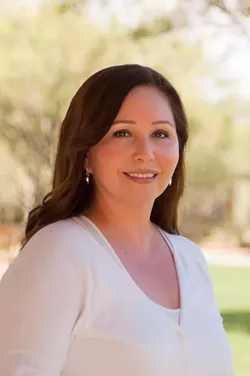 There’s an open seat in District 5 following the death of Supervisor Richard Elías in late March. The board appointed Betty Villegas to replace Elías, but she is not seeking the seat in November.
The Democratic primary pits two school board members against each other: TUSD Board member Adelita Grijalva is facing Sunnyside School Board member Consuelo Hernandez in the heavily Democratic district, which includes the University of Arizona, downtown and parts of South Tucson and Saguaro National Park West.
Grijalva said the county moved too slowly to close their facilities, such as the libraries, and transition the majority of employees to work from home. If she was on the board, Grijalva says she would have advocated to close down facilities sooner.
Now that businesses are opening back up, Grijalva said the county cannot ignore basic health and safety precautions. She has already witnessed large groups of people gathering at restaurants since the state stay-at-home order was lifted on May 15.
The question about safety guidelines in restaurants continues to be debated. On May 21, the supervisors had to revise their emergency regulations on restaurants and bars after restaurant owners complained the new rules were too burdensome and some state lawmakers threatened to sue.
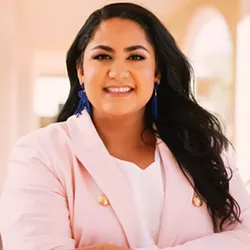 Grijalva wants to see Pima County ensure sanitation, social distancing, case monitoring and soliciting feedback from the community. Without that, she fears a rushed reopening will cause a need to “reinstate anti-spread provisions” and inevitably cripple our chances of true economic recovery.
She also believes that the communications coming from the Pima County Health Department about COVID-19 need to be more accessible.
“I know that they’re putting it on social media, but if someone has connectivity issues, if they don’t have internet, then how are we getting information out?” Grijalva said. “It really is the responsibility of the county to get the information out, and I feel that while people who are engaged and seeking the information can find it, the vast majority may not be getting the updates that they need to.”
Hernandez said local government needs to do whatever it can to keep residents safe.
“As someone who has a background in global health, I know how critical it is for us to let the health professionals take the lead on this process,” Hernandez said. “And while I understand the problem the county supervisors face and understand the challenges, it remains critical for us to deal with the situation with the best health and safety interests of our citizens in mind.”
Republican Fernando Gonzales did not respond to requests for comment.
Pima County Administrator Chuck Huckelberry noted that reaction has ranged from critics who say the county hasn't done enough to those who complain the Board of Supervisors shouldn't do anything at all. Democratic supervisors Ramon Valadez, Sharon Bronson and Betty Villegas said they voted for the regulations to ensure public safety, while Republicans Steve Christy and Ally Miller say the new rules make it harder for beleaguered businesses to reopen. At the request of three GOP lawmakers, Attorney General Mark Brnovich is investigating if the measures imposed by the board exceed their authority. See more details here.
Tucson Weekly asked the candidates running for Board of Supervisors seats this year if they approved of those decisions and if they would have done anything differently. Here’s what the candidates in District 5 had to say.
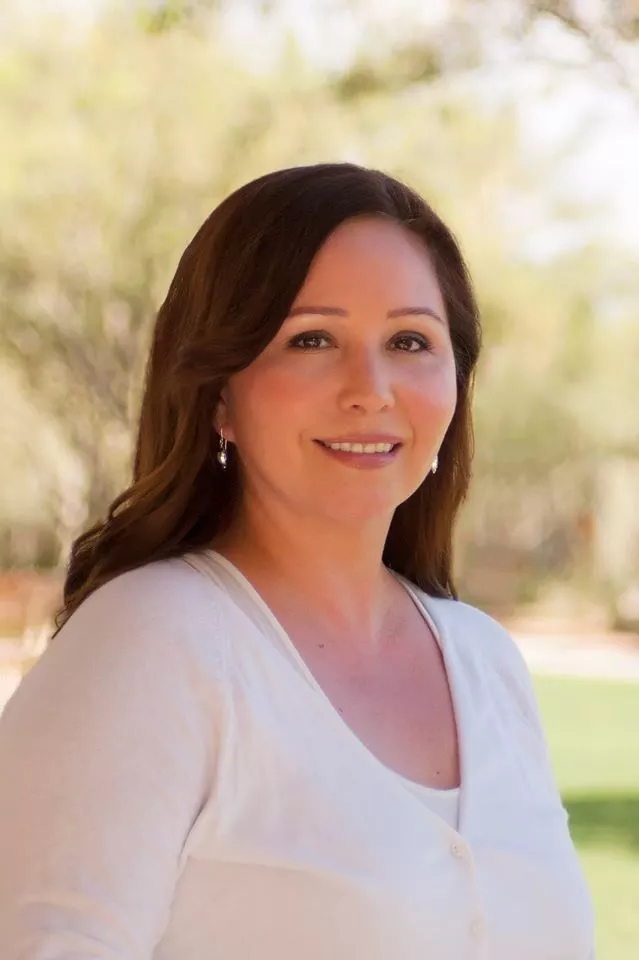
Adelita Grijalva campaign
Adelita Grijalva says the county moved too slowly to close their facilities, such as the libraries, and transition the majority of employees to work from home.
The Democratic primary pits two school board members against each other: TUSD Board member Adelita Grijalva is facing Sunnyside School Board member Consuelo Hernandez in the heavily Democratic district, which includes the University of Arizona, downtown and parts of South Tucson and Saguaro National Park West.
Grijalva said the county moved too slowly to close their facilities, such as the libraries, and transition the majority of employees to work from home. If she was on the board, Grijalva says she would have advocated to close down facilities sooner.
Now that businesses are opening back up, Grijalva said the county cannot ignore basic health and safety precautions. She has already witnessed large groups of people gathering at restaurants since the state stay-at-home order was lifted on May 15.
The question about safety guidelines in restaurants continues to be debated. On May 21, the supervisors had to revise their emergency regulations on restaurants and bars after restaurant owners complained the new rules were too burdensome and some state lawmakers threatened to sue.
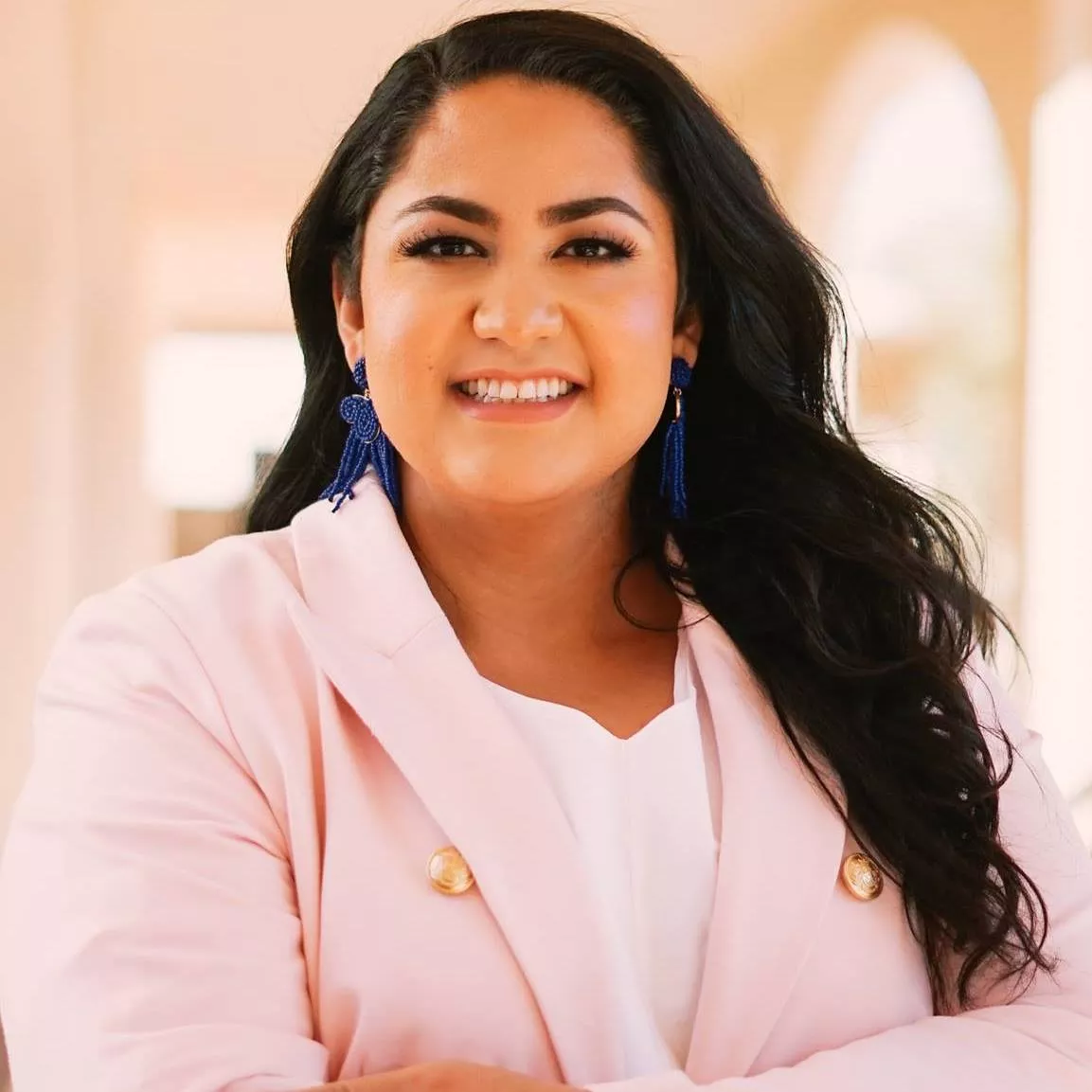
“As someone who has a background in global health, I know how critical it is for us to let the health professionals take the lead on this process,” Consuelo Hernandez said. “And while I understand the problem the county supervisors face and understand the challenges, it remains critical for us to deal with the situation with the best health and safety interests of our citizens in mind.”
She also believes that the communications coming from the Pima County Health Department about COVID-19 need to be more accessible.
“I know that they’re putting it on social media, but if someone has connectivity issues, if they don’t have internet, then how are we getting information out?” Grijalva said. “It really is the responsibility of the county to get the information out, and I feel that while people who are engaged and seeking the information can find it, the vast majority may not be getting the updates that they need to.”
Hernandez said local government needs to do whatever it can to keep residents safe.
“As someone who has a background in global health, I know how critical it is for us to let the health professionals take the lead on this process,” Hernandez said. “And while I understand the problem the county supervisors face and understand the challenges, it remains critical for us to deal with the situation with the best health and safety interests of our citizens in mind.”
Republican Fernando Gonzales did not respond to requests for comment.

