Friday, November 22, 2019

Tags: Trump , Claytoonz , Fiona Hill , crazy , GOP , hearings , Image
Thursday, November 21, 2019
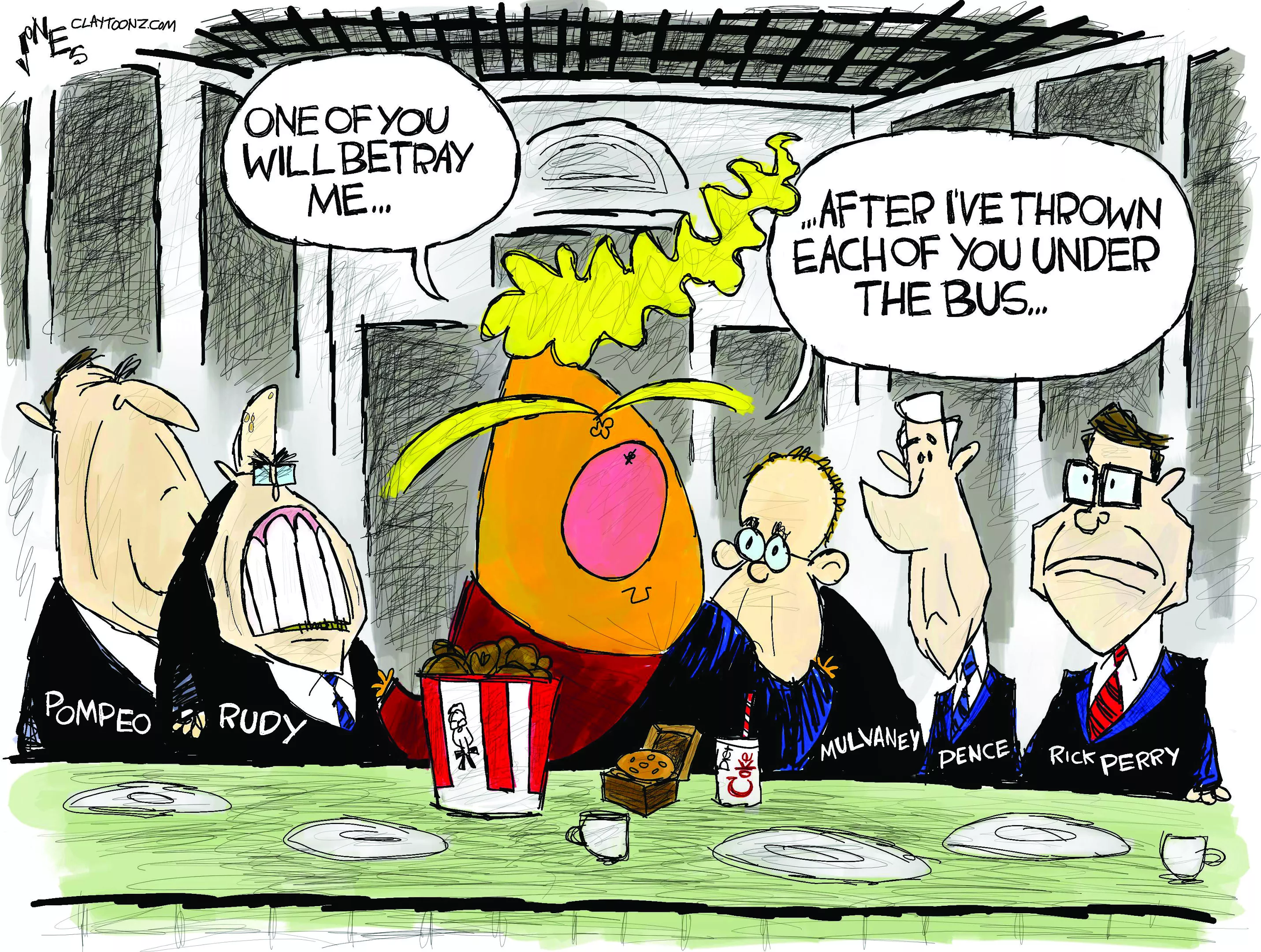
Tags: Comics , politics , Trump , MAGA , Last Supper , Image
Wednesday, November 20, 2019

Tags: MAGA , chick-Fil-a , LGBTQ. Trump , MAGA , Image
Tuesday, November 19, 2019
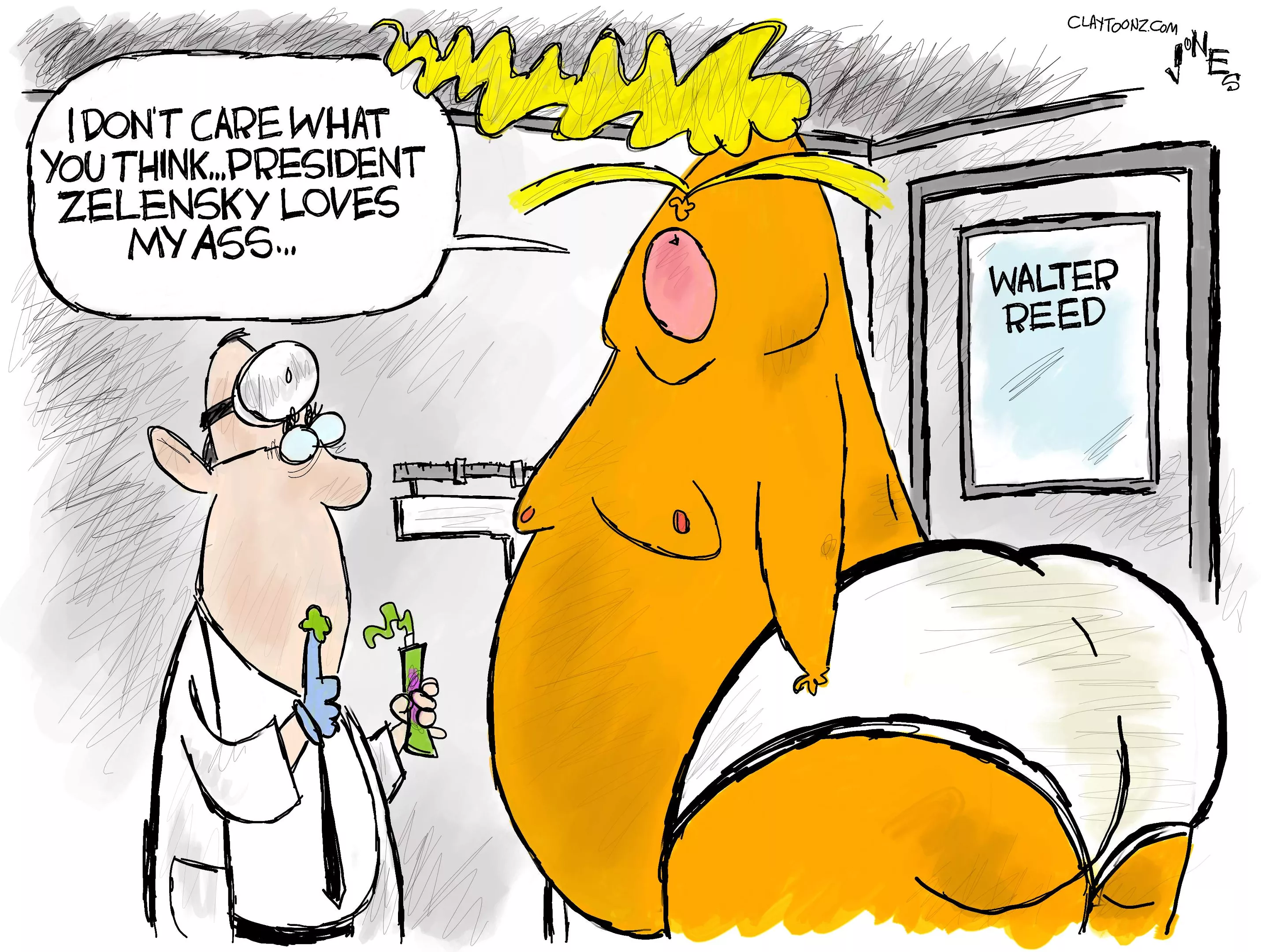
Monday, November 18, 2019
First came high stakes tests, the educational equivalent of trying to improve children's physical fitness by measuring their body mass index, strength and stamina, then measuring them again next year. And the next year. And the year after that.
High stakes tests yield terabytes of data, but no measurable student improvement. All we learn from the time consuming, curriculum distorting exercise is, test scores correlate with family income. Actually, we don't even learn that. We knew it already.
Then came A-F school grades issued by the state based on students' scores on the high stakes tests. In their original form, they were just a different way of presenting schools' test scores. The only added value was, they made intuitive sense to people who want a simple way of rating schools. We all know what letter grades on report cards mean, so the system was easy to understand. Schools with an "A" or "B" grade were likely to have mostly middle-to-high income students and high academic achievement. The "C," "D" and "F" schools were likely to have lower income students and lower academic achievement.
Lots of people complained about the grades, with good reason. They echoed the class bias of test scores, but the grades made the results were even more judgmental. They lavished praise on schools with high income students — "You get an A! You get a B! — while they labeled schools with low income students anywhere from average to failing. No matter how talented the teachers and administrators at the schools teaching low income students were, no matter how hard they worked, it was nearly impossible for them to get the top grades schools with higher income students received as a matter of course.
People at the Department of Education heard the complaints, so they decided to try and make the grading system more nuanced. Educators, statisticians and computer techies set to work to create a weighting system which made the grades more equitable.
The changes were at least a partial success. The current state grades reflect more than the students' family income. That's a step in the right direction, isn't it?
Well, maybe. But the changes create a new problem. If the new, improved grading system doesn't tell us which schools have the highest test scores, what does it tell us?
Tags: High stakes test , State grades , Arizona Department of Education , TUSD , Ochoa Elementary , Holladay Magnet Elementary , Sam Hughes Elementary , Gale Elementary , Image

Tags: Claytoonz , Clay Jones , Fred Rodgers , Washington , Trump , neighborhood , Image
Thursday, November 14, 2019

Wednesday, November 13, 2019

Tags: Claytoonz , MAGA , comics , politics , white nationalists , Image
Tuesday, November 12, 2019

Monday, November 11, 2019