Friday, June 14, 2019
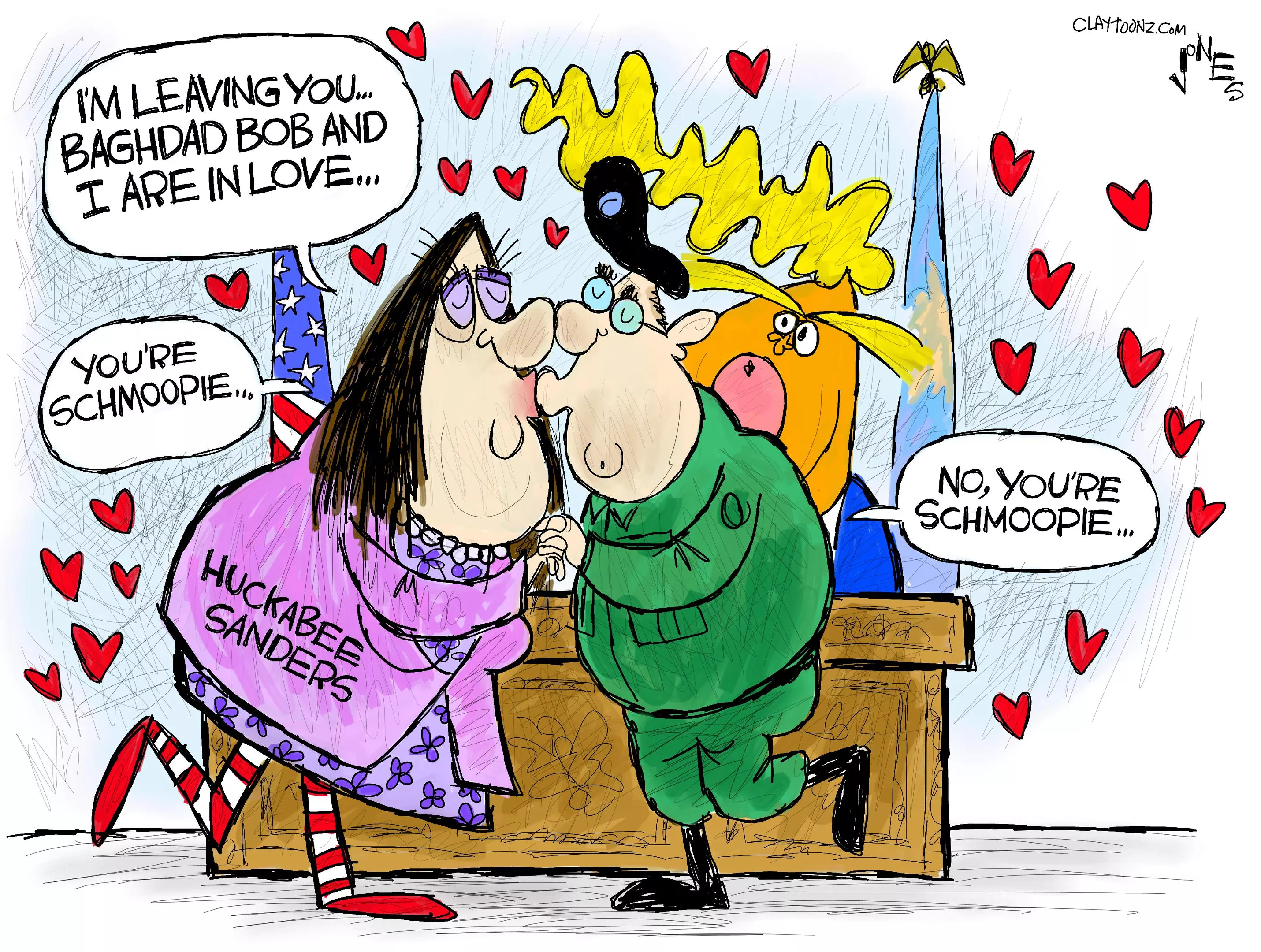
Tags: cartoon , comic , politics , Claytoonz , Sarah Huckabee Sanders , Trump , Press Secretary , Schmoopie , Image
Wednesday, June 12, 2019

Tags: comics , politics , cartoons , Claytoonz , Trump , suit , tux , outfit , Image
Tuesday, June 11, 2019

Tags: Comics , cartoons , politics , Claytoonz , NYT , New York Times , cartoonist , Pulitzer , Image
Monday, June 10, 2019

"The charter school movement is in trouble." So begins an article in the Washington Post. I think that's an exaggeration. Charter schools aren't in trouble as such — their numbers are still on the rise — but they may be cresting. Their once-shiny reputation is tarnishing. Charter proponents' mouths have made too many promises the schools can't keep, and people are beginning to take notice.
Some folks who have read my charter-related posts think I'm opposed to charter schools. Not so. I support any school — district, charter or private — with good teachers, a good curriculum and a strong overall educational philosophy. Plenty of charters fit that description. I would have no problem recommending a charter school to parents if I thought it was a good fit for their children.
What I'm against is the charter school PR machine, part of the ridiculously well funded "education reform"/privatization movement. Hundreds of millions of dollars are spent every year demonizing public education while praising charters as the answer to our educational prayers, then propping up the schools with funding above and beyond what they get from the state.
District schools deserve criticism, but not the "failing schools" slam they get from privatizers, and charters hardly deserve the lavish praise they receive from their financial patrons. That's why I go heavy on charter criticism. With all the money and effort perpetuating the myth of charter school superiority, I feel it's my duty to debunk their myth-making whenever I can.
The first charters began in the early nineties. Arizona's charters opened for business in 1995. The schools have had nearly 30 years to prove their worth. Yet when you look at legitimate studies comparing charters and district schools, the results are pretty much a wash. In one state, charter school students have better scores than similar students in district schools. In another state it's the district schools that have the edge. Charter students may have higher test scores in fourth grade math while district schools top charters in eighth grade English, or vice versa.
People on both sides of the argument can cherry-pick the data to fit their narrative, but when you look at the numbers as a whole, the differences in student achievement are so slight as to be insignificant. If parents choose well, they can send their children to excellent charter schools, but if they fall prey to false advertising, they might end up sending their children to some of the worst schools you'll find anywhere.
Tags: Charter schools , "Education reform , " School privatization , NAACP , Image

Friday, June 7, 2019
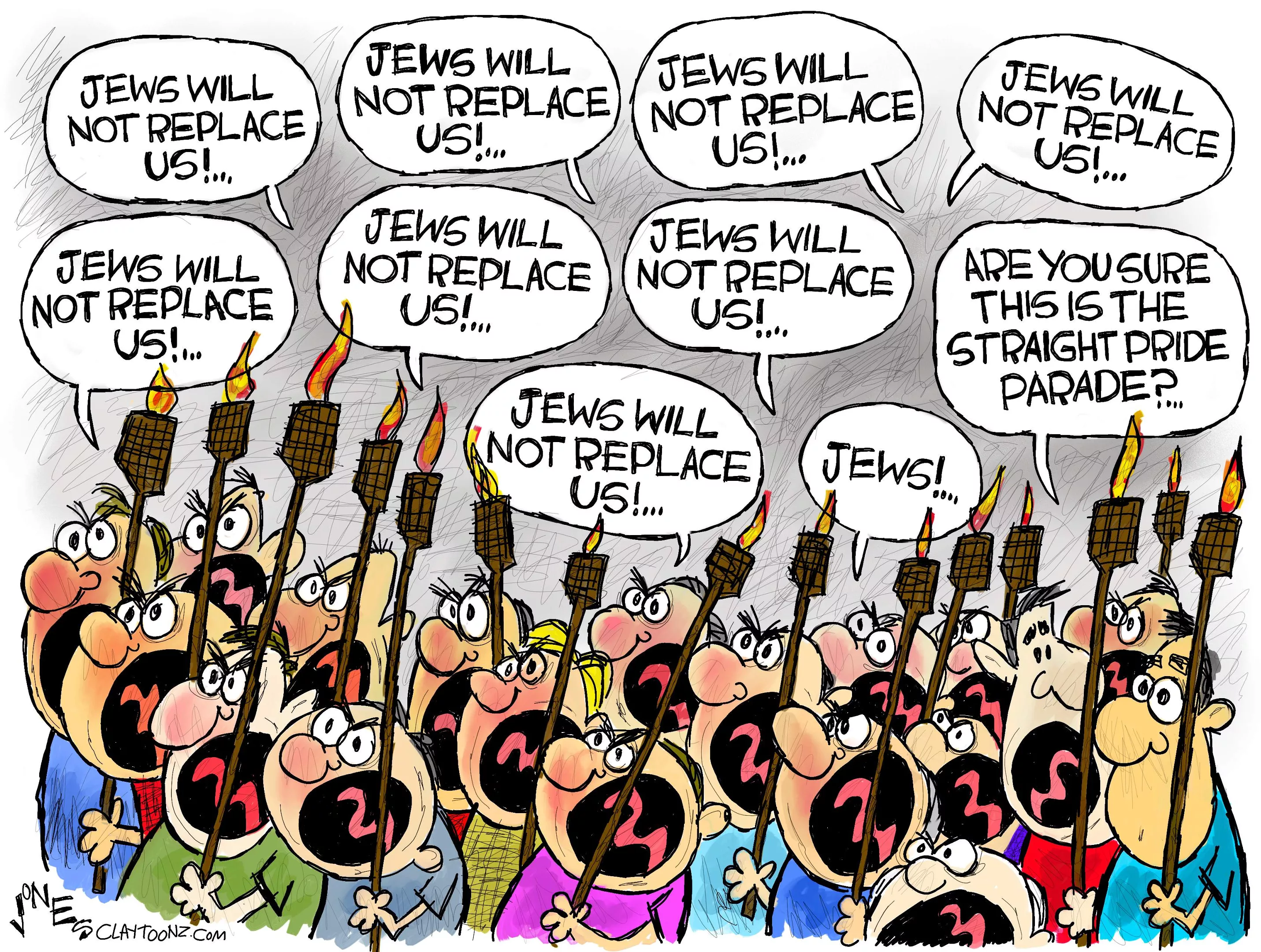
Tags: comics , politics , cartoons , Claytoonz , Straight Pride Parade , Image
Thursday, June 6, 2019
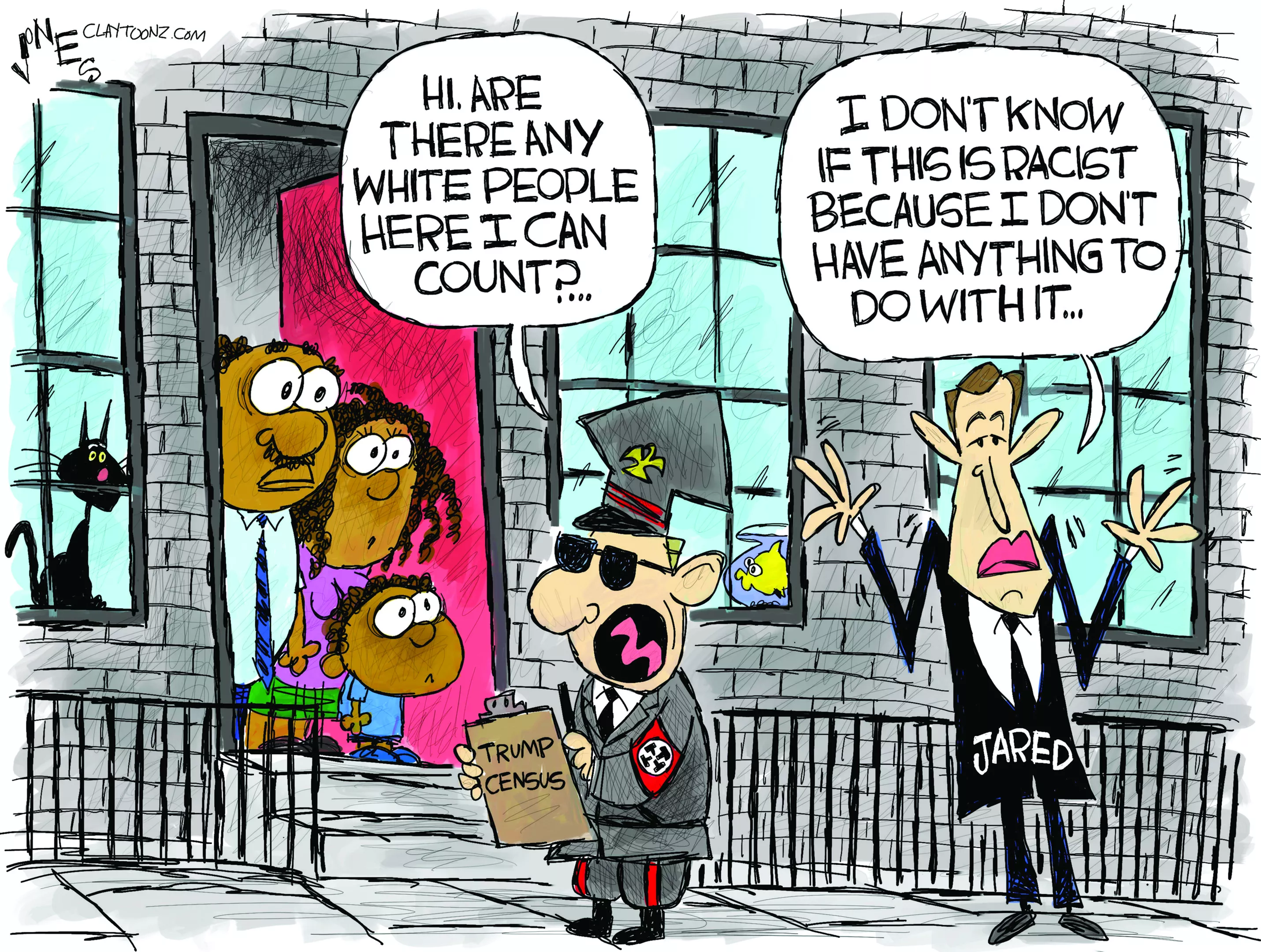
Tags: comics , politics , cartoons , Claytoonz , Jared , census , Trump , race , President , policy , Image
Wednesday, June 5, 2019

Arizona's Department of Education may begin taking a more active role in charter school accountability, thanks to some terrific investigative reporting from the Arizona Republic, which woke people up to the potential for corruption and profiteering in the charter sector, and a Department of Education headed by Superintendent Kathy Hoffman who cares about such things.
Two connected southern Arizona charters, Lifelong Learning Academy in Tucson and Jack Thoman Air and Space Academy and Performing Arts Studio in Green Valley, have been denied alternative-school status by the state, the first denial in five years.
Getting alternative-school status is a big deal. Because the schools are supposed to serve students who are potential drop-outs, they don't get an A-F grade from the state.
That makes sense. Students enrolled in alternative schools are likely to be behind academically, meaning their state test scores will be low. As a result, the schools' state grades, which are mainly based on student scores, would usually be D's and F's even when they are serving their students well. Two F's in a row and a school loses its contract with the state. So, to allow alternative schools to remain in operation, the state doesn't give them grades.
The problem is, if no one is paying attention, a charter school doing a lousy job can slide under the radar by calling itself an alternative school. It looks like that's been happening. According to the Republic article, the number of students in alternative schools has increased 40 percent since 2010.
Tags: Charter schools , Arizona's Department of Education , Alternative schools , Lifelong Learning Academy , Jack Thoman Air and Space Academy and Performing Arts Studio , Kathy Hoffman , Image
Tuesday, June 4, 2019
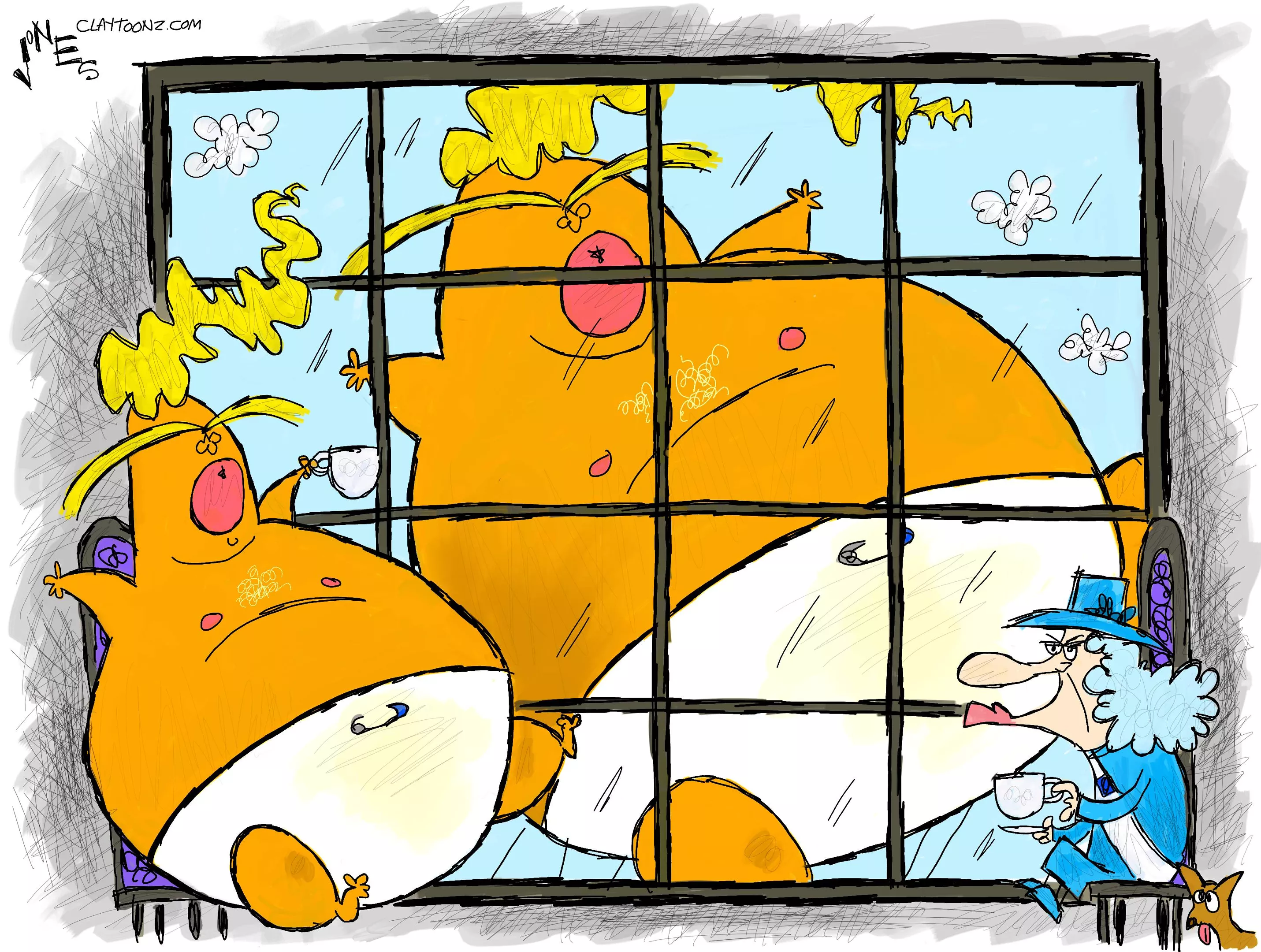
Tags: comics , politics , cartoons , Claytoonz , Queen , Trump , U.K. , visit , Image
Monday, June 3, 2019