

Wednesday, November 17, 2021

A majority of Republican respondents in a recent poll wrongly believe that the so-called “audit” of the 2020 election in Maricopa county definitely or probably found evidence of fraud.
Monmouth University polled 811 people across the United States earlier this month, asking a series of questions about the state of the country, the Jan. 6 insurrection at the U.S. Capitol, government regulation of Facebook and fraud allegations surrounding the 2020 election. The poll included a question about the election review in Maricopa County.
According to the live-caller poll, 62% of Republicans falsely believed the “audit” discovered fraud — 32% of Republican respondents said the audit found evidence, and another 30% aren’t sure but believe it probably found such evidence. Only 23% of Republicans said the audit found that President Joe Biden won or probably won the state fairly.
By contrast, 89% of Democrats said Biden won the state fairly, while 55% of independents say Biden won fairly and 27% said the audit uncovered fraud. In total, 57% said the audit showed that Biden fairly won Arizona, while 29% said it found or probably found fraud in the 2020 election.
The “audit” that Senate President Karen Fann ordered of the election affirmed that President Joe Biden won Arizona and found no evidence of fraud or rigging. The team that Fann hired to conduct the “audit,” which had no qualifications to review an election and was led by people who openly believe false claims that the election was rigged against Donald Trump, presented a number of issues it considered potentially suspicious. But the team acknowledged that there might be legitimate explanations for those alleged issues.
Maricopa County officials denied the allegations and provided explanations for many of the issues the audit team raised. The county, the Arizona Mirror and others have proven some, such as claims surrounding signature verification on early ballot affidavits, to be false.
Tuesday, November 16, 2021
Monday, November 15, 2021

Friday, November 12, 2021
Thursday, November 11, 2021
Several members of Arizona’s congressional delegation may have big decisions to make before next year’s election based on the proposed boundaries of the state’s new political map.
The draft congressional map approved last month by the Arizona Independent Redistricting Commission puts several incumbents into unfavorable districts. Some of those district boundaries will change by the time the commission approves its final maps, likely sometime in late December, and those revisions could be to some incumbents’ benefit. Exactly how different the final districts will look is impossible to predict.
Members of Congress don’t have to live in the districts where they run, only in the states they represent. That leaves several Arizona representatives with options if the AIRC doesn’t change the map to their liking.
U.S. Rep. Debbie Lesko, a Peoria Republican, currently represents a heavily GOP district that includes her hometown, along with Surprise, Sun City and surrounding areas. When the AIRC approved its draft map, however, the area she represents was largely split between two districts — and she doesn’t live in either of them.
By just four houses, Lesko now lives in the proposed predominantly Latino, overwhelmingly Democratic 3rd District. Democratic U.S. Rep. Ruben Gallego lives in the district, which is similar to the district he’s represented since he was first elected in 2014.
If Lesko is still in the 3rd District when the commission approves its final map, she’s certain to run elsewhere. Most of Peoria is in the 8th District, a Republican-leaning but competitive district that extends into Glendale and north Phoenix. Large chunks of her current district are also in the 9th District, an overwhelmingly Republican district that takes in must of the West Valley — from Sun City West and Surprise in the north to Goodyear and Litchfield Park to the south — and extends to the state’s western border, taking in La Paz and Mohave counties and part of Yuma County.
Wednesday, November 10, 2021
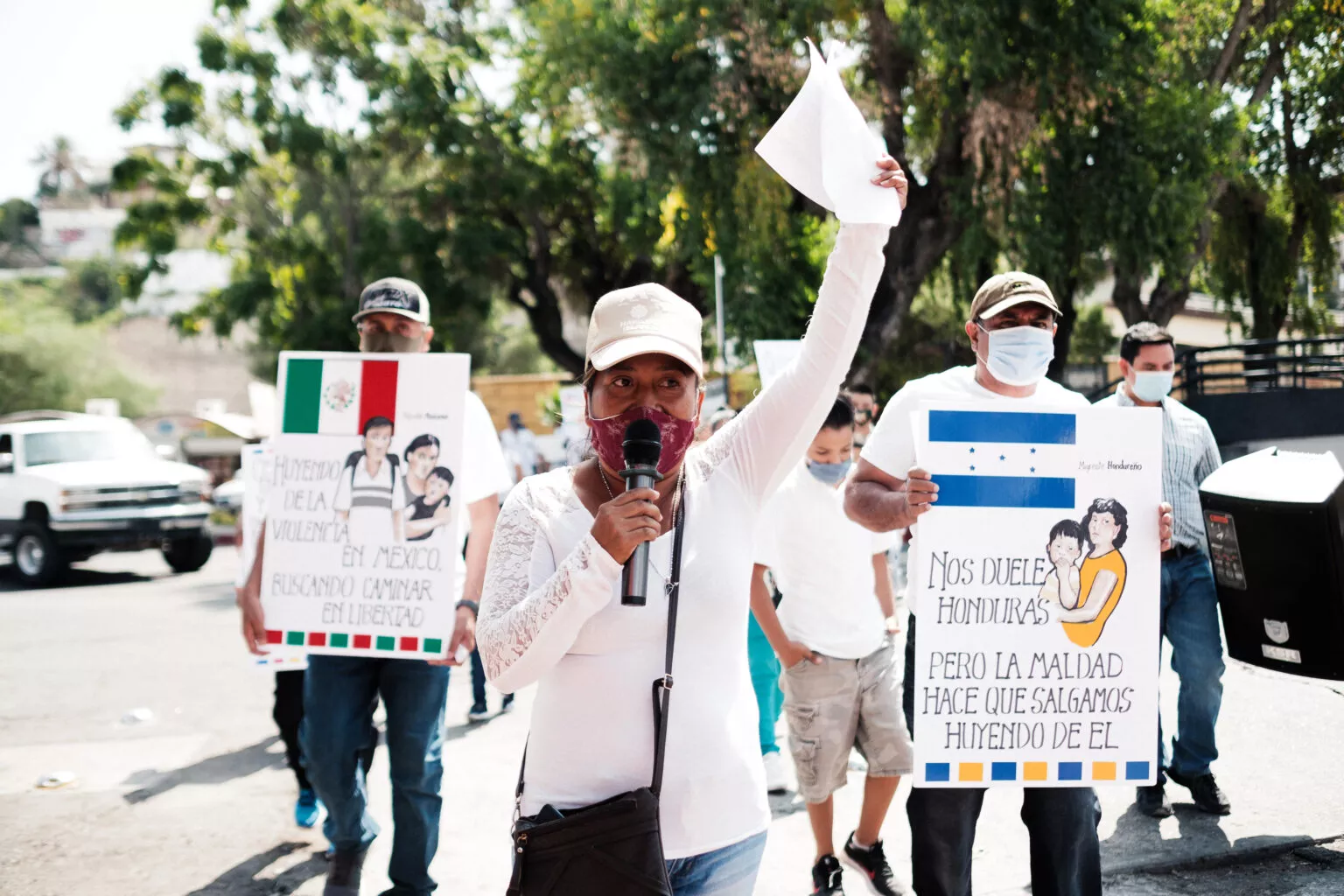
As entry restrictions lifted on Monday in a welcomed reopening of the land U.S. border crossings to some tourists from Mexico, the Biden administration is continuing to deny entry to asylum-seekers from Mexico and Central America under a Trump-era emergency public health rule.
Lisandro, a migrant from southern Mexico using a pseudonym to protect his identity, tried to request entry to the country with his wife and two kids Monday morning under U.S. asylum law at a Nogales border crossing. He presented his COVID-19 vaccination card, but a border agent turned the family away.
“He said that, for the time being, there is no asylum. The border is only open to tourists with a passport and a visa,” Lisandro said at a press conference Monday. “I have the vaccine. It’s my right to ask for asylum and I am fleeing from a very dangerous place. How is it possible that they do this to us?”
The press conference was held by the Kino Border Initiative, a faith-based organization that provides shelter, food and other humanitarian services to migrants waiting in Nogales, Sonora, for a chance to get protections from prosecution and violence as outlined by U.S. and international law. The organization is among the various Arizona and national groups that have denounced the invocation of public health powers, known as Title 42, which effectively closed U.S. borders and allows border agents to immediately “expel” anyone they encounter at and between official ports of entry — even if they are seeking asylum under U.S. law.
Tuesday, November 9, 2021
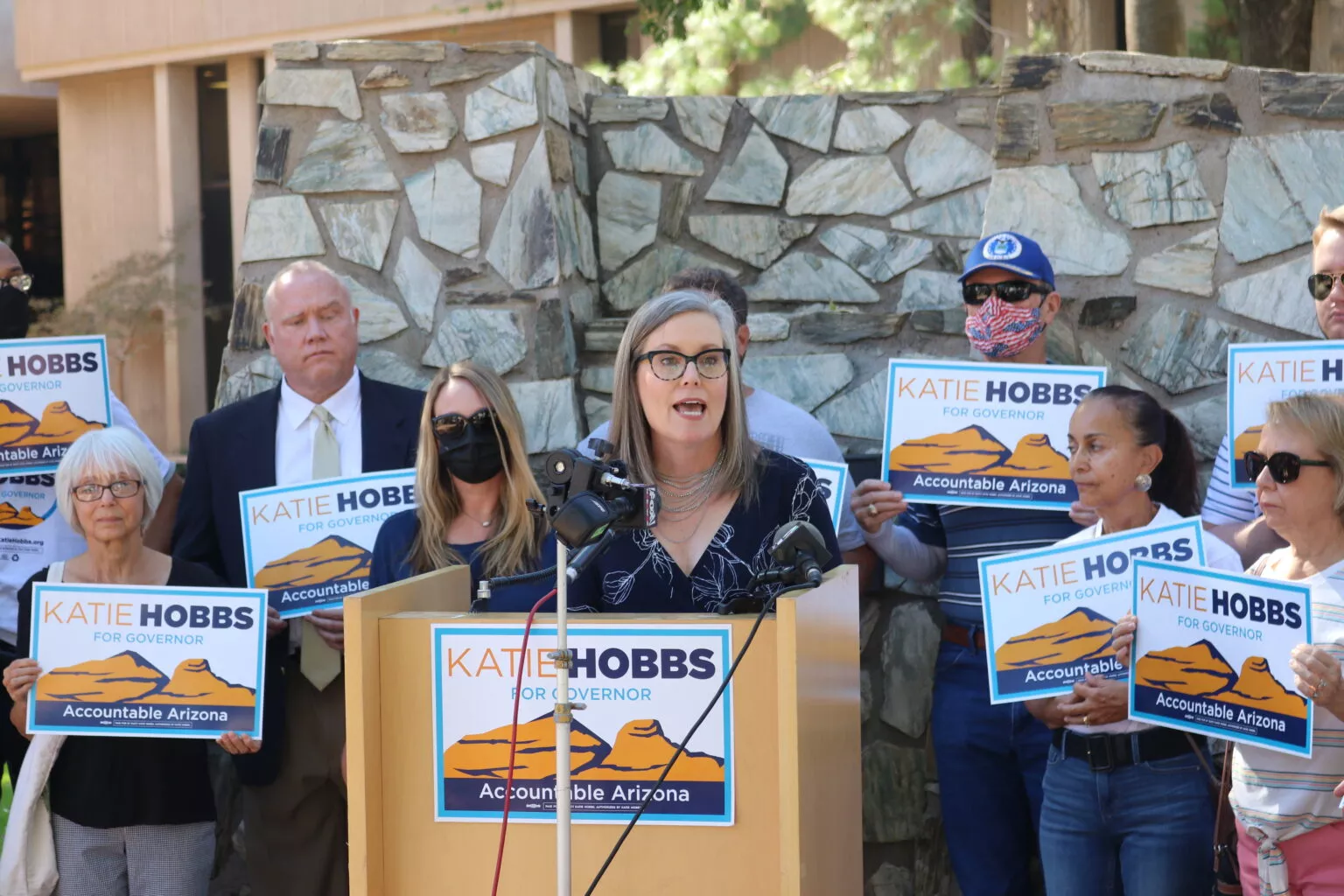
Katie Hobbs avoided a mistake that contributed to her party’s upset loss in Virginia last week, saying that Arizona parents should have a great deal of input into what their children learn in school.
Asked about parental control and the effect the issue had on the Virginia governor’s race, Hobbs, the frontrunner for the Democratic nomination in next year’s gubernatorial race, told reporters during a press conference Tuesday that curriculum is a local issue — and one that school districts and school boards should work with parents to determine.
“We absolutely need parents as partners in our education system. We need to do everything we can to make sure that every student in Arizona, no matter where they live, has access to high-quality public education, and that starts with bringing our teachers and our parents together to work together to make that happen,” Hobbs told reporters.
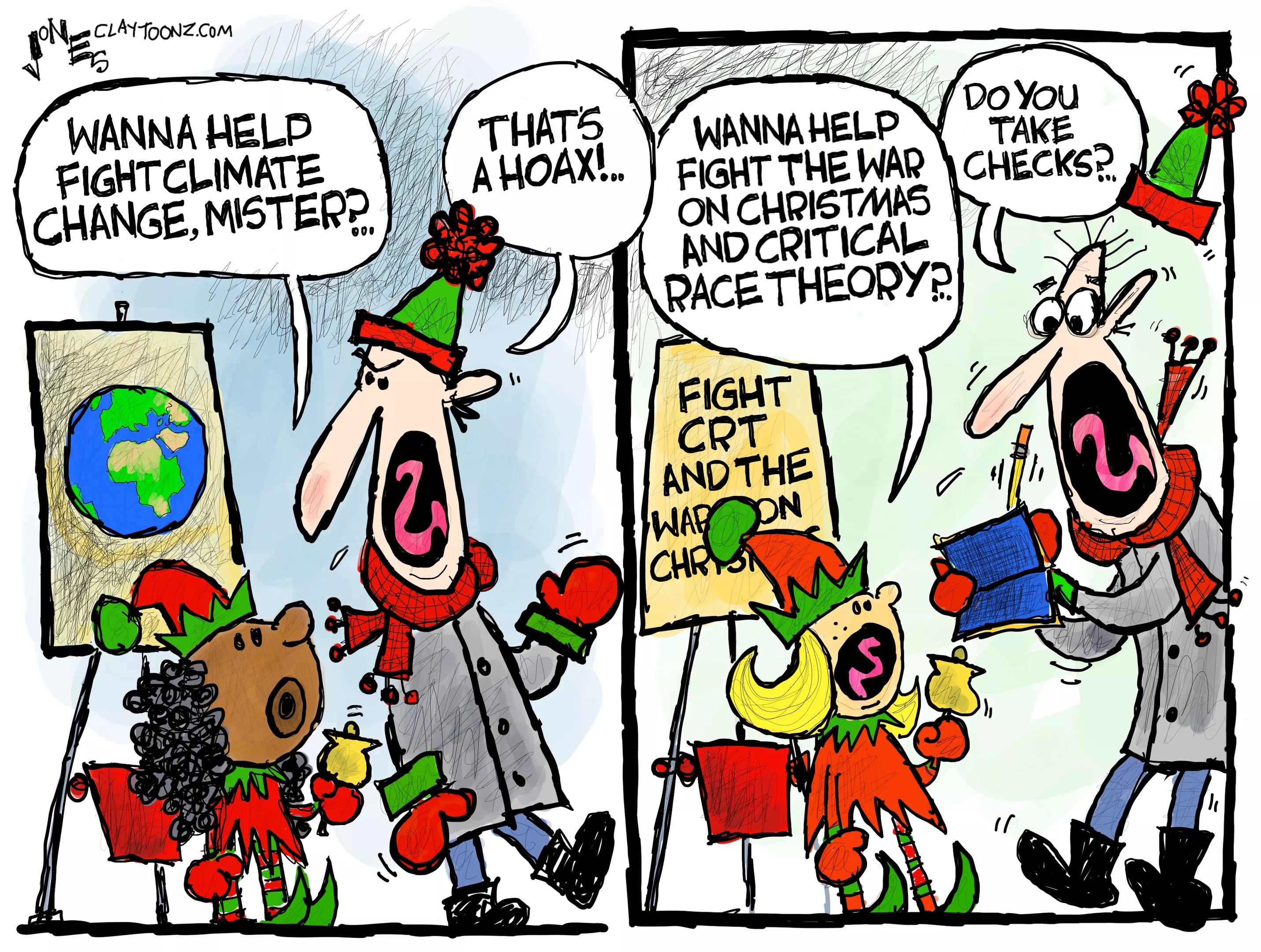
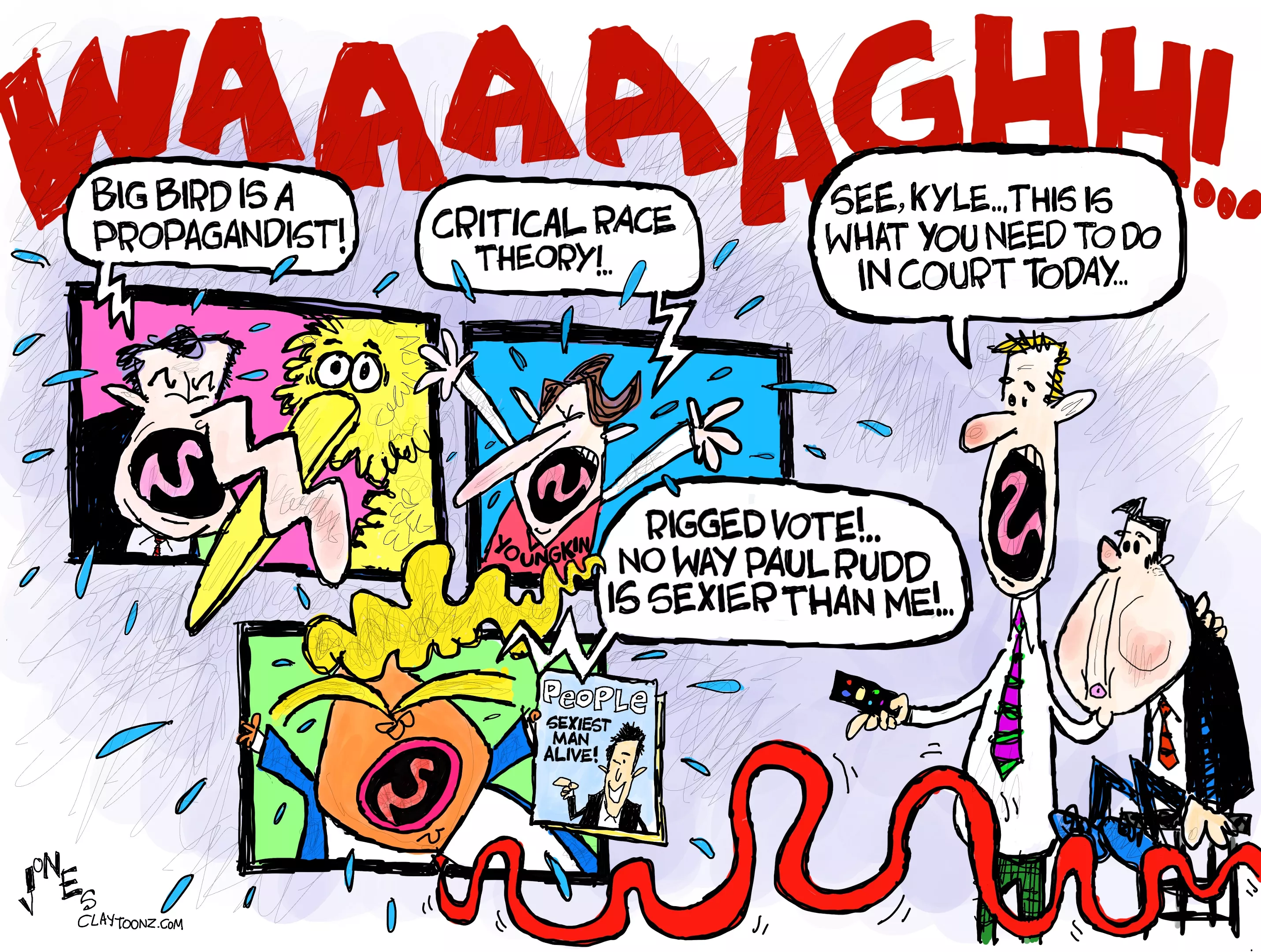
Parental control over curriculum has been a hot-button issue throughout the year, as parents and conservative activists have swarmed school board meetings across the country, including in Arizona, to denounce “critical race theory.” The term, which refers to a field of academic study about the ways in which race and racism are intertwined with American society, has become a broad, catchall term used by Republicans to describe teaching about certain racially sensitive topics.
The issue came to the forefront in the recently concluded Virginia governor’s race. Democratic nominee Terry McAuliffe said during a Sept. 29 debate that, “I don’t think parents should be telling schools what they should teach,” which many observers believe contributed to his loss to Republican Glenn Youngkin on Tuesday.

