Tuesday, March 26, 2019
It looks like the charter school bill making its way through the legislature isn't going anywhere. After it passed the Senate, House Speaker Rusty Bowers stopped the bill from getting a hearing in committee. Bowers said he doesn't have the votes to pass it and he's probably right.
The bill's purported goal is to clean up the corruption and profiteering running rampant in some charter schools. People who have been paying attention have known about this for years but a series of articles in the Arizona Republic exposed the seamy underbelly of the charter world to more people, including some Republican politicians who have done their best to look the other way. Not all charters are guilty. Many are run with the primary intent of educating their students, not fatten people's wallets. But as The Republic demonstrated, the bad charter operators are truly bad operators.
The bill's sponsors claim its purpose is to increase charter transparency and lay down some regulations, making it harder for people to game the system. Actually, it does very little, and it does that badly.
Before we look at the bill itself, let's take a look at what's been going on around the bill to see what we can learn.
Here's one clue to what's in the bill: when it passed the Senate 17-13, all the Republicans voted for it. All the Democrats voted against it after trying to amend it to give it more teeth. Seeing as how Republicans created Arizona's charter schools a few decades back and have protected charters from greater regulation and accountability ever since while Democrats have been the ones calling for more transparency and regulation, it makes you think the bill is meant to act as a fig leaf to cover up the naked corruption taking place in some charters, not improve the charter school system.
Tags: Charter schools , Arizona legislature , Arizona Charter School Association , Sen. Kate Brophy McGee , Rep. Eddie Farnsworth , Image
I joined host Christopher Conover and GOP activist and radio commentator James Kelley on Friday night for a conversation about the 2020 presidential race and U.S. Senate race on Arizona 360. Watch the segments here. I'm still pretty sure that Kelley was wrong when he declared that Trump's national approval rating had crested the 50 percent margin.
Tags: news , politics , Arizona 360 , AZ360 , Christopher Conover , GOP , activist , radio commentator , James Kelley , Jim Nintzel , 2020 , Image
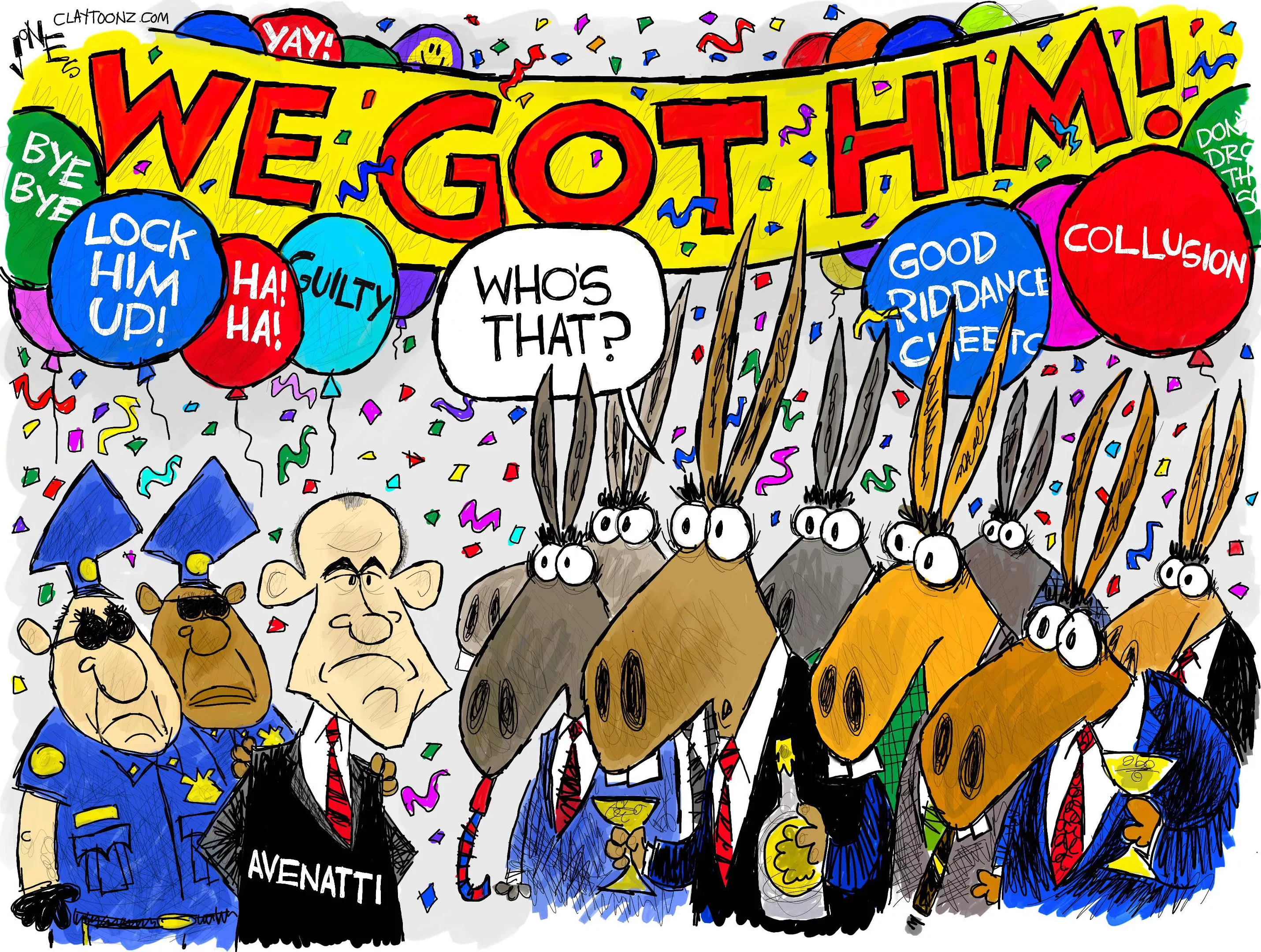
Tags: comics , politics , cartoons , Claytoonz , Lock who up? , Avenatti , collusion , Trump , report , Image
Monday, March 25, 2019
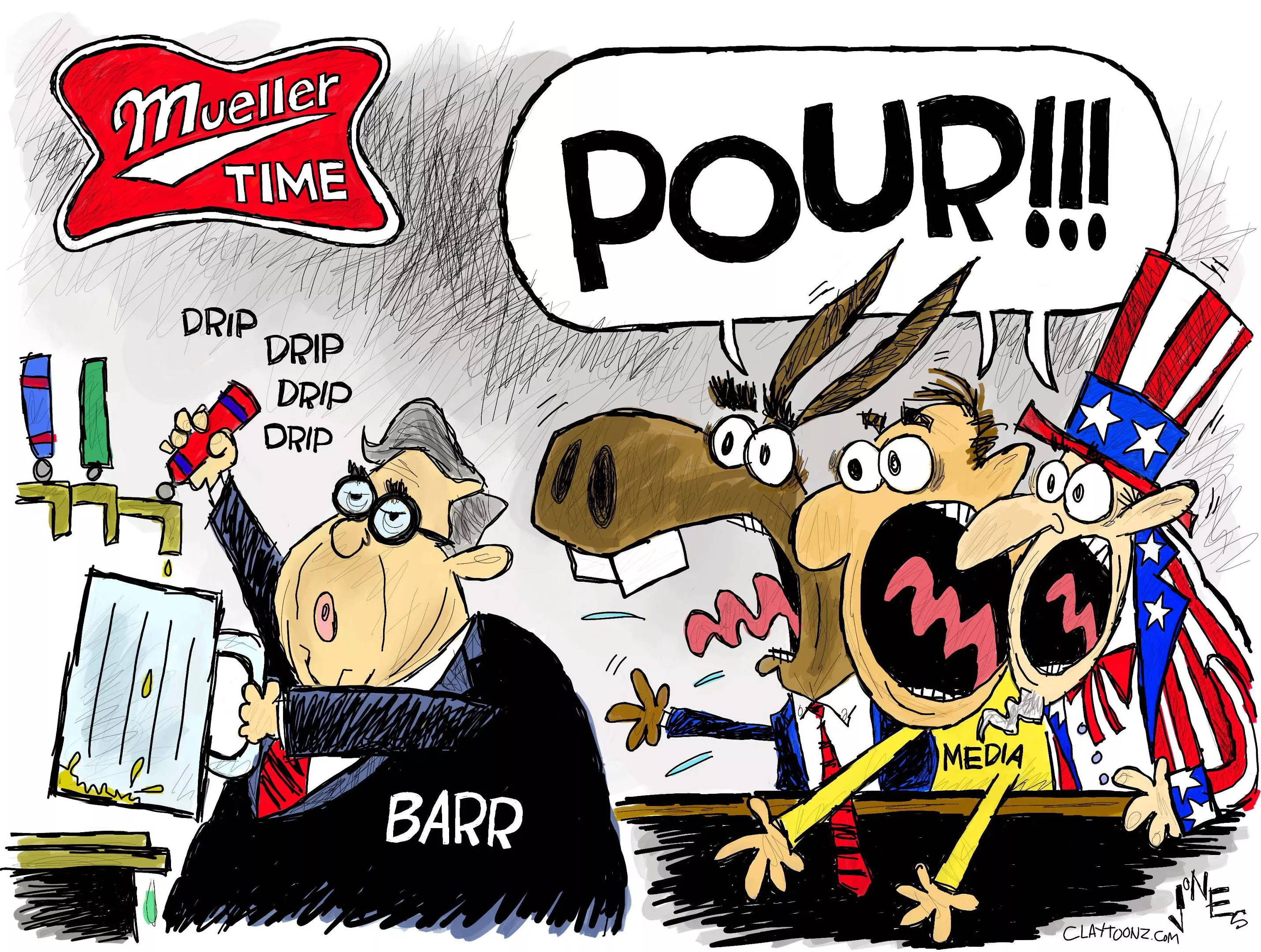
Tags: comics , politics , cartoons , Claytoonz , Mueller Time , Mueller Report , media , American people , full report , Barr , politicians , Trump , Image
Thursday, March 21, 2019
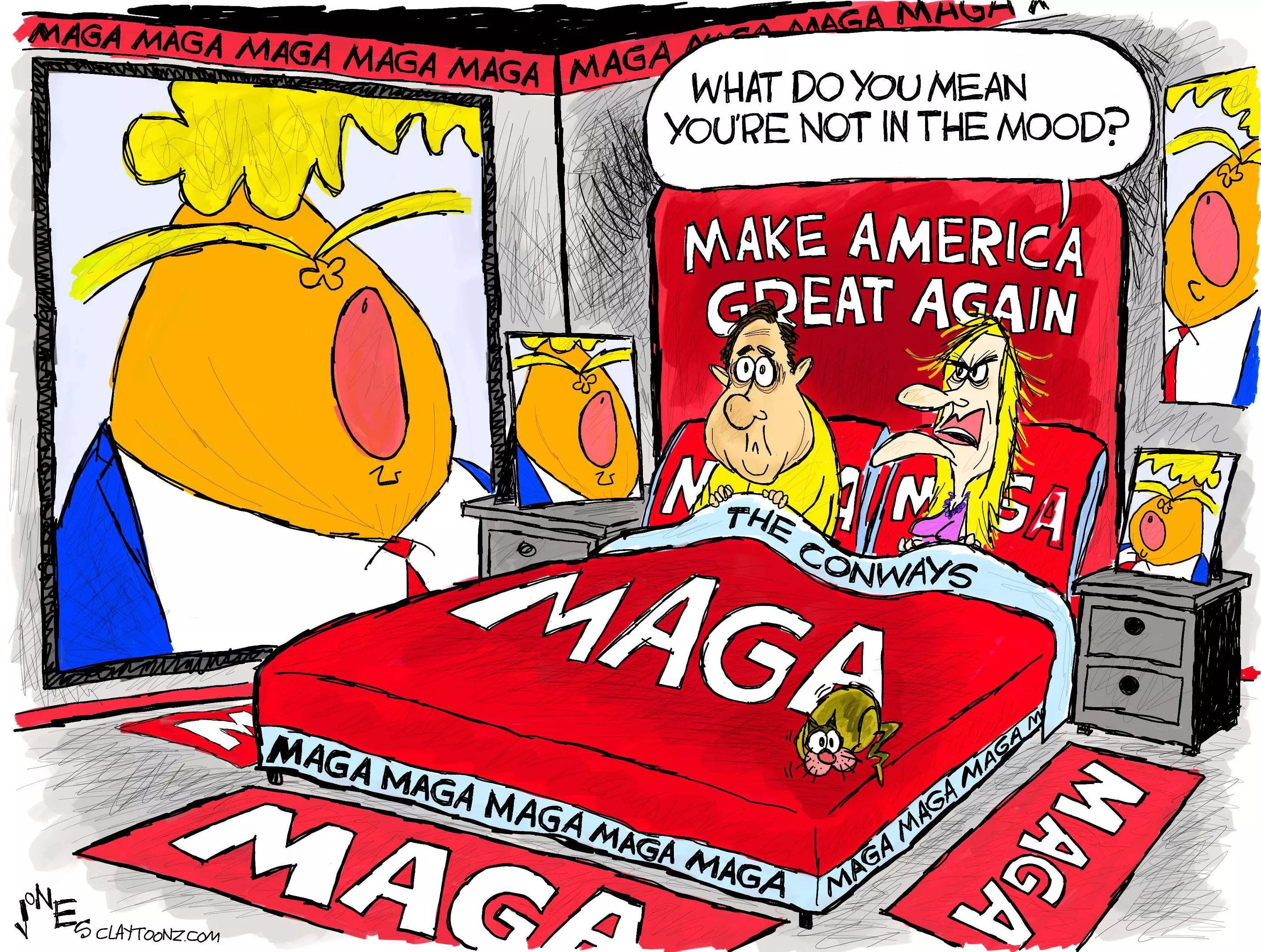
Tags: comics , politics , cartoons , Claytoonz , MAGA , Conway , husband , Trump , President , Image
Wednesday, March 20, 2019
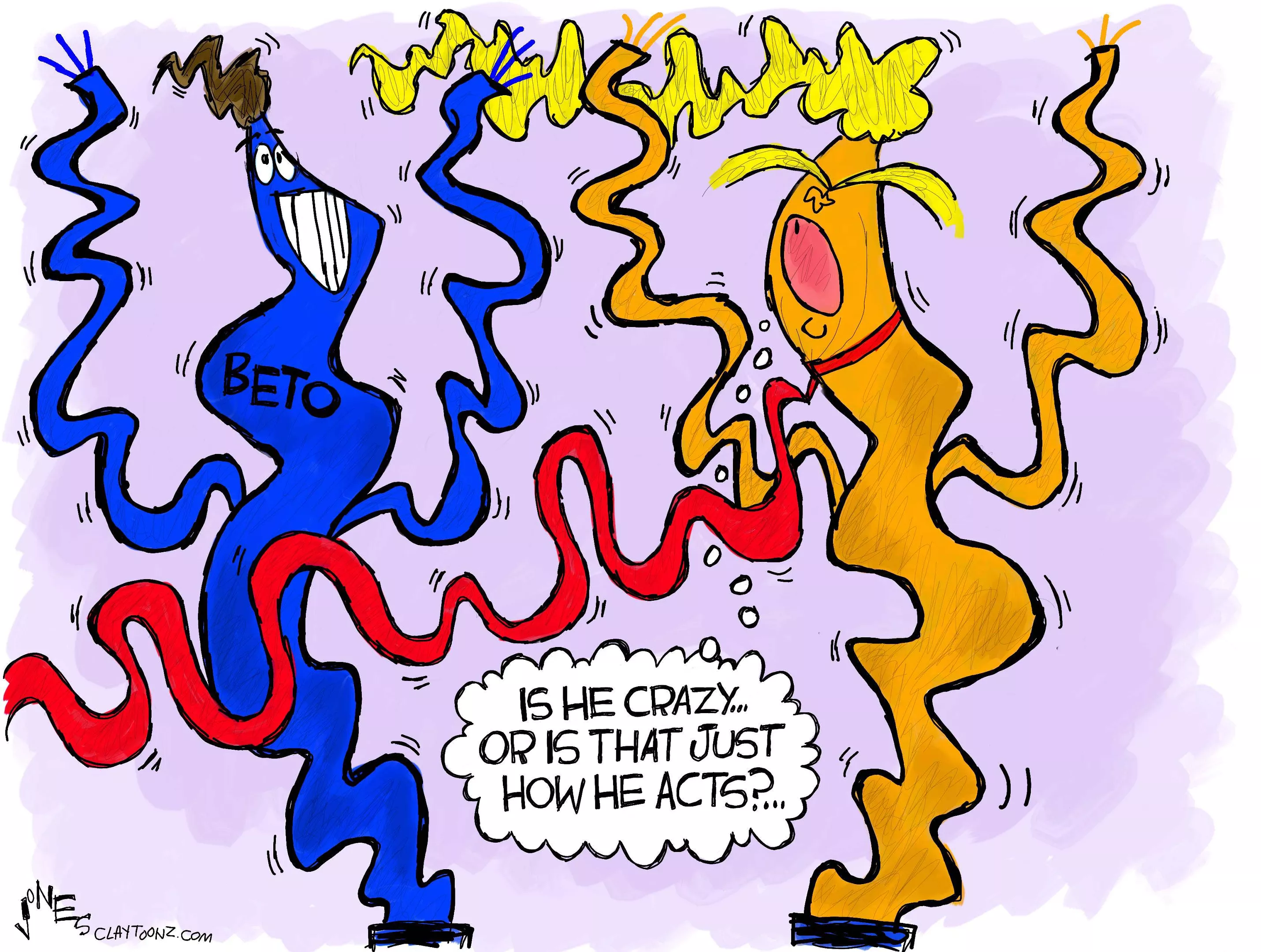
Tags: comics , cartoons , Claytoonz , politics , Trump , Beto , Crazy Wavy , 2020 , elections , candidates , Image
Tuesday, March 19, 2019

According to a recent study by Edbuild, Arizona spends $7,613 more per student in predominantly white districts than predominantly nonwhite districts. That would make us the most inequitable state in the nation when it comes to funding our school districts.
Edbuild's study was picked up by media outlets across the country. You can read all about it in the New York Times, the Washington Post and hear about it on CNN and NPR, to name a few major outlets that carried the story. It's also been covered by Arizona media.
If the $7,613 figure comes from a reputable nonprofit which focuses on problems of funding inequality and segregation in the nation’s public schools and is repeated often enough in the media, it must be right. Right?
Wrong. As I explain in an article which will be running in Thursday's print edition of the Weekly, the figure is not only wrong, it's wildly wrong. Arizona may do a lousy job of funding its schools, but it does a reasonably good job of spreading the money out evenly across districts.
For almost 30 years, Arizona has used a funding equalization formula to distribute money to school districts. Before that, schools were funded primarily by local property taxes, which meant districts with expensive homes were rolling in education dough while districts with lower property values struggled to find enough money to run their schools.
Arizona's equalization system is far from perfect. Some school districts, mainly in high rent areas, find ways to game the system and bring in extra money for their students. But compared to other states, we do a fairly good job of evening out the money each district receives.
Instead of being labeled as one of the worst offenders in the way we distribute our education funds, we should be praised as one of the best.
Here are three reasons I know we're doing a reasonably good job of equalizing education funding:
Tags: Edbuild , District funding , Education funding equalization formula , schools , money , students , districts , funding , educaiton , Image
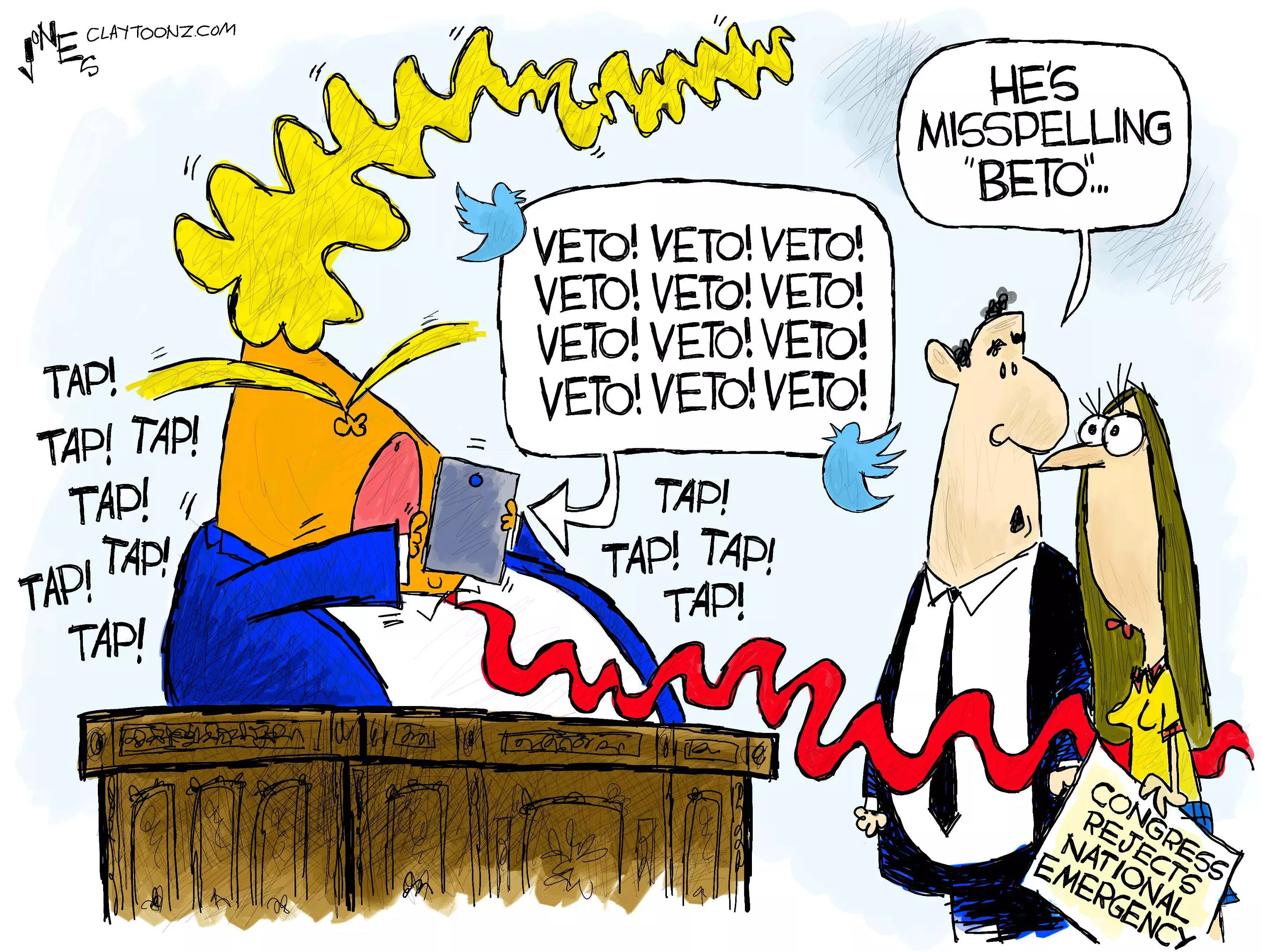
Tags: comics , politics , cartoons , Claytoonz , Beto , Veto , national emergency , Image
Monday, March 18, 2019

Tags: comics , politics , cartoons , Claytoonz , white nationalists , killings , shootings , threat , New Zealand , Trump , Twitter , Image
Thursday, March 14, 2019