
Wednesday, March 13, 2019

Tags: comics , politics , cartoons , Claytoonz , college , scam , admission , Image
Tuesday, March 12, 2019
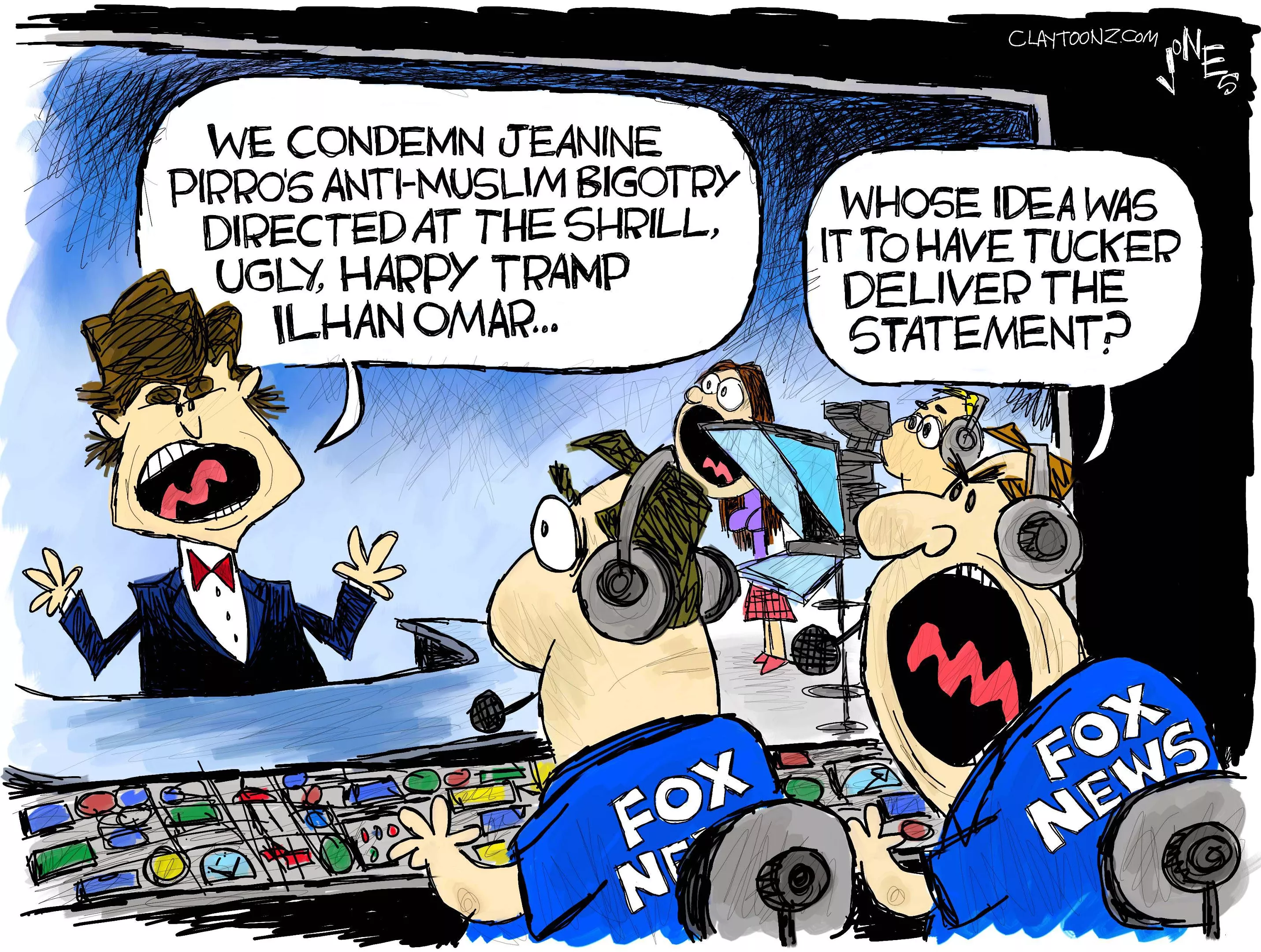
Tags: comics , politics , cartoons , Claytoonz , Fox News , Jeanine Pirro , Ilhan Omar , statement , Image
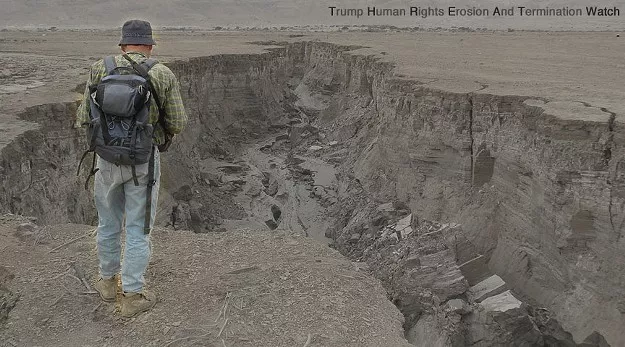
It's been awhile since I've written one of these THREAT (Trump Human Rights Erosion And Termination) Watch posts, which I began writing a week after Trump's election.
It's definitely time for another one. Not because Trump has done anything unusually outrageous or frightening lately. He hasn't. He's been steadily outrageous and frightening in word and deed from day one. He continues to trod down the path he stomped out, campaign speech by campaign speech, tweet by tweet, beginning in the election season and continuing during his two years in office. Though he has done damage to the country and the office of the presidency in ways which may not be remedied in our lifetimes, he hasn't irreparably harmed the country.
Yet.
The only reason Trump hasn't done more harm is because the country's basic institutions have held him in check. The courts have reversed, delayed and curtailed much of what he wanted to do. Once in awhile Congress puts a check on one of Trump's schemes, usually in the foreign policy arena. Rarely, but it happens. And the media—Bless and keep the media, our first line of defense against tyranny!—has stayed strong and independent. The more Trump calls the truth-telling media the Enemy of the People and purveyors of Fake News, the harder reporters work to tell the truth.
Trump should also be held in check by the conventions of the office which say the president is bound by court decisions, by congressional laws and oversight and, possibly most important, by a sense of what's right. A president should have a reasonable amount of honor as well as a sense of shame. When he's done something wrong, or even worse, when he's been caught at it, he should say, "I shouldn't have done that. I'd better back off, maybe even try and make amends. I learned my lesson on that one."
And therein lies the greatest threat Trump presents to the country. He is unbound by the norms of law, society and human decency. He'll lie, cheat and steal, whatever it takes. When he's caught in a lie, he lies harder, repeating the lie more often and ever more outrageously. When the courts rule against him, sometimes he ignores them and other times he works around them, violating the spirit of the court's ruling, trying to find a way to do what he wants in spite of their pesky judicial meddling.
This is nothing new. He's always been this way. But it's gotten worse lately.
Some recent cases in point:
Tags: Trump , media , THREAT Watch , politics , President Trump , News , journalism , government , Image
Monday, March 11, 2019

Thursday, March 7, 2019
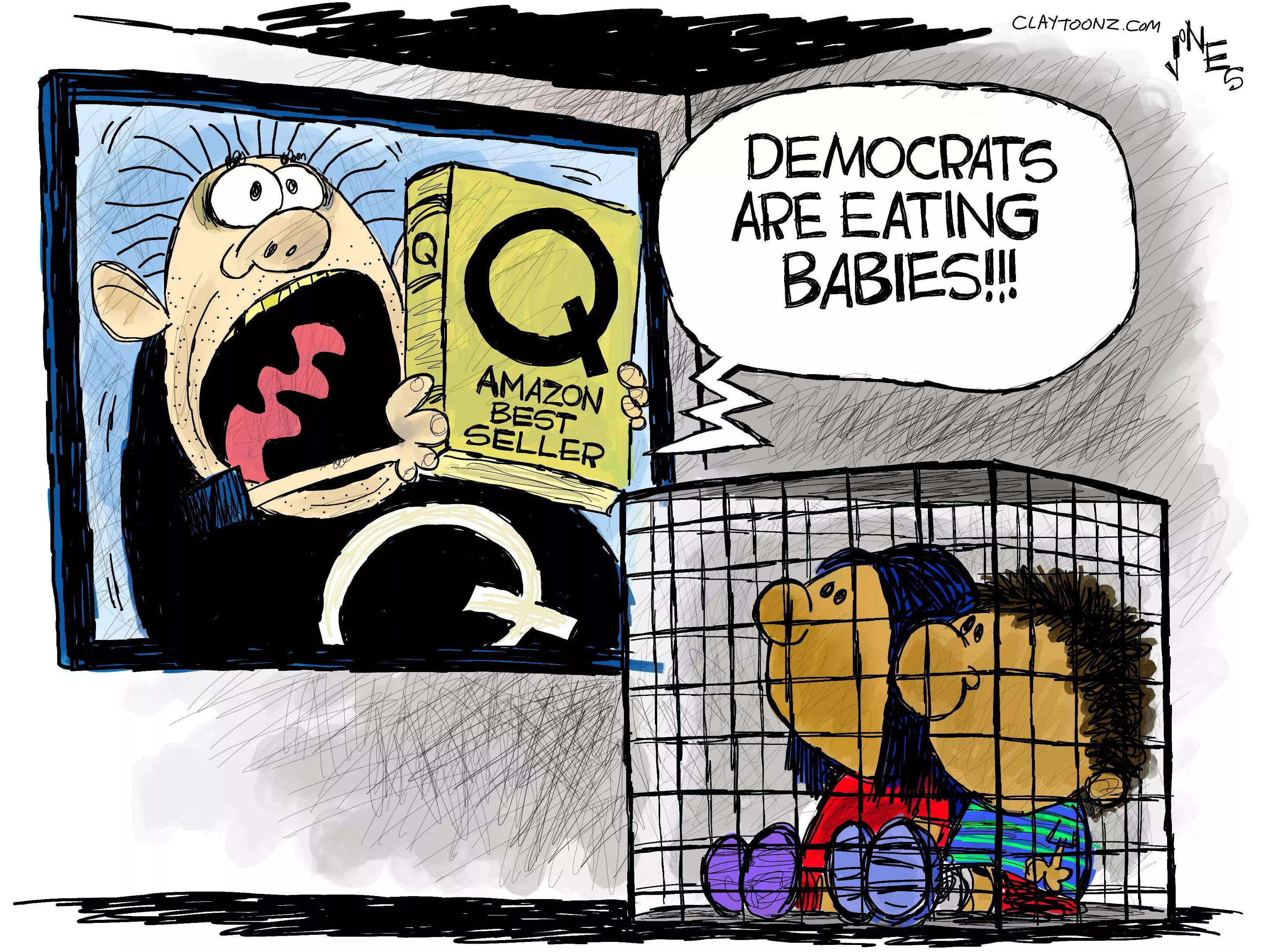
Tags: comics , politics , cartoons , Claytoonz , Democrats , Republicans , babies , Image
Wednesday, March 6, 2019
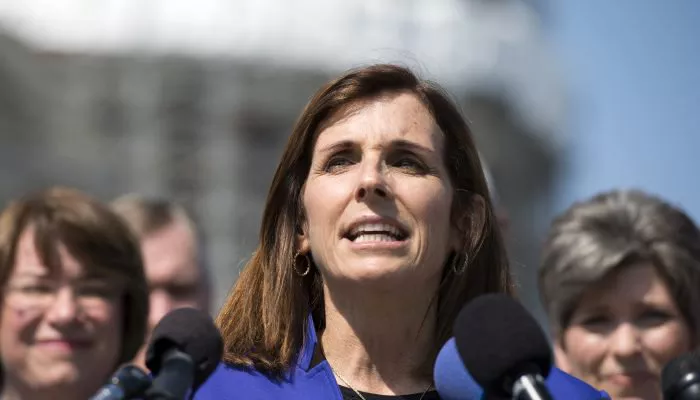
Thank you Chairman Tillis.
I too want to thank Senator Gillibrand for her advocacy for women in uniform and her passion for stopping the crime of sexual assault in our military.
This is also a passion of mine for many reasons, and I think I bring a unique and important perspective. My drive to fight against sexual assault in the ranks is not from the outside looking in. It is deeply personal.
First, for two years, I was honored to be a fighter squadron commander in the United States Air Force. Command is the most impactful duty one can have directly on the lives of servicemen and women—and their families. I was greatly privileged to prepare and then lead my amazing Airmen in combat, which is the apex responsibility of any warrior leader.
Military commanders are placed in a position of authority and responsibility like none other in civilian life. They are not like CEOs, managers, or any other supervisor.
Commanders have a moral responsibility to ensure readiness of their units, which, yes, includes warfighting skills, but demands the commander cultivates and protects and enriches a culture of teamwork, respect, and honor.
Conduct—any conduct—that degrades this readiness doesn’t just harm individuals in the ranks, it harms the mission and places at risk the security of our country. Commanders also have a covenant with the men and women under their command—the one percent who volunteer to serve in uniform. They are asked to follow lawful orders that could risk their lives for the mission. In return, it is the commander’s responsibility to surround their people with a climate of integrity, discipline, and excellence.
During my 26-years in uniform, I witnessed so many weaknesses in the processes involving sexual assault prevention, investigation, and adjudication. It motivated me to make recommendations to Air Force leaders, shaped my approach as a commander, and informed my advocacy for change while I remained in the military and since I have been in Congress.
We have come a long way to stop military sexual assault but we still have a long way to go. When I first entered the Air Force Academy in the 9th class with women, sexual harassment and assault were prevalent but victims mostly suffered in silence. It took many years and too many lives ruined, but thanks to the bravery of some survivors like those on our first panel today, significant change has happened.
I am so inspired by the many survivors who found the strength to share their stories, report their assaults, and demand accountability, justice, and change. It is because of you that a light has been shined on this silent epidemic and so many improvements have been made—including more than 100 legislative actions over the last decade—on all aspects of military sexual assault.
So, like you, I also am a military sexual assault survivor, but unlike so many brave survivors, I didn’t report being sexually assaulted. Like so many women and men, I didn’t trust the system at the time. I blamed myself. I was ashamed and confused. I thought I was strong but felt powerless. The perpetrators abused their position of power in profound ways. In one case I was preyed upon and raped by a superior officer.
Tags: news , politics , Senator , Martha McSally , sexual assault , military , commander , victim , advocacy , Image
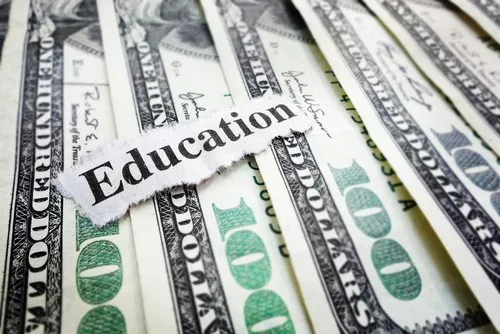
It's coming up on state budget time, and the big national money-in-education story is, Arizona is one of twelve states spending less per student now than they did before the 2008 recession— and we know Arizona was hardly generous with its schools before that. But that story makes it sound like the legislature needs to put a whole lot more money into schools, and that's not something they're about to do.
So it's time to revive the blame-the-schools story about how unwisely Arizona districts spend their education dollars. It's a great way to justify under-funding schools. Nothing says "wasteful spending" like a low percentage of funding going into the classroom.
According to an article that came out last week, Arizona schools put 54 percent of their budgets into instruction. The national average is 60.4 percent.
Shame on Arizona schools! Shame! Shame!
Or maybe not. Let's take a look at those same numbers in a different, but not entirely different, situation.
A family of four has an income of $26,000. It spends $1,000 a month on housing, or $12,000 a year. The remaining $14,000 goes for general family expenses. Housing eats up 46 percent of their income. That leaves 54 percent for family expenses.
Another family of four lives next door and also spends $12,000 a year on housing. However, their income is $30,400, meaning they have $18,400 to spend on general family expenses. For this family, housing only takes up 40 percent of their income, which means they have 60 percent left for family expenses.
I guess you could say the second family makes wise use of its money because it spends 60 percent on food, clothing, transportation, entertainment and other miscellaneous expenses. Using the same logic, I suppose you could blame the first family for budgeting too little on general family expenses.
But you would be missing the point. The point is, both spend the same amount on housing. The difference is, the second family has a bigger pot of money to dip into, so it has more left over for everything else. The other family has to make do on far less.
Now, let's take what we've learned from the example back to the education arena.
Tags: Instructional spending , Non-instructional spending , education , schools , funding , budgets , national average , teachers , schools , Image
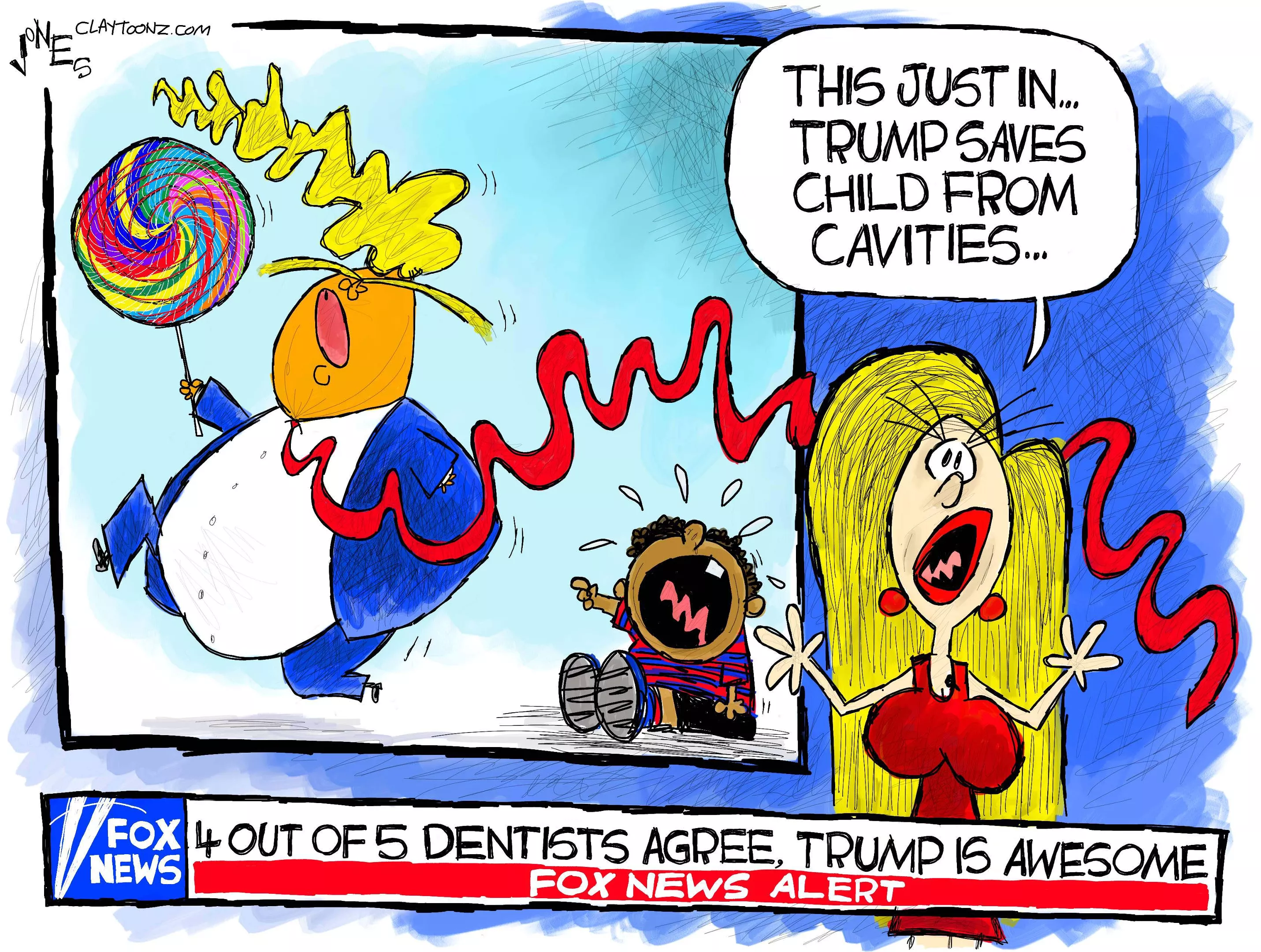
Tags: comics , politics , cartoons , Claytoonz , Fox News , suckers , Trump , dentists , Image
Tuesday, March 5, 2019
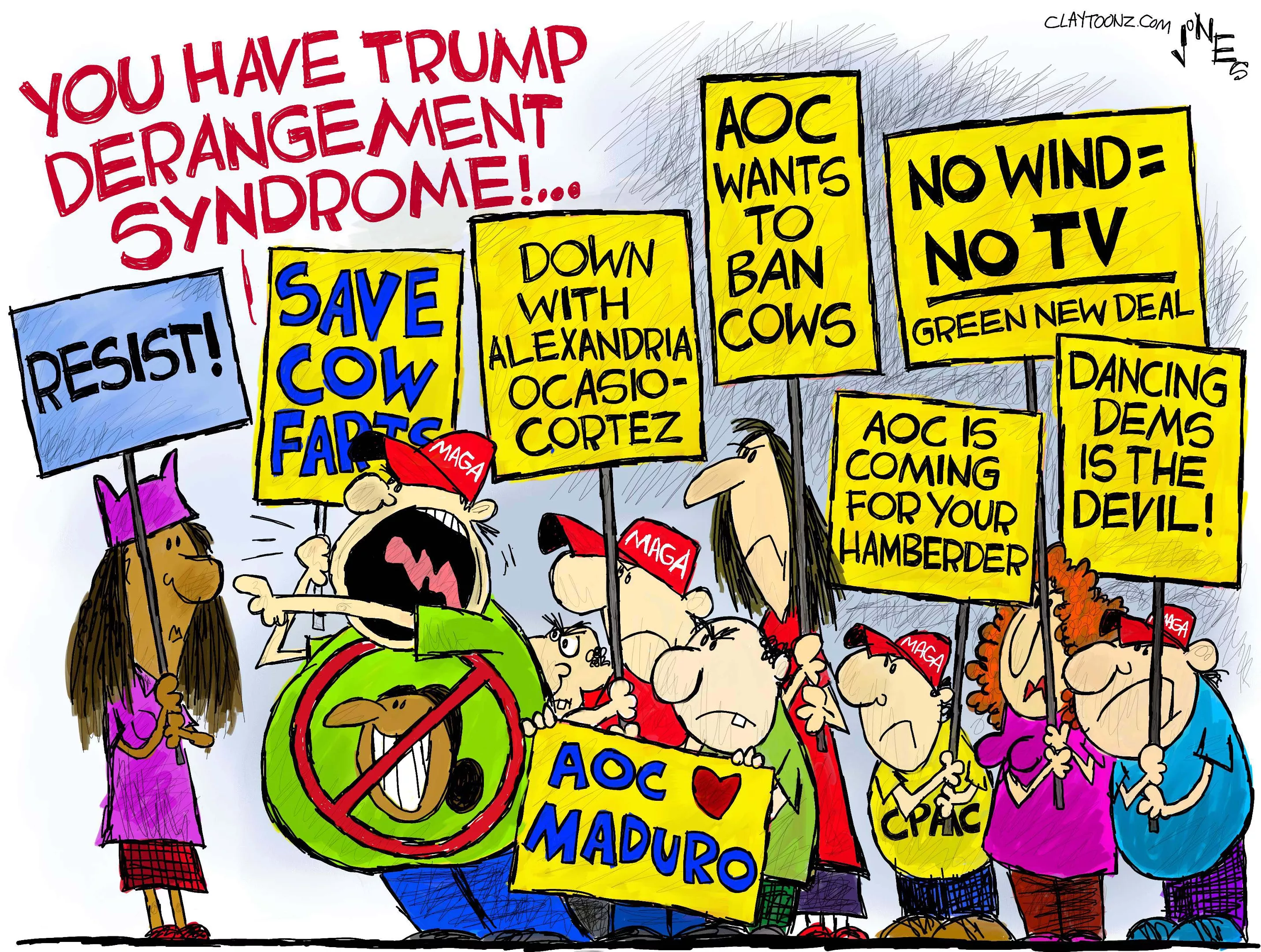
Tags: comics , politics , cartoons , Claytoonz , resist , TDS , Green New Deal , Trump , politicians , Image
Monday, March 4, 2019
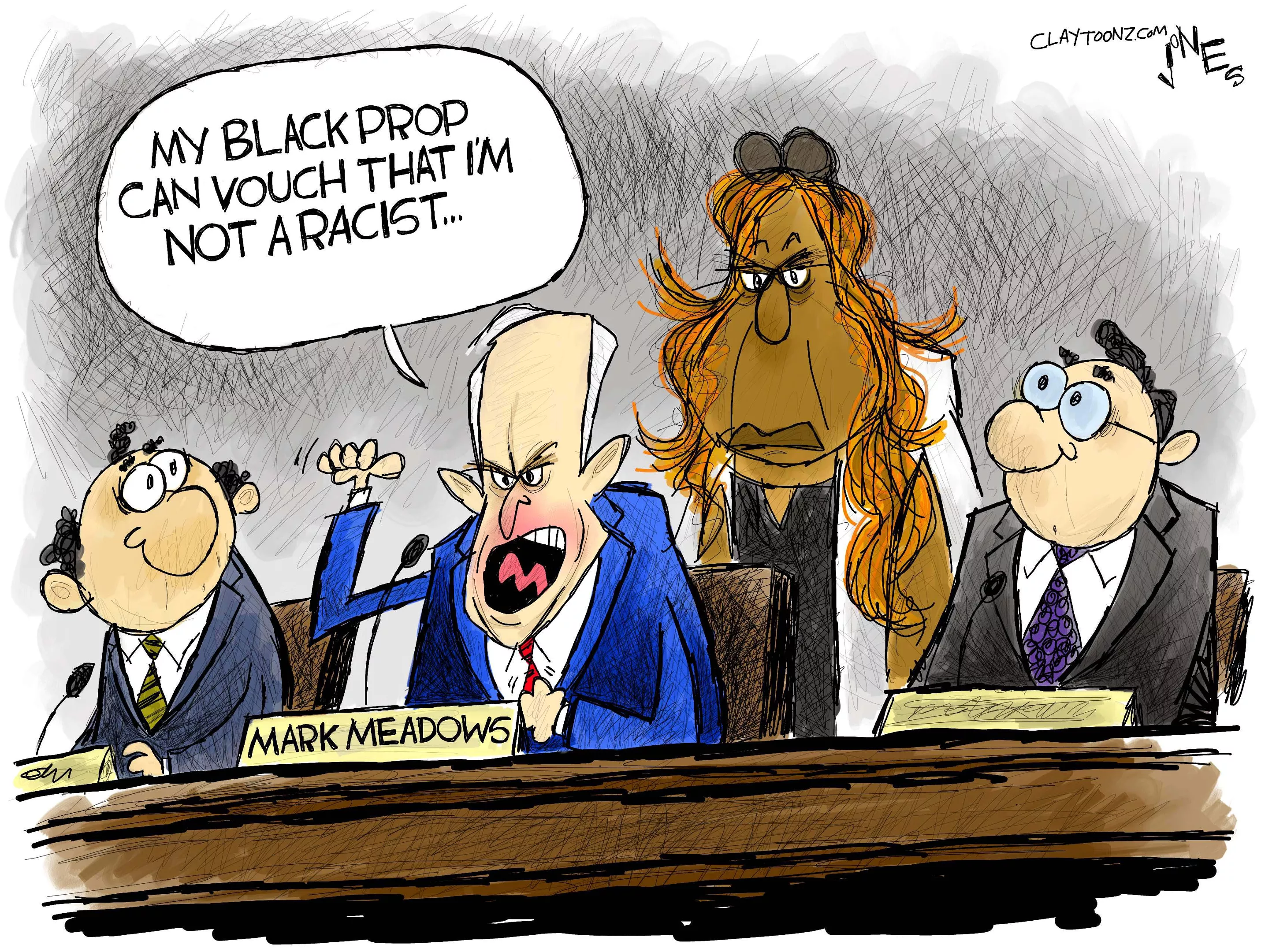
Tags: comics , politics , cartoons , Claytoonz , Mark Meadows , Image