

Friday, March 1, 2019

I suppose it's possible that Mesa Public Schools have the finest civic engagement programs in the state, and that's why its schools make up 17 of the 31 schools recognized by the Arizona Department of Education for their "Dedication to High Quality Civic Engagement." Maybe Mesa schools are that good.
Or maybe their schools' most stellar achievement in civic engagement is engaging with the ADE by turning in applications to receive the honor.
(Two schools in southern Arizona were among those recognized, both in Tucson: TUSD's Safford K-8 School and the Paulo Freire Freedom School University charter school.)
Ex-Superintendent John Huppenthal instituted the program and handed out its first recognitions in 2013. That year 28 schools applied and 22 were recognized. In 2014, 31 schools applied and 27 were recognized. When Diane Douglas took over, she ended the tradition of including the number of schools that applied, so I don't know if she continued the tradition of accepting all but a handful of applicants.
Since 2014, Mesa schools captured at least half the awards each year.
The application isn't especially long or detailed. It asks schools to estimate the percentage of teachers who engage in civic education with their students in ten categories, then asks for a brief explanation of the nature of the engagement. A panel goes over the applications and decides if they make the cut. If so, they are designated Schools of Merit, Schools of Distinction or Schools of Excellence.
Civic engagement for students is important, and it's a nice idea to recognize standout schools, but this honor bestowed on schools by the ADE is meaningless. It gives schools the opportunity to hang a banner in the halls and brag in a newsletter, but that's pretty much it. Apply and you shall likely receive, the ADE signals schools, so long as you're generous in your estimation of the percentage of your teachers whose students are civically engaged.
This is Superintendent Kathy Hoffman's first year and the deadline for the civic engagement application ended before she took office, so she gets a pass on this one. I recommend she takes a look at the six year old program and either figure out a way to make it mean something or choose to opt out of the self parody her two predecessors indulged in.
Tags: Arizona Department of Education , Mesa Public Schools , John Huppenthal , Diane Douglas , Kathy Hoffman , Dedication to High Quality Civic Engagement , schools , education , students , children , teachers , Image

Thursday, February 28, 2019

Tags: comics , politics , cartoons , Claytoonz , Michael Cohen , lies , trial , testimony , Jim Jordan , Matt Gaetz , politicians , President Trump , Donald Trump , Image
Wednesday, February 27, 2019
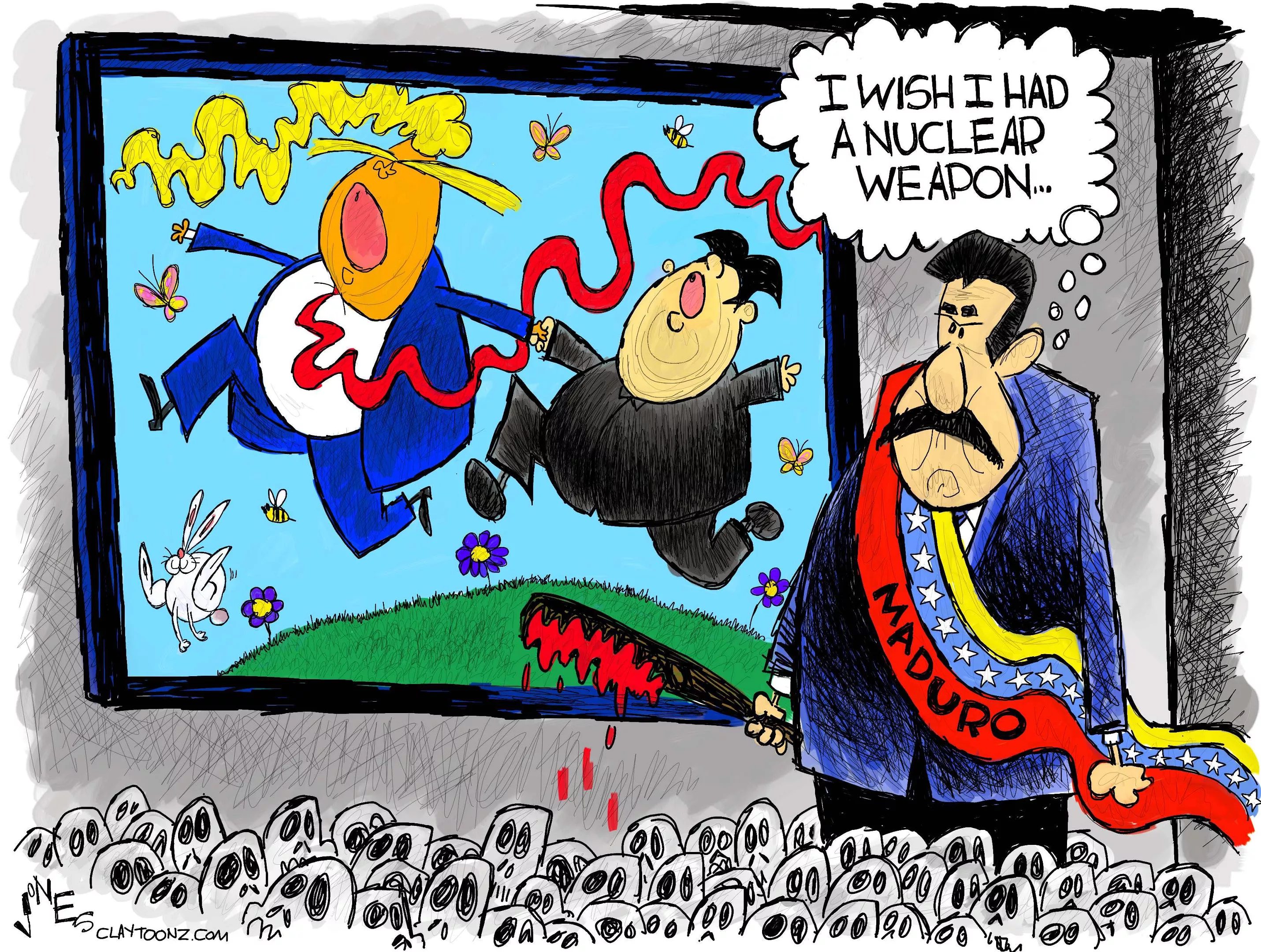
Tags: comics , politics , cartoons , Claytoonz , dictators , nuclear weapons , presidents , Image
Tuesday, February 26, 2019

As I write this, teachers in Oakland, California, are out on strike for the fourth day. Some charter school teachers are organizing a sick-out to join the district teachers.
In Los Angeles, teachers went on strike in January, ending with a contract agreement with the district. A small group of charter school teachers joined them on the picket lines.
Charter teachers joining a school district strike should put a scare into the privatization/"education reform" crowd. Here's something even scarier. Last December, unionized teachers from a Chicago charter network held the nation's first charter school strike. The teachers succeeded in getting a pay raise, lowering class sizes and granting undocumented students sanctuary.
Then this month, 200 teachers at another Chicago charter school chain were out on strike for two weeks.
Led by the Chicago Teachers Union, striking charter educators staged a camera-ready civil disobedience campaign that filled downtown sidewalks with loud protests, blocked access to a Loop office tower used by CICS board President Laura Thonn and crowded outside Mayor Rahm Emanuel’s office for a Valentine’s Day card writing campaign.The new contract will include "pay raises, class-size limits, one week of paid parental leave and shorter work schedules."
The strikes are the visible tip of the charter school unionization iceberg. Many other charters have unionized teachers who regularly engage in collective bargaining with their charter organizations.
It's a privatizer's nightmare.
Tags: Charter schools , Unions , Strikes , Chicago Teachers Union , Arizona schools , education , students , teachers , Image

Tags: comics , politics , cartoons , Claytoonz , Oscars , Spike Lee , Trump , election , 2020 , do the right thing , Image
Monday, February 25, 2019
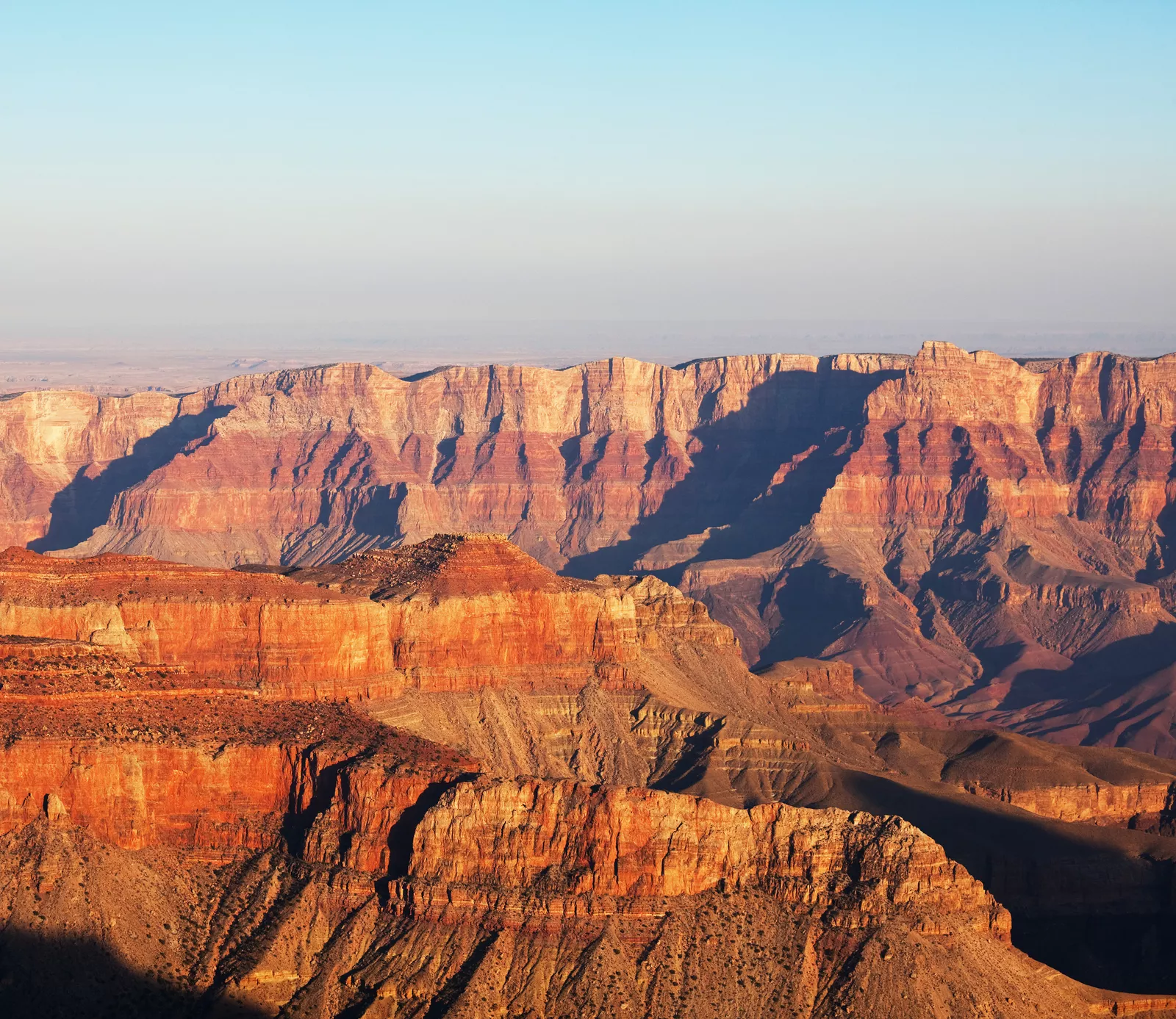
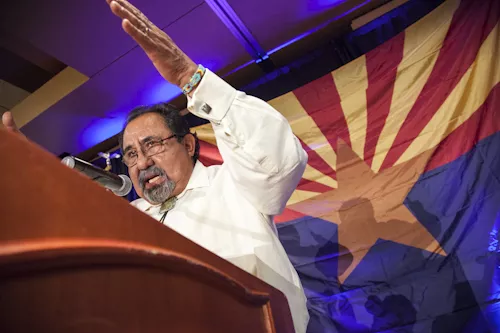
On Saturday U.S. Rep. Raúl Grijalva, who is also Chair of the Natural Resources Committee, unveiled a proposal that would stop all future mining projects near the Grand Canyon.
Building off former Interior Secretary Ken Salazar's 20-year moratorium on new mining claims over about 1 million acres of public land that sit north and south of the Grand Canyon, Grijalva, a Tucson Democrat, wants to make the mining ban permanent through legislation.
The bill, called the Grand Canyon Centennial Protection Act, has been introduced by Grijalva in the past, but could see success this year in the House with a new Democratic majority. As chair, Grijalva will have primary jurisdiction over his own bill during the legislative process.
If passed, the bill would remove the acres in question from the jurisdiction of the Mining Law of 1872 and the Mineral Leasing Act, which means that no new claims could be made for "locatable" minerals (gold, silver, copper, uranium and other precious metals) and no new leases could be made for "leasable" minerals (oil, gas, coal and phosphate), according to a press release from Grijalva's office. Existing claims within the area would remain, but owners would have to demonstrate that their claim is still profitable and they intend to conduct mining operations.
This move is endorsed by several Indigenous communities in Arizona, including Hopi, Navajo, Havasupai and Hualapai members, who have spoken out about the harmful effects mining has on the environment and their quality of life. In the past, uranium mines have sickened and killed tribal members who live near the Grand Canyon.
Just last week, the Arizona Republic reported that uranium ore, improperly stored in three paint buckets on the floor of a Grand Canyon museum building, put thousands of park visitors, including young children, at risk of radiation exposure.
Grijalva is expected to formally introduce the Grand Canyon Centennial Protection Act in the House tomorrow, which is the 100-year anniversary of the Grand Canyon National Park's establishment.
Tags: Grijalva , Chair , Natural Resources Committee , Grand Canyon , Mining , Ban , Moratorium , Radiation , Uranium , Mines , Grand Canyon Centennial Protection Act , Image
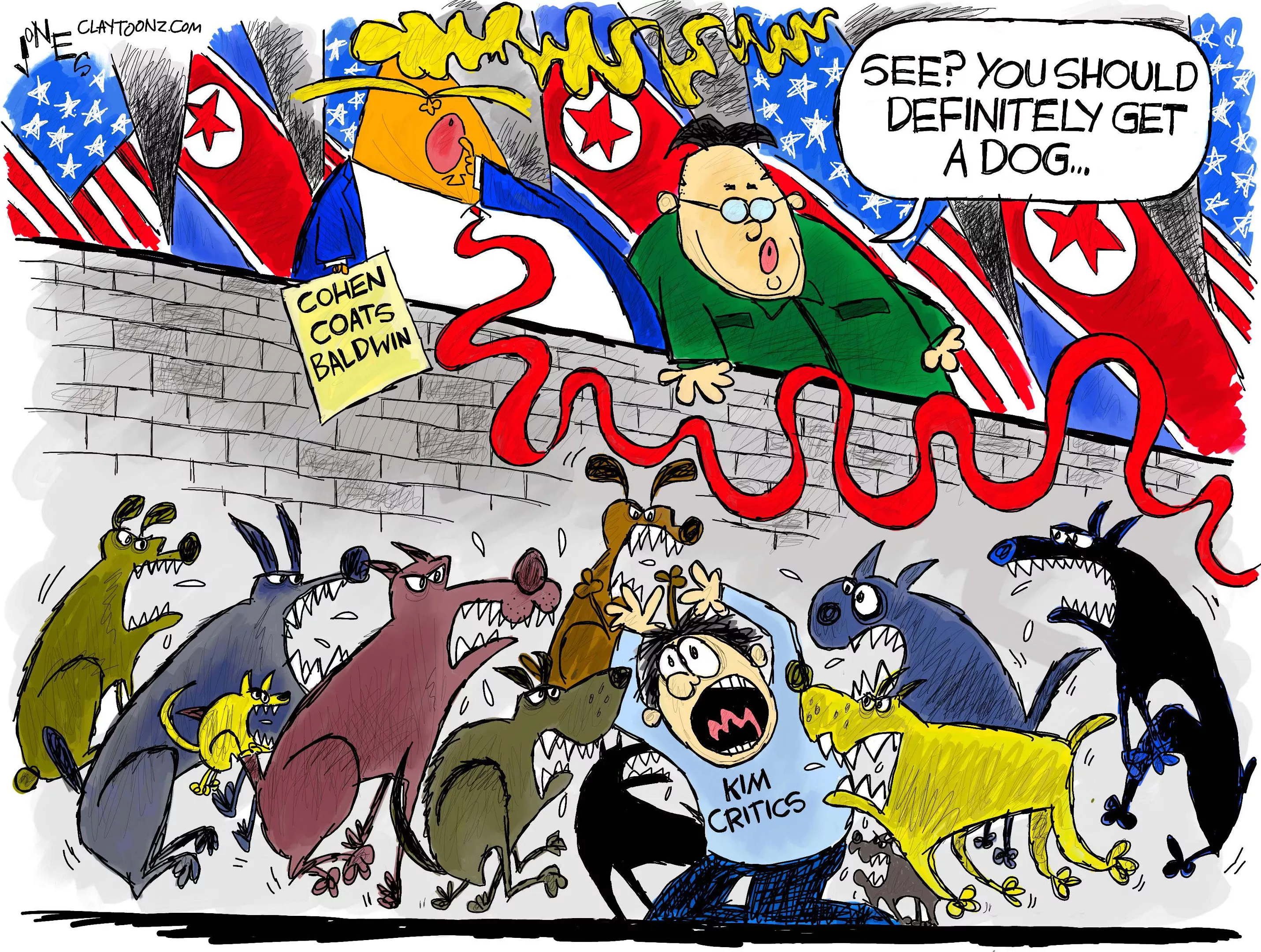
Tags: comics , politics , cartoons , Claytoonz , summit , dogs , mutts , Trump , Cohen , Baldwin , Image
Friday, February 22, 2019

Also nearly absent in local reporting (I can't say it hasn't been reported, but I haven't seen it) is the team of reporters who put together the articles that won the prestigious Polk Award in Journalism.
So let me be [among] the first in the southern Arizona news media to congratulate reporters Craig Harris, Anne Ryman, Alden Woods and Justin Price for sharing the honor, as well as the investigative editor Michael Squires.
The reporters received the Polk Education Reporting award, one of 14 Polk awards given in 2018, for:
"disclosing insider deals, no-bid contracts and political chicanery that provided windfall profits for investors in a number of prominent Arizona charter schools, often at the expense of underfunded public schools that educate all but 30,000 of Arizona’s 1.1 million students."This is one of those series that demonstrates the power of the press.
Governor Ducey and Attorney General Mark Brnovich expressed outrage about the corruption and self dealing when the stories were published during the 2018 campaign season. Partially in response, Ducey put money to hire 10 new staff for the Charter School Board into his budget proposal, which would increase the board's ability to spot problems and remedy them.
Republican Senator Kate Brophy McGee eked out a slim win over her Democratic opponent by promising she would work to clean up charter school corruption. She was the sponsor of a charter reform bill, which is a good thing, but it included a loophole letting the biggest charter chains off the hook. After complaints from Brnovich, some legislators, citizens and the media, she closed the loophole. The bill is still weaker than it should be, but it's hard to imagine it would even be considered if it wasn't for the fuss the Republic journalists raised.
Tags: Polk Award in Journalism , Arizona Republic , Charter schools , StarShine Academy , education , schools , students , Charters , Image


