Wednesday, January 30, 2019
Tags: comics , politics , Claytoonz , cartoons , Starbucks , Schultz , 2020 , election , announcement , Image
Tuesday, January 29, 2019
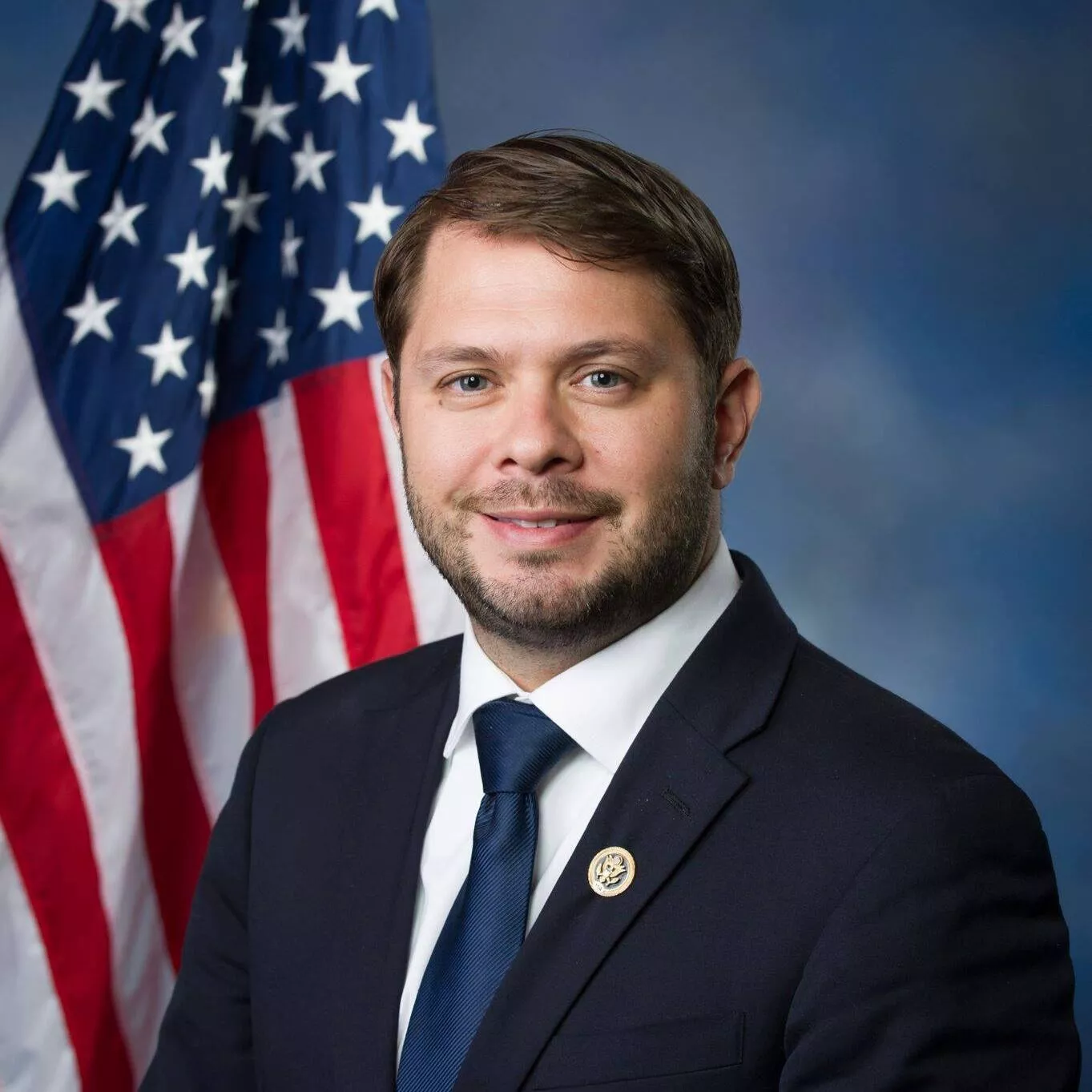
Rep. Gallego said more than 20 million Americans have healthcare because of the Affordable Care Act, while Republicans have “waged a war” against it. He said Democrats need to fight back in order to keep coverage for those who need it most.
“Americans shouldn’t have to choose between paying for healthcare and buying groceries,” he said.
A push for Medicaid expansion and financial assistance for families who need extra help keeping their loved ones healthy is a top priority of the representative from Phoenix, who has held his seat in Congress since 2015.
Held shared a personal story of how access to affordable health care changed her life permanently. She was unexpectedly diagnosed with a tumor in her pituitary gland. Before that time, she had no insurance policy so it took eight years for her diagnosis to happen.
Because of that delay and lack of access to care, Held is now permanently disabled by the condition, which comes with ongoing prescriptions for expensive pharmaceutical drugs just to keep her alive.
Her brain surgery costed $50,000, a price that was paid by her parents through their life savings fund.
“A lot of people were not as lucky as I am to have that family support and financial resources at their disposal,” Held said.
Because of the major sacrifices and life-long effects caused by her condition, Held has become an advocate for affordable healthcare for all, including those with pre-existing conditions, and lowering the costs of prescription drugs.
“I’ve worked my entire life, I have a masters in social work, my family is living on the edge of poverty because of the cost of medical care and the cost of keeping me alive,” she said.
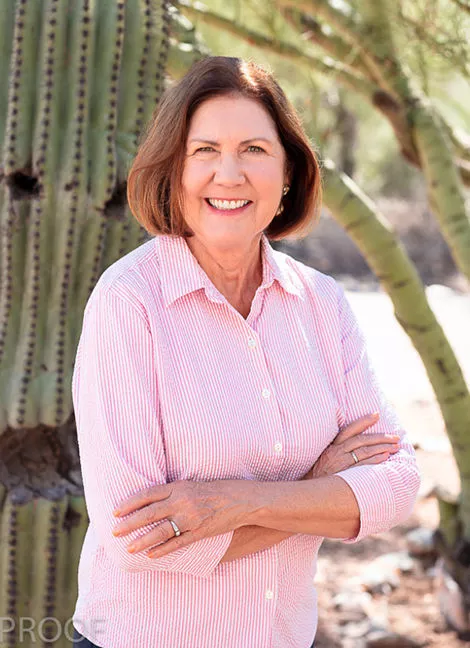
Rep. Ann Kirkpatrick, who has represented Arizona in several state and federal elected offices, said affordable healthcare is so important because you can never expect these financial burdens before they arrive.
“I’m dedicated to keeping people on their health insurance,” she said. “In Arizona we expanded Medicaid which provided almost 400,000 Arizonans with coverage and a 37 percent drop in the uninsured rate.”
Kirkpatrick, who indicated that she is a supporter of Medicare for All, listed the following things she’d like to see changed in either the ACA or national politics regarding healthcare:
- An end to the “war on people with pre existing conditions” and laws passed to make that permanent
- Lower costs for prescription drugs, and pharmaceutical companies held accountable by Congress
- An end to the Republican “sabotage” on health care
- Oversight conducted on the Trump administration’s actions
Tags: Medicare , Medicaid , ACA , Affordable Care Act , Ann Kirkpatrick , Ruben Gallego , CD-2 , CD-7 , Healthcare , Congress , Image

Tags: comics , politics , cartoons , political cartoons , Claytoonz , Pelosi , Trump , plan , Image
Monday, January 28, 2019
Tags: comics , politics , political cartoons , Claytoonz , Diary of a Wimpy President , wimp , government shutdown , wall , Image
Sunday, January 27, 2019

TUSD is losing 6,000 students a year? Not even close. But that's what a front page article in the Star on Sunday, Jan. 20 suggested, putting it in the running for the worst misuse of numbers in a story about TUSD I've read in the paper, ever. And let me tell you, there's been some stiff competition over the years.
The 6,000 figure is in an article about the district's declining enrollment. Where does the number come from? That's not clear in the beginning of the article, and its origins become murkier as the story continues. Whatever the source, it's six times the actual decline.
Appearing to inflate TUSD's enrollment losses six fold is a big deal, especially when the story is splashed across the front page of the Sunday Star where it's the first thing the reader sees.
The opening paragraphs of the article contain three numbers related to TUSD's declining enrollment:
"This school year alone, around 2,200 students have left the Tucson Unified School District."Those are the only enrollment numbers in the article. They appear to be saying that the district is losing an average of 6,000 students a year. That's how I first read the article over my Sunday morning coffee, and I'm sure most readers took away a similar impression. That number, a 6,000 student decline, is jaw dropping. TUSD's numbers aren't just decreasing, the story implies. The district is hemorrhaging students.
"This accounts for less than half of the 5,100 students TUSD lost to in-state transfers last school year."
"The district lost around 6,100 students on average every year during the four years prior."
But if you know anything about TUSD's enrollment figures, you know the 6,000-a-year figure is impossible, ridiculous. If the district lost 6,000 students for each of the past four years as the story states, that would mean a 24,000 student loss. Four years ago, the district had just under 50,000 students. Take 24,000 from 50,000, and you would have 26,000 students left. In fact, this year the district has in the neighborhood of 47,500 students.
I have tracked TUSD's attendance numbers starting with the 2000-2001 school year. The largest year-to-year drop was 2,200 students in 2011. The district lost an average of 900 students a year since 2000, less than a sixth of the size of the loss the article appears to report.
Tags: Tucson Unified School District. Enrollment. The Arizona Daily Star.Superintendent Gabriel Trujillo , Image
Friday, January 25, 2019
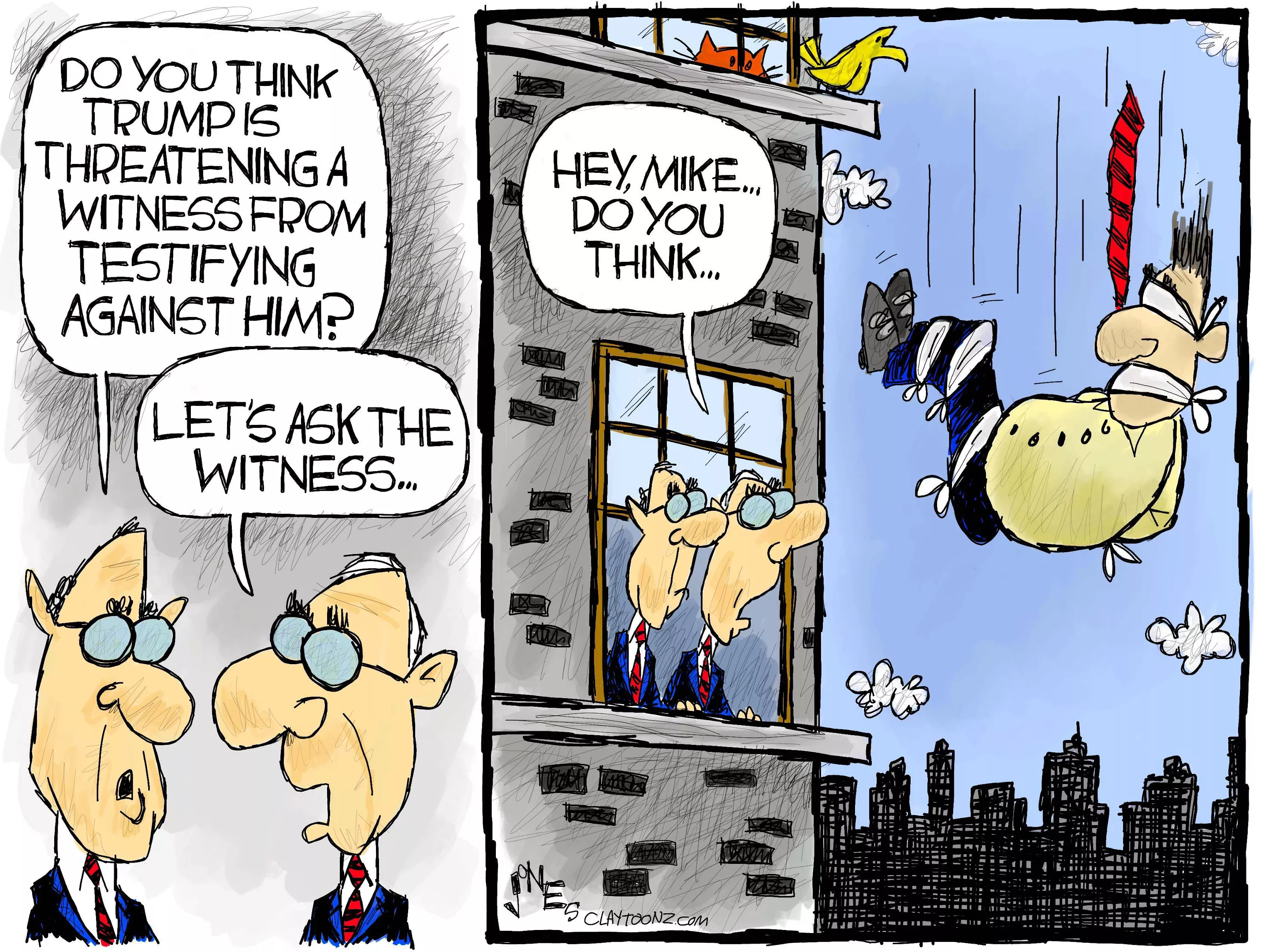
Tags: comics , cartoons , Claytoonz , witness , testifying , Trump , Image
Thursday, January 24, 2019
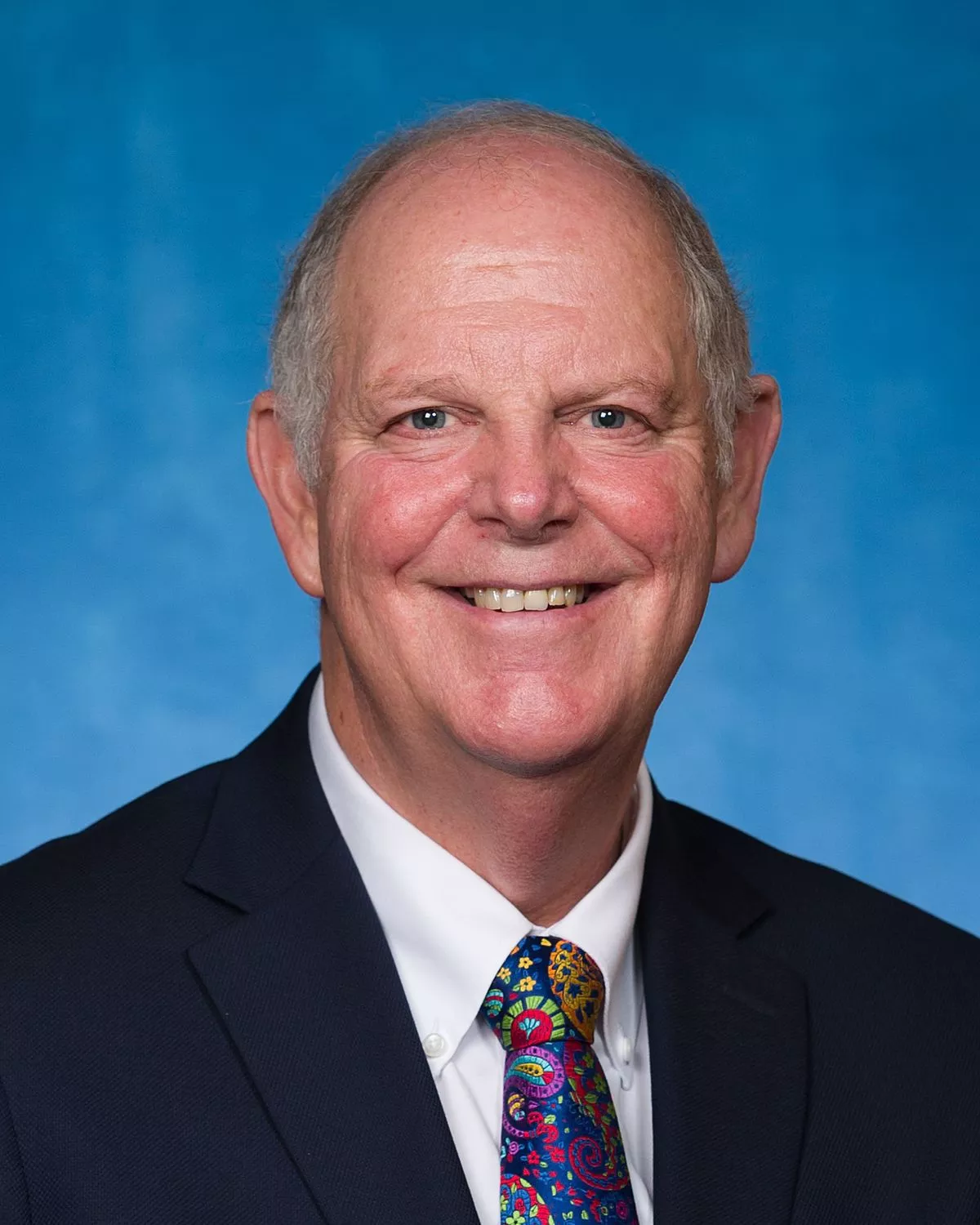
As we begin the new year and a new Congress, I look forward to working with my colleagues to pass bipartisan legislation that invests in rural communities and holds elected leaders accountable to the American people. For too long, partisanship and political games have been the norm in Congress, and I want to see that end. This isn’t about political party; it is about doing what is right for our constituents.
Unfortunately, we are kicking off the new year with an ongoing government shutdown that has left hundreds of thousands of hardworking Americans—many living in Arizona—without a paycheck. Ending this shutdown must be a priority. We must find a way to pass a bipartisan budget that fully funds the government and ends the cycle of continuing resolutions that gets us from one deadline to the next. These short-term funding bills are fiscally irresponsible and do nothing to address our growing federal debt.
The first bill I introduced in the new Congress is legislation that requires the government to prepare a daily report on the cost of any future government shutdown and the impact it has on our national economy. The American people deserve to know how reckless, partisan gridlock affects our country.
For federal employees living in Arizona who are furloughed or have questions regarding the shutdown, my staff is working around the clock to ensure they have the answers and information they need. Caseworkers are in communities across the district, and they continue to provide services to any constituent who is having issues with federal programs or agencies. If you have questions or potential casework, I encourage you to reach out to one of my three offices, or visit my website to find a mobile office location in a community near you.
My priorities in this new Congress remain the same. I want to see greater transparency in Washington at every level of government, end the outsized influence mega-donors have on our institutions through dark money campaign contributions, and find meaningful, bipartisan solutions to the challenges our communities are facing every day. Neither political party has all the answers, so it is my hope that this Congress will be one of consensus-building that benefits the American people.
As I did over the last two years, I will be holding regular town halls and public meetings in communities across the First Congressional District. There are a number of ways you can stay updated on these meetings, including following me on Facebook and Twitter and subscribing to my email newsletter. You can find all of those links on my website ohalleran.house.gov.
Tom O’Halleran is a Democrat who represents Arizona’s Congressional District 1.
Tags: government shutdown , Tom O'Halleran , democrat , representative , priority , Image
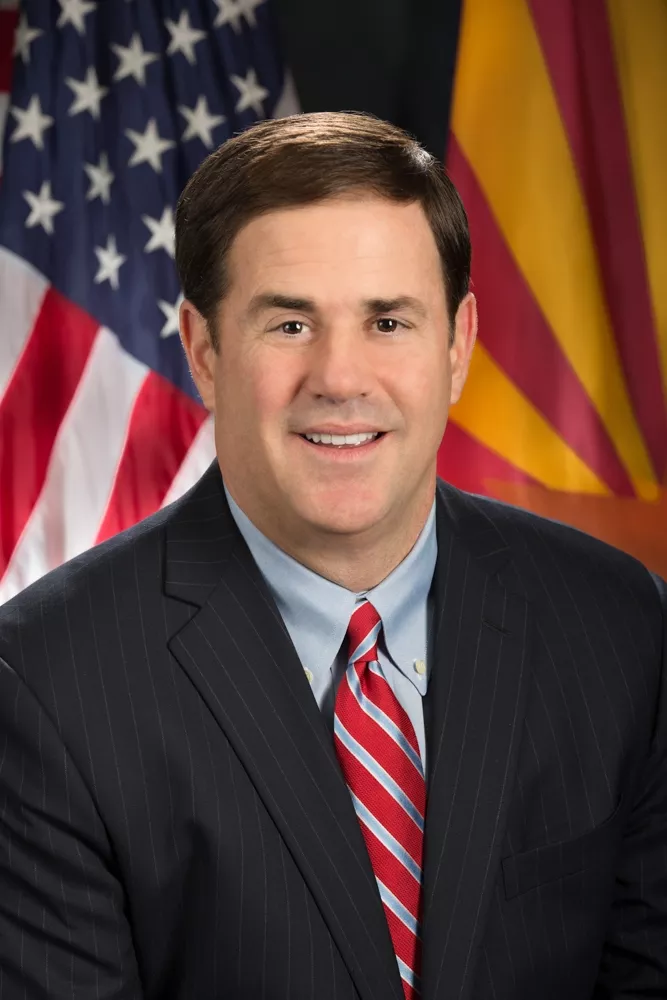
Last Friday the office of Governor Doug Ducey released their proposal for the 2019-2020 fiscal year budget. It includes a sharp increase in spending due to an expected $1.1 billion surplus in revenues this year.
“Over the last four years, Arizona has gone from a $1 billion deficit to a $1 billion surplus, but we aren’t going on a spending spree," Gov. Ducey said in a press release. "We are going to live within our means and prepare for the future, and this budget does that.”
The governor wants to put $542 million, about half of the surplus, into the state's Budget Stabilization Fund, also known as the "rainy day fund." This would make the largest amount of money in the fund in state history.
In his State of the State address earlier this month, Gov. Ducey stressed the importance of water conservation as the state battles a 19-year drought. His budget includes $30 million for protecting the falling water levels in Lake Mead and another $5 million for infrastructure projects to help agriculture companies become more water-efficient.
About $165 million could go towards teacher pay raises in the state's K-12 education system, which promises to fulfill the 20x2020 plan that Gov. Ducey proposed during the tense Red for Ed state-wide teacher walkout last year. This item has been criticized by those in the education field because it doesn't provide any raises for school support staff such as bus drivers, cafeteria workers and others.
However, $9.3 million is offered to provide funding for 89 new school resource officers. Another $12 million over the next two years would go to hiring approximately 224 new school counselors and social workers.
For higher education, the budget plan includes $21 million for expansion of the Arizona Teachers Academy at Arizona State University, the University of Arizona and Northern Arizona University in hopes of combatting Arizona’s teacher shortage.
$20 million is pledged to Pima Community College's aviation program, and another $5.8 million for Maricopa County Community College District's health care program expansion. This is a notable change from four years ago when the state government cut all funding to Arizona's two largest community college districts. A story on this development will be published next week.
The governor's office cited a need for investment in technical training, in order to boost Arizona's skilled workforce. An additional $10 million would go toward supporting various Career and Technical Education programs across the state.
There could also be $130 million in state funds invested over the next two years to widen and improve Interstate 17 just north of Phoenix, which experiences frequent traffic congestion.
The governor's budget also includes pay raises for the following sectors: $21.5 million for a 10 percent increase in Department of Public Safety Trooper salaries, $35.5 million for a 5-15 percent increase in Department of Correction worker salaries and $9 million for a 9 percent increase in Department of Child Safety caseworker salaries.
The governor has also indicated that he hopes to invest $56 million in federal state aid for an increase in child care subsidies to low-income families. Last legislative session lawmakers chose not to use the no-strings-attached Child Care Development Block Grant funds, citing concerns over how the Department of Economic Security would use it. This drew sharp criticisms from child care professionals and advocates because of the high demand and low affordability of quality child care across the state.
The proposed budget has an ending cash balance of $109 million. Nothing in Gov. Ducey's plan is set in stone until the legislature reviews and edits it later this year, but this gives a picture of where the governor's priorities are. To view all the line items of the proposal, view the full budget here.
Tags: Budget , Governor , Doug Ducey , 2019 , 2020 , Spending , Rainy Day Fund , Education , CTE , Water , Conservation , Image
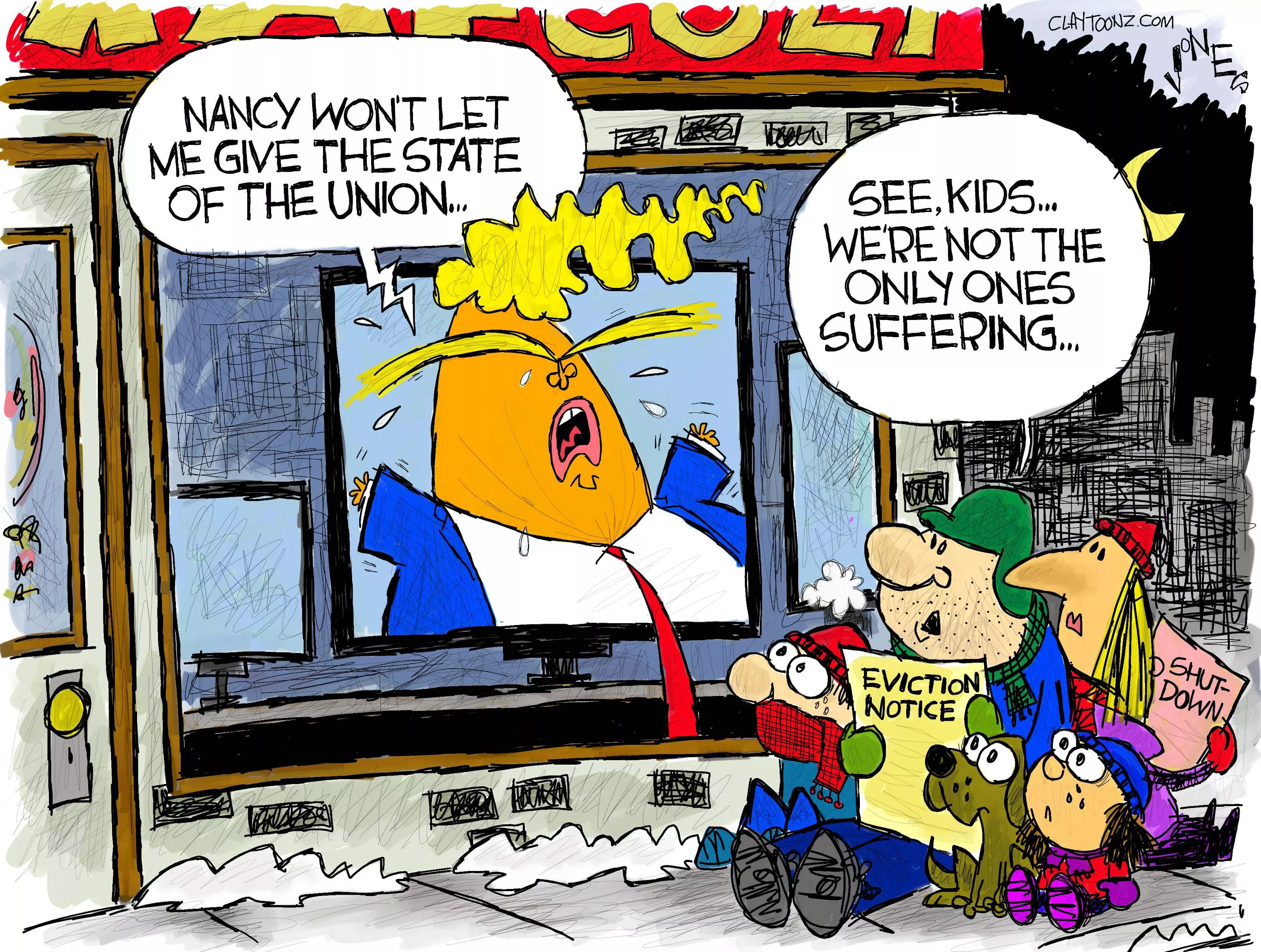
Tags: comics , politics , cartoons , Claytoonz , shutdown , suffering , eviction notice , State of the Union , Nancy , Trump , government shutdown , Image
Wednesday, January 23, 2019