

Friday, August 10, 2018
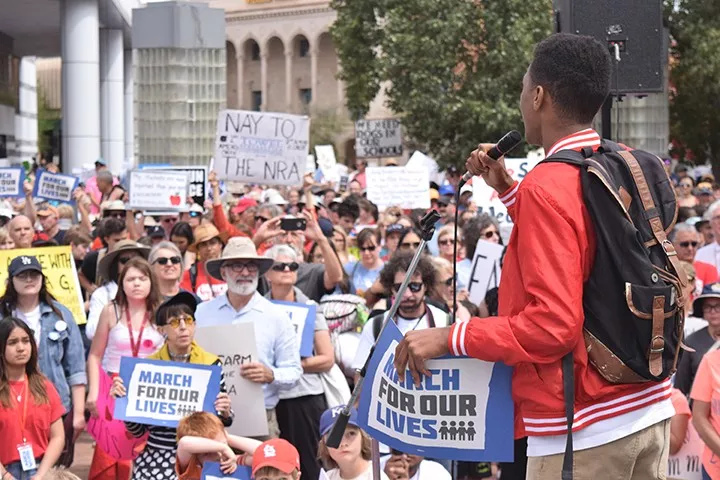
Gun legislation in Arizona remains a hot-button issue going into election season. Gov. Doug Ducey’s proposed school safety plan, which was unveiled in March, was a contentious bill since Arizona lawmakers can’t agree whether “school safety” and “gun reform” are synonymous.
The bill was proposed as a proactive measure towards preventing any more school shootings like the February attack Marjory Stoneman Douglas High School in Parkland, Florida. The bill passed in the Senate with full support from Republicans and none from Democrats. But ultimately, the legislation stalled in the House.
“Governor Ducey was disappointed that the Safe Arizona Schools Plan was not passed by the Legislature, but that doesn’t mean that our work is done on the issue,” said Ducey Press Secretary Elizabeth Berry in an email. “School safety is a top priority and the governor is committed to fighting for the common-sense reforms included in the [bill].”
Ducey says that passing his school safety bill is one of his highest priorities going into the next legislative session, should he win re-election. But with his plan facing criticism from both Republicans and Democrats, he will have a challenge seeing it become law if he’s reelected.
Democrats cite the lack of universal background checks as one of the bill’s biggest pitfalls. Ducey’s plan intends to strengthen the existing criminal background check system, allocating $600,000 to do so, but that doesn’t take into account that person-to-person sales aren’t regulated because only federally licensed firearm dealers are required to perform background checks at the point of sale. This is commonly referred to as the “gun show loophole.”
Congressional candidate, Arizona Sen. Steve Smith (R-Maricopa), who sponsored the Safe Arizona Schools Plan, says that while he’s confident that Ducey will be re-elected, the issue is still important enough that it will be addressed—and fast—if he’s not. Smith also thinks gun reform should be addressed at the state level not nationally.
“This is not a gun bill; this is a school safety bill,” Smith said. “We’re talking about keeping people safe as it relates to mass shootings. We aren’t going to get into bump stocks and all of those other areas. If you want to have a debate about that, then run a bill about it.”
The Arizona House of Representatives voted 34-25 in February against a bill to ban bump stocks, House Bill 2023. Ducey’s bill initially had several types of STOP orders—Severe Threat Orders of Protection—that would allow both members of the public and law enforcement to petition Arizona courts to advocate for the removal of firearms from individuals exhibiting severe and imminent signs of threatening behavior.
The bill states that after law enforcement presents a judge with evidence that an individual is dangerous, the judge can require that the person in question undergoes a 21-day observation and mental health examination to determine whether or not the person is a risk.
The bill saw multiple revisions throughout April and was significantly watered down before it got to the floor for a vote. That final version removed the aspect of the STOP order that allowed concerned citizens to petition for one, allowing only members of law enforcement to do so.
Smith says that most people don’t know how to petition a court anyway, so removing that part will allow law enforcement to properly handle concerns.
The STOP orders are one of the most contentious parts of the bill, as Democrats argue that they won’t do enough while Republicans argue that they are an overstep by the government.
Republican gubernatorial candidate Ken Bennett says Ducey’s plan focuses too heavily on seizing guns and that the state should instead arm willing teachers to keep schools safe, referring to the oft-used slogan: “The best way to stop a bad guy with a gun is a good guy with a gun.”
Smith also argues that the addition of armed forces, whether it be through security resource officers or the arming of teachers, is necessary to keep Arizona schools safe.
“The majority of the people that talk to me want to see the schools be better protected, and inevitably that means that they want somebody on campus to be able to use force and have force available if needed,” he says.
Ducey’s plan would increase the amount of armed security resource officers on school campuses in Arizona. It also would allocate more funds for more trained mental health professionals on school campuses, with $3 million for behavioral and mental health specialists, according to Berry.
While Smith, Ducey and Bennett believe that it is necessary to arm more people to combat mass shooters, Democratic gubernatorial candidate David Garcia doesn’t believe placing more armed officers in schools would create the support system that is necessary to prevent school shootings.
“Those who firmly believe that a crisis would be resolved with a gun fight have been playing too many video games and watching too many movies,” Garcia said. “What we need is eyes, ears and communication . . . in the form of support, not enforcement.”
Garcia argues that in order for Democrats and Republicans to mend the division regarding topics of gun control, Arizona needs a governor who doesn’t receive praise from the NRA.
The NRA publicly supports Ducey’s school safety plan, which Smith praises.
Marissa Ryan is a University of Arizona journalism student and a Tucson Weekly intern.
Tags: guns , school safety , school shooting , officers , politics , policy change , Image
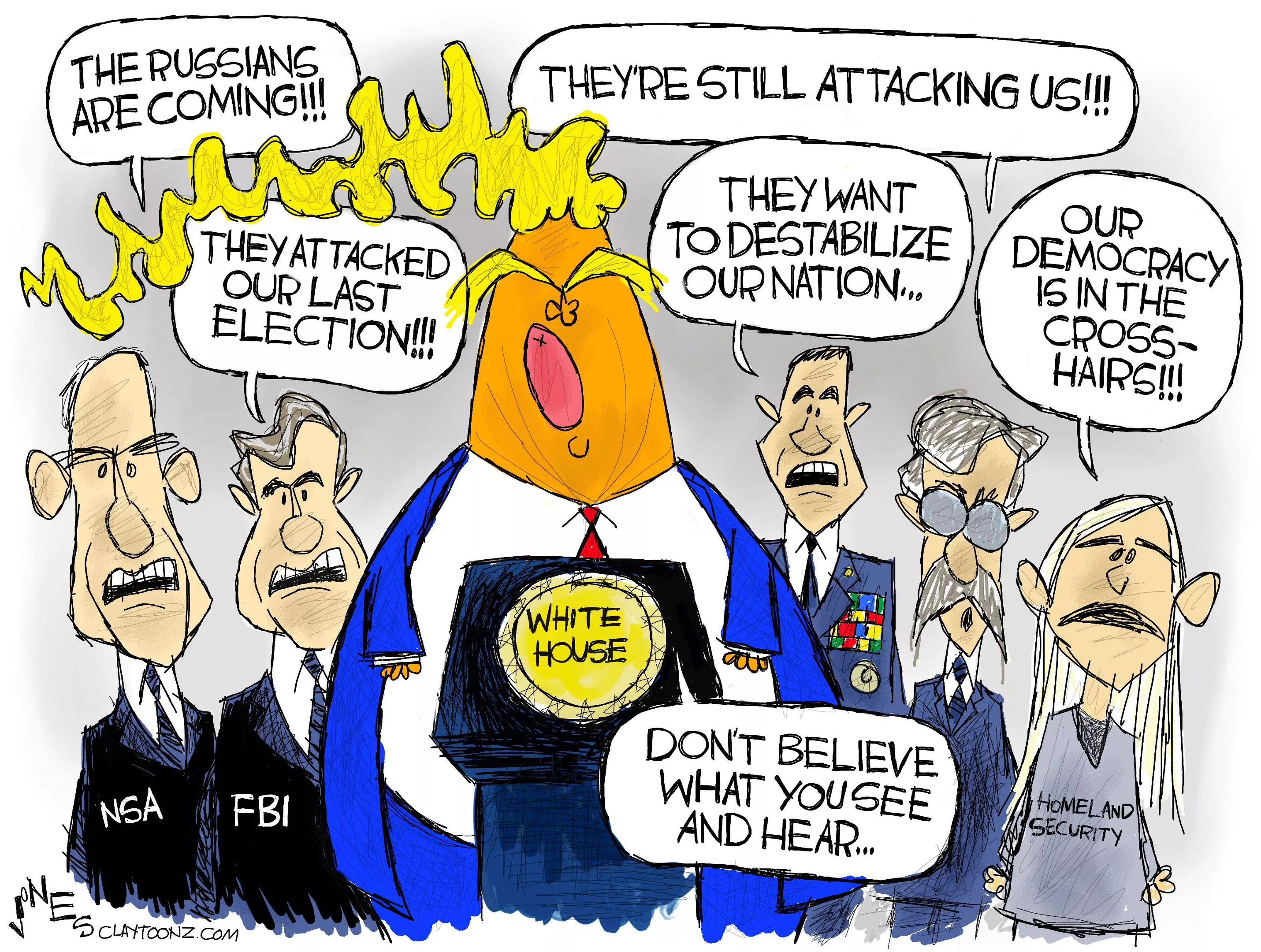
Tags: comic , cartoon , politics , President , NSA , FBI , Homeland Security , truth , lies , Image
Thursday, August 9, 2018

Amidst reports of child detention centers providing inadequate housing conditions and being responsible for sexual abuse and psychological trauma inflicted onto children, the federal government’s family separation policy is under more scrutiny than ever.
America’s Voice Ohio organized a conference call with a group of legal experts to put the Trump administration’s response to mass migration into context and explain possible alternatives to detaining families at the southern U.S. border.
Brian Hoffman is a pro bono coordinator at the International Institute of Akron. He said he has been working with migrant and refugee families at the border for years and be believes there are misconceptions about these immigration policies.
Many Americans think the family separation policy is new or that it was initiated by this administration, which isn’t true. This situation has been present for a long time, and Hoffman said that the horrific situation we find ourselves in with children being abused in detention centers was very predictable to himself and his colleagues.
He explained that in 2009, President George W. Bush ended family detention in the U.S. In 2014, President Obama restarted this practice. The government turned part of the Federal Law Enforcement Training Center in Artesia, New Mexico, into a family detention center. Hoffman said he volunteered there and witnessed the beginnings of abusive enforcement practices that are now taking place across the country.
Tags: family , separation , immigration , refugee , migrant , Trump , detention center , migration , immigrant , Image
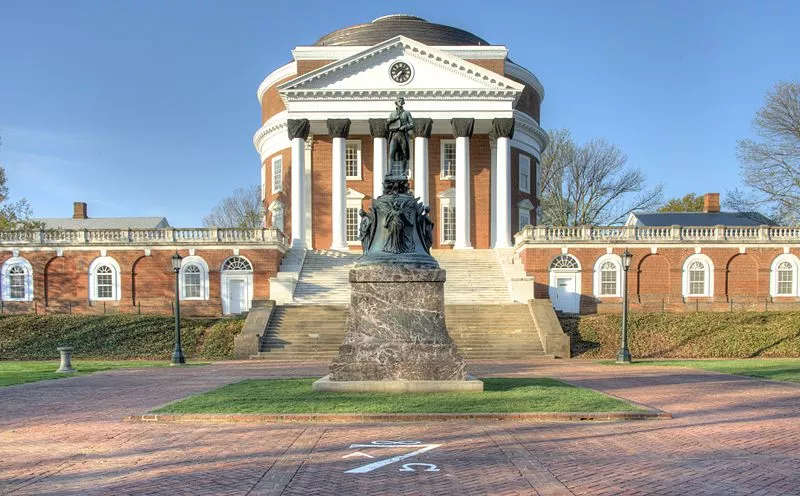
Here's my suggestion to UVA: Pay back by paying forward.
• Extend the meaning of "legacy student" from the children of UVA alumni to include the descendants of slaves who were forced to build and maintain the school.The first anniversary of the Unite the Right rally in Charlottesville, Virginia, home of UVA, comes in a few days. Coinciding with the anniversary is the publication of the final report of the UVA's Slavery and the University Commission, which began its work in 2013. Together, the two events put the issues of pre-Civil War slavery and present-day racism into stark perspective.
• Create a UVA fund dedicated to the educations of their descendants based on the monetary value of their ancestors' contribution to the university.
The racism of the Unite the Right participants is well known. The history of slavery at UVA, however, like the history of slavery in the U.S., is clouded by our national determination to paint our country's original sin in broad strokes and ignore its disturbing details. The UVA report is one of the recent attempts to bring the full, accurate history of slavery to light.
Based on the commission report, it's fair to call UVA the university that slavery built. According to the report, "Slavery, in every way imaginable, was central to the project of designing, funding, building, and maintaining the school."
The dollar value of the slave labor which directly contributed to the building and maintenance of the university is only one part of the story. The people who funded the building of the school were Virginians who owed their wealth to the state's slave-based economy, including the country's third, fourth and fifth presidents, Thomas Jefferson, James Madison and James Monroe.
Tags: University of Virginia , Slavery and the University Commission , Slavery , Unite the Right , Thomas Jefferson , Reparations , Image

Tags: Comic , cartoon , politics , Nicaragua , Costa Rica , unrest , protesters , fleeing , Image
Wednesday, August 8, 2018
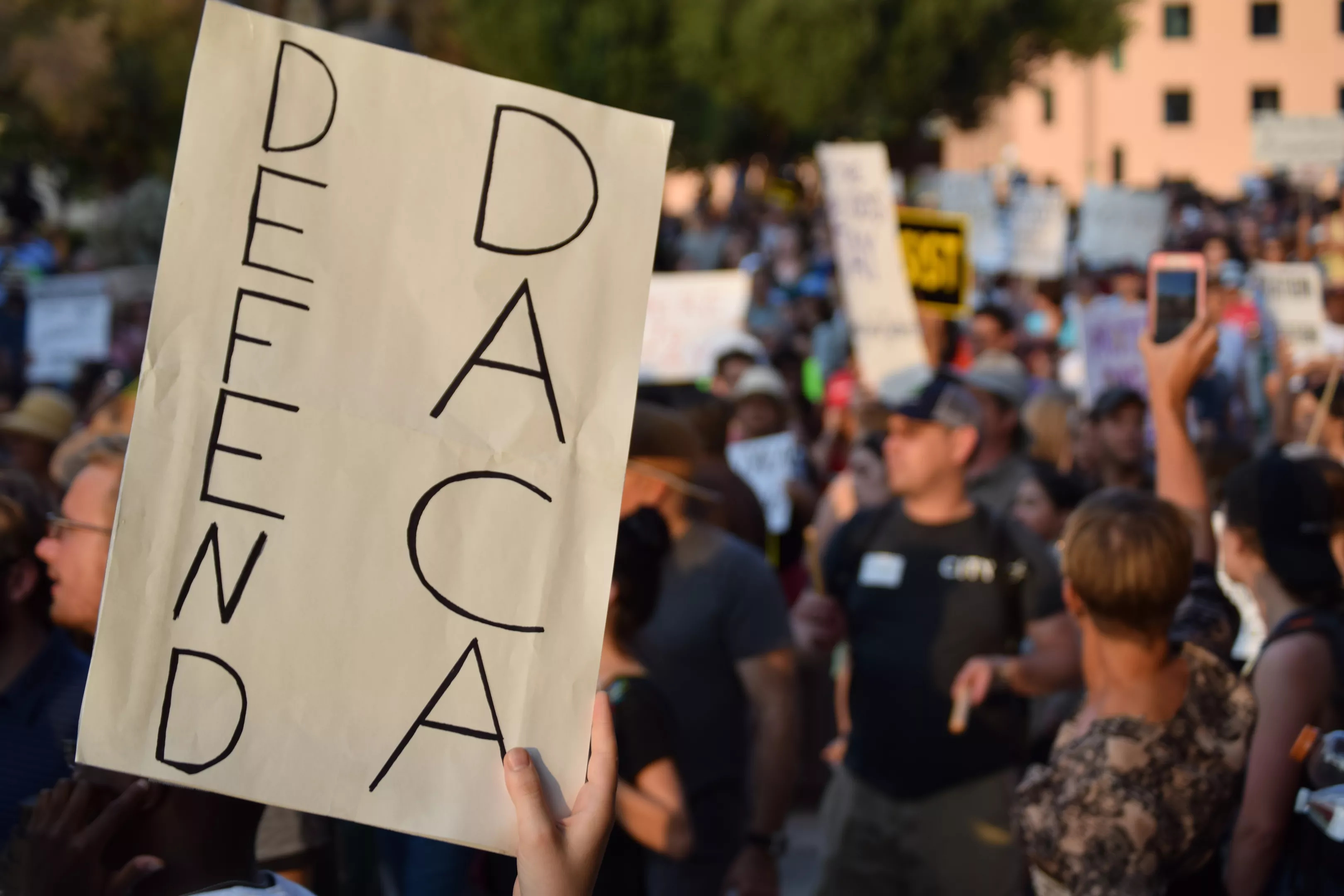
Less than a week after a court in Washington, D.C. ruled that the Trump administration didn't have the right to end Deferred Action for Childhood Arrivals, seven states filed a lawsuit to end the program that allows around 800,000 young people to work and live without fear of deportation.
Today, a federal court in Houston will consider the lawsuit brought by Texas, Alabama, Arkansas, Louisiana, Nebraska, South Carolina and West Virginia. Judge Andrew Hanen, overseeing the case, is well known for blocking the Obama administration from expanding DACA in 2015.
The American Civil Liberties Union says it's possible Hanen could order the end to the program anytime after today's hearing. The ACLU also has some recommendations for DACA recipients and says such an order would conflict with the D.C. court and courts in other states, which ordered the federal government to continue renewing existing DACA cases:
To be clear, such an order would be wrong: Not only is the DACA program legal, but if the Texas court were to strike it down, its order would directly conflict with the orders issued by the California, New York, and Washington courts. If the government were subject to such conflicting orders, it would likely seek relief from the Supreme Court quickly, and no one knows for certain how the Supreme Court would rule.
Because of the possibility that the Texas court will issue an unfounded order that leads to faster Supreme Court review, we recommend that DACA recipients who are eligible for renewal submit their applications as soon as possible. If the DACA program is struck down, you could lose your application fee, but applying sooner increases the chance that you will be able to renew while the program is still available.
Tags: news , politics , DACA , immigration , students , court , Image
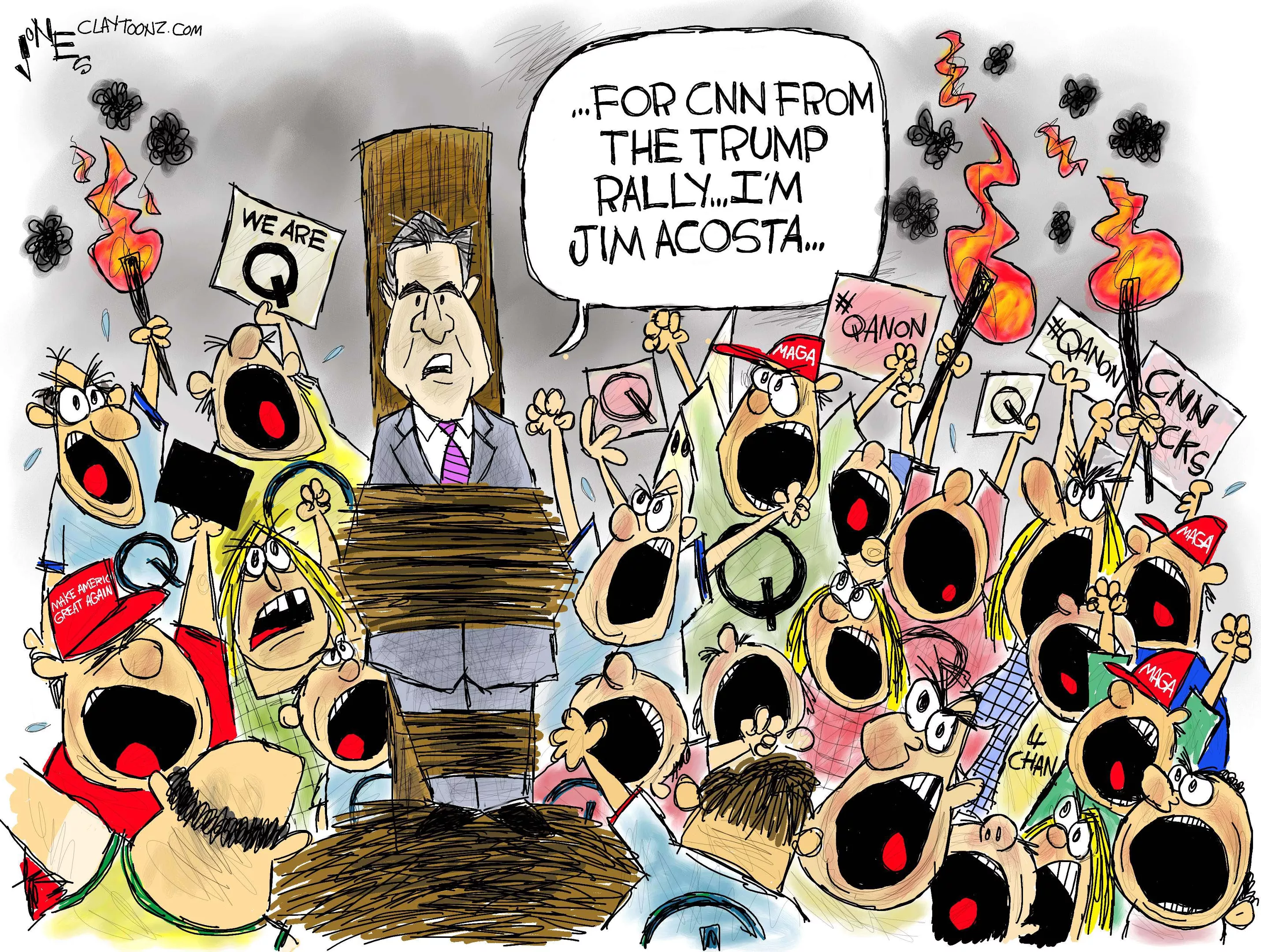
Tags: cartoon , comics , politics , Trump rally , media , CNN , Image
Tuesday, August 7, 2018
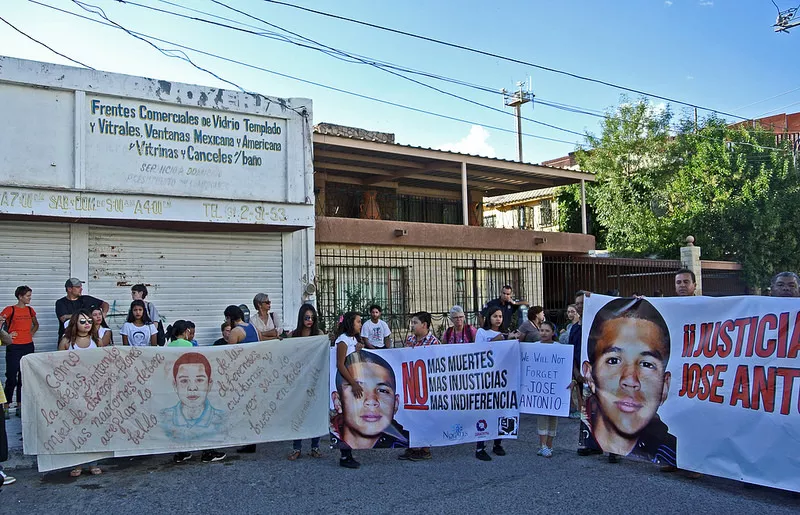
An Arizona federal appeals court ruled today that the mother of the 16-year-old who was shot and killed by a border patrol agent has the right to file a lawsuit. The agent tried to have the case dismissed, but the court opinion says “the agent was not entitled to qualified immunity.”
“It is inconceivable that any reasonable officer could have thought that he or she could kill [Jose Antonio Elena Rodríguez] for no reason,” the court opinion says.
According to court documents:
Shortly before midnight on October 10, 2012, defendant Lonnie Swartz was on duty as a U.S. Border Patrol agent on the American side of our border with Mexico. J.A., a 16-year-old boy, was peacefully walking down the Calle Internacional, a street in Nogales, Mexico, that runs parallel to the border. Without warning or provocation, Swartz shot J.A. dead. Swartz fired somewhere between 14 and 30 bullets across the border at J.A., and he hit the boy, mostly in the back, with about 10 bullets. J.A. was not committing a crime. He did not throw rocks or engage in any violence or threatening behavior against anyone or anything. And he did not otherwise pose a threat to Swartz or anyone else. He was just walking down a street in Mexico.The court finds that Jose had a Fourth Amendment right “to be free from the unreasonable use of deadly force by an American agent acting on American soil, even though the agent’s bullets hit him in Mexico.” They also found that his mother, Araceli Rodríguez, has a right to seek money damages.
“The court made clear that the Constitution does not stop at the border and that agents should not have constitutional immunity to fatally shoot Mexican teenagers on the other side of the border fence,” said Lee Gelernt in a statement, deputy director of the American Civil Liberty Union's Immigrants' Rights Project, who argued the federal appeals court case. “The ruling could not have come at a more important time, when this administration is seeking to further militarize the border.”
Earlier this year Swartz was acquitted of second degree murder charges in regards to Jose’s killing but is facing a retrial on a lesser manslaughter charge.
Tags: border , officers , border patrol , agent , trial , Image

According to a 2017 study by National Education Policy Center, 279,000 students attend virtual schools in 34 states. To put that number in perspective, Arizona has about a million K-12 students, so the national virtual school enrollment is less than a third of Arizona's school-aged population. It's less than half a percent of all public school students in the country. But still, 279,000 is a lot of students sitting at home in front of a lot of computers. I don't understand why the number is that high.
It's true, for some students, virtual schools make a lot of sense.
Some students are involved in activities that take up large amounts of time, like intensive training or work in sports, music or drama. It's great for them to be able to fit their educations into their schedules. When I taught in the Portland area, I had a few high school students who were training for olympic-level skiing and spent months every year on Mt. Hood. I would send lesson plans with them and tutors would help them out, but they probably would have been better off with a good online curriculum.
Some parents who home school their children for religious or other reasons like the idea of using the set curriculum provided by virtual schools rather than being responsible for finding or creating the curriculum, then teaching it to their kids.
Some students have illnesses which keep them at home. Others have been bullied mercilessly at school, and getting their educations at home is a way of avoiding further emotional trauma.
For students like these who are motivated enough to follow through on their work without the physical presence of a teacher, or have enough parental pressure to keep them motivated, virtual education can work well. But they make up a relatively small group. There's no way they're a large percentage of the 279,000 virtual school students.
Tags: Virtual schools , education , students , K-12 , schools , Arizona , computers , online , Image

Tags: comic , cartoon , politics , plastic , 3D printing , guns , straws , Image

