

Thursday, October 14, 2021
Wednesday, October 13, 2021
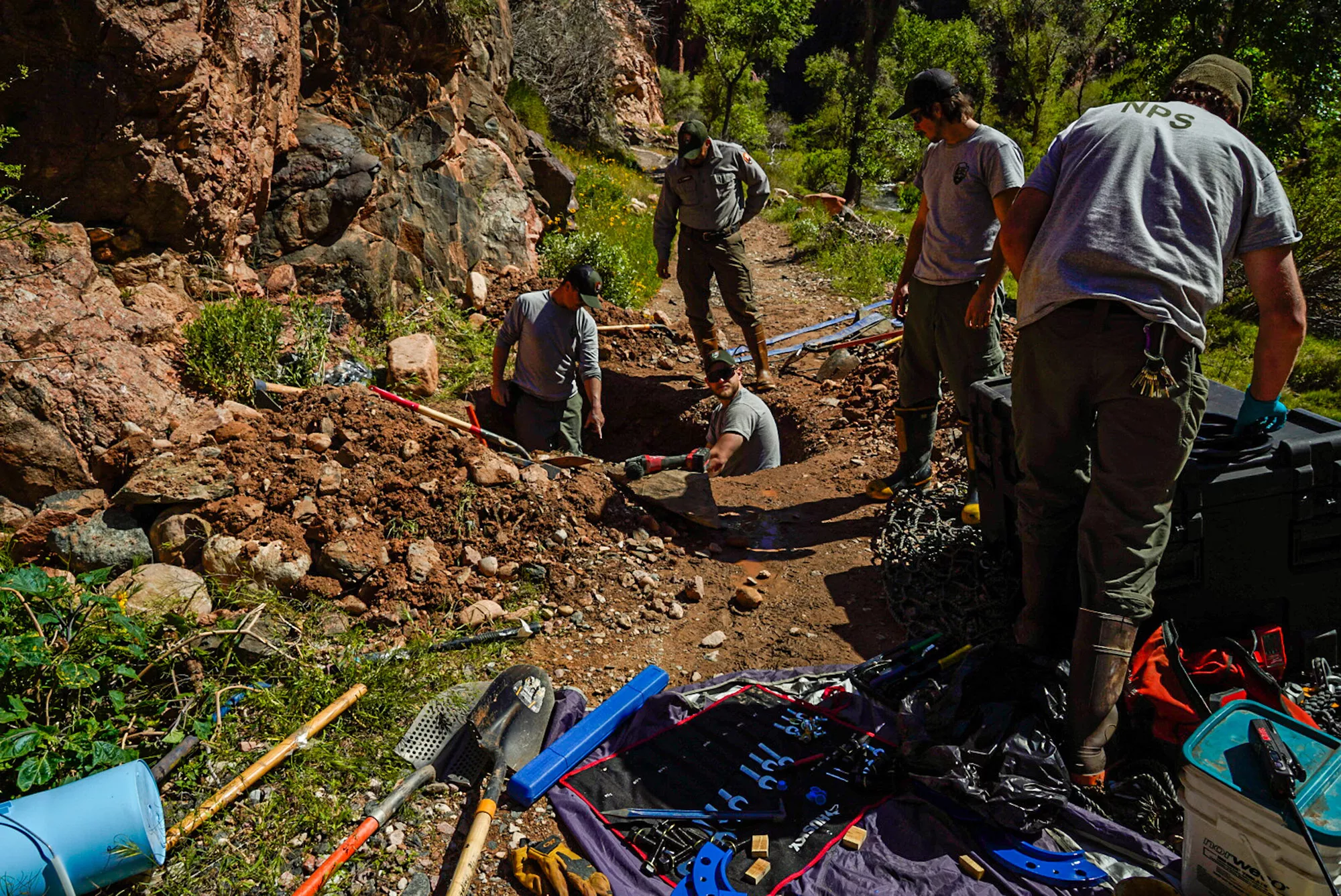
WASHINGTON – Arizona projects got $110 million last year and will get another $159 million in the fiscal year that started this month, or more than 9% of all funding nationally under the Great American Outdoors Act for those two years.
The money, dedicated largely to national parks but also to federal lands and tribal schools, has been welcomed by tourism and environmental groups, who said it is long overdue.
“The National Park Service has been underfunded over the years,” said Kevin Dahl, senior program manager for Arizona in the National Parks Conservation Association’s Southwest region.
“These are our jewels, and with visitation and with normal wear and tear, there’s a lot of buildings, a lot of roads, trails, etc. and those all need regular maintenance,” he said. “When you don’t maintain them over time, the backlog of maintenance becomes pretty high.”
For national parks, the backlog of deferred maintenance totaled $11.9 billion in 2018, according to data from the National Park Service. More than $507.4 million of that was for projects in Arizona, with $313.8 million needed in the Grand Canyon National Park alone.
Joe Galli, senior adviser in public policy at the Greater Flagstaff Chamber of Commerce, said the funding is critical to not just the park, but the region.
“It’s very good for improving facilities and maintenance, and enhancing the visitors’ experience, those things are critical to the lifeblood of visitation in Arizona which is a critical component of our economy,” he said.
Tuesday, October 12, 2021
Monday, October 11, 2021
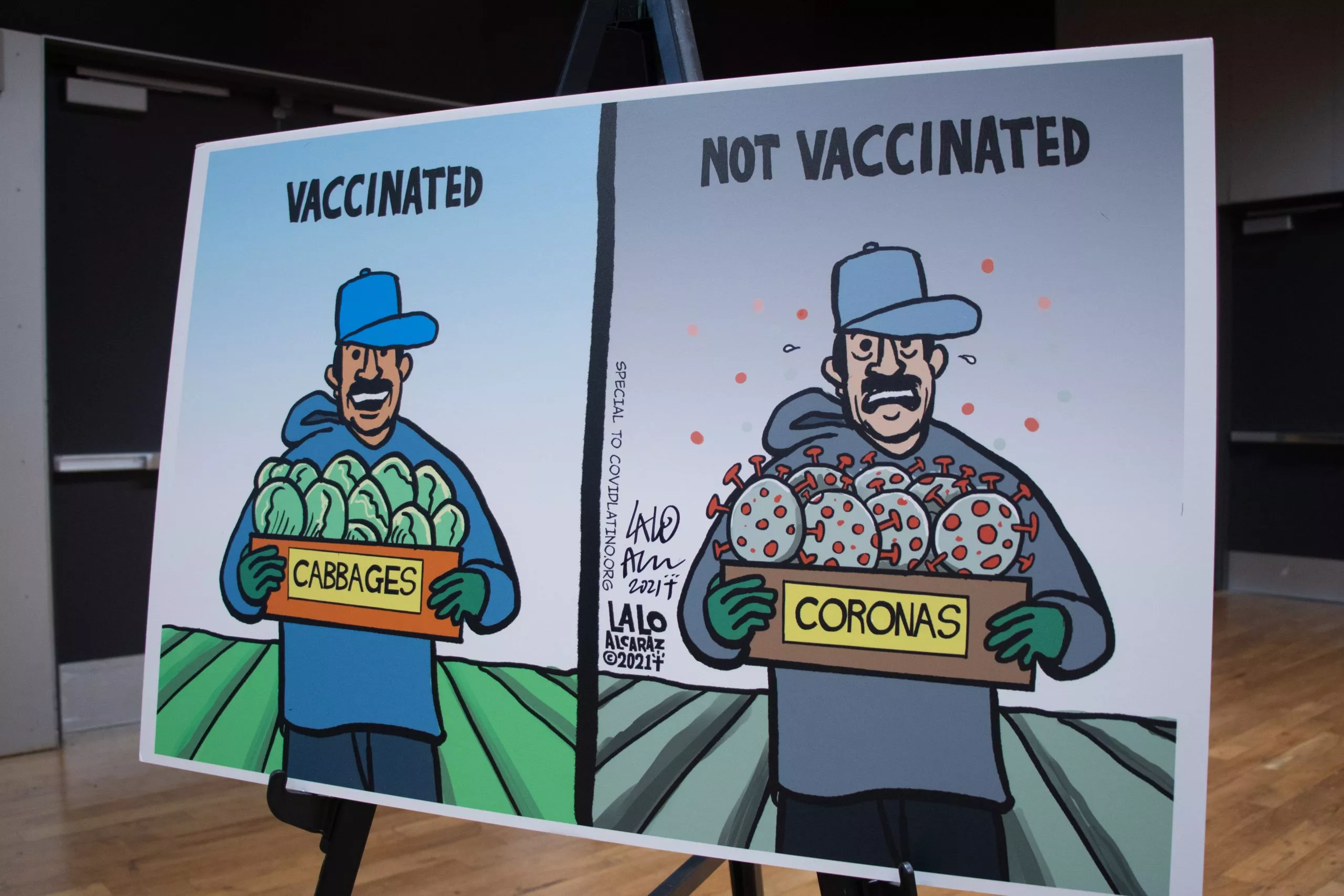
TEMPE – It all started over a bowl of “medicinal menudo,” a term political cartoonist Lalo Alcaraz coined as part of a running joke.
Several years ago, during a convention at Harvard University, social scientist Gilberto Lopez took Alcaraz to a spot that served the Mexican beef tripe soup. Thankful for the meal – and the dish’s reputed abilities to alleviate hangovers – Alcaraz told Lopez, “I owe you my life.”
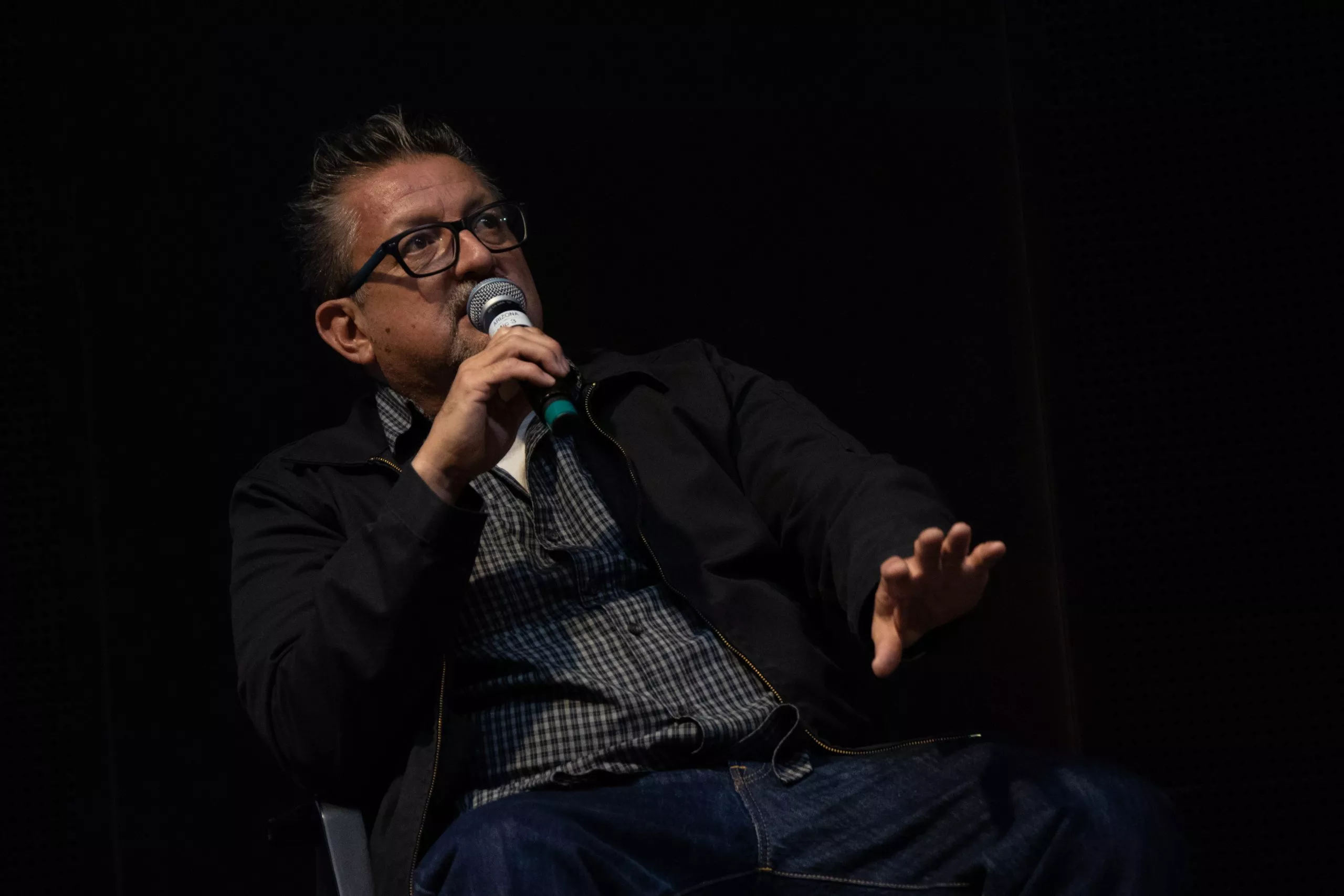
The menudo forged a bond between Lopez and Alcaraz, who has consulted on popular TV shows and films and was a Pulitzer Prize finalist in 2020 and 2021. During the pandemic, Lopez invited Alcaraz to collaborate on a Hispanic-focused education campaign about COVID-19 prevention and vaccinations.
Lopez, an assistant professor at Arizona State University’s School of Transborder Studies, launched the COVID Latino project with the goal of using art and social media to disseminate information – and counter misinformation – about COVID-19 throughout the Southwest.
The effort brings together experts from Arizona and California’s Central Valley, home to many Hispanic farmworkers, and provides culturally relevant campaigns by way of the internet and social media.
The project so far has included animated public service announcements in Spanish and neighborhood murals to better connect with the hard-hit Latino population.
Lopez said the project stemmed from his frustration over the type of information being circulated in rural, Hispanic communities – “very technical, very jargony information.” Through the collaboration with artists, Lopez said, the resulting pieces are easier to share online and will help make the topic more digestible.
“Humans are storytellers,” Lopez said, “and we’re telling stories in a way people understand.”
Friday, October 8, 2021

Thursday, October 7, 2021
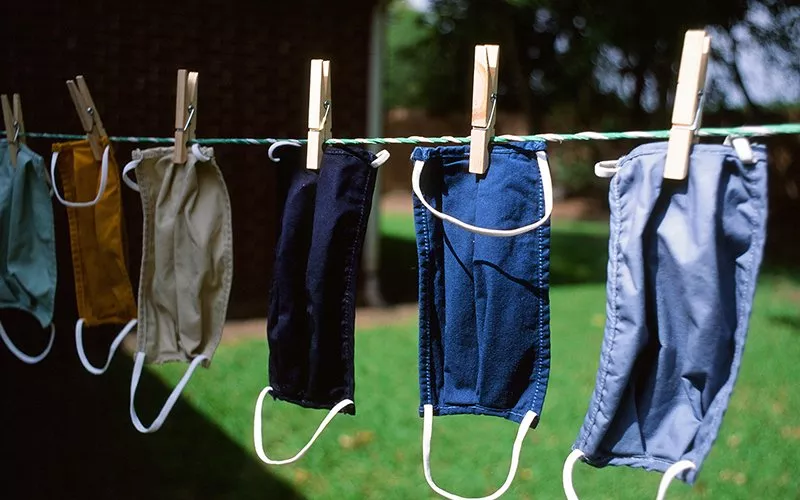
The Pima County Board of Supervisors voted 3-2 on Tuesday against mask requirements for K-12 schools in Pima County.
Supervisor Matt Heinz presented the proposal for masks in schools in response to research from the Centers for Disease Control and Pima County.
Pima County recently co-authored a study with the CDC that found K-12 schools without mask requirements in Pima and Maricopa counties were 3.5 times more likely to have a COVID outbreak than schools with mask mandates.
“In light of the information that literally came from this county and Maricopa County in Arizona and the CDC,” Heinz said, “I think it makes a lot of sense for us to take a look at this again.”
Heinz reiterated his view that masks protect students and teachers from COVID and that data supported his opinion.
Dr. Francisco Garcia, Pima County's chief medical officer, was asked to discuss the potential mandate with all 12 school district superintendents in Pima County. He presented their feedback during the board's regular meeting.

Wednesday, October 6, 2021
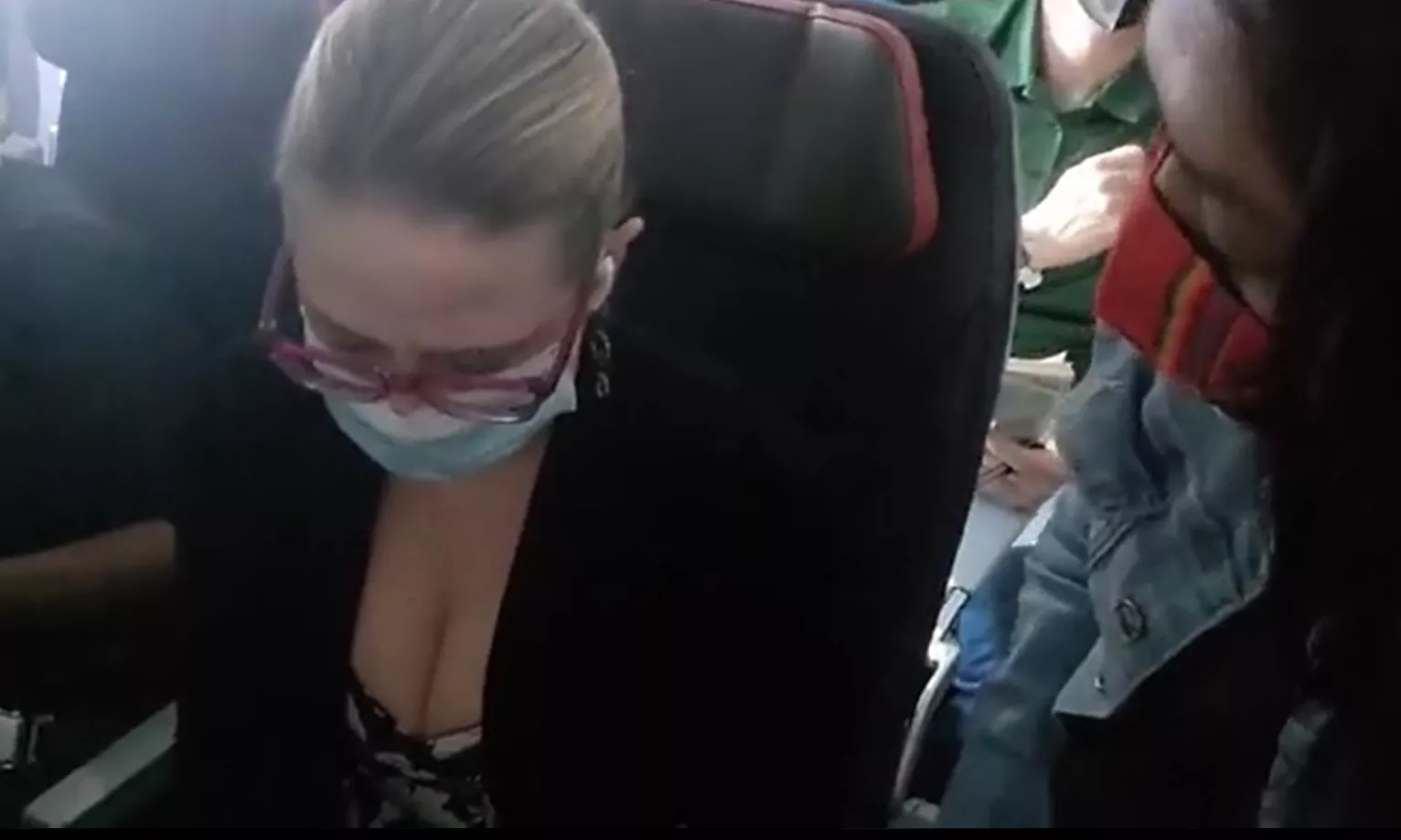
Sen. Kyrsten Sinema of Arizona ignored Karina Ruiz, a local leader who advocates for immigrant communities, when the activist approached her on a flight to Washington, D.C., Monday to urge the senator to commit to passing a pathway to citizenship for millions of undocumented immigrants.
In a video she posted on social media, Ruiz walked down the airplane aisle and stopped next to Sinema, who was sitting in an aisle seat with a laptop in front of her and wireless earbuds in her ears.
“I’m being vulnerable right now to you. My dad passed away last year, and he didn’t get to reunite with my family. I don’t want to disturb you, but at the same time, I want to see if I can get a commitment from you, Senator,” Ruiz said.
Sinema sat silently, staring down.
“This is my life and the life of millions,” Ruiz continued. “I’d just like to hear from you. Can we get a commitment from you to get a pathway to citizenship for millions like me?”
Sinema continued to sit silently, staring down.
“All right, Senator, you don’t want to respond. Thank you for your time,” Ruiz said, and walked away.
You can do more than be sorry for my loss, you can deliver us citizenship. I don't recognize you @SenatorSinema you organized marches against SB1070, and now that we need you remain silent & ignored me, unacceptable. pic.twitter.com/wyYGVw0WG3
— Karina Ruiz (@KarinaIRuiz) October 4, 2021
For years, Ruiz has pushed for different versions of federal legislation that would give thousands of immigrants like her, who arrived in the country at a young age, and her family a pathway to citizenship. Locally, as a leader of the Arizona Dream Act Coalition, Ruiz has worked to reform state laws that prevent undocumented students from accessing in-state tuition.

