

Wednesday, September 29, 2021
Tuesday, September 28, 2021
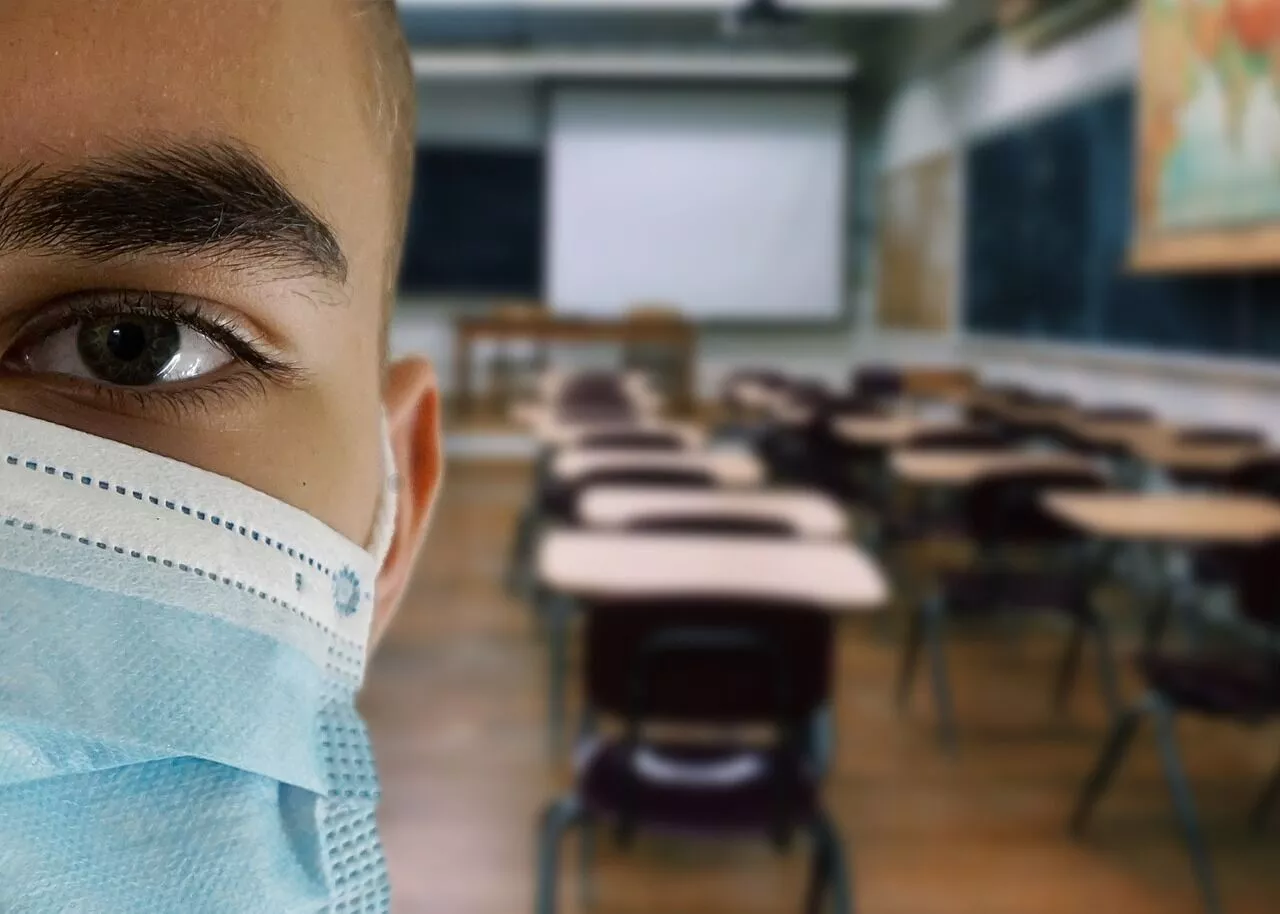
A Maricopa County judge struck down a ban on public schools imposing face mask mandates and a host of other policy changes that lawmakers inserted into the state budget, and with them, may have forced a fundamental change in the way the legislature does business when it passes its annual budget each year.
The ruling comes two days before the mask mandate prohibition and various other changes to state law were to go into effect.
Along with the ban on face mask mandates, the ruling strikes down several other laws pertaining to COVID-19 mitigation measures and the operation of public schools. That includes laws banning “critical race theory” in K-12 schools, barring colleges and universities from requiring COVID-19 vaccinations or testing of students, prohibiting K-12 schools from requiring students to receive vaccines that have received emergency authorization from the U.S. Food and Drug Administration, and barring cities and counties from requiring “vaccine passports.”
And Superior Court Judge Katherine Cooper struck down an entire budget bill that included wide-ranging measures on election integrity laws and pandemic-related business regulations.
The lawsuit, filed by a coalition of left-leaning advocacy groups and Democratic political figures, argued that several budget bills passed by the legislature in the waning days of the 2021 session violated a provision of the Arizona Constitution known as the single-subject rule. That provision mandates that bills passed by the legislature embrace “one general subject,” and that that subject be clear in the title of the bill.
Monday, September 27, 2021

Friday, September 24, 2021

Thursday, September 23, 2021
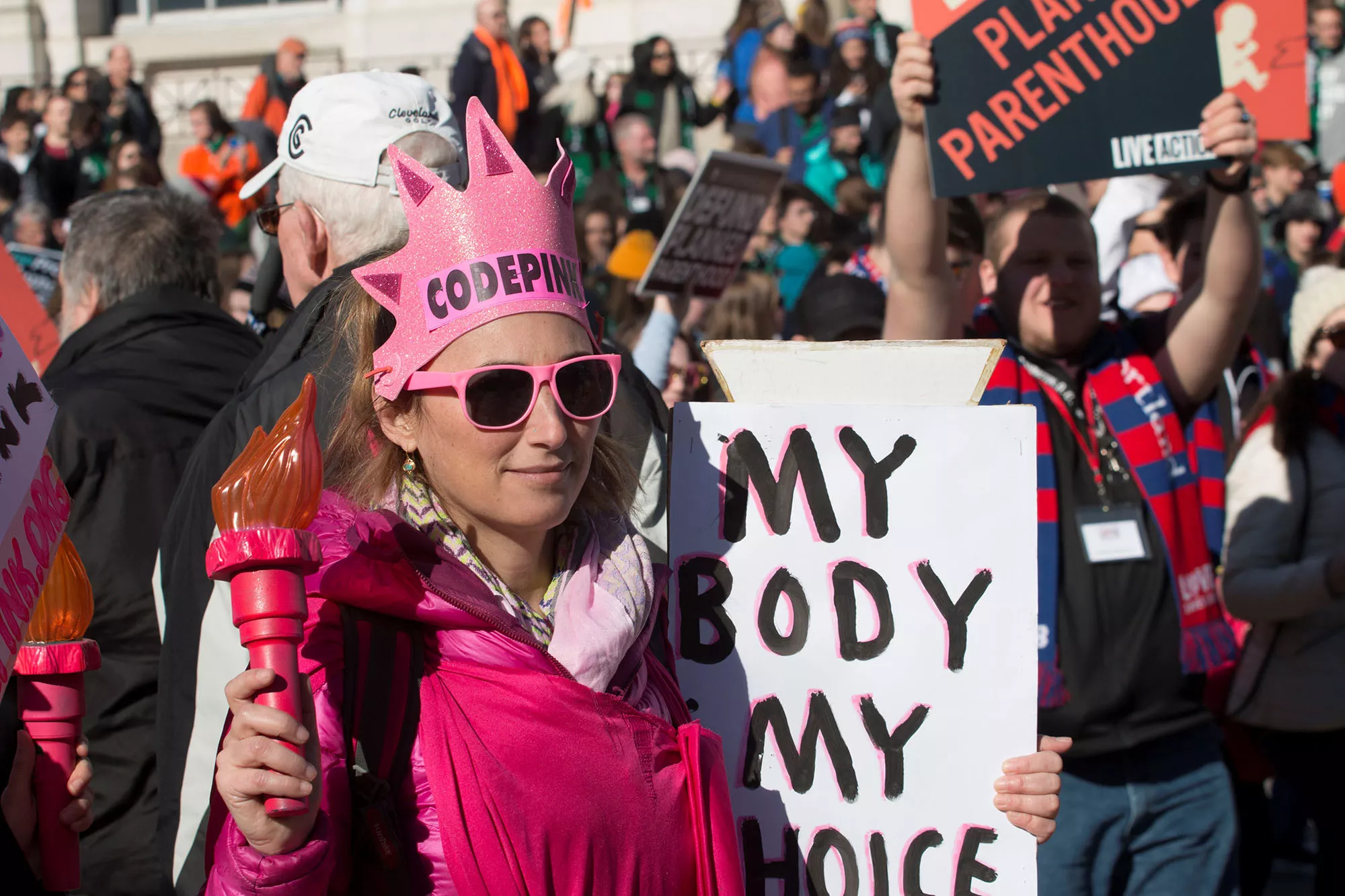
WASHINGTON – Nine Arizonans are among the more than 500 female athletes who signed on to a brief to the Supreme Court this week challenging Mississippi’s restrictive new abortion law.
The Phoenix Mercury’s Brittney Griner and Diana Taurasi joined seven University of Arizona swimming alumnae and hundreds of other club, collegiate and pro athletes who said overturning Roe v. Wade, which the Mississippi case could lead to, would “violate their most fundamental liberties.”
Christine “Crissy” Perham, an Olympic gold medalist and two-time national champion for the Wildcats in the 100-yard butterfly, said in the brief that she “accidentally became pregnant” while on birth control during her sophomore year in Tucson. She said she could “count on one hand how many people I’ve told about my abortion. Until now.”
“I’m finally speaking up and sharing my story because there shouldn’t be a stigma surrounding personal healthcare decisions,” she said in the friend-of-the-court brief.
One expert called the filing just the latest instance of growing activism by athletes.
“This is another example, like Black Lives Matter from last summer and the U.S. women’s national soccer team’s fair-pay argument, that shows national activism like the Olympics in 1968 and Colin Kaepernick are now so public and spreading,” said Steve Ross, a professor of law at Penn State University.
The athletes’ brief is one of the scores filed on both sides of the case, Dobbs v. Jackson Women’s Health Organization, which challenges a Mississippi law that prohibits abortions after 15 weeks of pregnancy. The law would allow abortions after that in cases of “severe fetal abnormality” or a medical emergency for the woman, but there are no exceptions for rape or incest.
The law was overturned by lower courts, which cited the Supreme Court’s 1972 Roe v. Wade decision that recognized a woman’s right to an abortion and subsequent rulings that protected that right before a fetus was viable outside the womb.

Wednesday, September 22, 2021
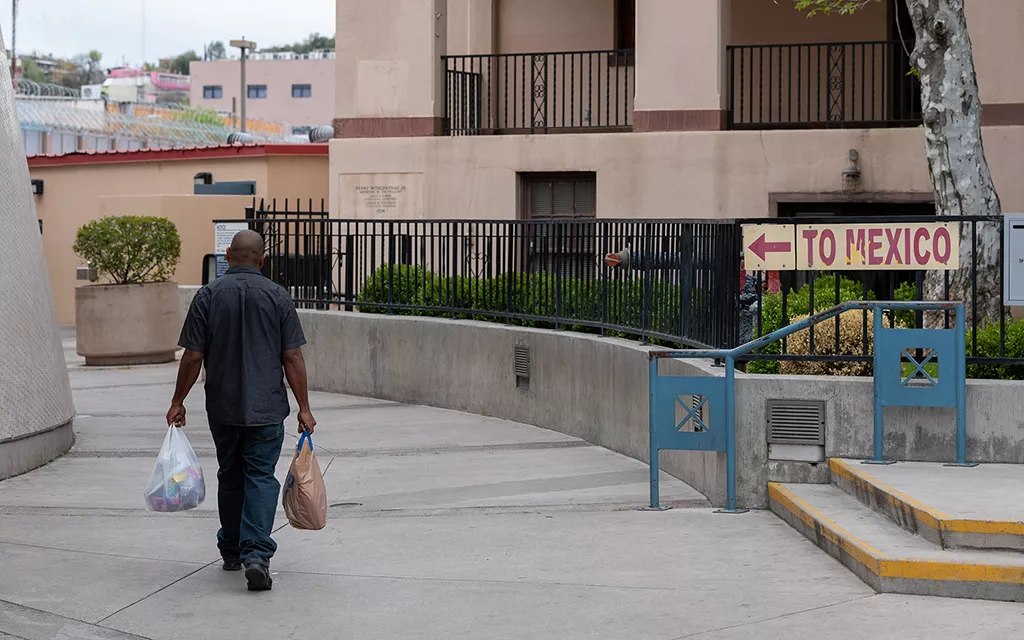
WASHINGTON – The ban on nonessential travel on land crossings between the U.S. and Mexico will be extended another month, a “disheartening” development for border towns and businesses that have already had to cope with the travel limitation for 18 months.
“It’s very disheartening to have it extended again,” Douglas Mayor Donald C. Huish said Monday. “Our economy is suffering due to that, we estimate approximately two-thirds of our sales tax revenue comes from … our neighbors to the south. So, it’s a very big blow.”
The ban on nonessential travel was first imposed in March 2020 in an effort to stem the spread of COVID-19 and has been regularly since then, most recently as the delta variant of the virus led to a spike in new cases. The latest extension was set to expire at midnight Sept. 21, but the White House said Monday that it would be continued through at least Oct. 21.
That announcement came the same day that the Biden administration said it planned to ease COVID-19 related limits on international air travel beginning in early November.
Under that plan, adult foreign travelers will have to prove they have been fully vaccinated before they can come here. U.S. citizens of any age who are not vaccinated could still fly home, but would have to provide proof of a negative COVID-19 test within a day before their travel, and have to prove they have a viral test to take after they arrive.

