Wednesday, August 11, 2021

A sixth-grade class in the Amphitheater Unified School District will shift to remote learning until Aug. 19 after reported cases of COVID-19 in the class, Principal Jason Weaver announced in a letter to families on Tuesday.
Amphi students returned to school on Aug. 5 during a wave of COVID-19 cases. Most school districts in Pima County, including Amphi, decided not to require masks, which would be a violation of state law. District officials are only encouraging mask-wearing.
In the letter, Weaver said the district provided contact tracing information to the Pima County Health Department for anyone in the Harelson Elementary School class. Close contacts are defined as anyone who was within six feet of an infected person or within three feet if one of the contacts was wearing a mask for a total of 15 minutes or more over a 24-hour period.
As of Wednesday, the school district reported nearly 30 cases district-wide - six cases among teachers and 21 students - with three active cases at Harelson Elementary. Since July 20, the health department has received reports of 386 COVID-19 cases and 19 outbreaks across Pima County school districts.
The sixth-grade class will receive remote instruction from a certified teacher who has worked at the school for many years and has taught for Amphi Academy Online, according to Michelle Valenzuela, director of Communications.
“During this time and as we move forward during this year, I encourage all of us to provide support and strength to one another,” said Weaver. “I am grateful to my staff and the wider Harelson community for their patience, understanding and dedication to our students.”
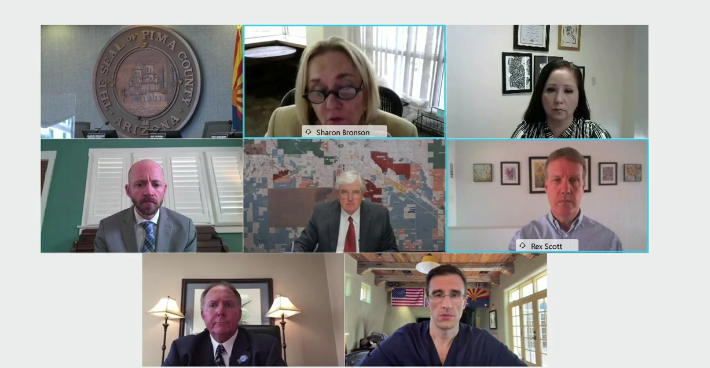
Supervisors Matt Heinz and Adelita Grijalva supporting the emergency proclamation The Pima County Board of Supervisors voted against several COVID-19 related motions at its Tuesday meeting.
With the number of COVID-19 on the rise because of the Delta variant, the board considered several resolutions including, reinstating an emergency proclamation for COVID-19, mandating vaccinations for county employees, instituting mask mandates for K-12 county schools and mandating vaccinations for all healthcare workers in Pima County.
The board voted 3-2 against proclaiming the COVID-19 pandemic an emergency situation. Supervisors Matt Heinz and Adelita Grijalva supporting the emergency proclamation.
Supervisors Matt Heinz and Adelita Grijalva, who supported the emergency proclamation, argued that the declaration would signal to county residents the seriousness of the current state of the pandemic.
During the past month, Pima County’s level of transmission changed from moderate to high, with a rate of 120 cases per 100,000 individuals in the last seven days, according to the CDC.
“People will understand that we have a state of emergency and will take this more seriously and hopefully move to get vaccinated,” Heinz said. “The county will have more ability to more quickly respond to the changing conditions on the ground on behalf of the health department to make the residents safer and to protect lives.”
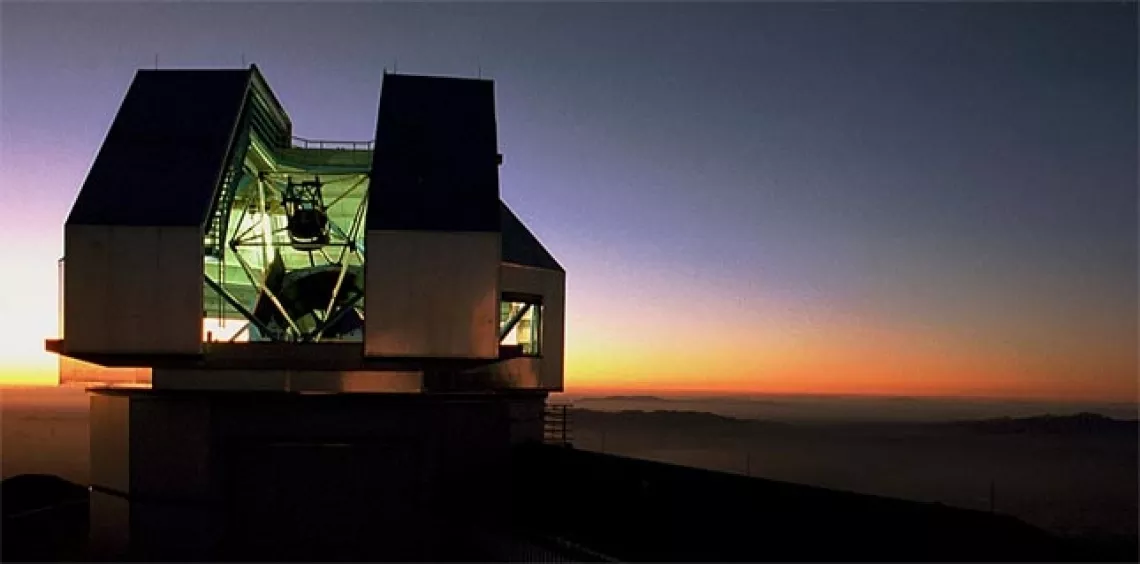
One of the most precise instruments for detecting planets is being used at the Kitt Peak National Observatory on the Tohono O’odham Nation west of Tucson.
The NEID spectrometer looks for Earth-like planets outside our solar system by measuring slight changes in the light coming from distant stars. Those shifts are caused by the gravitational tug of nearby objects, such as planets, and the movement can be measured to determine how massive the object is.
NEID, which rhymes with “fluid,” is derived from the Tohono O’odham phrase “to see.” The instrument was built by Penn State University in partnership with NASA and the National Science Foundation and installed on Kitt Peak, where it became operational this summer. A University of Arizona team provides the spectrometer’s software hub.
Chad Bender, an instrument scientist for NEID and an associate astronomer at the University of Arizona’s Steward Observatory, said the technique has been used successfully since the 1990s, but NEID is superior to anything that’s come before.
“We’re pushing the boundary of sensitivity,” Bender said. “We’re much more sensitive than the previous generation of instruments that have used this technique to search for planets.”
That precision helps find planets that are closer to the mass of Earth.
Tuesday, August 10, 2021


WASHINGTON – The major political parties in Arizona have continued to lose voters since the November election, with strident partisanship “turning off” voters and driving them to register as independents, analysts said.
The most recent numbers from the Arizona Secretary of State’s office show that the Republican, Democratic and Libertarian parties all saw drops in registration from the general election through the end of June, while unaffiliated voters made strong gains.
While losses for political parties are expected after an election, political experts agreed, the shift in Arizona is unexpected, even for a state that typically has a significant number of independents.
“Both the Democratic and Republican parties are doing a remarkable job at turning off prospective voters,” said Jason Rose, a Republican political consultant. “The Democratic Party is now the party of Bernie Sanders, and we know who the face of the Republican Party is.”
Requests for comment from the state’s Republican and Democratic parties on the registration shifts were not returned.
Republicans remained the largest party in the state with 1,499,862 registered voters at the end of June, but that’s down 8,916 voters from the November election. Democrats lost 3,784 voters to fall to 1,374,540 in June.
“It’s hard to envision when the two parties, Democrats and Republicans, will be wildly popular,” said Nathan Gonzales, editor and publisher of Inside Elections. “There’s simply a general distrust with institutions, including official political parties.”

Monday, August 9, 2021
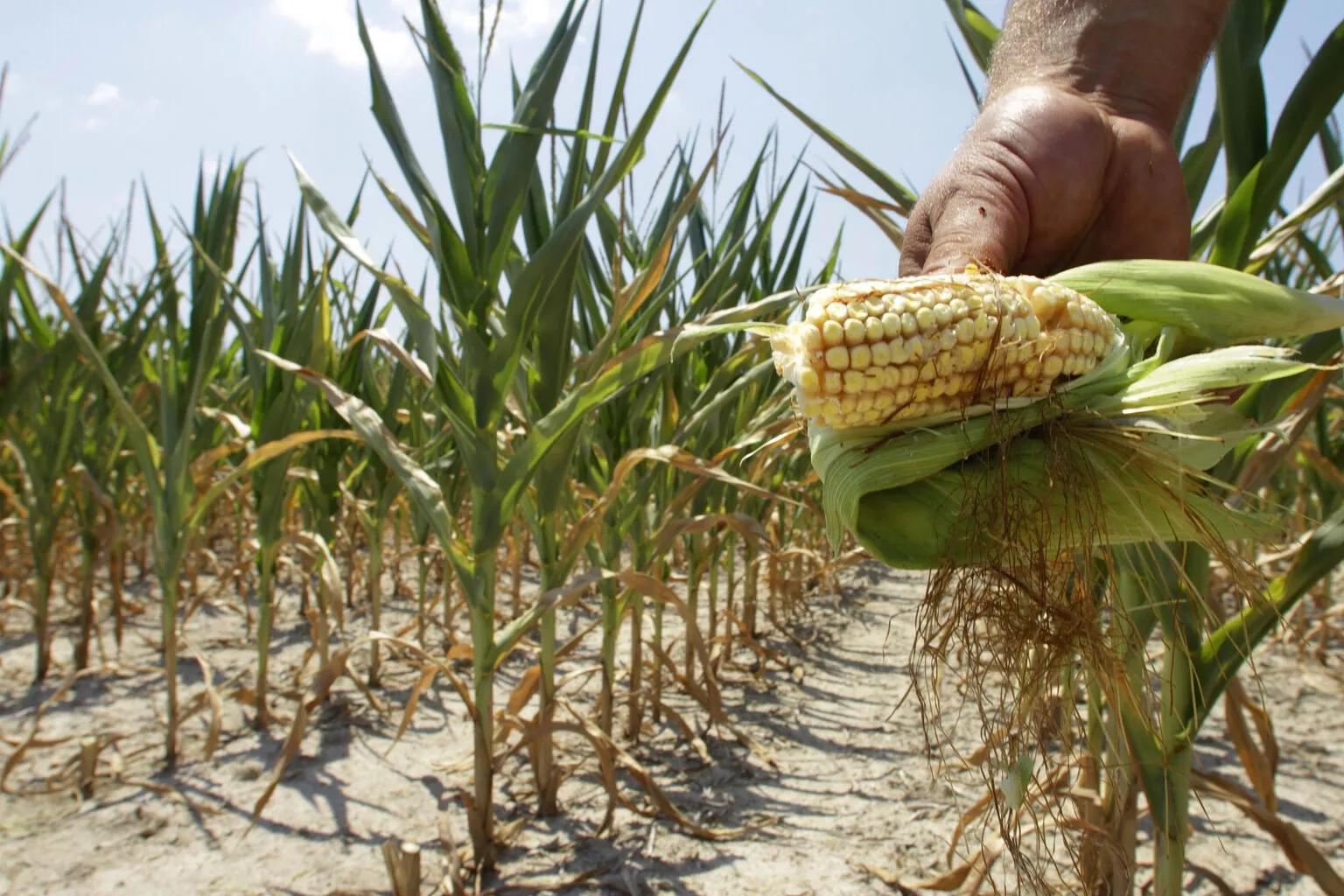
Summer 2021 will likely be one of the hottest on record as dozens of cities in the West experience all-time high temperatures. The extreme heat being felt throughout many parts of the U.S. is causing hundreds of deaths, sparking wildfires and worsening drought conditions in over a dozen states.
How does all this broiling heat affect the broader economy?
As an economist who has studied the effects of weather and climate change, I have examined a large body of work that links heat to economic outcomes. Here are four ways extreme heat hurts the economy – and a little good news.
1. Growth takes a hit
Research has found that extreme heat can directly hurt economic growth.
For example, a 2018 study found that the economies of U.S. states tend to grow at a slower pace during relatively hot summers. The data shows that annual growth falls 0.15 to 0.25 percentage points for every 1 degree Fahrenheit that a state’s average summer temperature was above normal.
Laborers in weather-exposed industries such as construction work fewer hours when it’s hotter. But higher summer temperatures reduce growth in many industries that tend to involve indoor work, including retail, services and finance. Workers are less productive when it’s hotter out.
2. Crop yields drop
Agriculture is obviously exposed to weather: After all, crops grow outdoors.
Friday, August 6, 2021