Saturday, July 10, 2021
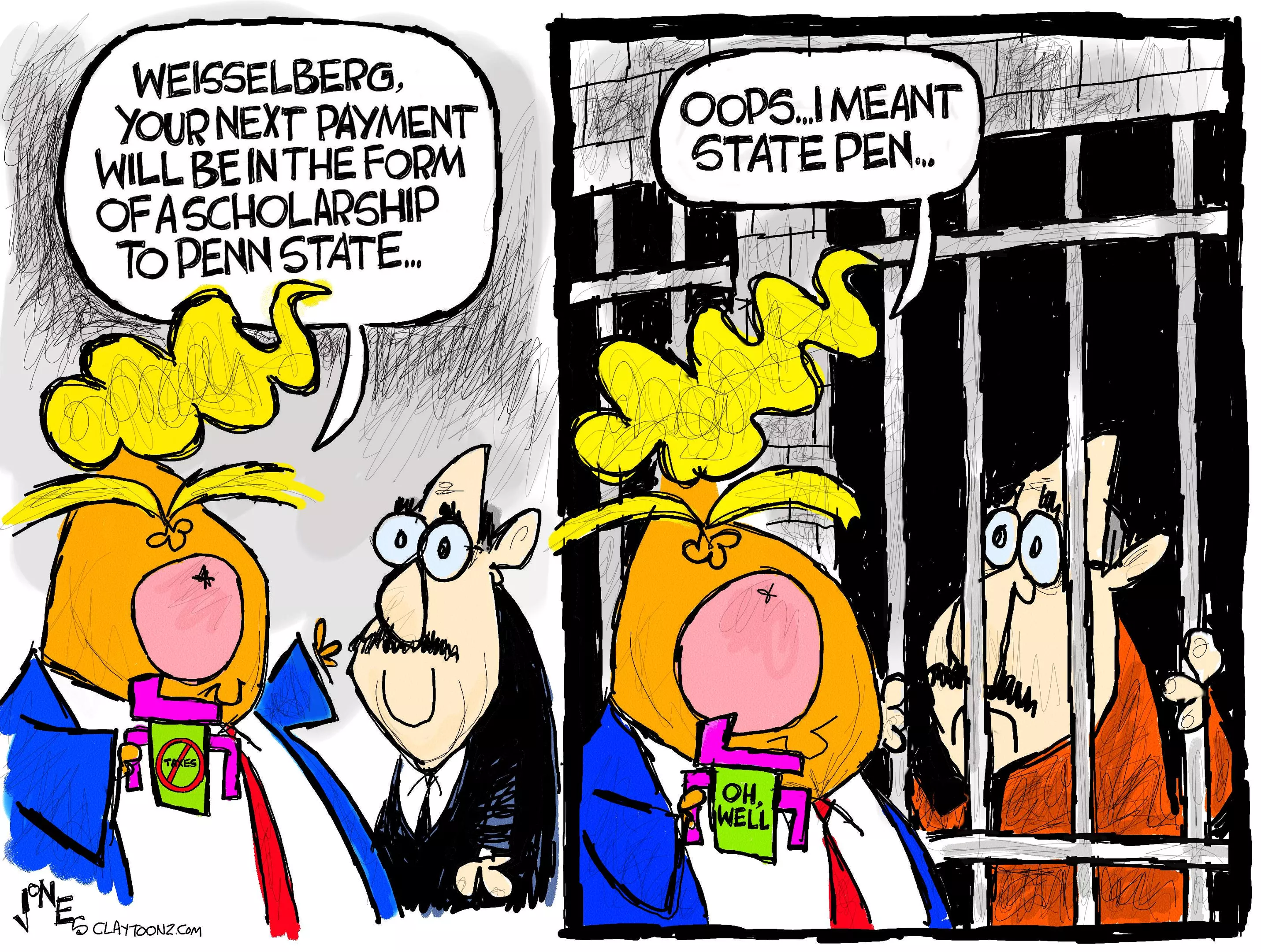
The complaint notes that the Children housed in one of the Biden administration's largest shelters for unaccompanied migrant minors were being watched over by contractors with no Spanish-language skills or experience in child care who usually stood idly at the edge of crowded tents.
It also details lack of medical care, clothing, and regular showers for children in their care and highlights the lack of childcare experience of those working in the facility.
“These allegations are horrific and have no place in our asylum system. Children do not belong in detention, and I’ve long advocated for the closure of these types of facilities,” Grijalva said. “The Biden Administration must pursue community-based alternatives to detention that put the welfare of children first. We need an independent investigation to determine exactly what’s going on and end these inhumane practices one and for all.”
Other immigration advocates have also called for the Biden administration to end the use of emergency intake shelters like Fort Bliss and to use only facilities that operate under state licensing requirements for children, especially as the number of unaccompanied migrant children in the care of Health and Human Services has declined from over 20,000 to fewer than 15,000.
So far, HHS, which has closed some emergency intake facilities, has not announced plans to close Fort Bliss.
Tags: immigration , Biden Administration , Raúl Grijalva , Image
Friday, July 9, 2021
PHOENIX – Health experts are concerned that Arizona’s recently approved budget, which bans public schools and universities from enforcing mask mandates and COVID-19 testing for unvaccinated students, is endangering public health across the state.
In a virtual panel assembled by the Committee to Protect Health Care, a national advocacy organization that aims to “fight for quality, affordable health care that protects patients over profits,” experts weighed in on how the legislation, as well as Gov. Doug Ducey’s June 15 executive order banning masks at schools, could prolong the pandemic in Arizona.
“Students are being linked to community outbreaks, including in Arizona, and they accounted for 72% of all school-related cases in Maricopa (County) at one point in the past spring,” said Dr. Elizabeth Jacobs, a professor of epidemiology at the University of Arizona. “Banning schools from adopting a simple, cost-effective and scientifically proven safety measure like mask wearing while we are still in the midst of a pandemic makes absolutely no scientific or public health sense.”
Daily COVID-19 cases in Arizona have declined since March, according to the Arizona Department of Health Services, with only several hundred new cases per day now compared with the thousands of daily new cases earlier this year. However, in recent weeks, that number has ticked up slightly.
The state’s low vaccination rate also was a major concern for the experts on the panel.
“Only 23.5% of Arizona youth, aged between 12 and 17, have been vaccinated,” said Dr. Ricardo Correa, program director for endocrinology at the University of Arizona. “Policymakers and politicians must do better for Arizona and for children in our state, who deserve elected leaders who will use science and other resources to keep them safe during a pandemic.”
Thursday, July 8, 2021
The Los Reales Landfill is getting a new name—and a new mission.
Tucson Mayor Regina Romero and the Tucson City Council voted this week to rename the Los Reales Landfill as the Los Reales Sustainability Campus.
It is part of a larger planning effort to achieve waste reduction goals established by City Council in a Climate Emergency Declaration.
The declaration committed the City of Tucson to reach carbon neutrality by 2030 and to become a zero-waste city by 2050, with an intermediate 50% diversion goal by 2030. The city currently spends more than $8 million per year at Los Reales for waste processing and disposal operations.
“To become a zero-waste city, we must fundamentally change the way we view waste—from a liability to an asset,” Romero said in a prepared statement. “The Sustainability Campus is an outside-of-the-box initiative to transform Los Reales from merely being a landfill to a sustainable space—illustrating our city’s commitment to acting on climate.”
The project will also update the layout of Los Reales, designing it for new sustainability uses, including allowing solid waste/resource management companies to locate at this campus, space for a city tree nursery to help supply the Tucson Million Trees campaign, installation of solar panels and 500 feet of buffer between the campus and adjacent properties.
“The Los Reales Sustainability Campus will be a catalyst in attaining many of the city’s sustainability goals while yielding extensive community benefits for current and future generations,” said Carlos de la Torre, director of the Environmental and General Service Department.
City staff is working with the Mayor’s Office, the City Commission on Climate, Energy and Sustainability, the Environmental Services Advisory Committee, Mayor Romero’s Climate Action Advisory Council and community stakeholders to outline a plan to achieve zero waste at Los Reales.
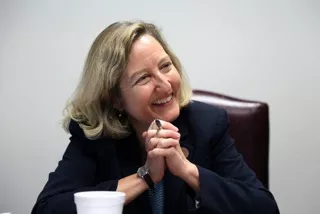
State lawmaker Kirsten Engel, a Democrat elected to her first term in the Arizona Senate in 2020 after serving four years in the Arizona House of Representatives, is in the race for the retiring Congresswoman Ann Kirkpatrick’s seat. (The district lines are scheduled to be redrawn before the 2022 election by Arizona’s Independent Redistricting Commission.) Engel is an attorney who has worked for the Environmental Protection Agency and taught environmental law at the University of Arizona Rogers College of Law. Also in the race: Engel’s fellow state lawmakers Rep. Randy Friese and Rep. Daniel Hernandez. (You can find Friese's Q&A here; Hernandez's interview will post on Friday.)
What makes you the person for the job?
I'm a mom, I am a working parent, I've lived through some of the challenges and stresses that families have faced, especially working women during COVID. And I think that gives me perspective and even more understanding of this district, and even more interested in a post-COVID recovery, so that we come back out of this pandemic stronger than ever. We have some real opportunities here. And I think, my experience—as a legislator, as an attorney, as an environmental law professor and somebody who's worked on water issues—puts me in a really good position to deal with some of the challenges we're facing. We're facing issues in terms of investing in our infrastructure. And I'd say that's both hard infrastructure—you know, roads and bridges, digital broadband, EV charging stations—but also that social infrastructure that is so critical to getting parents, moms, back into the workforce, finishing their degrees. And those are things like childcare subsidies, workforce training programs, things that really will make the difference in terms of getting families back to work. And getting people who have been left out back to work, you know, women people of color. So, that's going to be my primary emphasis.
What do you make of the ongoing audit of the Maricopa County election?
Well, I could call it something other than an audit. But I will refrain from that. But I think it's really harmful and it is really endangering our democracy. And it's really trying to and it might be succeeding and perpetuating this conspiracy theory that the 2020 election was stolen. And that is entirely untrue. And it's also opening up citizens’ voted ballots to scrutiny by conspiracy theorists and their contractors. And I'm just concerned about the sanctity of our ballots, and could they be corrupted? And we've already heard from Secretary of State (Katie) Hobbs that the voting machines now cannot be used after they've been tampered with by the auditors. And that's costing the citizens money, that's millions of dollars. So I'm concerned with what it's saying and perpetuating this myth that there was something wrong with that with the election, as well as what it might do with respect to the concrete evidence of the 2020 election.
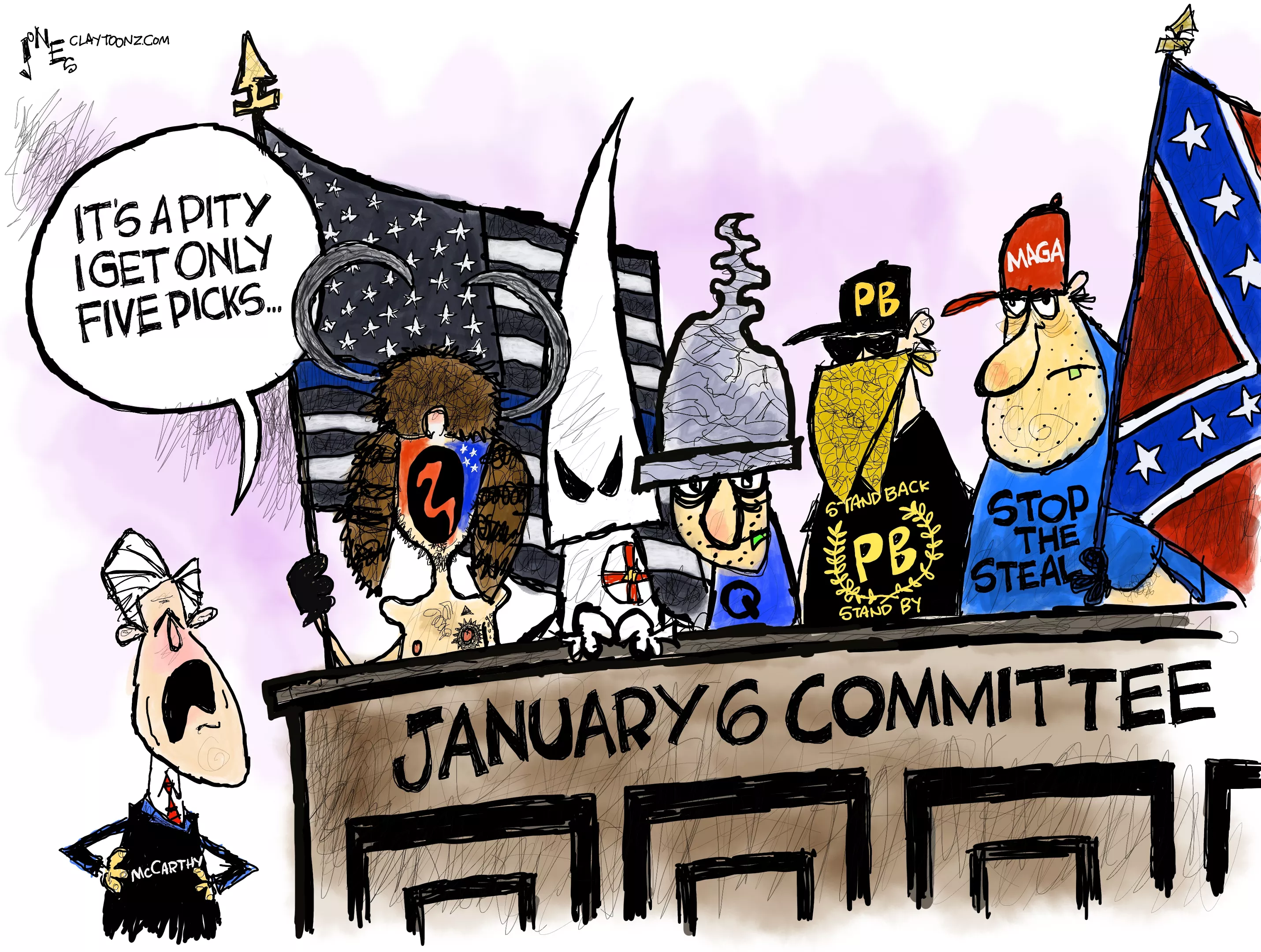
Were you disappointed that a proposal for a bipartisan commission to investigate the Jan. 6 riot at the U.S. Capitol was blocked by a Senate filibuster?
Yes, I was. I do think that a bipartisan commission to investigate that was in order. That was a really sad day in American history. And I think that we should know more about who was behind it and who was involved with it. And it seems like that commission would have been on track to do that.
How do you grade Congress's response to the pandemic overall?
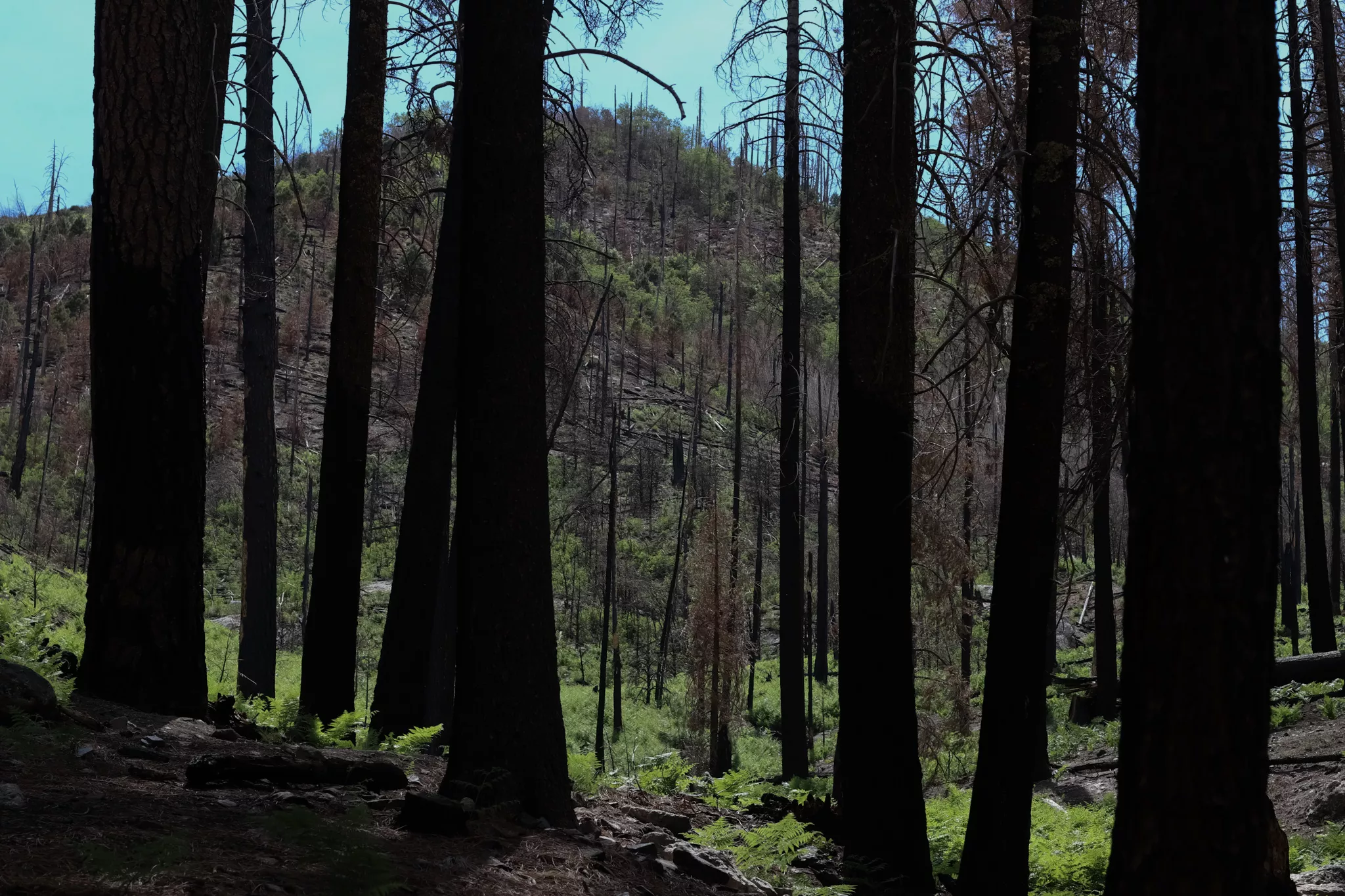
TUCSON – It’s been a year since the Bighorn Fire blackened broad swaths of the Santa Catalina Mountains north of Tucson. Now, a recent tour of Catalina State Park and Mount Lemmon reveals sprigs of new growth peeking through the forest floor. Wildlife, including bighorn sheep, are returning. Life in Summerhaven, a tiny community near the summit of Mount Lemmon, has returned to normal.
But at a time when more than 20 wildfires are burning across drought-wracked Arizona, the memory of – and respect for – fire is never far away.
“The mountain was lit up like the Fourth of July, and it was very startling to many people – scary, in fact,” Mark Hart, public information officer for the Arizona Game & Fish Department, recalled on the news media tour.
The fire began June 5, 2020, after lightning struck the Pusch Ridge Wilderness. It burned for 48 days, growing into one of the biggest fires in Arizona history at nearly 120,000 acres.
Residents of the Southwest are intimately familiar with the devastating effects of fire on homes and businesses, but Hart said wildlife in the rugged Catalina range can benefit from such events as the Bighorn Fire.
“It clears dense vegetation, promotes new growth and, indeed, can alter the landscape in many positive ways,” he said.

Wednesday, July 7, 2021
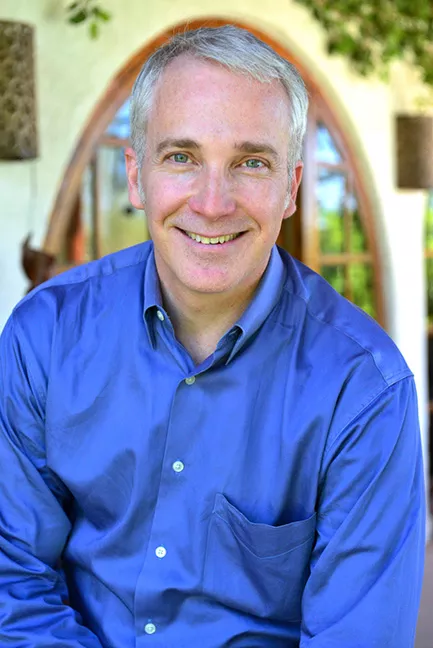
State lawmaker Randy Friese, a Democrat elected to his fourth term in the Arizona House of Representatives last year, is in the race for the retiring Congresswoman Ann Kirkpatrick’s seat. (The district lines are scheduled to be redrawn before the 2022 election by Arizona’s Independent Redistricting Commission.) Friese is a trauma surgeon who saved Gabby Giffords' life on Jan. 8, 2011. Also in the race: Friese’s fellow state lawmakers Sen. Kirsten Engel and Rep. Daniel Hernandez. (The Weekly will post Q&As with the other candidates later this week.)
What makes you the person for the job?
I guess it's just a sense of service I've had throughout my career with the Navy, a teacher at the medical school, a legislator who is serving my fourth term in the Arizona House of Representatives. So I think it'd be an opportunity to broaden my service to the community. I've always felt that being a trauma surgeon was community service. I looked at my legislative services as broadening that and this just takes it a step further.
What do you make of this audit of the 2020 election in Maricopa County?
I find it dangerous. Very, very troubling. The people who are running the audit are not trustworthy, don't have the experience. I think Secretary of State Katie Hobbs said a few weeks ago that the Dominion machines now need to be returned and new ones need to be released before another election. It's just unfounded and dangerous.
Were you disappointed that the proposal for a bipartisan commission to investigate the Jan. 6 riot at the U.S. Capitol was blocked by a Senate filibuster?
Of course. I don't understand why the senators would block a proposal that was bipartisan to start with. The commission was created with a nod towards the requests of the House Republicans that were on the developing team. The subpoena power was bipartisan, as I understand it, and there were certain things that were put in there to make people comfortable with the ability to get to the facts. This country deserves more information on how that developed, what the intentions were. We need a lot of the answers and that commission would have gotten there in a way that would make people comfortable that all points of view were respected and taken into consideration
How do you grade Congress's response to the pandemic?
I think a lot of the response to the pandemic lay in the executive branch agencies. I think Congress's response to the pandemic was voting for the funding through the Cares Act I and II and the American Rescue Plan. I think those were necessary. It was a lot of spending, but we needed to get aid and help to the American people and small businesses. And so I would look at Congress's response and probably say that it was a B-plus, getting aid out in those different plans. I would grade the executive branch a little differently until the new team came in.
How do you think the Affordable Care Act could be improved?
The intention, when the Affordable Care Act was initially passed, was to continue to work on it. In 2010, when it was passed, I believe that the Democrats in charge changed the scope of the Affordable Care Act to try to entice some Republicans to vote for it. High-risk corridors, reinsurance, those types of things, were put off to try to get some Republicans to support it. And that didn't happen. And I believe the concept was to address those in the future years. And they were unable to because the intent was then, under the new majority Republican majority—I don't know how many times they voted to try to repeal it. So I think there are things we can do to broaden the benefits of the Affordable Care Act, We need more young, healthy people using the Affordable Care Act and the exchanges to get their health care to sort of spread that risk out. And that costs, right? The more young healthy people you have buying insurance that aren't using it, the more money is available to pay for those that are older and less healthy that require the health care. So I think there are ways we can try to improve it. Absolutely. Starting with those high-risk corridors.
What did you think of the Biden administration's infrastructure proposal?
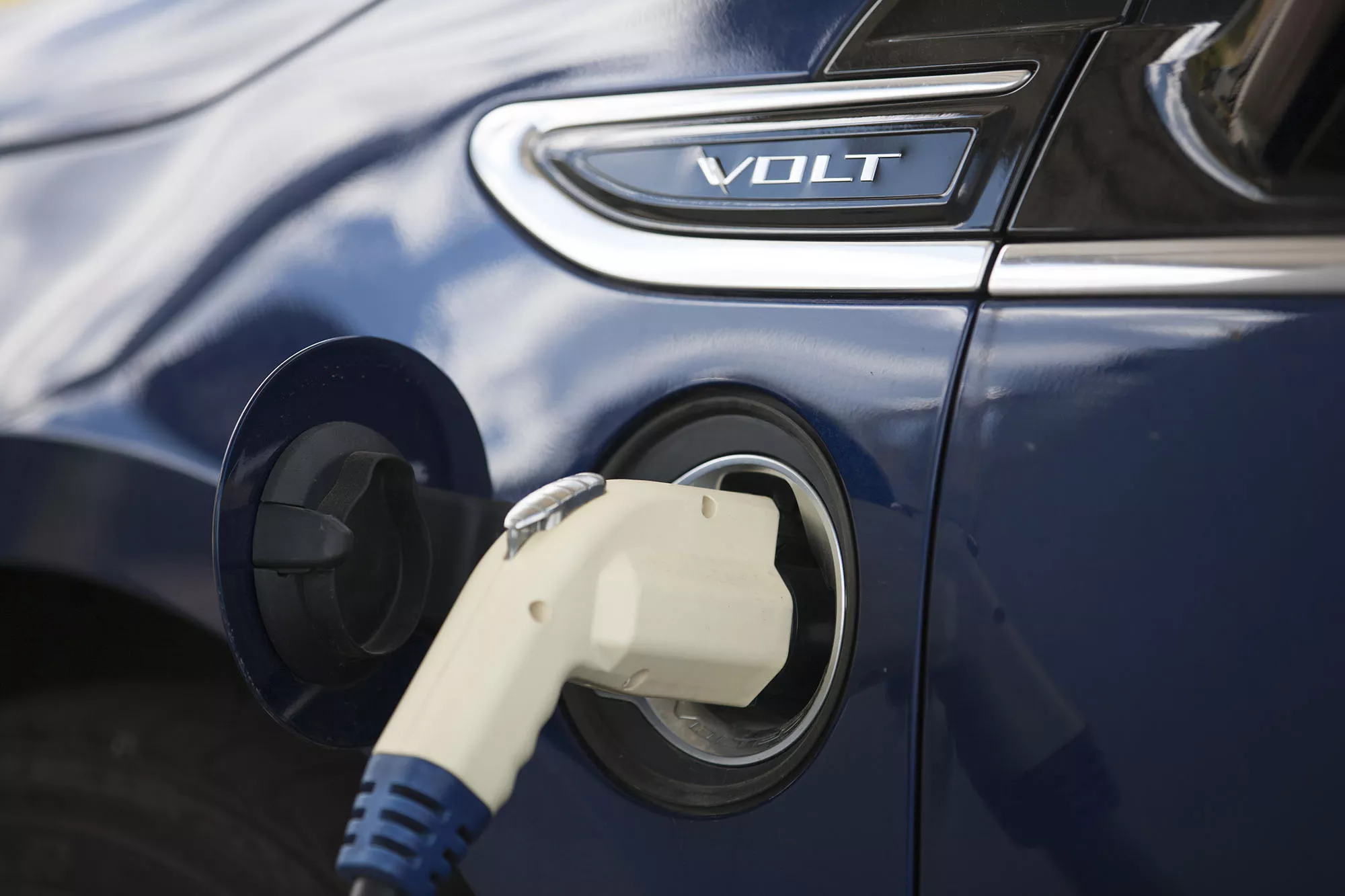
WASHINGTON – For a mostly red state, Arizona has a lot of blue-state company when it comes to states ranked by electric vehicle ownership, according to recent government data.
Arizona had 28,770 registered electric vehicles as of June, according to the U.S. Department of Energy’s Alternative Fuels Data Center, the seventh-highest number among states. When ownership is measured per 1,000 residents, Arizona inches up a notch to sixth place, with just over four electric vehicles per 1,000 people.
That rate put Arizona just behind Oregon and Colorado and just ahead of Nevada and Vermont. California was in the lead by far, with 425,300 registered electric vehicles, or one for every 10.7 residents.
Arizona EV enthusiasts welcomed the ranking, which they said they have seen reflected in steady increases in group membership, but said the state can do better.
“Arizona is growing by leaps and bounds in major areas, but still struggling out there in the hinterlands,” said Jerry Asher, vice president of the Tucson Electric Vehicle Association.
He and others said the biggest challenge in Arizona, as in much of the country, is the lack of readily available charging stations for electric vehicles.
Currently, there are 385 public fast-charging plugs and 1,448 non-fast-charging plugs in the state, said Diane Brown, executive director with the Arizona Public Interest Research Group Education Fund. And many of those “are not available 24 hours a day, often making EV charging less convenient to the public,” she said.