Tuesday, July 6, 2021
Sunday, July 4, 2021
Friday, July 2, 2021
Arizona
voters support the Biden administration’s American Jobs Plan and the American
Families Plan, according to a new survey released this week.
The
American Jobs Plan, a proposal to invest $2.2 trillion in various infrastructure
programs (including repairing roads and bridges, replacing lead water pipes and
improving the electrical grid), had the support of six out of 10 voters, according
the survey by polling firm ALG Research. That includes strong support from 44%
and opposition from 35%.
Meanwhile,
the $1.8 trillion American Families Plan, which would provide tax credits to cover
the cost of health insurance, pay for child care for kids 3-4 years old and
provide two years of free community college courses, had the support of 55% of
voters, while 42% oppose the proposal.
Specific
elements of the two proposals enjoyed even higher support, such as improvements
to roads and bridges (86% support), expanding job training programs so high-school
graduates can enter the workforce without needing a college degree (83%), replacing
aging lead pipes (81%), improving high-speed internet in rural communities
(80%), expanding free childcare (65%) and expanding the use of clean energy
(65%).
The
survey also suggested Arizonans support raising taxes on Arizona’s higher
earners, with 60% supporting raising taxes on Americans earning more than
$400,000 to help pay for the programs. In general, 58% of those surveyed said
that corporations and wealthy Americans don’t pay enough in taxes—an
interesting finding, given that this week, Gov. Doug Ducey signed a state
budget dramatically reducing taxes for Arizona’s top earners and shifting the
state’s tax burden to the middle class.
Those
surveyed balked at proposals to pay for the package with higher gas taxes, with
72% opposing such a hike or indexing the gas tax to inflation. An even higher
number, 84%, oppose a new tax on the number of miles driven, while 69% oppose
higher fees on toll roads.
Half
of those surveyed said they’d rather see Democrats pass the proposal with
higher taxes on corporations and wealthy Americans with only Democratic support,
while just 24% said they’d rather see Congress pass a bipartisan plan that
included higher user fees for low-income and middle-class Americans.
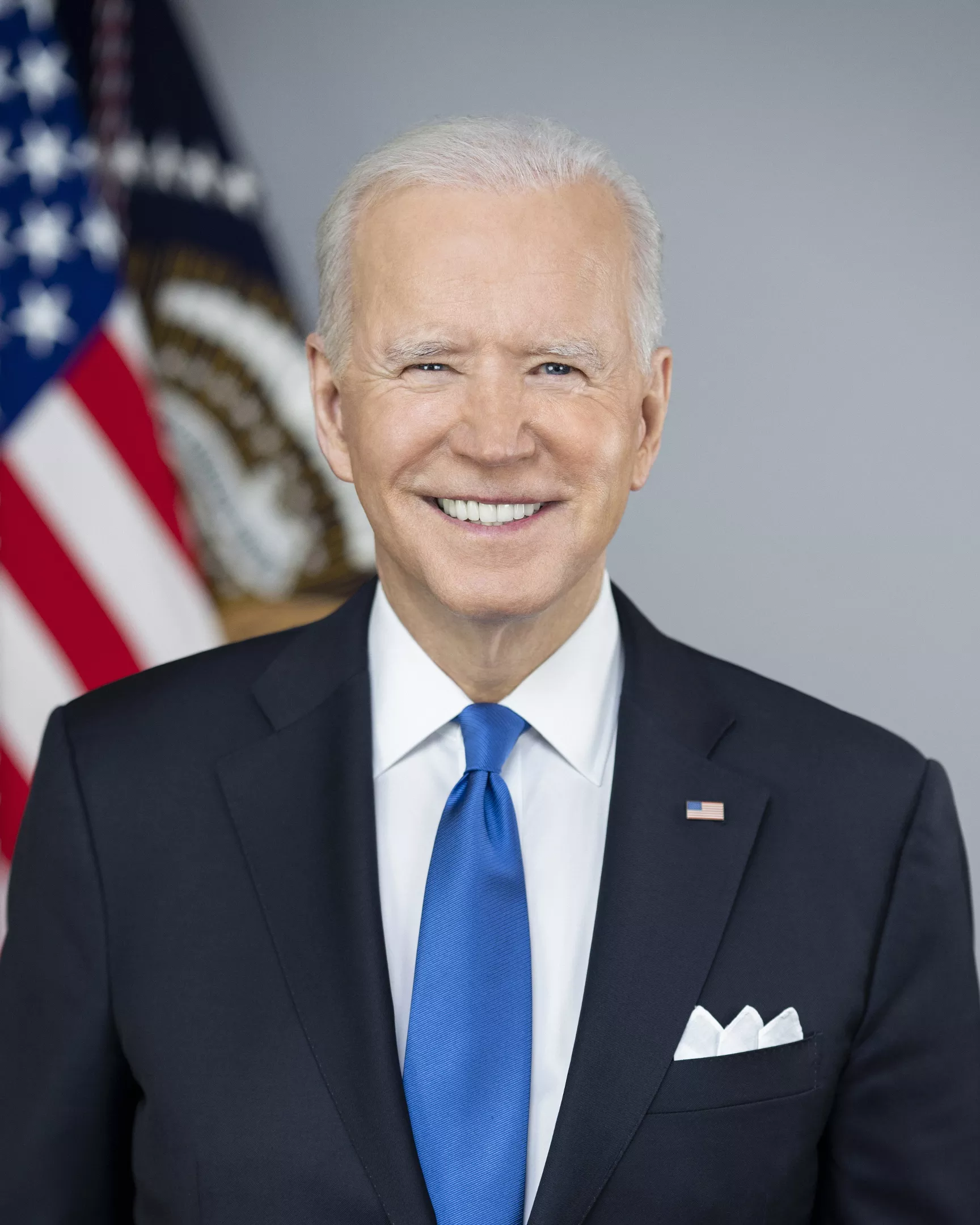
While Biden and Senate leaders say they have reached a compromise on a bipartisan infrastructure proposal, Republican leaders say they won't support other Biden administration proposals that Democratic leaders say they will try to pass via the reconciliation process to prevent a GOP filibuster in the Senate.
The
poll surveyed 801 likely 2022 Arizona voters via telephone and text-to-web from June
2-8. The margin of error was +/- 3.5%.
Editor’s Note: This story is part of an ongoing project to highlight Black athletes who have broken barriers and made lasting contributions to Arizona sports.
PHOENIX – He was a trailblazer. An athlete. A civil rights activist. Yet 67 years after he stepped away from baseball, the full story of John Ford Smith’s life remains untold.
“You go online, you know, it says he was here, he was here, he was here. But you don’t know how he got there,” said Phil Dixon, a highly regarded author and historian of the Negro Leagues. “So, a lot of his life is a mystery.”
They reflect on the life of Smith, who started his professional baseball career in 1939 with the Chicago American Giants but saw little action with them in his lone season there. He spent the 1940 season with the Indianapolis Crawford before leaving for the Monarchs in 1941.
His baseball career took a break while he served in the Army Air Corps from 1942 to 1945.
“My dad was in the military, he finished as a lieutenant. He spent most of his time during World War II in England,” Jackie Garner said. “And he led those folks that had to drive those bombs to the airfields. And they had to drive with no lights, and in the fog a lot of times at night, because you didn’t want them (the enemy) knowing that they’re moving things.”
Thursday, July 1, 2021
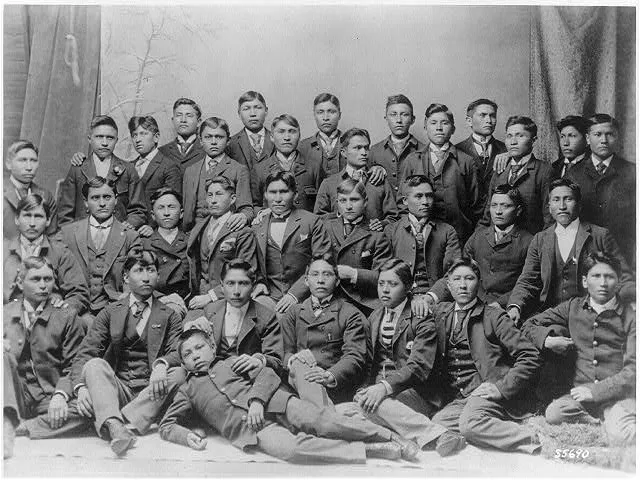
PHOENIX – When the Phoenix Indian School was established in 1891, the top federal administrator considered it a budgetary win to send Native American children to boarding schools to enforce assimilation into white society.
“It’s cheaper to educate Indians than to kill them,” Indian Commissioner Thomas Morgan said at the opening of the school.
The true cost of Indigenous boarding schools in the United States and Canada, and the abuses Native Americans endured in them, continues to be revealed. With nearly 1,000 bodies in mass graves discovered this month on the grounds of Canadian boarding schools amid their ongoing investigation, and Secretary of the Interior Deb Halaand’s recent pledge to investigate past abuses in the U.S., Arizona’s Indigenous boarding schools will face fresh scrutiny.
Rosalie Talahongva, who curates the Phoenix Indian School Visitor Center, said she and many of her Hopi relatives went to school there.
“If you ask, was that voluntary, I would ask you, is it voluntary when there isn’t any other option?” Talahongva said.
The Phoenix Indian School closed in 1990 by order of the federal government. But a handful of Indian boarding schools remain in operation.
“Lieutenant Richard Henry Pratt had a lot to do with the structure of these boarding schools,” Talahongva said, referring to the founder of the influential Carlisle Indian School in Pennsylvania. “His idea was ‘Kill the Indian, save the man.’ So the whole destruction, annihilation of Indian identity – Indian culture was to be destroyed at these federal boarding schools.
“There were many children that were just forcibly taken away from their families and made to come to boarding school.”
By 1900, 20,000 children were in Indian boarding schools. By 1925, that number had more than tripled, according to Boarding School Healing.

Wednesday, June 30, 2021
Tuesday, June 29, 2021
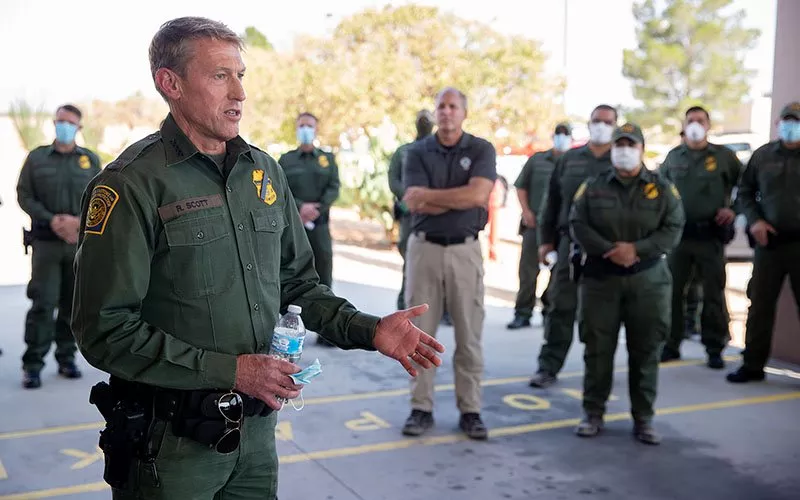
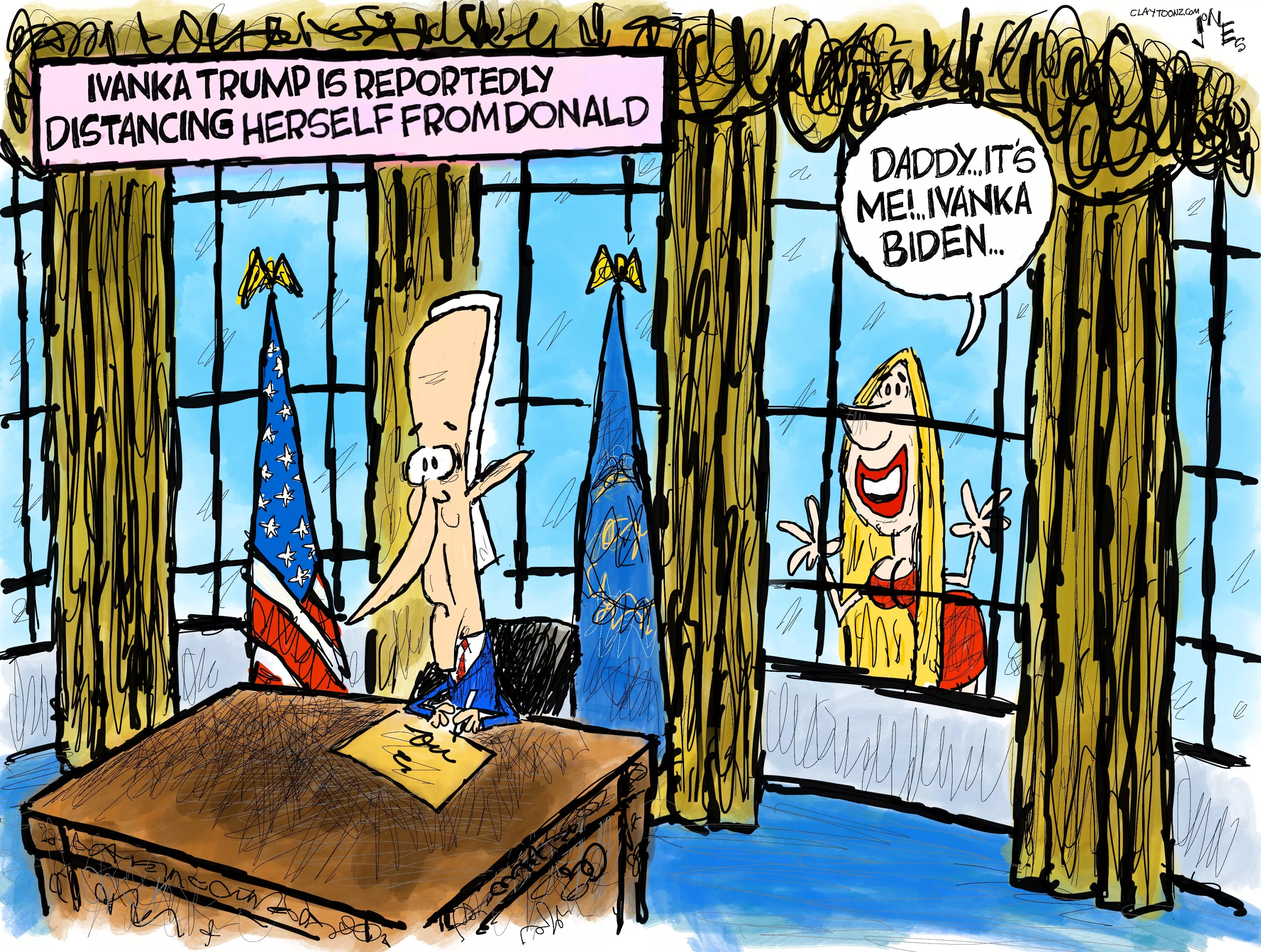
WASHINGTON – The chief of Border Patrol was forced out after just 17 months in the job, a move that critics blasted as a politically motivated decision by the Biden administration.
Acting Customs and Border Protection Commissioner Troy Miller said Thursday that Border Patrol Chief Rodney Scott has been replaced by Deputy Chief Raul Ortiz. Miller’s announcement thanked Scott for his service, but included no details on the reasons behind the departure.
Critics accused the Biden administration of giving Scott a choice of “three Rs” – reassignment, retirement or resignation – because he disagreed with their border policies.
“The chief asked directly why it was happening and was not provided response other than, ‘We want to go in a different direction,'” said Mark Morgan, who served as acting CBP commissioner during the Trump administration and appointed Scott to the chief’s job.
An angry Morgan called the decision “outrageous” and “devoid of all common sense,” saying that the Biden administration is “ending the 29-year career of a man not for just cause, but rather in the name of politics.”
But Doris Meissner of the Migration Policy Institute said Scott’s decision to “align himself, as the head of border patrol, with the president (Trump) personally” was “uncharacteristic” for someone in a career position, not a political appointment.
“From what I know about Chief Scott, he was more political and partisan in the places that he chose to appear during the Trump years than has typically been the case for Border Patrol chiefs,” said Meissner, director of the institute’s U.S. Immigration Policy Program.
“I’m simply guessing that that has been part of the reason that he’s been offered the option to resign or be reassigned,” she said.
The move comes at a challenging time for the Biden administration on its handling of immigration issues. Republicans have repeatedly attacked President Joe Biden for what they call a crisis at the border, where the number of migrants apprehended has surged to the highest levels in years.