Thursday, June 17, 2021
Wednesday, June 16, 2021
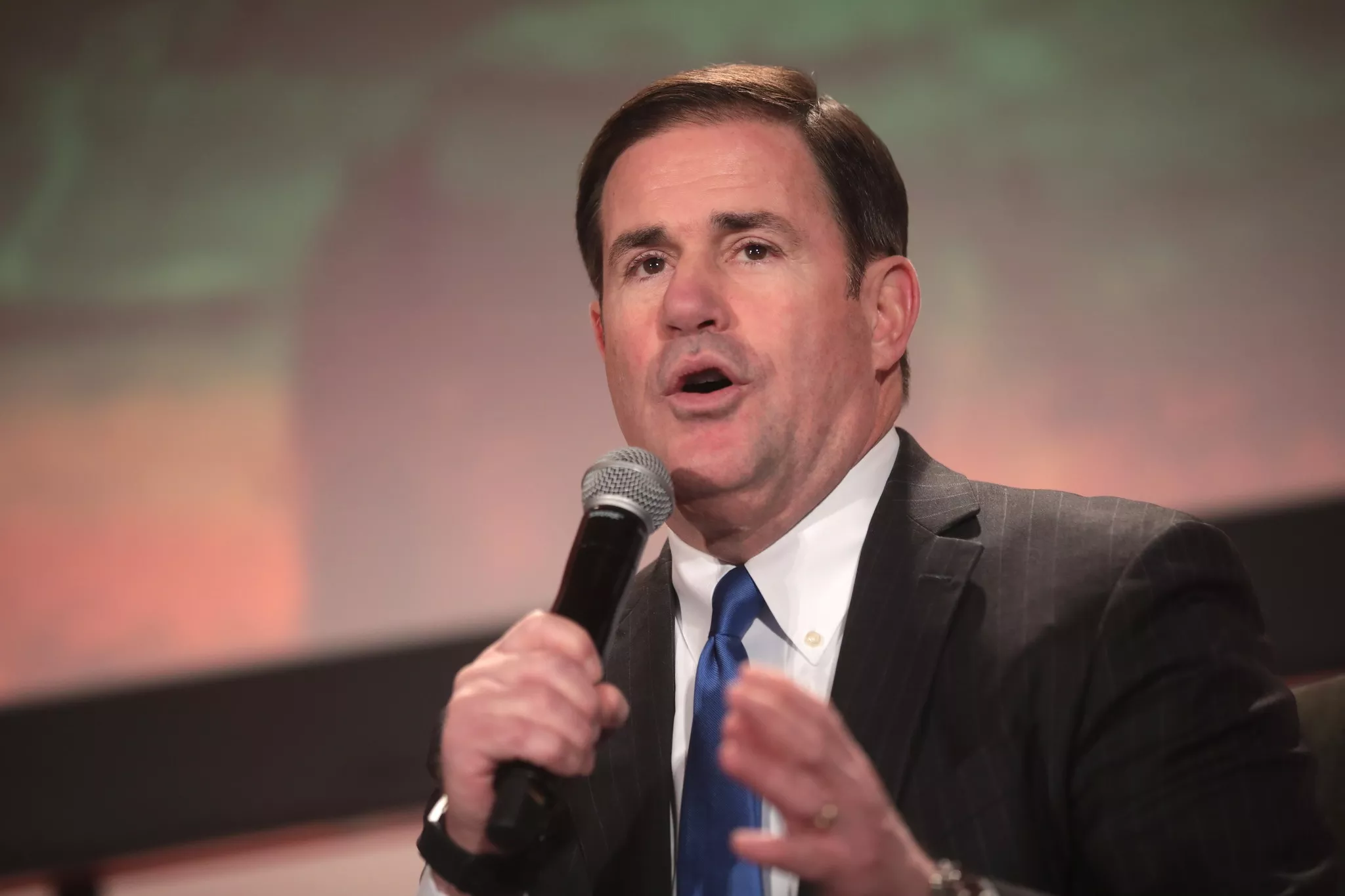
Gov. Doug Ducey issued an executive order on Tuesday preventing Arizona’s public universities and community colleges from mandating students to receive the COVID-19 vaccine or submit COVID-19 vaccination documents. In addition, higher education students cannot be mandated to be tested for the virus or wear masks in order to participate in learning.
“The vaccine works, and we encourage Arizonans to take it. But it is a choice and we need to keep it that way,” Ducey said in a news release. “Public education is a public right, and taxpayers are paying for it. We need to make our public universities available for students to return to learning. They have already missed out on too much learning.”
The executive order provides exemptions for students participating in medical or clinical training. It also does not prevent colleges from encouraging vaccinations, providing testing or having voluntary mask usage. According to the executive order, although COVID is highly contagious, it has not demonstrated transmission characteristics that would mandate vaccines in "narrow circumstances."
Arizona has administered more than 6 million vaccine doses to date, with more than 3 million Arizonans fully vaccinated.
Read the full executive order here.
PHOENIX – Phoenix Sky Harbor International Airport is filling up with more travelers this summer, with more than 4.8 million passengers boarding flights there in the past four months alone, according to a report published on the airport’s website.
Due to the low volume of travelers at the height of the pandemic, getting through security and the preboarding process was quick and easy. But today, the process is a bit more difficult, according to Patricia Mancha, a media Transportation Security Administration spokesperson.
“During the pandemic, if anyone traveled they saw no lines. It was a quick process. That’s not the case anymore,” Mancha said.
The COVID-19 pandemic hit American travelers hard in 2020 and early 2021. In addition to lockdowns and people’s health concerns over travel, government-issued bans on travel to countries such as Iran, China, the United Kingdom, Brazil, South Africa and most recently, India.
According to Sky Harbor officials, 2020 had a total of around 21 million travelers, compared to the more than 40 million who traveled through the airport in every other year in the decade.
Tuesday, June 15, 2021

Monday, June 14, 2021

Friday, June 11, 2021
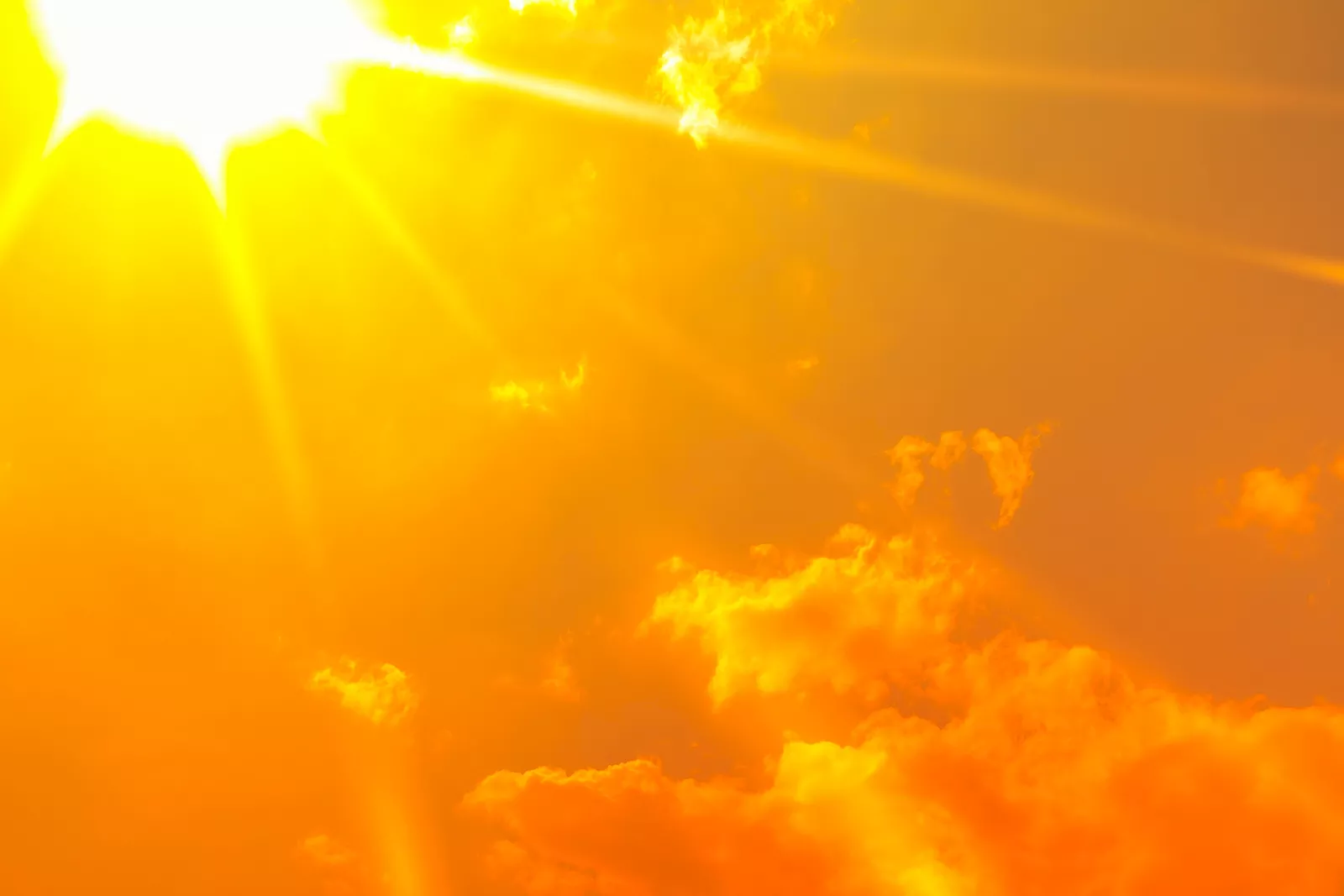
Some local COVID vaccination sites are changing operating hours because of expected increasing temperatures.
Starting Saturday, the two sites - Rillito Race Track, 4502 N. 1st Avenue, and Curtis Park, 2110 W. Curtis Road - will operate 7 to 11 a.m. and 7 to 10 p.m.
The Tucson area is expected to reach temperatures higher than 105 degrees during the next several days and precautions are being taken to keep clients, workers and volunteers safe, according to a news release from Pima County.
Some area vaccination sites are still offering lottery tickets* as incentives for those who have not yet been vaccinated.
June 11
- *Coronado Elementary School, 3401 E. Wilds Road, 4-7 p.m.
June 12 - 14
- Rillito Race Track, 4502 N. First Ave., 7 – 11 a.m.; 7 - 10 p.m.
- Curtis Park, 2110 W. Curtis Road, 7 – 11 a.m.; 7 - 10 p.m.
June 12
- Our Lady of Fatima Church, 1950 Irvington Place, 8 a.m.-noon
June 13
- Sacred Heart Church, 601 E. Fort Lowell Rd., 8 a.m.-noon
- St. Augustine Cathedral, 192 S. Stone Ave., 9 a.m.-1 p.m.
June 14
- *Palo Verde High School, 1302 S. Avenida Vega, 2-7 p.m.
- Cienega High School, 12775 E. Mary Ann Cleveland Way, Vail, 6:15 a.m.-noon
Monday, Wednesday, Friday
- *El Pueblo Library, 101 W. Irvington Road, 4 – 8 p.m.
- Tucson Medical Center, 7200 E. Tanque Verde Road (Morris K. Udall Center), 8 a.m.–5 p.m.
Monday-Saturday
- *Kino Event Center, 2805 E. Ajo Way, 9 a.m.–7 p.m.
Monday-Friday
- Tucson Convention Center, 260 S. Church Ave., 8 a.m.–4 p.m.
- Tucson Mall — in the former Justice store, 2nd floor between Dillards and Sears, 4500 N. Oracle Road, 11 a.m.-3 p.m.
- University of Arizona, Gittings, 1737 E. University, 9 a.m.–3 p.m., Second doses only, Last day: June 25
Monday-Saturday
- State POD-University of Arizona, Indoors: Gittings, 1737 E. University Blvd., 10 a.m.–5 p.m. (closed May 29-31)
- Tuesday-Friday
- Tucson Mall — in the former Justice store, 2nd floor between Dillards and Sears, 4500 N. Oracle Road, 11 a.m.-3 p.m.
*Incentives being offered to those getting first doses of vaccine.
The FEMA mobile units are scheduled to continue through June 26, although future locations are being moved to air-conditioned indoor buildings. Check pima.gov/covid19vaccine for updates on the FEMA units and all vaccination sites.
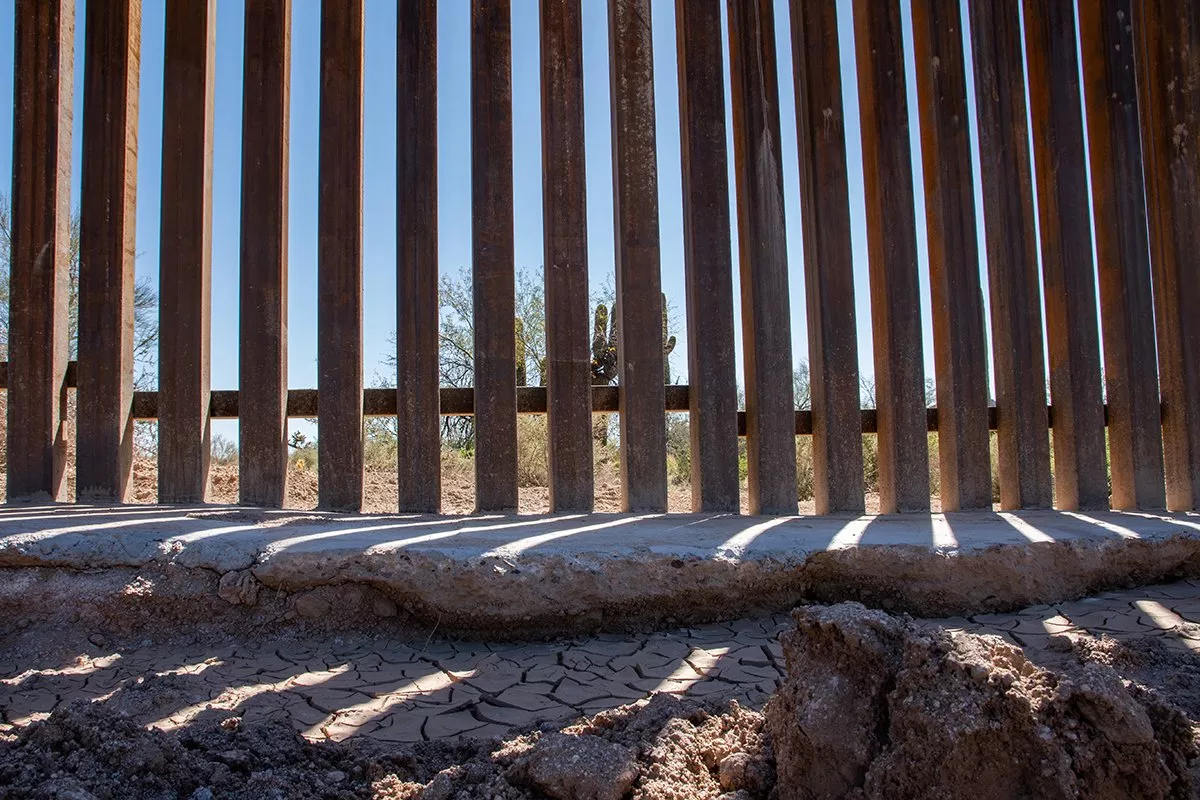
ORGAN PIPE CACTUS NATIONAL MONUMENT – Replanted saguaros stand like sentinels along a wide access road and a towering, 30-foot bollard barrier that’s part of construction ordered by then-President Donald Trump. But farther along the border, the new barrier ends, the road is incomplete, construction materials lay scattered and uprooted plants have long since died.
Locals, security experts and environmentalists say the half-finished project has introduced more problems than it fixed.
Now, the administration of President Joe Biden – which paused wall construction in January – faces a logistical, ethical and political quandary in determining the best way to proceed. Some groups and interests want the wall finished, others want to remove what has already been built.
Kelly Glenn-Kimbro, a fifth-generation rancher from Douglas, and Rijk Morawe of the National Park Service come from vastly different backgrounds and work along the border in different regions of Arizona. But both say the wall – as it stands – is little more than a political prop that has failed to secure the border with Mexico but has damaged landscapes and habitat in southern Arizona.
For them, the solution is to mitigate the damage caused during the building process by finishing access roads, completing flood control infrastructure and repairing as much environmental damage as possible.
“They got the fence built, right?” said Morawe, the chief of natural and cultural resources management at Organ Pipe Cactus National Monument, which runs 30 miles along the border. “Now they need to finish the project so that they don’t leave issues going forward.”
Glenn-Kimbro, who first caught the national spotlight in the 1980s when firearms manufacturer Ruger asked her to star in advertisements as the Ruger Girl, has been an advocate for border security for 45 years.
But the wall, for which $15 billion was allocated during Trump’s tenure, is a waste of taxpayers’ money, she said, because it doesn’t stop illegal border crossings. Glenn-Kimbro feels this way even though her ranch, which abuts Mexico, benefited financially from the construction.
“Instead of doing it right, they were just going to do it,” she said. “So instead of ending up with something very effective, they end up with something that’s a total disaster.”
In areas where barrier construction has been finished, there have been multiple reports of migrants scaling the wall with homemade ladders.
Making good on a campaign promise, Biden “paused” border wall construction in an executive order on his first day in office. The order demanded top officials in relevant departments, including Defense and Homeland Security, to present a plan by March 26 to redirect funds and repurpose contracts originally drawn up to build the wall.
That deadline passed without a resolution, leaving construction and staging sites along the wall abandoned with building materials baking in the sun, sections of constructed wall flat on the ground and various tasks undone, including the completion of floodgates, road grading, and measures to prevent flooding.