
Friday, May 21, 2021
Thursday, May 20, 2021
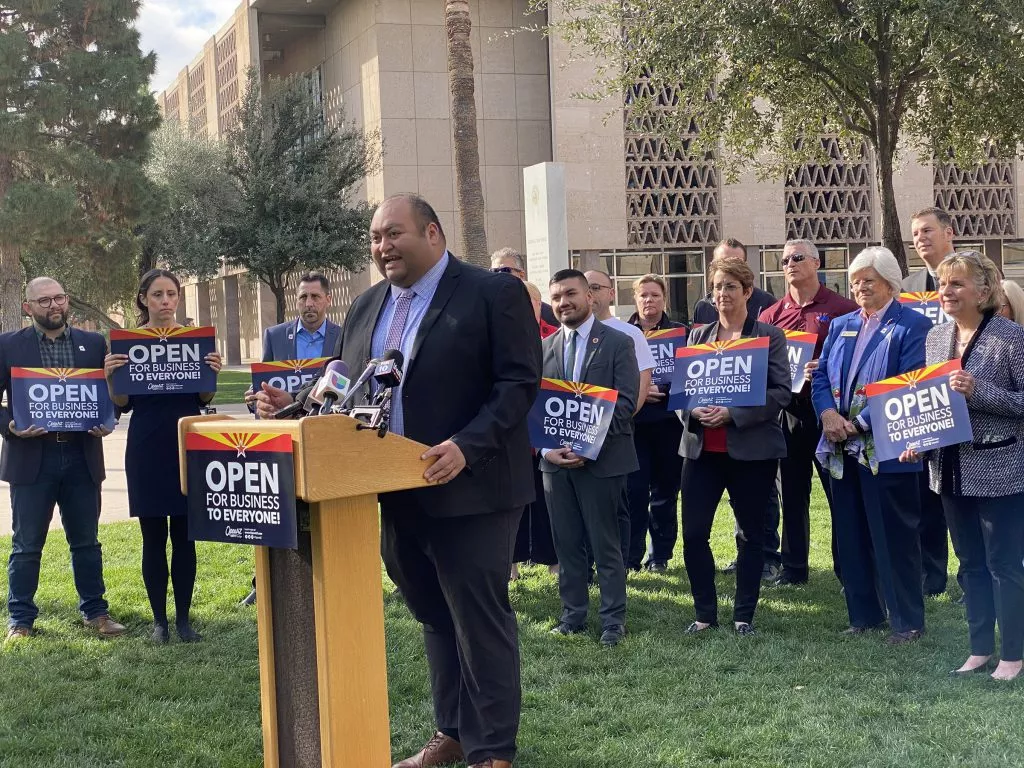
State Rep. Daniel Hernandez (D-announced today that he was launching a campaign for the
congressional seat now held by U.S. Rep. Ann Kirkpatrick, who announced earlier
this year that she would retire after this term.
“As a lifelong Arizonan from a working
class family, I know firsthand that people in Southern Arizona want results
from their representatives, and as our community recovers from this pandemic,
that’s never been more important,” said Hernandez in a prepared statement
announcing his campaign. “In the
Arizona State House I have fought for investments in our schools, our
hospitals, and our roads and bridges. I have worked across the aisle to pass
laws protecting survivors of sexual assault and repealing discriminatory laws
against the LGBTQ Arizonans. I’m running for Congress to keep up that fight for
our values and deliver real results to make our community stronger.”
Two
other state lawmakers, State Sen. Kirsten Engel and State Sen. Randy Friese, have
already launched campaigns in the district.
Hernandez
is best known for being the first person to administer first aid to Gabby
Giffords after she was shot through the head by a crazed gunman at a Congress
on Your Corner event in January 2011. Hernandez was then an intern for
Giffords, but in 2016, he won a seat in the Arizona House of Representatives in
Legislative District 2, which includes downtown Tucson, Green Valley, Sahuarita
and Nogales.
Congressional
District 2 now includes the Catalina Foothills, central and eastern Tucson and all
of Cochise County and has been one of Arizona’s most competitive districts,
being held by Democrat Ron Barber for one term, Republican Martha McSally for
two terms and now Kirkpatrick for two terms. But with redistricting underway,
the boundaries will change ahead of the 2022 election.
The spelling of state Sen. Kirsten Engel's name has been corrected in this article.

Pima County is expanding vaccine opportunities, offering daily walk-in vaccinations at Foothills Mall.
On Sunday, the vaccination site, located in the former Old Navy store, began offering vaccinations for all ages from noon to 8 p.m. every day.
“The large operations made an incredible impact and allowed us to vaccinate hundreds of thousands of people in a matter of just months,” said Dr. Theresa Cullen, director of the Pima County Health Department. “Over the course of the last few months, we have also been tremendously successful in building up and perfecting our mobile and smaller-scale operations as well. It is easier than ever to get a COVID-19 vaccine in Pima County.”
Since the state began vaccinating children ages 12 to 15 after a green light from the FDA on May 13, the county has expanded its locations offering Pfizer.
The county continues to offer vaccinations at several mobile sites every week, along with the FEMA pop-up sites.
Thursday, May 20
- Richey Resource Center, 2209 N. 15th Ave., 9 a.m. - 3 p.m.
- Cornerstone Fellowship Church, 2902 N. Geronimo Ave., 1:30 - 3 p.m.
- New Jerusalem Missionary Baptist Church, 1341 S. Tyndall Ave., 3 - 7 p.m.
- Antigone Books, 411 N. 4th Ave., 6 - 9 p.m.
Thursday, May 20 - Friday, May 21
- Northwest Service Center, 1010 W. Miracle Mile, 10 a.m. – 8 p.m.
- Pima Community College East, 8181 E. Irvington Road, 10 a.m. – 8 p.m.
Friday, May 21
- Amphi High School, 125 W. Yavapai Road, 10:30 a.m. - 2 p.m.
- Grace Temple, 1020 E. 31st St., 4 - 7 p.m.
- Pueblo High School, 3500 S. 12th Ave., 5 - 9 p.m.
Saturday, May 22
- Friendship Missionary Baptist Church, 850 N. 11th Ave., 8 a.m. - 1 p.m.
- St. Joseph Catholic Parish, 215 S. Craycroft Road, 9 a.m. - 1 p.m.
- St. Pius X Catholic Church, 1800 N. Camino Pio Decimo, noon - 3 p.m.
Sunday, May 23
- Saguaro Christian Church, 8302 E. Broadway Ave., 2 - 6 p.m.
- Saints Peter & Paul Catholic Church, 1946 E. Lee St., 8 a.m. - 2 p.m.
- Most Holy Trinity, 1300 N. Greasewood Road, 11 a.m. - 2 p.m.
Sunday, May 23 - Tuesday, May 25
- COPE Community Services, 5401 E. 5th Street, 10 a.m. – 8 p.m.
- Park Place Mall, 5870 E. Broadway Blvd., East Parking lot (east of Park Place Drive), 10 a.m. – 8 p.m.
Ongoing
- Tucson Mall, 4500 N. Oracle Road, 11 a.m. - 3 p.m., Monday through Friday
“The number of places to get vaccinated and how easy the process has become is making it more accessible to those looking to join the over 3.1 million people in Arizona who have received at least one dose,” said Cullen. “Our goal is to be ready and nearby when someone makes the decision to get theirs.”
With its shift to smaller sites, some of the larger operations within the county will close, including the CareMore Health location at 4750 S. Landing Way, near Irvington and I-19, on May 21; and the Tucson Convention Center site will close May 28.
As of Wednesday, May 19, the state has administered more than 5.5 million vaccines, with about 37% of the Arizonans fully vaccinated. The state has remained at a substantial level of transmission for several weeks with a rate of about 65 cases per 100,000 for the week of May 2. Pima County remains below 50 cases per 100,000 for a moderate rate of transmission for the past three weeks.
Tucson Repeals Mask Mandate
After the Pima County Board of Supervisors voted to drop its mask mandate last week, the Tucson City Council followed suit and unanimously voted to repeal its mask mandate Tuesday night.
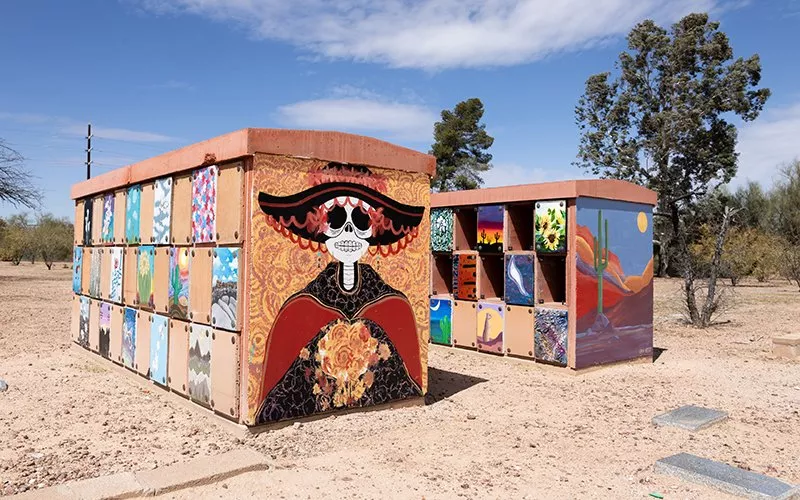
AJO – It was a simple message scrawled into a basalt rock lying near-empty cans of beans and jugs of water that volunteers had left deep in the Sonoran Desert for undocumented immigrants passing through: “Gracias.”
But to Mikal Jakubal, who, as a volunteer with the Ajo Samaritans, had been making weekly trips into the backcountry to stock water drop locations, the note was affirmation that the group’s efforts were appreciated.
“For the most part, we will never hear from the people who use this,” Jakubal said. “We don’t know what it was like getting to this point. We don’t know what is after this. But you have this one little connection across massively different life experiences: They found some water and you found a thank you note.”
Mark Diekmann, a volunteer with People Helping People in the Border Zone in Arivaca, located 11 miles north of the U.S.-Mexico border, said those moments make his work worthwhile.
“Every time you give somebody water, they appreciate it. Every time you give somebody warm clothes,” Diekmann said. “Every time you give them a warm place to be and they know, for the moment, that they’re going to be OK.”
Two decades ago, when the U.S. Border Patrol began to focus on more populated areas in California and Texas and general enforcement increased across the southern border, migrants began venturing into more remote areas to cross the U.S.-Mexico border undetected. Since then, local humanitarian aid groups in southern Arizona, such as the Ajo Samaritans and People Helping People in Arivaca, have been working with a core mission: to mitigate suffering and death in the harsh desert wilderness of Arizona borderlands.
Even so, the bodies of 227 undocumented border crossers were found in the Arizona desert in 2020, a record. Dr. Gregory Hess, chief medical examiner with the Pima County Office of the Medical Examiner, attributes the increase to last year’s hot, dry summer.
“When I started here in the late 2000s, I don’t think anybody would have dreamed that we’d still be seeing these types of numbers now,” Hess said.
And absent meaningful efforts to address the factors that drive people to risk their lives crossing miles of unforgiving desert, the problem will continue, Hess and other experts say. It is an issue driven by global factors. Although most of the migrants come from Latin American countries, people from Asia, Africa and the Middle East are represented among those crossing the border.
Wednesday, May 19, 2021
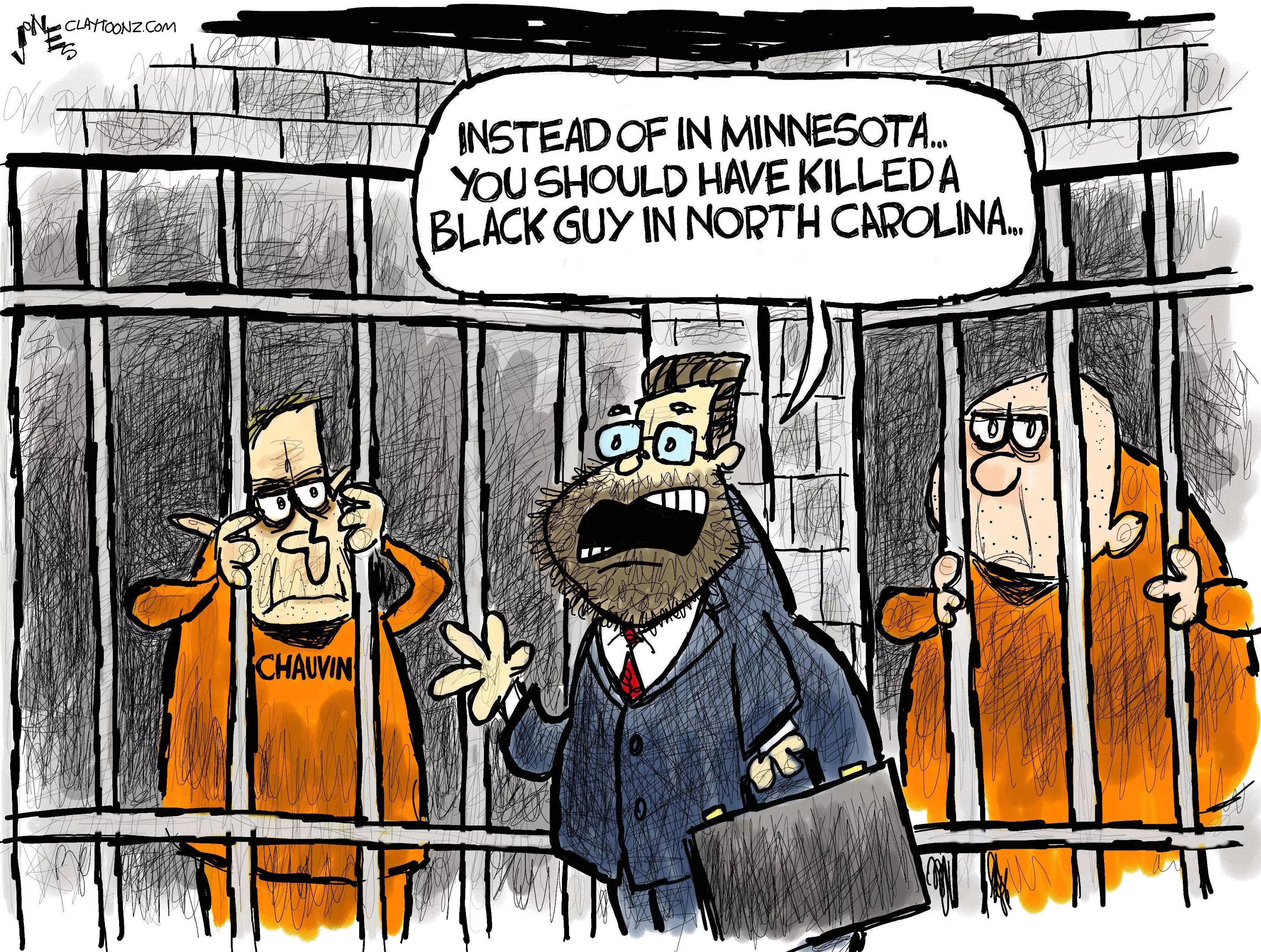
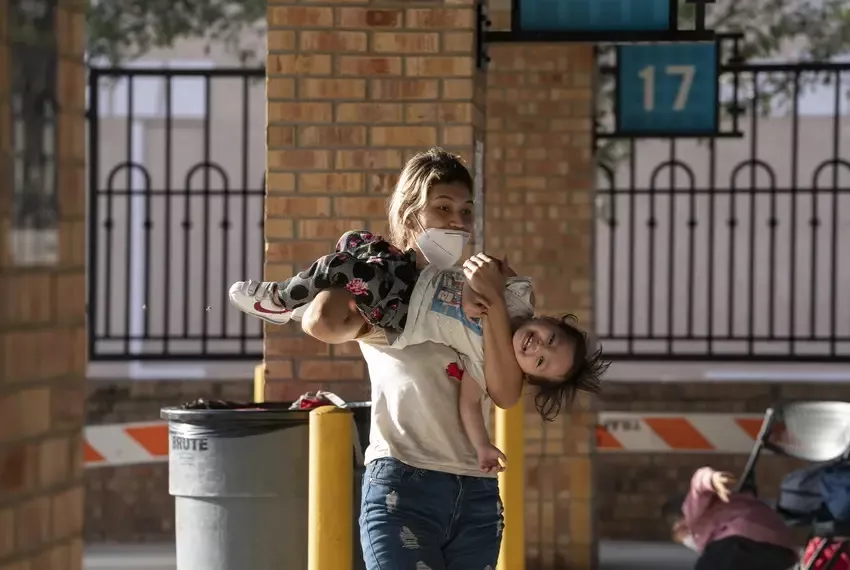
The Biden administration and the Mexican government have made the situation at the border so confusing that even seasoned experts can’t always determine who is allowed in and who isn’t. That may be contributing to the high number of border crossings.
No matter how hard he tried, Jonatan Garcia said, he couldn’t find steady work in Guatemala. He dabbled in construction, and on some days picked beans, after losing his sales job at a TV station a few weeks after the pandemic shuttered businesses and further stifled employment in his country.
Desperation quickly mounted for Garcia. He struggled to make enough money to provide food for his wife and two small children, and they faced eviction from the three-room house they rented in the mostly indigenous and impoverished rural state of Baja Verapaz.
Then, Garcia said, smugglers falsely told him that President Joe Biden had signaled during a television appearance that migrants would be allowed to enter the United States. The new administration has been trying to combat such misinformation as it seeks to rein in the influx of migrants at the southern border of the U.S.
Garcia borrowed nearly $7,000 from a friend and, aided by a smuggler, traveled to Texas with his 6-year-old son. He left behind his wife and baby while he searched for stable employment.
Garcia and his son were among a record-setting number of migrants who were detained while attempting to enter the country at the U.S.-Mexico border in March and April under confounding policies that have turned the immigration process into a game of roulette. While not rising as rapidly as they had in the months immediately previous, border detentions reached a 21-year high after increasing again in April, according to federal statistics released this week.
Because of a lack of uniform policies and uneven enforcement of some laws in the U.S. and Mexico, migrants can be granted or denied entrance into the country based on a variety of factors, including where they cross and the age of their children. Smugglers have exploited the confusion to manipulate vulnerable migrants into making the journey north, adding to the sustained influx at the border, experts said.
Migrants were taken into custody by U.S. Customs and Border Protection a total of 178,622 times in April. The data includes migrants who have previously crossed. Nearly 67,000 individuals, mostly those crossing with their families and unaccompanied children, were allowed to stay in the U.S. while they seek protection from deportation. The remainder, largely single adults, were summarily turned away under a health order instituted by former President Donald Trump and continued under Biden that denies entrance to the country during the coronavirus pandemic.
In his first presidential address to Congress last month, Biden said the U.S. must contend with the root causes of migration that force people to flee their countries, including persistent violence, poor economic conditions aggravated by the pandemic and two hurricanes that pummeled Central America last year.

An online lending platform called Kabbage sent 378 pandemic loans worth $7 million to fake companies (mostly farms) with names like “Deely Nuts” and “Beefy King.”
The shoreline communities of Ocean County, New Jersey, are a summertime getaway for throngs of urbanites, lined with vacation homes and ice cream parlors. Not exactly pastoral — which is odd, considering dozens of Paycheck Protection Program loans to supposed farms that flowed into the beach towns last year.
As the first round of the federal government’s relief program for small businesses wound down last summer, “Ritter Wheat Club” and “Deely Nuts,” ostensibly a wheat farm and a tree nut farm, each got $20,833, the maximum amount available for sole proprietorships. “Tomato Cramber,” up the coast in Brielle, got $12,739, while “Seaweed Bleiman” in Manahawkin got $19,957.
None of these entities exist in New Jersey’s business records, and the owners of the homes at which they are purportedly located expressed surprise when contacted by ProPublica. One entity categorized as a cattle ranch, “Beefy King,” was registered in PPP records to the home address of Joe Mancini, the mayor of Long Beach Township.
“There’s no farming here: We’re a sandbar, for Christ’s sake,” said Mancini, reached by telephone. Mancini said that he had no cows at his home, just three dogs.
All of these loans to nonexistent businesses came through Kabbage, an online lending platform that processed nearly 300,000 PPP loans before the first round of funds ran out in August 2020, second only to Bank of America. In total, ProPublica found 378 small loans totaling $7 million to fake business entities, all of which were structured as single-person operations and received close to the largest loan for which such micro-businesses were eligible. The overwhelming majority of them are categorized as farms, even in the unlikeliest of locales, from potato fields in Palm Beach to orange groves in Minnesota.
The Kabbage pattern is only one slice of a sprawling fraud problem that has suffused the Paycheck Protection Program from its creation in March 2020 as an attempt to keep small businesses on life support while they were forced to shut down. With speed as its strongest imperative, the effort run by the federal Small Business Administration initially lacked even the most basic safeguards to prevent opportunists from submitting fabricated documentation, government watchdogs have said.
Tuesday, May 18, 2021
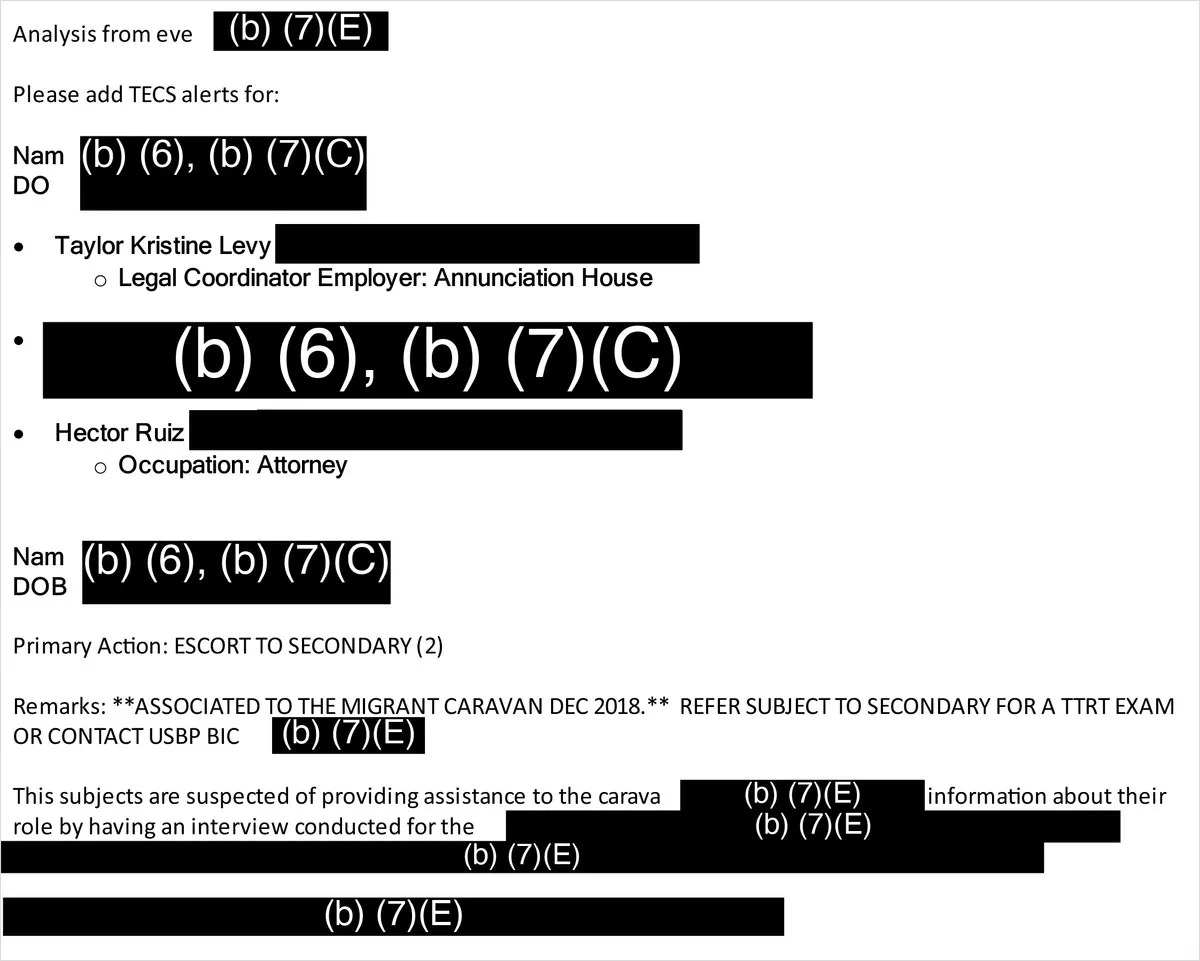
In newly disclosed records, Trump officials cited conspiracies about Antifa to justify interrogating immigration lawyers with a special terrorism unit. The documents also show that more lawyers were targeted than previously known.
Taylor Levy couldn’t understand why she’d been held for hours by Customs and Border Protection officials when crossing back into El Paso, Texas, after getting dinner with friends in Ciudad Juarez, Mexico, in January 2019. And she didn’t know why she was being questioned by an agent who’d introduced himself as a counterterrorism specialist.
Levy was part of the legal team representing the father of a girl who’d died the previous month in the custody of the Border Patrol, which is part of CBP. “There was so much hate for immigration lawyers at that time,” she recalled. “I thought that somebody had put in an anonymous tip that I was a terrorist.”
The truth was more troubling. Newly released records show that Levy was swept up as part of a broader than previously known push by the administration of President Donald Trump to use the federal government’s expansive powers at the border to stop and question journalists, lawyers and activists.
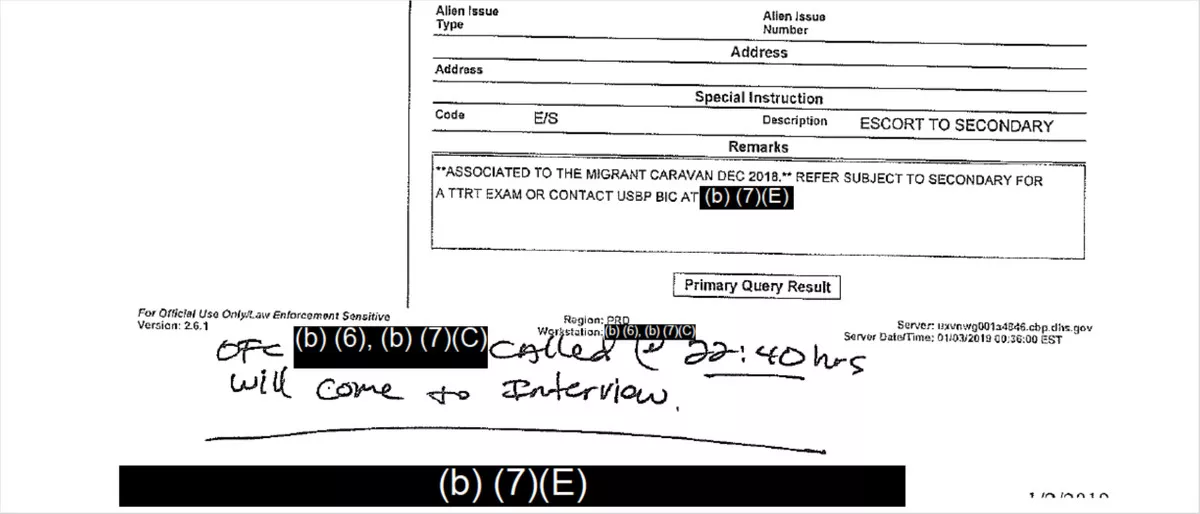
The records reveal that Levy and attorney Héctor Ruiz were interrogated by members of CBP’s secretive Tactical Terrorism Response Team. The lawyers were suspected of “providing assistance” to the migrant caravan that was then the focus of significant attention by the administration and right-wing media. Officials speculated in later reports that immigration lawyers were seeking to profit by moving migrants through Mexico, and that “Antifa” may have been involved.
The records were provided to ProPublica by the Santa Fe Dreamers Project, a public interest law firm and advocacy group that received them after filing a Freedom of Information Act lawsuit about the stops of Levy and Ruiz at the border in El Paso.