

Wednesday, April 21, 2021

With 649 new cases reported today, the total number of Arizona’s confirmed novel coronavirus cases closed in on 856,000 as of Wednesday, April 21, according to the Arizona Department of Health Services.

Pima County, which reported 93 new cases today, has seen 114,438 of the state’s 855,804 confirmed cases.
With six new deaths reported this morning, a total of 17,199 Arizonans have died after contracting COVID-19, including 2,388 deaths in Pima County, according to the April 21 report.
A total of 584 coronavirus patients were in the hospital as of April 20. That’s roughly 11.5% of the number hospitalized at the peak of the winter surge, which reached 5,082 on Jan. 12. The summer peak was 3,517, which was set on July 13, 2020. The subsequent lowest number of hospitalized COVID patients was 468, set on Sept. 27, 2020.
A total of 1,015 people visited emergency rooms with COVID-like symptoms on April 20. That number represents 43% of the record high of 2,341 set on Tuesday, Dec. 29, 2020. That number had peaked during the summer wave at 2,008 on July 7, 2020; it hit a subsequent low of 653 on Sept. 28, 2020.
A total of 169 COVID-19 patients were in intensive care unit beds on April 20, which roughly 14% of the record 1,183 ICU patients set on Jan. 11. The summer’s record number of patients in ICU beds was 970, set on July 13, 2020. The subsequent low was 114 on Sept. 22, 2020.
New appointments available daily; Pima County transitioning to indoor vaccination sites, closing Banner South drive-thru clinic next month
The state of Arizona expects new first-dose appointments to open daily this week at the University of Arizona vaccination site, so they urged those 16 and older who are interested in an appointment to regularly check podvaccine.azdhs.gov.
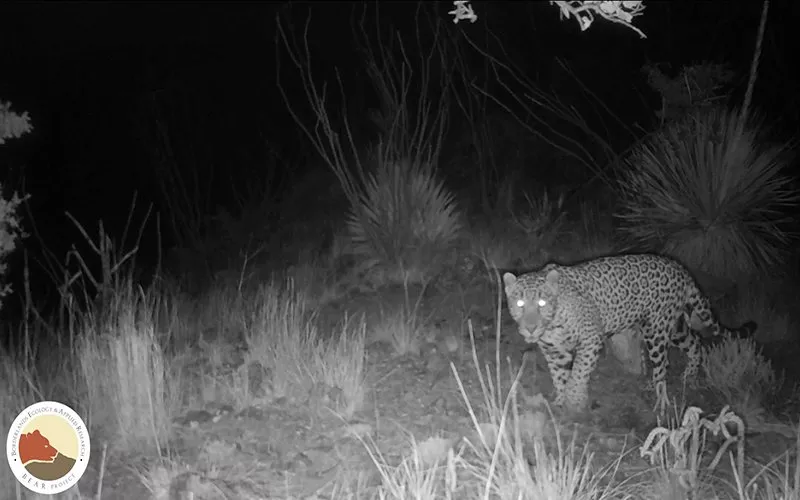
TUCSON – Although jaguars are widely assumed to live exclusively in Mexico, Central and South America, they once prowled Arizona, New Mexico and Texas before colonizers and poachers in the 19th century drove most of these beautifully spotted big cats out of the U.S.
So when Ganesh Marin was studying ecosystems along the border U.S.-Mexico this year, the University of Arizona Ph.D. student wasn’t expecting to see a young jaguar sauntering in his video feed in mid-March.
The far-ranging jaguar has been on the endangered species list for nearly 20 years because of deforestation, ranching, farming and poaching, and experts estimate only 15,000 are left in the wild globally. But there now is a glimmer of hope that Panthera onca – the largest cat in the Americas and a creature venerated in many Indigenous cultures – might one day return to its range in the U.S. Southwest.
“The goal of my research was not originally to find any jaguars,” Marin told Cronkite News. “I was working with my graduate adviser to observe the ecosystems that lived along the border and see how the diversity of those systems changed.”
Marin’s observations were meant to identify the ecosystem’s key players, and the young jaguar, despite being an unexpected variable, showed a potentially much bigger picture.

Tuesday, April 20, 2021
With 702 new cases reported today, the total number of Arizona’s confirmed novel coronavirus cases rose past 855,000 as of Tuesday, April 20, according to the Arizona Department of Health Services.

Pima County, which reported 51 new cases today, has seen 114,345 of the state’s 855,155 confirmed cases.
With 40 new deaths reported this morning, a total of 17,193 Arizonans have died after contracting COVID-19, including 2,386 deaths in Pima County, according to the April 20 report.
A total of 562 coronavirus patients were in the hospital as of April 19. That’s roughly 11% of the number hospitalized at the peak of the winter surge, which reached 5,082 on Jan. 12. The summer peak was 3,517, which was set on July 13, 2020. The subsequent lowest number of hospitalized COVID patients was 468, set on Sept. 27, 2020.
A total of 969 people visited emergency rooms with COVID-like symptoms on April 19. That number represents 41% of the record high of 2,341 set on Tuesday, Dec. 29, 2020. That number had peaked during the summer wave at 2,008 on July 7, 2020; it hit a subsequent low of 653 on Sept. 28, 2020.
A total of 155 COVID-19 patients were in intensive care unit beds on April 19, which roughly 13% of the record 1,183 ICU patients set on Jan. 11. The summer’s record number of patients in ICU beds was 970, set on July 13, 2020. The subsequent low was 114 on Sept. 22, 2020.
Ducey nixes ‘vaccine passports’
Gov. Doug Ducey yesterday banned state and local governments and some businesses from requiring vaccination status.

Monday, April 19, 2021


Pima County officials were scheduled to meet with Arizona Department of Health Services and FEMA to discuss contract terms of Pima County's federal POD today, according to an April 16 memo from County Administrator Chuck Huckelberry.
“What the contract does is basically delegate all authority to Pima County, so Pima County would be responsible for the operations, the set up, the tear down of that and give them the authority to work directly with FEMA,” said ADHS Director Dr. Cara Christ in a briefing Friday.
In the April 13 memo, Huckelberry said they are in the process of reviewing the requirements for the community vaccination center (CVC), but that “some terms and conditions appear to be particularly draconian.”
Under the agreement released by the county on April 13, the state makes clear “neither the State nor any agency thereof, shall have any responsibilities, obligations, or liability pertaining to any CVC to be developed, organized, and operated in Pima County.” The state also requires the county to provide FEMA with a plan for a registration system (which the county will be solely responsible for creating) before opening the federal POD for vaccine registrations and “that system shall not utilize any similar system created or utilized by the State.”
Christ said the state does not have the resources as they open two new sites in Arizona—the Westworld location in Scottsdale and the Northern Arizona University site—to allow the county to utilize their vaccination system.
“The onboarding and the deployment of that for a State POD site is a significant workload on the department,” said Christ. She also noted the onboarding and maintenance concerns were listed in their March 26 letter to FEMA, where the state announced they would allow the federal POD in Pima County, if their requirements were met.
The contract, like the March 26 letter, placed sole responsibility on Pima County for staffing, resources, and funding and indicated the county could not ask the State for help.

Saturday, April 17, 2021
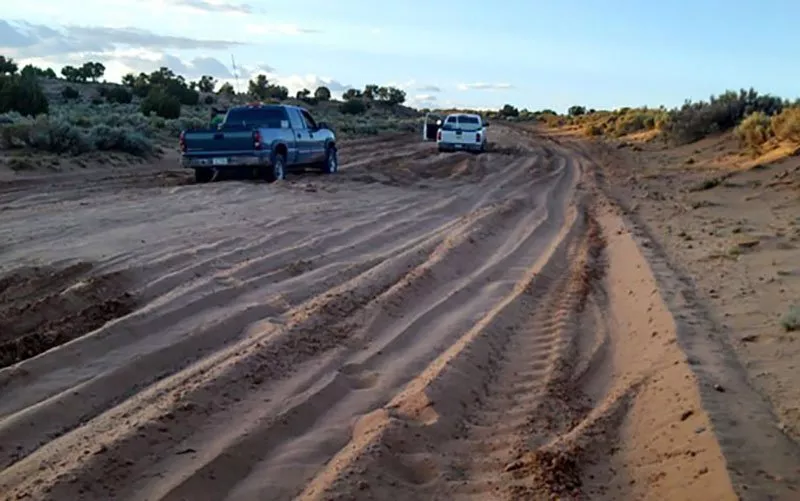
WASHINGTON – Indian Country infrastructure needs, for everything from water to housing to broadband, are a high priority of the Biden administration’s $2.2 trillion American Jobs Plan, Transportation Secretary Pete Buttigieg said this week.
Buttigieg, in a call with reporters Monday to discuss the plan, said the need to improve 20th-century infrastructure on the lands of the 574 federally recognized tribes has been ignored by the federal government for years.
“A lot of parts of Indian country have been on the short end of … infrastructure investment maintenance, over the years,” Buttigieg said.
The American Jobs Plan is President Joe Biden’s $2.2 trillion plan to transform the nation’s infrastructure. Along with the American Rescue Plan, which aimed to help Native Americans recover from the COVID-19 pandemic, the administration intends for the American Jobs Plan to help solve the tribes’ growing infrastructural needs.
“When we talk about equity, we’re thinking a lot about racial and economic justice,”
Buttigieg said of the plan. “But we’re also thinking about stretches of this country that have too often been left out of the promises of this kind of great infrastructure.”
For Native American communities, those needs include critical water infrastructure, internet broadband, housing, transportation, tribal colleges and universities and roads, Buttigieg said.
Broadband was among the top priorities for tribes with the American Rescue Plan, which funding to come from the Department of Housing and Urban Development. Many families did not have access to the internet throughout the pandemic, making it difficult for their students to attend distance learning classes.
Biden’s infrastructure plan aims to provide 100% broadband coverage across rural and tribal communities.

