Wednesday, March 10, 2021

Tuesday, March 9, 2021
One year ago today, March 9, 2020, Pima County's first patient tested positive for COVID-19.

Earlier in the day, a group of elected officials, including Tucson Mayor Regina Romero and the late Pima County Supervisor Richard Elias, held a press conference to warn that COVID-19 was on its way. They predicted it would be like a bad flu season and encouraged people to wash their hands more often.
At the time, few knew just how bad it would get.
By mid-March, dozens of spring events had been canceled, from the Tucson Book Festival to concerts at the Rialto Theater. Restaurants and bars shut down or switched to takeout service. Pasta, meat and especially toilet paper began flying off grocery shelves. As we all learned about Zoom, Gov. Doug Ducey and Superintendent of Public Instruction Kathy Hoffman announced that the public school system would go to remote learning at the end of spring break; university and college leaders did the same.
During the past 12 months, Arizona has twice been one of the world’s worst COVID hot spots. With the winter wave receding, here’s where we stand.
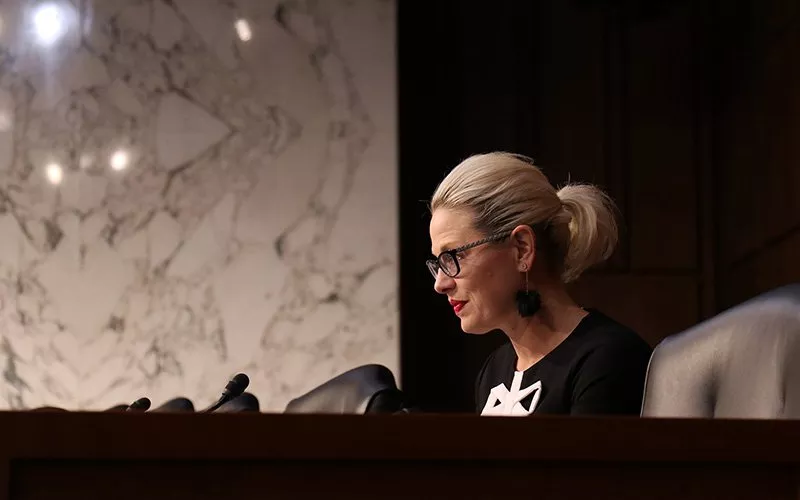
WASHINGTON – Arizona Sen. Kyrsten Sinema said she still believes the Senate should take up a higher minimum wage, but that didn’t keep critics from lighting into her after her Friday vote to keep the higher wage out of the latest pandemic relief package.
Sinema was one of seven Democrats who joined Republicans to reject an amendment to the American Rescue Plan that would have raised the wage to $15 an hour over five years. That move was backed by the House and the White House but rejected in the Senate on procedural grounds.
A video of Sinema appearing to curtsy before giving a thumbs-down to the minimum wage amendment brought an angry outburst on social media. With hashtags like #letthemeatcake, opponents recycled a 2014 Sinema tweet where she called a higher minimum wage a “no-brainer,” and they issued calls for her to be “primaried” by the liberal wing of the Democratic Party.
But analysts are split on how much damage the vote, and the ensuing hubbub, will have on Sinema’s long-term political future.
Garrett Archer, a data analyst at ABC15, said that Sinema may have to face a “credible challenger” in the 2024 primaries, something unusual for the typically outnumbered Democratic Party in Arizona.
Monday, March 8, 2021

With 783 new cases reported today, the total number of Arizona’s confirmed novel coronavirus cases topped 827,000 as of Monday, March 8, according to the Arizona Department of Health Services.

Pima County, which reported 103 new cases today, has seen 110,590 of the state’s 827,237 confirmed cases.
A total of 16,328 Arizonans have died after contracting COVID-19, including 2,261 deaths in Pima County, according to the March 8 report.
The number of hospitalized COVID cases statewide dipped below 1,000 this weekend for the first time since November. A total of 919 coronavirus patients were in the hospital as of March 7. That’s roughly 18% of the number hospitalized at the peak of the winter surge, which reached 5,082 on Jan. 11. The summer peak was 3,517, which was set on July 13, 2020. The subsequent lowest number of hospitalized COVID patients was 468, set on Sept. 27, 2020.
A total of 990 people visited emergency rooms on March 7 with COVID symptoms. That number is roughly 42% of the record high of 2,341 set on Tuesday, Dec. 29, 2020. That number had peaked during the summer wave at 2,008 on July 7, 2020; it hit a subsequent low of 653 on Sept. 28, 2020.
A total of 256 COVID-19 patients were in intensive care unit beds on March 7, which is roughly 22% of the record 1,183 ICU patients set on Jan. 11. The summer’s record number of patients in ICU beds was 970, set on July 13, 2020. The subsequent low was 114 on Sept. 22, 2020.
Editor's note: An earlier version of this story misquoted Tempe Elementary School District spokesperson Brittany Franklin, administrators there were not discussing whether to make summer school mandatory.
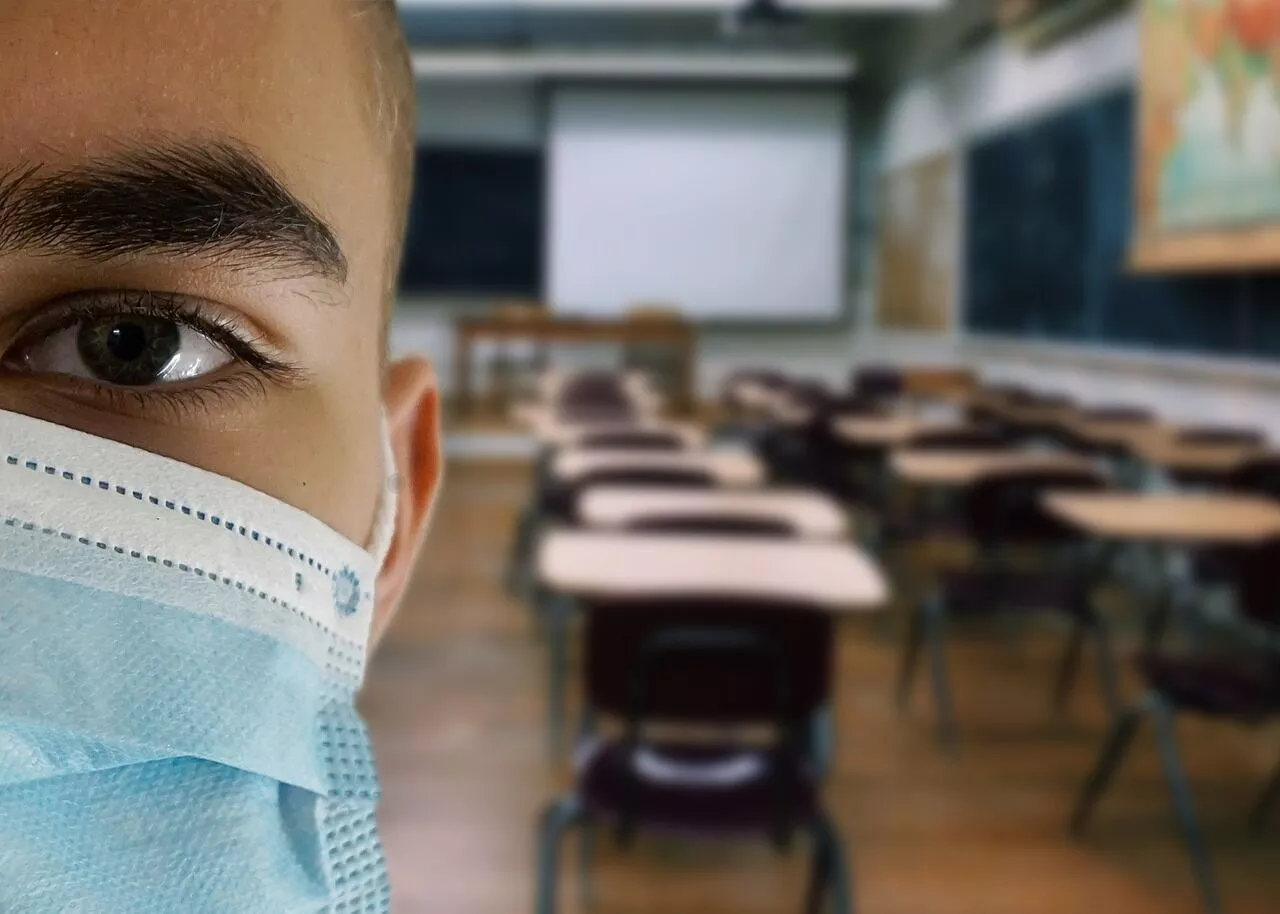
PHOENIX – Before the pandemic, second-grader Melody Wiseley loved going to school. But for the past year, her life has consisted of Zoom classes and social distancing. The mundane, taken-for-granted moments she once shared with friends in the lunchroom and on the playground are cherished memories.
Her grandmother, Heidi Aranda, who is the senior director of curriculum development for Tucson Unified School District, noticed her granddaughter’s struggles over the past year. One likely remedy is summer school, which is not mandatory in Arizona, but districts are offering more classes this year to help students who struggled remotely catch up.
“She has struggled a bit with the online instruction,” Aranda said of Melody. “She is very social and she interacts with people all the time, so this has been hard for her.”
She said the learning experience in her home is different from most because her daughter – Jacqueline Aranda, who teaches in Tucson Unified – and her granddaughter live with her. But despite the teacher powerhouse, it can still be difficult to keep Melody on track.
“It’s hard because there are times where there is support at home and there’s times where there isn’t support at home,” Heidi Aranda said.
Melody isn’t the only student who struggles with remote learning.
Friday, March 5, 2021
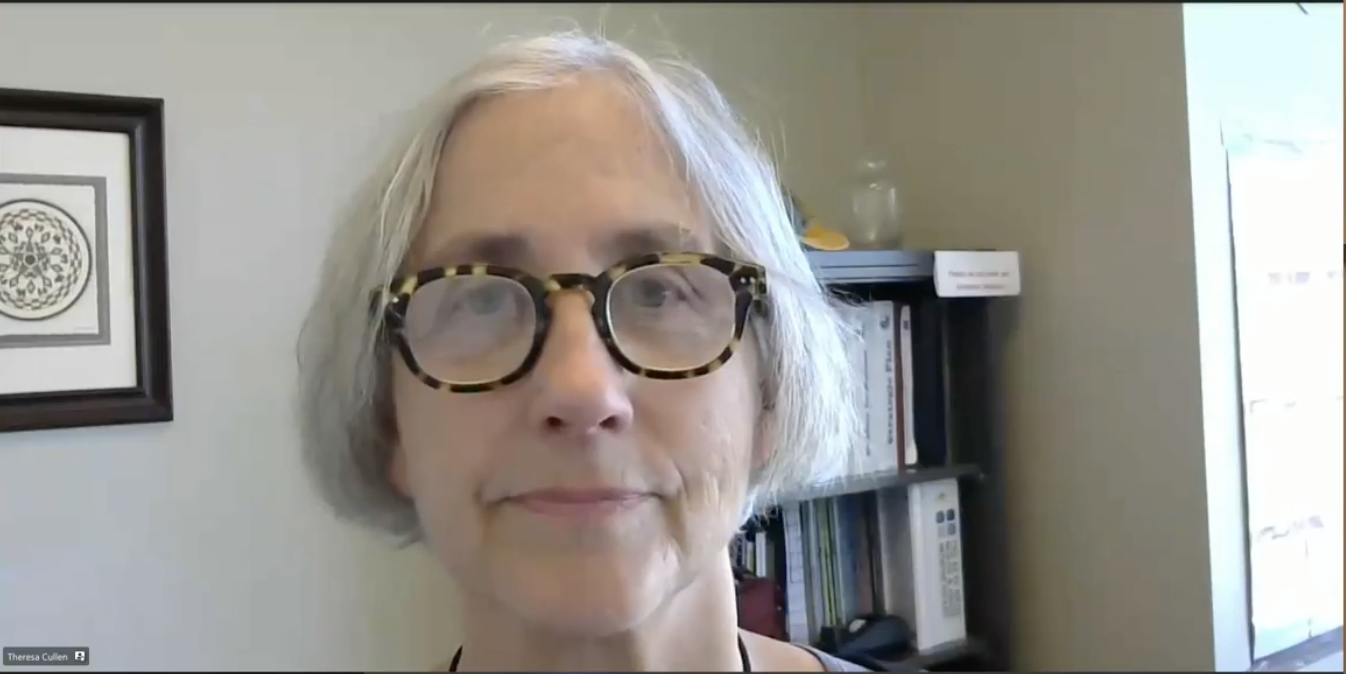
With a reminder that Thursday marked a year since the first COVID test came back positive in Pima County and that more than 110,000 people have tested positive since then, Pima County Health Department Director Dr. Theresa Cullen said she is looking to the future as county officials expect to hit the goal of 300,000 vaccinations before the end of March.
But whether they can reach that goal depends on how many vaccine doses arrive in Pima County from the state. As of March 4, 283,011 vaccines were administered in Pima County and Cullen said that if the county receives enough doses, it could hit the 300,000 mark sometime next week.
The county continues to vaccinate those 65 and older and had almost half of that population vaccinated a few days ago. The state is asking Pima County to have 55% of people 65+ vaccinated with the first dose by March 9, which would depend on how many first appointments are opened up at the state POD, Cullen said.
After Banner Health officials announced they would end vaccinations at Banner North and consolidate all vaccinations at Banner South, Cullen said the consolidation of the sites was in the works but it was with the hope that the Kino Sports Complex site would be able to increase appointments. The transition was based on the supply of Moderna vaccine.
The county has received 23,000 doses of Moderna, which they have yet to allot and continue to have discussions with TMC, TCC and Banner to evaluate their needs, Cullen said.
“We hoped the supply chain would loosen up,” Cullen said. “We have every indication that it will by the end of this month.”
The county has also received 8,200 doses of the Johnson & Johnson vaccine, which will be the only allocation for the next three to four weeks, Cullen said.
The Johnson & Johnson vaccine will be distributed to federally qualified health centers and also support the county’s pop-ups, but only in communities they had not previously vaccinated, as those who received Pfizer or Moderna will need a second shot of the same vaccine.
“We've been able to extend a hand into community and community members that we may not have touched before, that we may not have been able to develop trust with, from a community perspective,” said Cullen.
In Pima County, more than 2,200 people have died after contracting the virus; statewide, that number has topped 16,000 in Arizona.
“Everybody knows somebody,” said Cullen tearfully. “It's in their family or their grandma, or their best friend who has passed or is still suffering from the disease.”
With 2,276 new cases reported today, the total number of Arizona’s confirmed novel coronavirus cases topped 823,000 as of Friday, March 5, according to the Arizona Department of Health Services.

Pima County, which reported 215 new cases today, has seen 110,287 of the state’s 823,384 confirmed cases.
With 84 new deaths reported today, a total of 16,269 Arizonans have died after contracting COVID-19, including 2,254 deaths in Pima County, according to the March 5 report.
The number of hospitalized COVID cases statewide has continued to decline, with 1,043 coronavirus patients in the hospital as of March 4. That’s roughly 21% of the number hospitalized at the peak of the winter surge, which reached 5,082 on Jan. 11. The summer peak was 3,517, which was set on July 13, 2020. The subsequent lowest number of hospitalized COVID patients was 468, set on Sept. 27, 2020.
A total of 1,116 people visited emergency rooms on March 4 with COVID symptoms. That number is roughly 48% of the record high of 2,341 set on Tuesday, Dec. 29, 2020. That number had peaked during the summer wave at 2,008 on July 7, 2020; it hit a subsequent low of 653 on Sept. 28, 2020.